






Antarctica
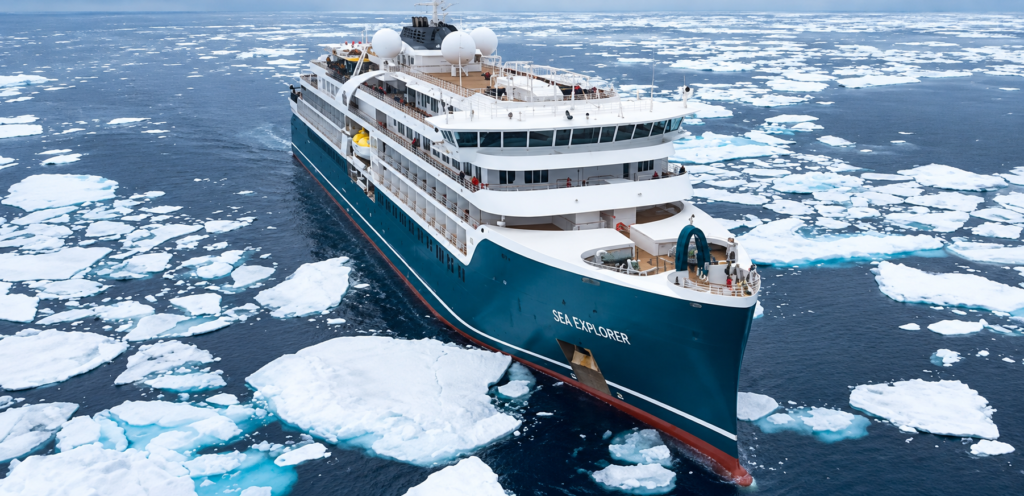
Vast ice sheets, drifting sea ice and endless horizons define Antarctica as one of the most…
ExploreFrom contemporary cities and business communities to Indigenous cultural traditions and distinctive ecosystems, Oceania and Antarctica connect learning about people with exploration of place. Programs across Australia, New Zealand, the Pacific Islands, and Antarctica combine cultural exchange and insights into modern society with field experiences in marine, volcanic, and polar environments, examining how heritage, innovation, and environmental change shape the region.
Explore Oceania destinations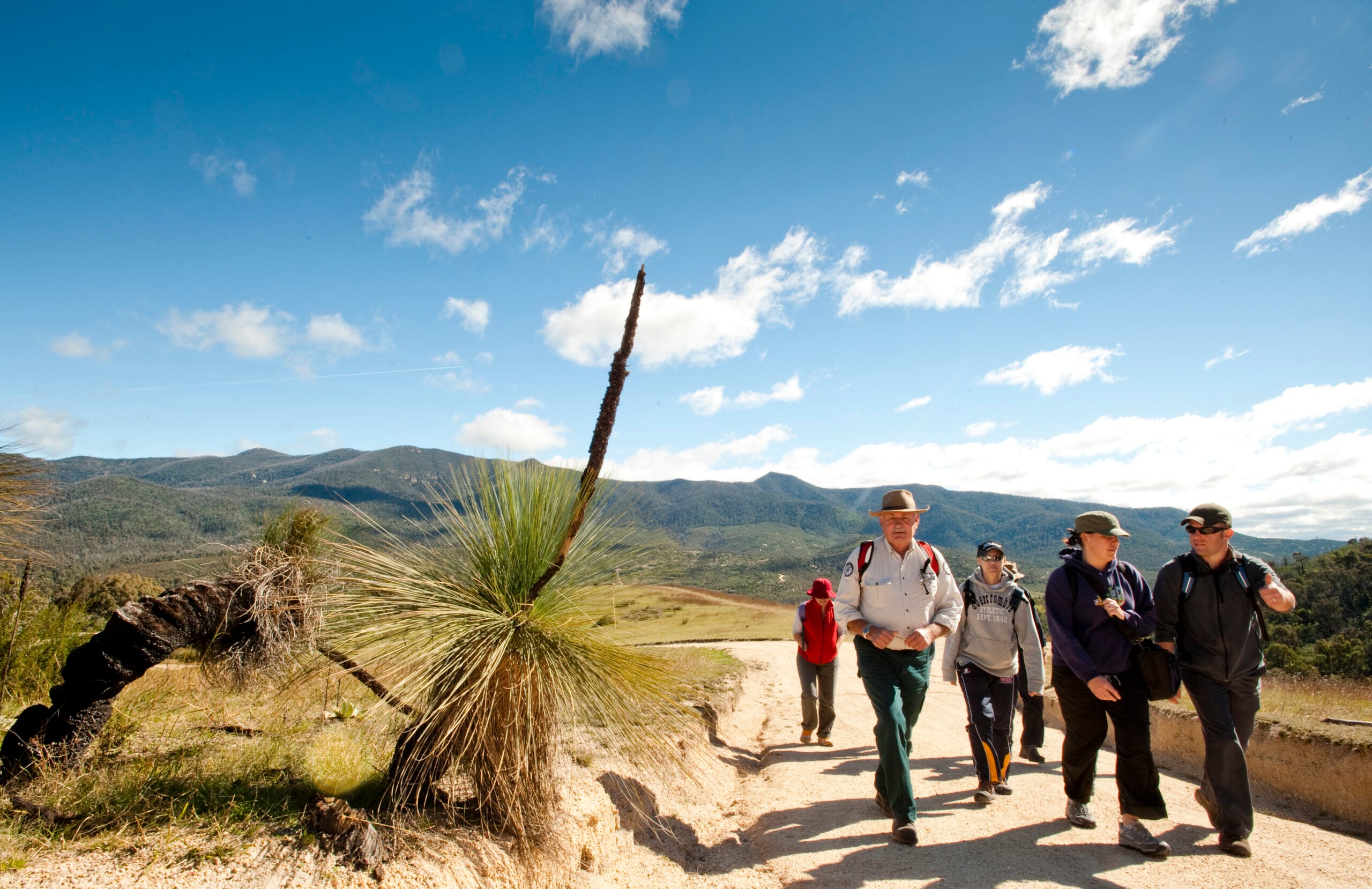
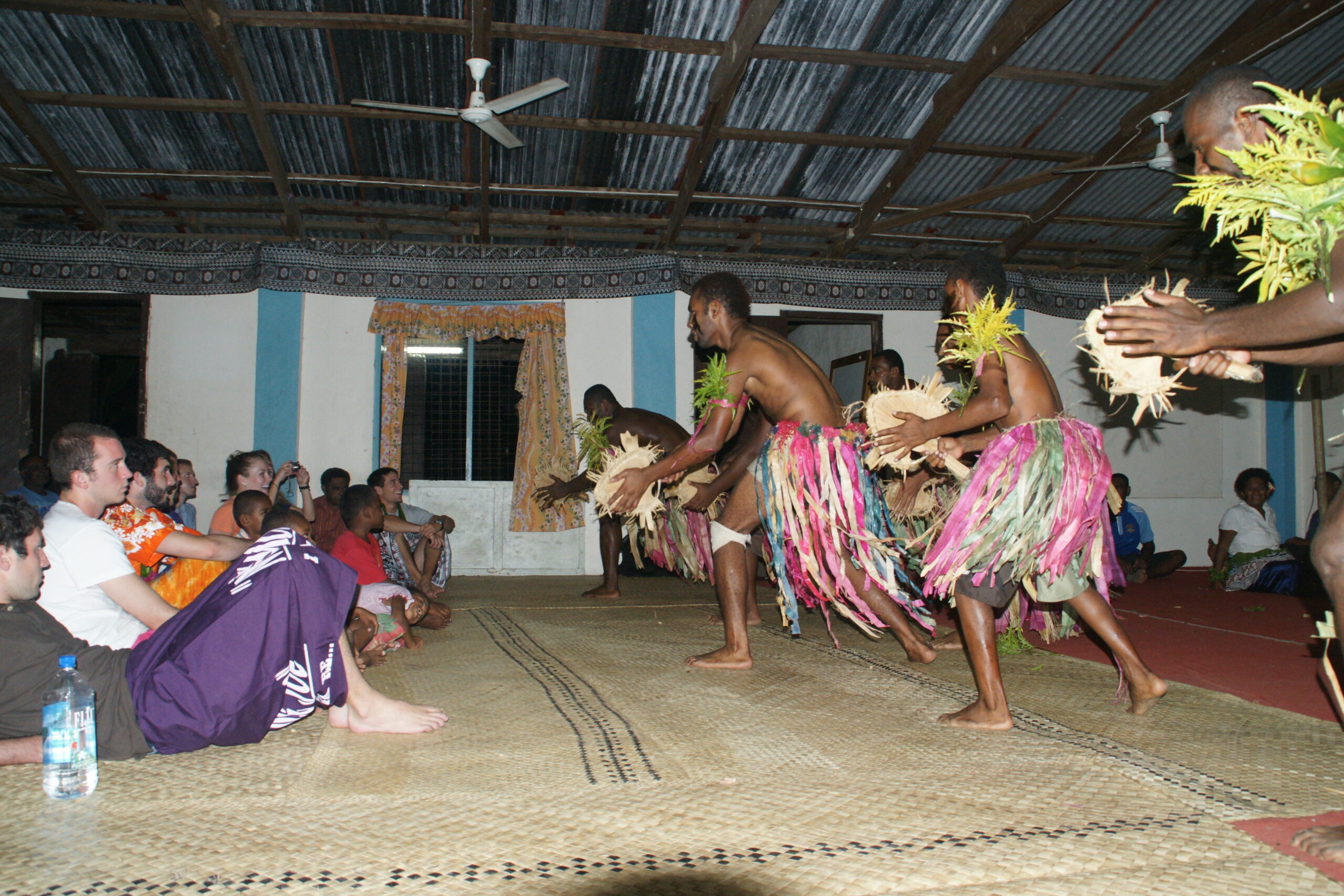
Educational programs in Oceania and Antarctica combine environmental learning with cultural perspectives and place-based education. Students engage with Indigenous knowledge and cultural perspectives, explore bicultural identity in New Zealand, and learn from community traditions across the Pacific Islands while examining sustainability and environmental leadership.
Programs support sustainable group travel across coastal conservation areas, tropical island ecosystems, and glacier and alpine landscapes. Academic themes may include coral reefs and marine ecosystems, biodiversity conservation, Pacific Islands climate resilience, and climate change learning environments.
From marine ecosystems in Fiji to national parks in Australia and New Zealand, and ship-based expedition learning in Antarctica, these programs provide opportunities for academic group travel grounded in outdoor learning environments, conservation leadership, and environmental research.
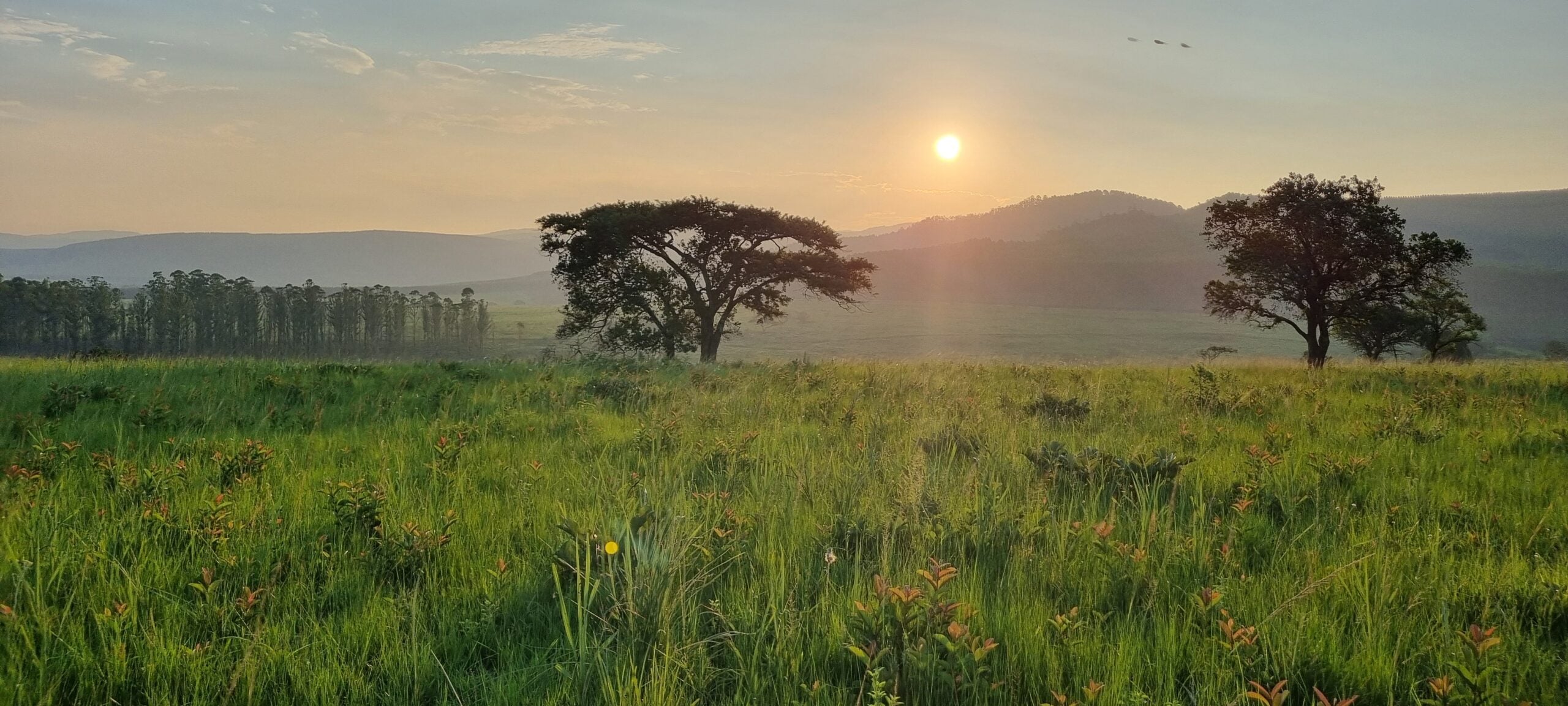
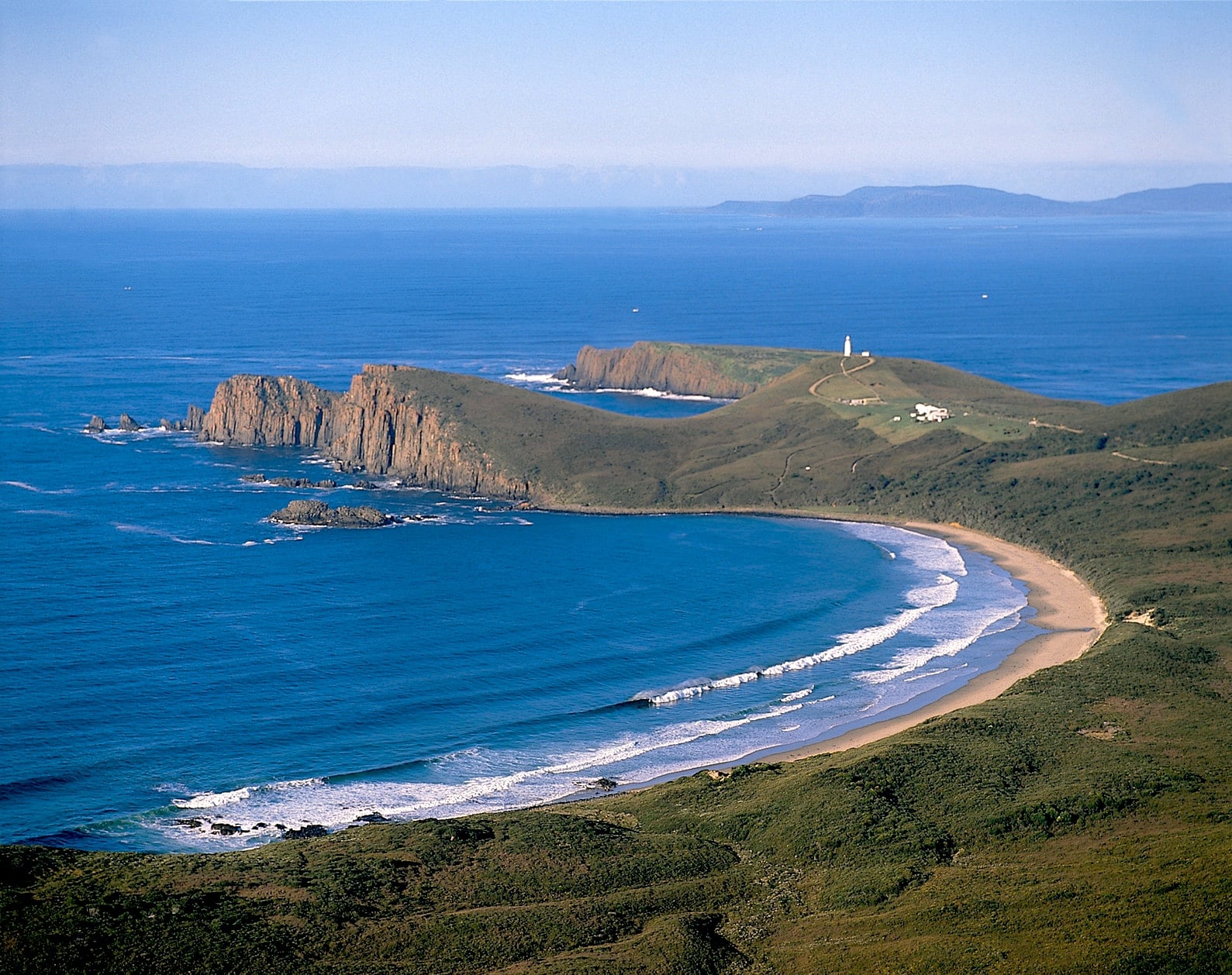
Vast ice sheets, drifting sea ice and endless horizons define Antarctica as one of the most…
Explore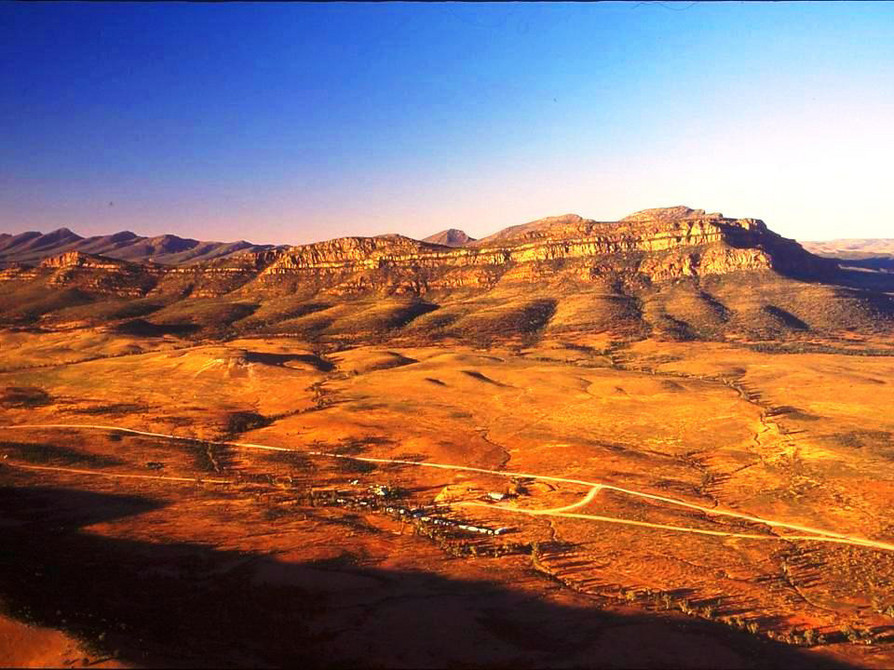
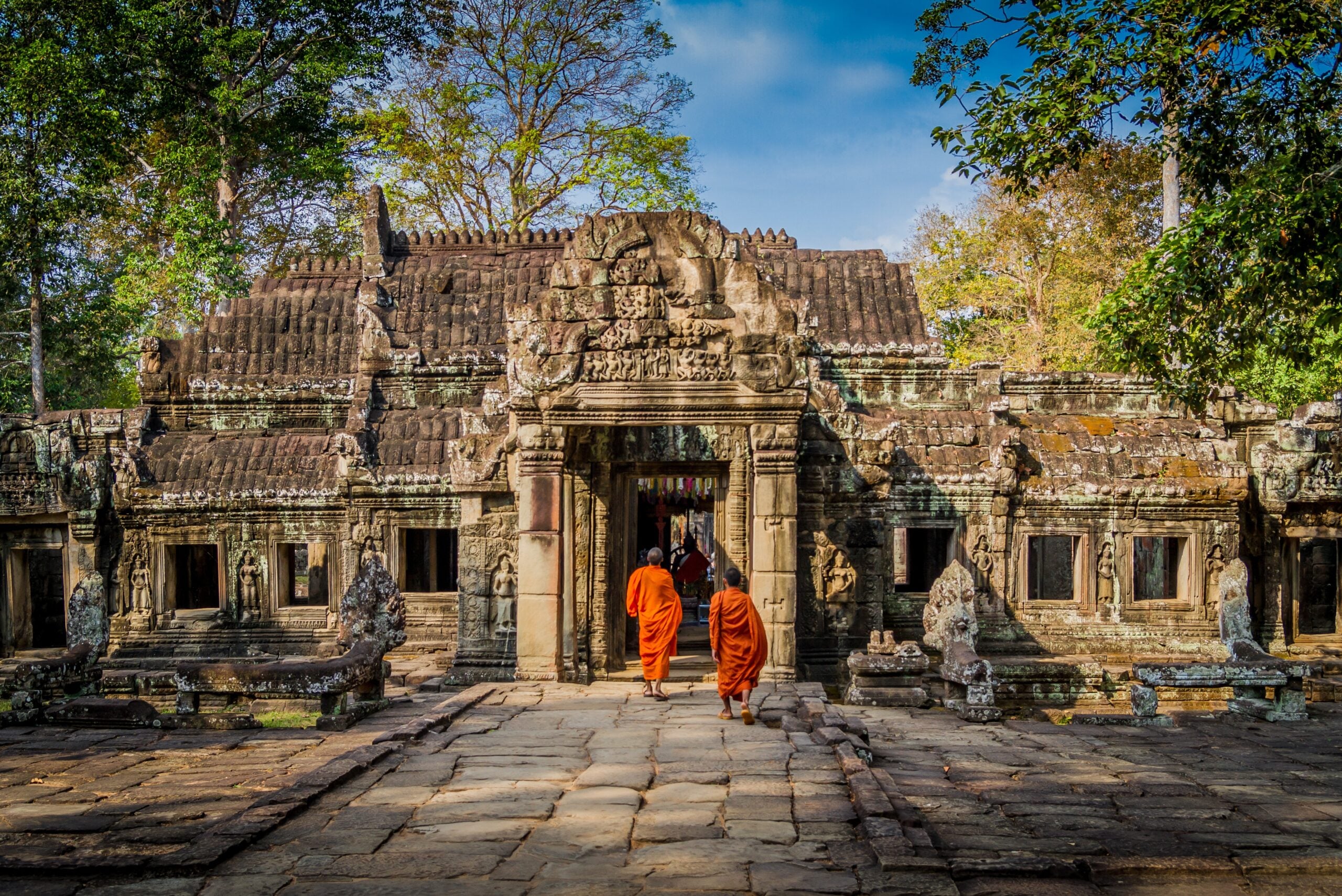
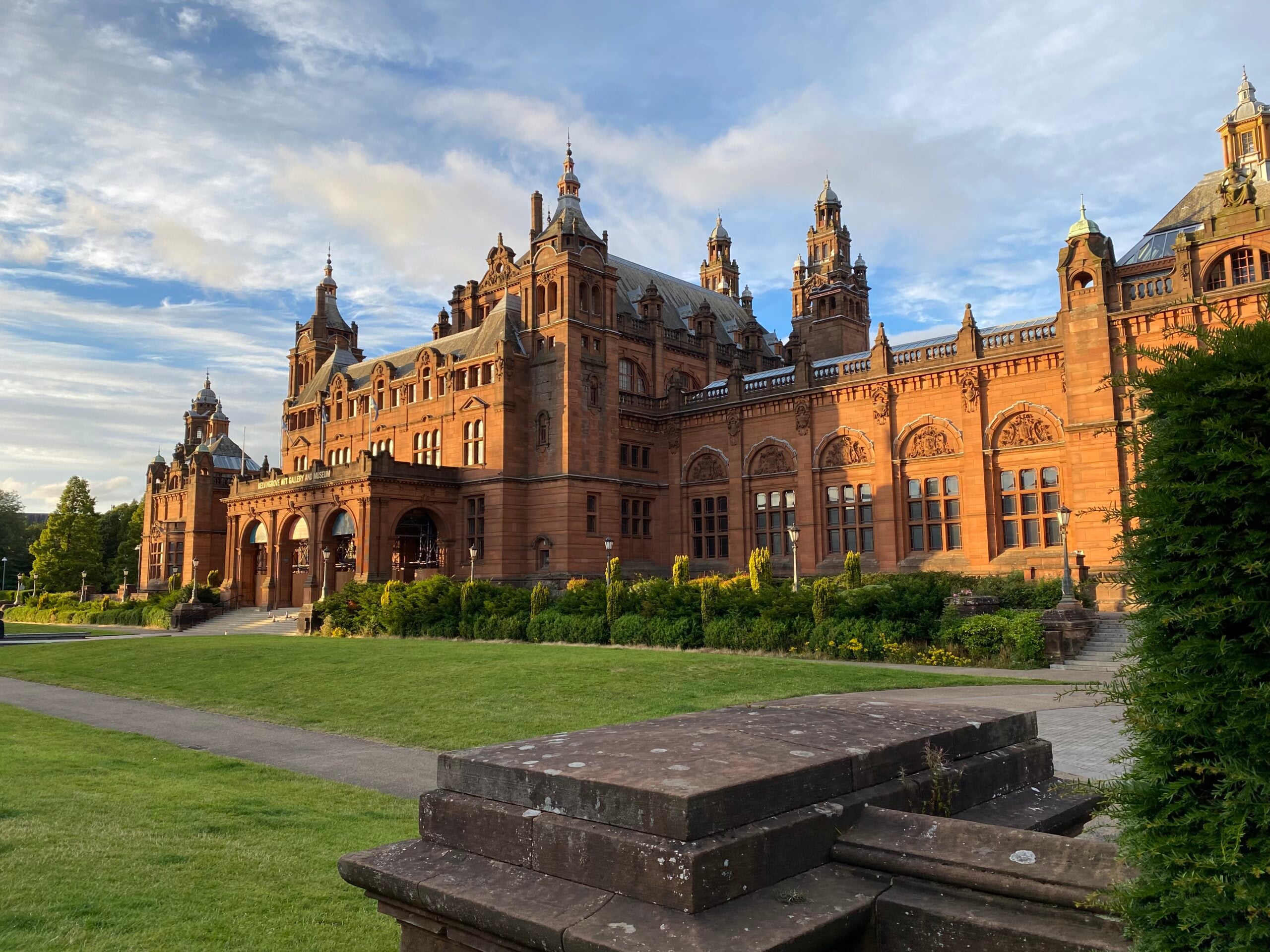
Australia spans vast deserts, vibrant coastal cities and some of the world’s most unique ecosystems. Indigenous…
Explore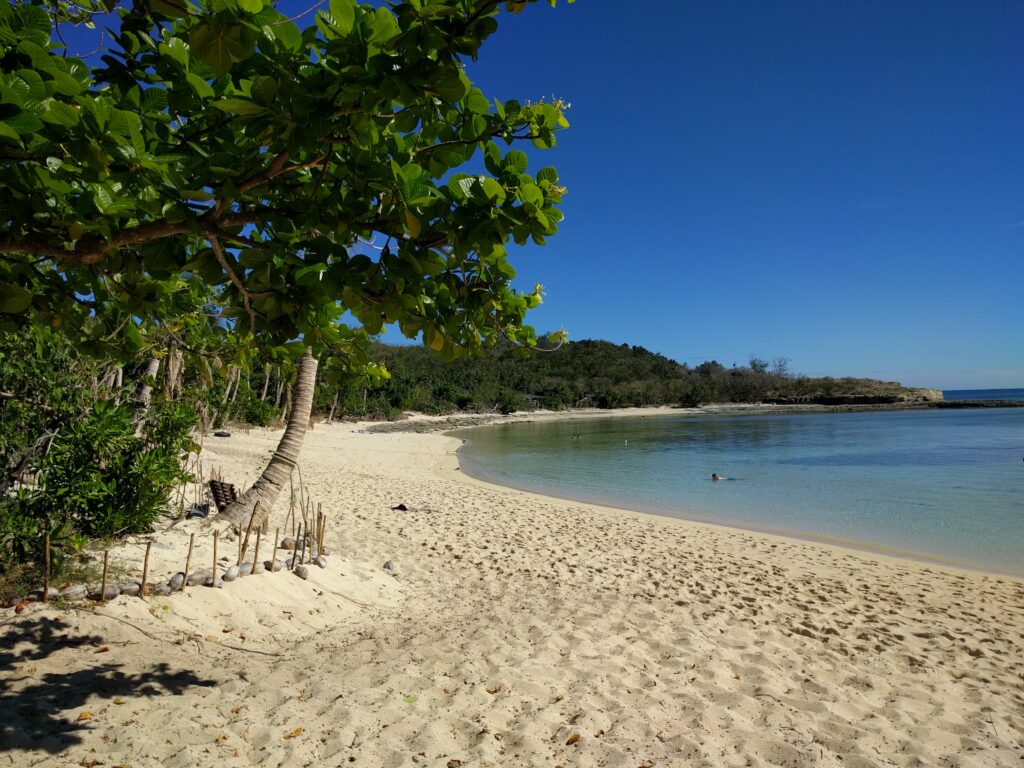
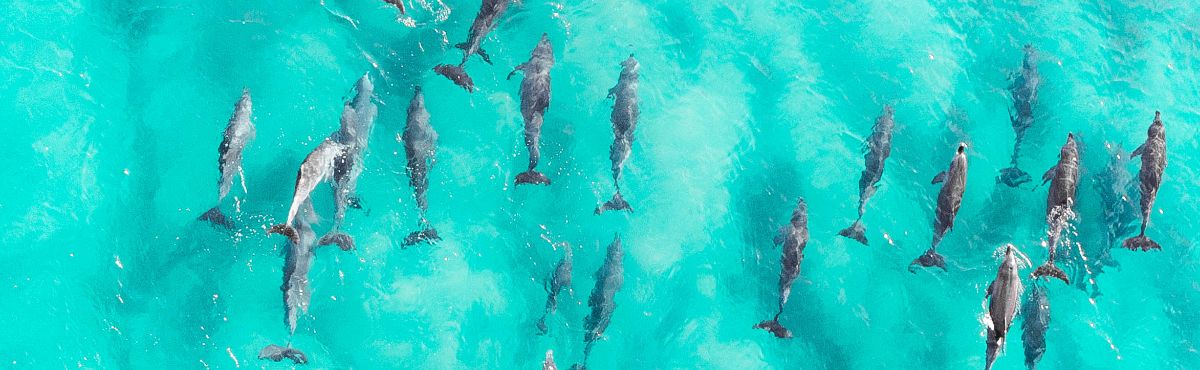
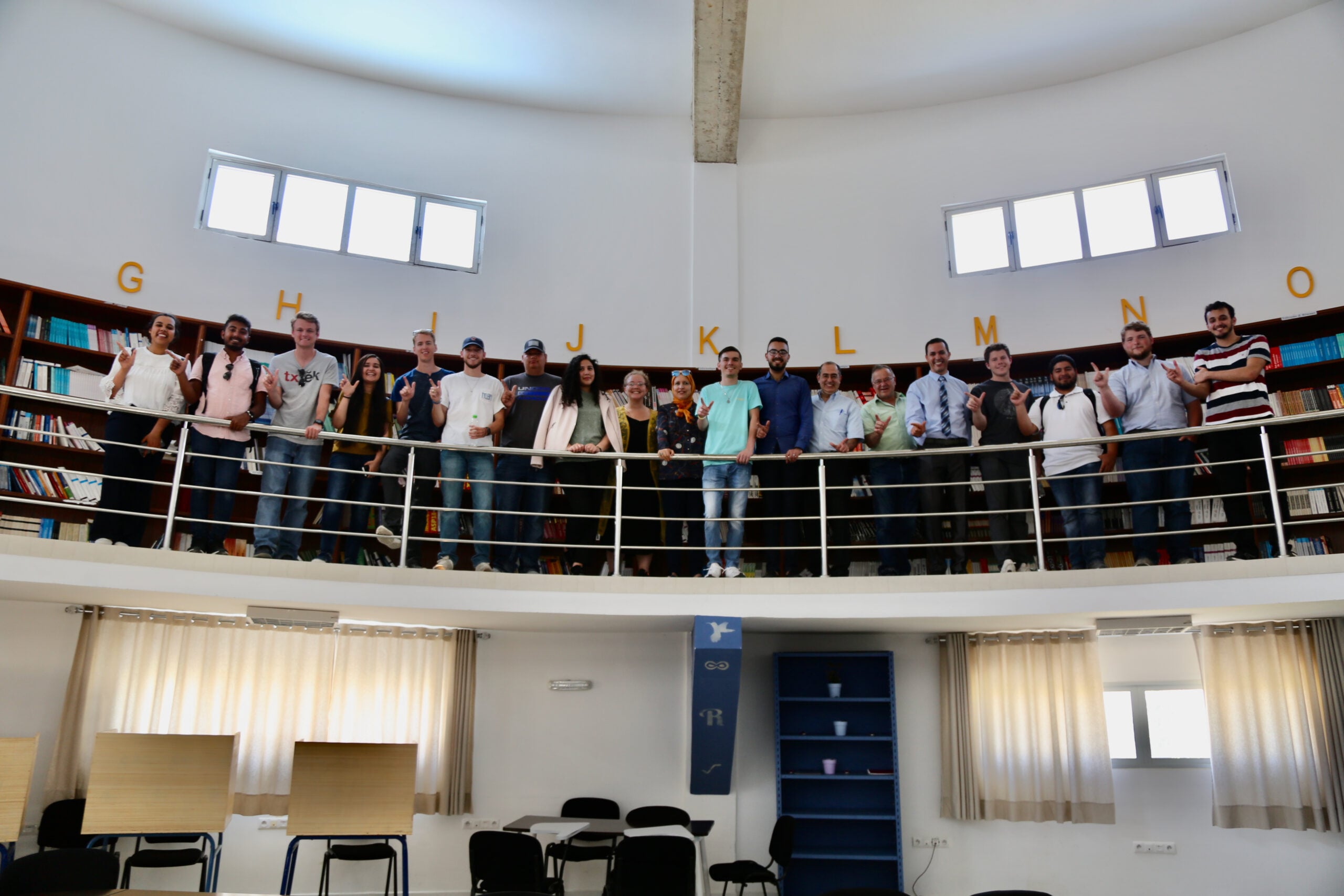
Turquoise lagoons, coral reefs and palm-lined villages shape everyday life across Fiji’s tropical islands. Strong Melanesian…
Explore
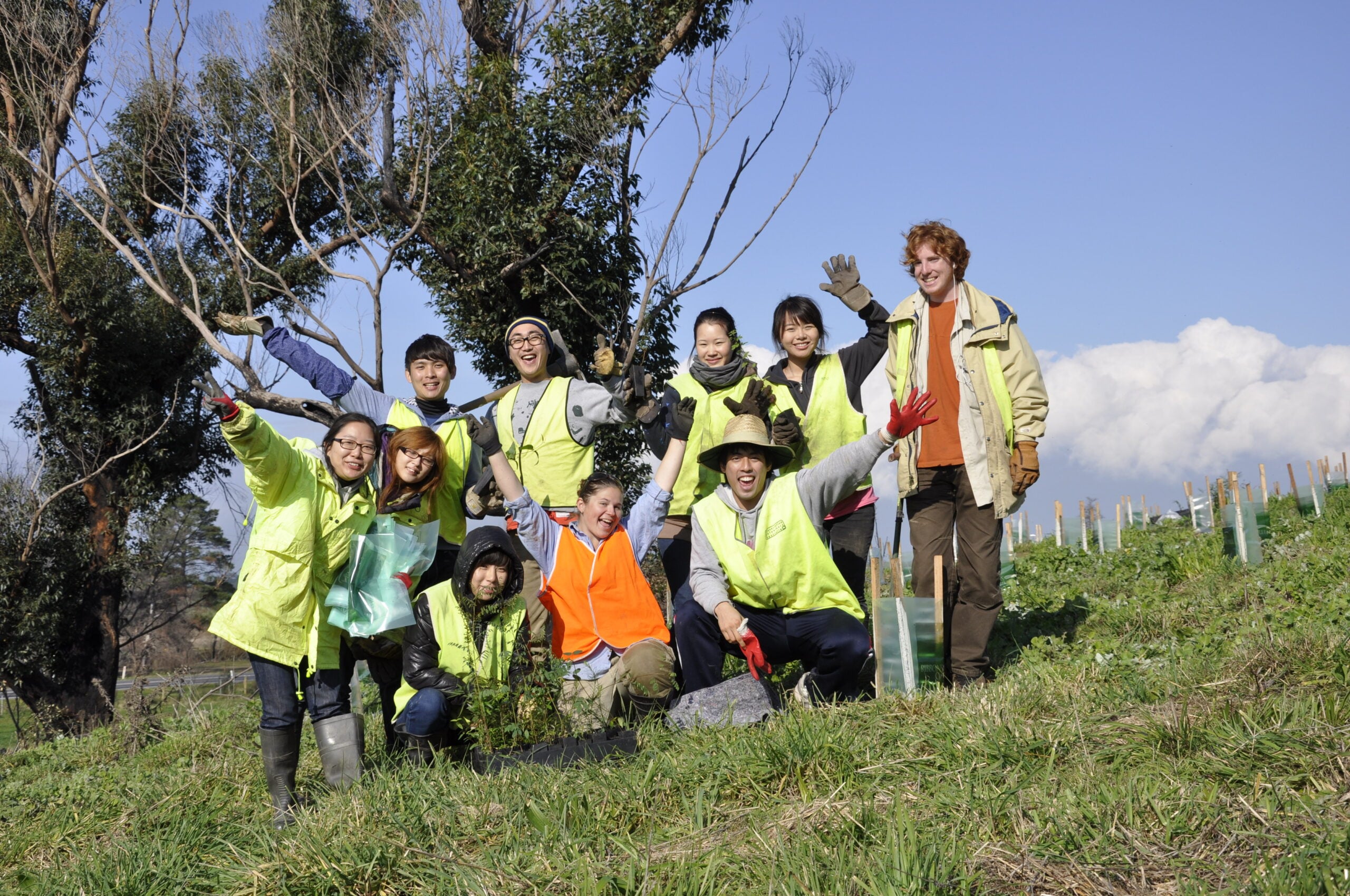
New Zealand blends dramatic natural landscapes with a strong bicultural identity shaped by Māori and Pākehā…
Explore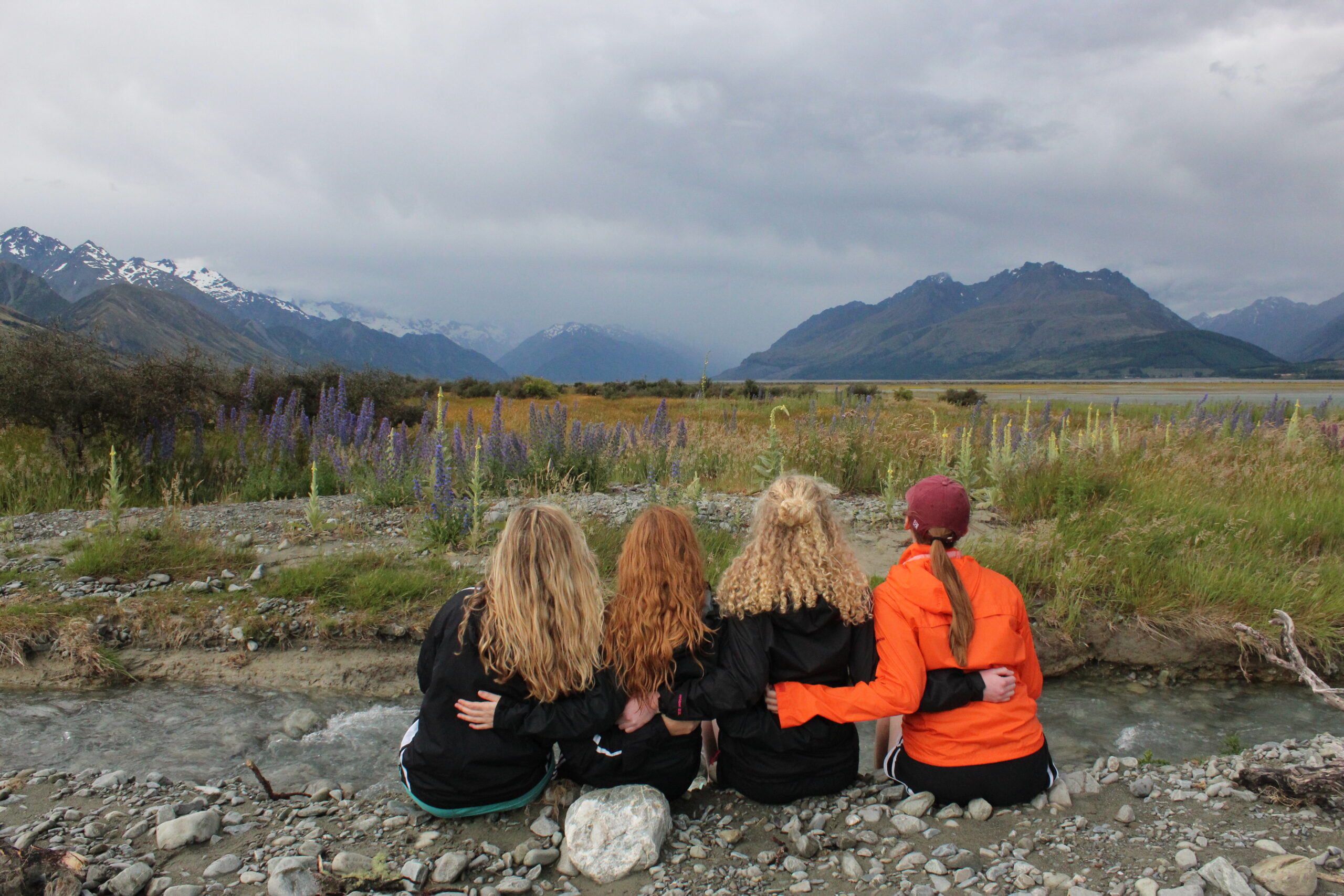
FAQS
Start with the course’s learning goals, then discuss suitable destinations and available options with Kaya. Considerations should include academic relevance, travel logistics, accessibility and environmental conditions, rather than assuming every destination offers the same activities or learning opportunities.
Kaya programs encourage students to examine the environmental implications of travel alongside their academic subject. Linking itinerary choices and field observations with classroom theory and the UN SDGs creates opportunities to discuss conservation, resource use, and the responsibilities of visiting groups.
A Kaya program in Oceania or Antarctica will be planned around academic goals, group size, budget, and learning needs. Faculty will work with the Kaya team to discuss travel logistics, health considerations, accessibility, seasonal conditions, and how activities can support meaningful field-based learning.
All Kaya programs draw on community knowledge, local practitioners, and specialist expertise. These perspectives inform the learning experience, with clear expectations around respectful engagement and recognition that community-based and Antarctic expedition settings require different approaches.
Faculty can structure learning around field journals, comparative studies, presentations or research-informed reflection. Kaya programs can build in activities before, during, and after travel, helping students connect experiences with academic concepts and evidence. Kaya works with faculty to tailor activities to assessment and credit requirements, with academic credit awarded by the home institution; through Kaya’s School of Record, credit may also be available for internship placements of four weeks or more.
 1
Together we’ll discuss your program goals and needs.
 2
With your input, we develop and fine-tune the perfect itinerary.
 3
We support institutional approvals and recruitment processes to ensure a successful launch!
 4
From pre-departure planning until your return, we’re with you every step of the way!
Program ideas
Browse example itineraries and program ideas inspired by topics Kaya groups have explored over the years.


Testimonials
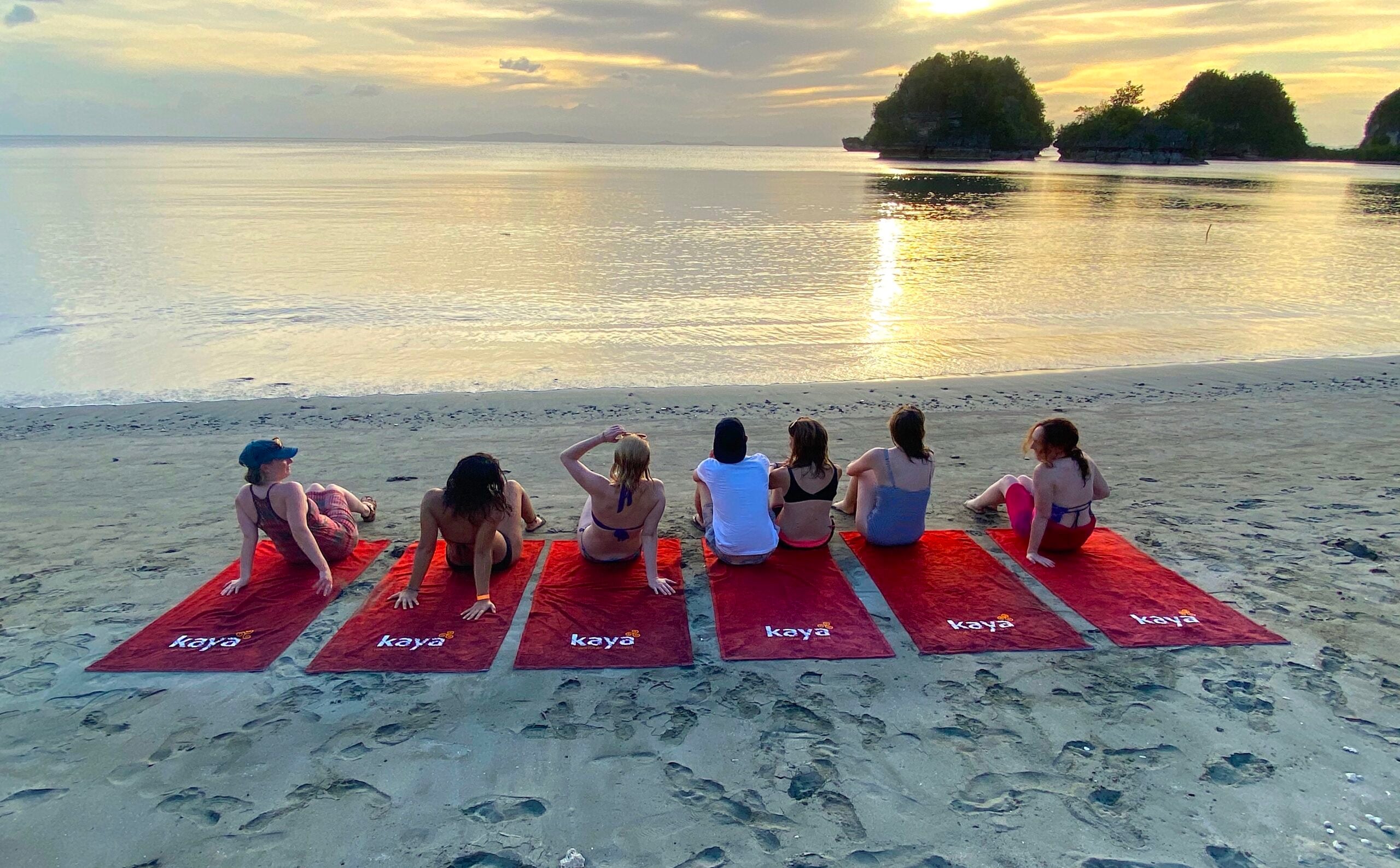
With a focus on experiential education and the UN Sustainable Development Goals, your group can immerse and engage with international communities and environments across the globe.