







Scuba and Society in Belize
- Biology, Environmental Science & Sustainability
- Marine Sciences
Check out how Kaya and New Mexico State University brought avian migration research to life through hands-on fieldwork in Costa Rica’s diverse habitats.
Design a program like this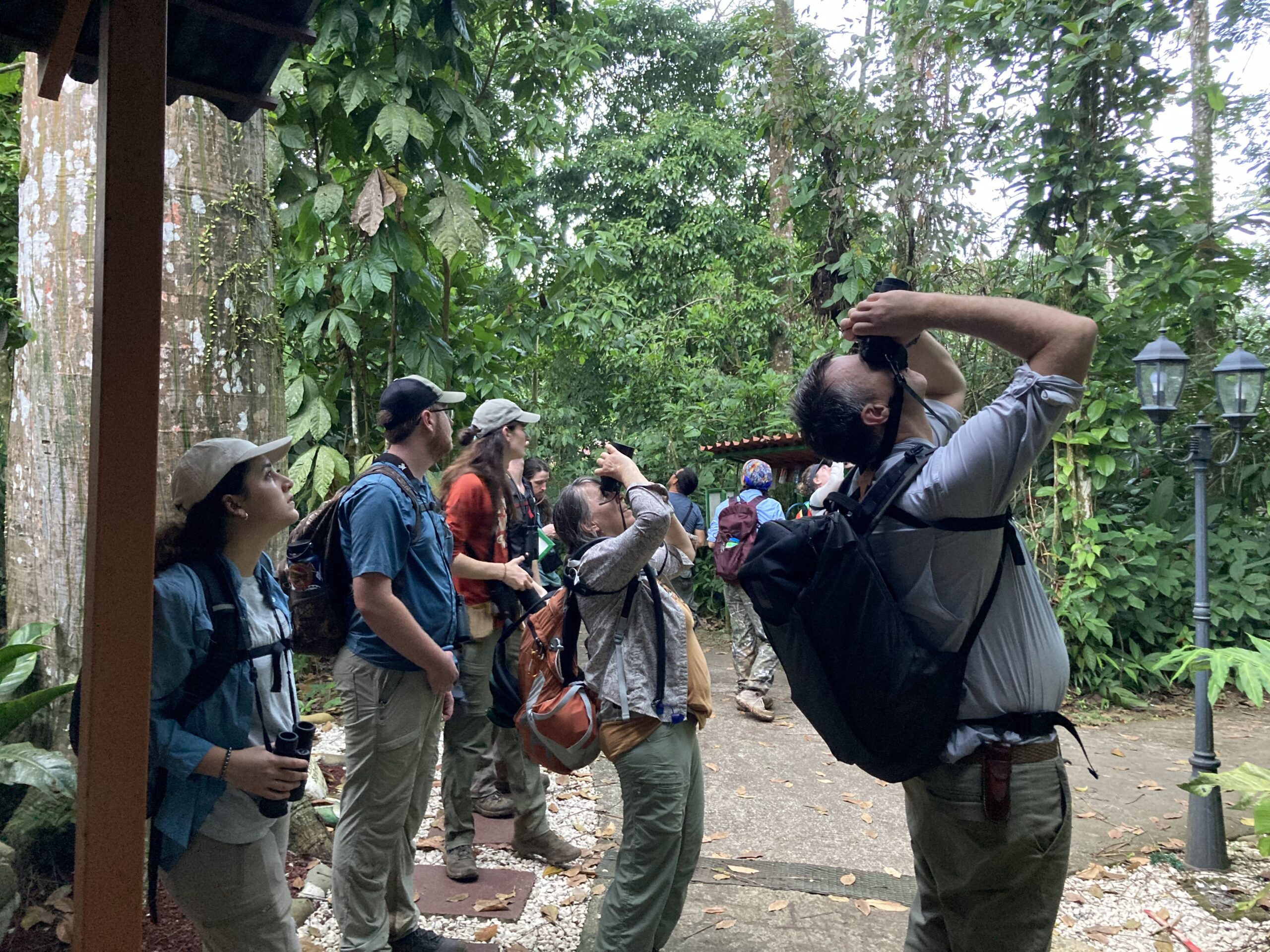
When New Mexico State University wanted to take its Avian Migration Program into the field, Costa Rica offered an ideal setting: two contrasting habitats, remarkable bird diversity, and opportunities for students to contribute to real ecological research.
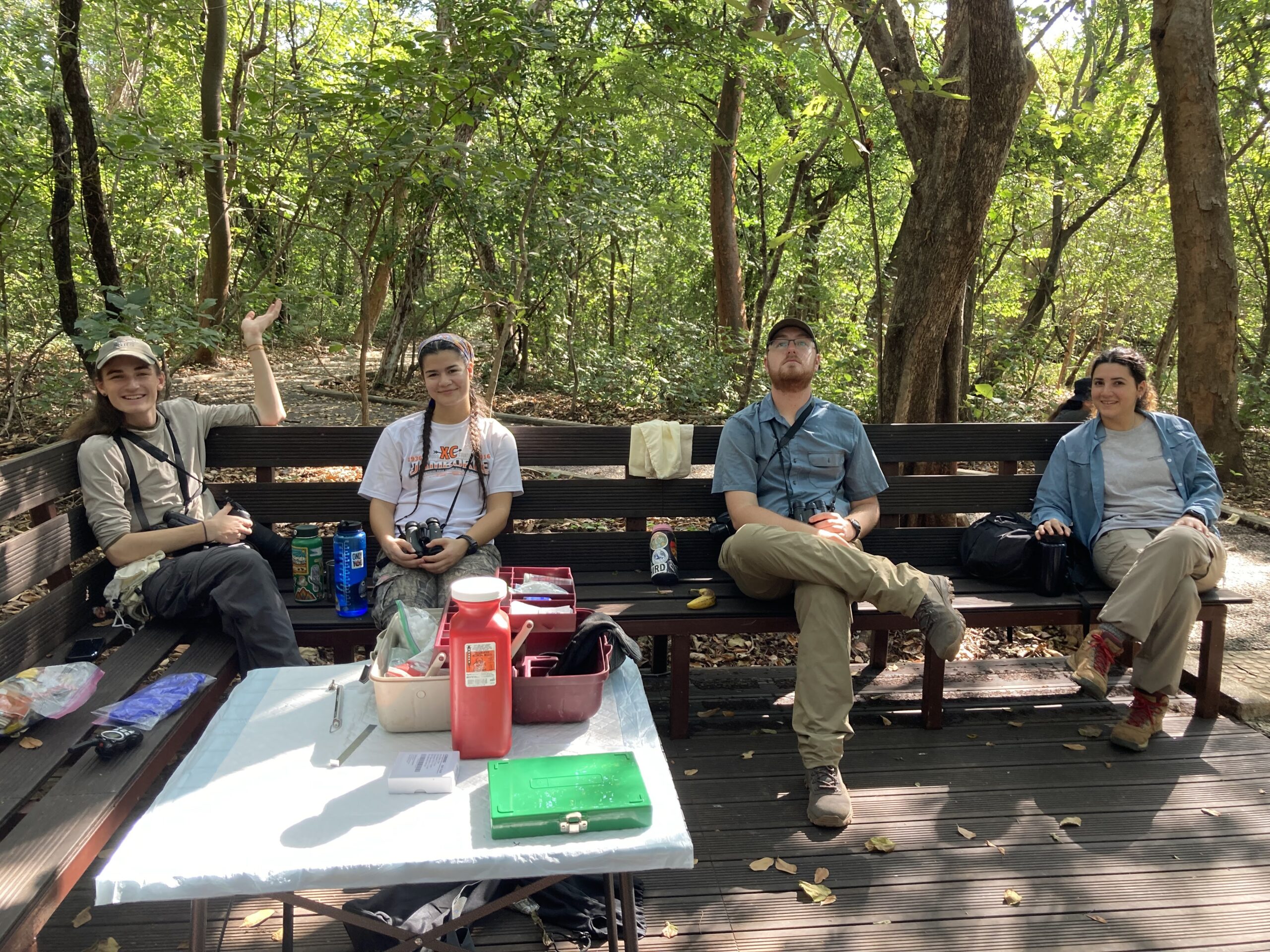
Through this Kaya program, students traveled from the rainforest of Tirimbina Biological Reserve to the tropical dry forest of Santa Rosa National Park. Along the way, they set up mist nets, helped identify birds, collected and analyzed data, and worked alongside local researchers in some of Costa Rica’s most ecologically important landscapes.
The program had a clear academic purpose: giving students meaningful, hands-on experience in avian biodiversity and migration research.
Costa Rica is home to roughly 5% of the world’s biodiversity, despite its relatively small size. Its diverse ecosystems, from tropical rainforests and cloud forests to dry forests, wetlands, mangroves, and coastal habitats, create an exceptional environment for studying birds and other wildlife.
This diversity makes the country particularly well suited to a program focused on avian migration. Students do more than observe wildlife from a distance. They explore contrasting habitats, compare environmental conditions, and investigate how landscapes, seasons, and conservation efforts influence bird populations.
Costa Rica’s strong environmental protections add another dimension to the experience. Students examine birdlife while exploring how conservation policies, protected areas, and local stewardship help maintain the ecosystems they study.
The program centered on two complementary field sites, each offering a different perspective on avian ecology.
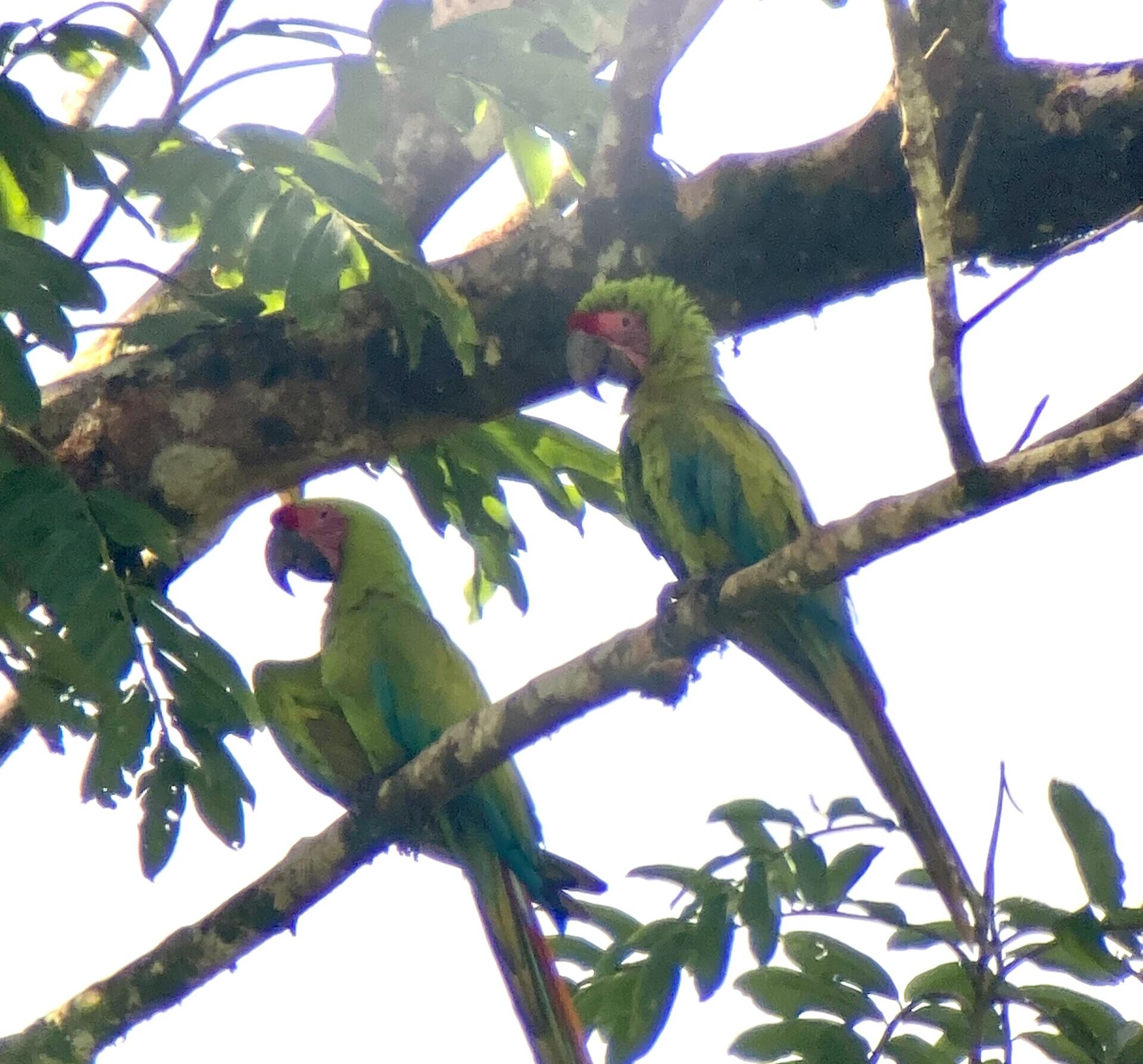
At Tirimbina Biological Reserve, students explored preserved rainforest habitat that supports more than 365 bird species. The reserve’s remarkable biodiversity includes the snowy cotinga, sunbittern, white-fronted nunbird, and black-crested coquette.
At Santa Rosa National Park, the landscape changed dramatically. The park protects one of Central America’s largest remaining tropical dry forests and serves as an important biological corridor for seasonal migration.
By working in both environments, students developed a broader understanding of avian ecology. They applied the same research methods across different habitats, encountering new species and environmental conditions along the way. Comparing their observations helped them investigate the factors that influence bird movement, habitat use, and biodiversity.
Students began their research shortly after arriving at Tirimbina.
Following an orientation and transfer from San José, the group helped researchers set up mist nets around the reserve. From the following morning onward, students started each day early, assisting biologists with the careful collection and identification of birds captured in the nets.
They continued with data collection, analysis, and discussions with researchers. Rather than simply watching demonstrations, students took part in the research process, gaining experience with everything from field methods to interpreting results.
A night hike through the forest added another dimension to the fieldwork, introducing students to the nocturnal wildlife that emerges after dark.
At Santa Rosa, students put their research skills to work in a completely different habitat. They helped establish mist nets, monitored them during the early morning, and collected data across several days of intensive fieldwork.
The program also encouraged students to explore the landscapes beyond their ecological significance.
At Santa Rosa, the group visited La Casona, a national historic site connected to Costa Rica’s independence story. This visit brought the park’s cultural and historical significance into the conversation alongside its ecological importance.
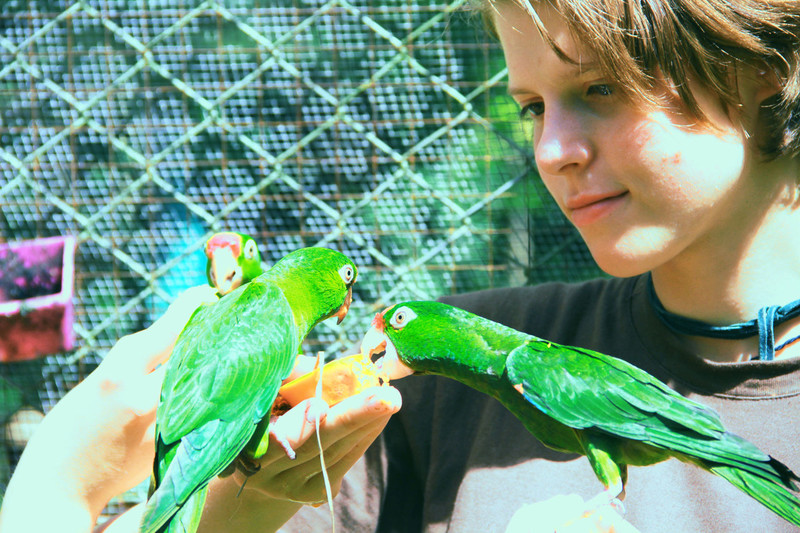
Later, students traveled to Bahía Junquillal Wildlife Refuge for a night of beach camping. The coastal environment offered opportunities to observe species such as brown pelicans, yellow-naped parrots, white-throated magpie-jays, and frigatebirds.
Students could swim, hike, or try optional activities such as kayaking. The evening brought everyone together for a cultural performance by a local group and dinner by the ocean, combining the research experience with a wider exploration of Costa Rica’s landscapes and communities.
On the final day, the group visited Rincón de la Vieja National Park before returning to Liberia for a farewell dinner and departure.
For many participants, the most memorable part of the program was combining rigorous fieldwork with the opportunity to experience Costa Rica’s extraordinary biodiversity firsthand.
“Studying birds in Costa Rica was a life-changing experience. The biodiversity was incredible. I saw almost 200 bird species, and being immersed in the country’s culture made the program even more meaningful.” – Emma
The program’s structure also helped students balance their academic objectives with the practical demands of conducting research in the field.
“I had an incredible time traveling with Kaya Responsible Travel while conducting research on avian biodiversity with NMSU’s Avian Migration Program. The trip was so well organized and allowed our group to successfully execute our field work while also experiencing the incredible diversity of plant and animal life that Costa Rica has to offer.” – Whitney
Faculty and local support played an important role throughout the experience. Local leaders coordinated logistics, field sites, and program activities, allowing the group to concentrate on its research.
“Kaya provided excellent support throughout our trip. Their approach of working with knowledgeable local leaders helped our fieldwork run smoothly.” – Scott, Professor of Entomology
This program demonstrates what becomes possible when a faculty partner brings a clear academic focus and Kaya builds an experience around it.
Rather than offering a general introduction to Costa Rica, the program centered on a specific research interest: avian migration and biodiversity. Every part of the itinerary, from field sites and accommodations to research activities, supported that academic goal.
Students left with hands-on research experience, firsthand knowledge of contrasting ecosystems, and a deeper understanding of how conservation, biodiversity, and culture connect in Costa Rica.
You may also be interested in
Every Kaya Customized Group Program is unique. Find inspiration below to start planning your group's journey!
 1
Together we’ll discuss your program goals and needs.
 2
With your input, we develop and fine-tune the perfect itinerary.
 3
We support institutional approvals and recruitment processes to ensure a successful launch!
 4
From pre-departure planning until your return, we’re with you every step of the way!
With a focus on experiential education and the UN Sustainable Development Goals, your group can immerse and engage with international communities and environments across the globe.