








Food Economics in Thailand
- Agriculture & Food Security
- Business & Economy
Known as the “Land of Smiles,” Thailand is one of Southeast Asia’s most popular destinations. Ancient Buddhist traditions and ornate temples sit alongside fast-moving modern cities, creating a country shaped by contrast and cultural energy.
Design a program hereAbout Thailand
Thailand offers a wide range of opportunities for learning. From emerging business sectors and eco-tourism to conservation, health and wellbeing, programs can explore how tradition and innovation exist side by side.
Cities such as Bangkok and Chiang Mai sit at the centre of regional trade and entrepreneurship. Students step into thriving domestic and international industries, from automotive and electronics manufacturing to agriculture and food production, while exploring Thailand’s growing role within the ASEAN economy.
Across the country, modern life connects closely with long-standing cultural traditions. Art, religion, fashion and everyday practices reveal how Thai culture continues to evolve, from global food culture and traditional massage to healthcare systems that blend modern medicine with historical knowledge.
Beyond urban centres, Thailand’s diverse landscapes create space to explore culture and environment together. Fishing villages, hilltribe communities and rice-farming regions highlight rural life, while coastal areas work to protect fragile marine ecosystems and changing relationships with wildlife, including elephants.
With so many ways to engage with Thai culture and environment, Kaya works with faculty to shape programs that connect students with Thailand’s landscapes, communities and global influences.
Program Themes
Discover some of the different topics and themes you can focus your program on in Thailand. If you don’t see your topic area, or you already have a ready-made itinerary, connect with the Kaya team to start a discussion!
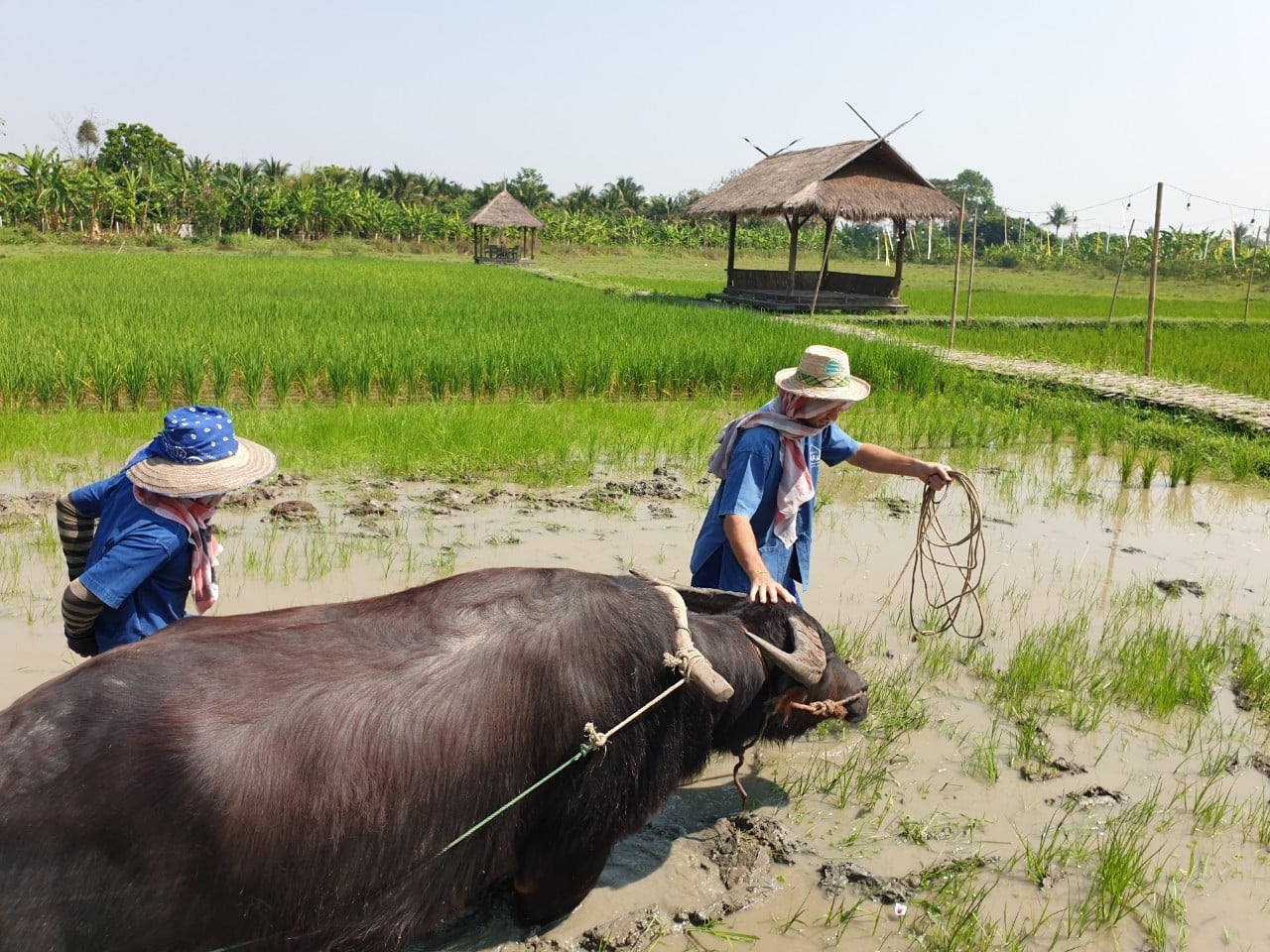
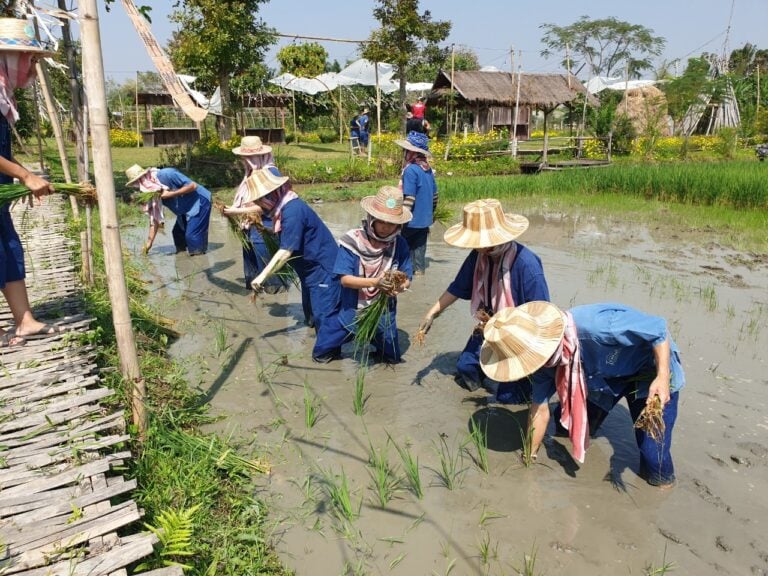
Thailand offers an accessible setting for examining how natural farming, organic production, herbal cultivation, and circular waste systems can strengthen food resilience. Custom group programs can provide field-based experiential learning and hands-on experience with soil care, diverse cropping, food production, and farm-to-market approaches shaped by local knowledge.
develop your own program similar to this
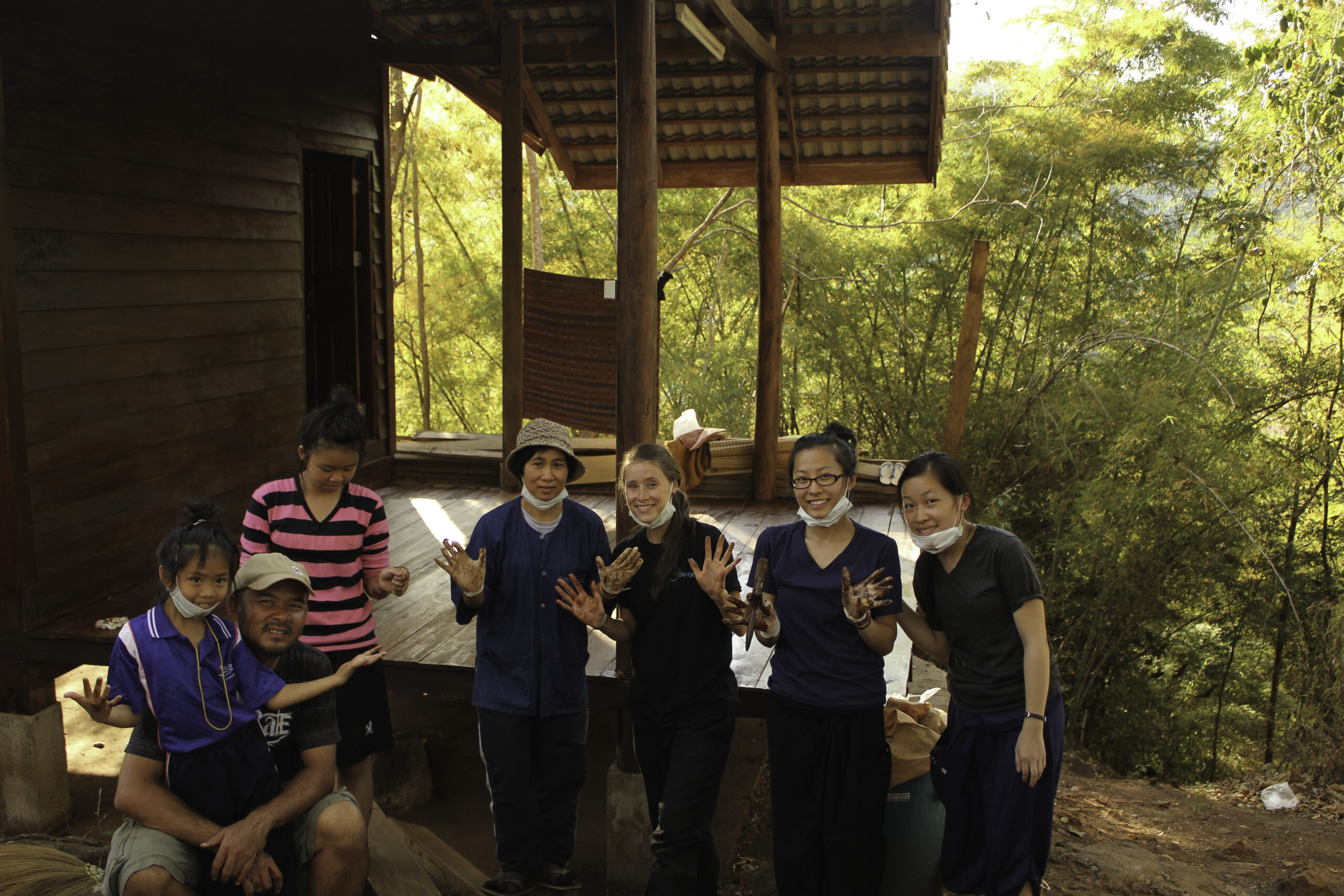
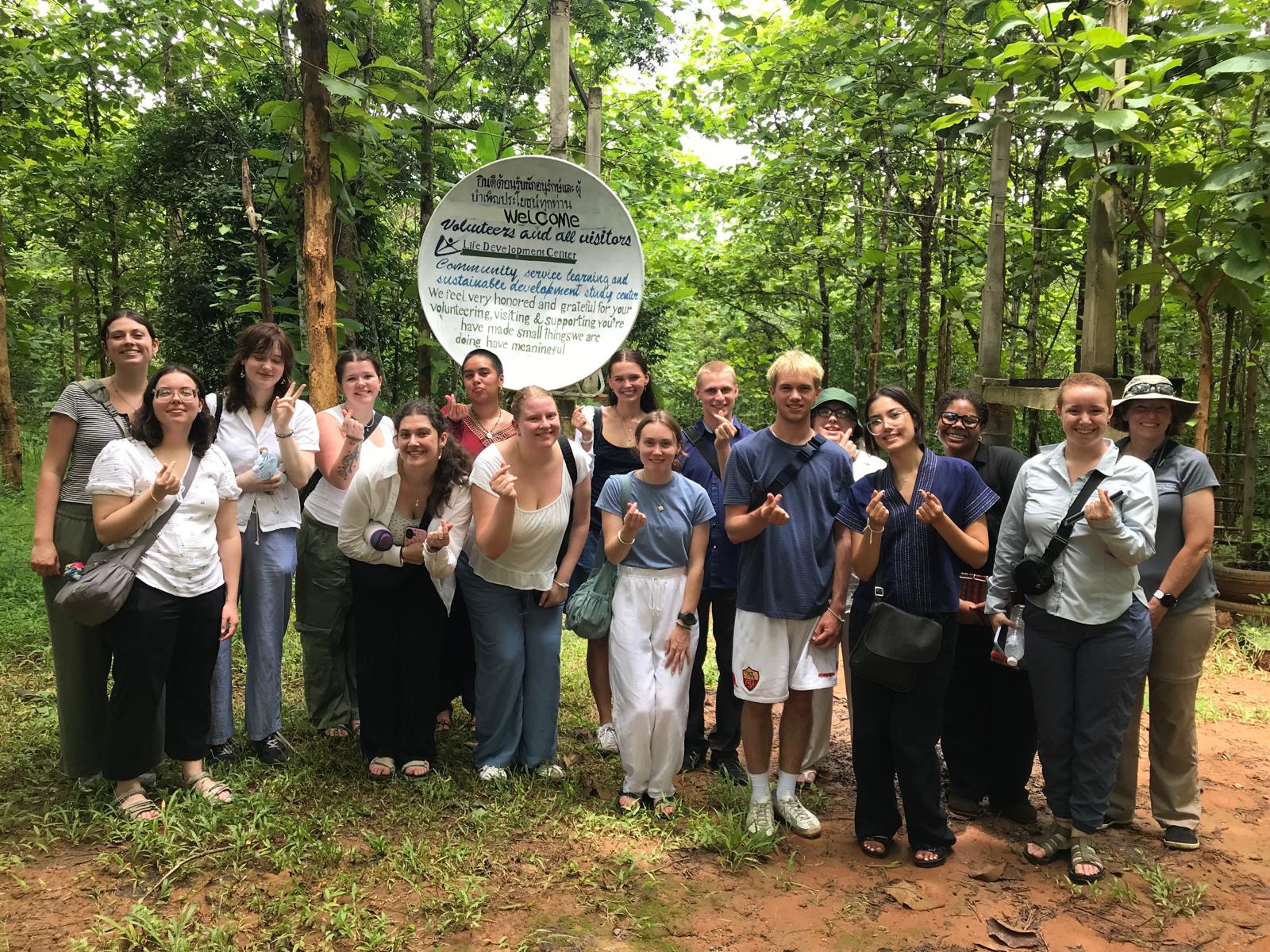
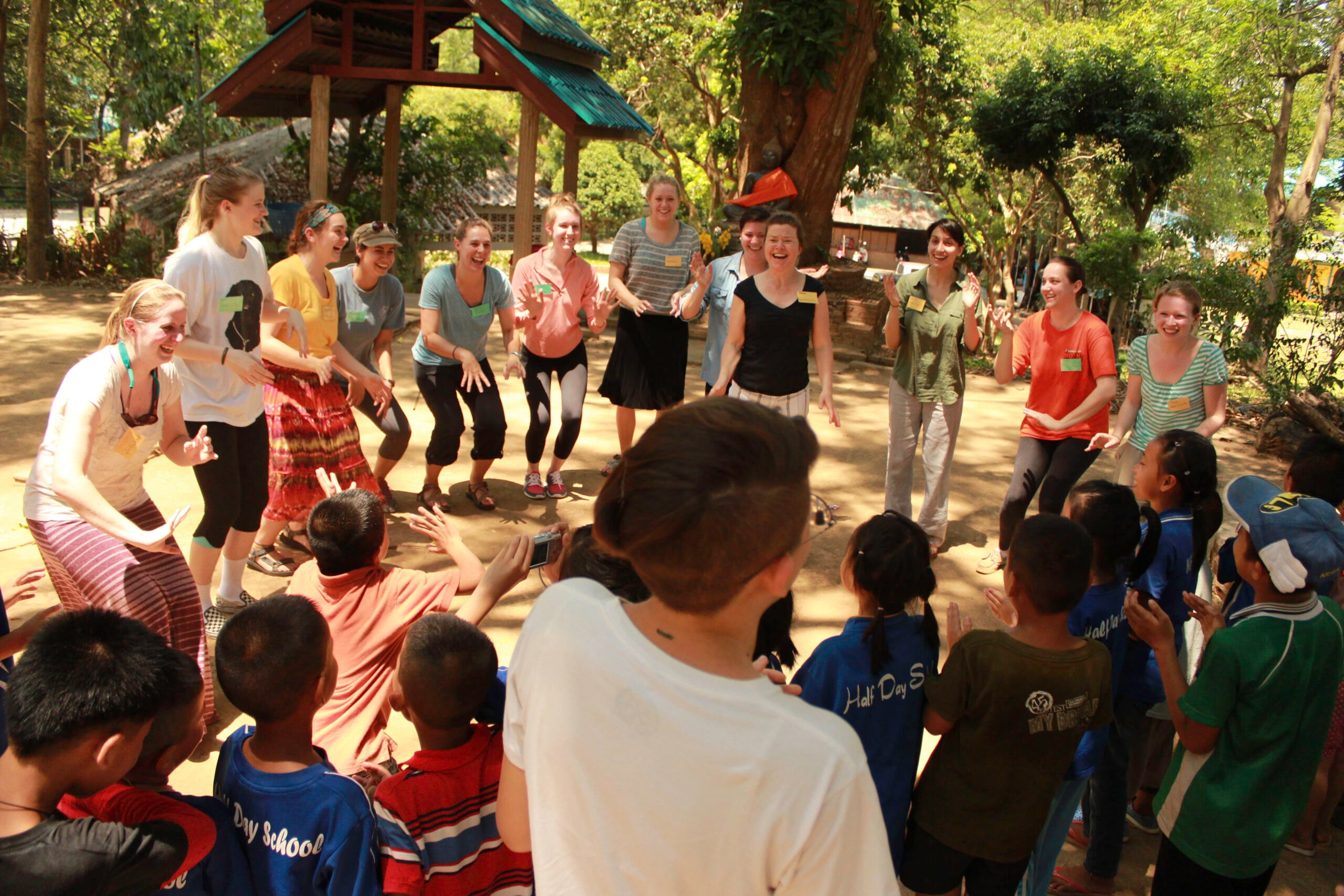
A Thailand alternative break creates space to learn alongside communities rather than simply provide short-term assistance. Through custom group programs, participants can apply their skills through experiential learning in schools, childcare settings, health initiatives, and community projects while building cross-cultural understanding through structured reflection and local guidance.
develop your own program similar to this
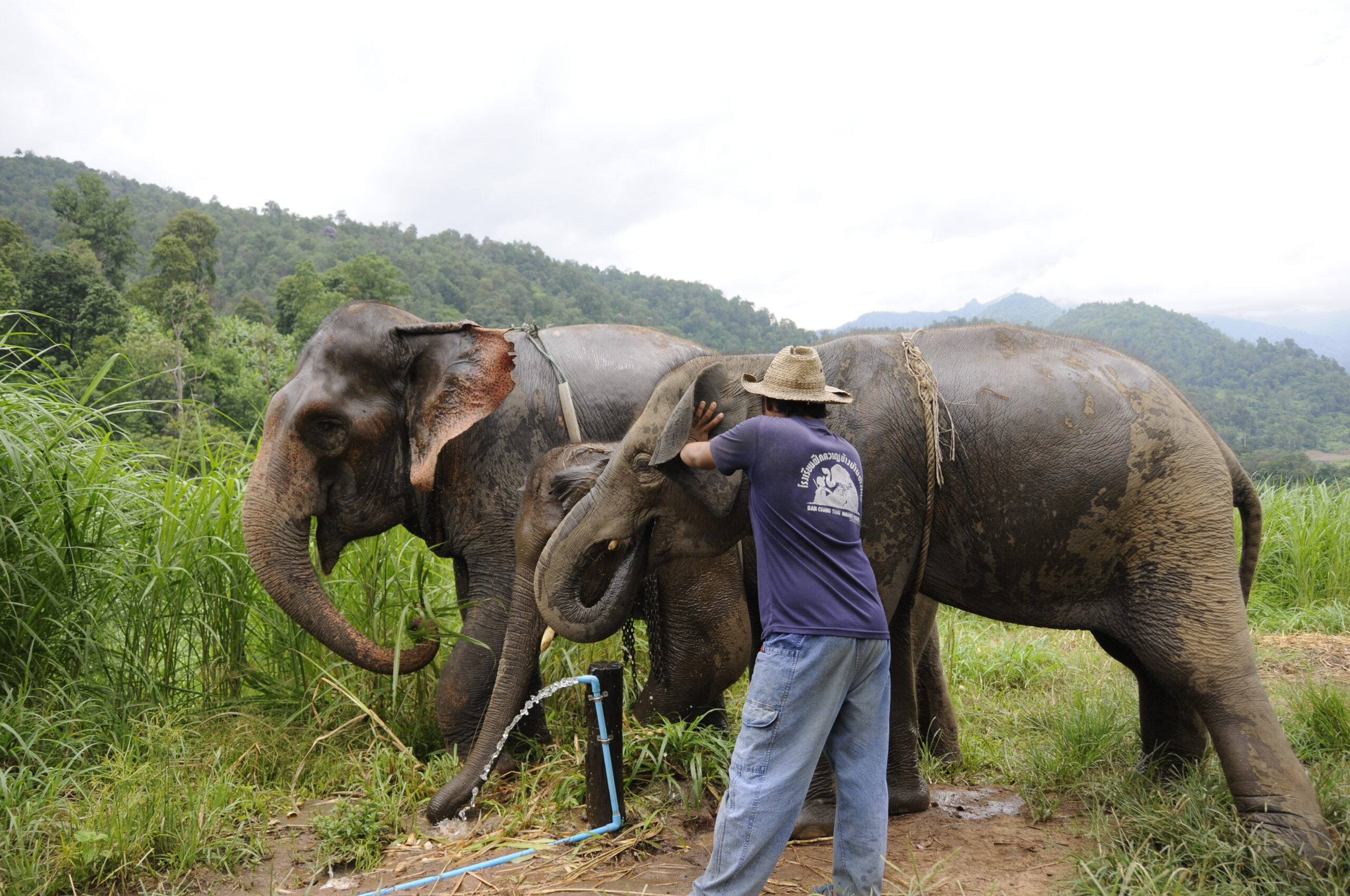
Thailand provides an applied setting for exploring animal welfare, veterinary care, rehabilitation, and responsible companion-animal management. Custom group programs can combine field-based experiential learning with hands-on observation of rescue, treatment, adoption, and community education practices.
develop your own program similar to this
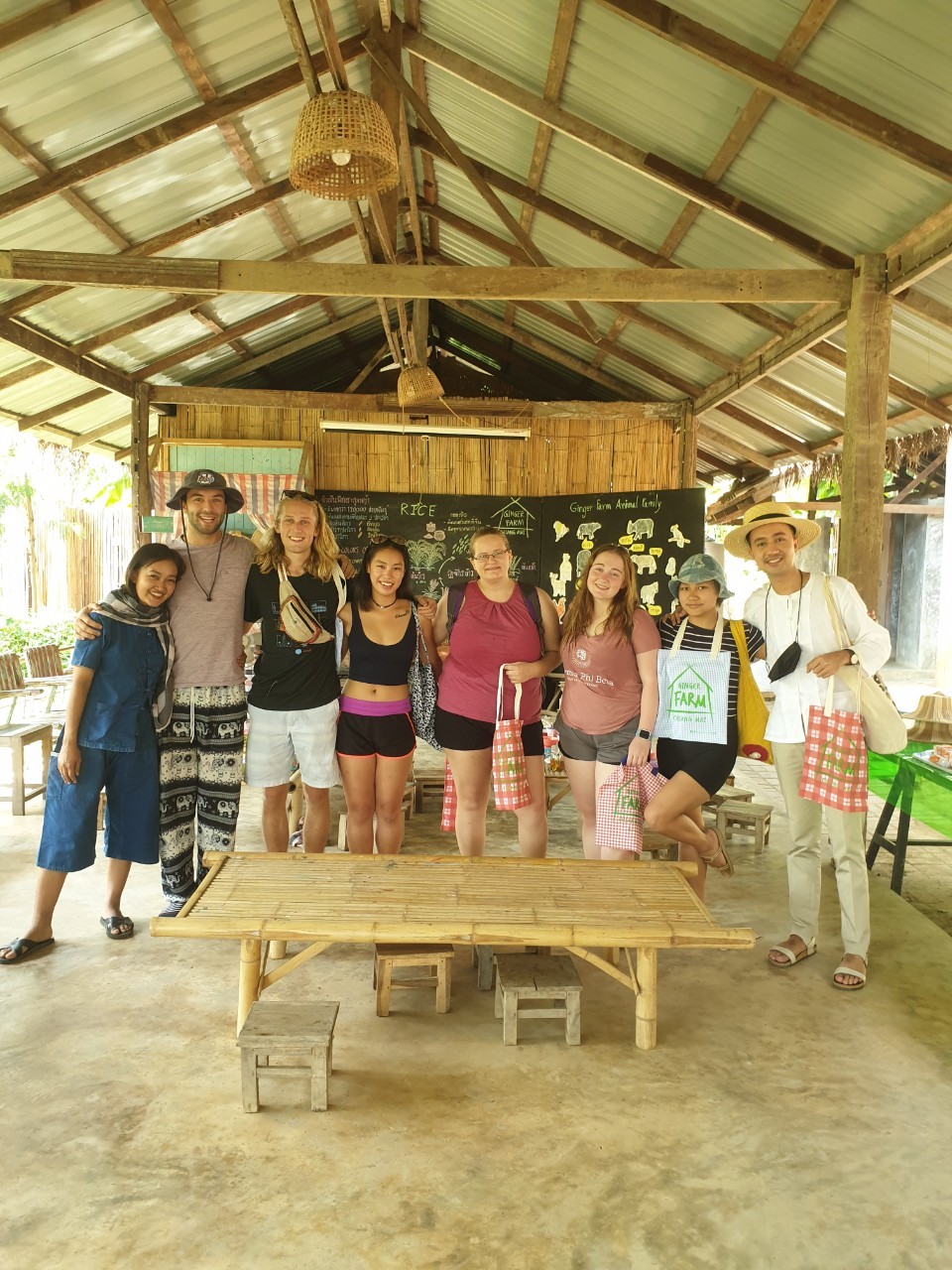
Thailand’s hospitality, travel, culinary, and visitor-service sectors provide a dynamic environment for studying how destination businesses create memorable experiences while managing cultural and environmental impacts. Custom group programs can use field-based experiential learning to examine operations, sales, marketing, customer service, and sustainable tourism across urban, rural, and coastal settings.
develop your own program similar to this
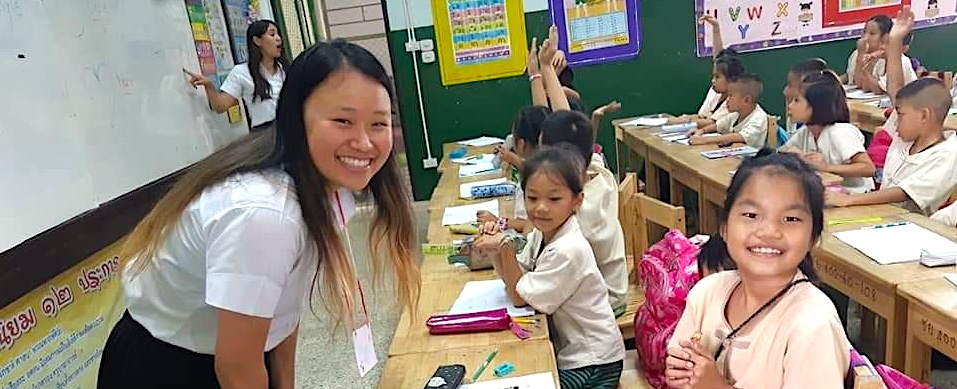
In Thailand, early learning settings, mainstream schools, and specialized programs offer contrasting approaches to participation, communication, and childhood development. A custom group program brings experiential learning into these environments through inclusive classroom activities, sport and play, adaptive teaching methods, and dialogue with local education professionals.
develop your own program similar to this
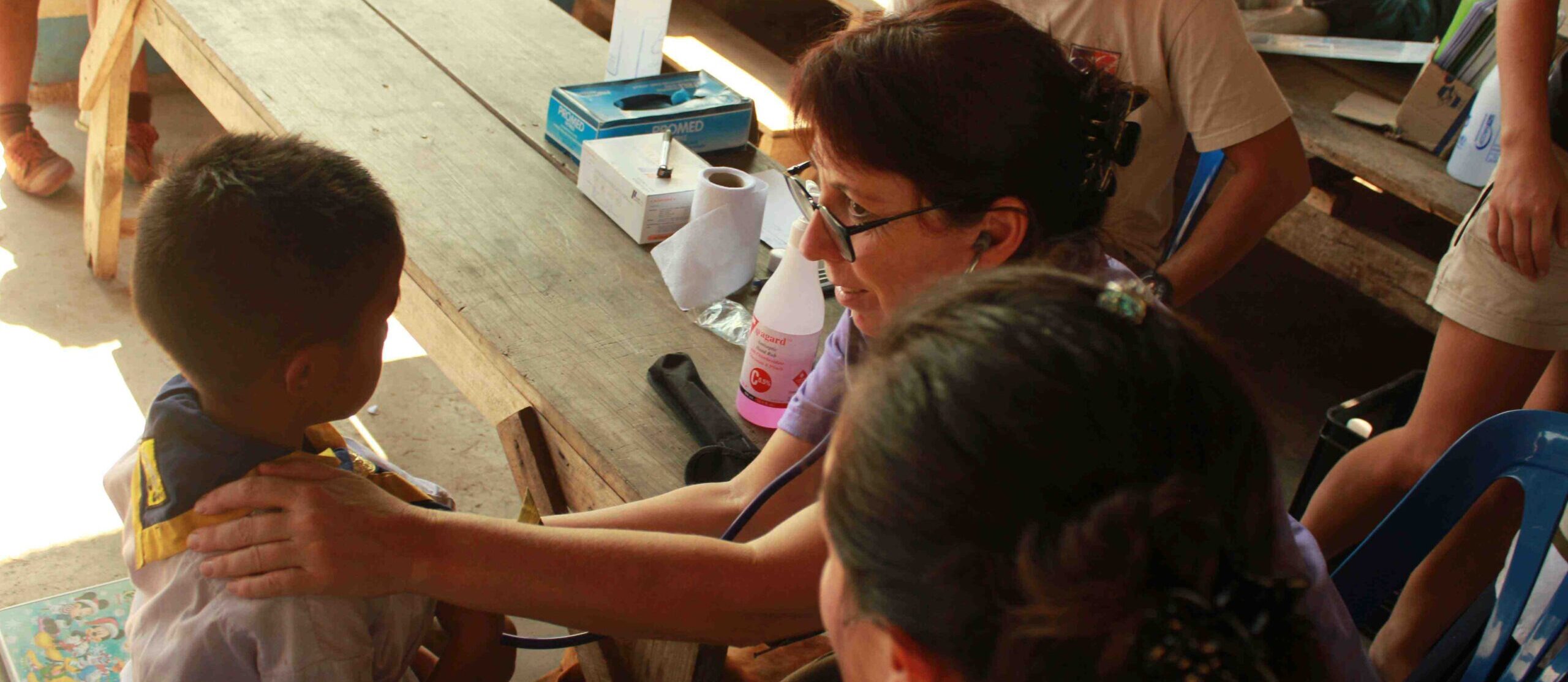
Thailand offers an opportunity to explore how universal care, preventive health, and community-based services work together across urban and rural settings. Participants can learn from healthcare professionals, community caregivers, and traditional practitioners while considering both established strengths and gaps in access to care.
develop your own program similar to this
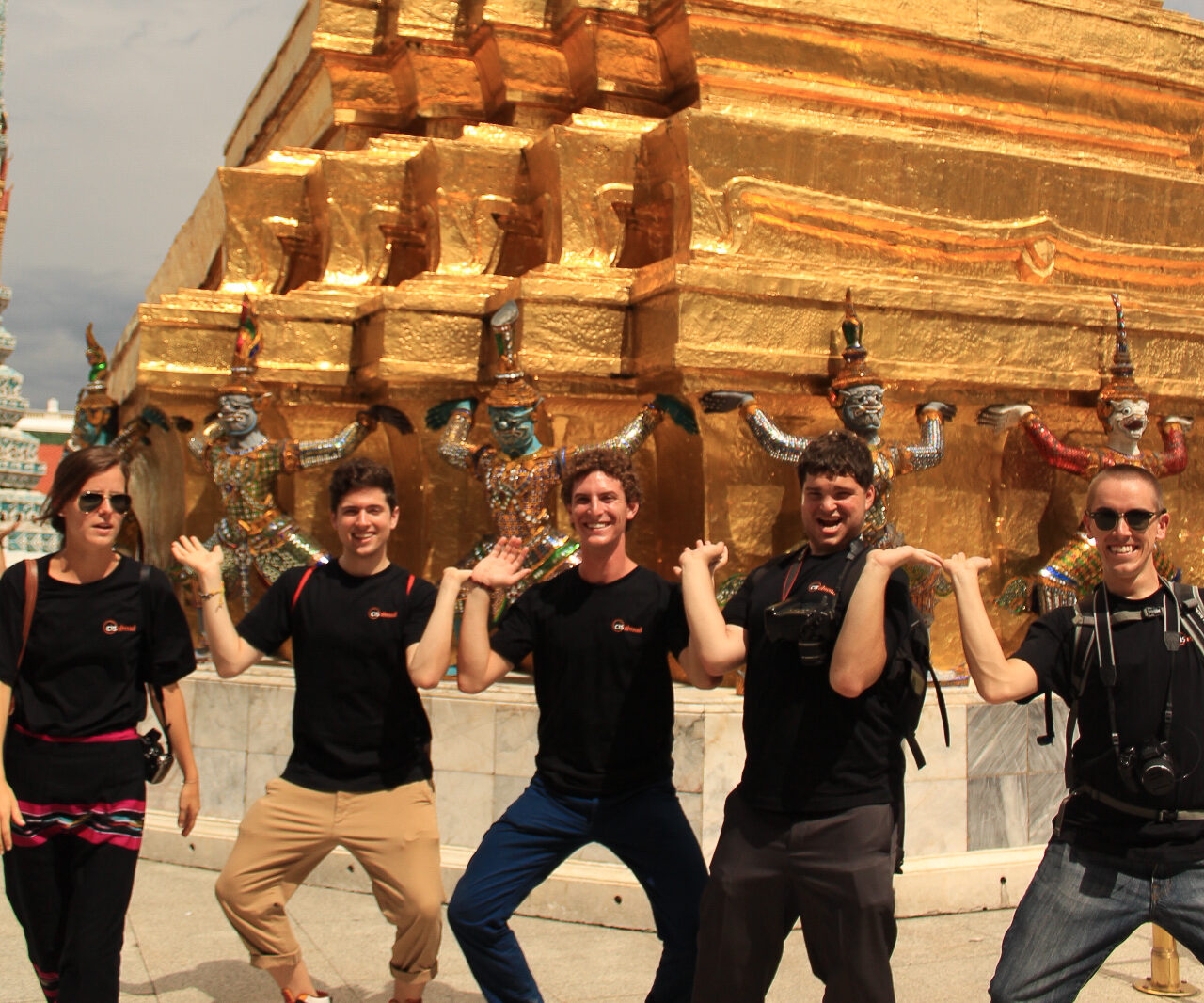
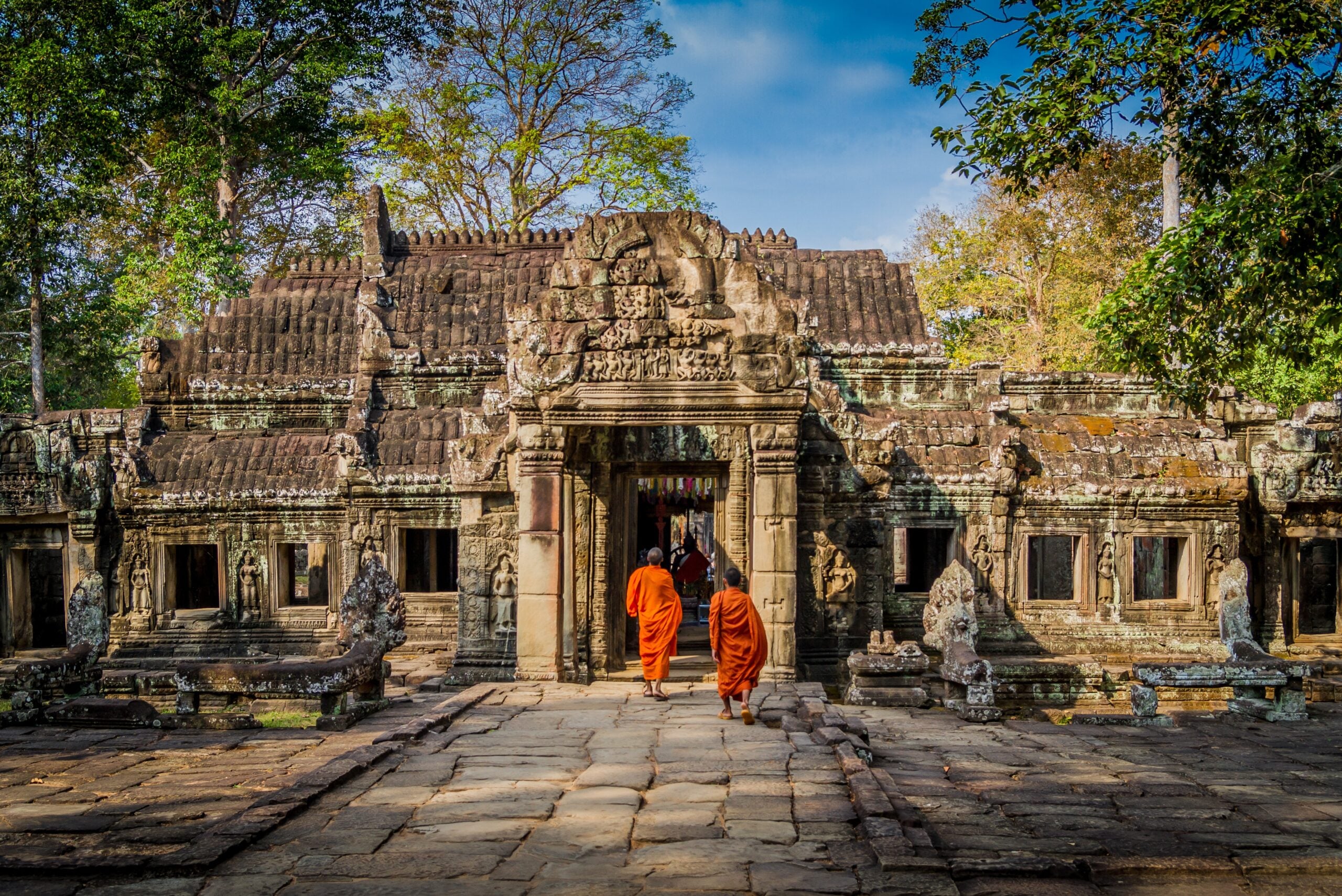
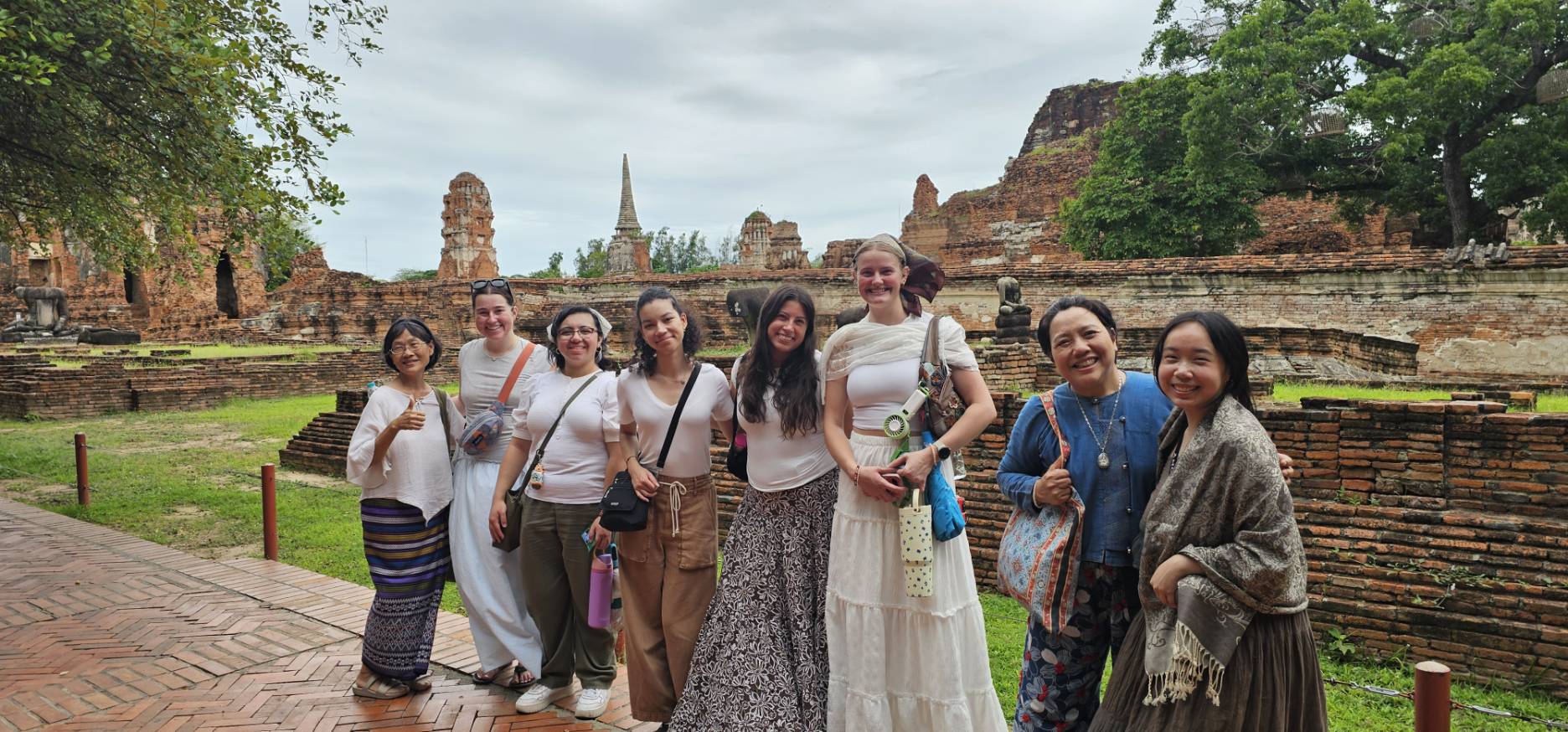
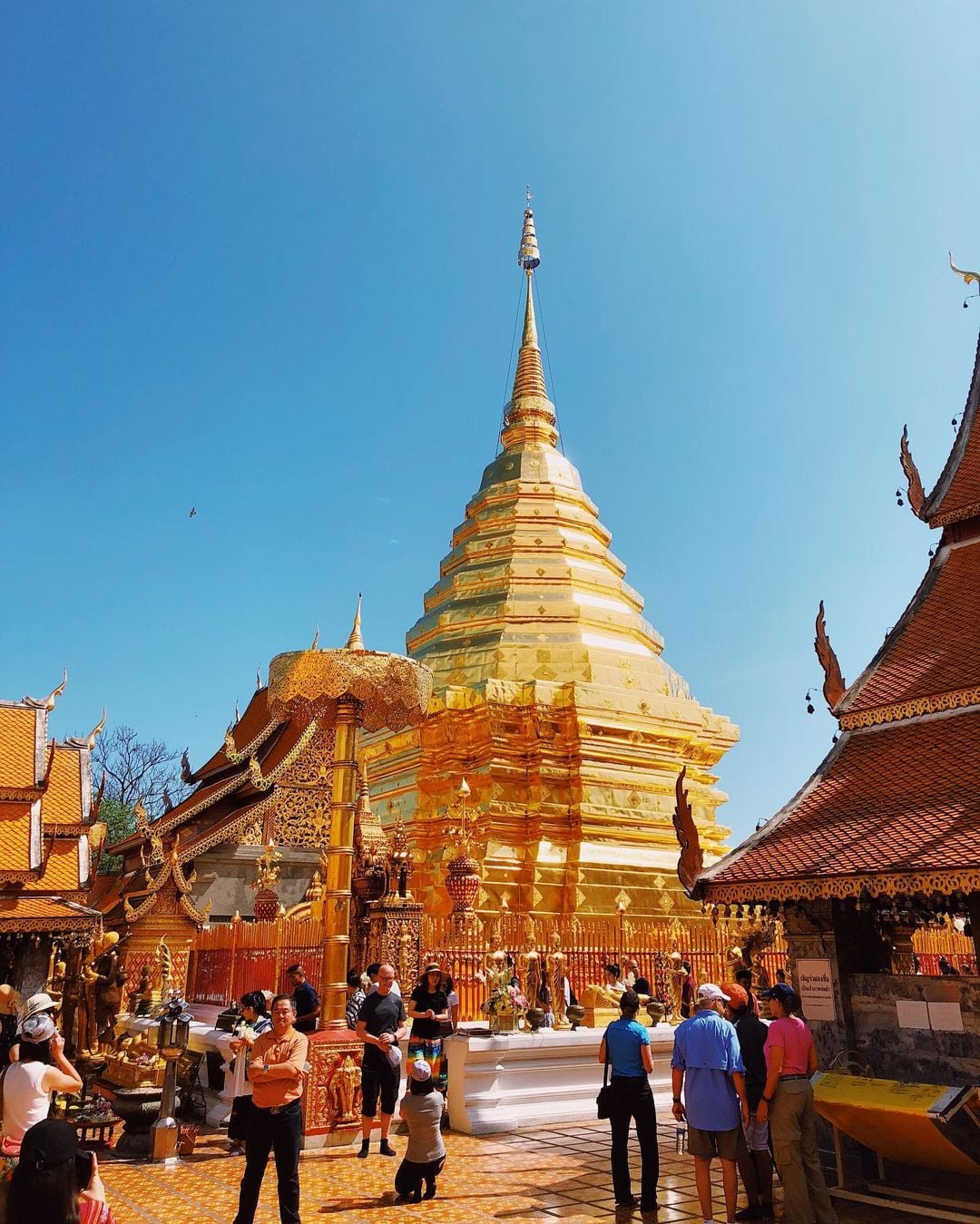
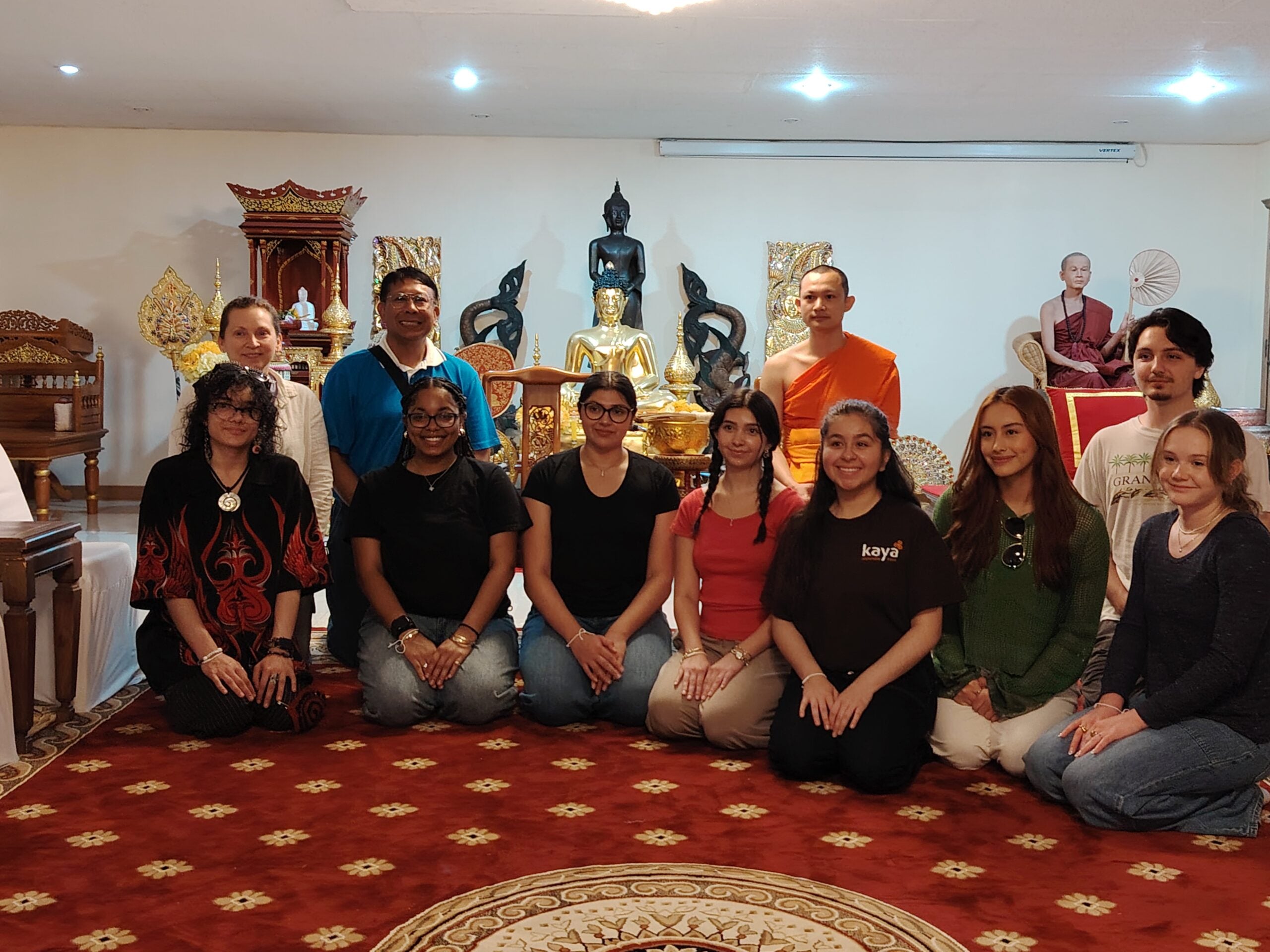
Thailand’s heritage connects Buddhist spiritual life, ancient kingdoms, royal traditions, craft knowledge, and rapidly changing urban culture. Custom group programs can offer field-based experiential learning through temple communities, archaeological landscapes, artisan workshops, and cross-cultural immersion in the values and creative practices that shape everyday Thai life.
develop your own program similar to this
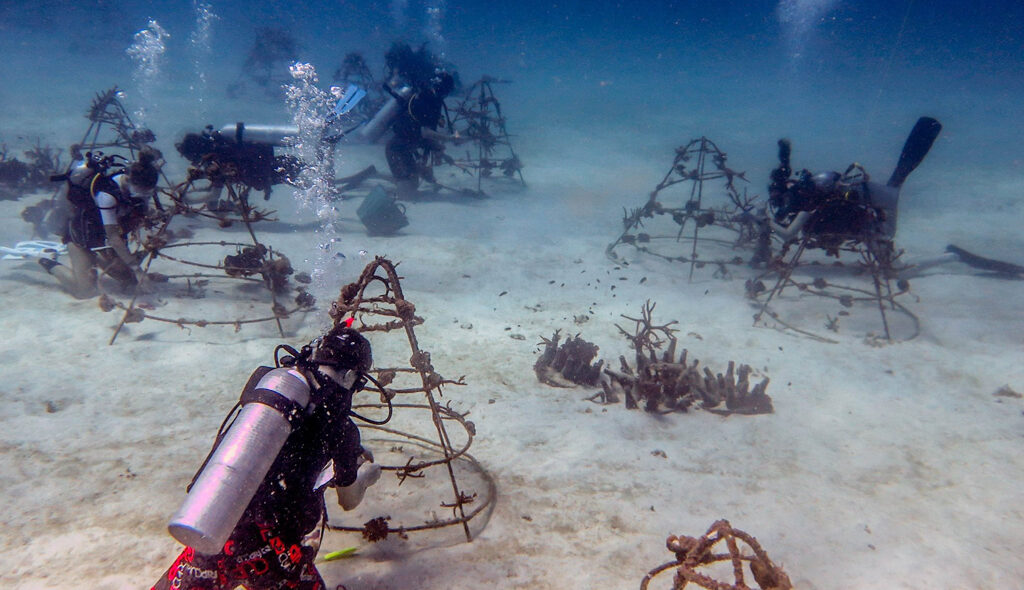
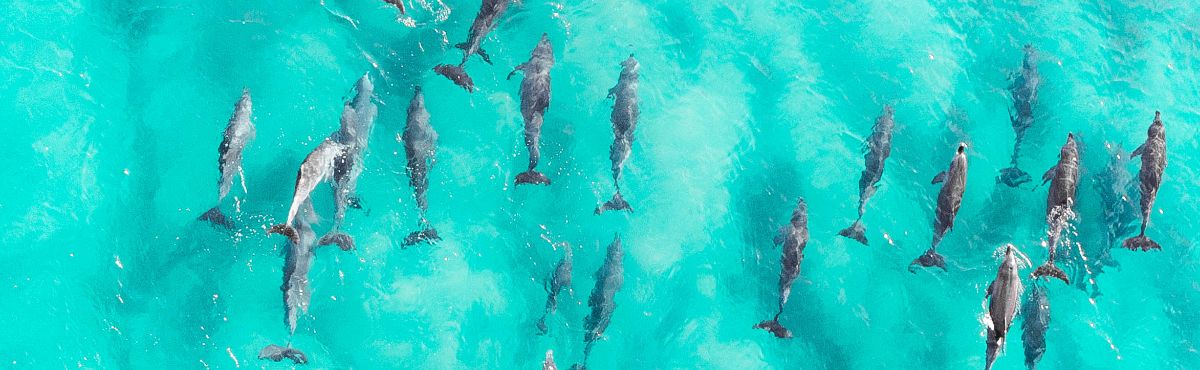
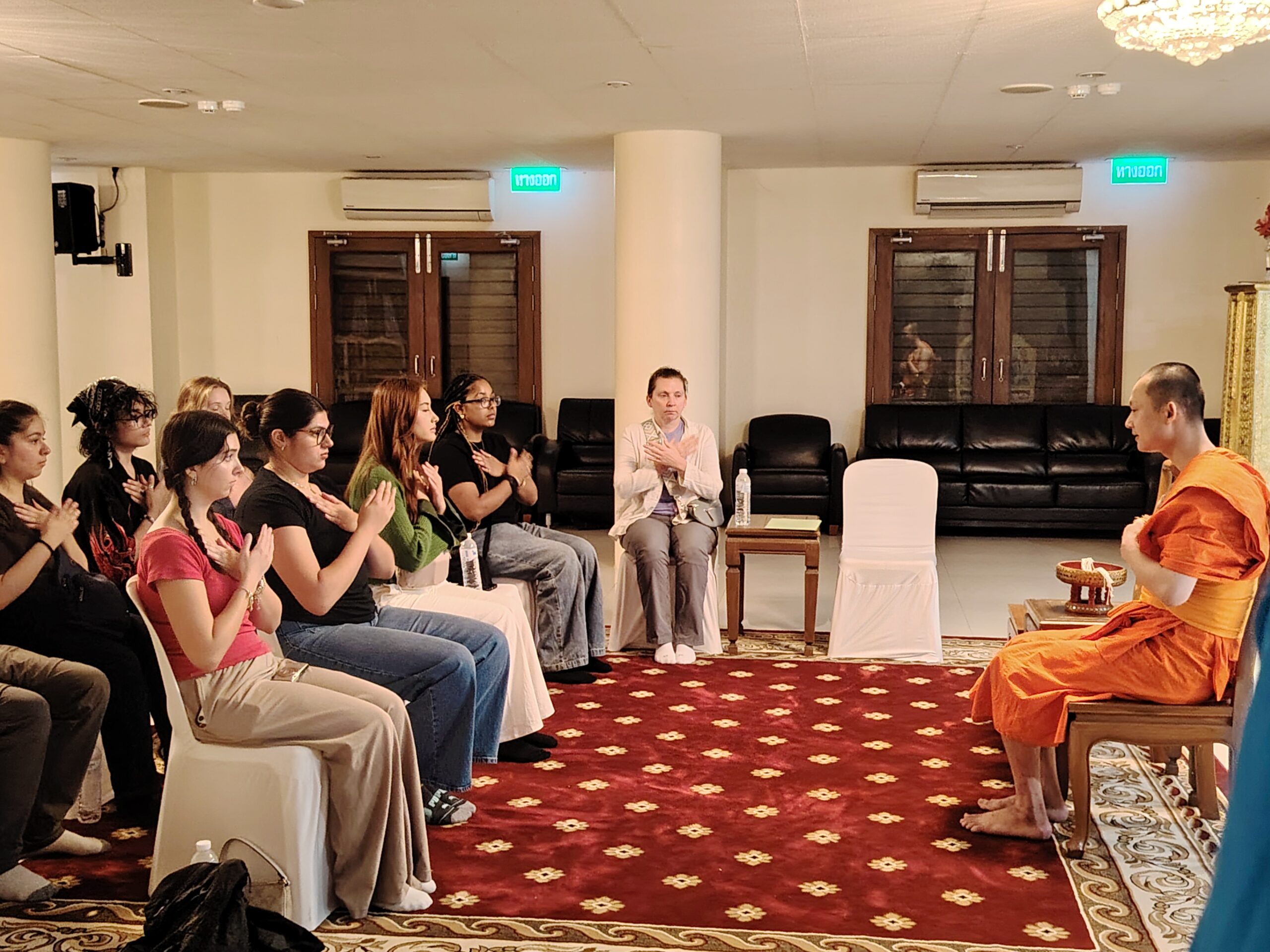
Thailand’s coasts and islands offer a practical setting for investigating reef restoration, mangrove protection, sustainable fisheries, and the growing challenge of marine debris. Custom group programs can combine field-based experiential learning, hands-on experience, and cross-cultural immersion with coastal communities working to protect marine biodiversity and livelihoods.
develop your own program similar to this
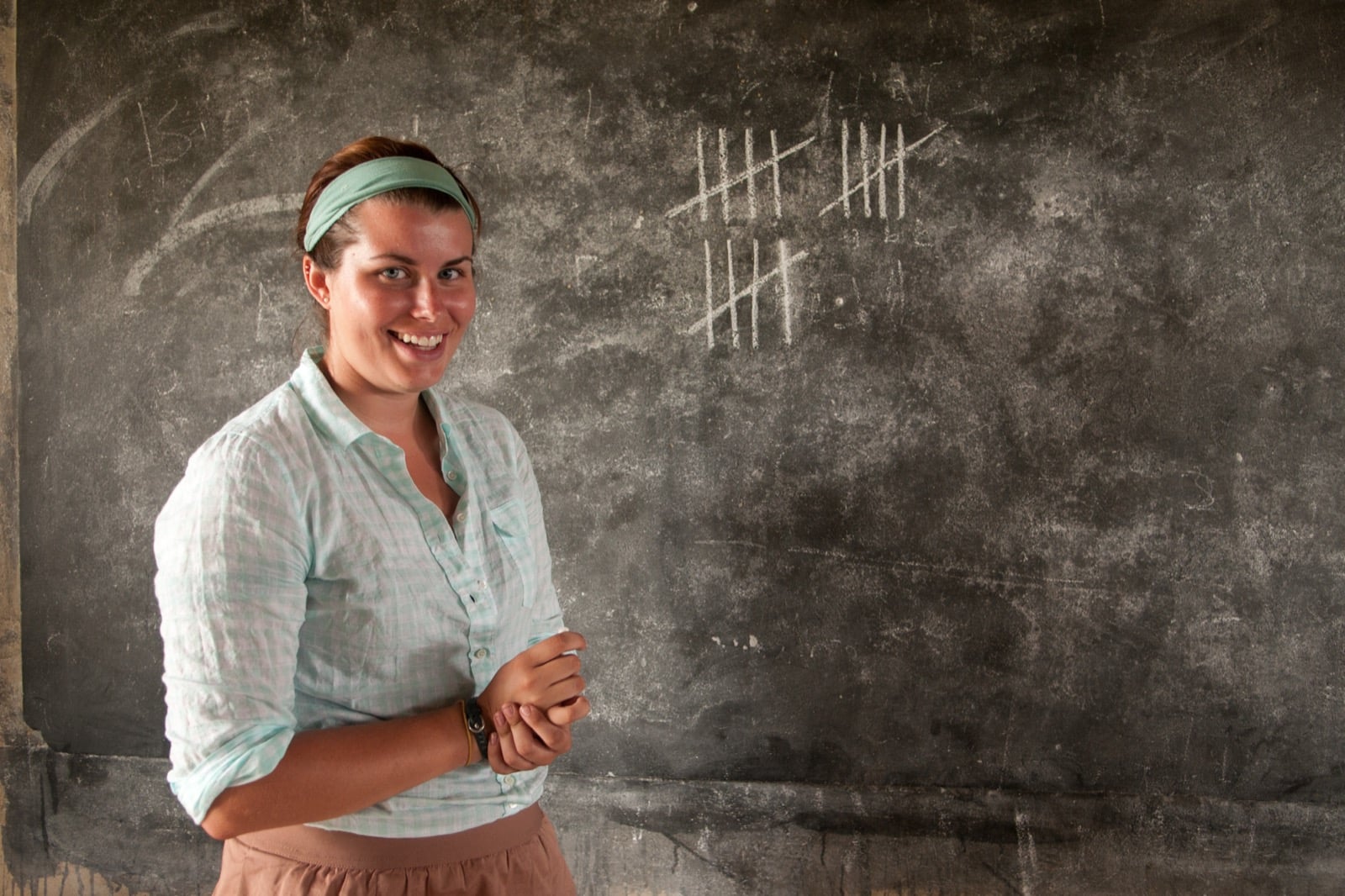
Thailand offers a complex regional lens on citizenship, migration, child protection, gender equity, disability inclusion, and the rights of ethnic-minority communities. Custom group programs can pair field-based experiential learning with cross-cultural immersion, exploring how civil society, community leadership, and rights-based practice respond to exclusion and inequality.
develop your own program similar to this
Program ideas
Browse example itineraries and program ideas inspired by topics Kaya groups have explored over the years.
 1
Together we’ll discuss your program goals and needs.
 2
With your input, we develop and fine-tune the perfect itinerary.
 3
We support institutional approvals and recruitment processes to ensure a successful launch!
 4
From pre-departure planning until your return, we’re with you every step of the way!
FAQS
A custom educational program starts with what students should learn, rather than a fixed sightseeing schedule. Kaya can work with faculty to connect available experiences with course questions, build in reflection and balance academic activities with the practical needs of the group.
A program does not need to cover several disciplines to offer varied learning. Faculty can organize the itinerary around one topic, using different perspectives and experiences to investigate it in depth. Activity selection depends on learning objectives, local partner availability and students’ preparation.
Preparation can help students recognize how their expectations influence interactions. Faculty can introduce relevant context, encourage thoughtful questions and discuss appropriate conduct before departure. Kaya can help clarify expectations with local partners, including boundaries around photography, participation and engagement in host settings.
A Kaya itinerary can give students shared experiences while leaving room for different academic questions. Faculty can use individual projects, discussion topics or reflective assignments to connect those experiences with students’ interests, while Kaya helps shape activities around the group’s overall learning objectives.
Testimonials
With a focus on experiential education and the UN Sustainable Development Goals, your group can immerse and engage with international communities and environments across the globe.