









Scuba and Society in Belize
- Biology, Environmental Science & Sustainability
- Marine Sciences
Environmental science and ecology explore how natural systems function and how societies respond to environmental change.
Design a program hereAbout Biology, Ecology, Environmental Science & Sustainability
From biodiversity conservation and ecosystem management to climate adaptation and sustainable land use, the field examines how environmental systems are studied and protected. Environmental science brings together ecology, sustainability education, conservation policy, and climate change research across diverse ecosystems.
Kaya’s environmental science programs abroad provide opportunities for ecology field courses and climate change field study in diverse environments. Students engage with conservation and biodiversity programs while examining urban sustainability, renewable energy systems, and environmental leadership initiatives. Through field observation and engagement with environmental organizations, participants gain insight into ecosystem management and global sustainability challenges.
 Academic themes

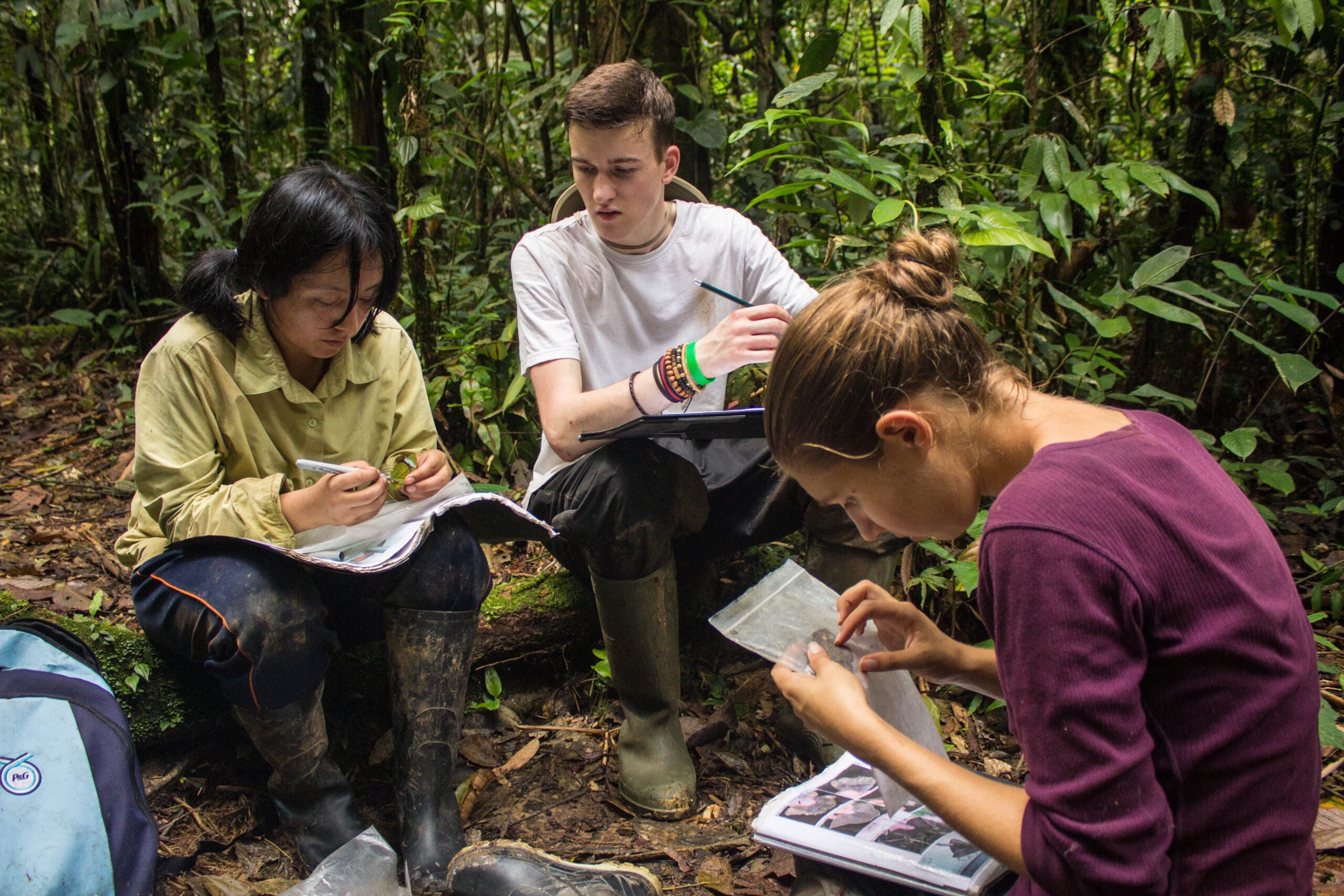
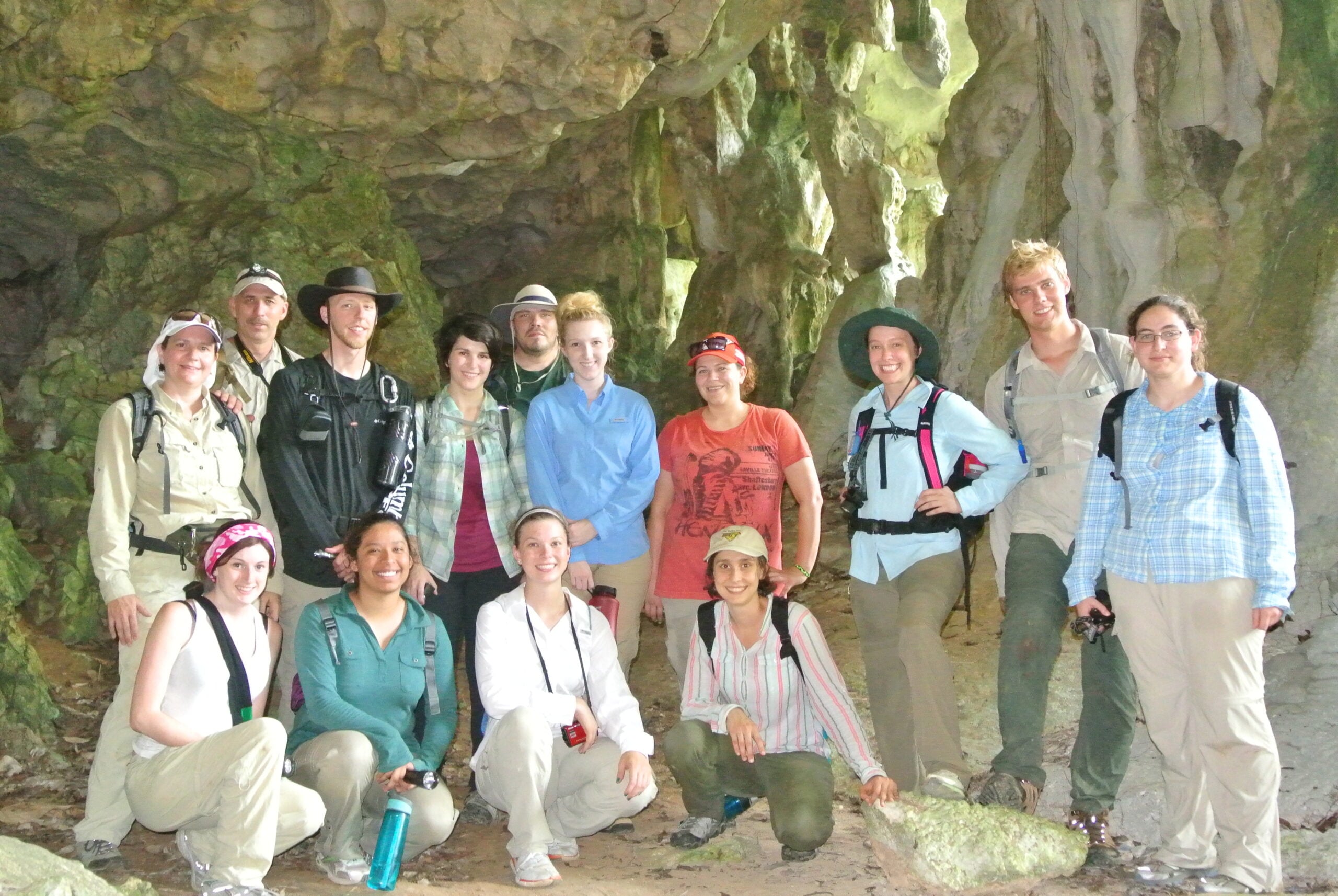
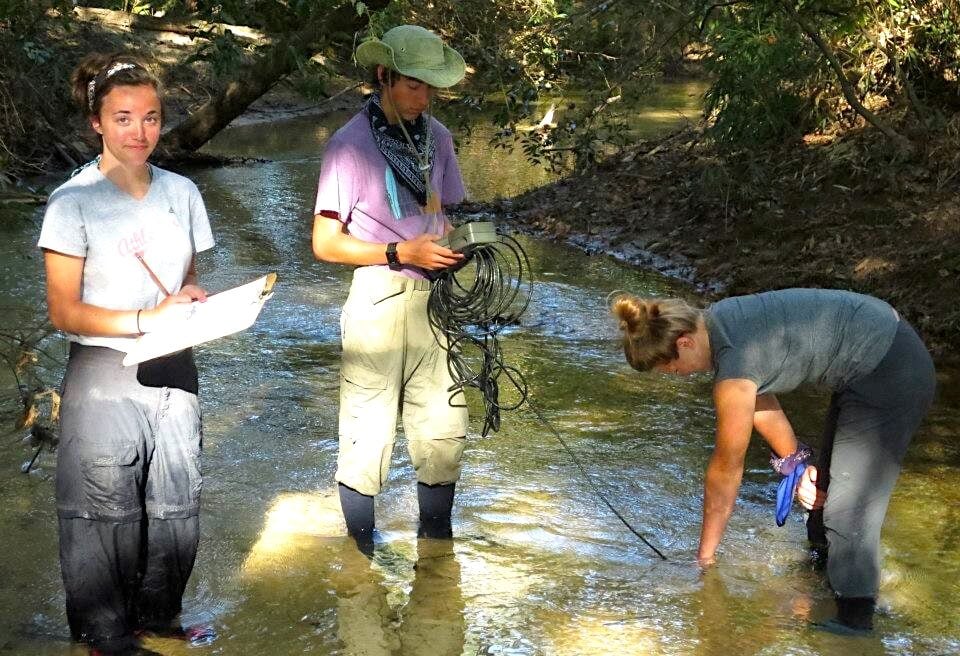
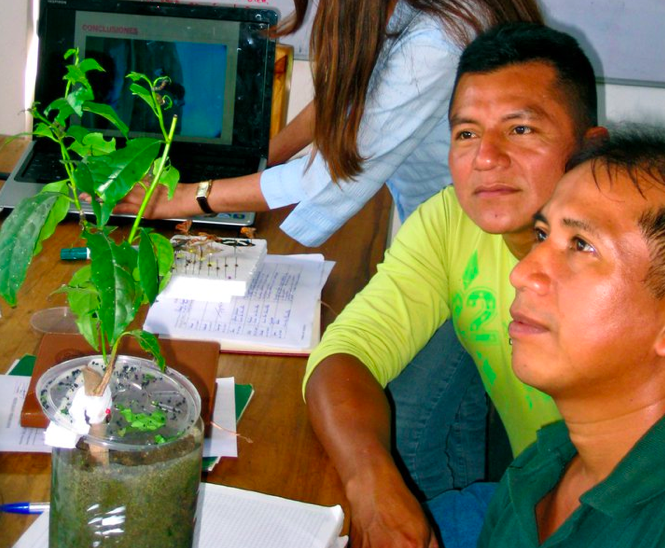
Program Themes
Discover how this academic area takes shape in each destination. If you don’t see your country, or you already have an itinerary, connect with the Kaya team to start a discussion.
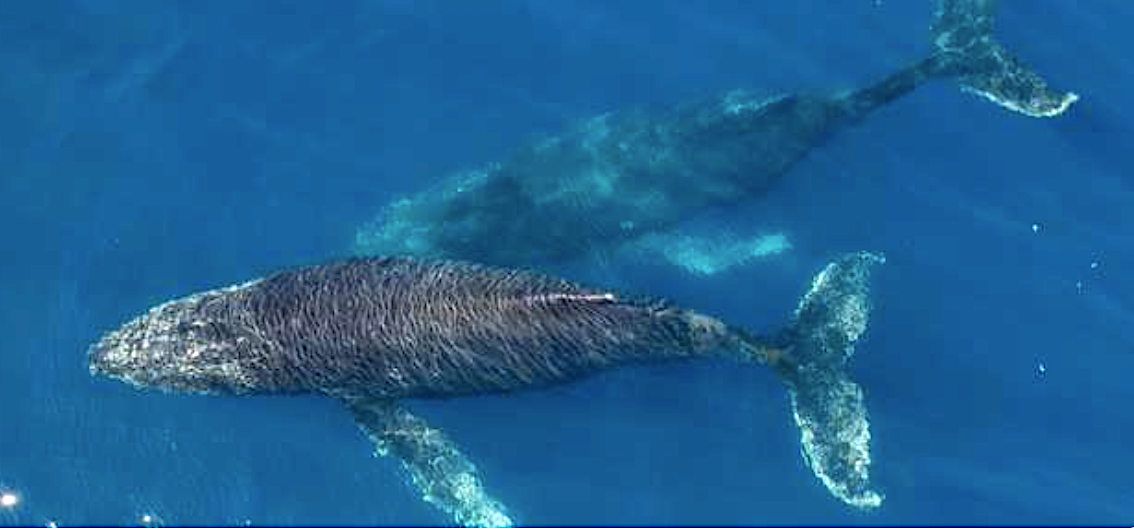
An Antarctic voyage turns questions about wildlife, ocean systems, and environmental responsibility into observations made at sea and ashore. Custom group programs connect field-based exploration with experiential learning through guided wildlife observation, onboard science sessions, and field study projects shaped by weather, ice conditions, and conservation protocols.
develop your own program similar to this
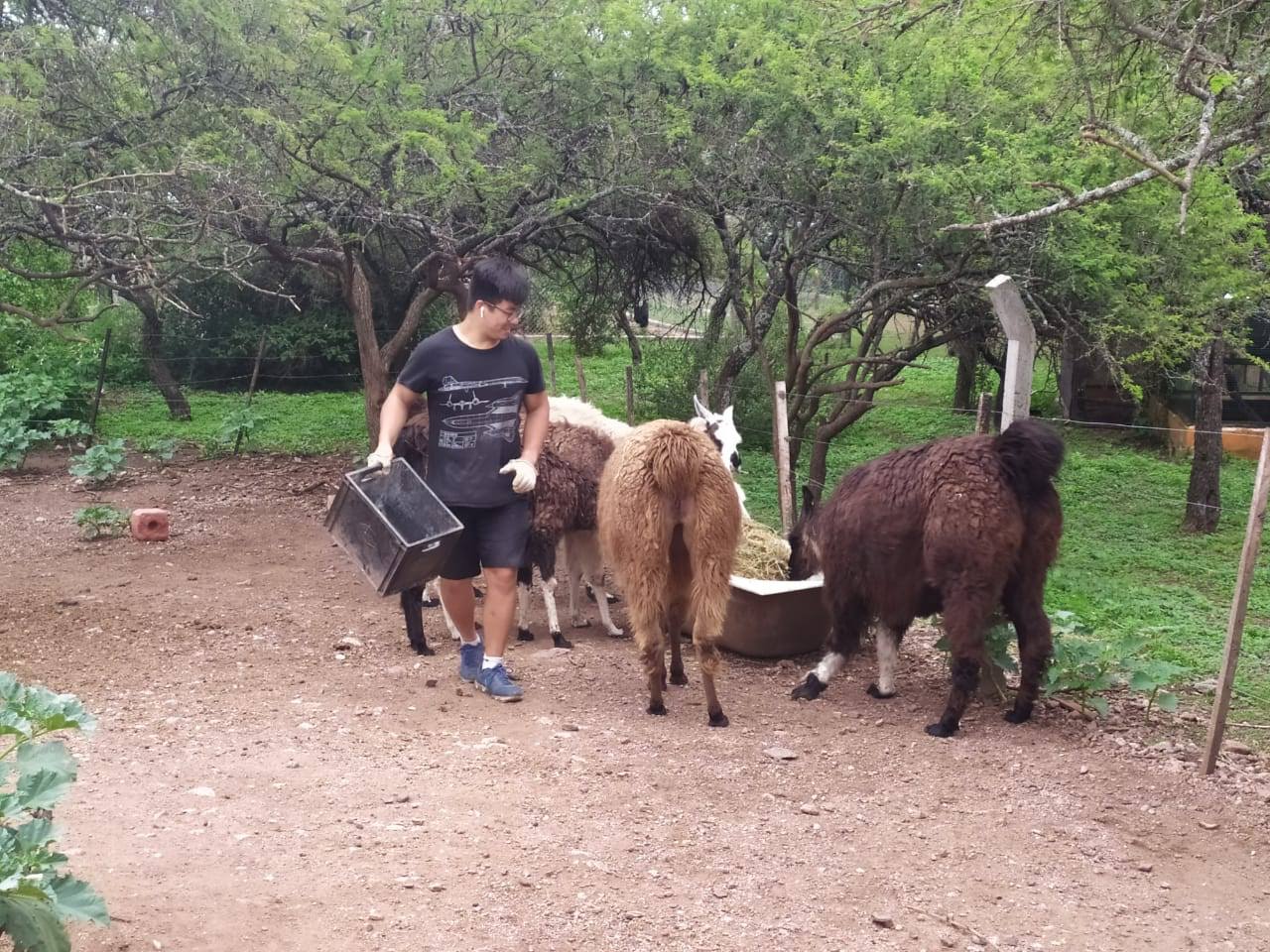
Wildlife rescue provides a lens for exploring biodiversity, habitat protection, and human responsibility toward the natural world. Through field-based learning and guided hands-on experience, custom group programs connect conservation education with the practical work of caring for rescued animals.
develop your own program similar to this
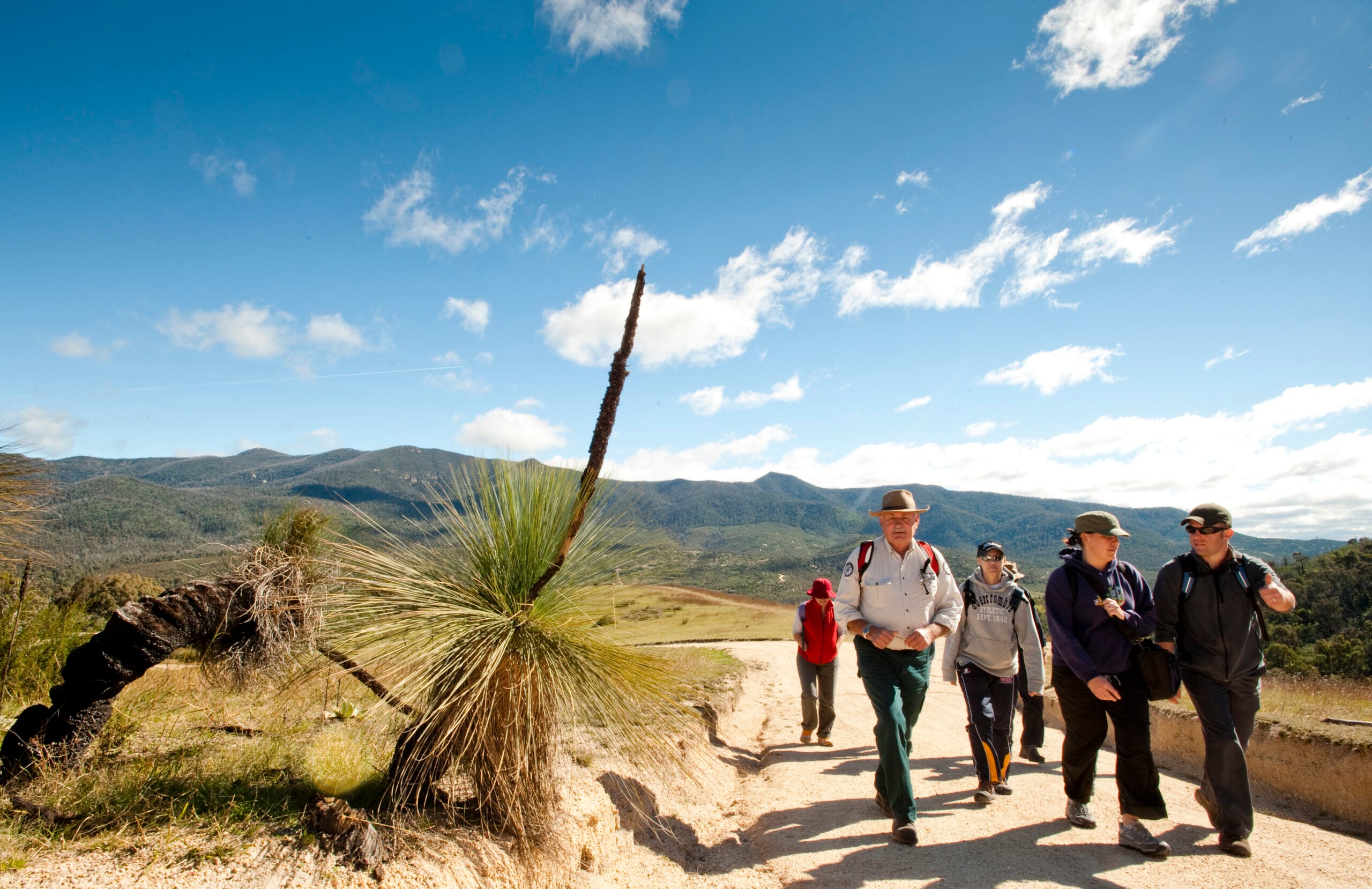
From tropical reefs to dry inland ecosystems, Australia offers a living laboratory for studying ecological change and environmental decision-making. Custom group programs support field research, experiential learning, and hands-on experience with scientists, rangers, and Traditional Owners across landscapes where conservation, tourism, food production, and climate resilience intersect.
develop your own program similar to this
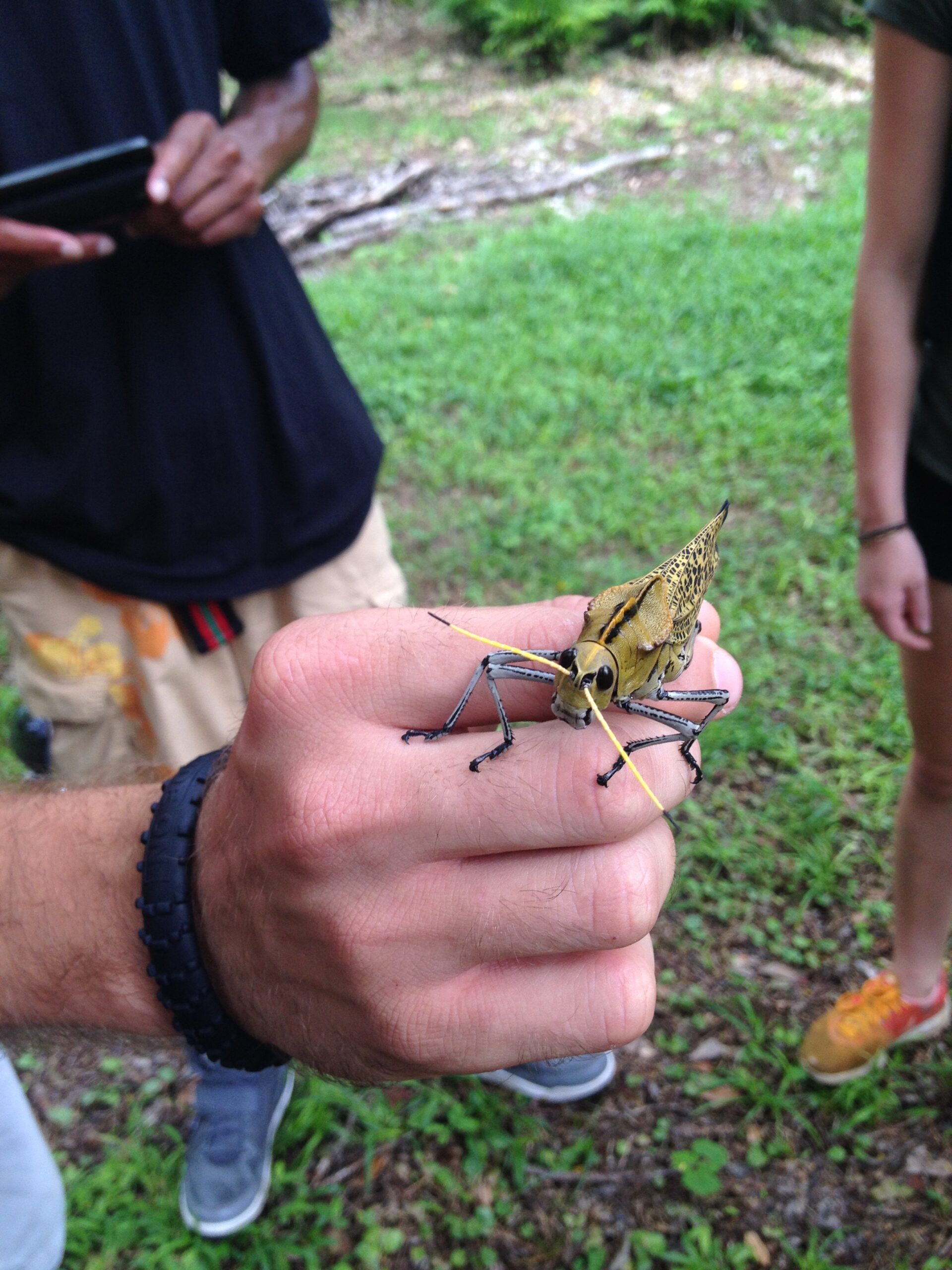
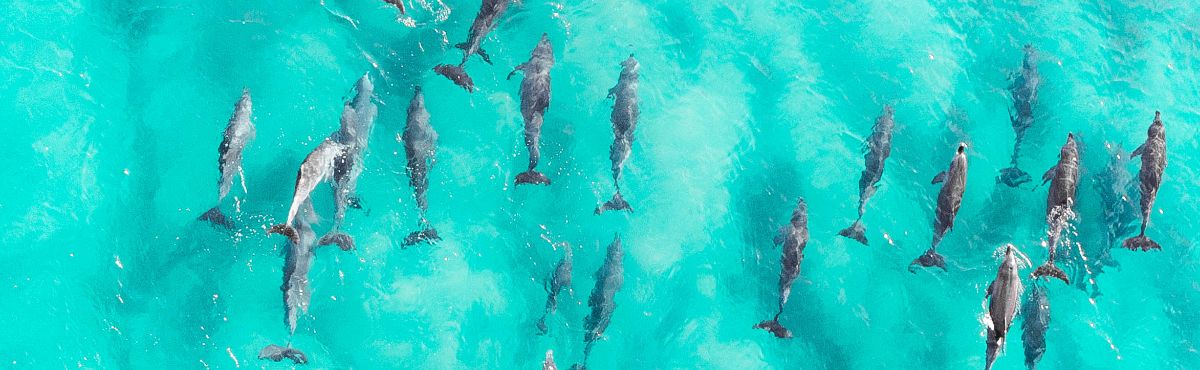
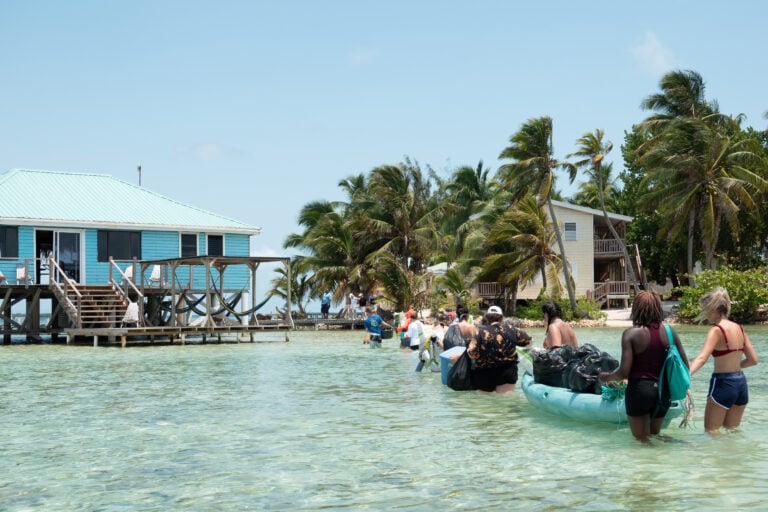
Belize offers hands-on learning in tropical ecology, biodiversity conservation, water systems, and sustainable resource use. Field-based programs combine species monitoring, habitat stewardship, watershed research, environmental education, and community engagement to explore practical responses to conservation and climate challenges.
develop your own program similar to this
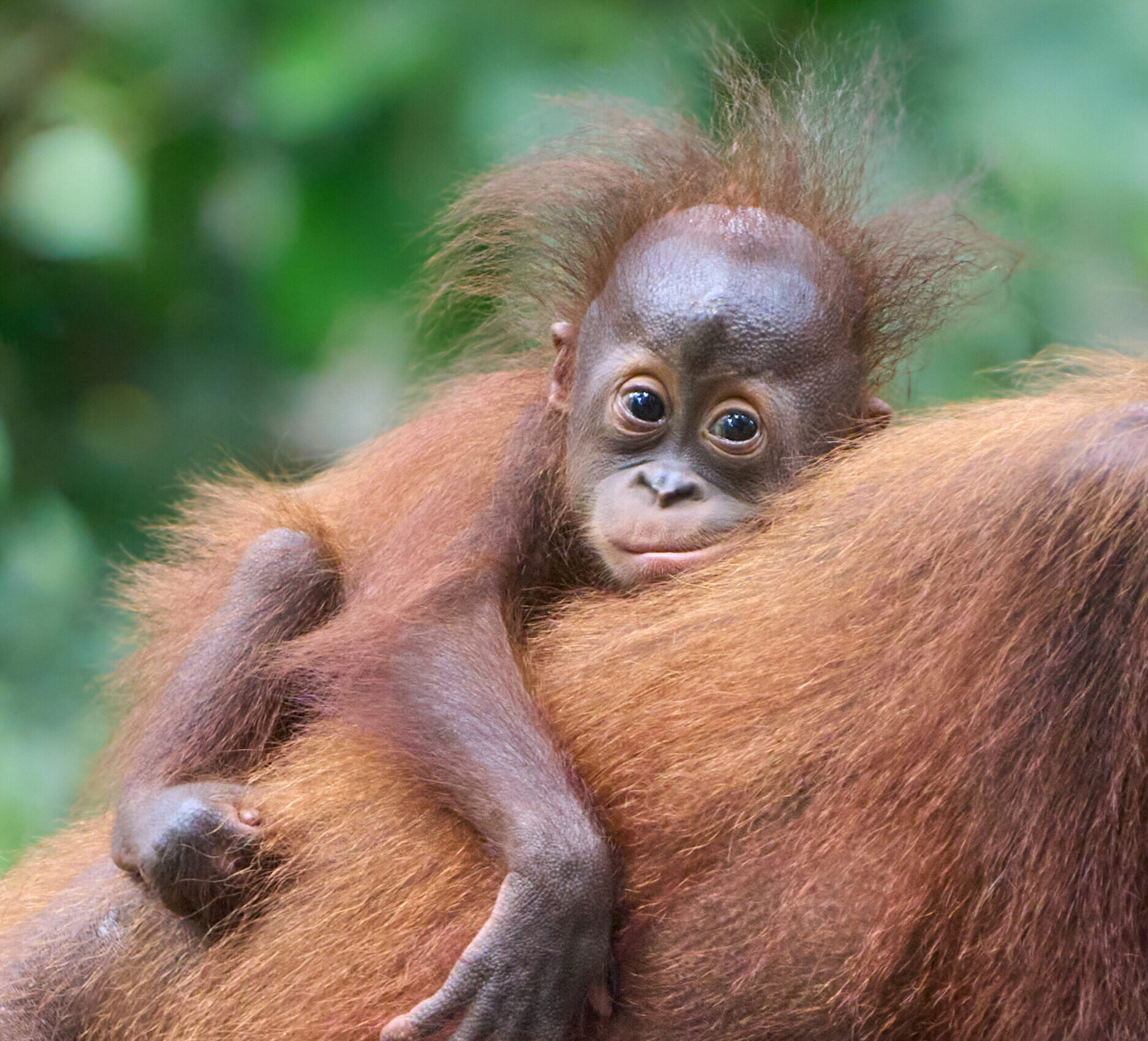
Borneo’s rainforests, peatlands, mangroves, and recovering forest landscapes create an exceptional setting for hands-on experience in tropical ecology and environmental sustainability. Custom group programs can pair field-based observation and field research with cross-cultural immersion, examining biodiversity, restoration, and land-use choices across one of the planet’s most species-rich regions.
develop your own program similar to this
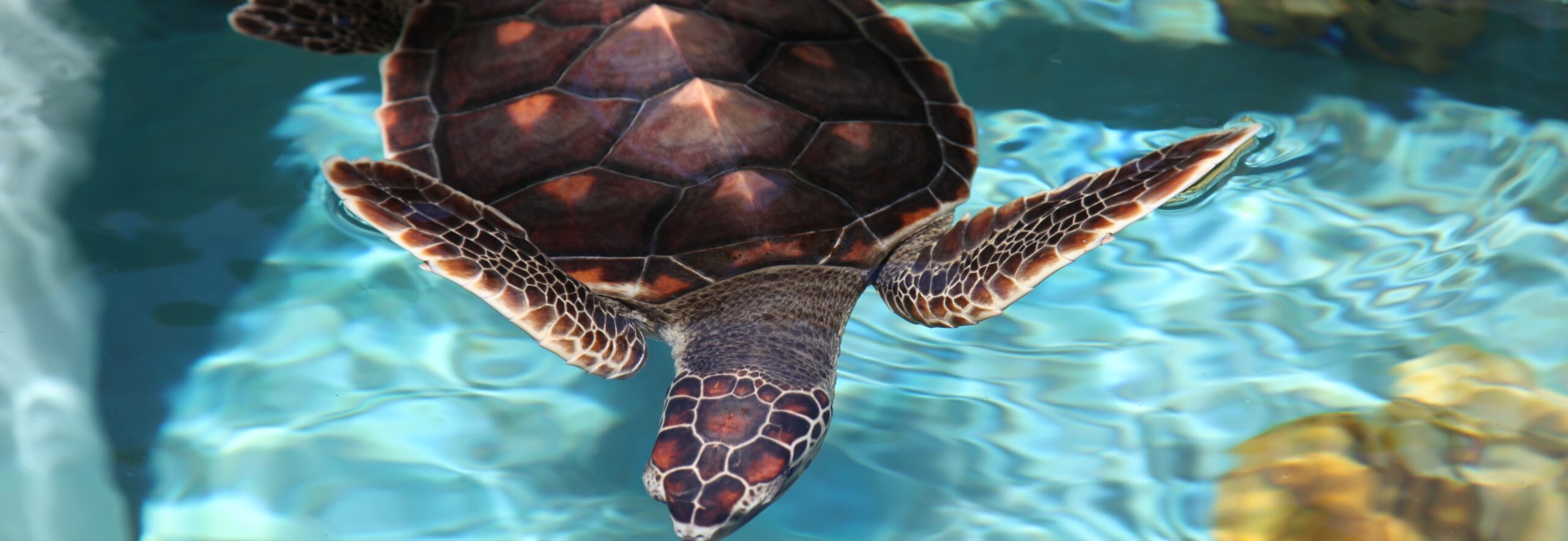
Brazil’s coasts and rivers link coral reefs, mangroves, wetlands, fisheries, and communities across Bahia, Rio de Janeiro, and the Amazon region. Custom group programs offer experiential learning through field research and hands-on experience with biodiversity conservation, sustainable resource use, and climate resilience.
develop your own program similar to this
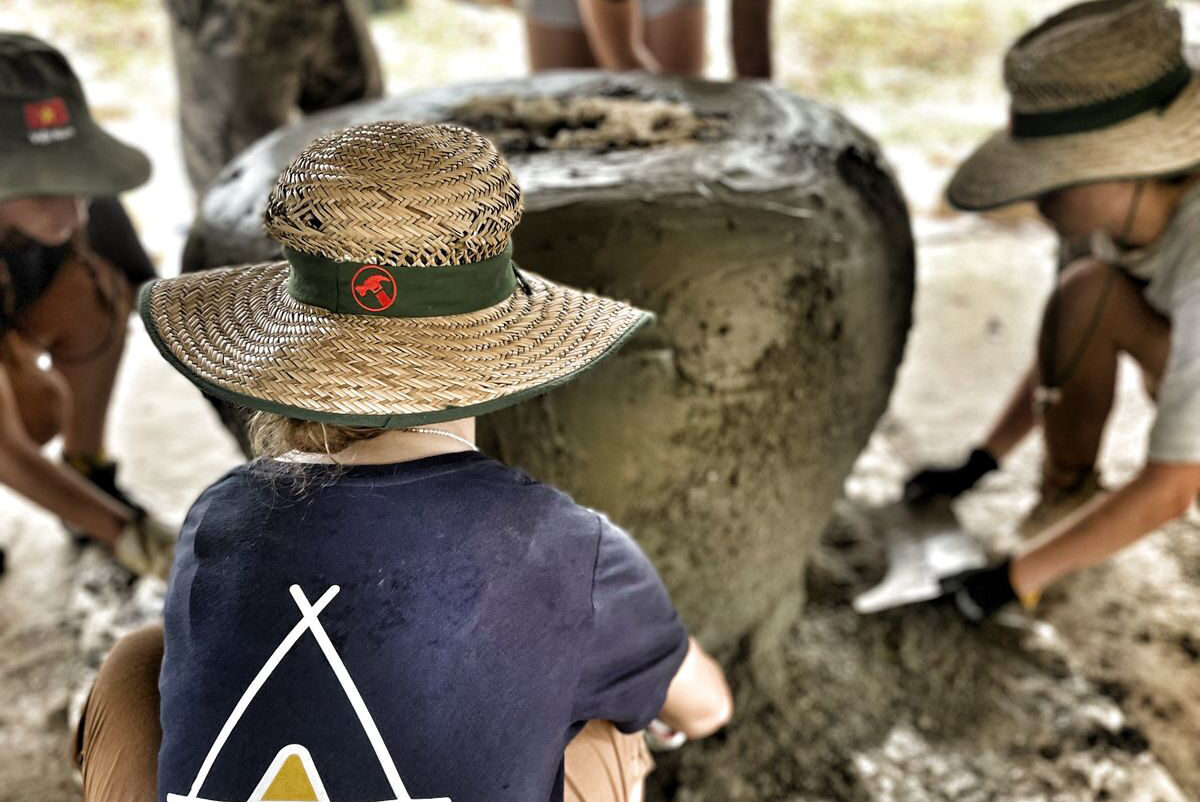
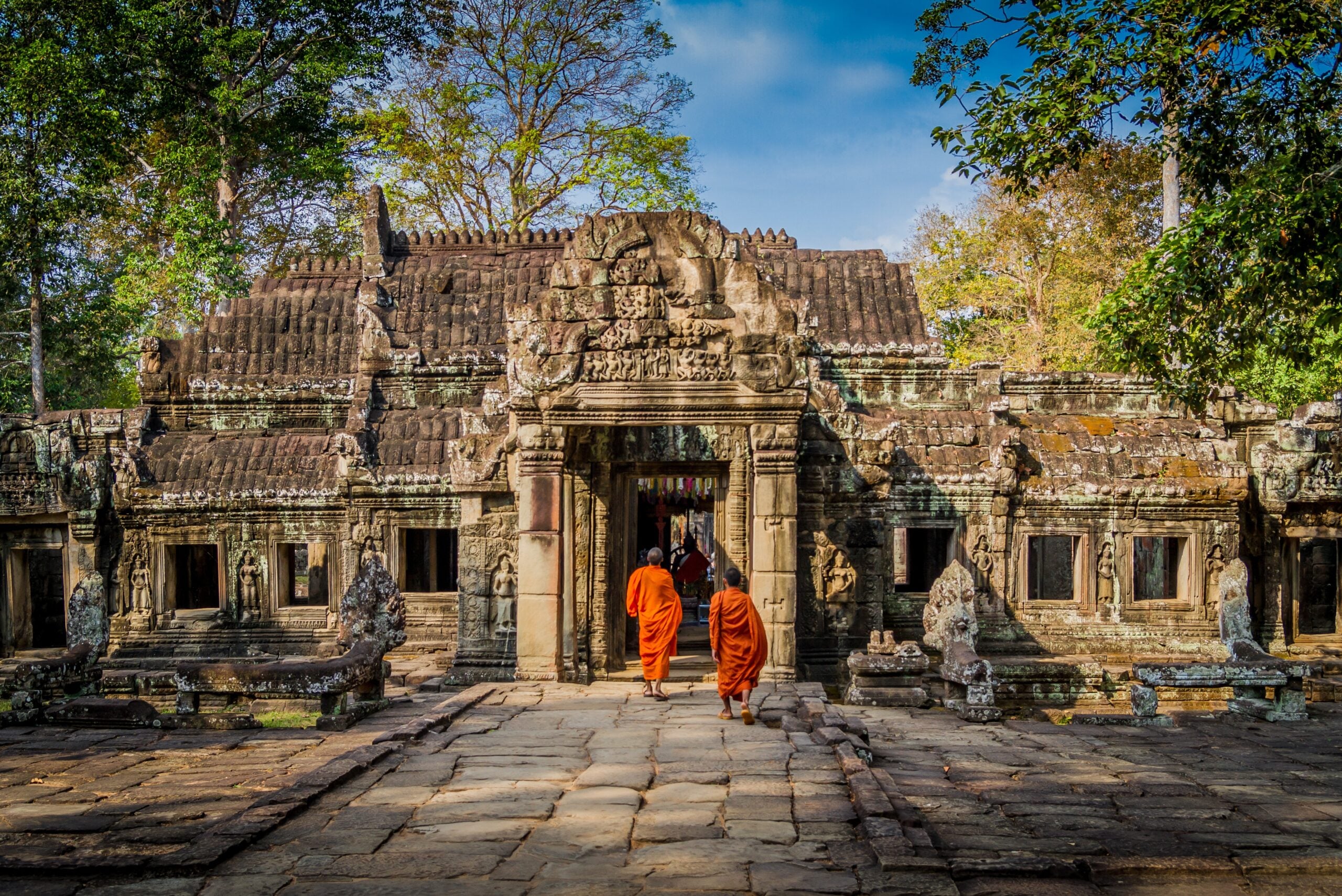
Cambodia’s forests, freshwater systems, farms, and sacred landscapes reveal how biodiversity, water security, livelihoods, and tourism are shaped by environmental change. Custom group programs provide field-based hands-on experience in ecosystem restoration, resource stewardship, and community responses to climate pressure, waste, and land-use change.
develop your own program similar to this
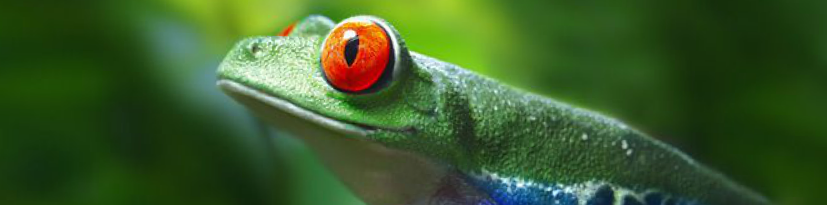
Explore tropical biology and environmental sustainability through immersive learning in some of the world’s most diverse forest, farm, river, and coastal ecosystems. Students can examine conservation challenges firsthand while developing practical skills in wildlife research, habitat protection, climate adaptation, sustainable agriculture, and responsible ecotourism.
develop your own program similar to this
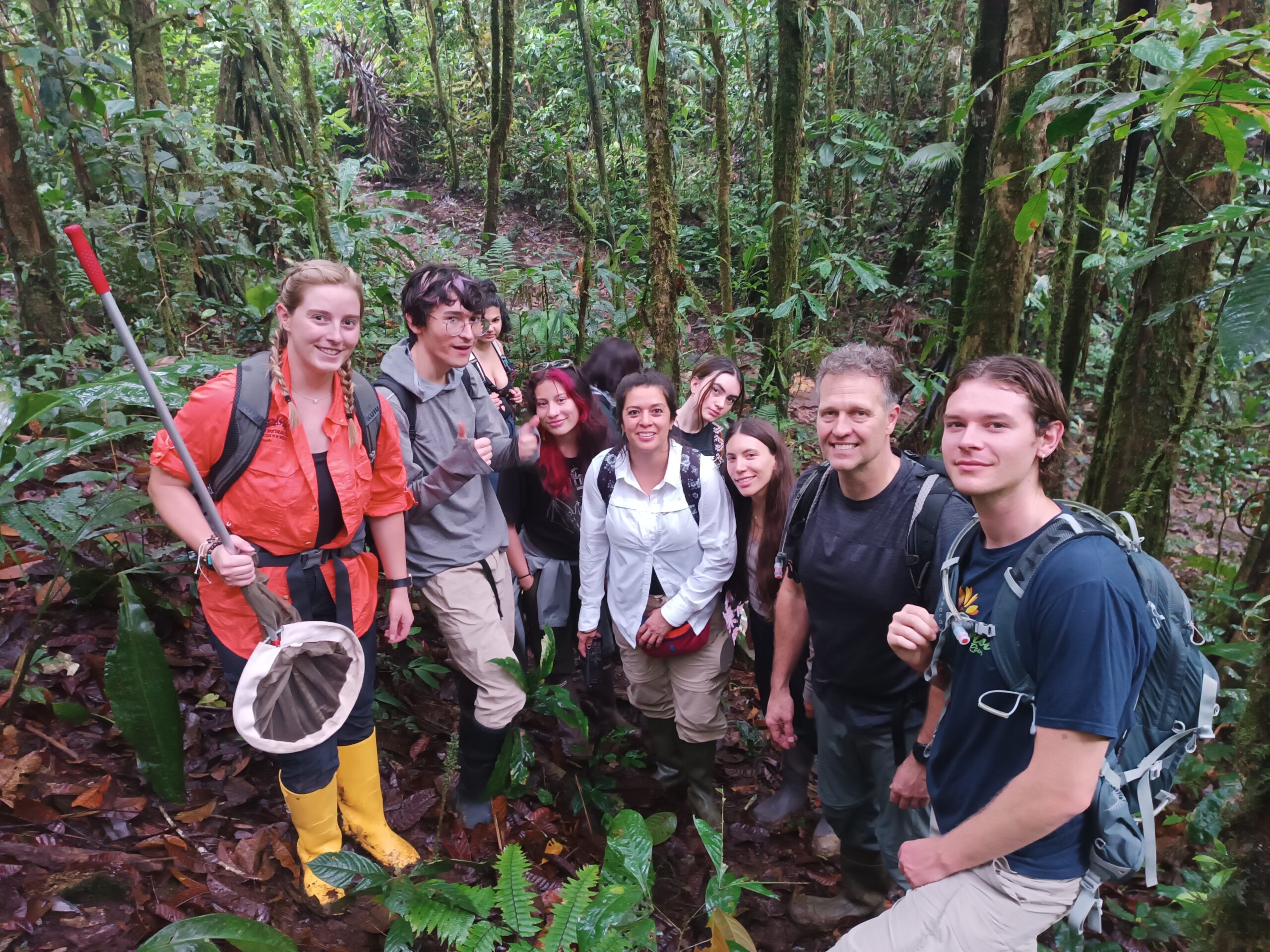
From Andean páramo to cloud forest, Amazon, coast, and islands, Ecuador concentrates remarkable ecological diversity within a single country. Custom group programs can pair field research and hands-on experience with conservation practitioners, using species observation and restoration activities to investigate how biodiversity supports livelihoods, water security, and climate resilience.
develop your own program similar to this
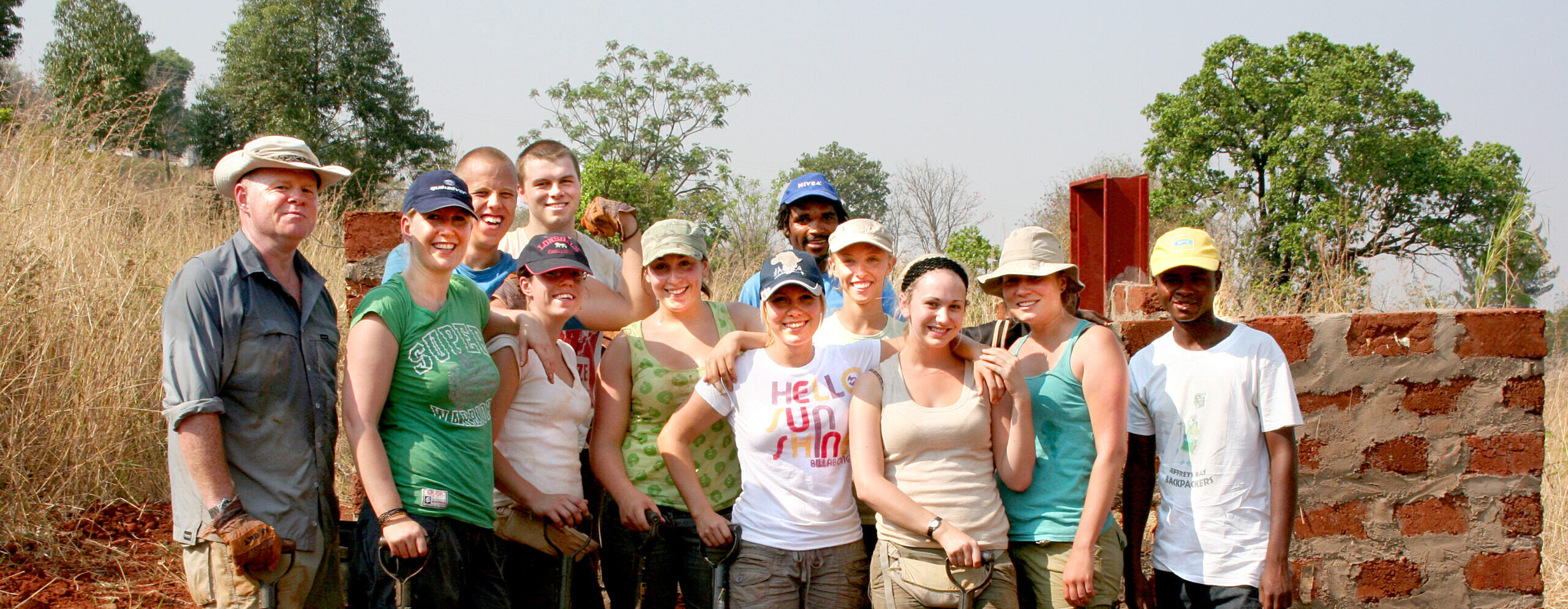
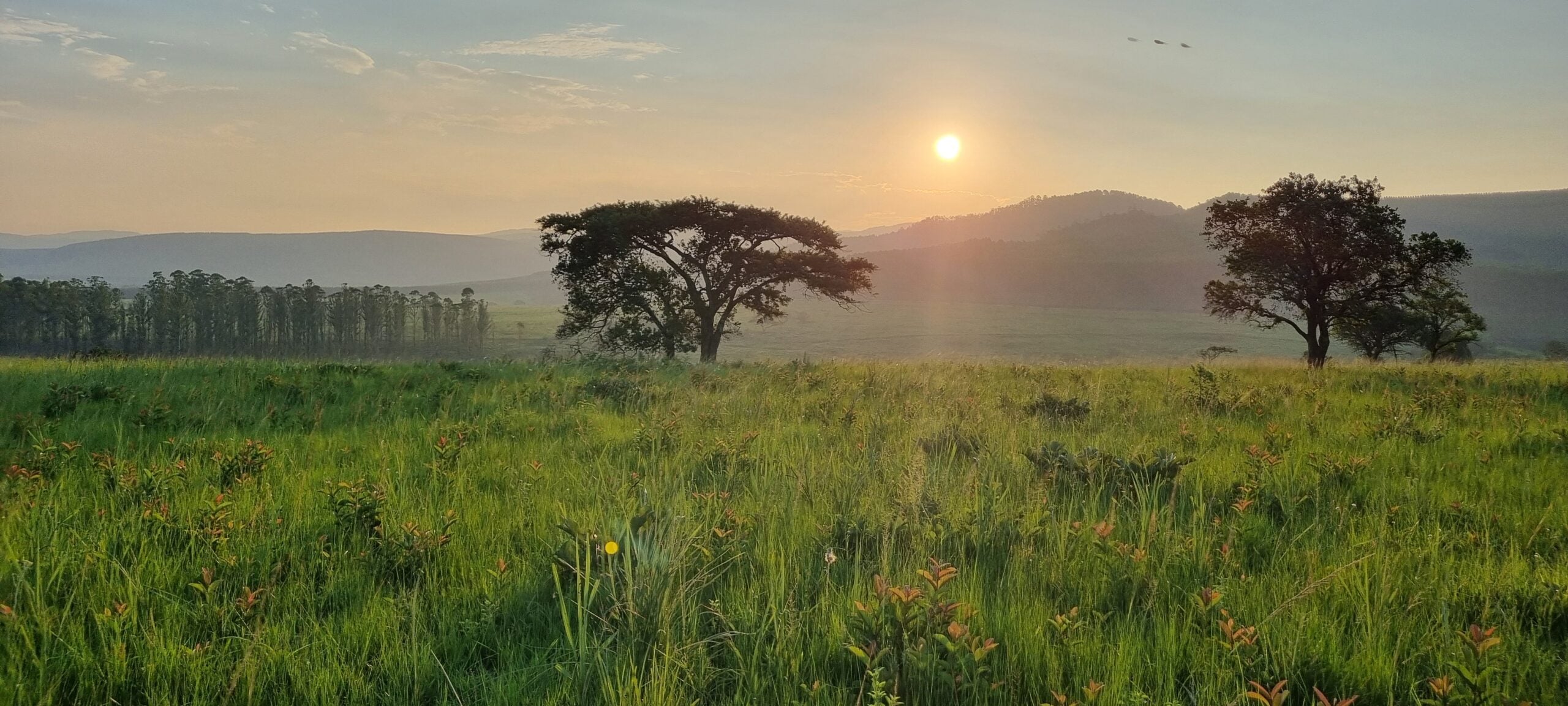
Eswatini’s savannah ecosystems provide a field-based context for studying wildlife ecology, conservation research, habitat restoration, and invasive species. Research presentations, monitoring activities, and local conservation education connect the ecology of iconic species with practical efforts to understand and protect changing landscapes.
develop your own program similar to this
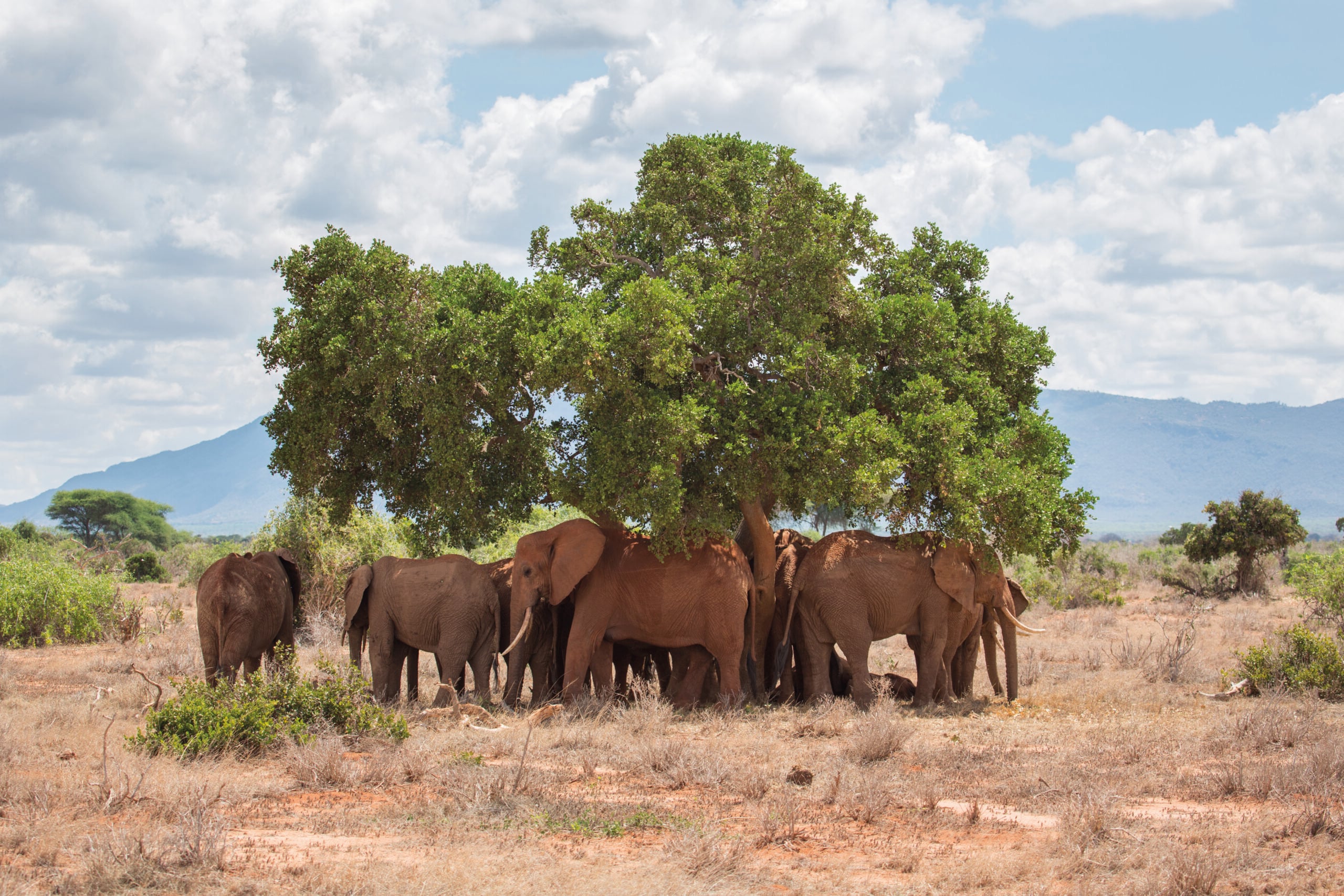
Across Kenya’s Indian Ocean coast and the greater Tsavo landscape, ecological questions play out at the intersection of wildlife, people, and environmental change. Custom group programs offer hands-on conservation learning through protected areas, wildlife corridors, mangrove and marine ecosystems, community dialogue, and ecological monitoring.
develop your own program similar to this
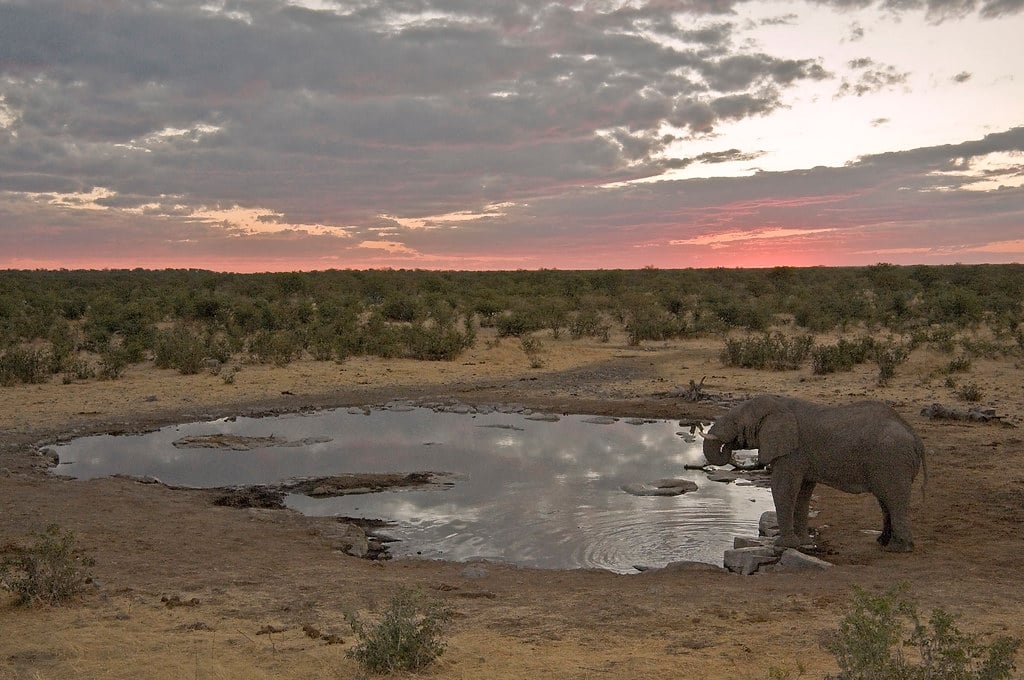
Namibia’s desert landscapes make ecological adaptation visible at every scale; from fog-harvesting beetles and ancient Welwitschia plants to desert-adapted elephants and rhinos. Through experiential learning, custom group programs can pair field research in arid ecosystems with hands-on examination of community conservancies, dryland hydrology, wildlife coexistence, and climate resilience.
develop your own program similar to this
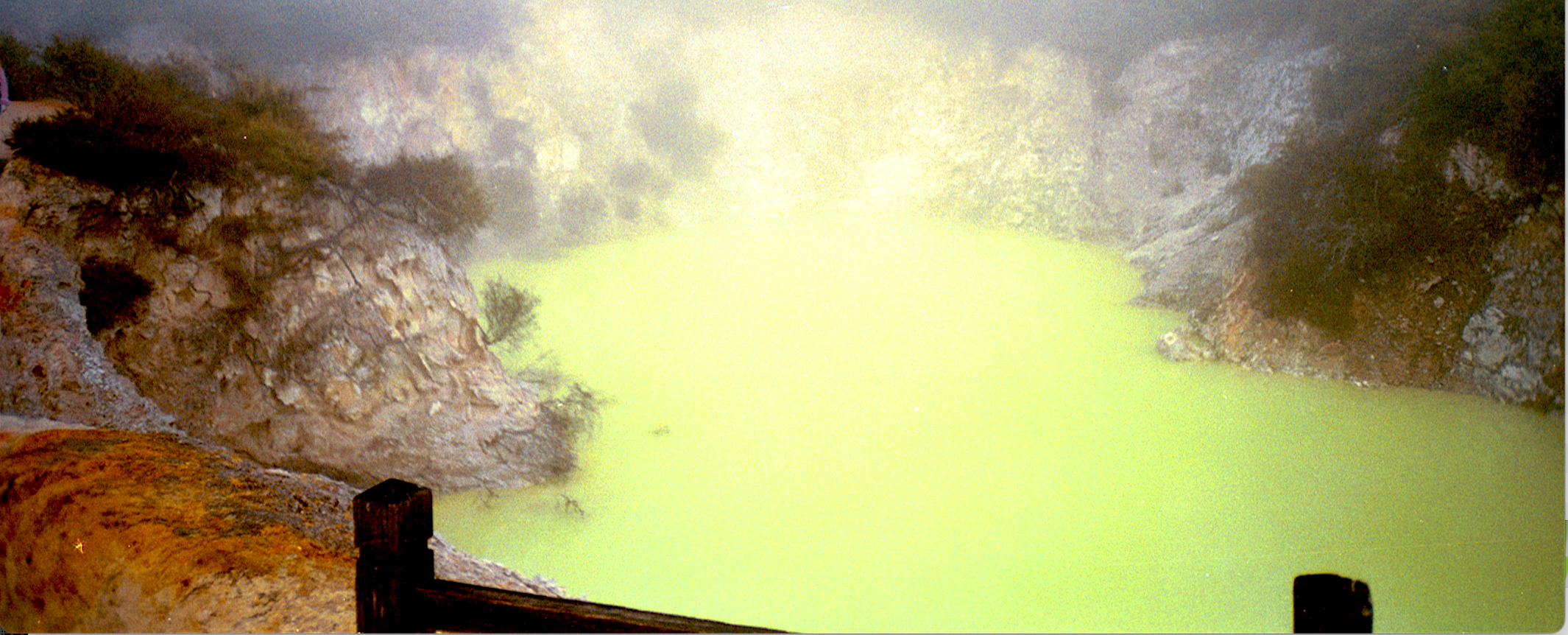
Island evolution has produced ecosystems found nowhere else in New Zealand, while invasive species, freshwater pressures, and climate change create urgent conservation challenges. Custom group programs enable field research and experiential learning with rangers, scientists, and Māori knowledge holders across diverse natural environments.
develop your own program similar to this
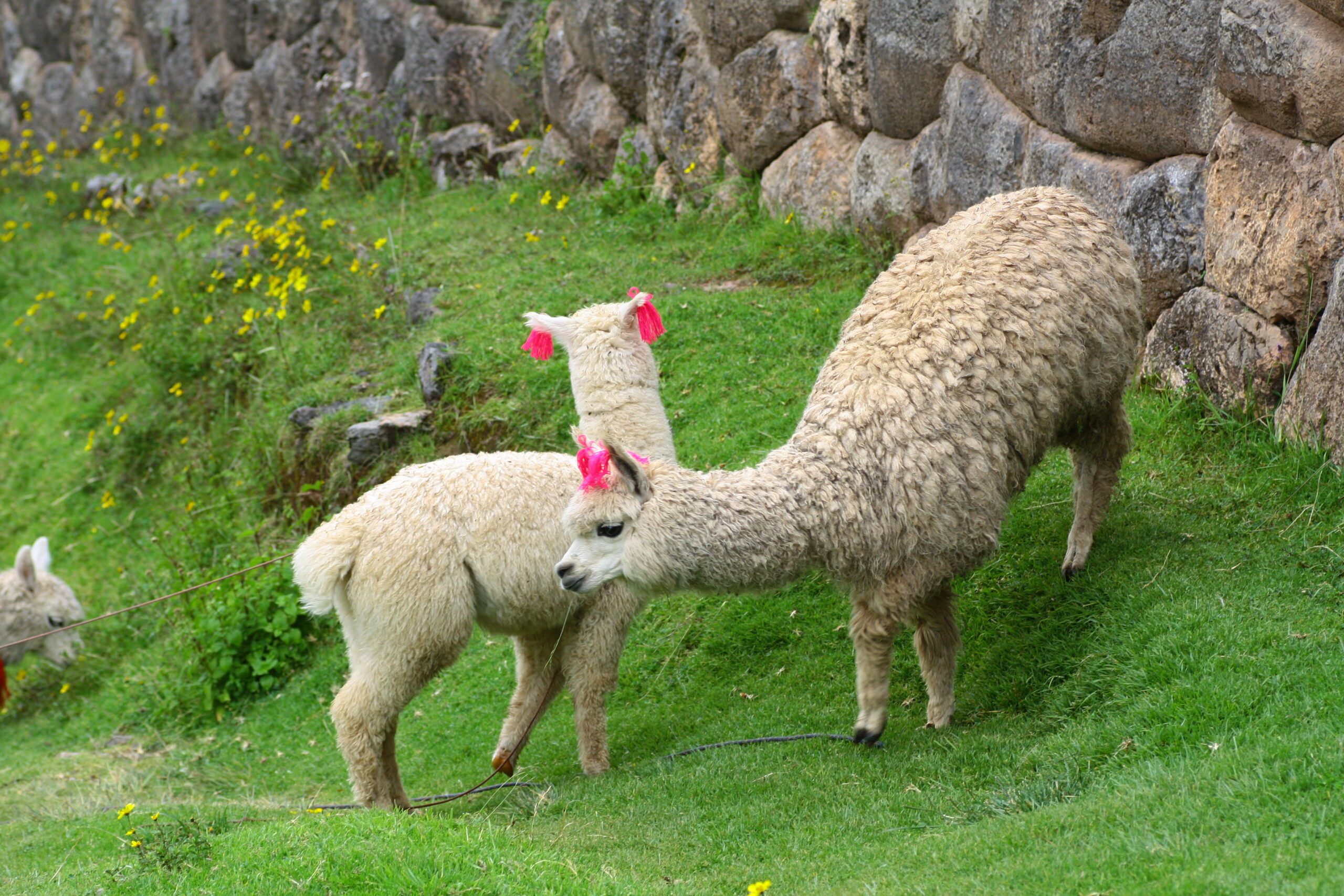
Ecological fieldwork in Peru provides a practical lens for exploring how biodiversity, land use, climate pressures, and community decision-making shape conservation outcomes. Custom group programs combine hands-on experience with field research, experiential learning, and cross-cultural immersion through species monitoring, habitat assessment, and sustainability-focused projects.
develop your own program similar to this
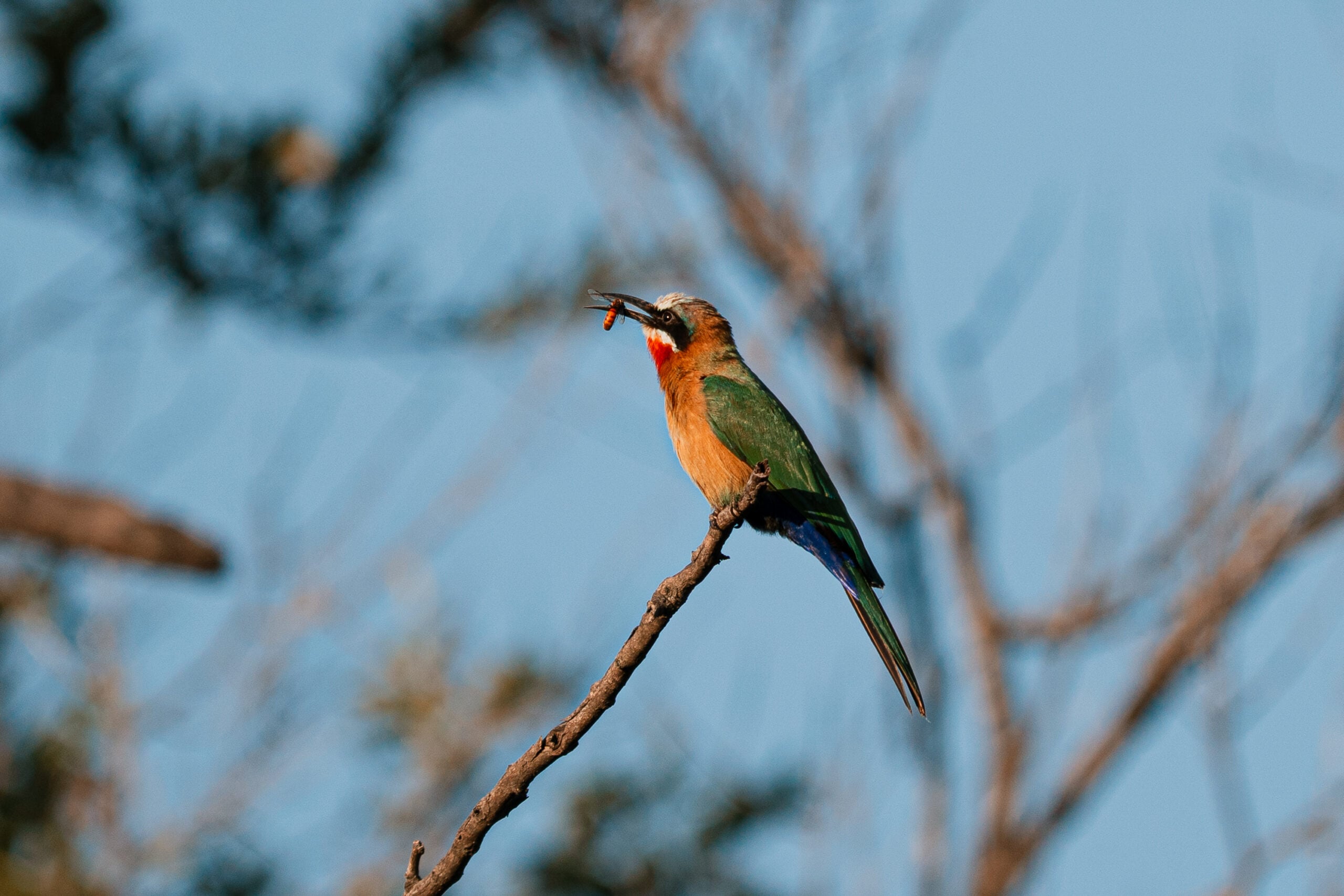
Field-based programs in South Africa turn biodiversity science into practical conservation learning. Groups investigate ecosystems, wildlife populations, and changing landscapes through observation, data collection, mapping, restoration, and discussions with practitioners. This connects ecological research to protected-area management, sustainable land use, and community-led environmental stewardship.
develop your own program similar to this
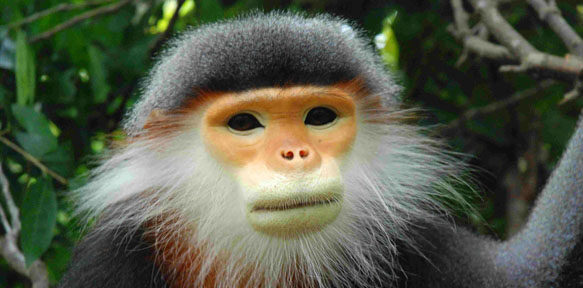
Vietnam makes climate adaptation, ecosystem conservation, and sustainable development tangible through its forests, waterways, cities, and delta communities. Experiential learning programs can incorporate field research, restoration activities, environmental education, and cross-cultural engagement with local sustainability priorities.
develop your own program similar to this
Program ideas
Browse example itineraries and program ideas inspired by topics Kaya groups have explored over the years.
 1
Together we’ll discuss your program goals and needs.
 2
With your input, we develop and fine-tune the perfect itinerary.
 3
We support institutional approvals and recruitment processes to ensure a successful launch!
 4
From pre-departure planning until your return, we’re with you every step of the way!
FAQS
A Kaya faculty-led biology, environmental science and sustainability program can help students explore biodiversity, ecosystems, conservation and the relationship between communities and their environment through applied activities, local perspectives and structured reflection.
On a Kaya group program, any environmental topic can be explored, from biodiversity and ecosystem health to climate adaptation, natural resource management, and community-led conservation. Faculty collaborate with Kaya and the local teams to identify the best location, relevant sites and local expertise for their chosen topic, shaping field activities around the group’s learning objectives.
Kaya collaborates with faculty and local partners to design biology, environmental science and sustainability activities that connect academic aims with context-aware field learning.
Yes. Kaya can adapt a faculty-led biology, environmental science and sustainability program to the students’ academic level, course outcomes and disciplinary interests.
Testimonials
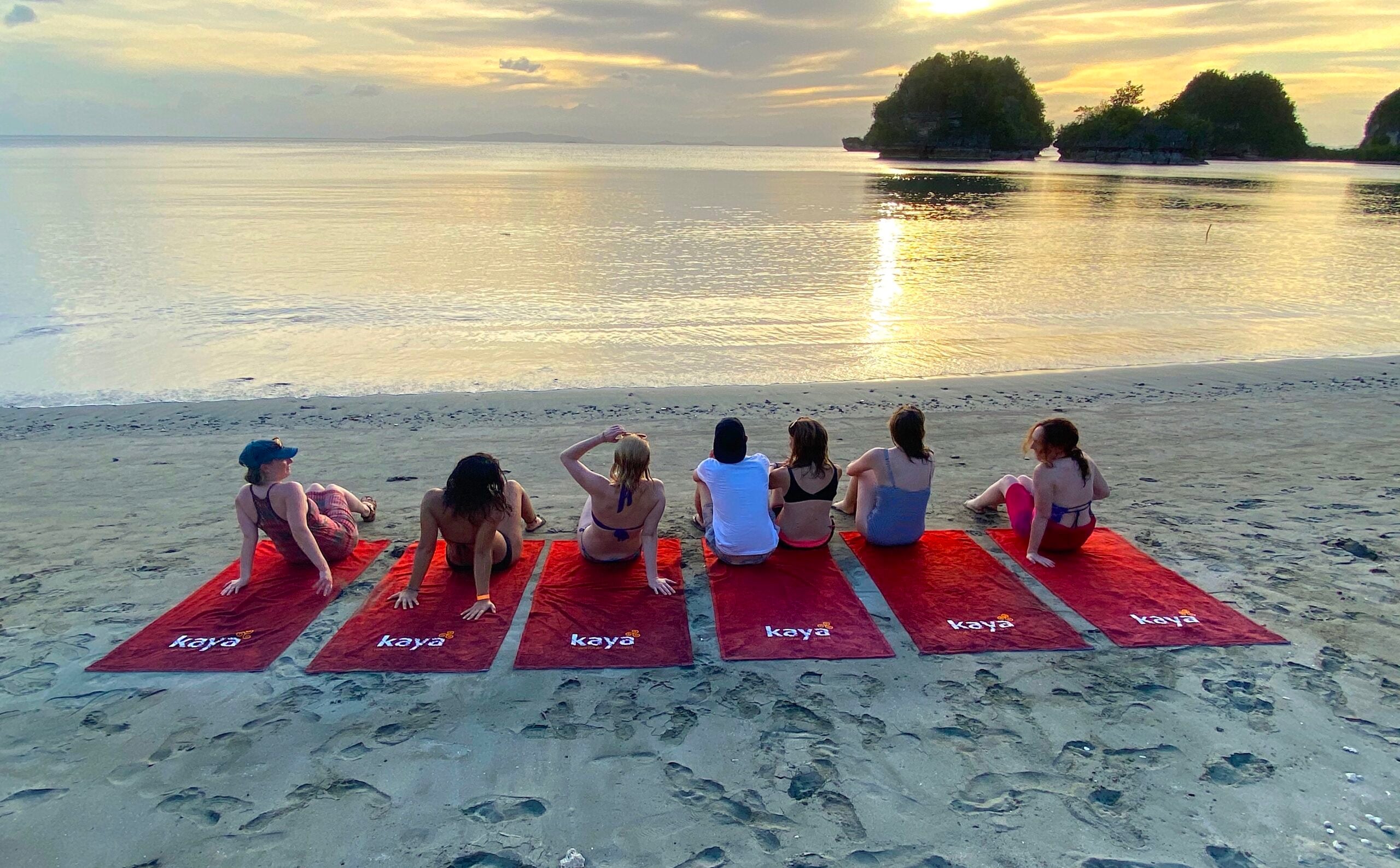
With a focus on experiential education and the UN Sustainable Development Goals, your group can immerse and engage with international communities and environments across the globe.