







Scuba and Society in Belize
- Biology, Environmental Science & Sustainability
- Marine Sciences
Discover geology, conservation, and culture in Eswatini through ancient rock formations, wildlife reserves, and hands-on community fieldwork.
Design a program like this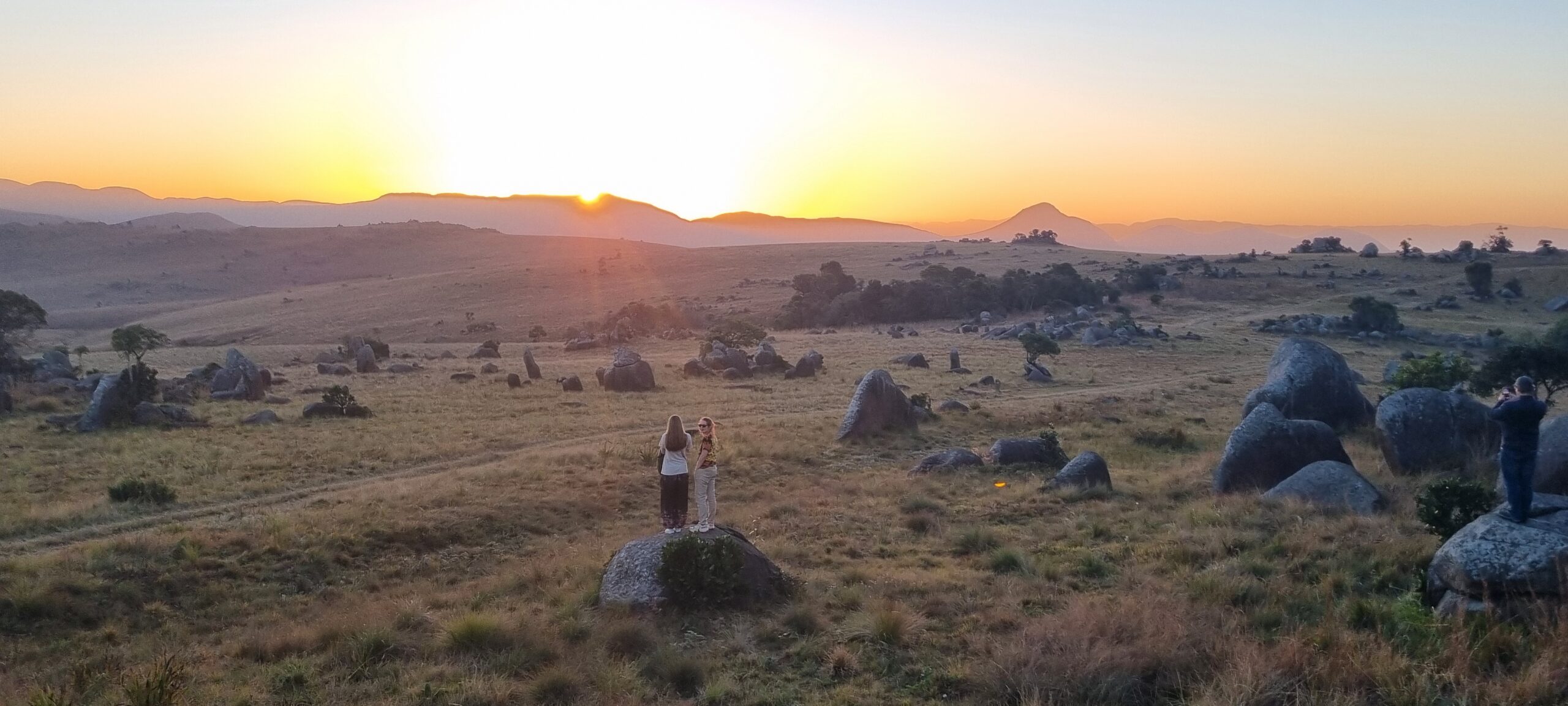
Eswatini brings remarkable geology, diverse wildlife, and living cultural traditions together in a small corner of southern Africa. This Environmental Studies program with Kaya takes students from ancient rock formations and conservation reserves into community-led environmental projects, connecting the study of Earth’s deep history with the people and landscapes that continue to shape it.
Students begin near the country’s historic and cultural heart before traveling into the highlands and reserves of northeastern Eswatini. Along the way, they explore billion-year-old geological formations, take part in conservation work, and discover how environmental education helps communities build stronger connections with the landscapes around them.
The program opens with an orientation and a village tour through one of Eswatini’s oldest communities. Visits to the National Museum and a memorial park introduce students to the country’s history, leadership, and cultural identity.
These first experiences provide context for everything that follows. Before exploring the land itself, students get to know the communities, histories, and traditions connected to it.
A community immersion day offers another opportunity to get involved. Students may support preschool lessons, work in a vegetable garden, or contribute to local beautification projects before joining a tree-planting activity at the community center garden.
Participation and exchange sit at the heart of these activities. Students contribute to projects where support is needed while learning about local sustainability efforts and the priorities of the communities hosting them.
At Eswatini’s first conservation reserve for big game, students get a closer look at the country’s wildlife and conservation efforts. A guided hike gives them the chance to speak with rangers about wildlife management, anti-poaching initiatives, the history of conservation, and the benefits these efforts can bring to surrounding communities.
A visit to a cultural village introduces another perspective through a living museum that depicts village life in the 1850s. Students explore traditional structures, learn about cultural roles, and watch a dance performance that connects the natural environment with Swazi cultural heritage.
Together, these experiences reveal the wider picture of conservation. Protecting wildlife requires ecological knowledge, but it also means understanding cultural values, local livelihoods, and the relationships communities have built with the land.
The geology focus comes to life as students travel toward Malolotja Nature Reserve.
A stop at one of the world’s largest monolithic rock formations brings students face to face with geological history stretching back around three billion years. Nearby, a dam offers a contrasting example of how people manage water resources and shape the landscape today.
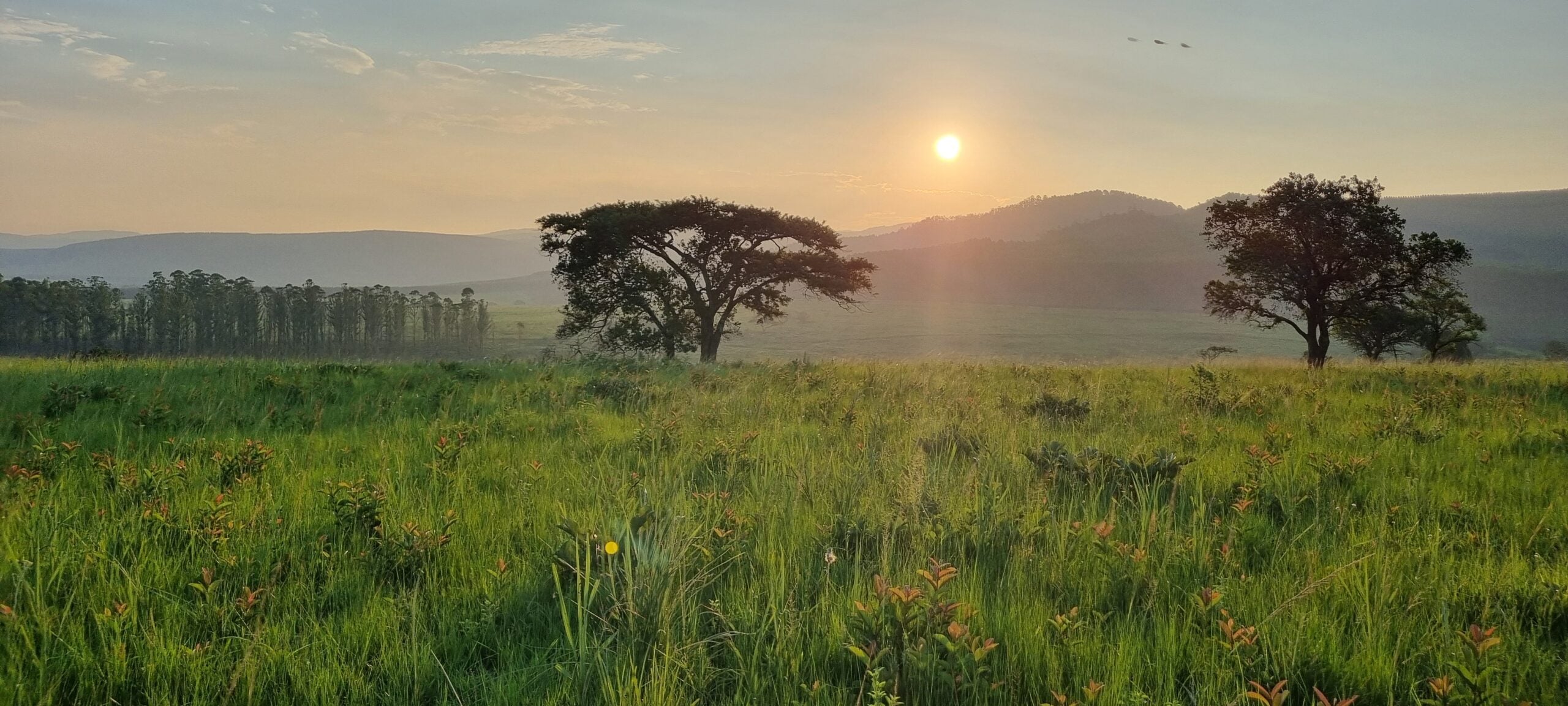
Time in a highland nature reserve introduces students to another side of Eswatini’s biodiversity. They explore the area while looking for antelope, zebra, wildebeest, birds, and a diverse range of plant life.
A canopy tour across a dramatic gorge offers an entirely different perspective on the terrain. Suspended above the forest, students can take in the connections between geological formations, vegetation, and wildlife habitats across the landscape.
A visit to the oldest known ochre mine adds another layer to the region’s geological and human history. Students explore how people have used mineral resources throughout history and how those materials connect geological processes with early human activity.
Nearby, a glassblowing site offers a more contemporary example of how people transform raw materials into creative products and economic opportunities.
Together, these visits encourage students to look beyond rock types and landforms. Minerals have influenced human history, cultural practices, and economic activity for thousands of years, and they continue to shape how communities interact with their environment.
The final stage of the program takes students to a research center, where they spend several nights camping and participating in hands-on conservation activities.
After learning about the center’s work and the wildlife that inhabits the surrounding park, students get involved in projects such as monitoring giraffes and zebras, supporting conservation databases, clearing trails, and removing invasive species.
A hike to a cave containing evidence of Middle Stone Age human occupation adds an anthropological dimension to the experience, bringing geological history and human development together.
Students also hear from an environmental education organization about its work with local schools. The presentation explores how educators help young people build stronger connections with nature and understand the importance of protecting their surroundings.
A game drive through a nearby reserve gives students another opportunity to observe wildlife in its natural habitat. They may encounter giraffes, zebras, antelope, warthogs, wildebeest, monkeys, baboons, and a variety of bird species along the way.
The group then returns to conservation activities before bringing the experience together through a reflection session. This time allows students to consider how geology, ecology, culture, and community priorities have connected throughout the program.
Evenings around the campfire provide a more informal way to share observations, exchange ideas, and reflect on the bigger questions raised during the day’s fieldwork.
This program takes the study of geology well beyond rock formations and landforms. In Eswatini, students explore ancient landscapes, contribute to active conservation projects, discover cultural heritage, and examine the human decisions that influence how people use and protect the land.
By the end of the program, geology becomes more than an isolated academic subject. It offers a way to understand an entire place: how its landscapes formed, how people have lived alongside them, and how communities continue to work toward sustaining them.
You may also be interested in
Every Kaya Customized Group Program is unique. Find inspiration below to start planning your group's journey!
 1
Together we’ll discuss your program goals and needs.
 2
With your input, we develop and fine-tune the perfect itinerary.
 3
We support institutional approvals and recruitment processes to ensure a successful launch!
 4
From pre-departure planning until your return, we’re with you every step of the way!
With a focus on experiential education and the UN Sustainable Development Goals, your group can immerse and engage with international communities and environments across the globe.