









Food Economics in Thailand
- Agriculture & Food Security
- Business & Economy
Agriculture and food systems are central to global development, environmental sustainability, and the security of food supplies.
Design a program hereAbout Agriculture and Food Security
From smallholder farming systems and sustainable land use to agricultural innovation and food distribution networks, the field examines how food is produced, managed, and accessed across different regions. Agriculture studies bring together agroecology education, rural development, nutrition, and global food systems research.
Kaya’s agriculture study abroad programs provide opportunities for food security field study and sustainable farming programs. Students explore agroecology education and rural development and agriculture initiatives while examining supply chains, nutrition and development, and water management in farming systems. Through engagement with farming communities and development organizations, participants gain insight into climate-resilient agriculture and global food systems.
 Academic themes

Program Themes
Discover how this academic area takes shape in each destination. If you don’t see your country, or you already have an itinerary, connect with the Kaya team to start a discussion.
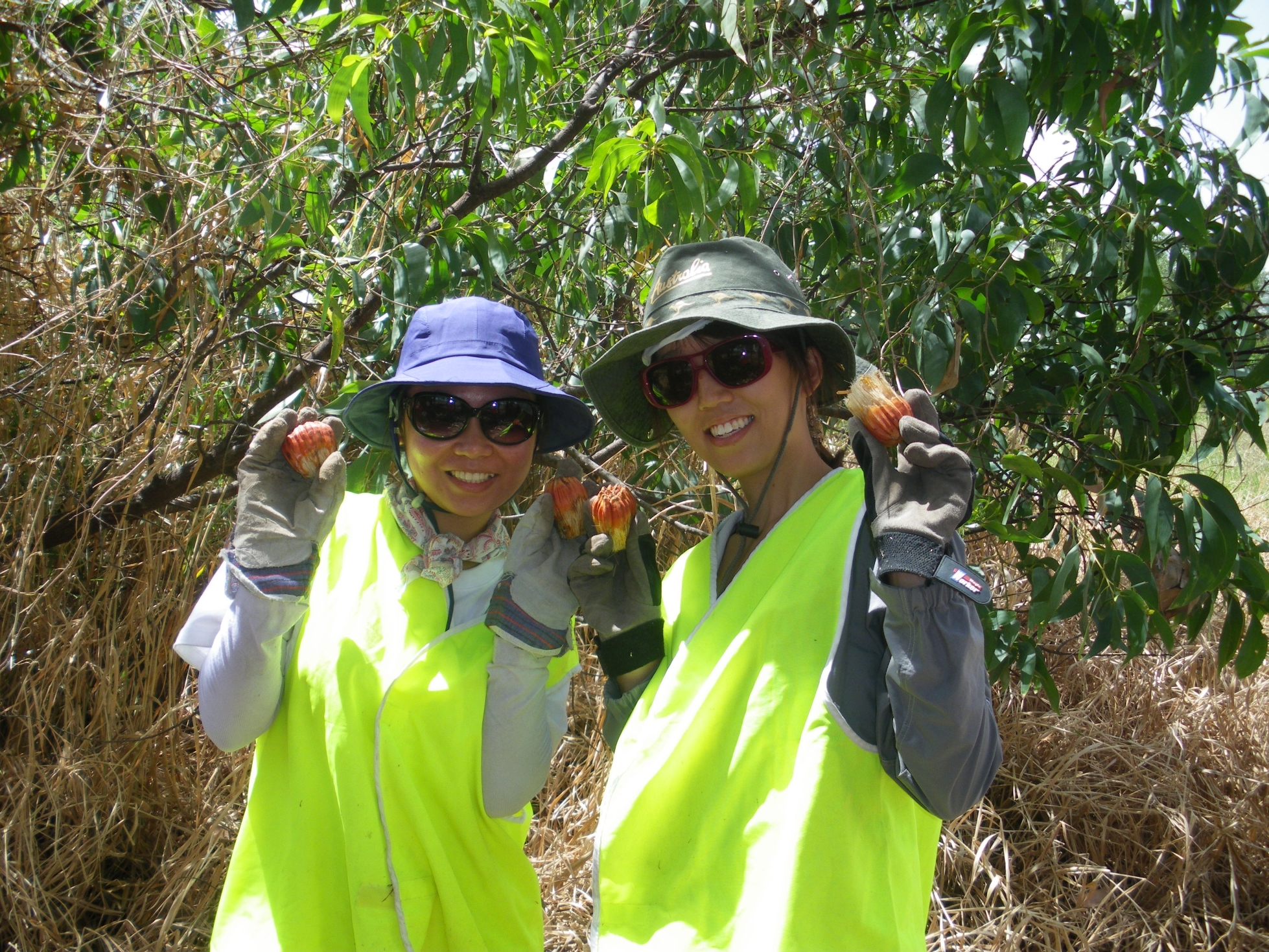
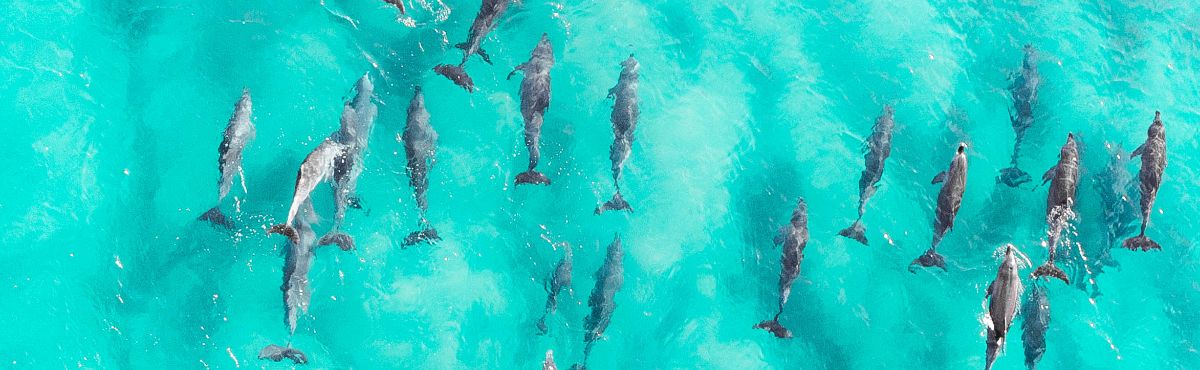
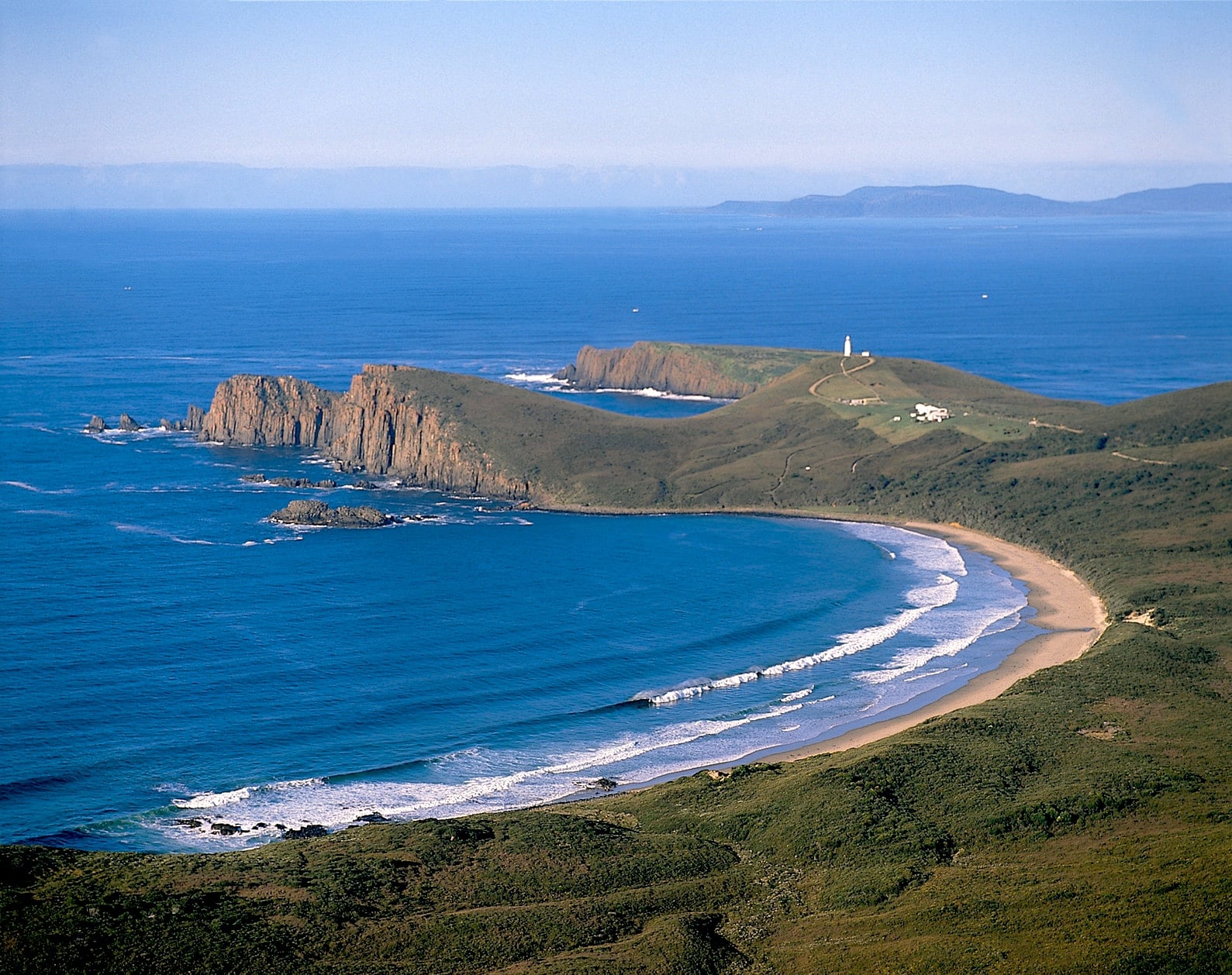
Australia’s food and fibre industries operate across vast landscapes shaped by climate risk, advanced technology, and strong biosecurity systems. Custom group programs provide field-based experiential learning with producers and researchers, combining hands-on experience with cross-cultural immersion in contemporary agriculture and environmental stewardship.
develop your own program similar to this
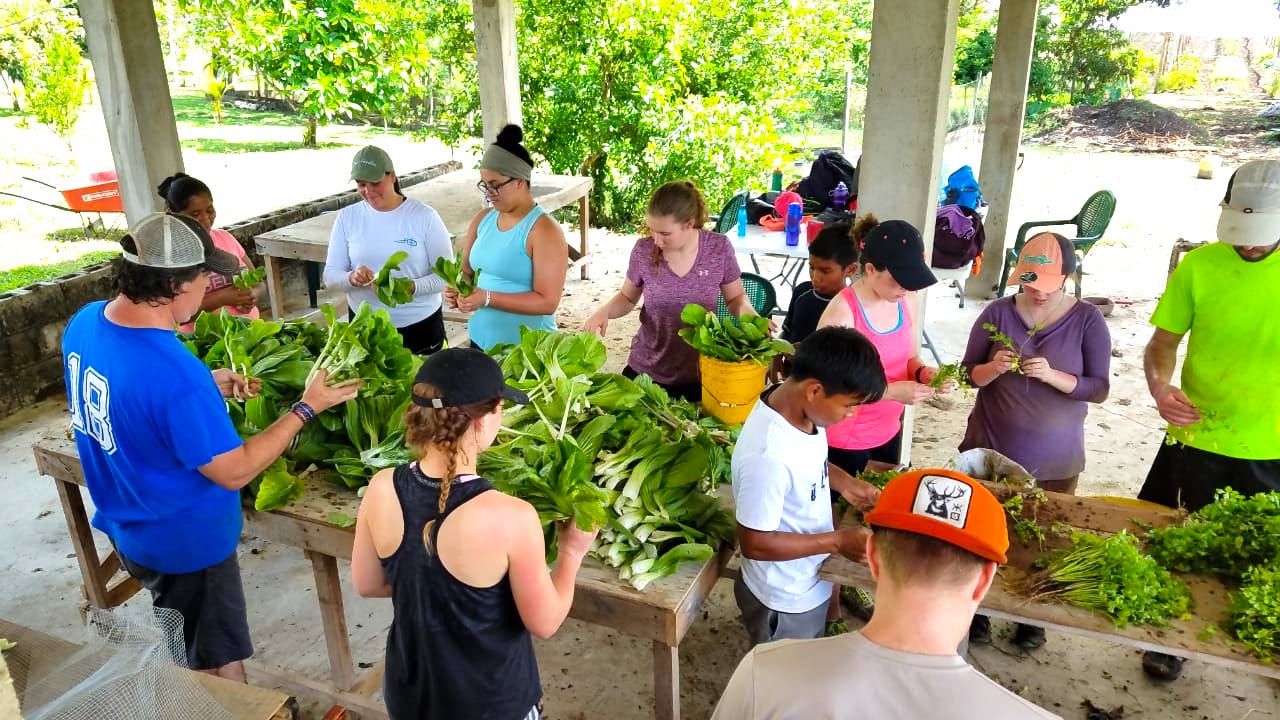
From food-garden design to livestock care and agroforestry, Belize provides a working model of diversified agriculture. Participants can gain field-based, hands-on experience with regenerative farming and food-production systems while considering how local agriculture supports food security, rural communities, and the national economy.
develop your own program similar to this
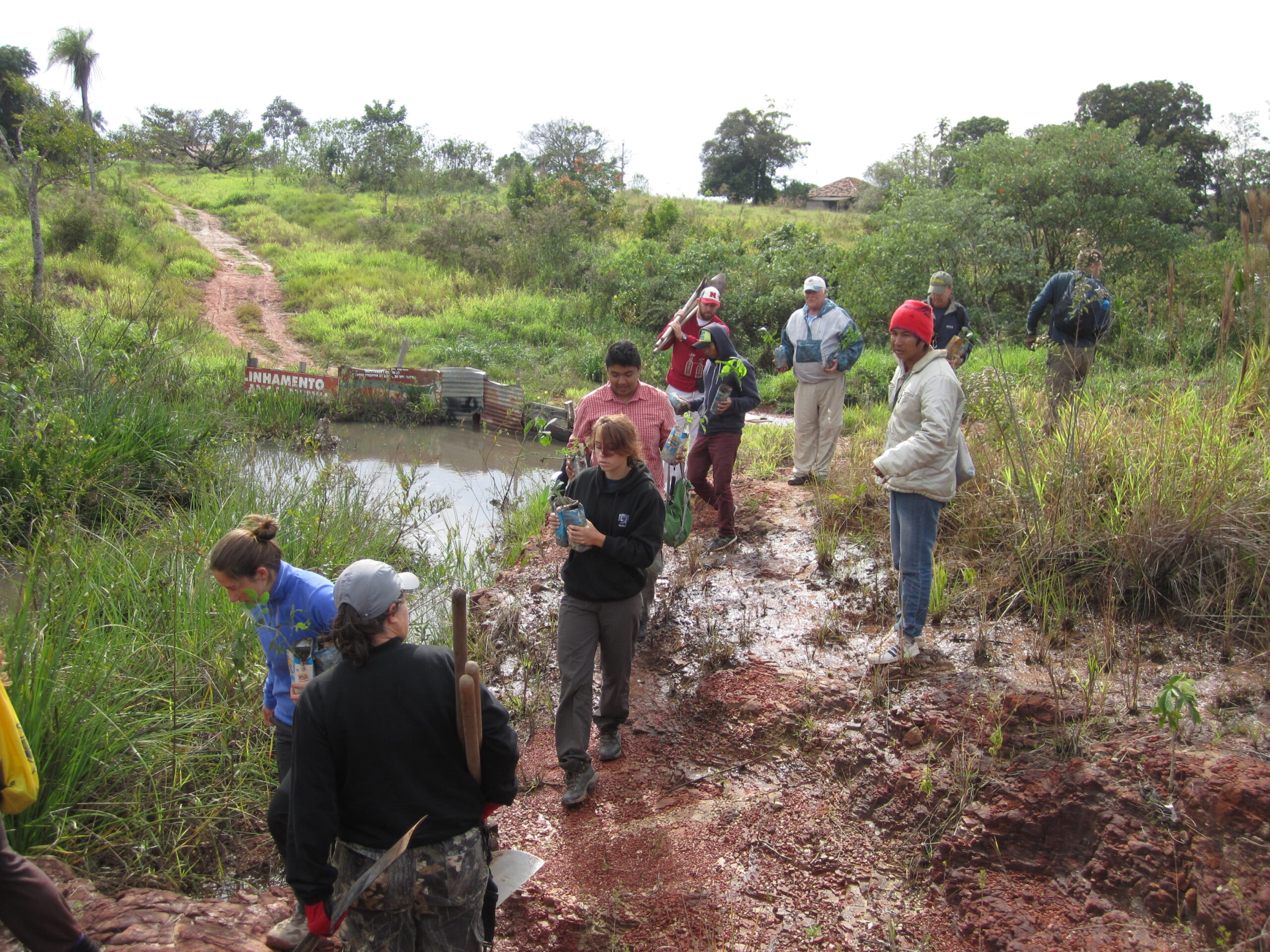
Salvador, Rio de Janeiro, and Manaus all offer a rich setting for examining food from soil to table, where agroecology, family farming, public policy, and Afro-Brazilian culinary traditions meet. Custom group programs provide field-based experiential learning around resilient food systems, local markets, climate adaptation, and food security.
develop your own program similar to this
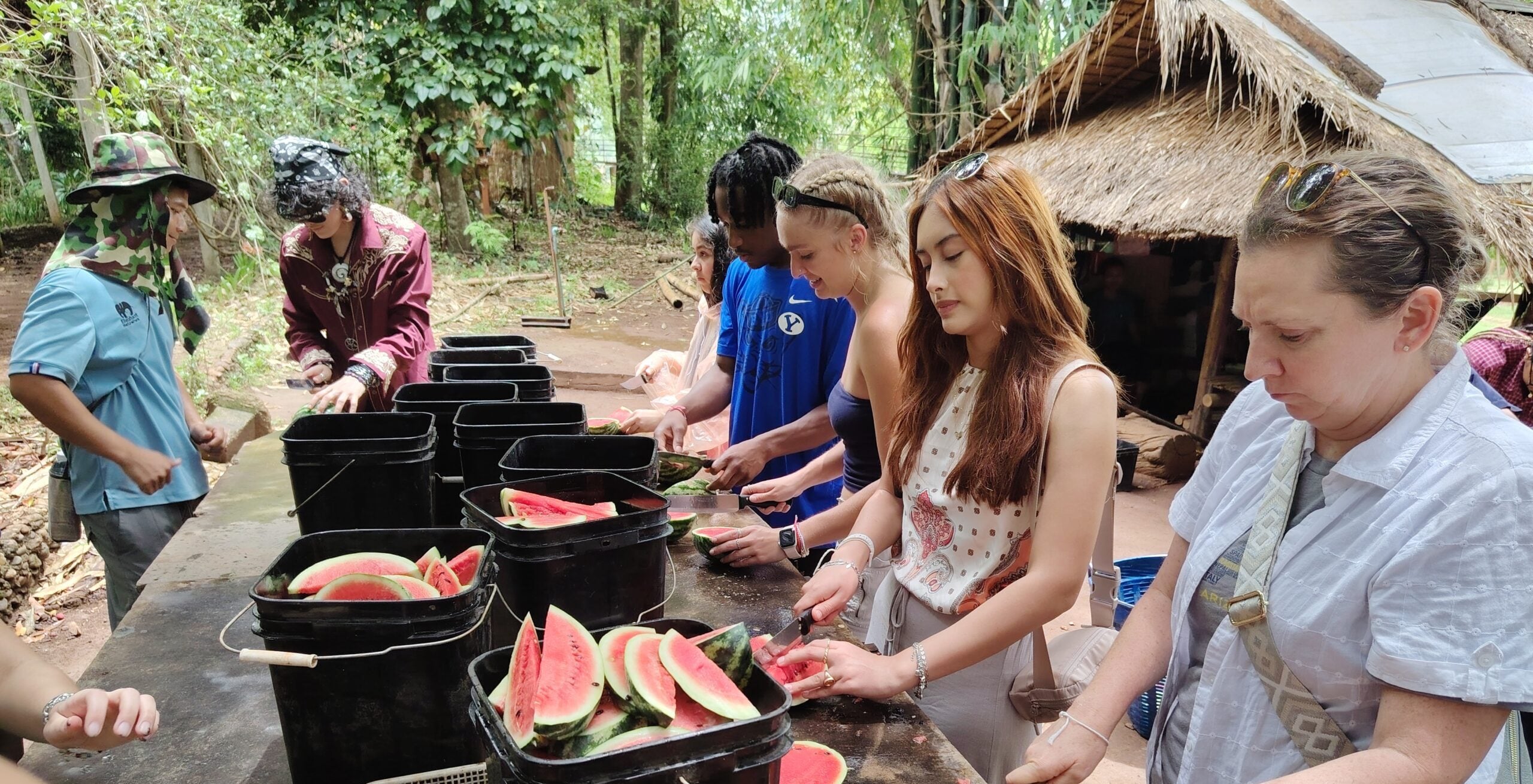
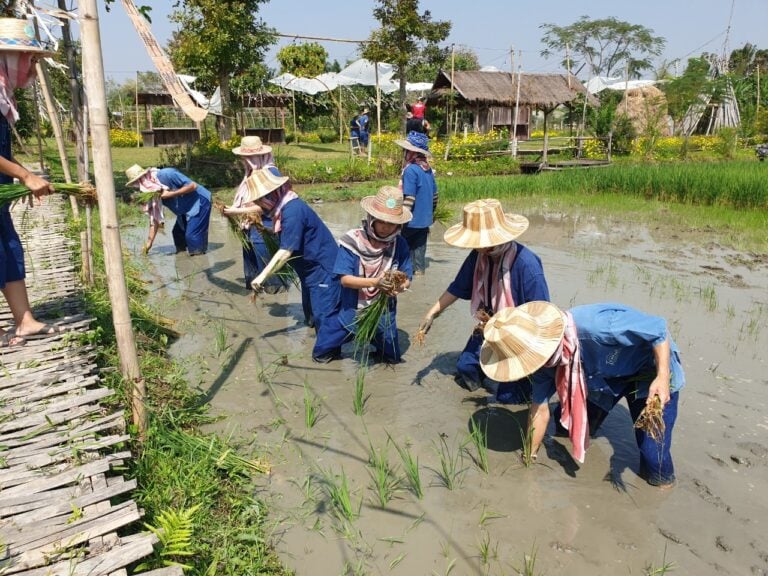
Cambodia’s rice-growing landscapes and rural food systems make visible the links among water, climate, household livelihoods, nutrition, and local markets. Custom group programs can use field-based experiential learning to examine resilient farming practices, food access, and community-led responses to drought, flooding, and changing seasonal conditions.
develop your own program similar to this
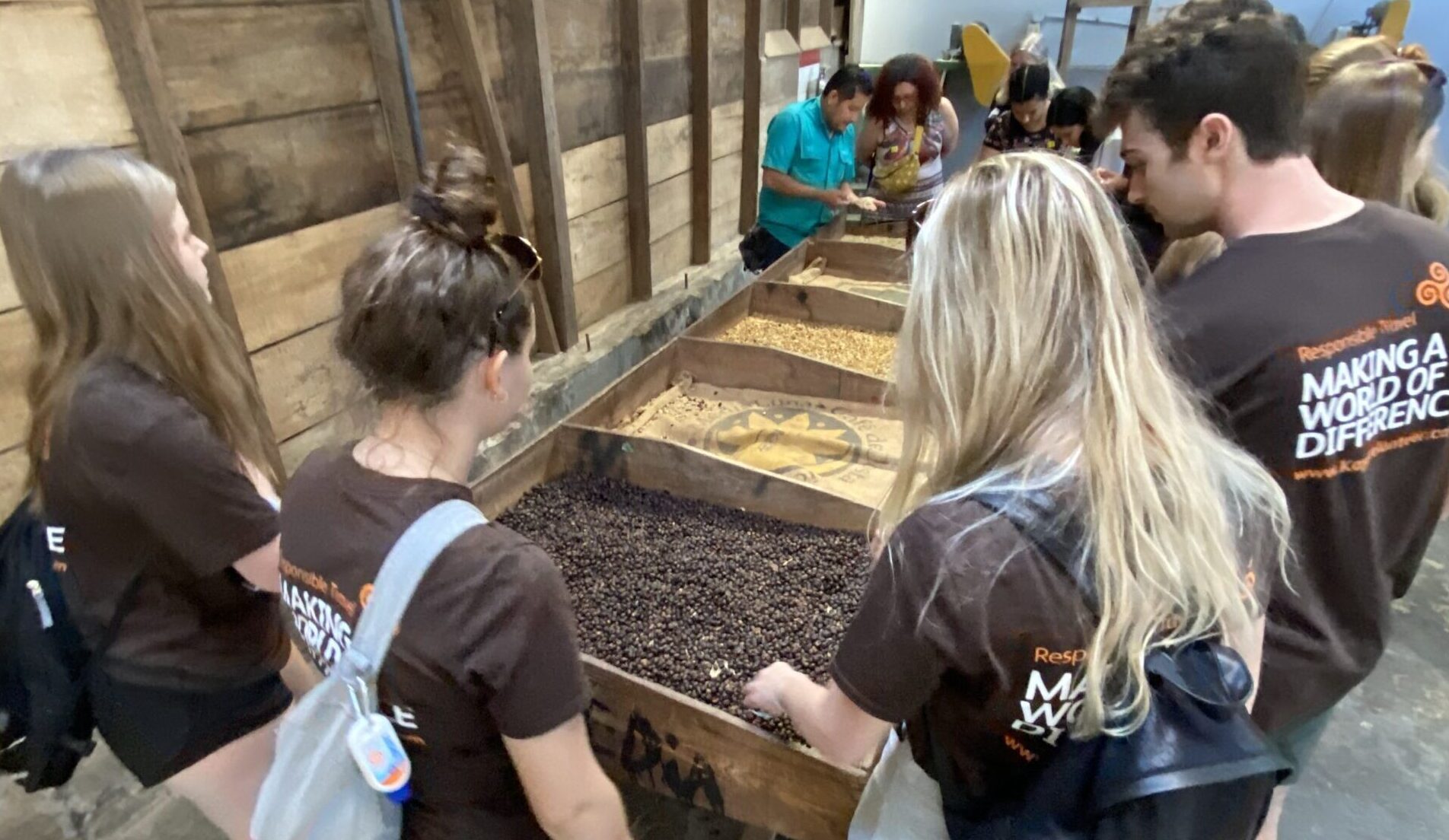
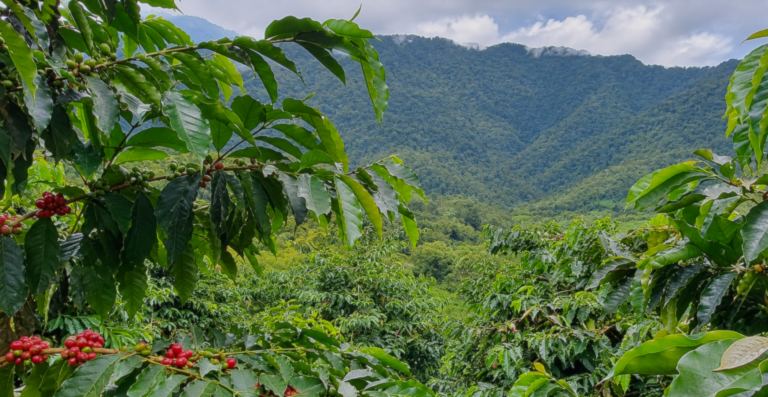
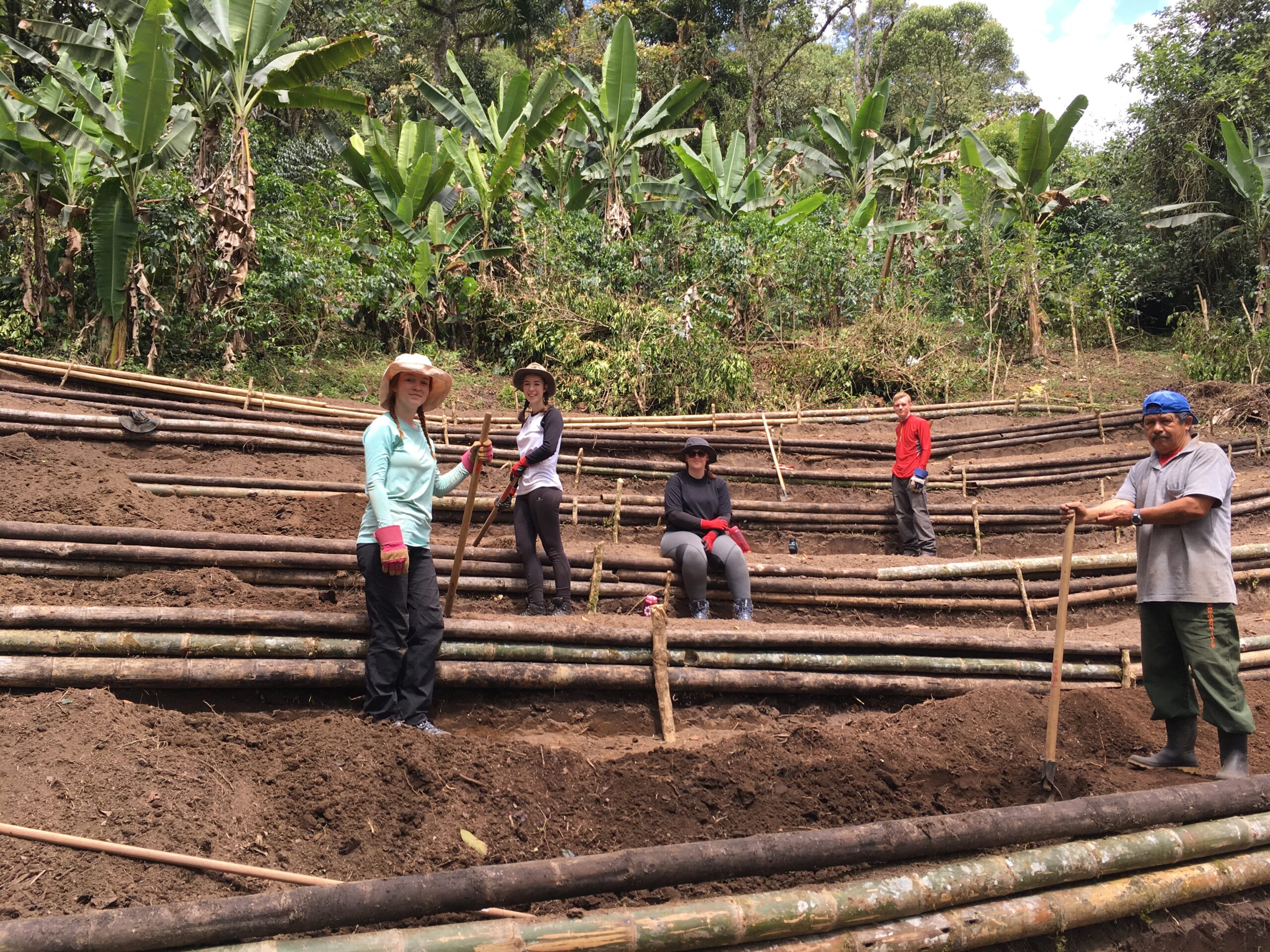
Costa Rica’s coffee and cacao landscapes show how tropical farming can connect production, biodiversity, and rural livelihoods. Custom group programs offer field-based experiential learning with growers, researchers, and food producers, providing hands-on experience with agroforestry, ethical sourcing, and climate-smart practices.
develop your own program similar to this
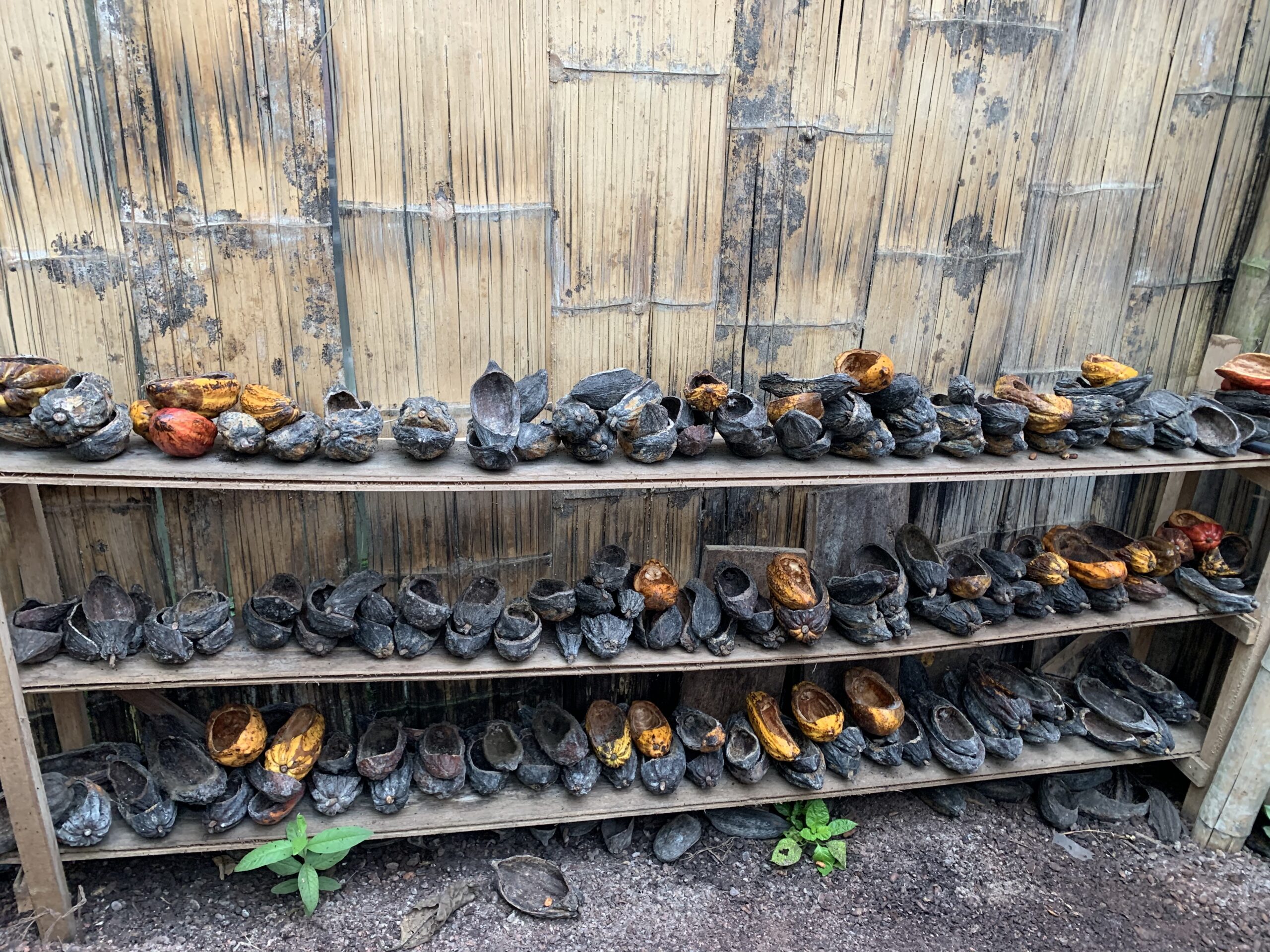
Ecuador’s farms, markets, forests, and food traditions reveal how agriculture connects biodiversity, livelihoods, and access to nutritious, culturally meaningful food. Custom group programs engage in field-based experiential learning through farm visits, tastings, and field research on resilient production, seed systems, and equitable food economies.
develop your own program similar to this
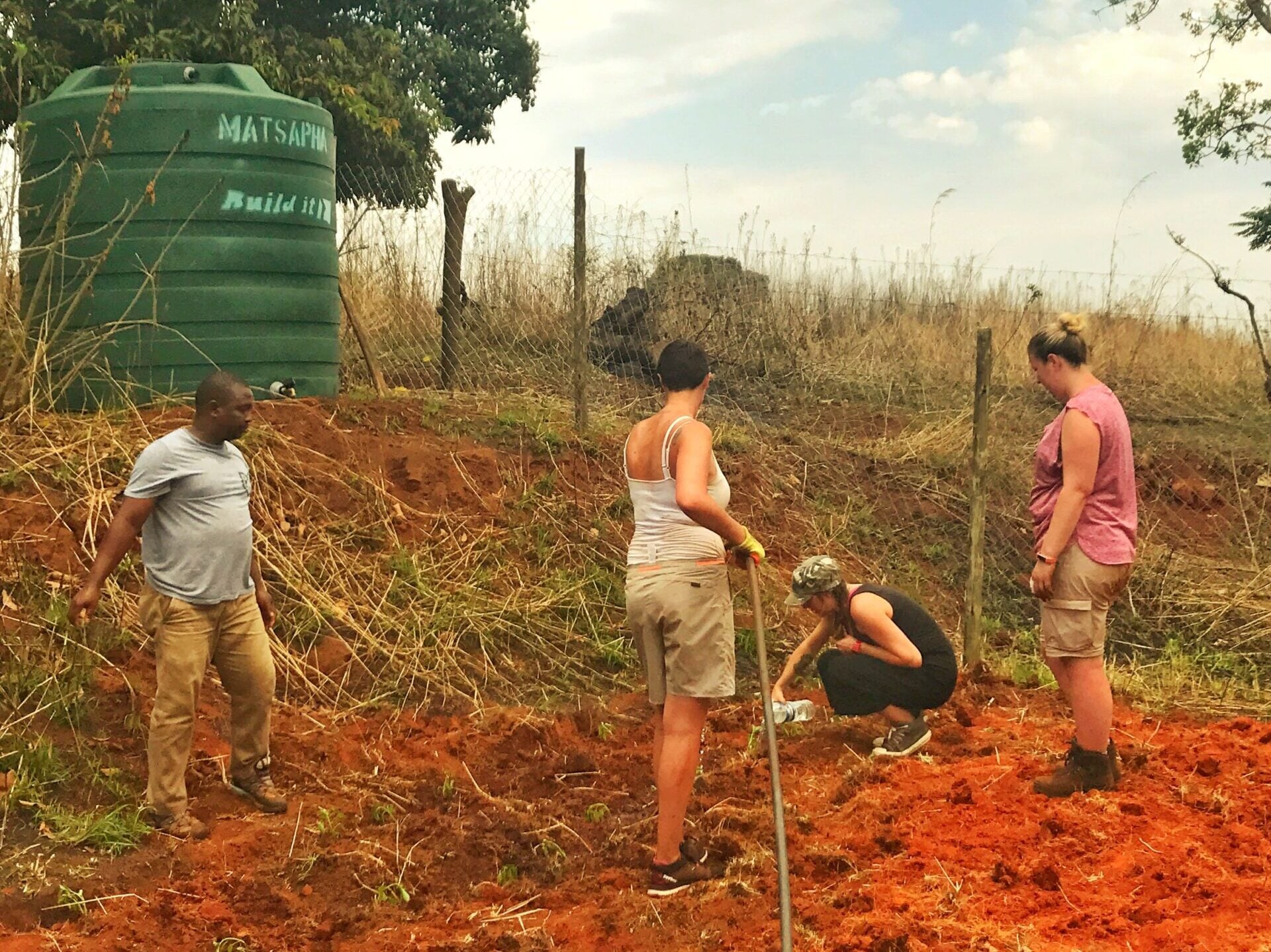
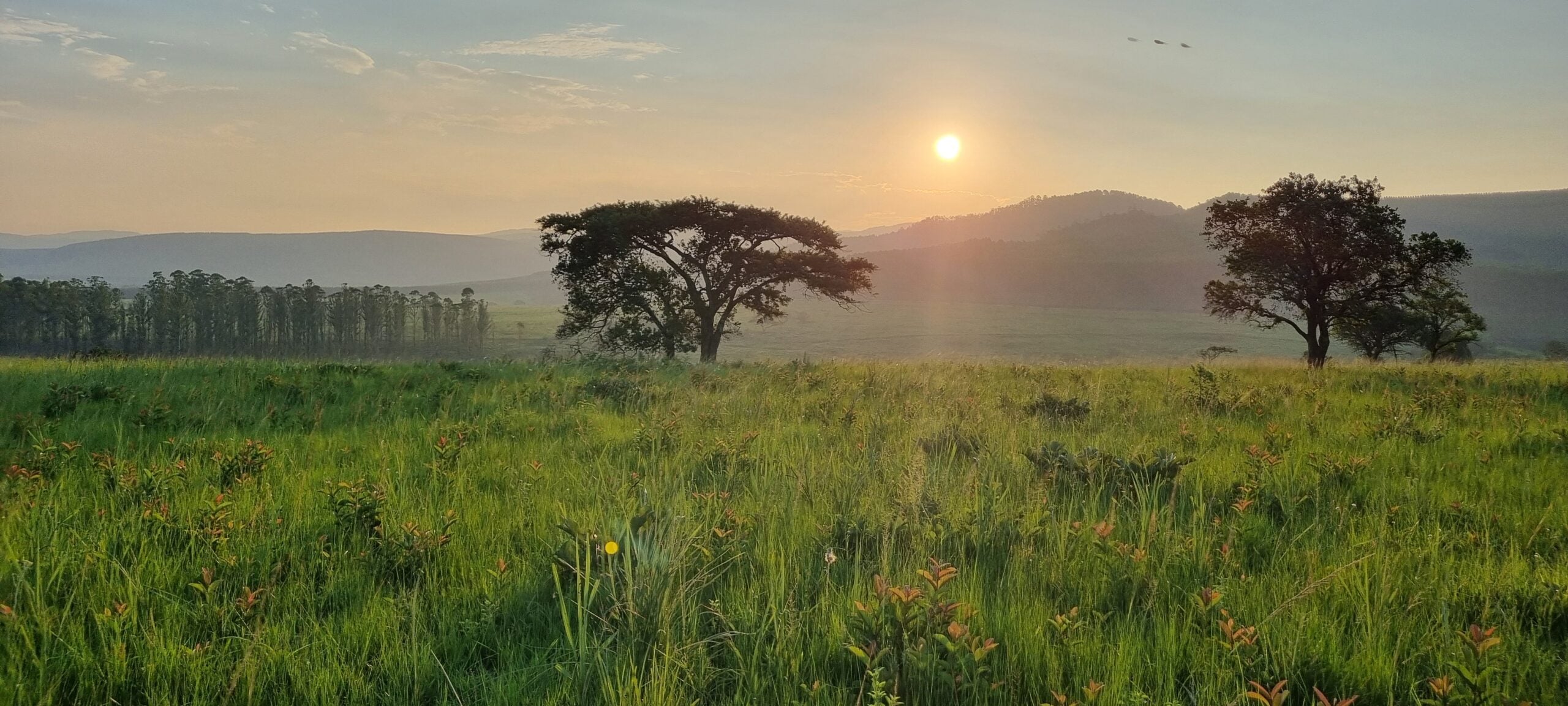
Eswatini offers a practical lens on agriculture and food security across community gardens, small enterprises, plantations, and food-processing operations. From permaculture and local vegetable production to coffee, chilli products, sugar cane, fruit canning, and forestry, the country connects farming with livelihoods, poverty reduction, local markets, and environmental stewardship.
develop your own program similar to this
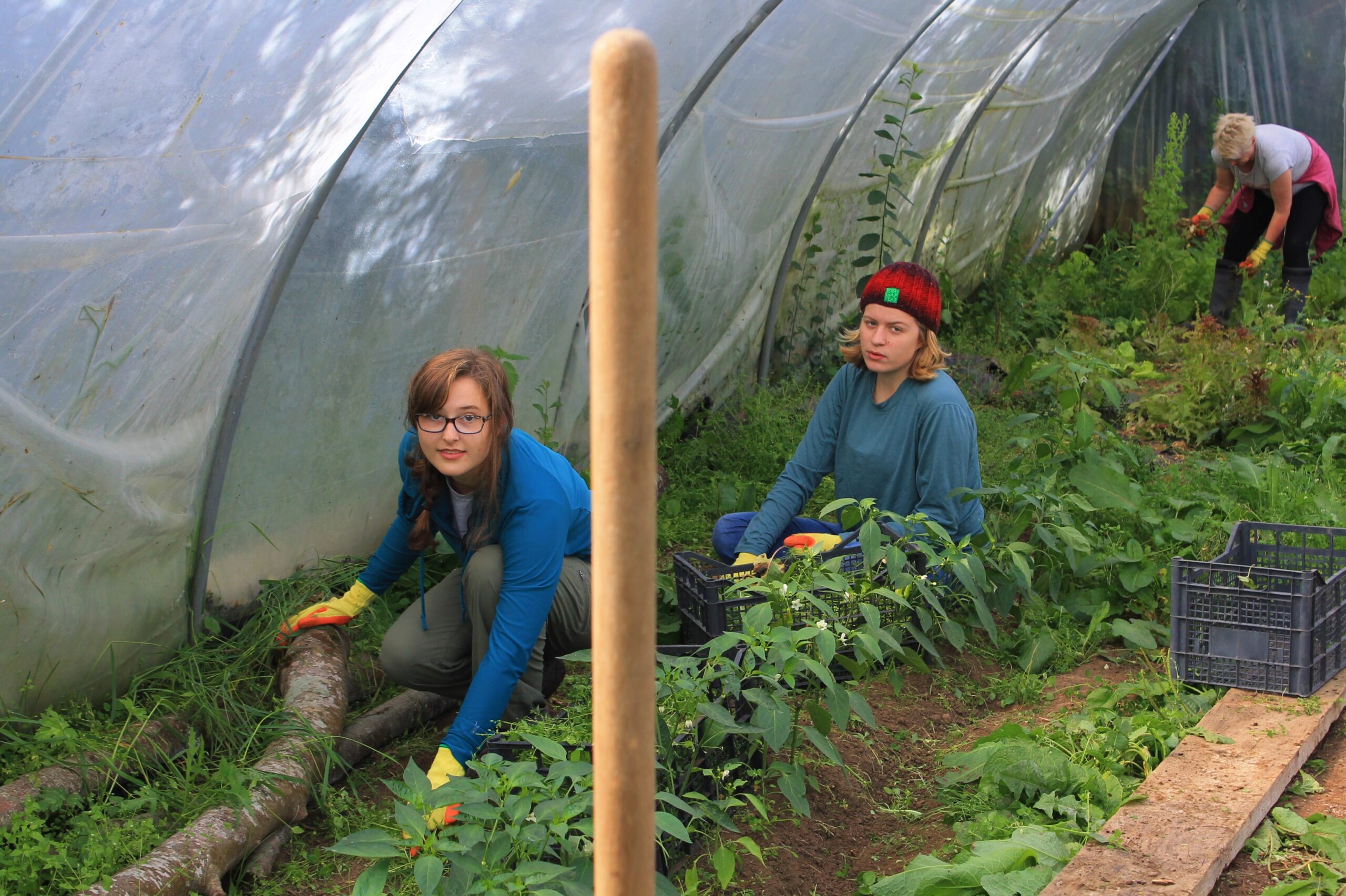
Ireland’s rural food landscape offers a hands-on setting for examining organic agriculture, local food production, and environmental stewardship. Learning on a working farm in County Sligo connects soil health, crop production, biodiversity, and seasonal growing with the practical realities of sustaining a small-scale farm and supplying the local food economy.
develop your own program similar to this
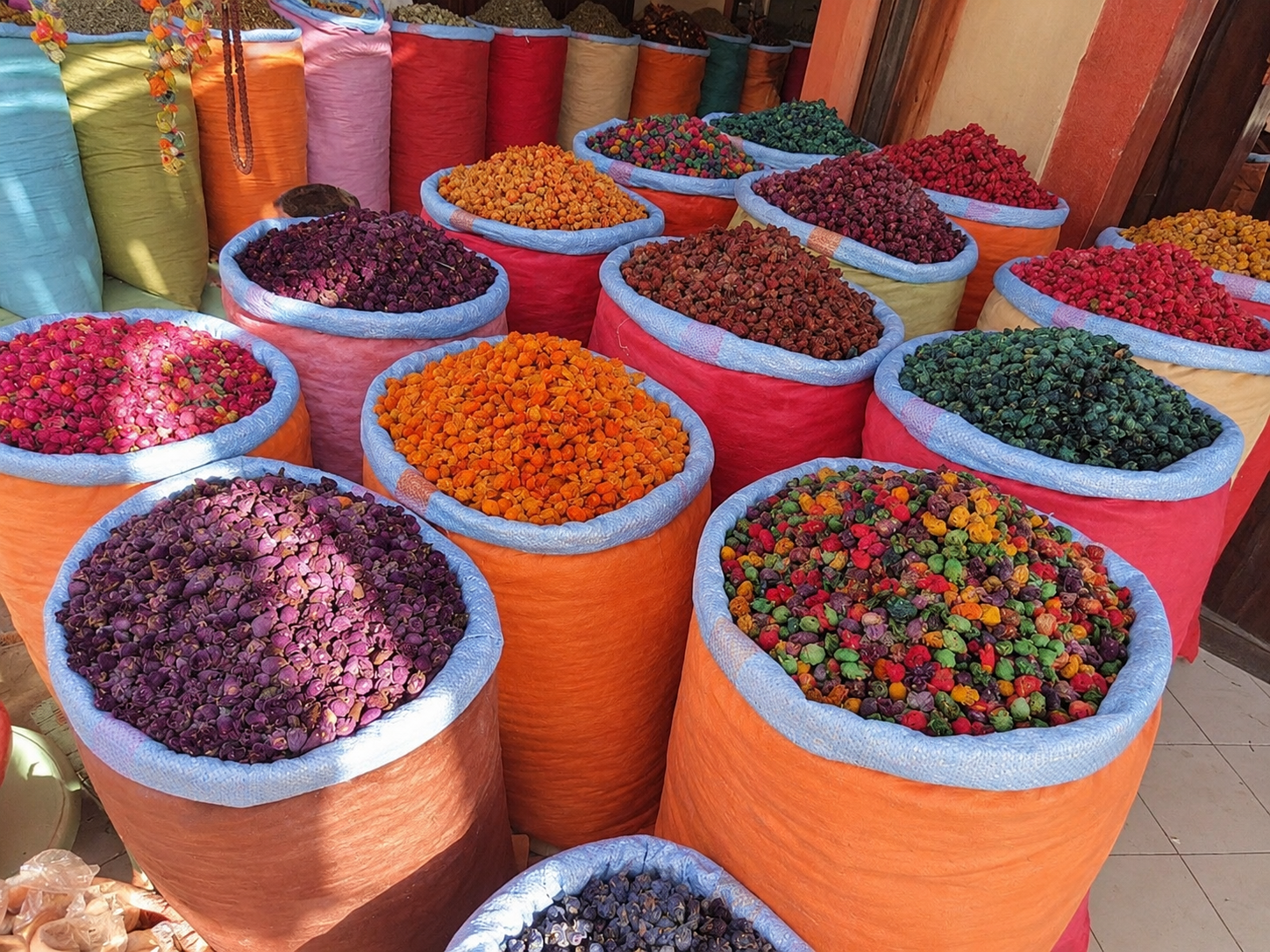
Morocco makes visible the links among farming, water scarcity, rural livelihoods, and everyday food access. Custom group programs use field-based experiential learning and hands-on experience to examine climate-resilient agriculture, food systems, and the policy choices shaping production from farm to market.
develop your own program similar to this
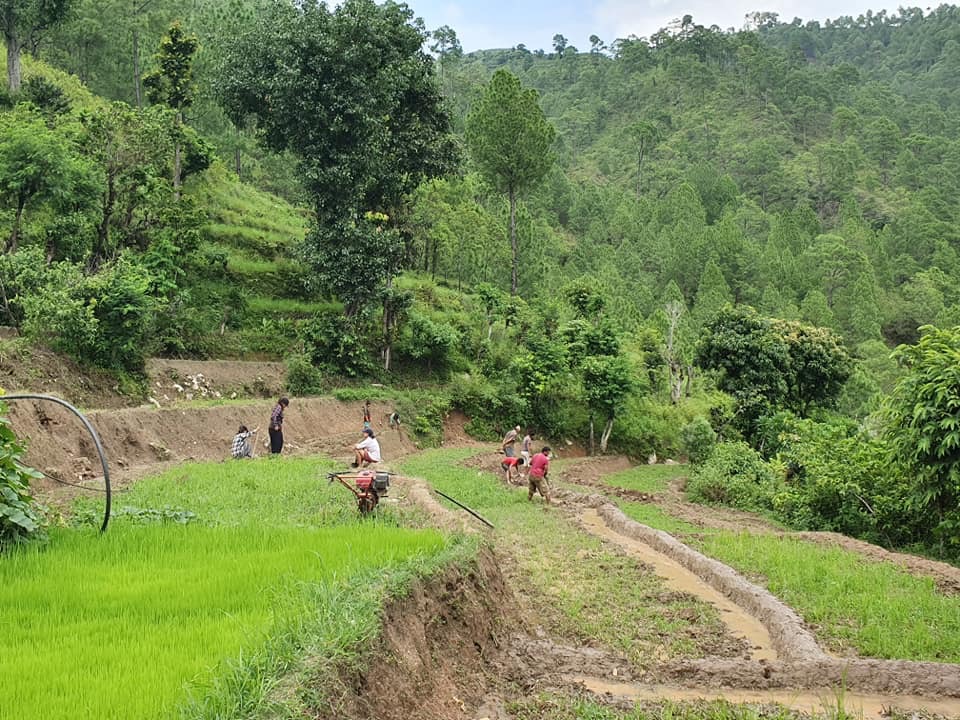
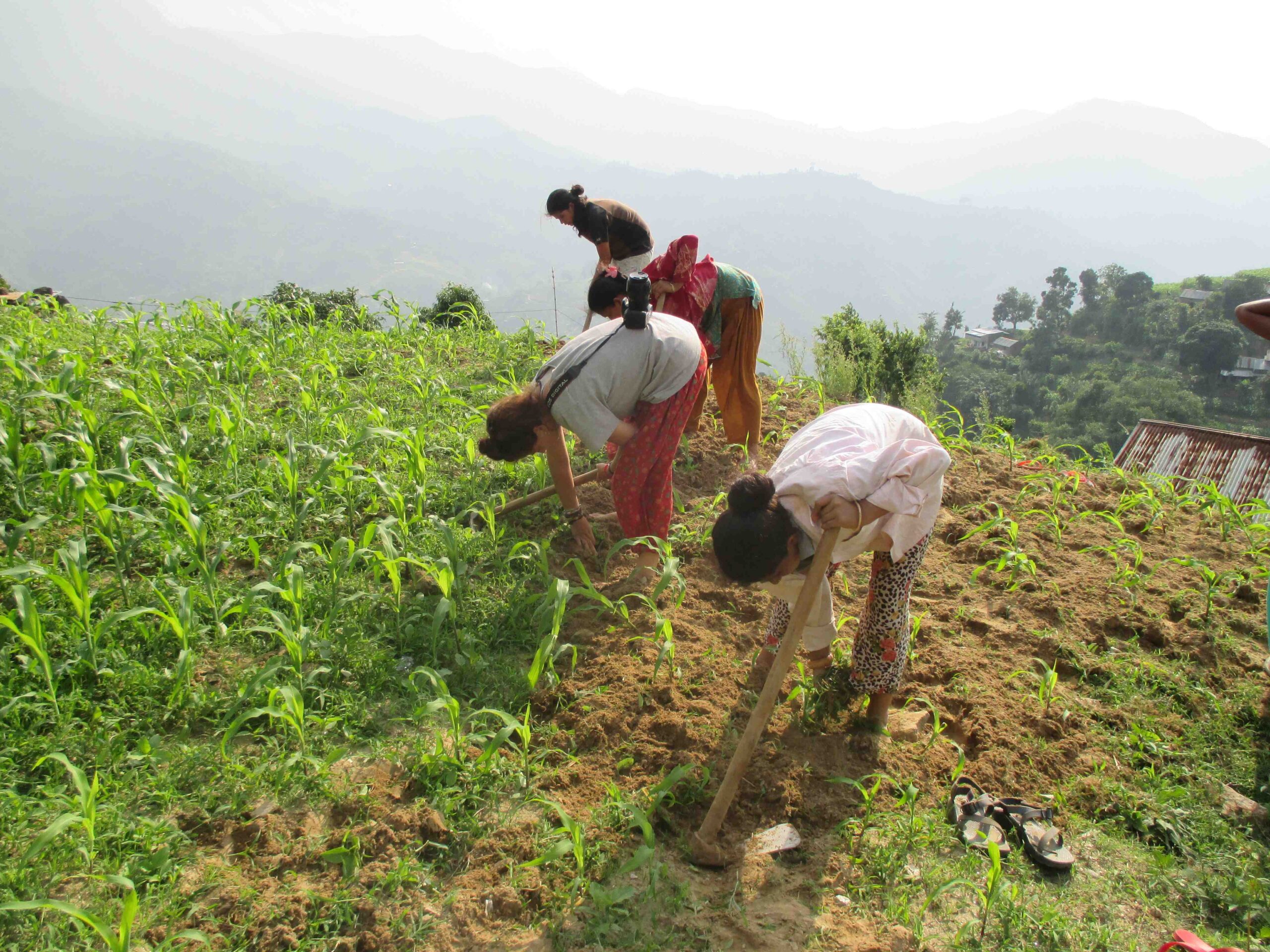
Rural Nepal demonstrates how food production depends on terraced landscapes, local knowledge, mixed farming, and collective resource management. Custom group programs create field-based learning through hands-on experience with soil care, irrigation, crop cycles, and community food systems in mountain communities.
develop your own program similar to this
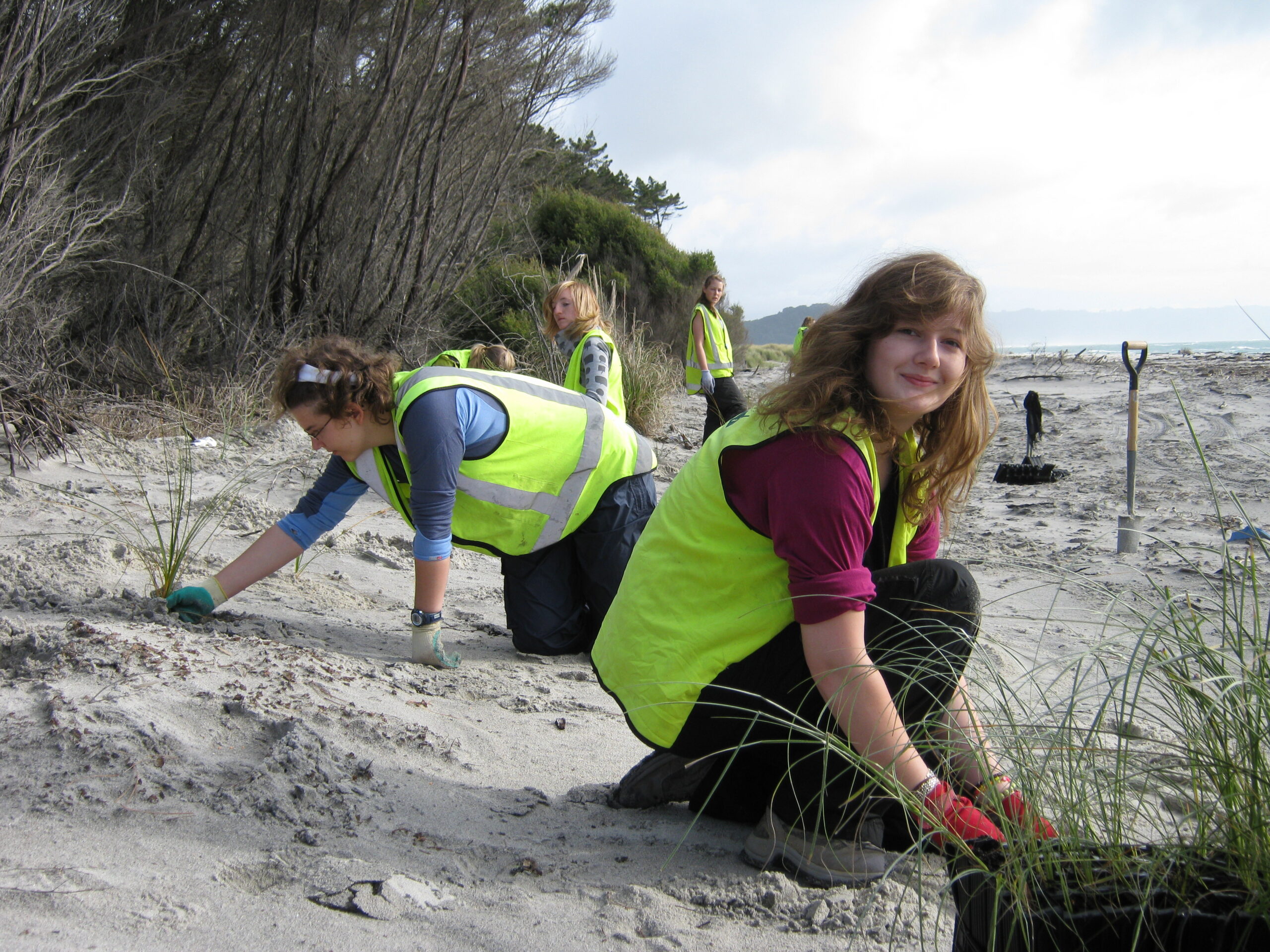
New Zealand’s export-oriented food systems reveal the links among livestock production, innovation, environmental accountability, and global markets. Custom group programs combine field-based learning with hands-on experience alongside producers, veterinarians, and researchers, offering cross-cultural immersion in agriculture shaped by Māori values and stewardship.
develop your own program similar to this
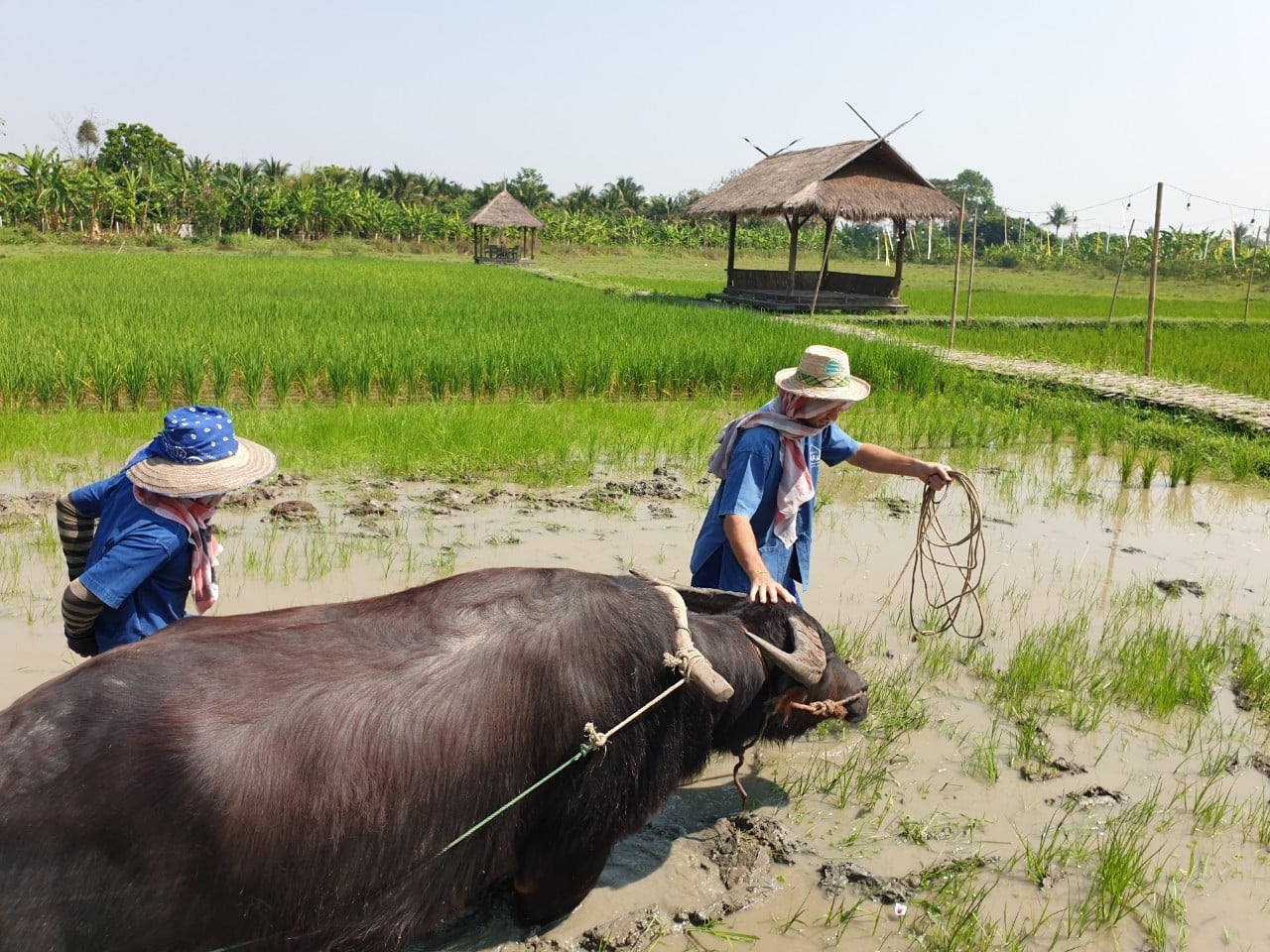
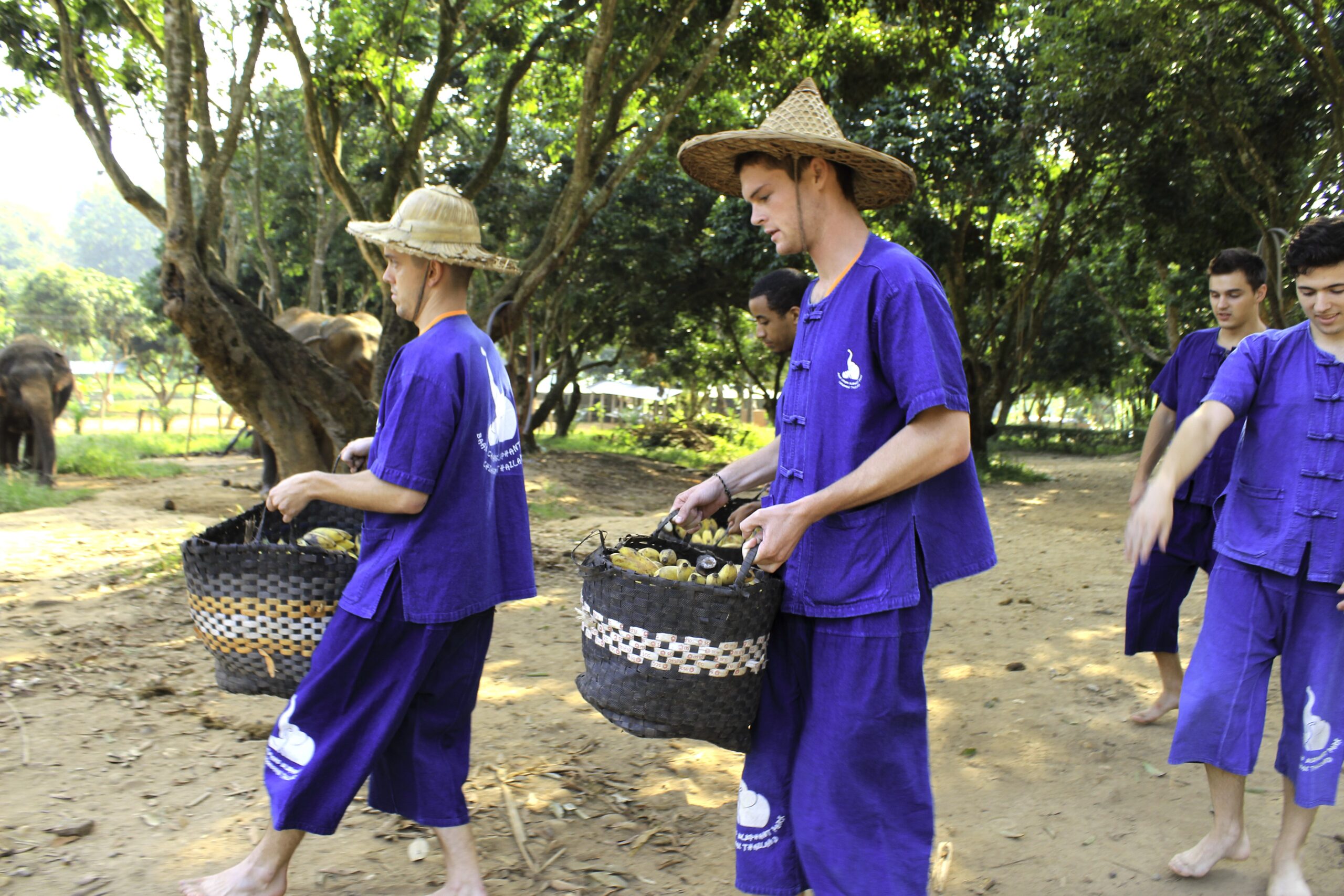
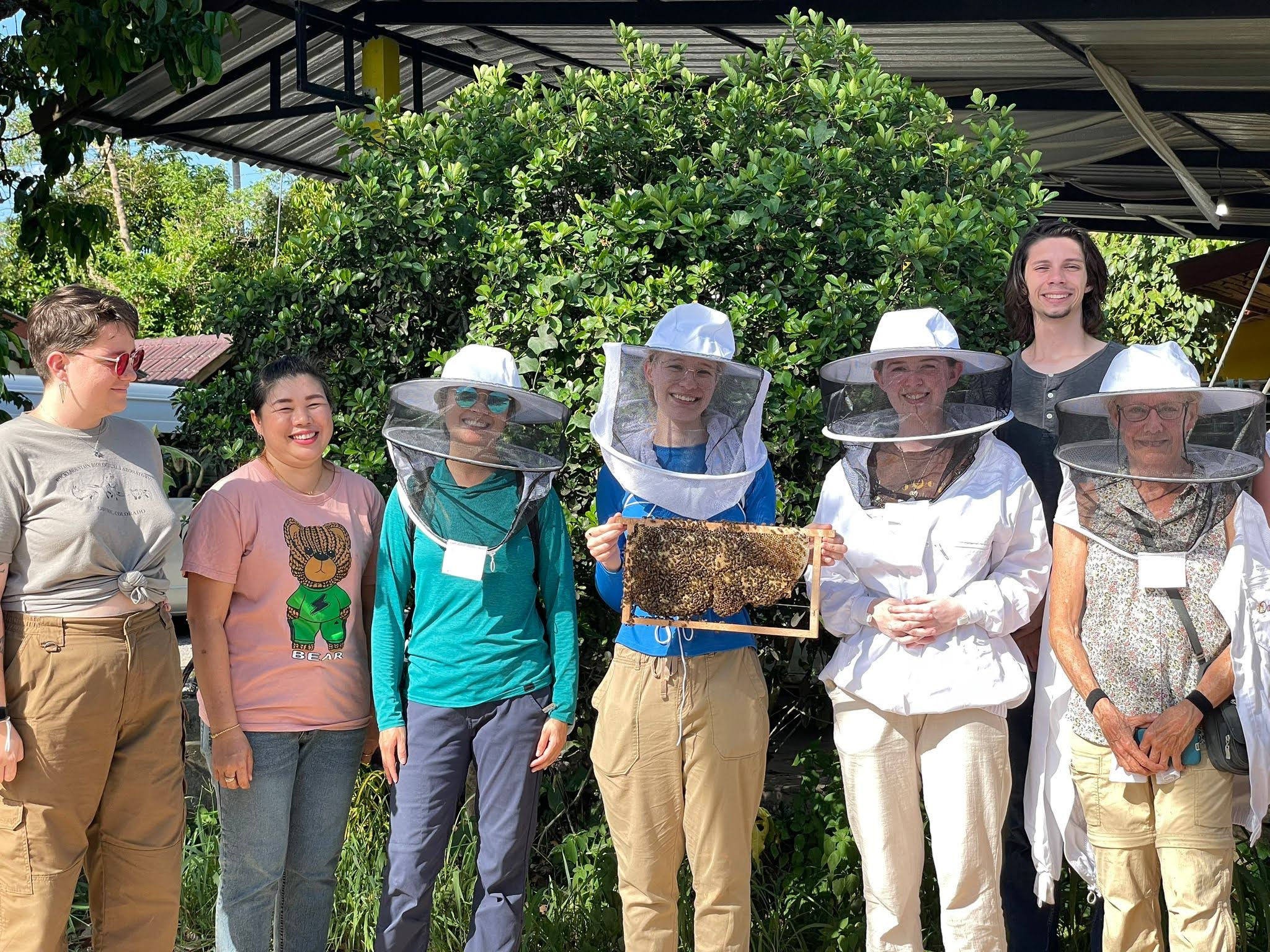
Thailand offers an accessible setting for examining how natural farming, organic production, herbal cultivation, and circular waste systems can strengthen food resilience. Custom group programs can provide field-based experiential learning and hands-on experience with soil care, diverse cropping, food production, and farm-to-market approaches shaped by local knowledge.
develop your own program similar to this
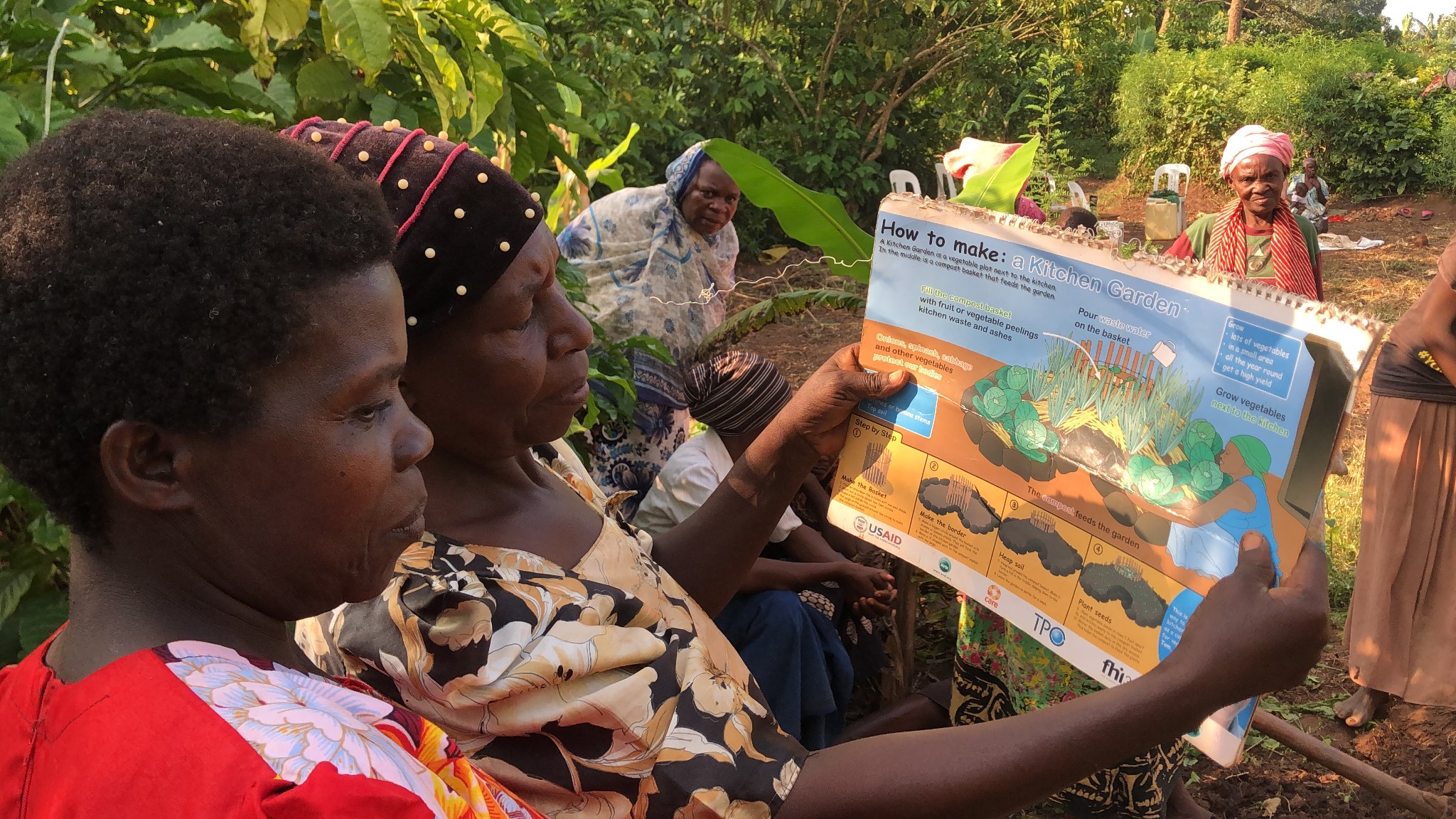
Uganda’s smallholder farming systems show how food production, household income, and environmental stewardship can be developed together. Custom group programs engage in field-based learning through hands-on engagement with farmers, cooperatives, and value-chain partners, linking cross-cultural immersion with food-security and climate-resilience challenges.
develop your own program similar to this
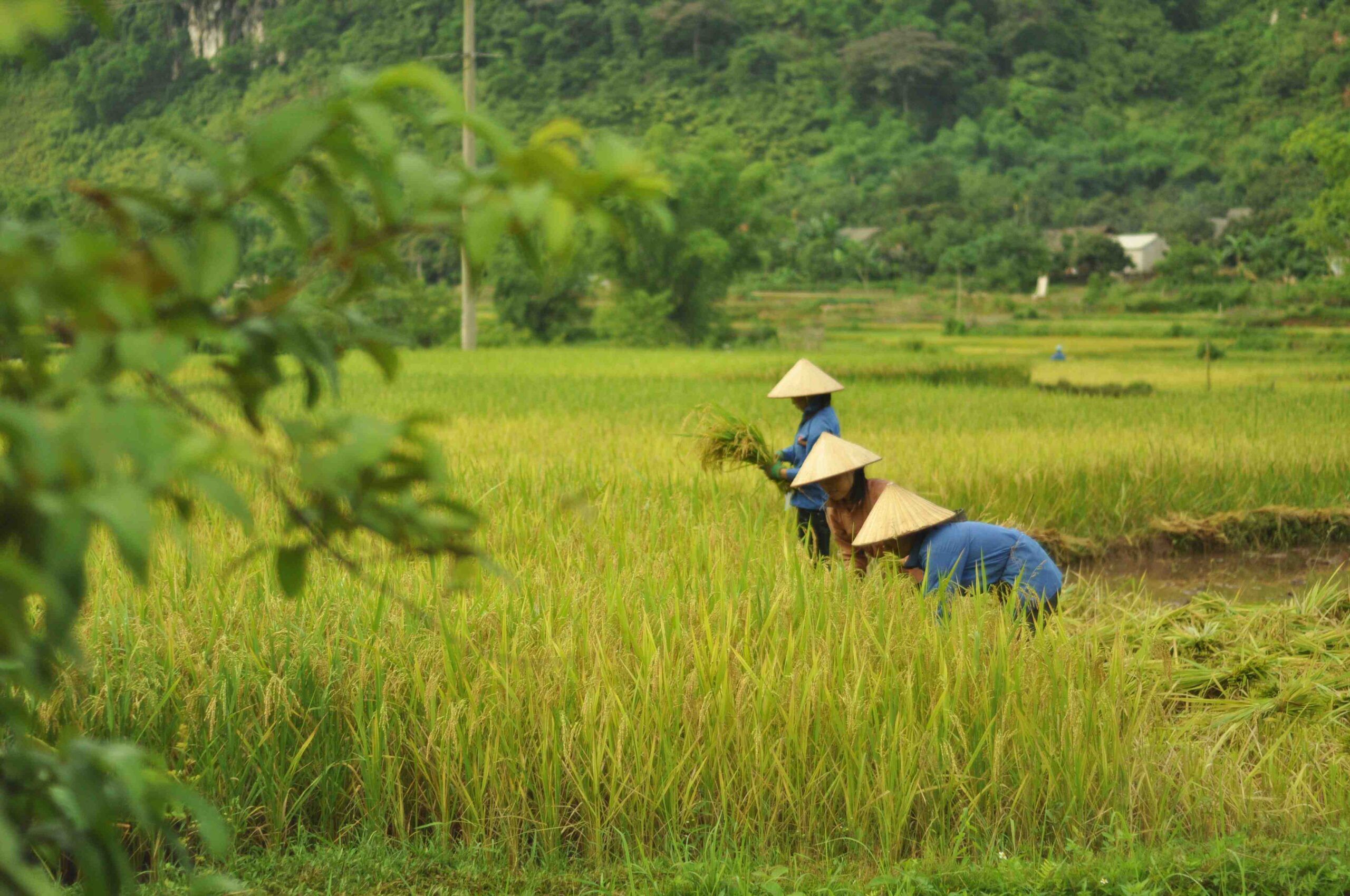
Food systems in Vietnam connect farms, markets, fisheries, climate pressures, and household livelihoods. Hands-on groups programs can examine crop production, aquaculture, agritech, circular-economy approaches, and the changing conditions affecting food security in the Mekong Delta.
develop your own program similar to this
Program ideas
Browse example itineraries and program ideas inspired by topics Kaya groups have explored over the years.
 1
Together we’ll discuss your program goals and needs.
 2
With your input, we develop and fine-tune the perfect itinerary.
 3
We support institutional approvals and recruitment processes to ensure a successful launch!
 4
From pre-departure planning until your return, we’re with you every step of the way!
FAQS
A Kaya faculty-led agriculture and food security program can help students explore soil, water, farming systems, food supply chains and household nutrition through applied activities, local perspectives and structured reflection.
Kaya collaborates with faculty and local partners to design agriculture and food security activities that connect academic aims with context-aware field learning.
Faculty can focus a agriculture and food security program on relevant sites, local expertise and field questions that help students investigate soil, water, farming systems, food supply chains and household nutrition.
Yes. Kaya can adapt a faculty-led agriculture and food security program to the students’ academic level, course outcomes and disciplinary interests.
Testimonials

With a focus on experiential education and the UN Sustainable Development Goals, your group can immerse and engage with international communities and environments across the globe.