



Antarctica

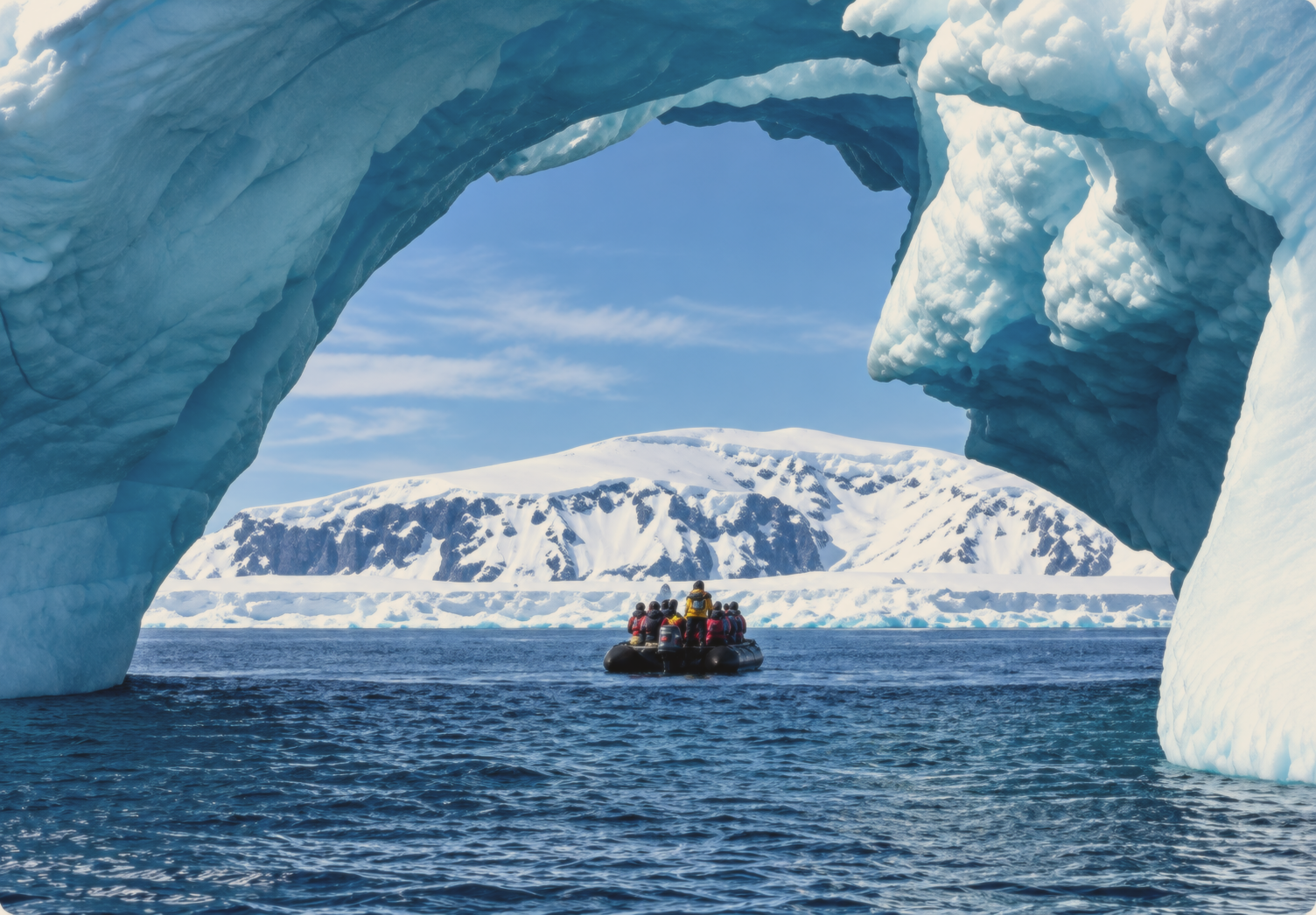
Vast ice sheets, drifting sea ice and endless horizons define Antarctica as one of the most remote places on Earth. Reached by expedition ship rather than traditional infrastructure, this location offers a rare setting shaped by extreme climate, fragile ecosystems and international cooperation. As a global commons governed through the Antarctic Treaty System, Antarctica brings science, policy and environmental protection into sharp focus.

Design a program here
  • Language International scientific collaboration (English widely used)
  • Climate Polar climate with extreme cold; expedition travel generally limited to the austral summer (November–March)
  • Key Environmemts Ice sheets, glaciers, polar deserts and Southern Ocean ecosystems
  • Society International research cooperation under the Antarctic Treaty System

About Antractica

Why run a program in Antarctica?

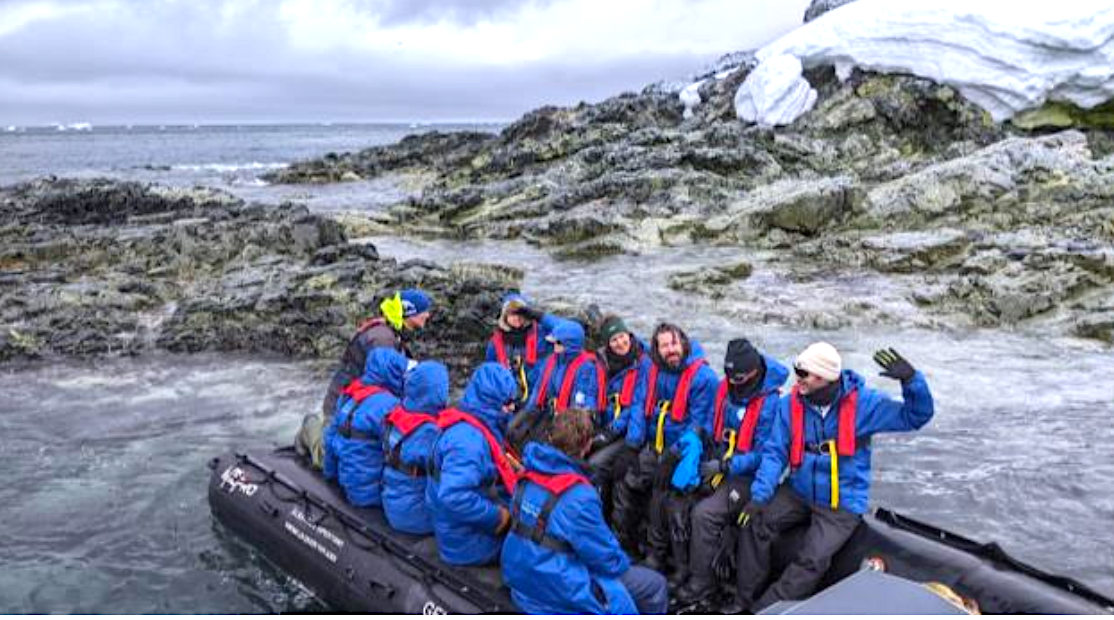
Learning in Antarctica takes place at sea as much as on land. Expedition vessels become floating classrooms, allowing students to experience research-led travel while exploring glaciers, polar deserts and the powerful Southern Ocean.

Antarctica is governed collectively through international agreements rather than national ownership. Programs explore the Antarctic Treaty System, environmental protection policies and the challenges of managing a shared global space dedicated to peace and science.

Scientific research stations and long-term climate monitoring projects provide insight into global change in real time. Students examine ice sheets, ocean systems and biodiversity while considering how data collected in Antarctica shapes worldwide environmental decision-making.

Despite its extreme isolation, Antarctica supports remarkable wildlife. Penguins, seals and seabirds reveal how species adapt to harsh conditions, while conservation frameworks highlight the balance between research, tourism and ecosystem protection.

Kaya collaborates with faculty and expedition teams to develop ship-based programs that connect scientific research, global governance and environmental change within one of the world’s most unique learning environments.
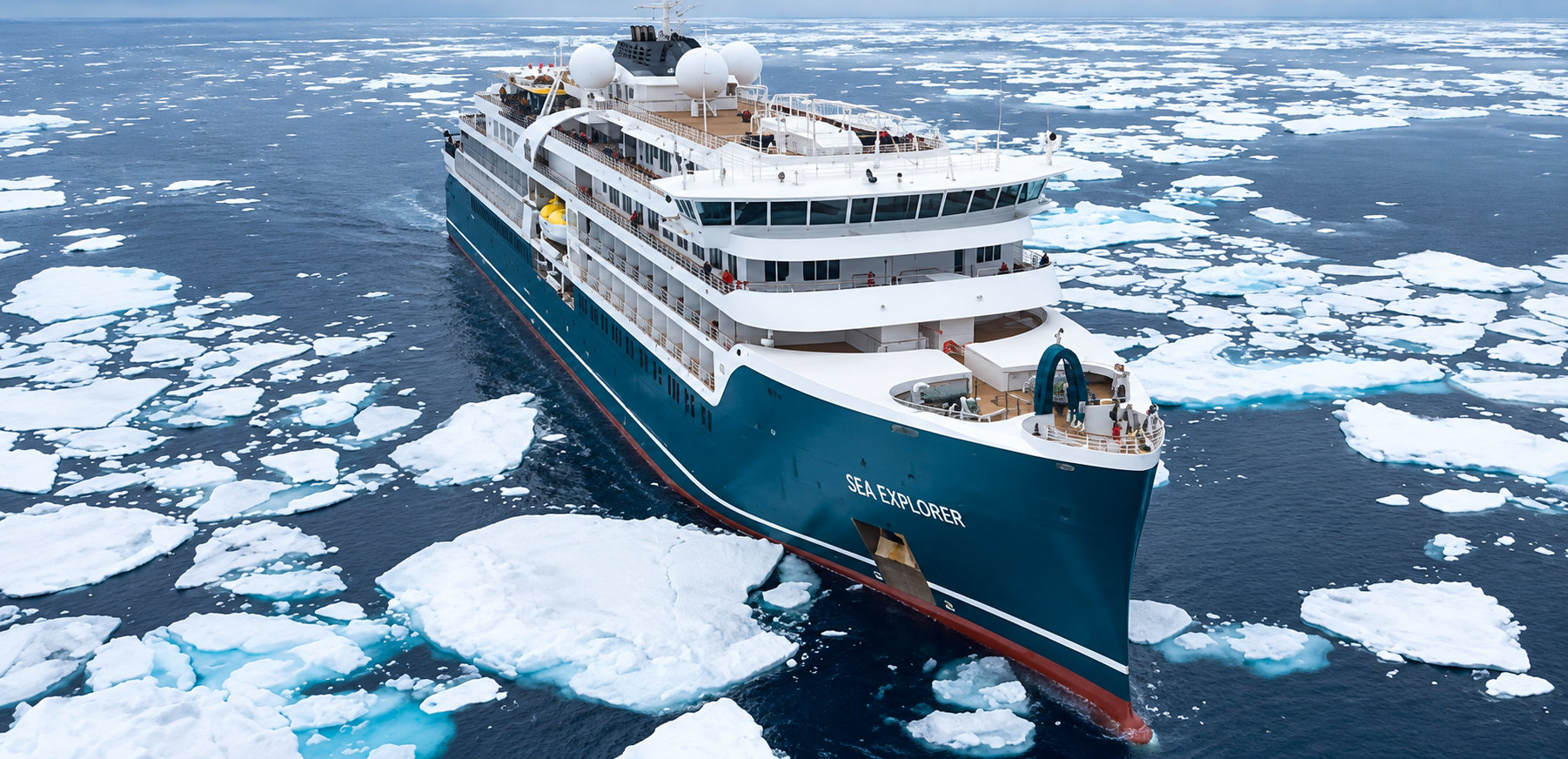
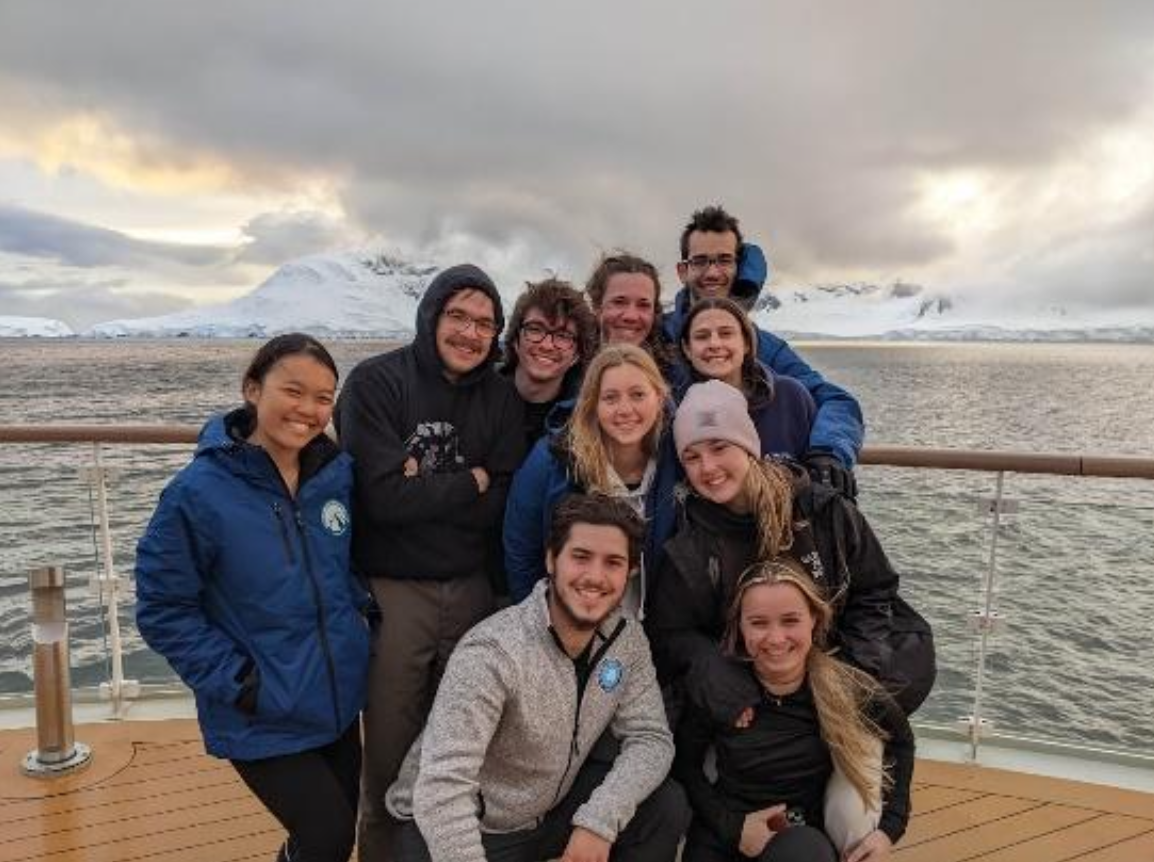
Big cruise ship with icebergs floating beside it

Program Themes

program theme in Antarctica

Discover some of the different topics and themes you can focus your program on in Antarctica. If you don’t see your topic area, or you already have a ready-made itinerary, connect with the Kaya team to start a discussion!

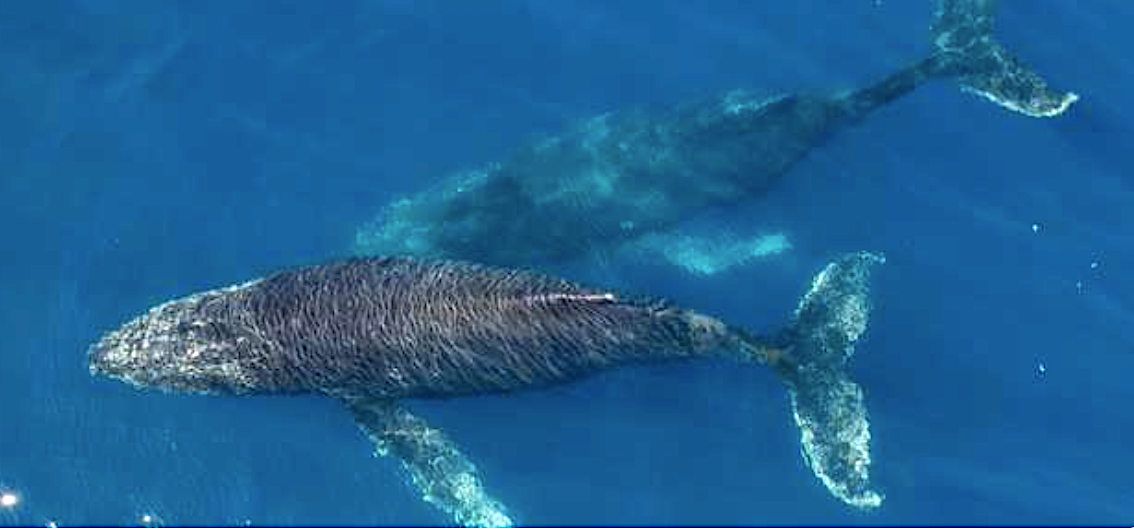
Whales swimming under blue waters

Biology, Environmental Science & Sustainability

An Antarctic voyage turns questions about wildlife, ocean systems, and environmental responsibility into observations made at sea and ashore. Custom group programs connect field-based exploration with experiential learning through guided wildlife observation, onboard science sessions, and field study projects shaped by weather, ice conditions, and conservation protocols.
Key themes

  • Polar biodiversity: penguins, seabirds, seals, whales, species identification, and ecological relationships
  • Marine ecology and food webs: ocean productivity, predator-prey interactions, marine habitats, and ecosystem connections
  • Southern Ocean systems: Antarctic Convergence, ocean circulation, changing sea conditions, and wildlife distribution
  • Ice and climate: glaciers, sea ice, icebergs, glaciology, and environmental change
  • Wildlife behavior & habitats: breeding colonies, feeding activity, coastal habitats, and responsible observation
  • Field observation and scientific communication: field notes, project preparation, evidence interpretation, and research presentations
  • Biosecurity and environmental stewardship: equipment cleaning, invasive species prevention, wildlife protection, and minimal-impact practices
  • Tourism and sustainability: expedition operations, visitor responsibility, waste management, and gateway-community infrastructure

Engage with experts

  • Expedition naturalists and wildlife guides
  • Marine biology and seabird specialists
  • Geology and glaciology lecturers
  • Onboard science educators
  • Biosecurity and visitor-safety teams
  • Field study instructors and project facilitators
  • Local guides discussing tourism and sustainability in Ushuaia

Immerse in local culture

  • Ushuaia walking tours, local history, and city life
  • Artisan markets, regional crafts, and local shops
  • Regional dining, Argentine cuisine, and shared meals
  • Local museums, maritime heritage, and exploration history
  • Community perspectives, tourism, and environmental responsibility

Explore the region

  • Ushuaia, Beagle Channel, and mountain scenery
  • Tierra del Fuego National Park, forests, lakes, and coastline
  • Drake Passage, open ocean, and seabird observation
  • South Shetland Islands, penguin colonies, and seal habitats
  • Antarctic Peninsula, glaciers, icebergs, and wildlife
  • Polar waterways, sheltered bays, and coastal excursions

Ideal for

  • Environmental Science
  • Ecology
  • Conservation Biology
  • Sustainability Studies
  • Climate Change Studies
  • Biodiversity Conservation
  • Environmental Management
  • Earth Science
  • Geology
  • Ecotourism
  • UN SDG 12 Responsible Consumption and Production
  • UN SDG 13 Climate Action
  • UN SDG 14 Life Below Water
  • UN SDG 15 Life on Land
  • Sustainable Development Goal 17

develop your own program similar to this

How it works

1

Connect

Together we’ll discuss your program goals and needs.

2

Co-design

With your input, we develop and fine-tune the perfect itinerary.

3

Commit

We support institutional approvals and recruitment processes to ensure a successful launch!

4

Let’s go!

From pre-departure planning until your return, we’re with you every step of the way!
woman standing near chalkboard

FAQS

Frequently asked questions about Antarctica

Why participate in a Kaya group program in Antarctica?

Antarctica offers a distinctive setting for exploring the connections between climate, wildlife and the wider environment. A faculty-led group program with Kaya can bring these themes together through shared observation, discussion and reflection, connecting course concepts with the realities of a polar environment.

What wildlife can participants see during group programs in Antarctica?

Depending on the route, season and conditions, participants may observe penguins, seals, seabirds and whales. Wildlife encounters offer opportunities to explore polar biodiversity and conservation, with an emphasis on responsible observation. Sightings of particular species are never guaranteed.

Is Antarctica a good destination for environmental and climate-focused group programs?

Yes. Antarctica provides a valuable context for examining climate change, sea ice and polar ecosystems together. Kaya can work with faculty to align learning goals with the itinerary, helping students connect environmental questions with observations and structured discussion.

What makes Antarctica unique for polar and climate research group programs?

Antarctica allows students to examine how changes in a remote polar region connect with global issues, including sea-level rise and ocean systems. Research-focused learning can explore these relationships while encouraging students to consider how scientific evidence informs understanding of environmental change.

Testimonials
Experiences that inspire

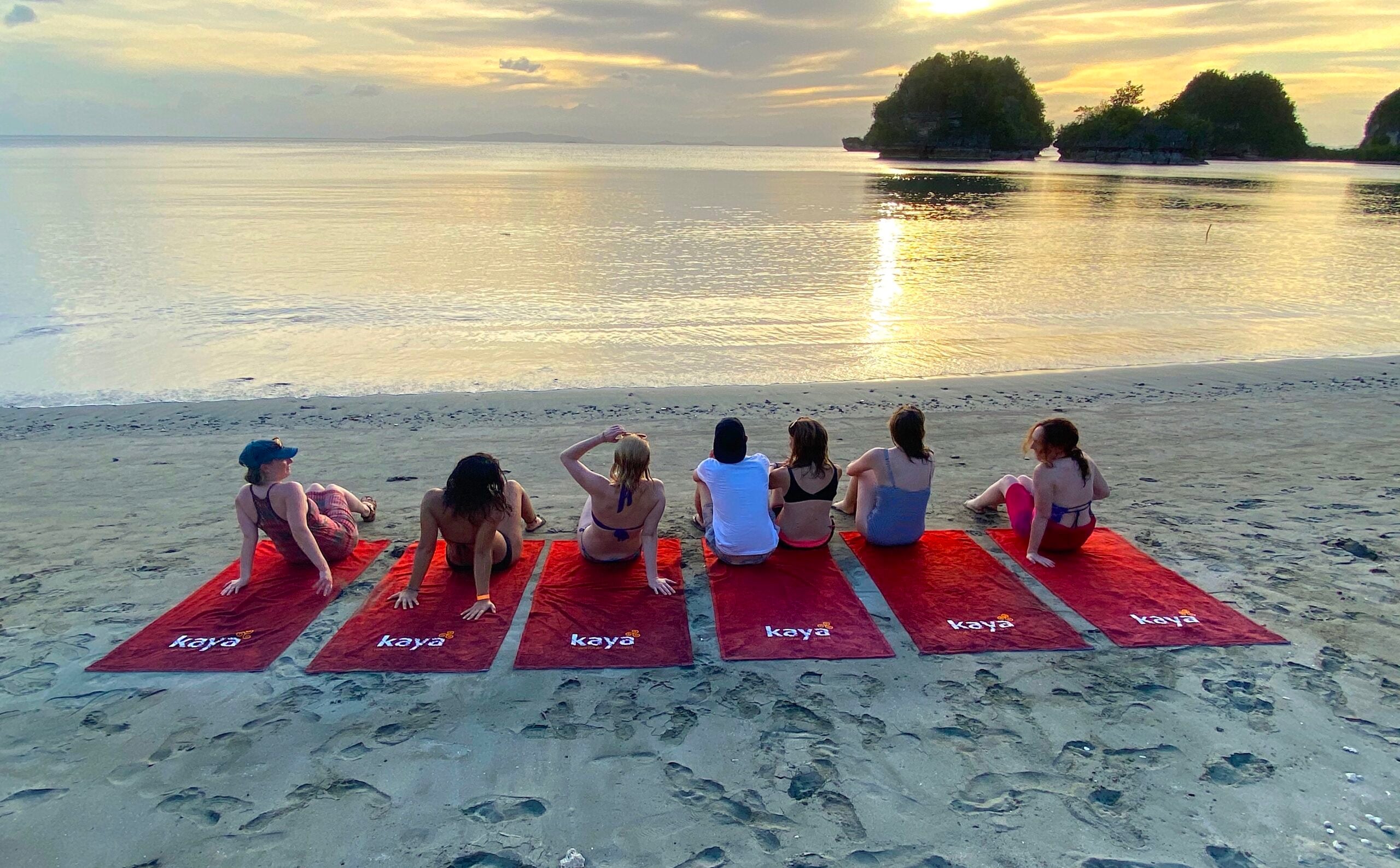
A group at the beach sitting on Kaya towels.

Scott

Faculty, New Mexico State University

“Kaya provided excellent support throughout our trip. Their approach of working with knowledgeable local leaders helped our fieldwork run smoothly.”

Biology

Jeanne

Faculty, New Mexico State University

“Having Kaya as a partner allows faculty to focus on the academic objectives of the program while the Kaya team ensures the logistics run smoothly. This allows students to focus on both the course objectives and cultural learning.”

Health

Blain

Faculty, University of Florida

“The programme itinerary Kaya helped facilitate was outstanding. Activities aligned closely with the program goals.”

Education

Gracie

Student,Penn State University

“I loved getting to do hands-on work that helped improve the local area. The tasks were very beginner friendly, so even with little experience I felt like I was really contributing.”

Agriculture and Food Security

Kiara

Student,University of Notre Dame

“This experience helped me develop skills I’ll use in the future and made me consider a career in urban planning. I was proud that my research contributed to a project report while also strengthening my cross-cultural communication skills.”

Engineering and Resource Management

Travel the world with Kaya

With a focus on experiential education and the UN Sustainable Development Goals, your group can immerse and engage with international communities and environments across the globe.