








Sustainable Coffee Value Chains in Ecuador
- Agriculture & Food Security
- Business & Economy
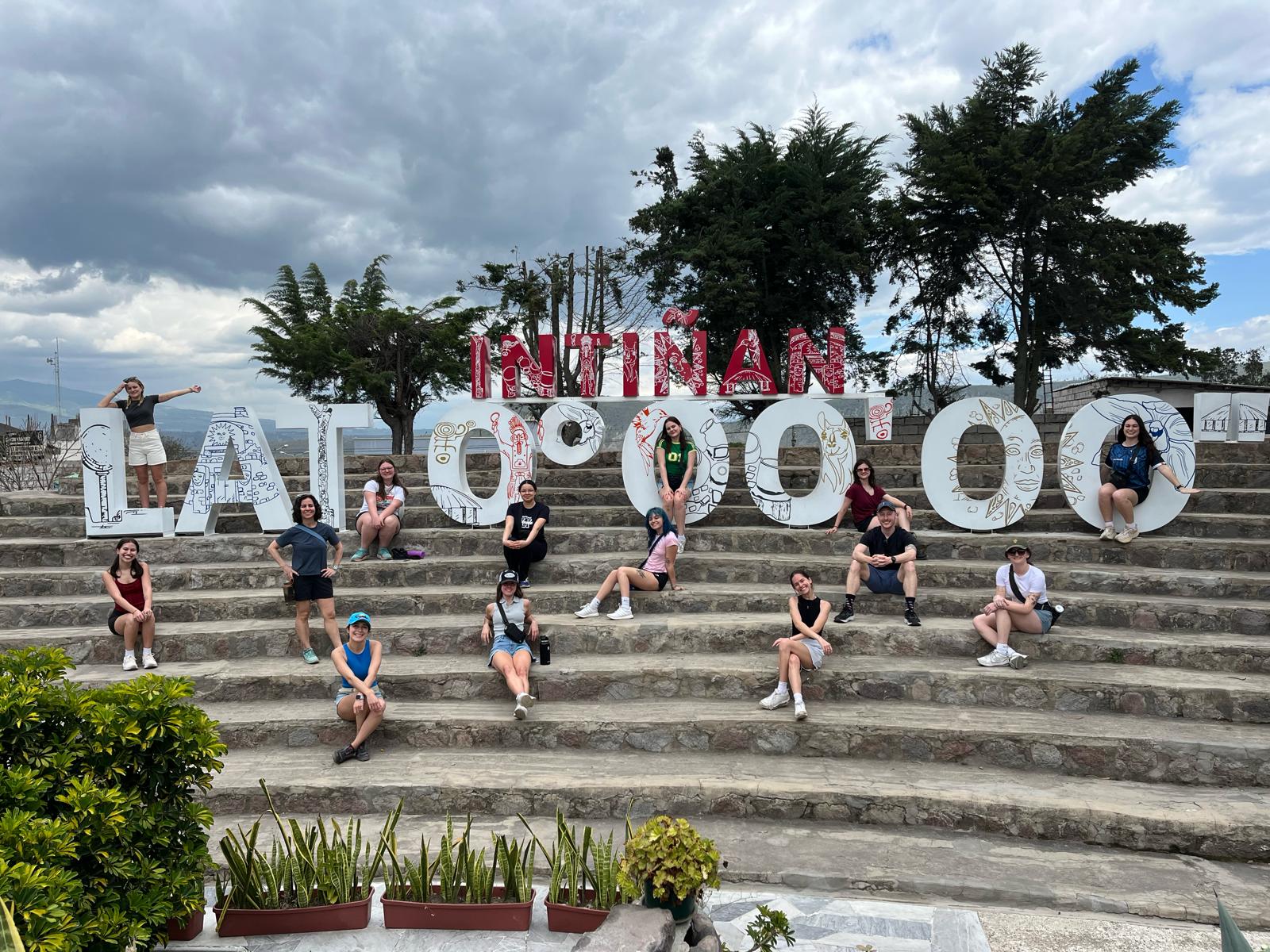
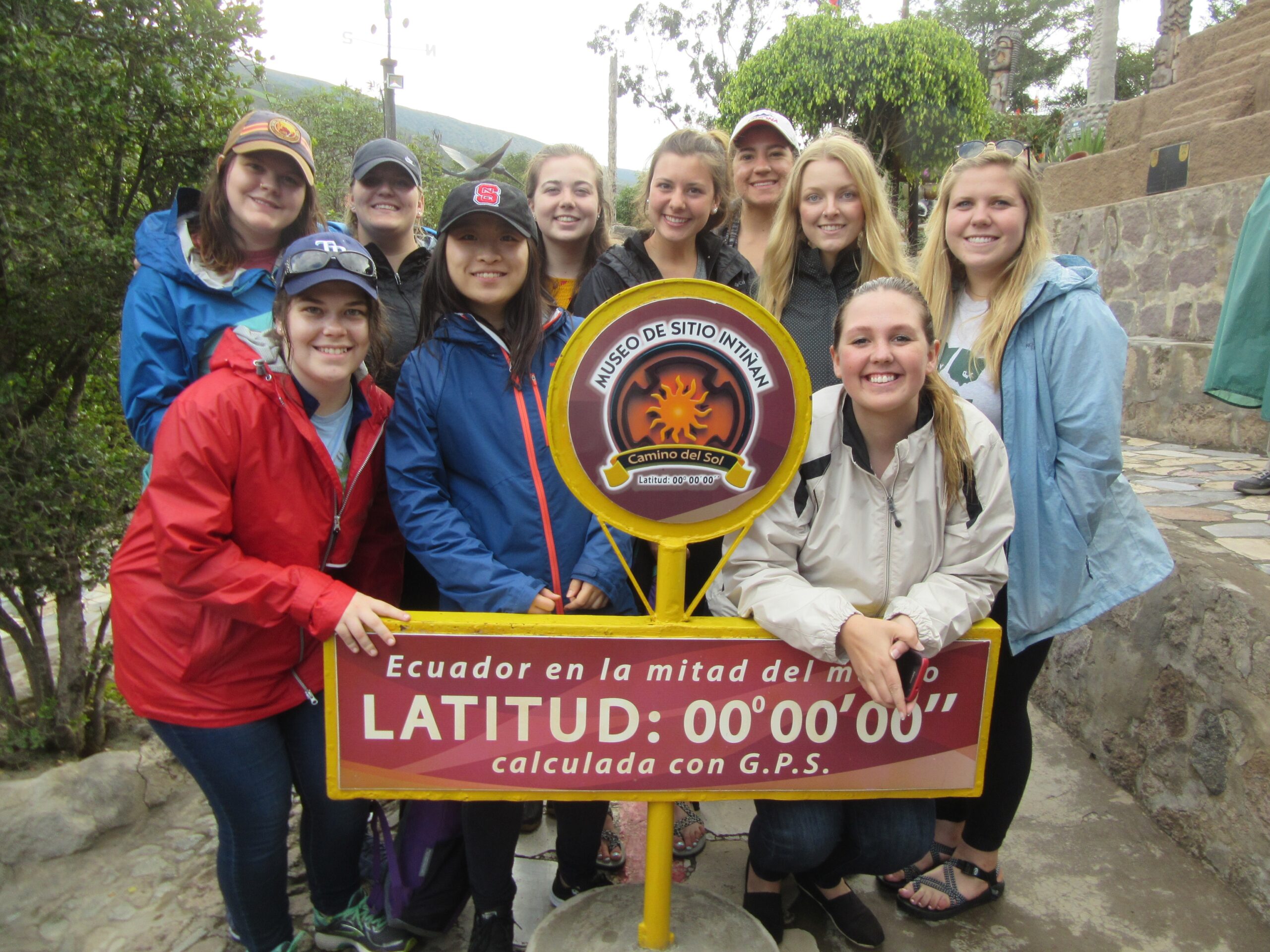
Ecuador sits on the equator and brings together volcanic highlands, Amazon rainforest, and globally significant biodiversity within a compact geography. Its environmental governance and Indigenous heritage shape a country where sustainability and cultural identity intersect.
Design a program hereAbout Euador
Ecuador’s constitutional recognition of nature’s rights provides a unique legal framework for environmental study. Faculty can examine how policy, conservation, and land management operate within this model.
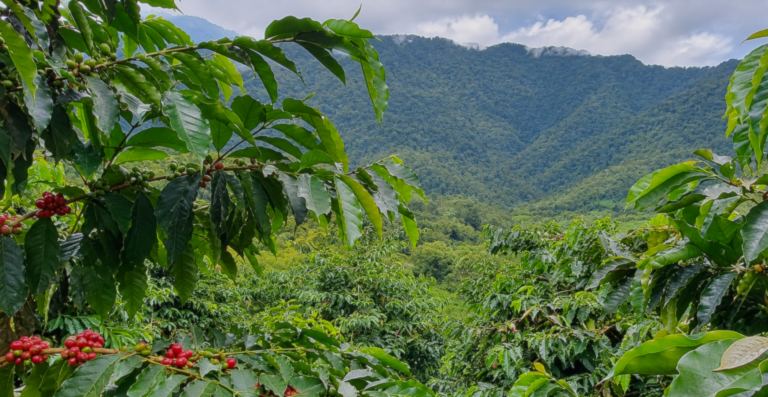
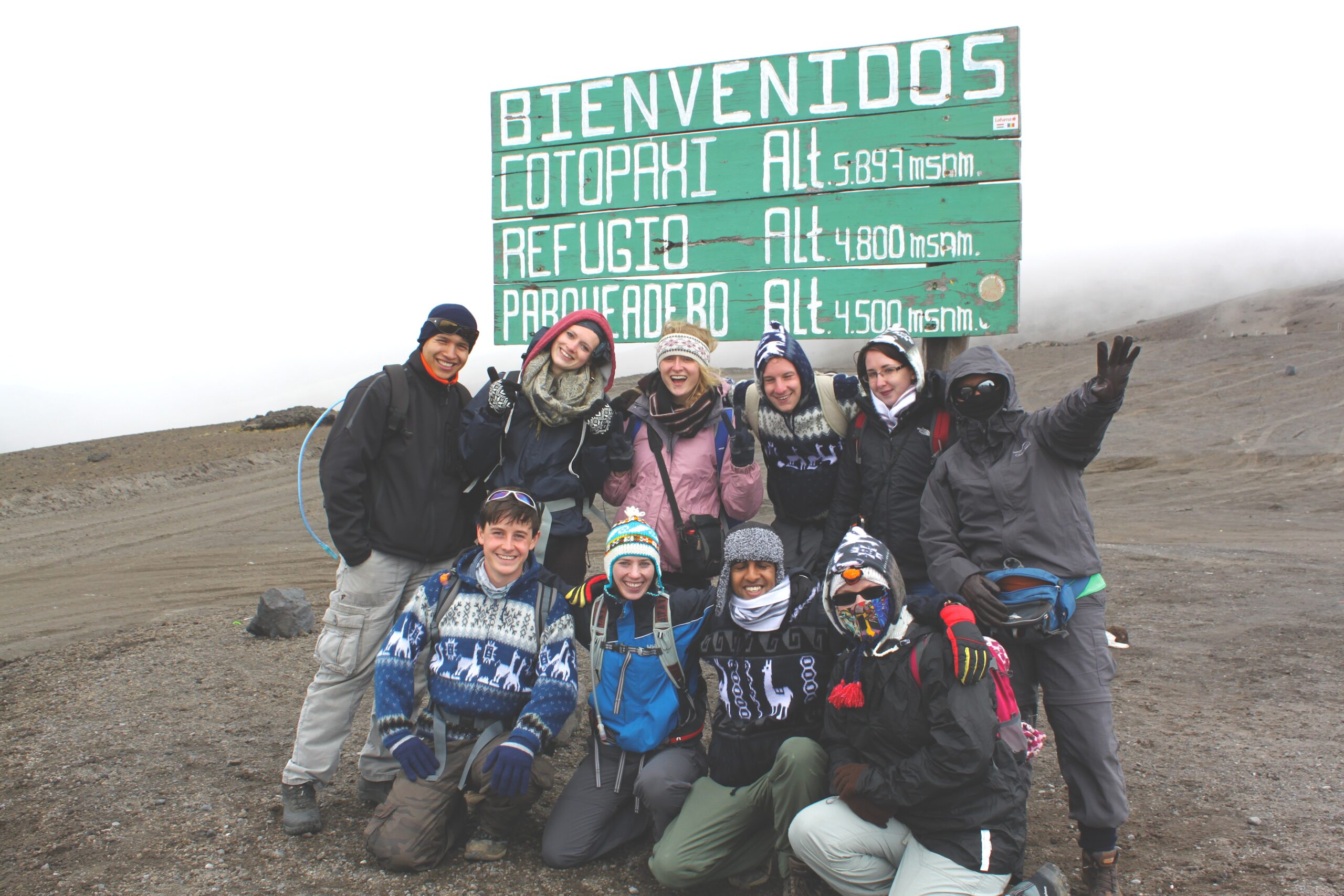
The Andes and volcanic landscapes create strong field-based learning contexts. Programs connect high-altitude agriculture, rural economies, and food sovereignty with sustainability and community resilience.
Indigenous communities maintain cultural traditions and traditional medicine practices alongside modern systems. Faculty can explore how knowledge systems interact within healthcare, governance, and social development.
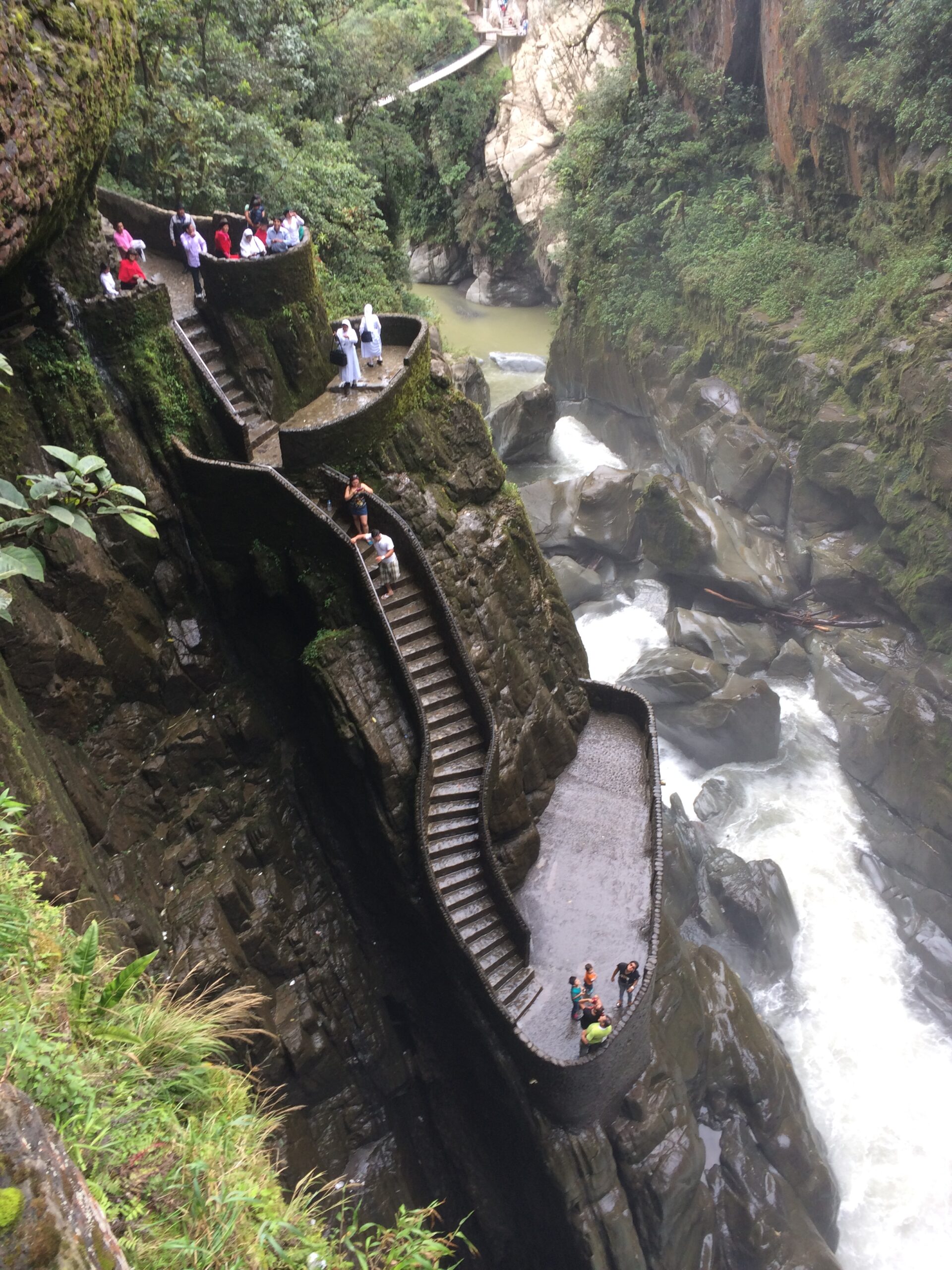
The Galápagos Islands and Andean Chocó region anchor biodiversity study at a global scale. Programs examine conservation strategy, deforestation pressures, and eco-tourism within protected environments.
Ecuador allows faculty to move between urban centers such as Quito, rural highlands, and rainforest ecosystems within a single program framework. Kaya works with local partners to support structured academic experiences focused on conservation, governance, and community sustainability.
Program Themes
Discover some of the different topics and themes you can focus your program on in Ecuador. If you don’t see your topic area, or you already have a ready-made itinerary, connect with the Kaya team to start a discussion!
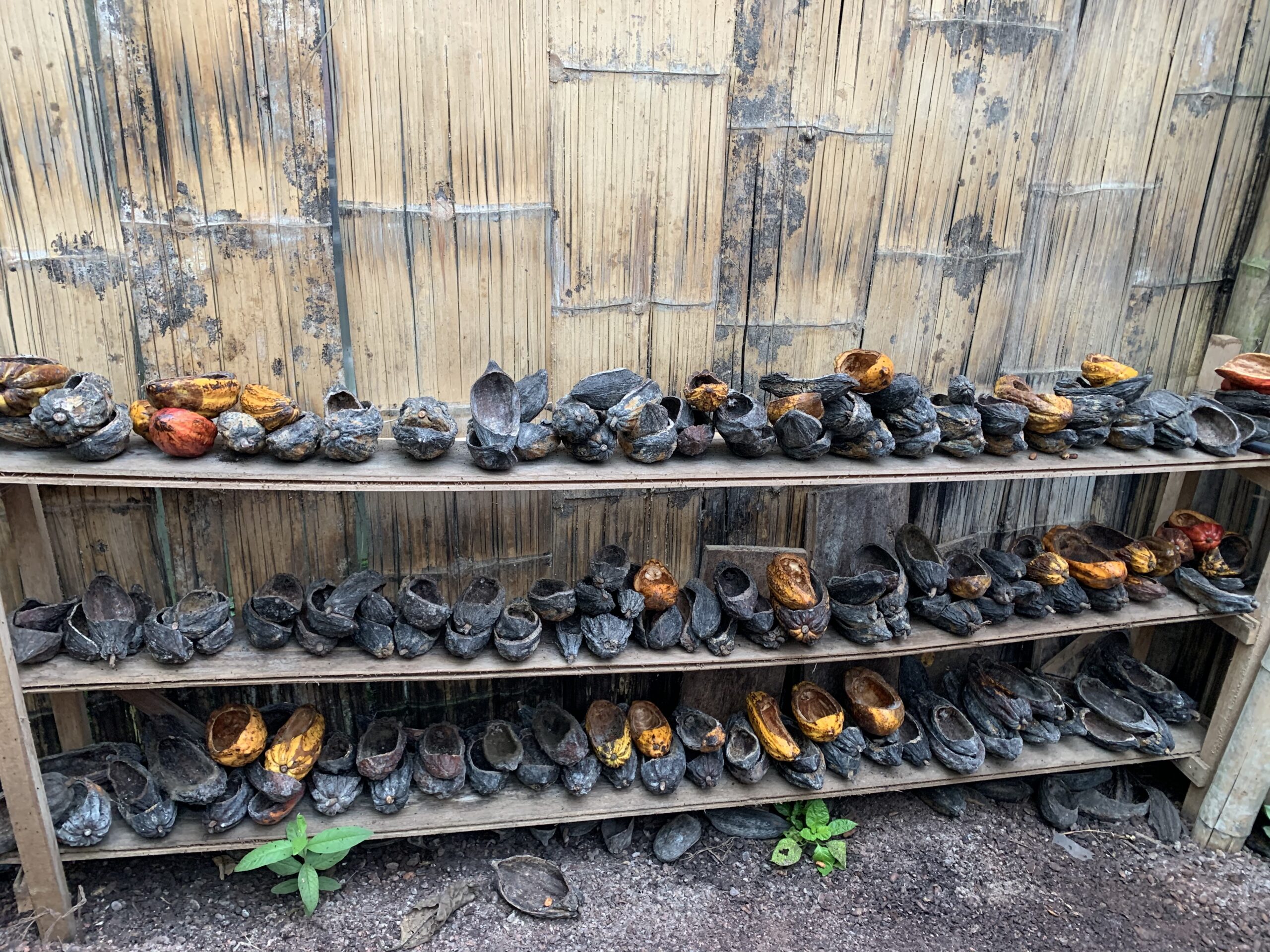
Ecuador’s farms, markets, forests, and food traditions reveal how agriculture connects biodiversity, livelihoods, and access to nutritious, culturally meaningful food. Custom group programs engage in field-based experiential learning through farm visits, tastings, and field research on resilient production, seed systems, and equitable food economies.
develop your own program similar to this
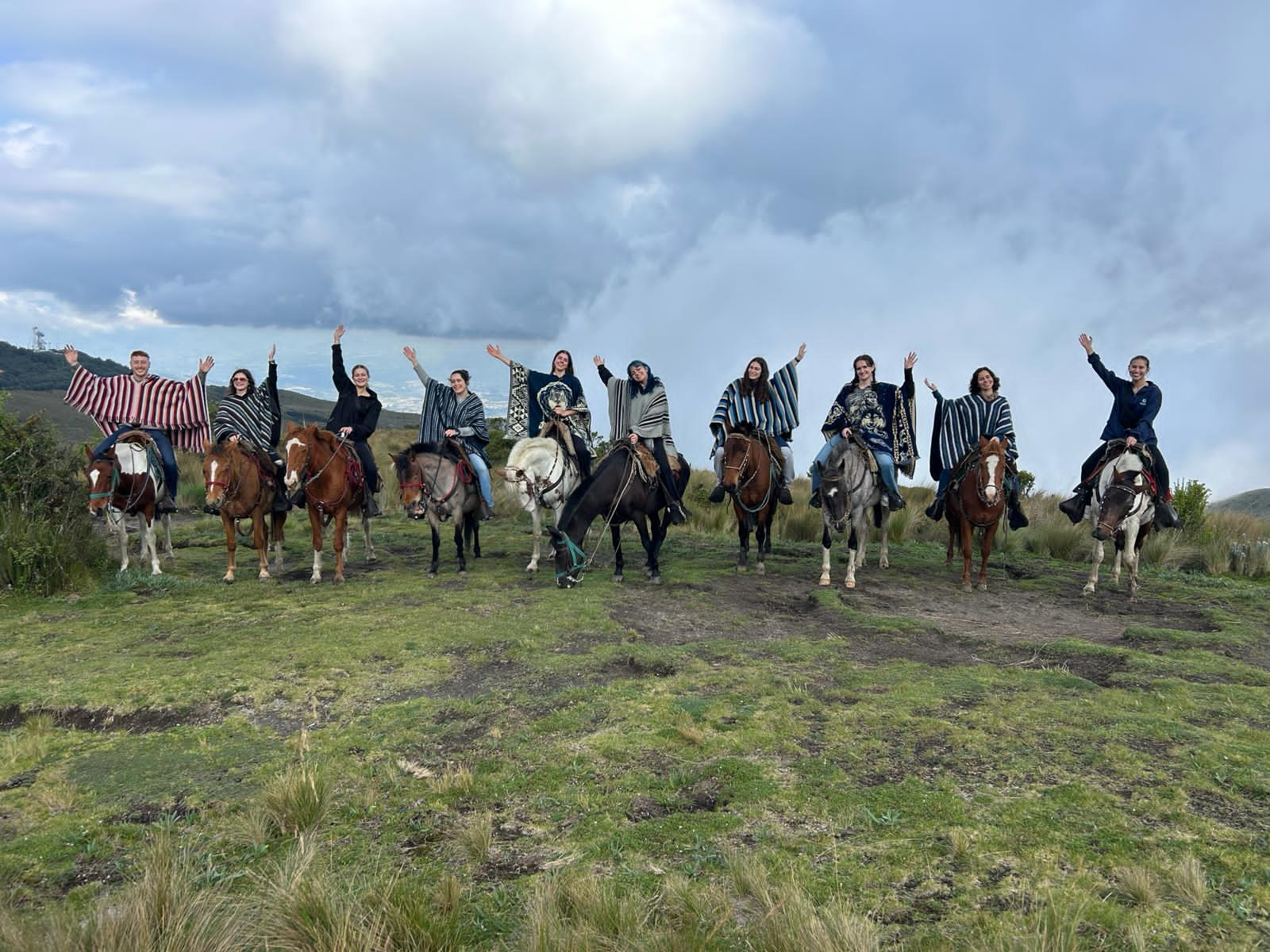
Service learning in Ecuador centers community-defined priorities, ethical engagement, and shared responsibility. Custom group programs offer hands-on experience in conservation, education, public health, food systems, and livelihood initiatives while connecting reflection to power, privilege, sustainability, and global citizenship.
develop your own program similar to this
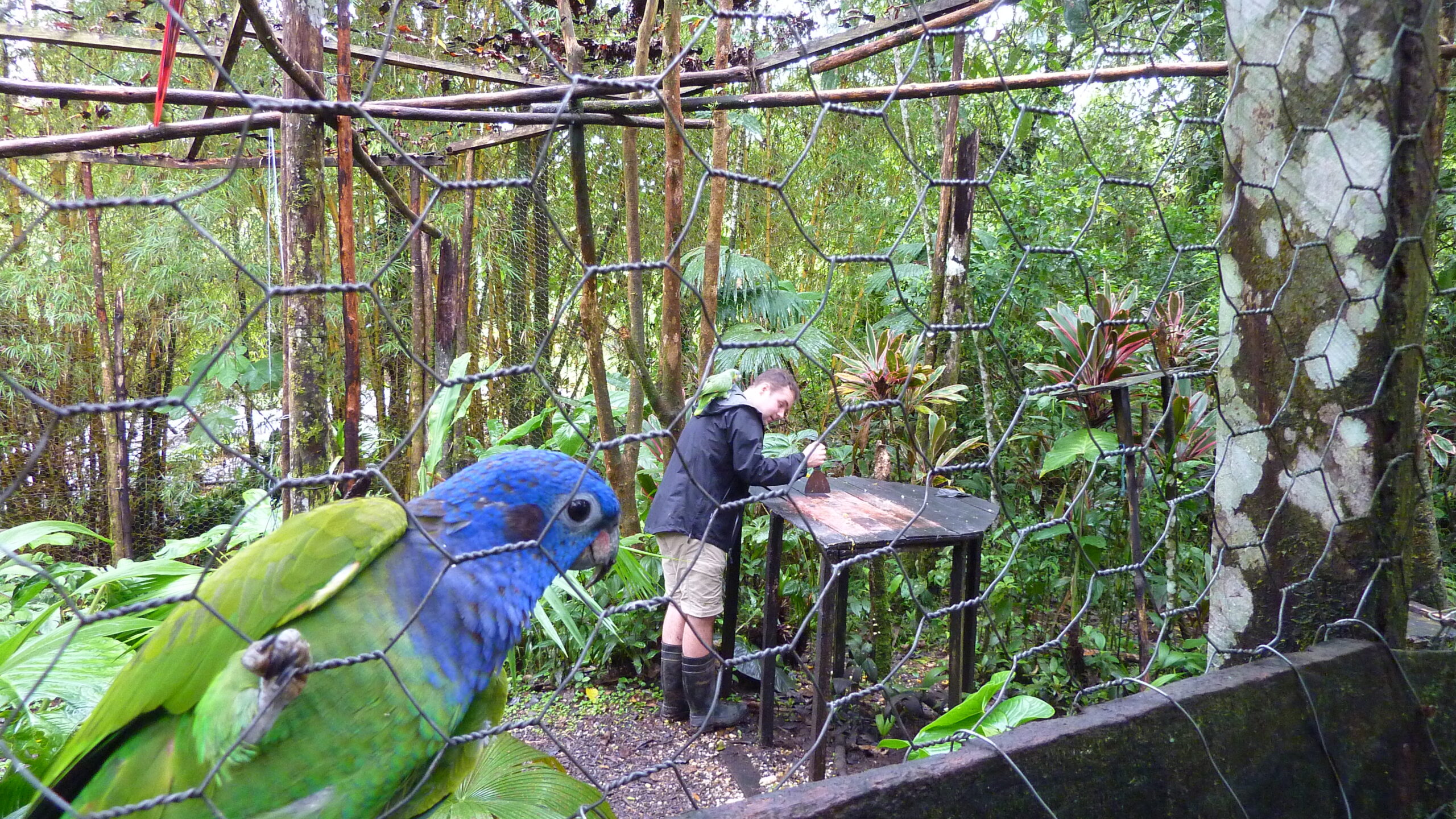
Ecuador’s exceptional biodiversity brings animal behavior, welfare, conservation medicine, and habitat protection into one field-based learning environment. Observations, enrichment activities, and conversations with local caretakers offer an immersive look at rehabilitation, animal ethics, and conservation practice.
develop your own program similar to this
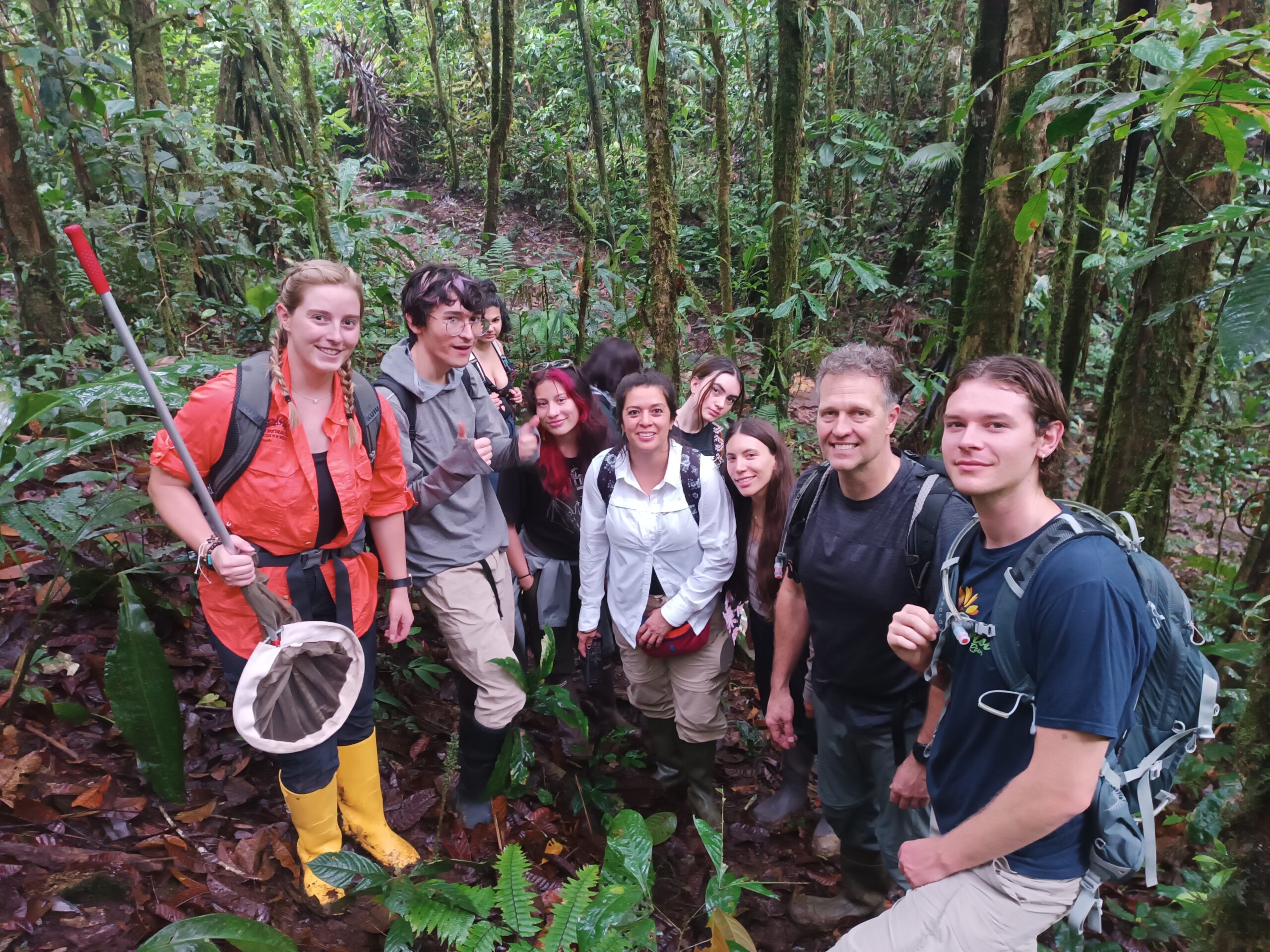
From Andean páramo to cloud forest, Amazon, coast, and islands, Ecuador concentrates remarkable ecological diversity within a single country. Custom group programs can pair field research and hands-on experience with conservation practitioners, using species observation and restoration activities to investigate how biodiversity supports livelihoods, water security, and climate resilience.
develop your own program similar to this
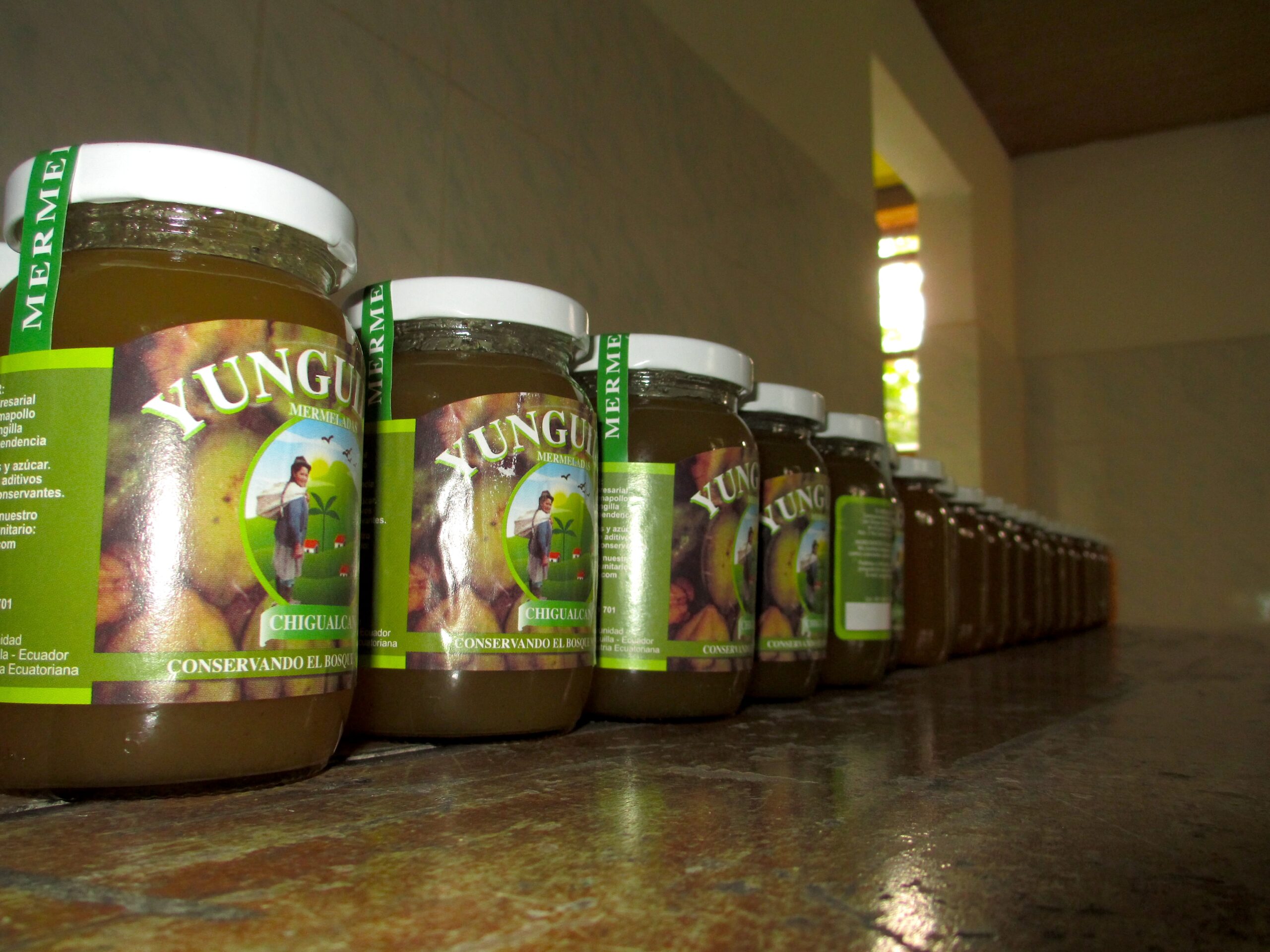
Markets, workshops, farms, and visitor economies provide a practical view of how Ecuadorian enterprises create value while responding to social and environmental goals. Through custom group programs, participants can examine entrepreneurship, responsible supply chains, and community-based business through field research, site visits, and direct dialogue with local practitioners.
develop your own program similar to this
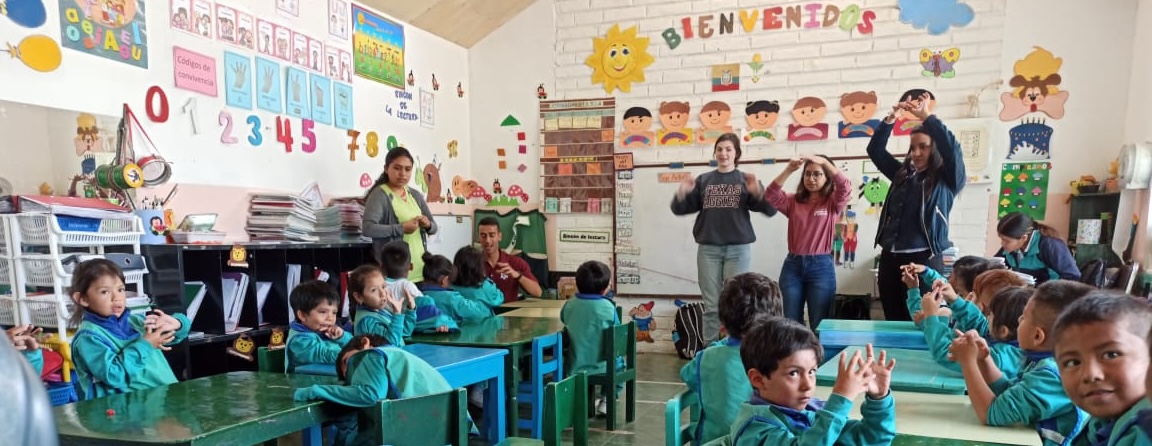
Education in Ecuador is shaped by linguistic diversity, cultural identity, and the different realities of rural and urban communities. Custom group programs create opportunities for experiential learning through classroom observation, peer exchange, and locally guided workshops on inclusion, environmental education, youth development, and intercultural pedagogy.
develop your own program similar to this
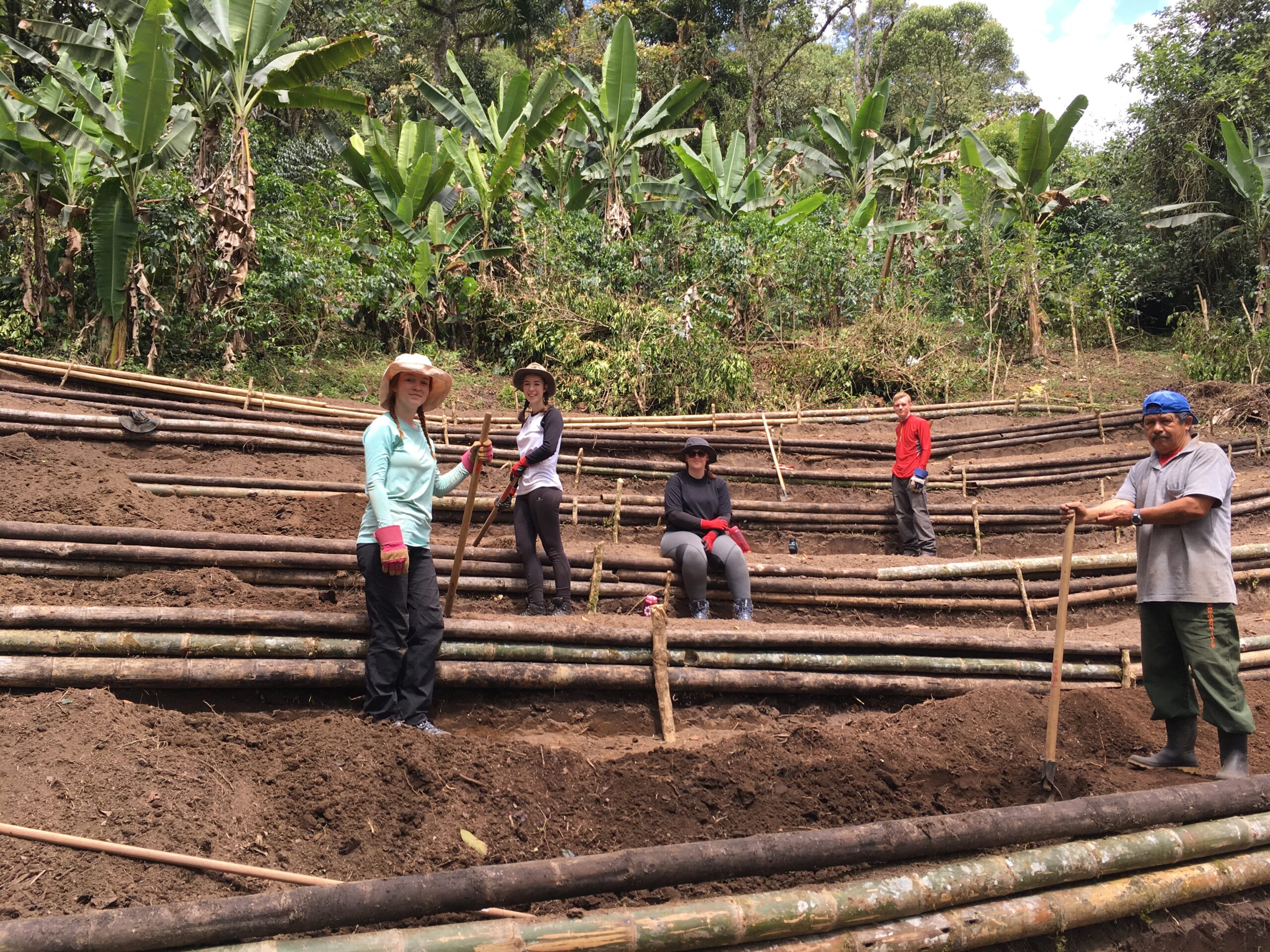
In Ecuador, the most useful technologies are often those designed for local conditions, maintainable over time, and responsive to environmental limits. Custom group programs can use field-based learning to examine water, energy, waste, infrastructure, and digital-access challenges through practical design and community dialogue.
develop your own program similar to this
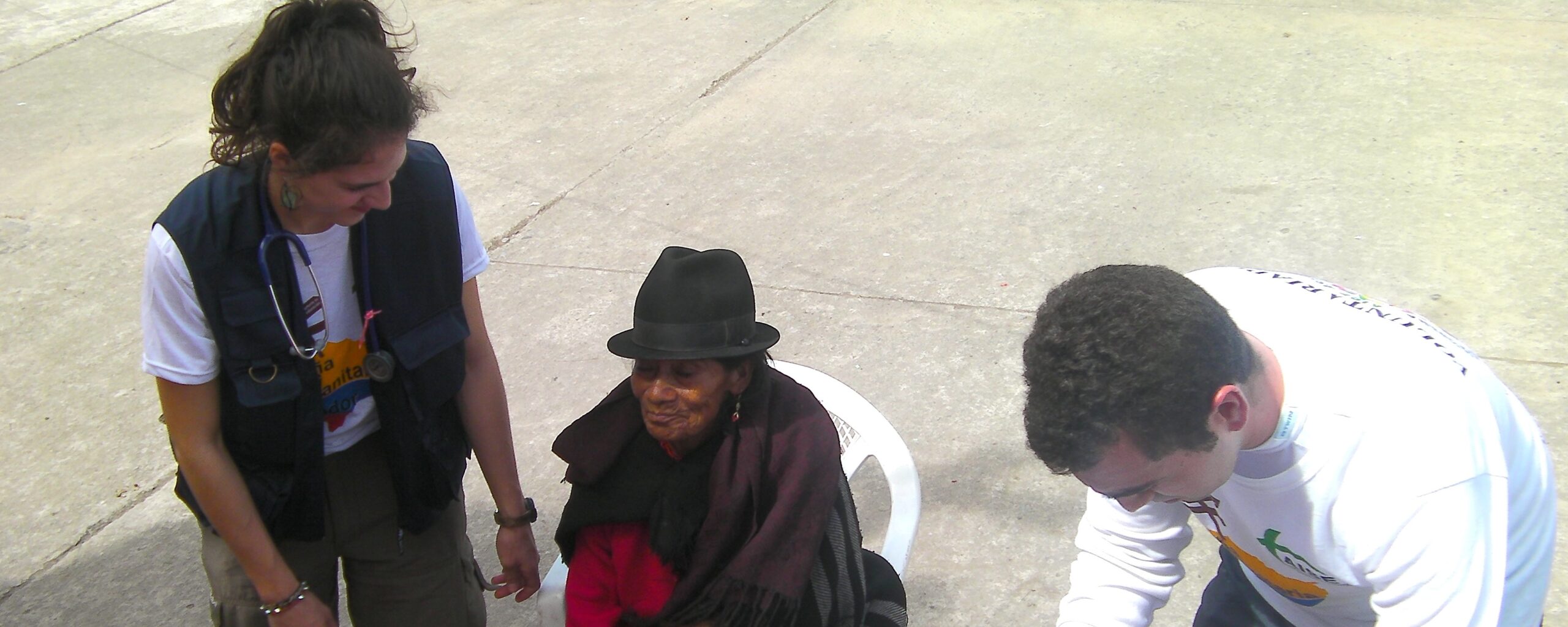
Ecuador offers opportunities to explore health through clinical observation, community engagement, health education, and intercultural approaches to wellbeing. Programs can examine how geography, culture, family, spirituality, social conditions, and access to care shape health experiences across rural and urban communities.
develop your own program similar to this
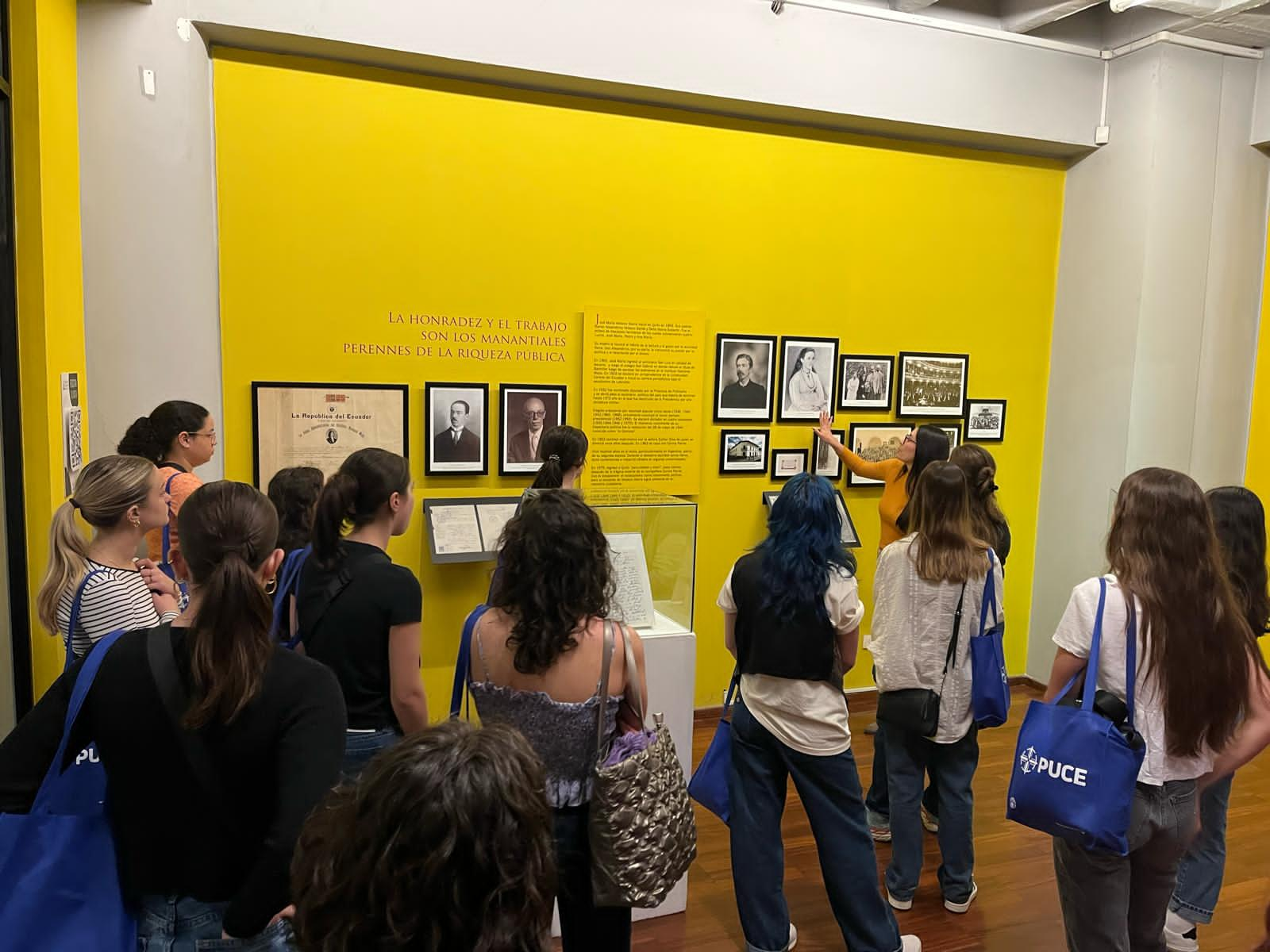
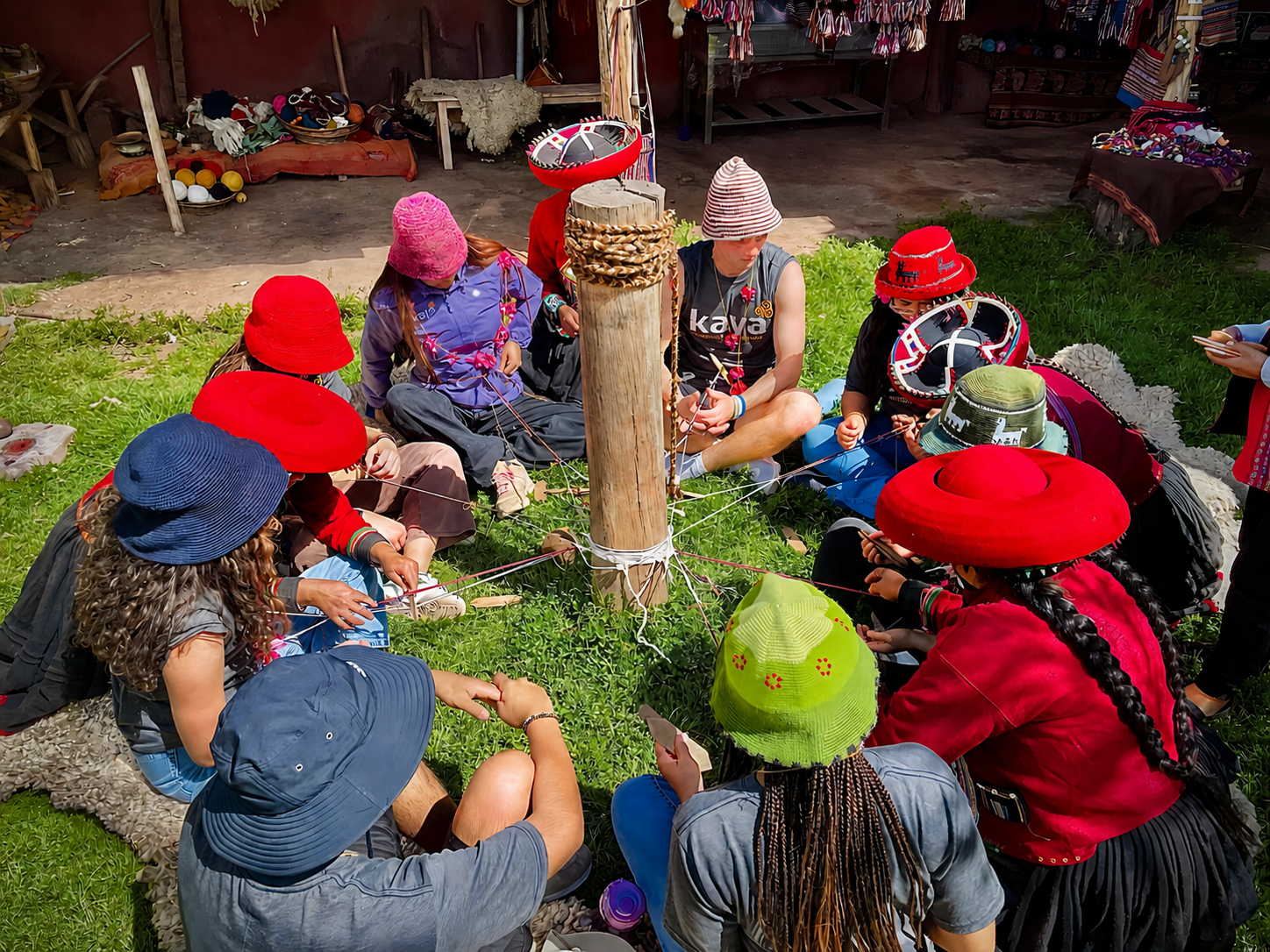
From pre-Columbian archaeological remains to contemporary creative expression, Ecuador offers many ways to examine how people make meaning of the past. Through custom group programs, hands-on experience with artisans, cultural practitioners, and heritage interpreters supports cross-cultural immersion in art, architecture, music, identity, and memory.
develop your own program similar to this
Program ideas
Browse example itineraries and program ideas inspired by topics Kaya groups have explored over the years.
 1
Together we’ll discuss your program goals and needs.
 2
With your input, we develop and fine-tune the perfect itinerary.
 3
We support institutional approvals and recruitment processes to ensure a successful launch!
 4
From pre-departure planning until your return, we’re with you every step of the way!
FAQS
A custom Ecuador program can give students opportunities to examine course concepts through field experiences, local knowledge and cultural learning. Kaya works with faculty to establish a clear academic focus, whether the group explores one discipline or connections between environmental, social and economic questions.
Groups can organize their program around a shared question while approaching it through different subjects. For example, food security could connect agriculture, business, health and resource management. Kaya can help faculty identify suitable experiences, with assignments and reflection tailored to each course’s learning goals.
Preparation should help students understand their role, recognize the limits of their experience and approach unfamiliar perspectives with curiosity. Kaya encourages respectful engagement, with local partners helping shape appropriate activities and expectations. Service-learning participation should reflect host priorities, available supervision and students’ skills.
Kaya works with group leaders and the on-site team to plan an itinerary that considers learning goals alongside participant needs. Discussions cover planned activities, supervision, transport, relevant health guidance and emergency arrangements, helping faculty establish clear expectations and responsibilities before the group travels.
Testimonials
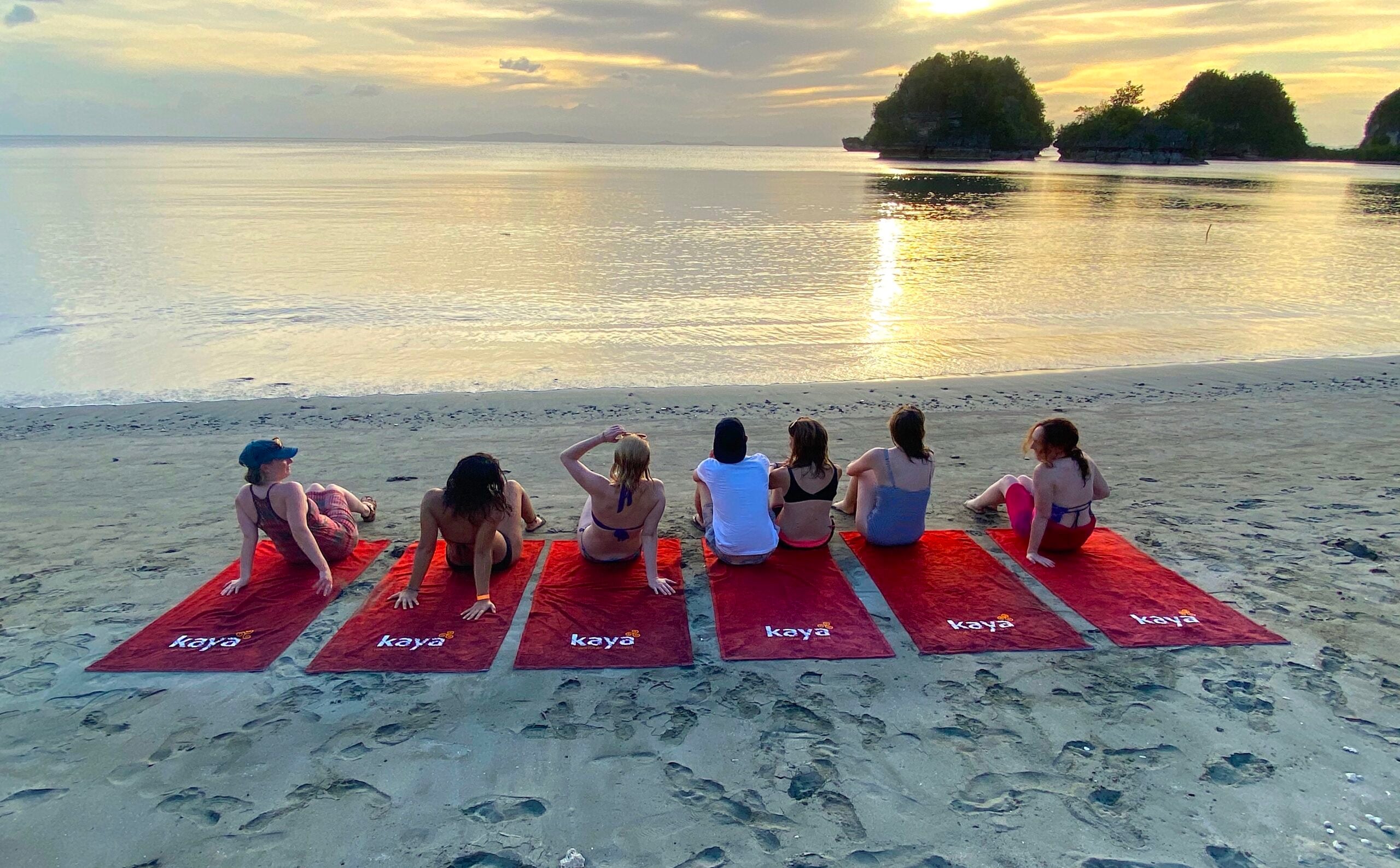
With a focus on experiential education and the UN Sustainable Development Goals, your group can immerse and engage with international communities and environments across the globe.