








Scuba and Society in Belize
- Biology, Environmental Science & Sustainability
- Marine Sciences
Belize sits where the Caribbean reef meets tropical rainforest. Small in scale but rich in biodiversity and cultural history, it offers a focused and accessible setting for group programs in Central America.
Design a program hereAbout Belize
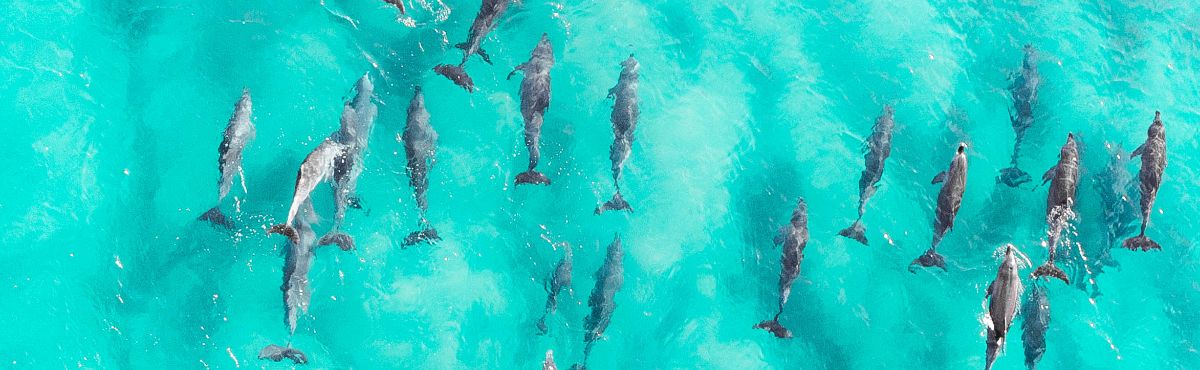
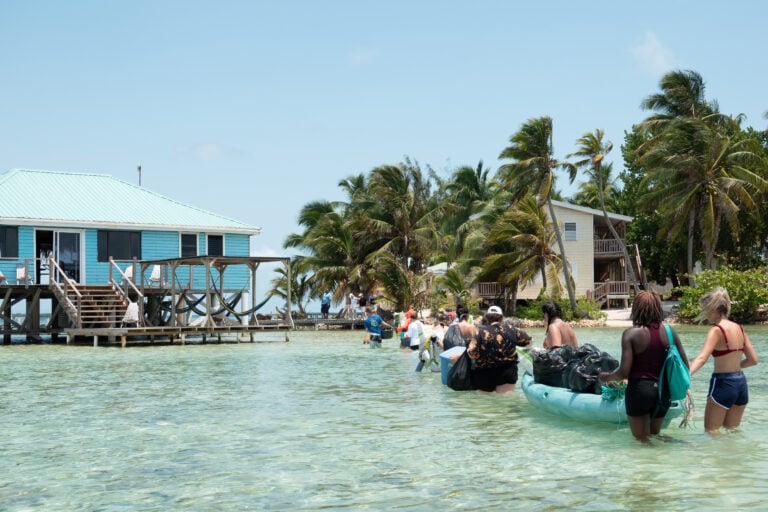
The Mesoamerican Barrier Reef System, the second largest barrier reef in the world, anchors learning along Belize’s coastline. Faculty can design programs that examine marine conservation, coral ecosystems, and sustainable tourism within clearly defined environmental systems.
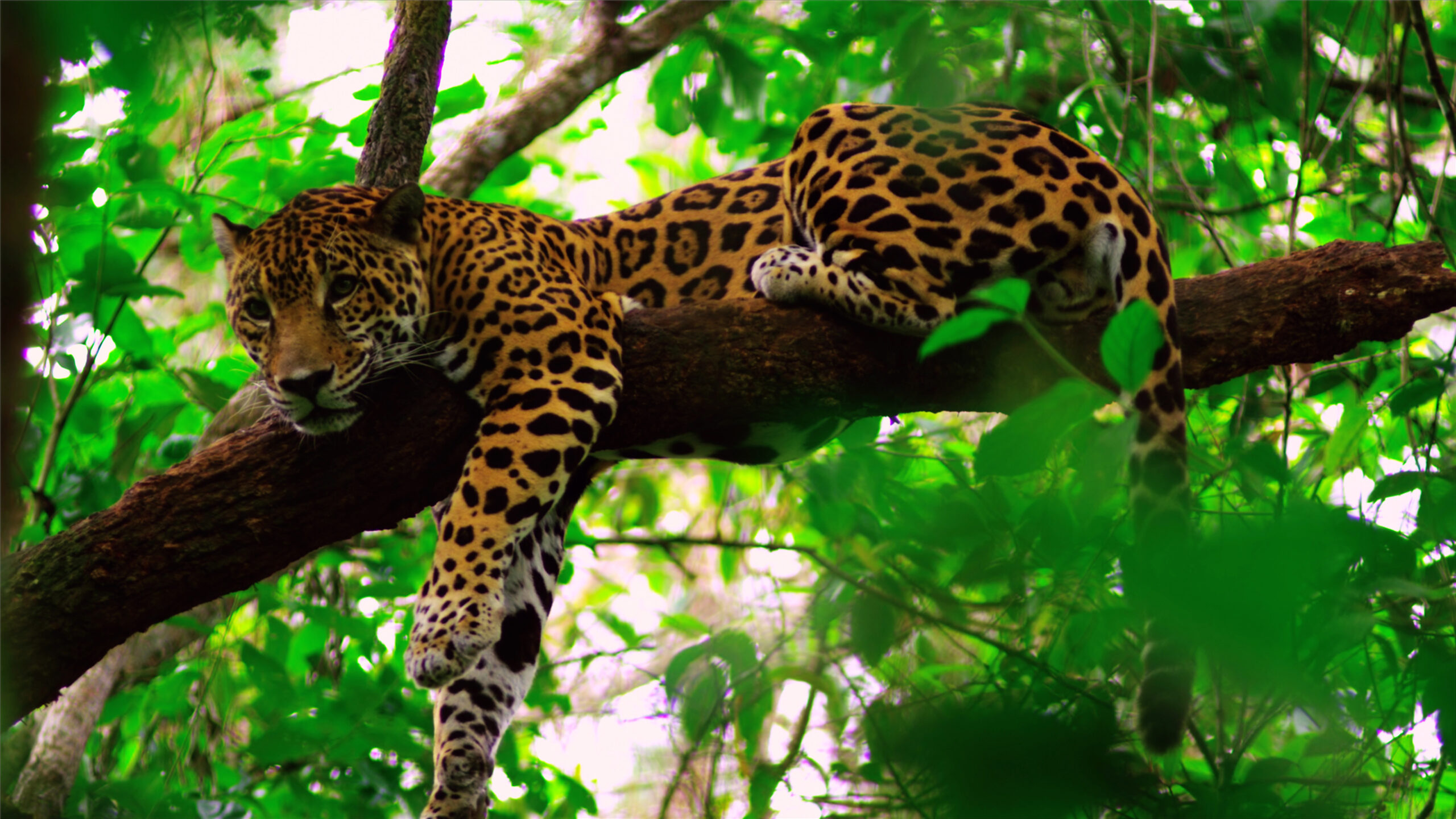
Inland rainforests and protected areas support field-based study in biodiversity management and environmental protection. Programs explore conservation strategy, species protection, and the realities of balancing development with ecosystem preservation.
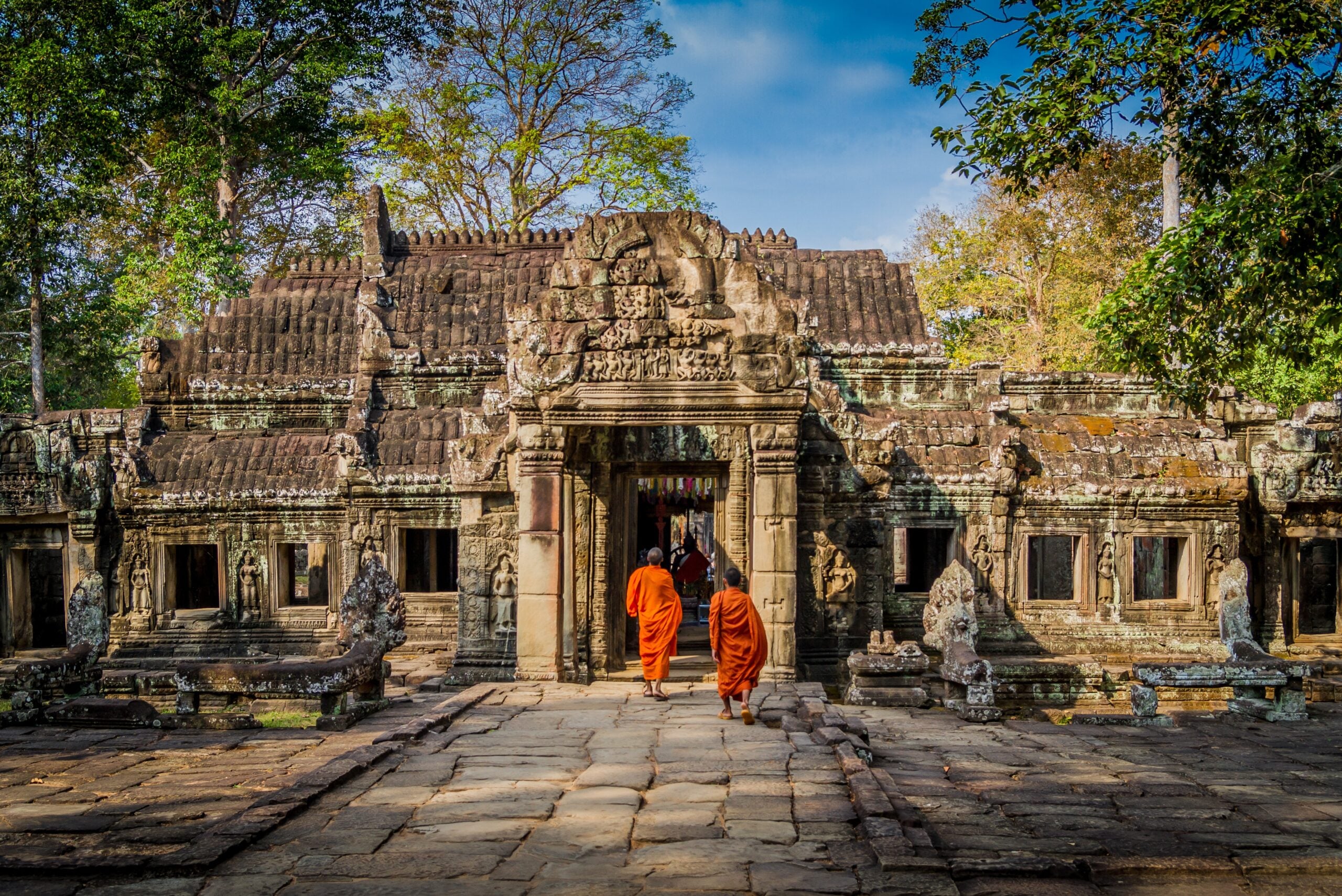
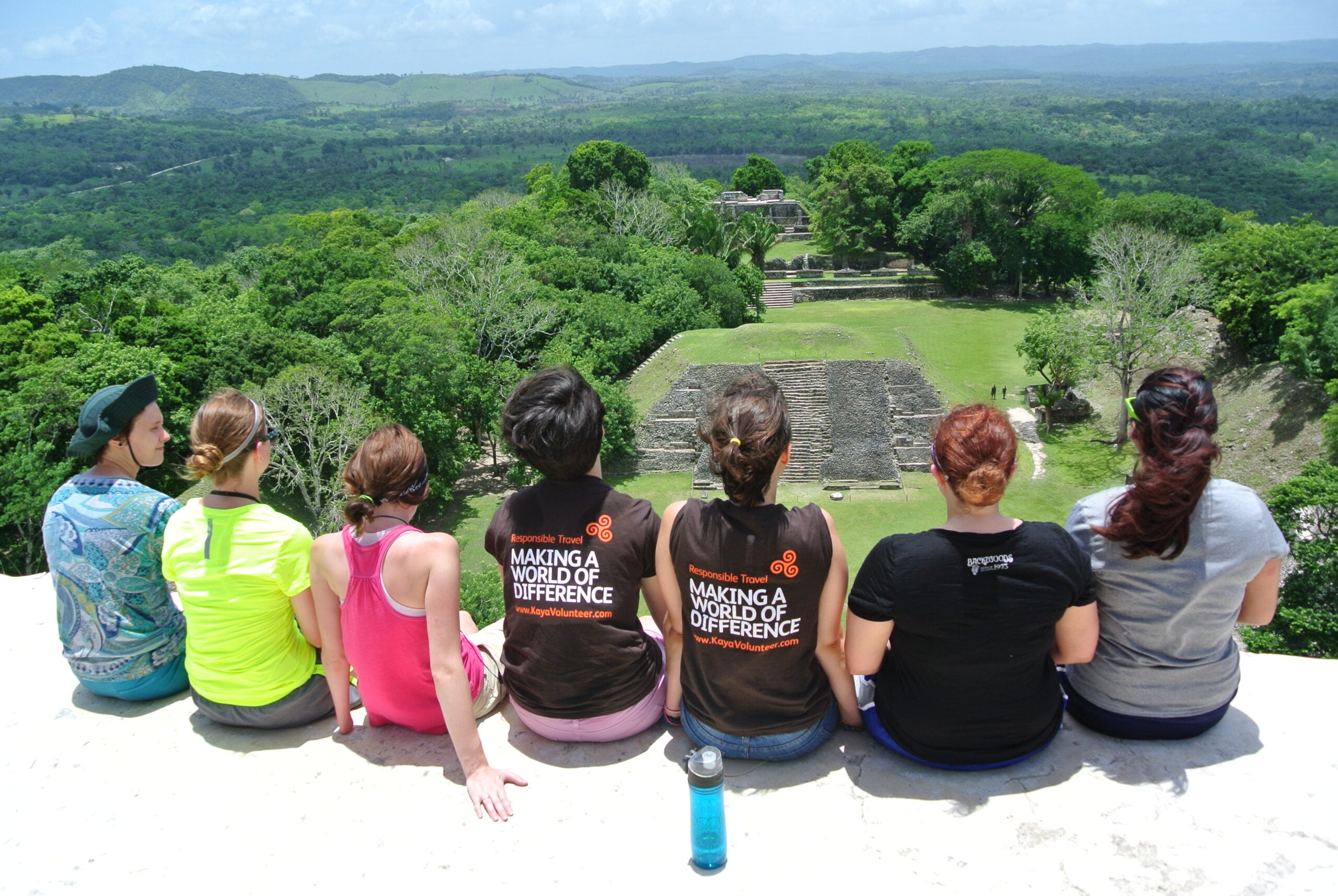
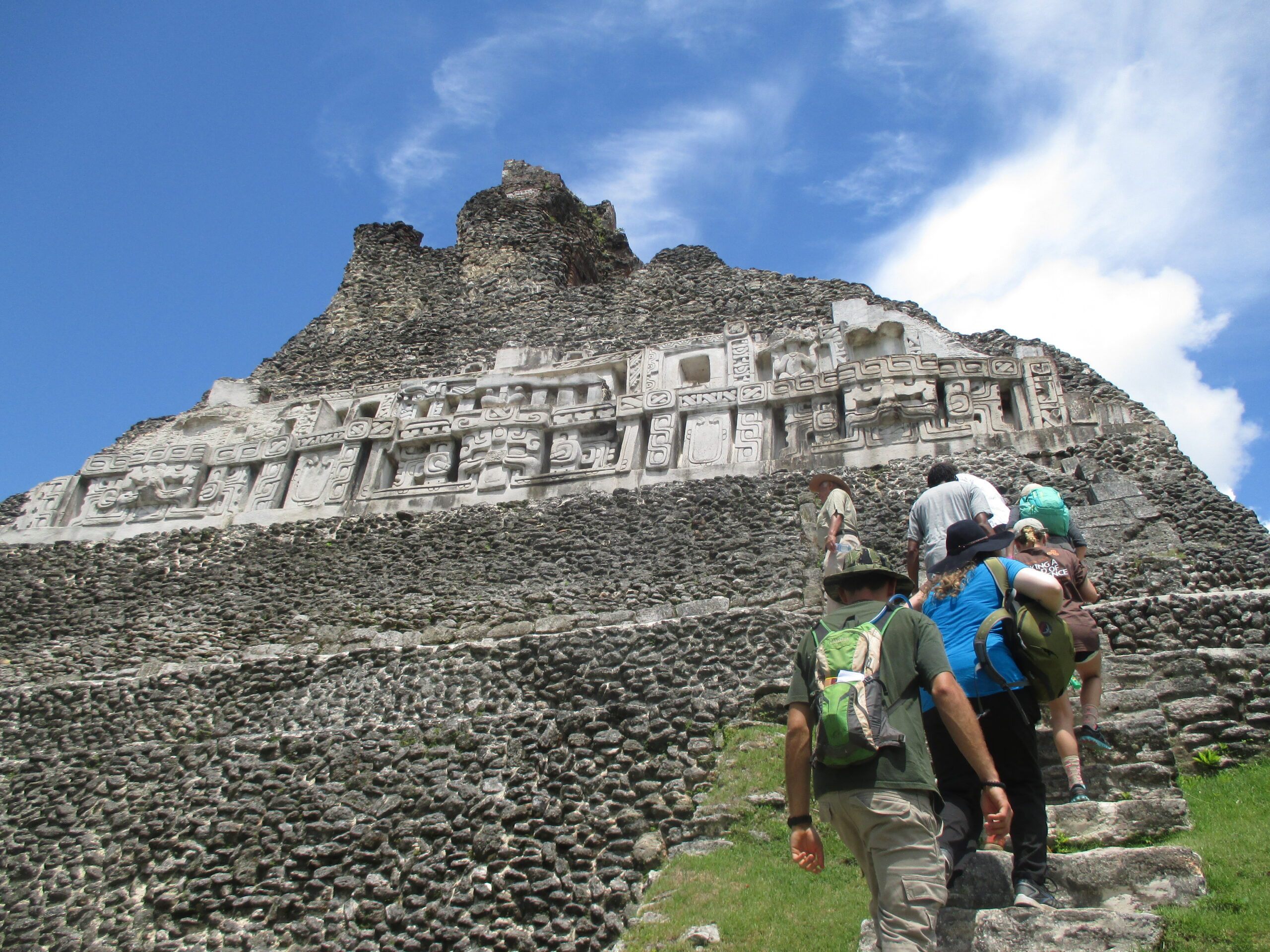
Maya archaeological sites add historical depth to the landscape. Faculty can integrate cultural heritage, land use history, and tourism management into structured academic outcomes.
Belize’s small-scale tourism economy and coordinated relationships between local organizations, government bodies, and health departments provide opportunities to examine development strategy in practice. Programs can engage with community-based initiatives while maintaining clear learning objectives.
Belize’s compact geography allows faculty to move efficiently between reef, rainforest, and community contexts. Kaya supports group programs through established local partnerships and on-the-ground coordination designed for structured, outcome-focused travel.
Program Themes
Discover some of the different topics and themes you can focus your program on in Belize. If you don’t see your topic area, or you already have a ready-made itinerary, connect with the Kaya team to start a discussion!
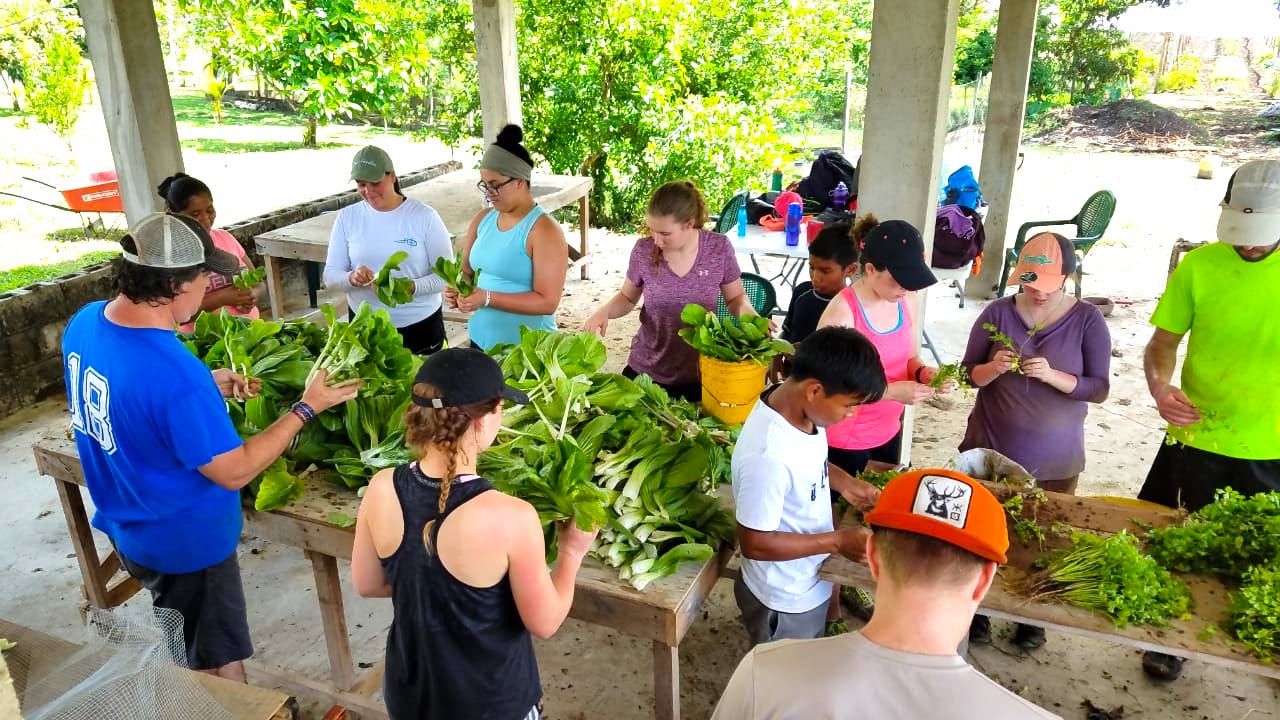
From food-garden design to livestock care and agroforestry, Belize provides a working model of diversified agriculture. Participants can gain field-based, hands-on experience with regenerative farming and food-production systems while considering how local agriculture supports food security, rural communities, and the national economy.
develop your own program similar to this
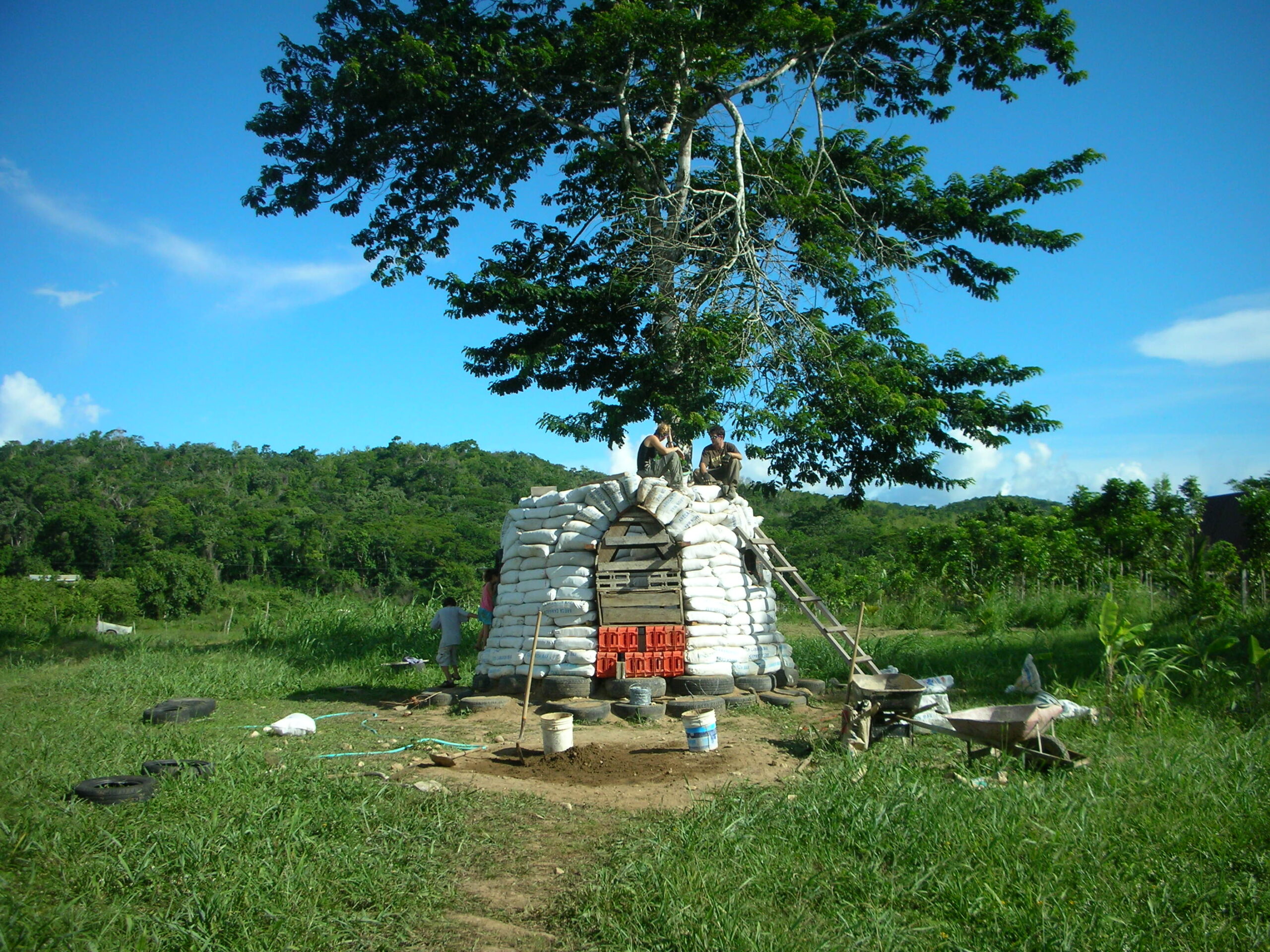
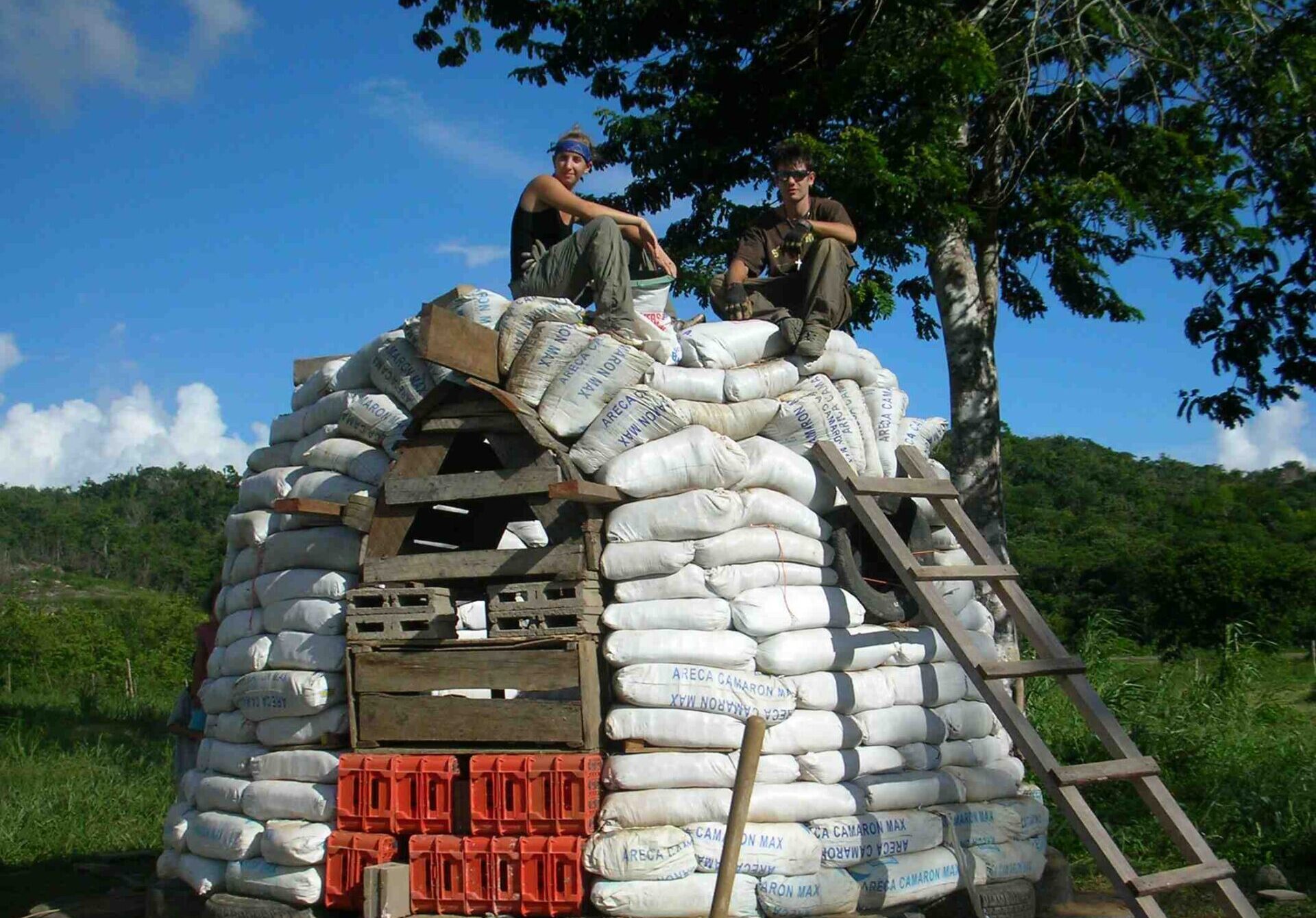
Service learning in Belize is grounded in the living systems of lowland tropical ecosystems. Custom group programs blend environmental stewardship, field-based research, and hands-on experience with community engagement, helping participants connect tropical biodiversity to sustainable development and responsible conservation practice.
develop your own program similar to this
Daily work with livestock, poultry, horses, rabbits, and companion animals offers a practical introduction to animal science in Belize. Through custom group programs, participants can examine husbandry, welfare, breeding records, and community veterinary outreach through supervised, hands-on experience.
develop your own program similar to this
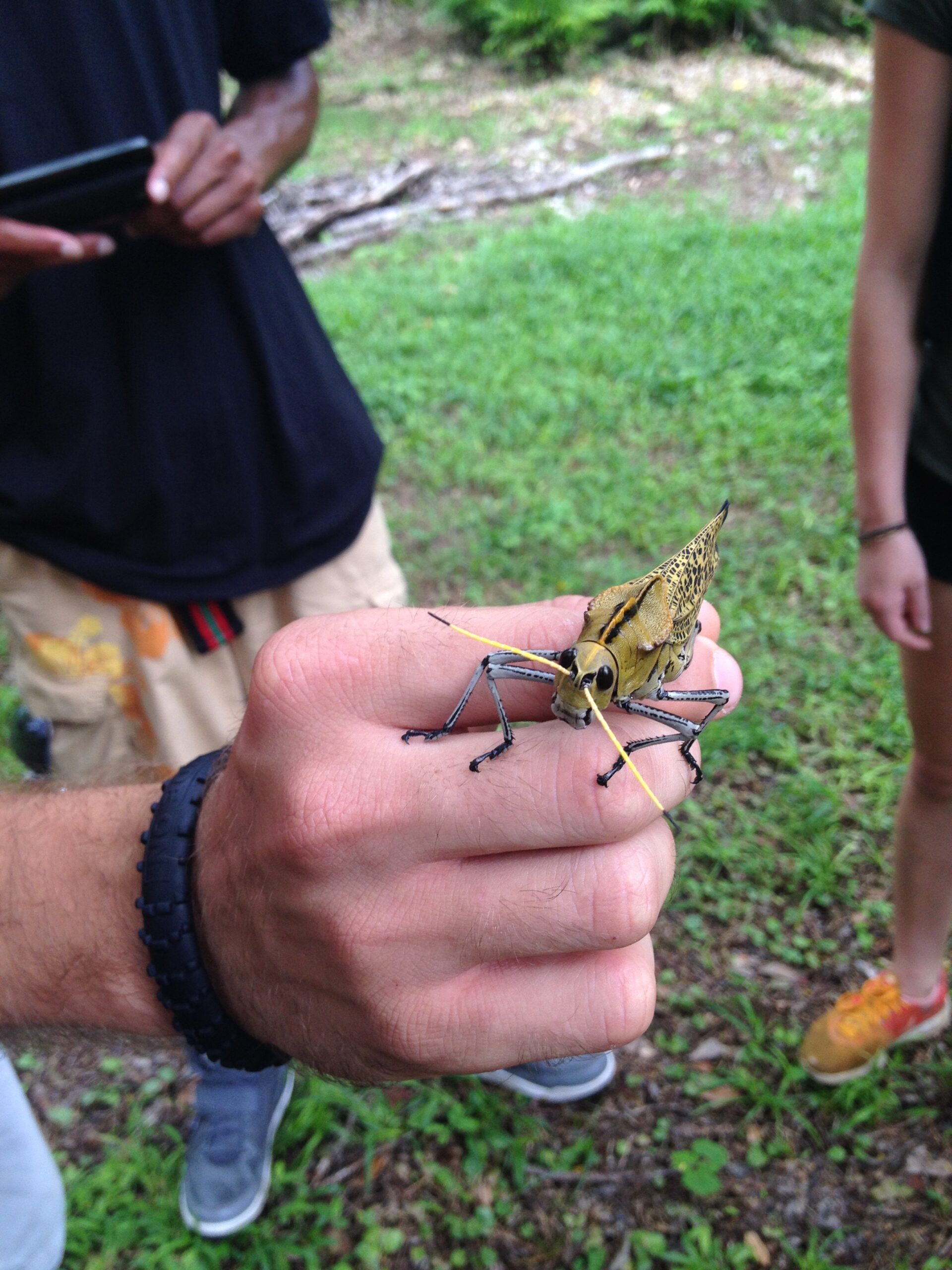
Belize offers hands-on learning in tropical ecology, biodiversity conservation, water systems, and sustainable resource use. Field-based programs combine species monitoring, habitat stewardship, watershed research, environmental education, and community engagement to explore practical responses to conservation and climate challenges.
develop your own program similar to this
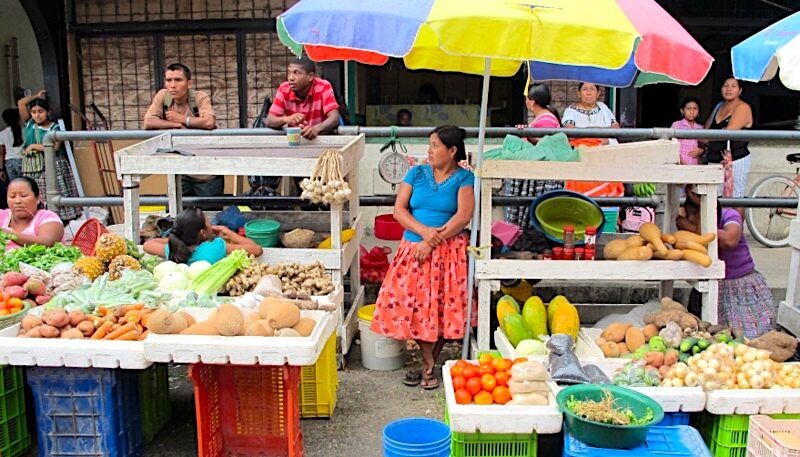
Belize offers a practical view of enterprise where tourism, hospitality, agriculture, and value-added food production intersect. Custom group programs create field-based experiential learning with founders and managers, linking market research, marketing, entrepreneurship, and sustainable business development to real local ventures.
develop your own program similar to this
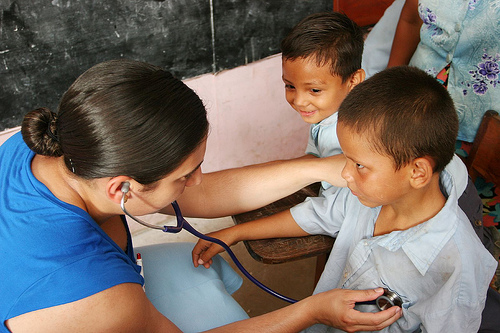
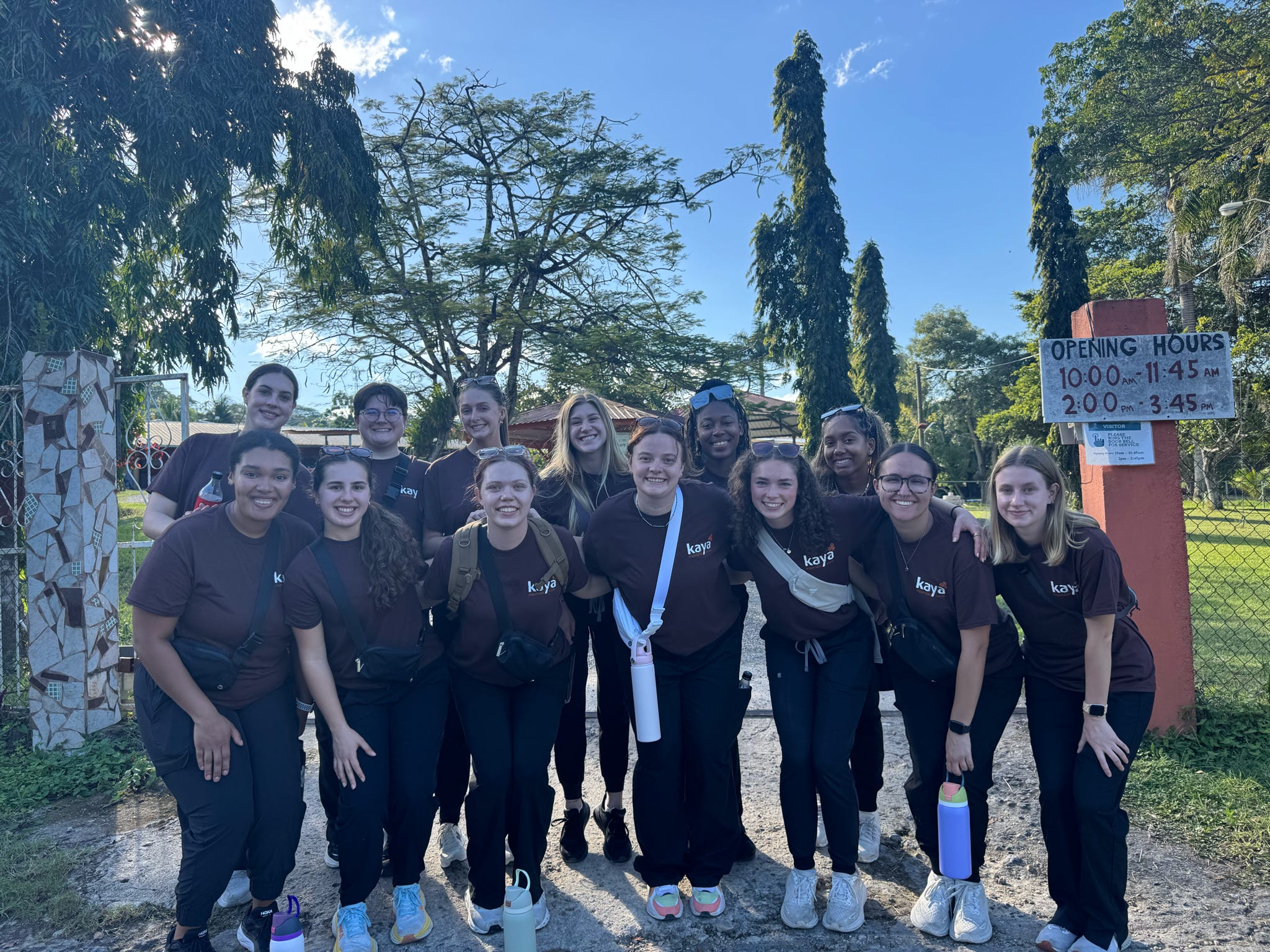
Healthcare learning in Belize can connect hospital-based care with public-health outreach and traditional healing knowledge. Custom group programs offer field-based experiential learning through supervised clinical observation, multidisciplinary rotations, community workshops, and cross-cultural immersion with local health professionals.
develop your own program similar to this
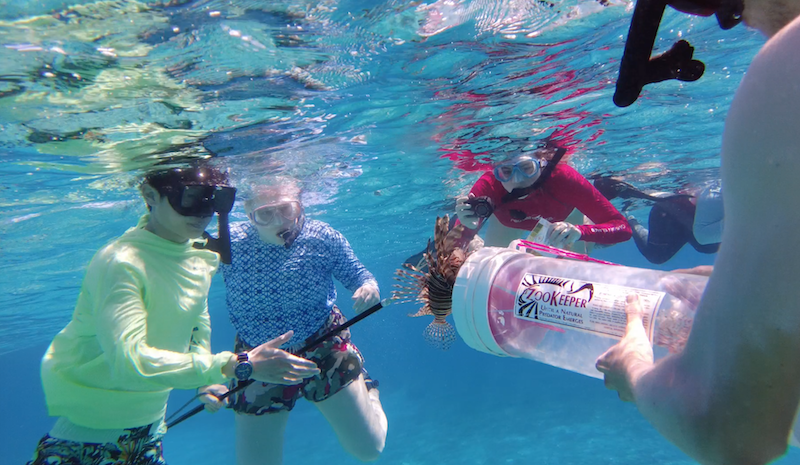
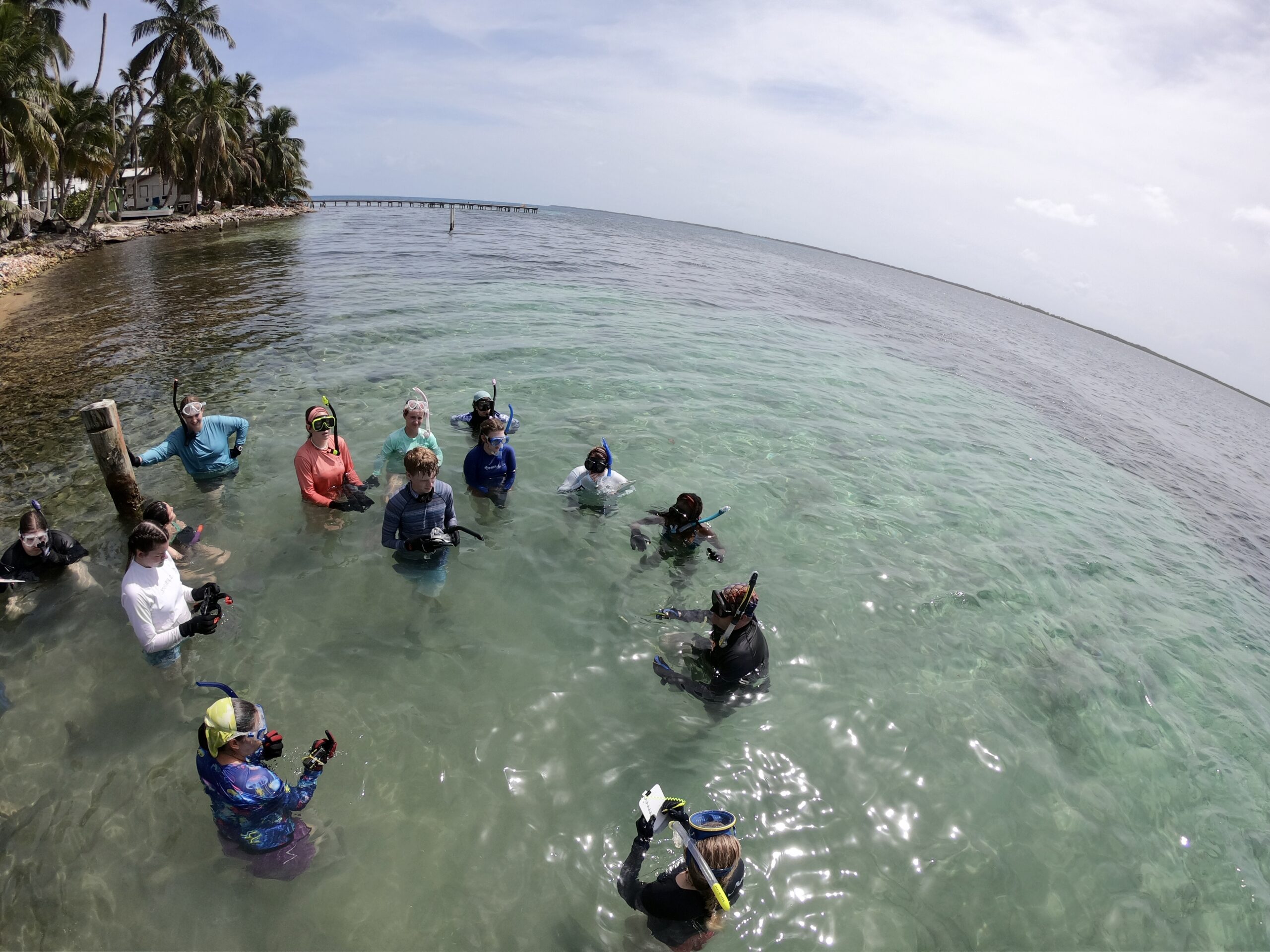
Belize’s barrier reef creates an exceptional outdoor laboratory for examining coral health, invasive species, pollution, and climate resilience. Custom group programs bring marine science beyond the classroom through field-based research, snorkeling surveys, and hands-on experience in coral reef, seagrass, and mangrove ecosystems.
develop your own program similar to this
Program ideas
Browse example itineraries and program ideas inspired by topics Kaya groups have explored over the years.
 1
Together we’ll discuss your program goals and needs.
 2
With your input, we develop and fine-tune the perfect itinerary.
 3
We support institutional approvals and recruitment processes to ensure a successful launch!
 4
From pre-departure planning until your return, we’re with you every step of the way!
FAQS
A Belize program with Kaya can help students move beyond classroom discussion to examine how academic ideas relate to practical decisions. Depending on the course, learning might connect environmental protection, livelihoods, food systems or wellbeing, with guided reflection helping students compare perspectives and question their assumptions.
Faculty can build a program around questions that cross subject boundaries, such as how resource management relates to livelihoods or how food production connects with health. Kaya helps shape relevant experiences around these questions, giving the itinerary a coherent academic purpose rather than a collection of unrelated visits.
Responsible service learning starts with what host partners identify as useful and appropriate. Student involvement should reflect their skills, available supervision and local capacity. Preparation and reflection help participants understand their role, respect existing expertise and avoid overstating what a short visit can achieve.
Kaya and group leaders consider the intended learning outcomes, participants’ experience and host partners’ capacity when selecting activities. Planning with the on-site team also addresses participant needs, supervision, relevant health guidance, transport and emergency arrangements, so educational aims and practical requirements are considered together.
Testimonials
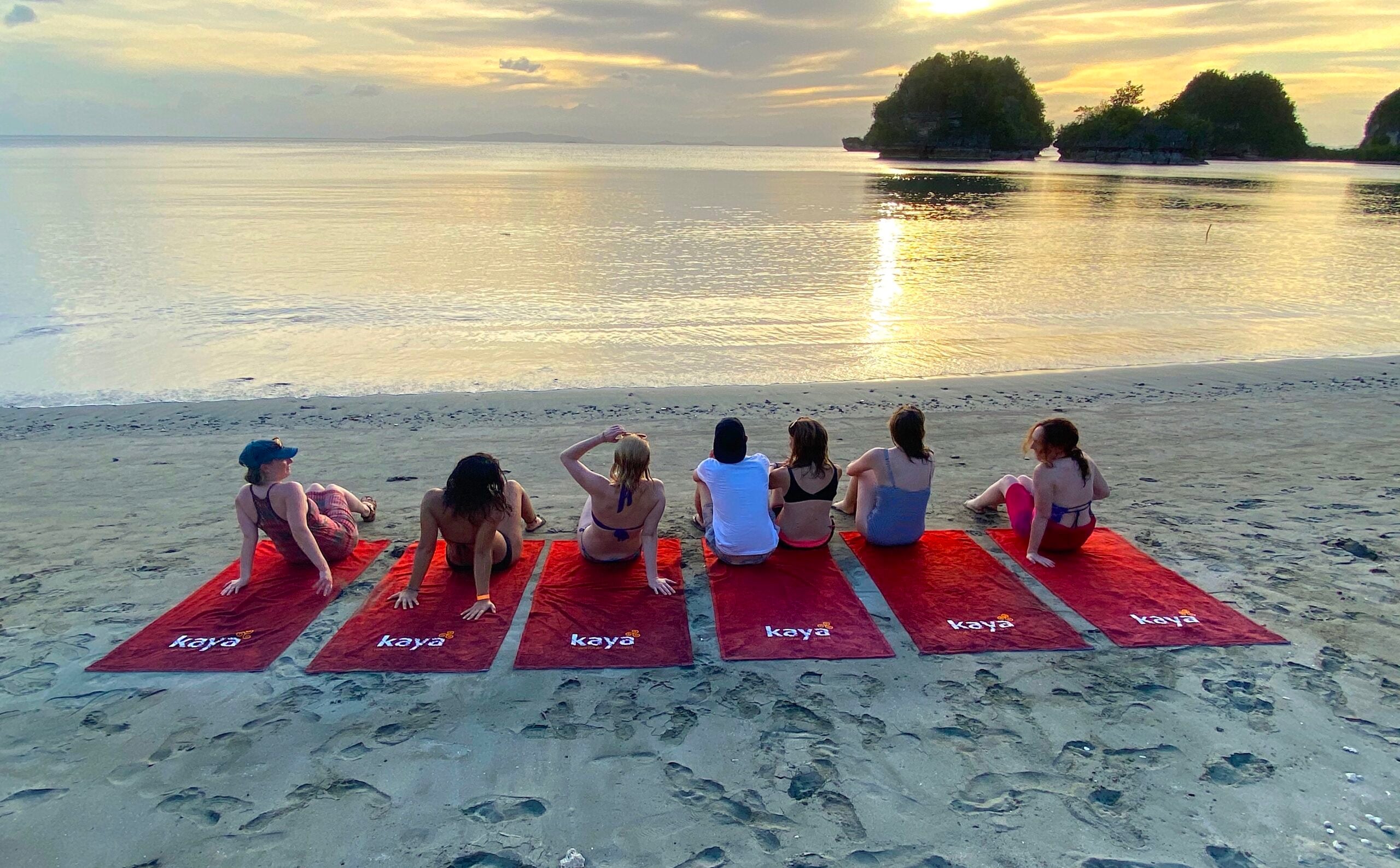
With a focus on experiential education and the UN Sustainable Development Goals, your group can immerse and engage with international communities and environments across the globe.