







 1
Connect
Together we’ll discuss your program goals and needs.
Alternative break programs offer short-term, experiential learning opportunities that combine cultural immersion, community engagement, and responsible travel. Often organized as faculty-led or university group programs, alternative breaks encourage students to explore global issues through place-based learning and cross-cultural experiences. These programs move learning beyond the classroom, allowing students to engage directly with local communities, organizations, and environments while developing a deeper understanding of social, environmental, and cultural contexts.
Design a program hereAbout Alternative Breaks & Service Learning
Alternative break programs provide opportunities for experiential learning abroad while encouraging reflection on global challenges and community perspectives. Students may explore themes such as sustainable development, environmental conservation, social justice, and cultural heritage through hands-on activities and dialogue with local partners.
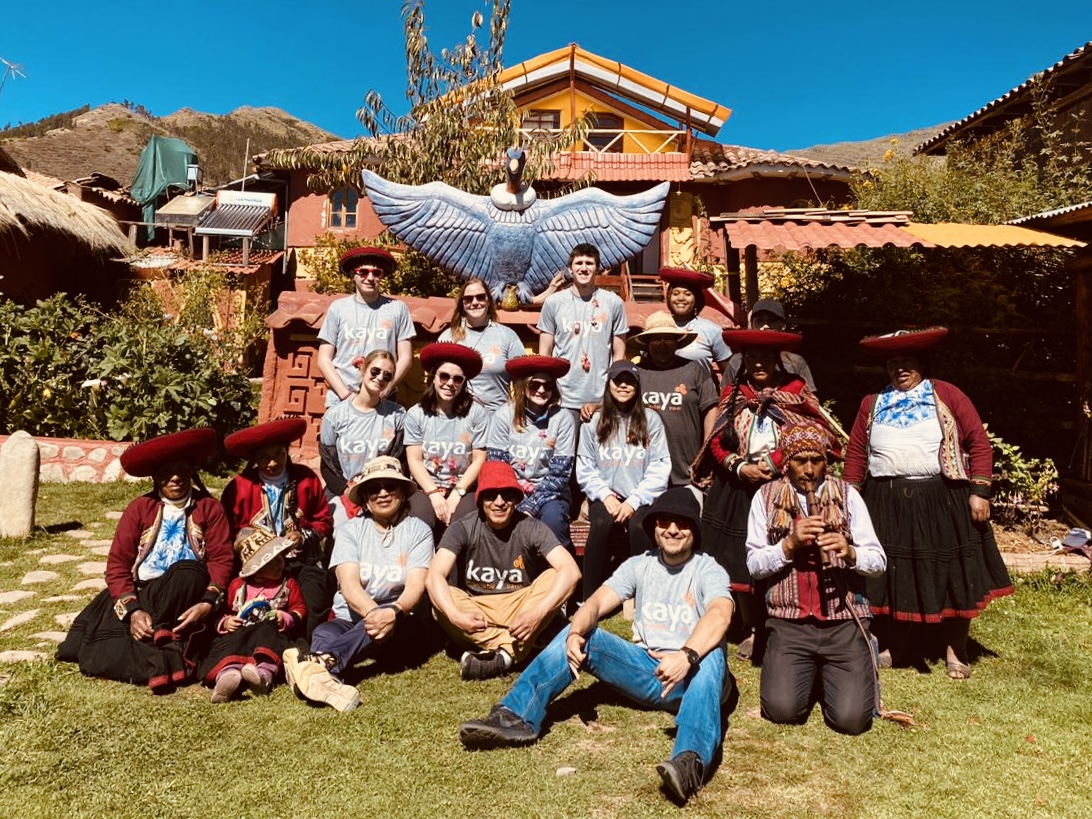
Kaya’s alternative break programs emphasise responsible travel and ethical community partnerships, creating meaningful cross-cultural experiences that support global citizenship, cultural understanding, and engaged learning.
Program Themes
Discover how this academic area takes shape in each destination. If you don’t see your country, or you already have an itinerary, connect with the Kaya team to start a discussion.
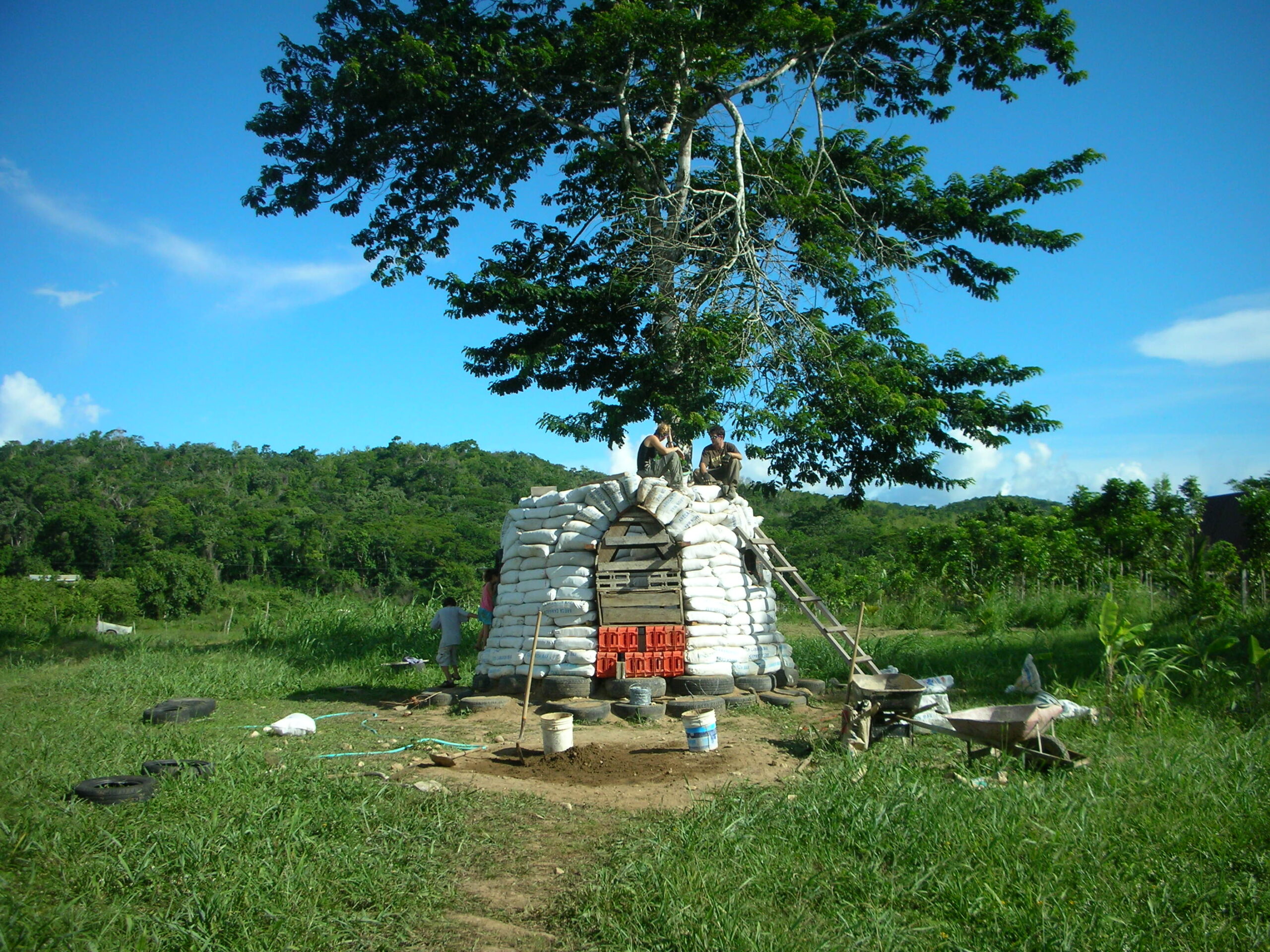
Service learning in Belize is grounded in the living systems of lowland tropical ecosystems. Custom group programs blend environmental stewardship, field-based research, and hands-on experience with community engagement, helping participants connect tropical biodiversity to sustainable development and responsible conservation practice.
develop your own program similar to this
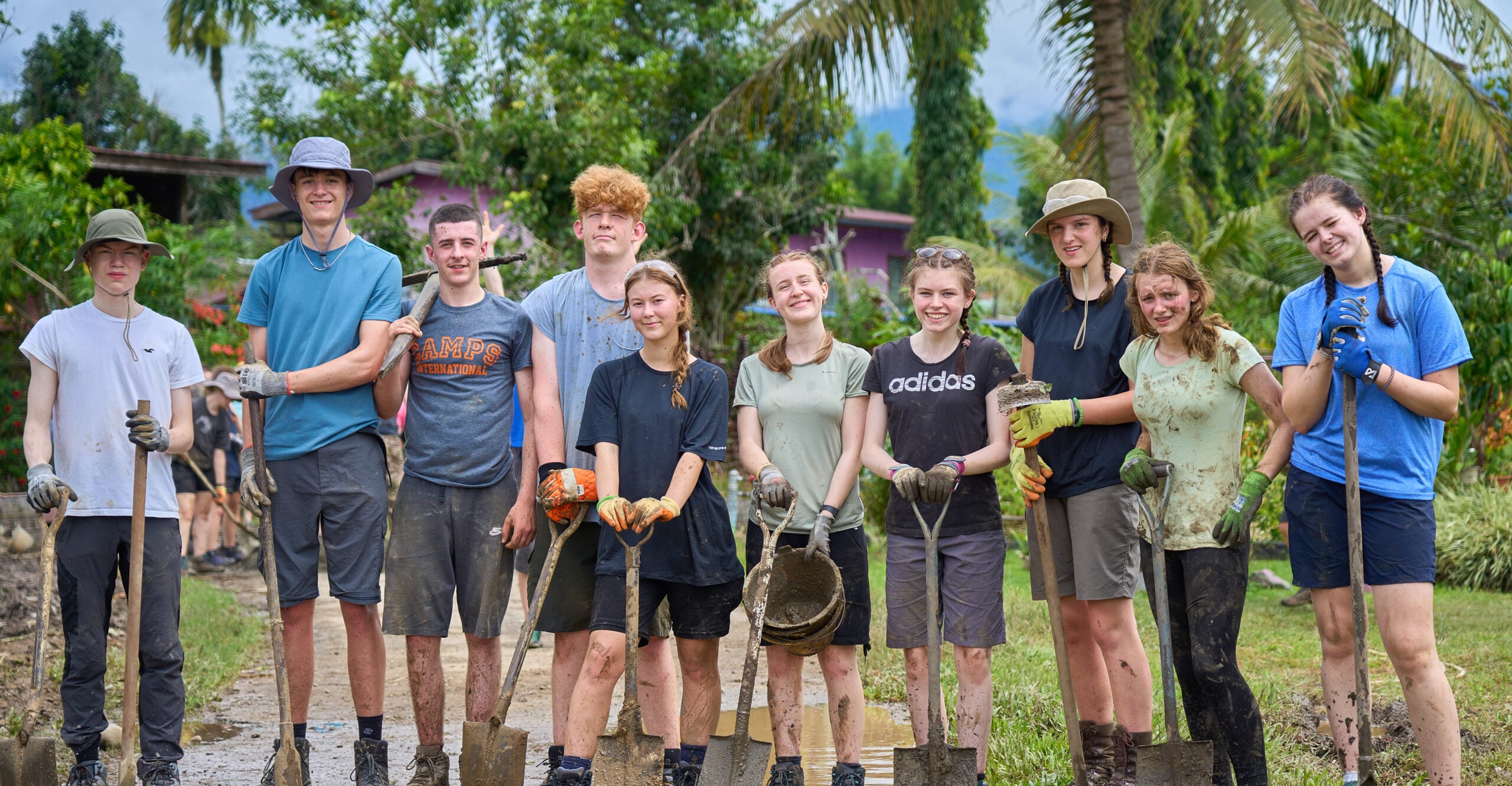
Borneo provides a field-based setting for examining how tourism revenue, local enterprise, and environmental protection can intersect in one of the world’s most biodiverse rainforest regions. This custom group program location combines experiential learning with field research into community-led tourism, destination management, and the real trade-offs behind conservation-focused travel.
develop your own program similar to this
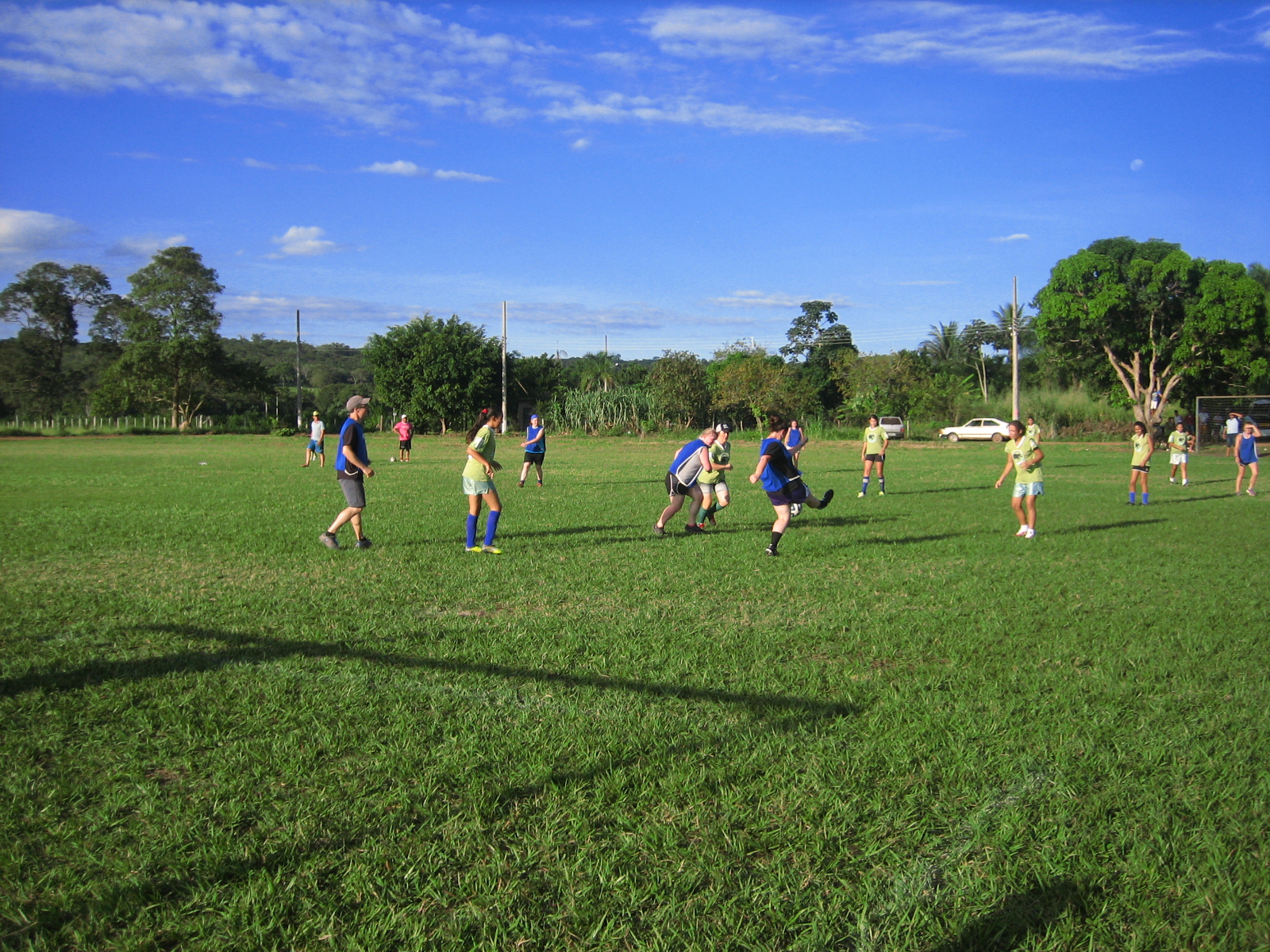
In Salvador, Rio de Janeiro, or São Paulo, service learning can move beyond volunteering to examine how communities define priorities and create change. Custom group programs support field-based experiential learning through locally guided service, skill-sharing, reflection, and cross-cultural immersion in complex social contexts.
develop your own program similar to this
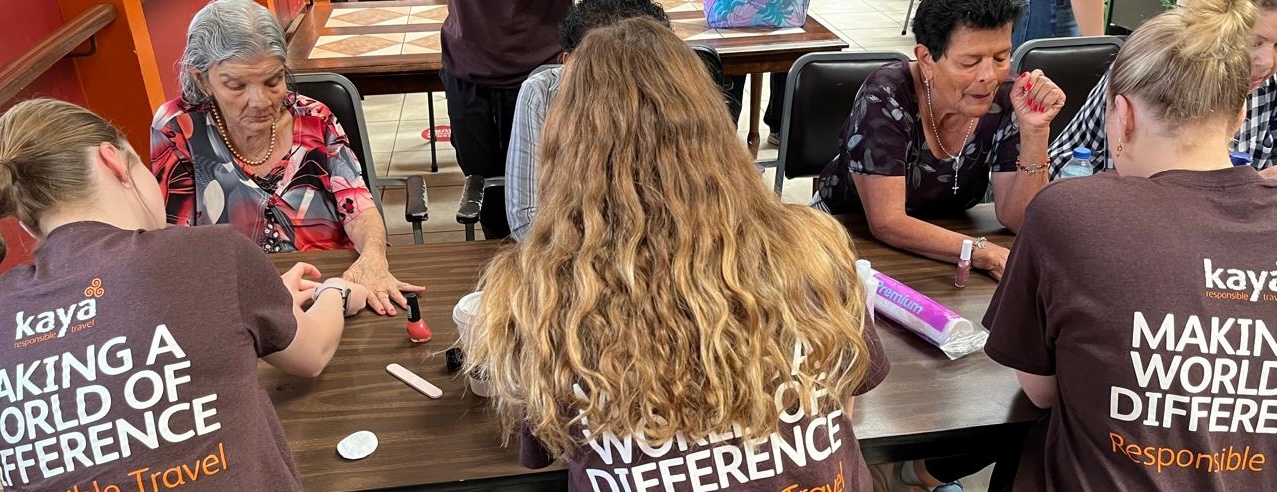
Meaningful service begins with listening to community partners and supporting their established priorities. Custom group programs provide field-based experiential learning alongside educators, caregivers, and social-service professionals in settings serving children, older adults, and families
develop your own program similar to this
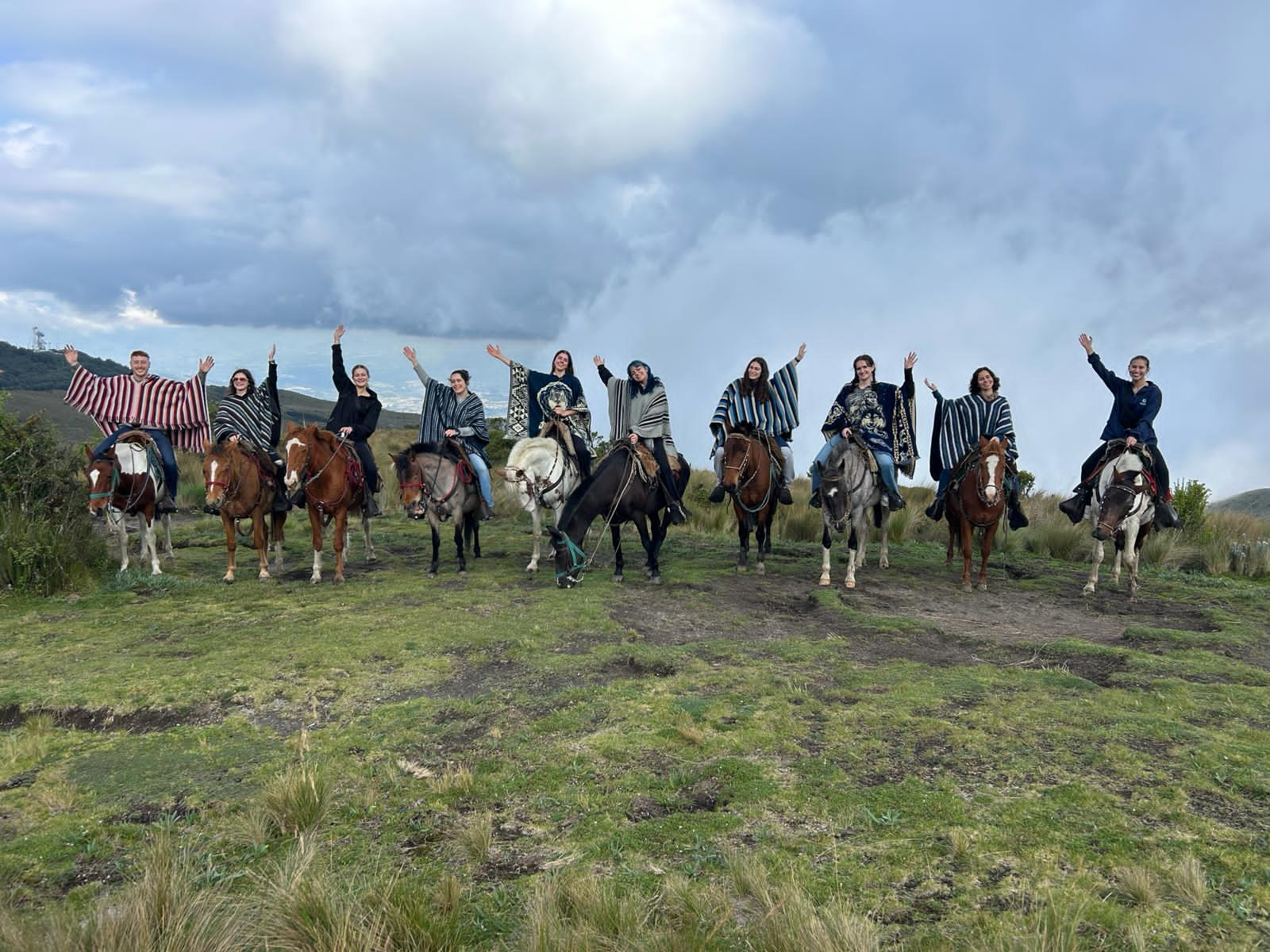
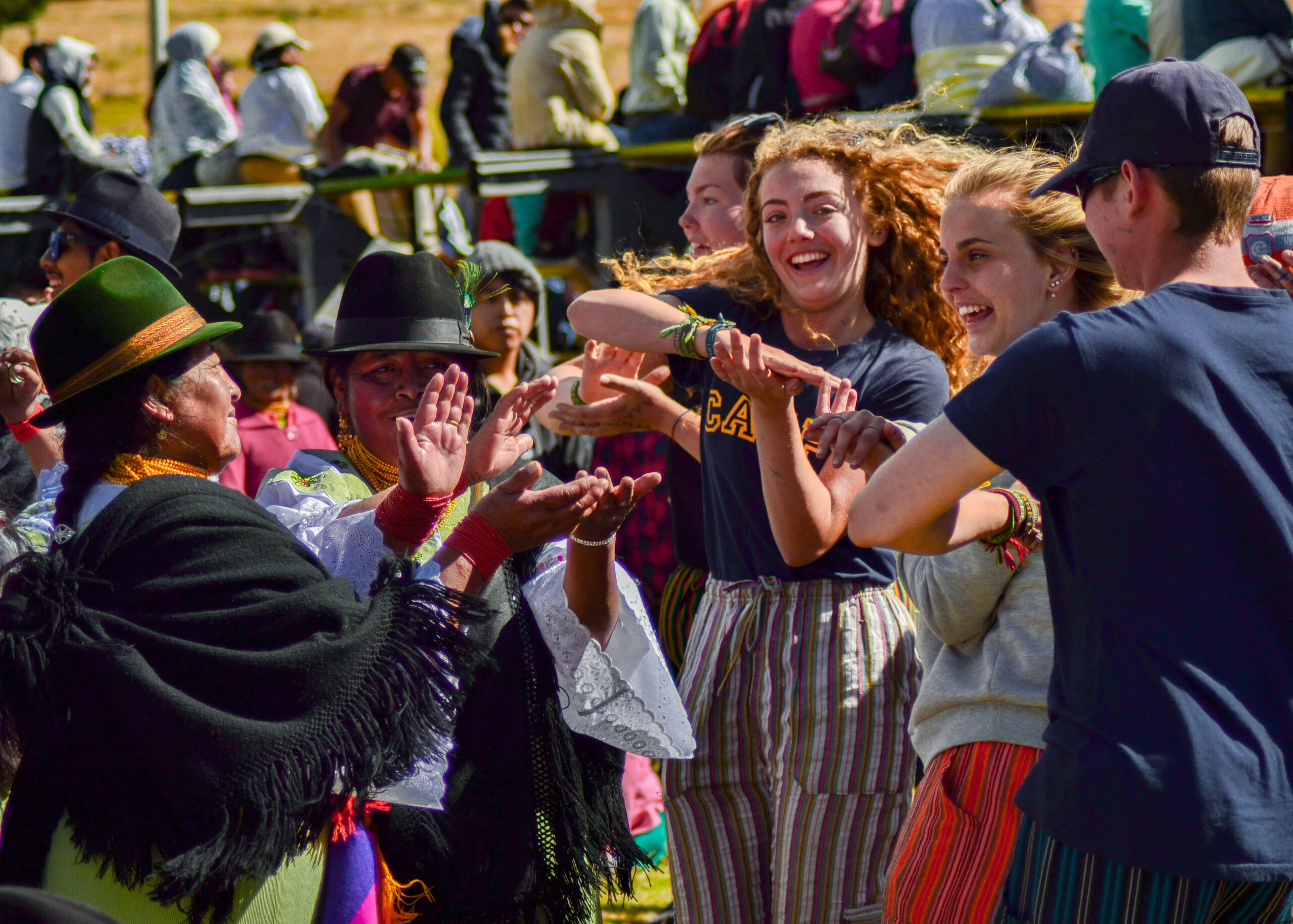
Service learning in Ecuador centers community-defined priorities, ethical engagement, and shared responsibility. Custom group programs offer hands-on experience in conservation, education, public health, food systems, and livelihood initiatives while connecting reflection to power, privilege, sustainability, and global citizenship.
develop your own program similar to this
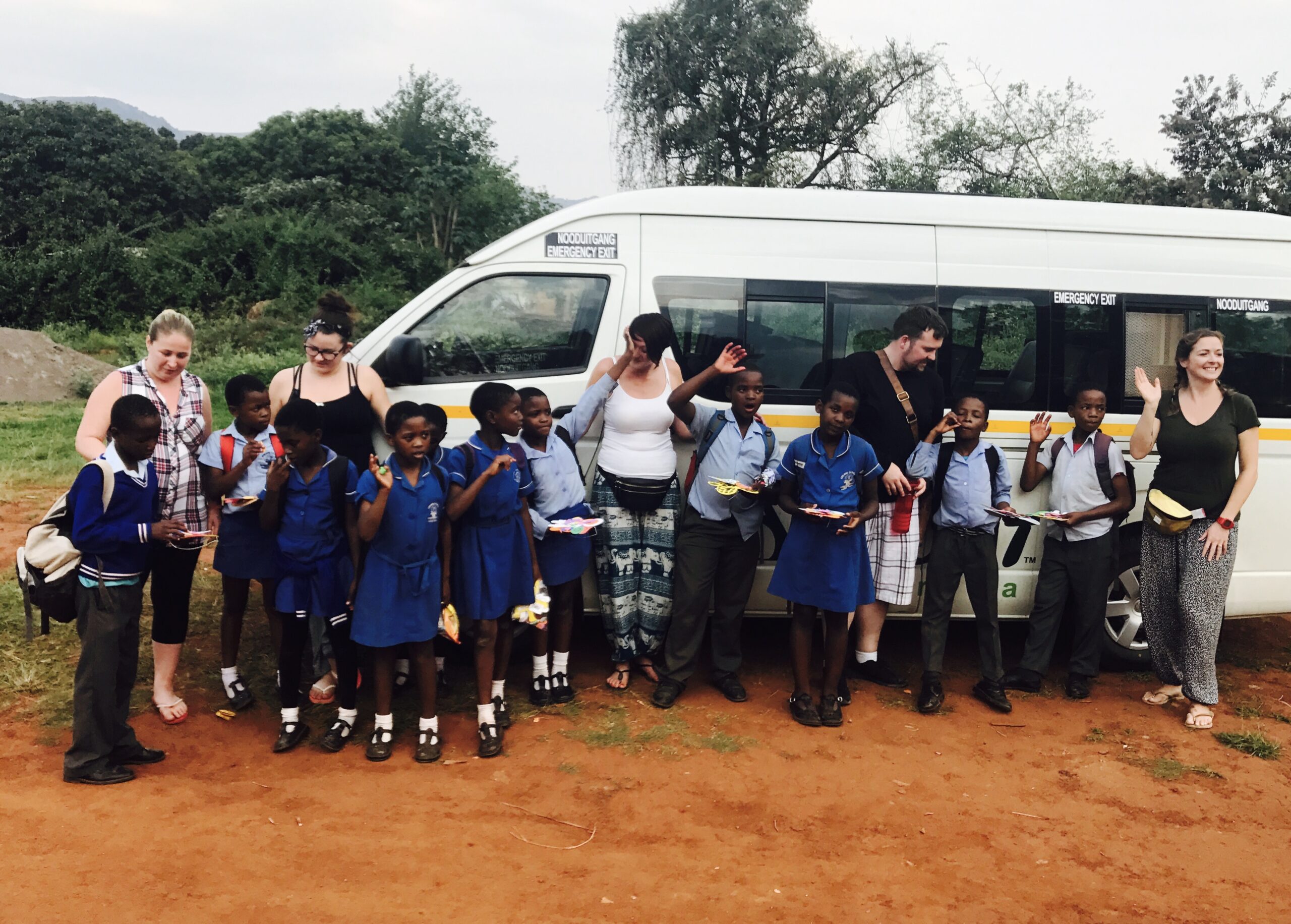
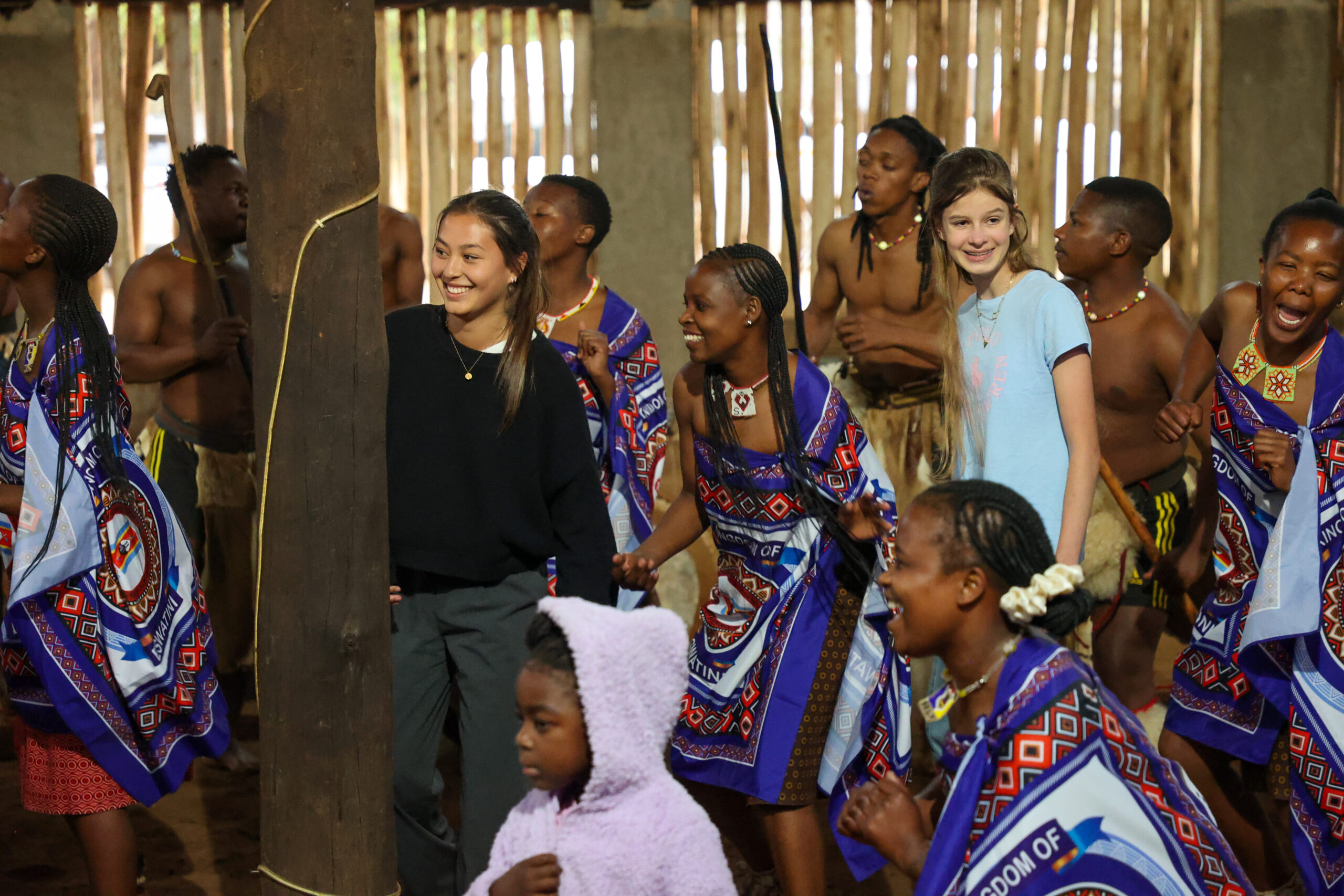
Eswatini provides a community-centered context for service learning through local education, food security, poverty reduction, and social-enterprise initiatives. Cultural learning, volunteer work, and sustained engagement with local projects offer a practical way to examine how communities respond to local needs through collaboration, skills development, and long-term support.
develop your own program similar to this
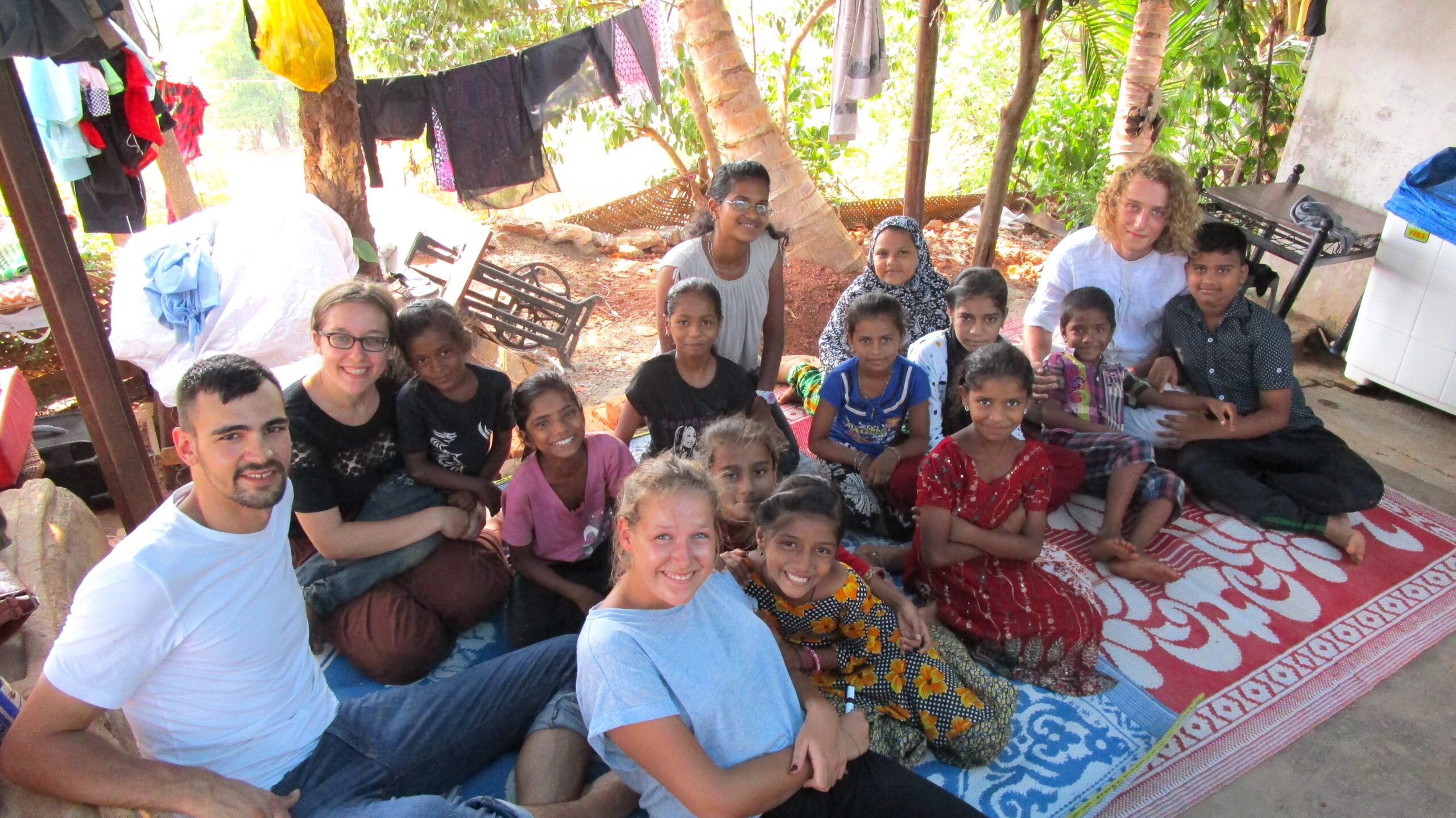
India offers a broad setting for service learning that connects education, public health, women’s leadership, animal welfare, environmental awareness, and community development. Custom group programs can combine hands-on experience and cross-cultural immersion with structured, locally guided projects that prioritize safeguarding, reciprocal learning, and community-defined goals.
develop your own program similar to this
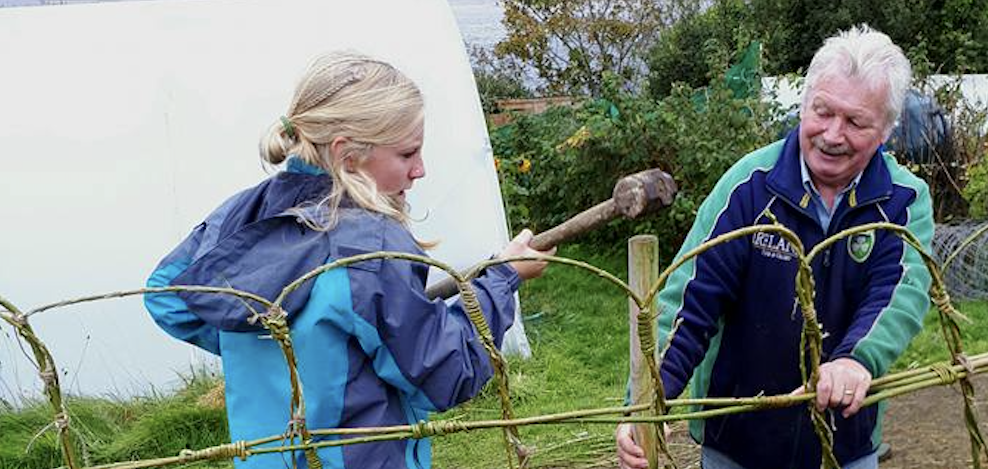
Service learning in Ireland brings community connection and outdoor experience into the same learning environment. Custom group programs offer experiential learning and hands-on service alongside local organizations, guides, and volunteers, encouraging cross-cultural immersion through shared work in rural and coastal communities.
develop your own program similar to this
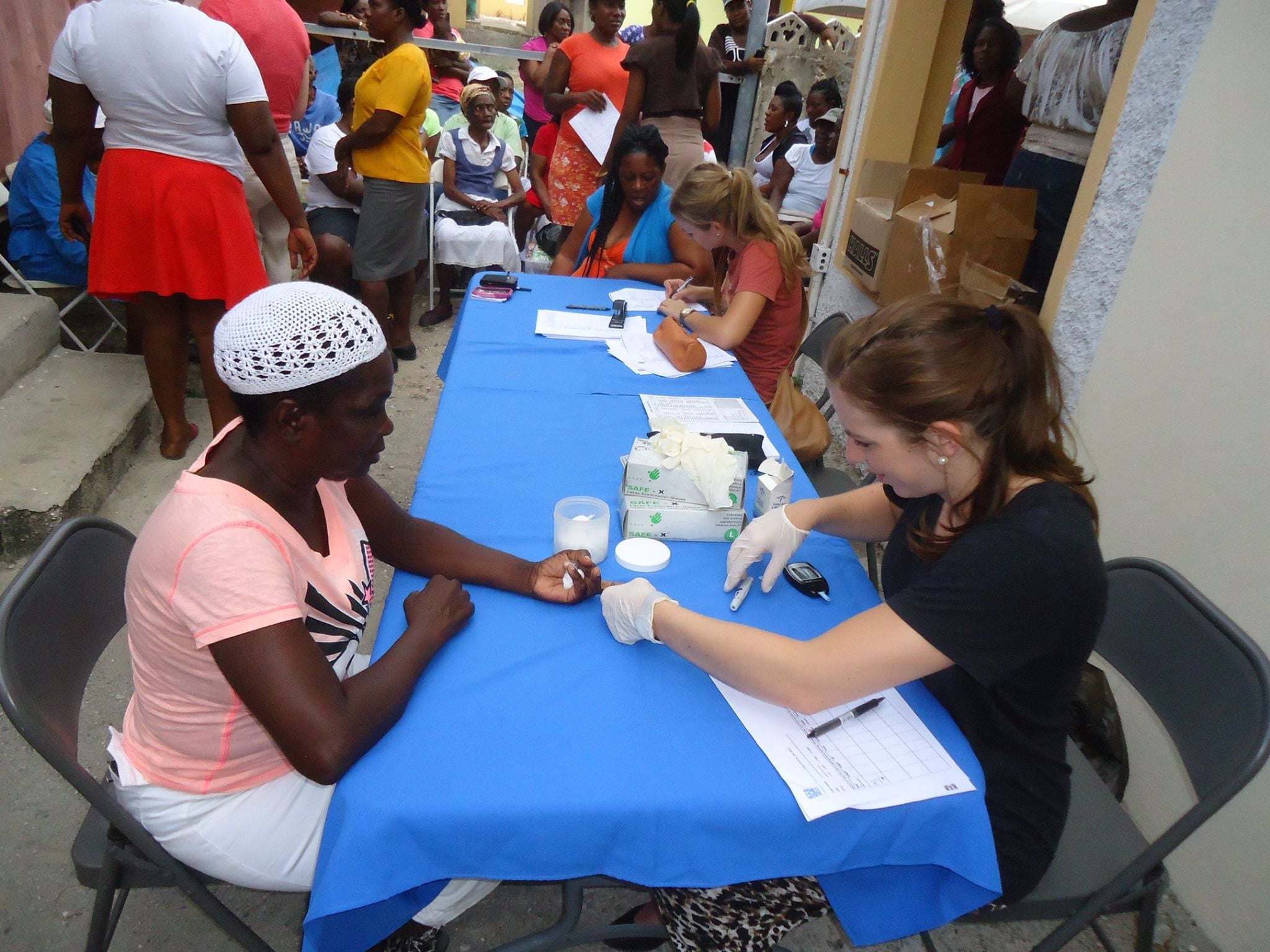
Jamaica offers a setting where community health, elder support, environmental stewardship, and civic life can be examined together. Custom group programs can incorporate field-based experiential learning through screenings, health education, conservation activities, and community dialogue led by local partners.
develop your own program similar to this
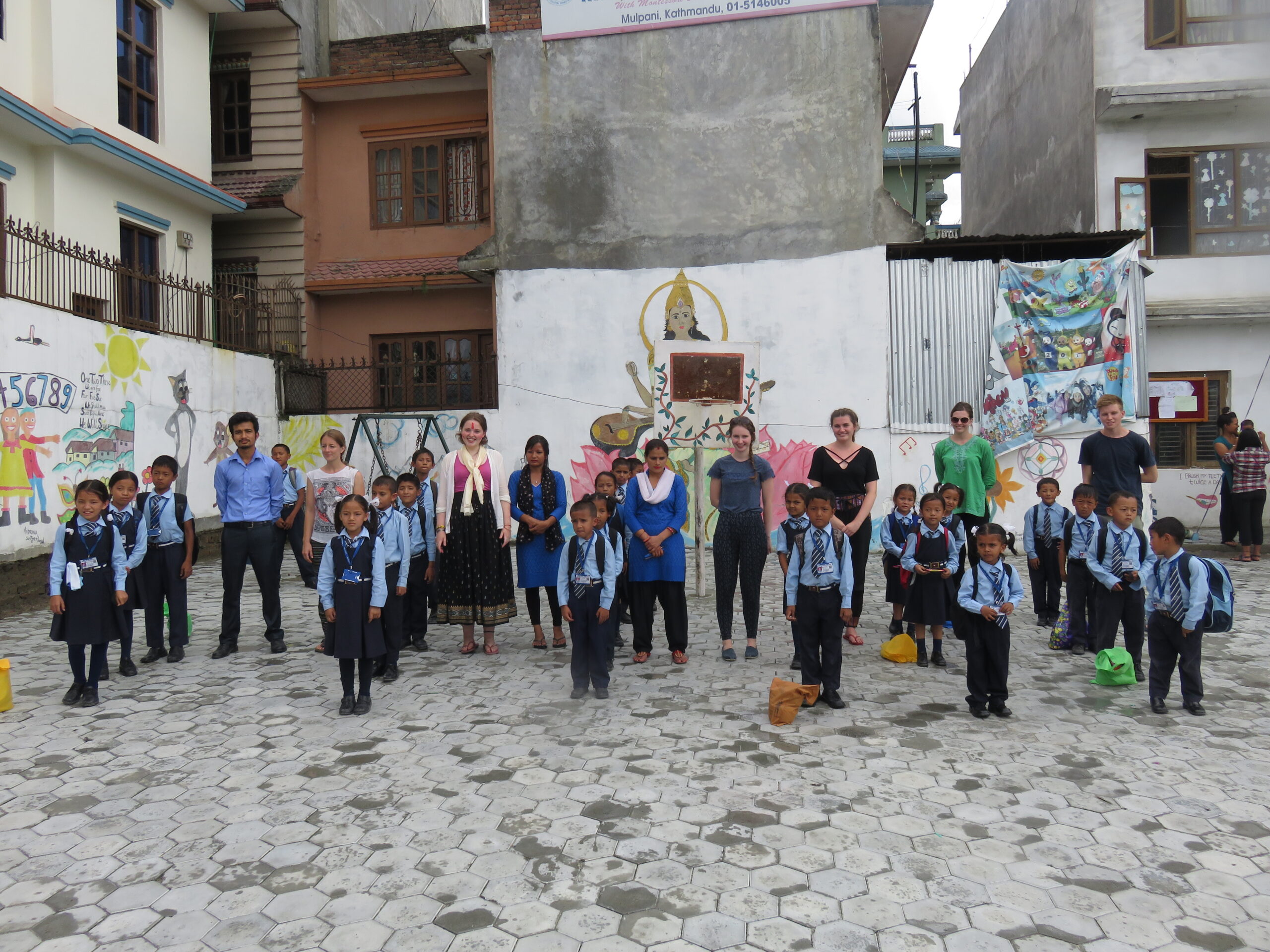
Kathmandu offers a close view of how schools, care settings, women’s groups, monasteries, and neighborhood initiatives contribute to community well-being. Custom group programs pair hands-on experience with reflection on ethical service, reciprocal partnerships, and cross-cultural immersion guided by local priorities.
develop your own program similar to this
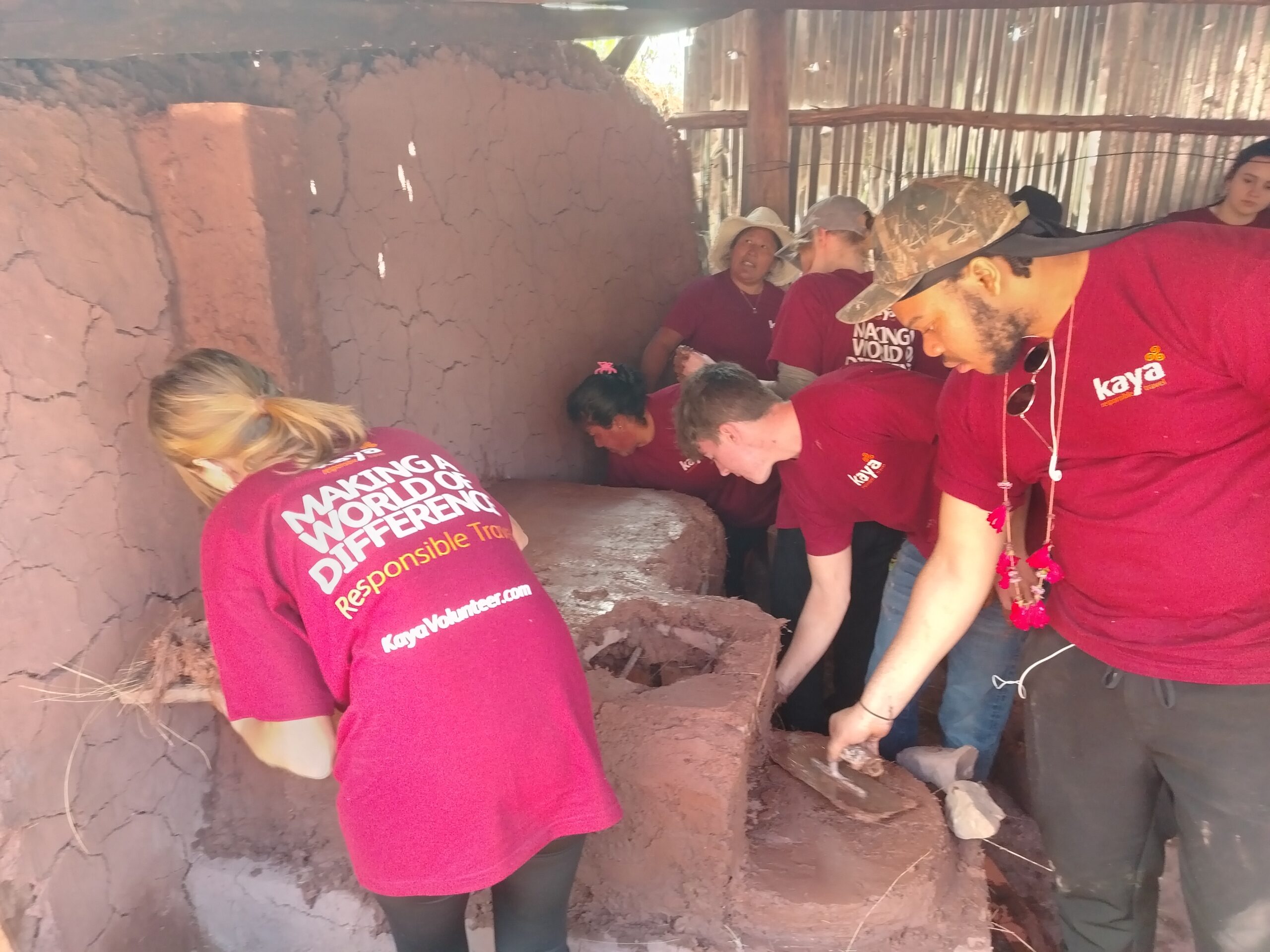
In rural Andean communities, water, sanitation, and food production are lived realities shaped by climate, culture, and local knowledge. Custom group programs create space for field-based experiential learning and cross-cultural immersion, with hands-on experience guided by local families, skilled technicians, and community partners.
develop your own program similar to this
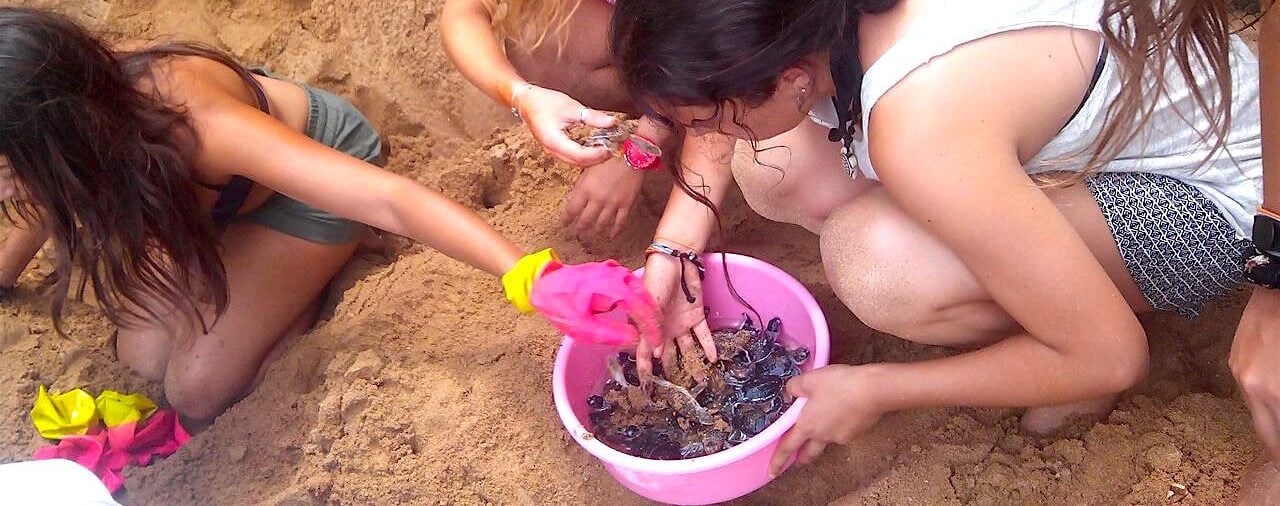
From coastal conservation work to community-based education, Sri Lanka offers a setting where service can be examined through environmental responsibility, social equity, and locally defined needs. Field-based custom group programs support experiential learning and hands-on experience while emphasizing ethical participation, safeguarding, and cross-cultural immersion.
develop your own program similar to this
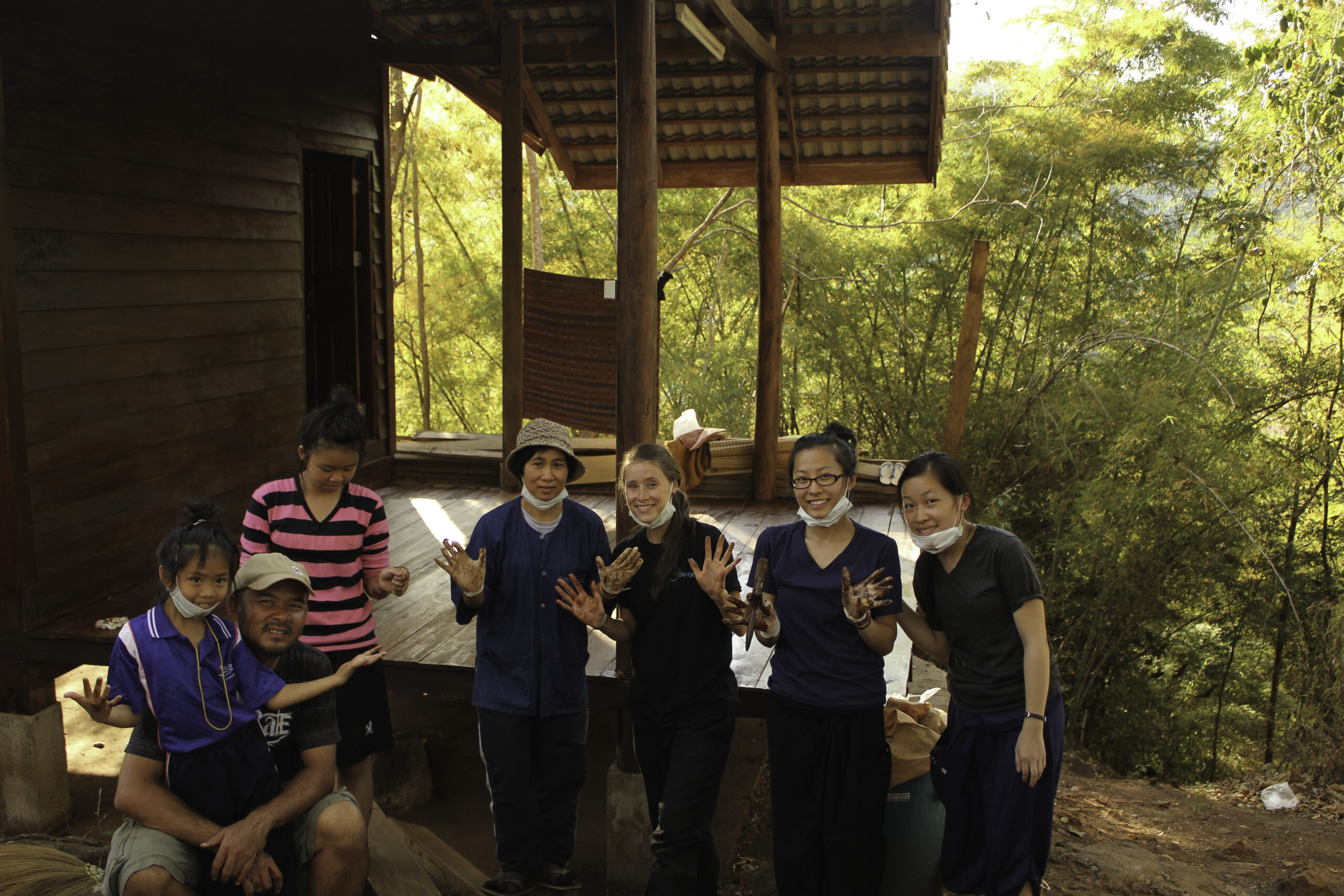
A Thailand alternative break creates space to learn alongside communities rather than simply provide short-term assistance. Through custom group programs, participants can apply their skills through experiential learning in schools, childcare settings, health initiatives, and community projects while building cross-cultural understanding through structured reflection and local guidance.
develop your own program similar to this
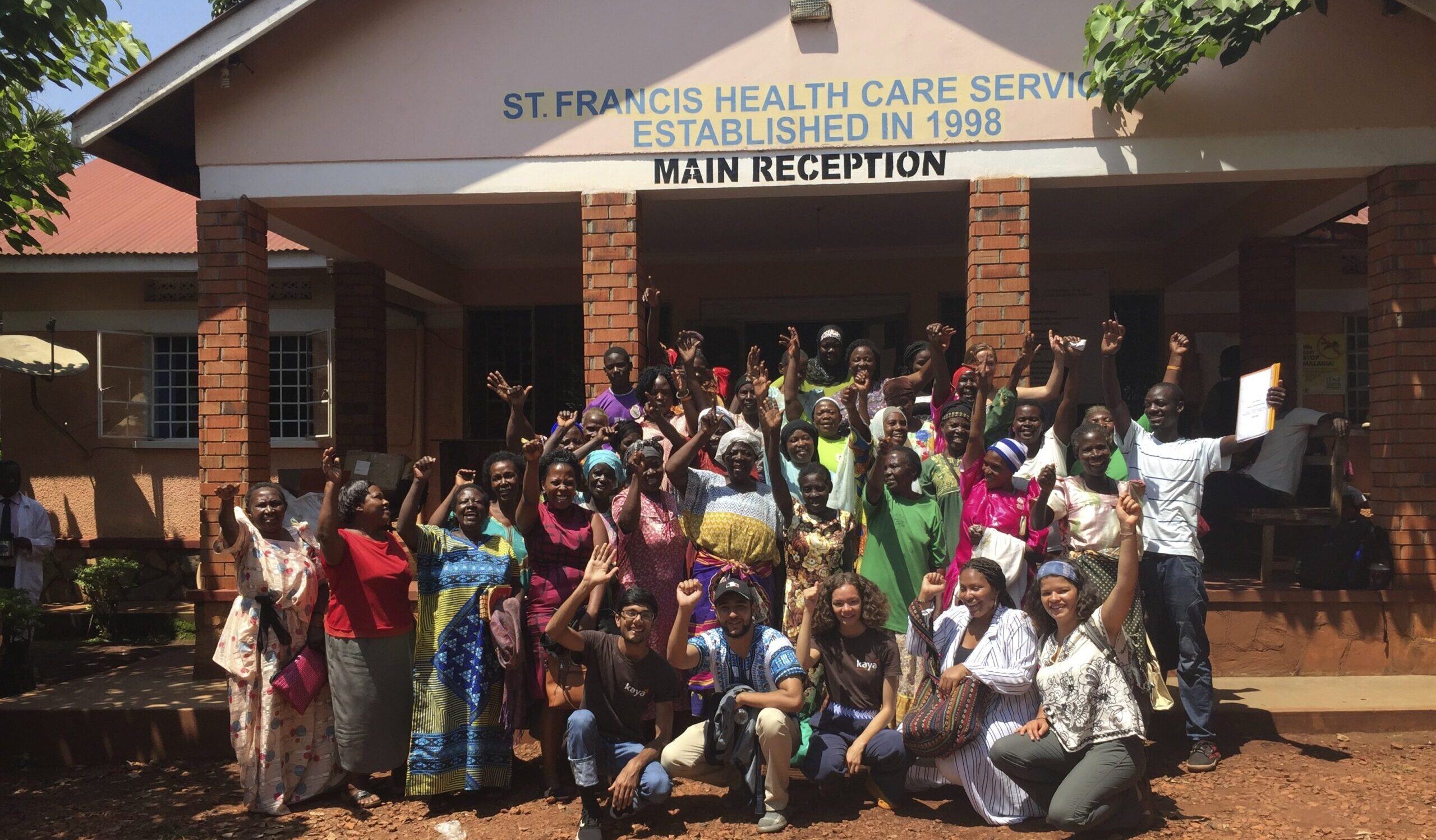
Locally led projects provide the starting point for service learning in Uganda. Through custom group programs, participants gain practical experience in community partnership, sustainable development, and responsible volunteering while engaging in meaningful cultural exchange with local leaders, families, and organizations.
develop your own program similar to this
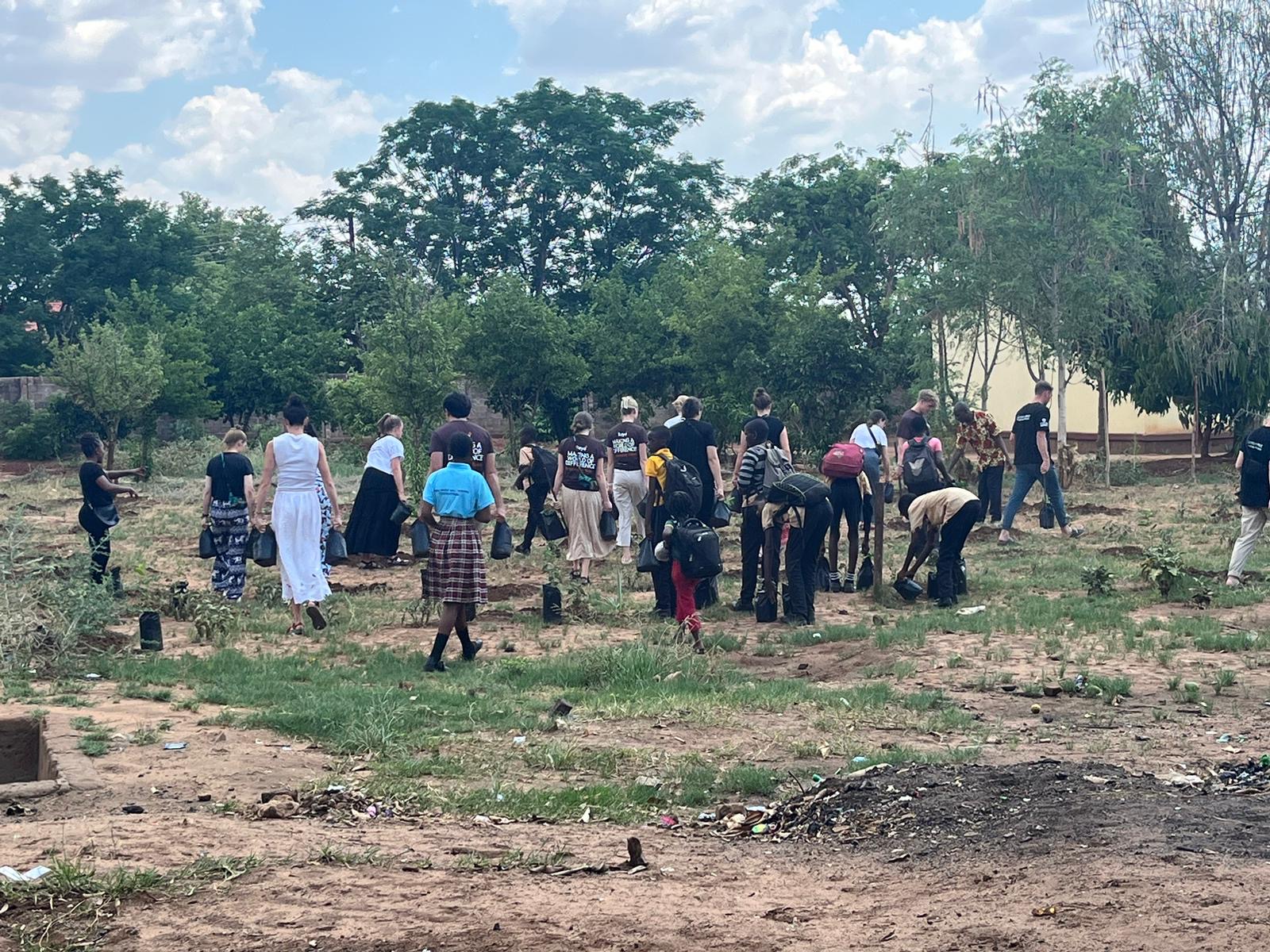
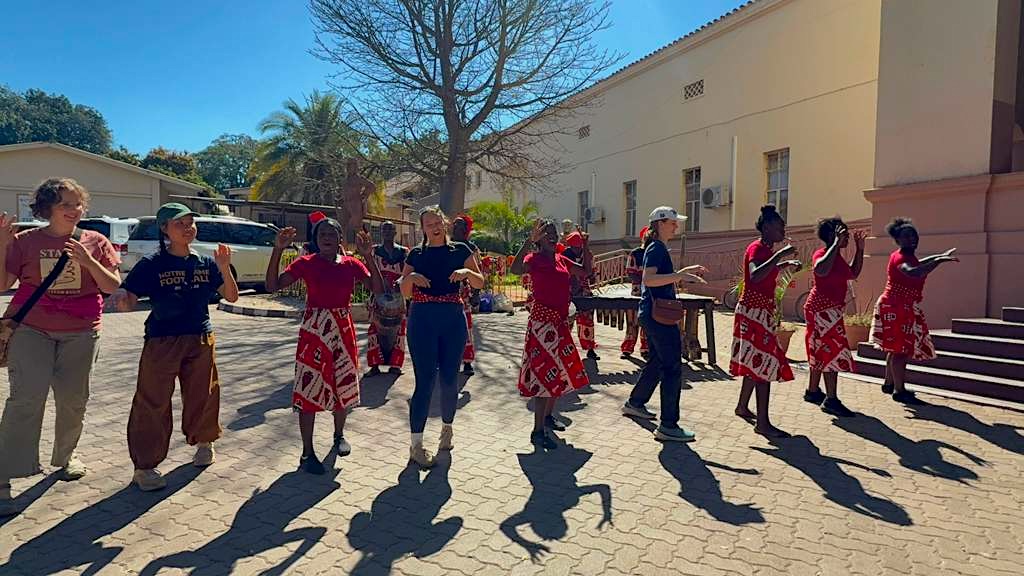
Zambia provides a strong setting for travel centered on ethical service, community-led development, and environmental responsibility. Custom group programs in the Livingstone region can combine field-based inquiry, hands-on experience, and cross-cultural immersion while examining how tourism, health, education, and conservation shape local priorities and livelihoods.
develop your own program similar to this
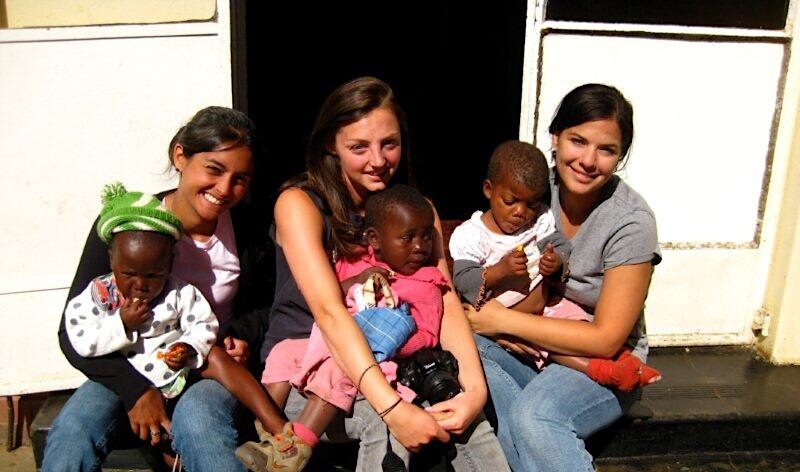
Zimbabwe provides a grounded setting for alternative break and service-learning programs that connect community priorities with long-term, locally guided action. Experiential learning can examine responsible volunteering, rural education, clean water and sanitation, renewable energy, and human–wildlife coexistence while centering reciprocal partnerships and sustainable community infrastructure.
develop your own program similar to this
1
Together we’ll discuss your program goals and needs.
 2
With your input, we develop and fine-tune the perfect itinerary.
 3
We support institutional approvals and recruitment processes to ensure a successful launch!
 4
From pre-departure planning until your return, we’re with you every step of the way!
FAQS
An alternative breaks or service learning program can help students explore community priorities, cross-cultural collaboration and responsible service through locally informed activities, shared learning and structured reflection.
Kaya collaborates with faculty, group leaders and local partners to identify activities that reflect community priorities and are appropriate to participants’ skills, learning goals and available time.
Faculty and group leaders can connect service activities with academic or co-curricular goals through guided discussion and structured reflection, helping students consider local perspectives, their contributions and the responsibilities of community engagement.
Yes. Kaya can adapt an alternative breaks and service learning program to the group’s interests, experience, ages and learning goals while considering local priorities and the scope of the planned activities.
Testimonials
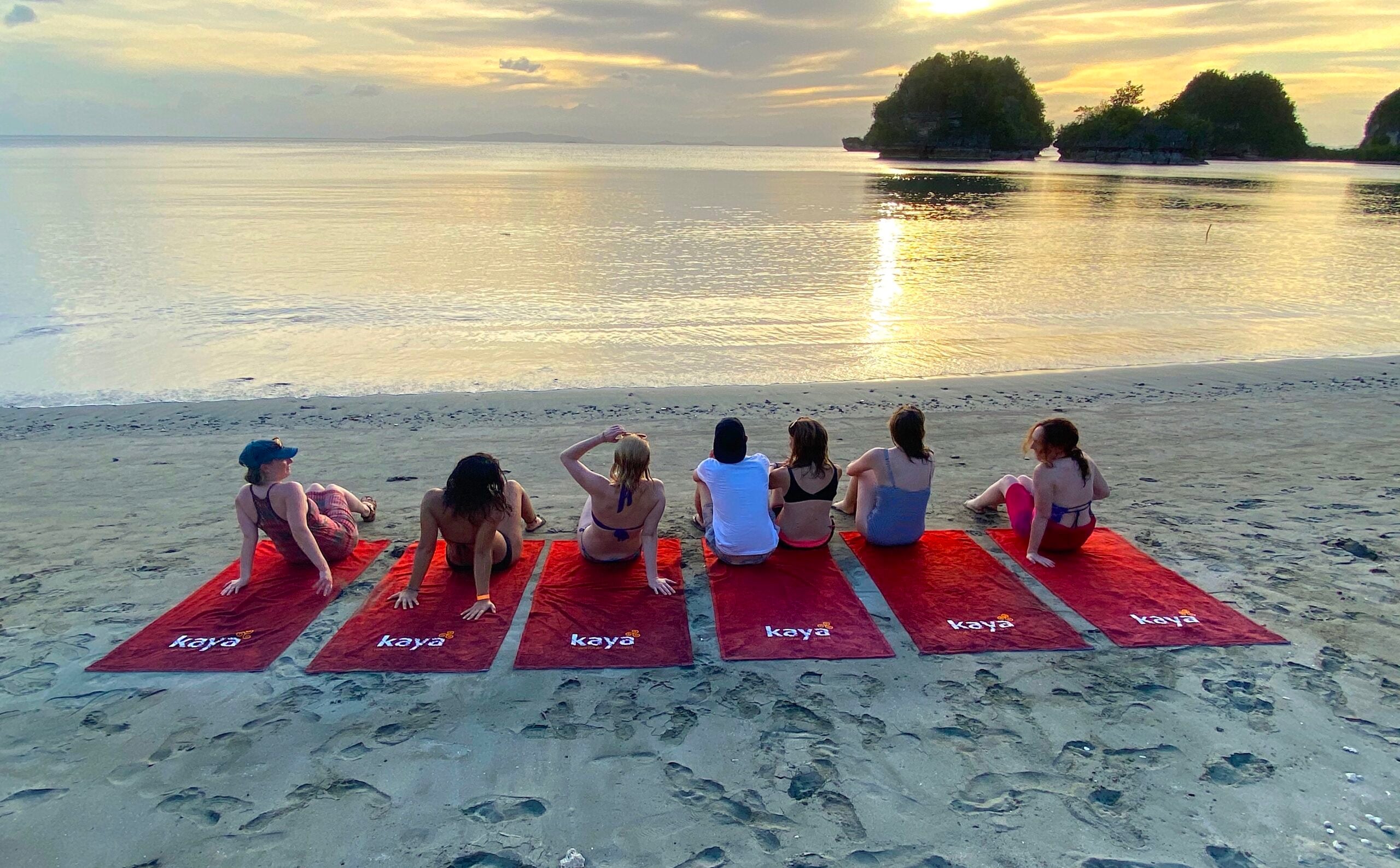
With a focus on experiential education and the UN Sustainable Development Goals, your group can immerse and engage with international communities and environments across the globe.