








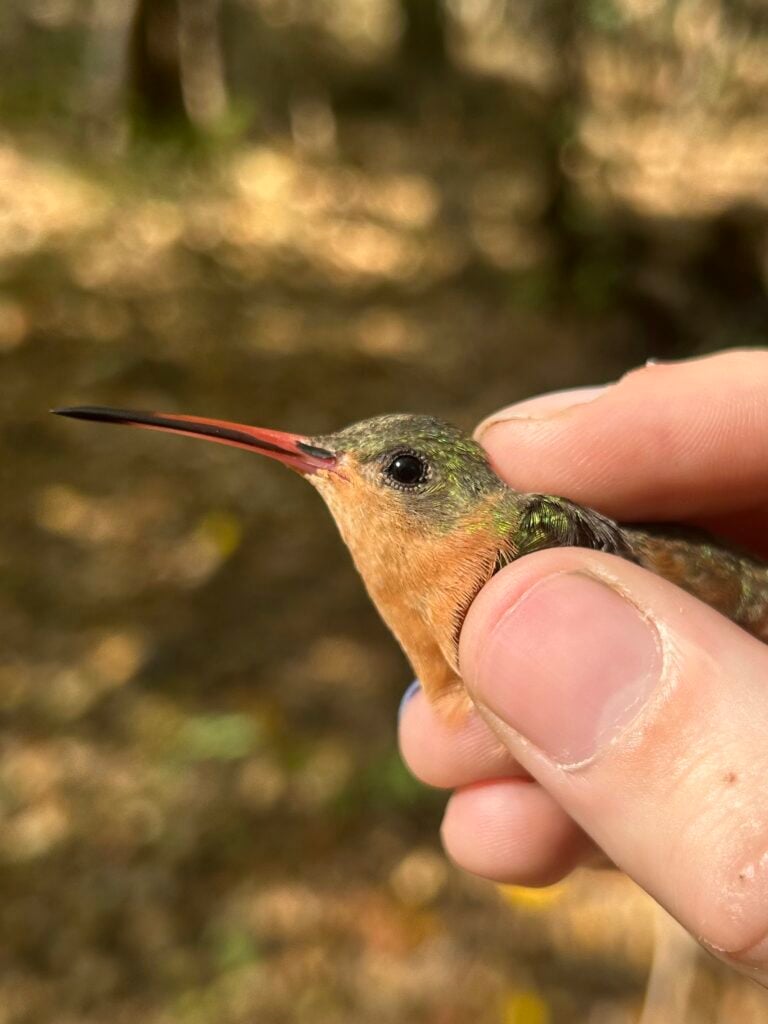
Studying Avian Migration in Costa Rica
- Animal Science
- Biology, Environmental Science & Sustainability
Costa Rica is known for environmental leadership and political stability in Central America. Rainforests, volcanoes, and protected coastlines create a compact and research-driven setting for sustainability-focused programs.
Design a program hereAbout Costa Rica
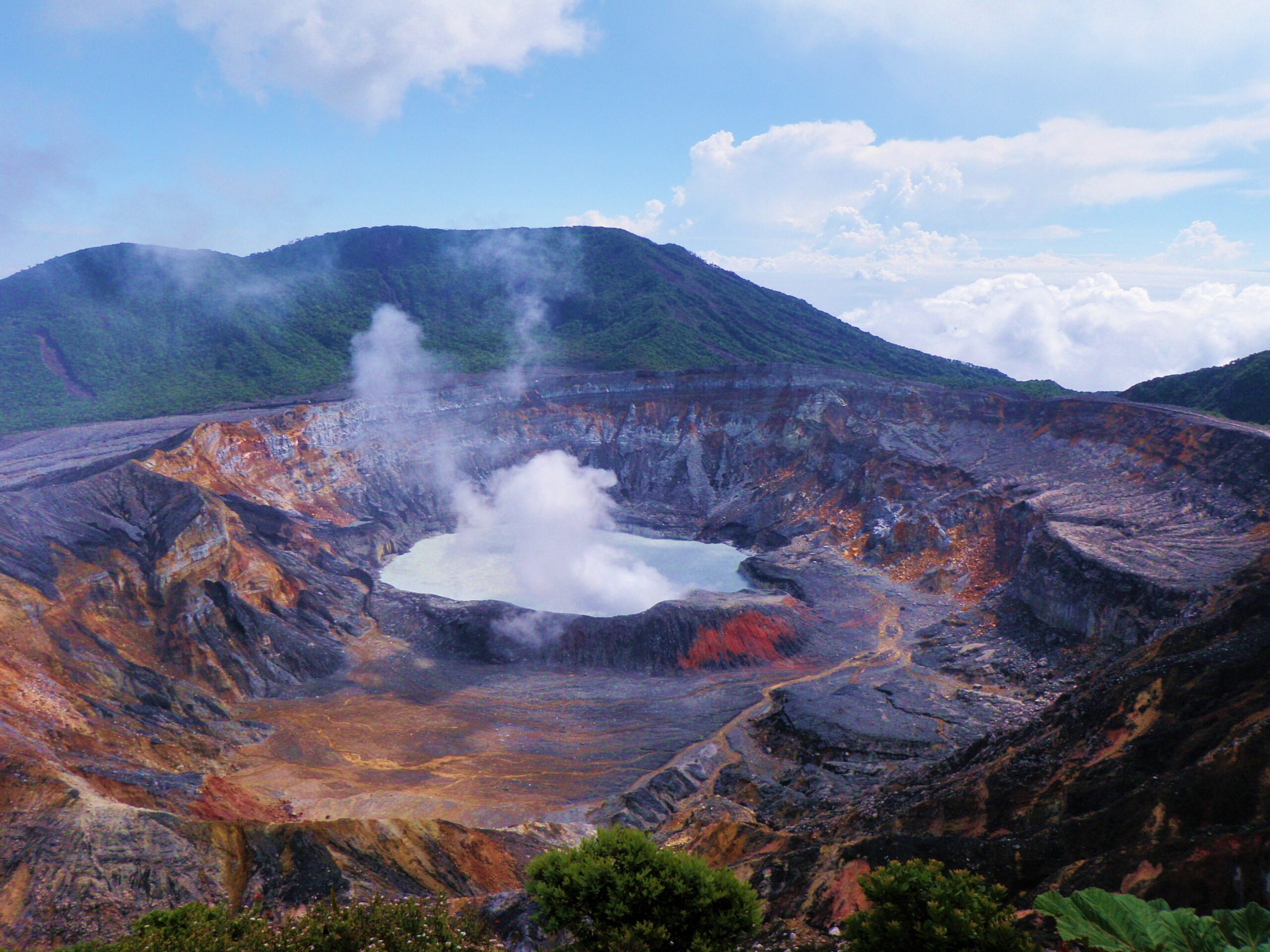
Costa Rica is recognized globally for conservation policy. Faculty can design programs around national parks, biodiversity protection, and environmental governance, including the constitutional recognition of nature’s rights.
Tropical ecosystems and cloud forests provide strong field-based contexts for biological research. Programs explore habitat protection, species management, and ecosystem resilience across both Atlantic and Pacific coastlines.
Sustainable agriculture and coffee production offer practical case studies in rural livelihoods and ethical supply chains. Faculty can connect agro-ecology with eco-tourism and community development models.
Costa Rica’s decision to abolish its military redirected national investment toward education and environmental protection. Programs can examine how governance choices shape long-term development strategy.
Costa Rica offers a clear model of sustainability in practice. Kaya supports faculty-led programs through established partnerships designed around structured learning outcomes in conservation, research, and community engagement.
Program Themes
Discover just some of the different topics and themes you can focus your program on in Costa Rica. If you don’t see your topic area, or you already have a ready-made itinerary, connect with the Kaya team to start a discussion!
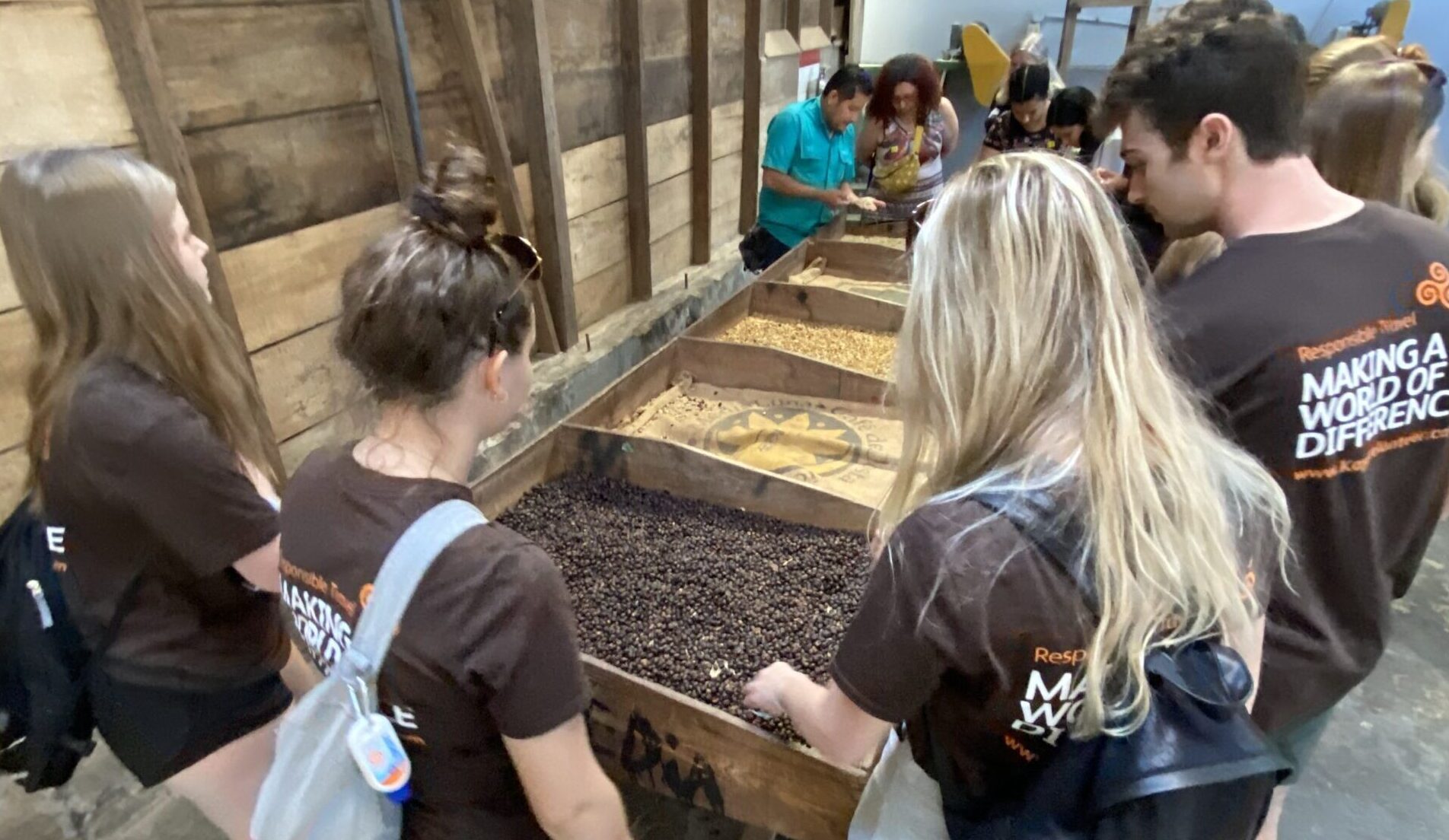
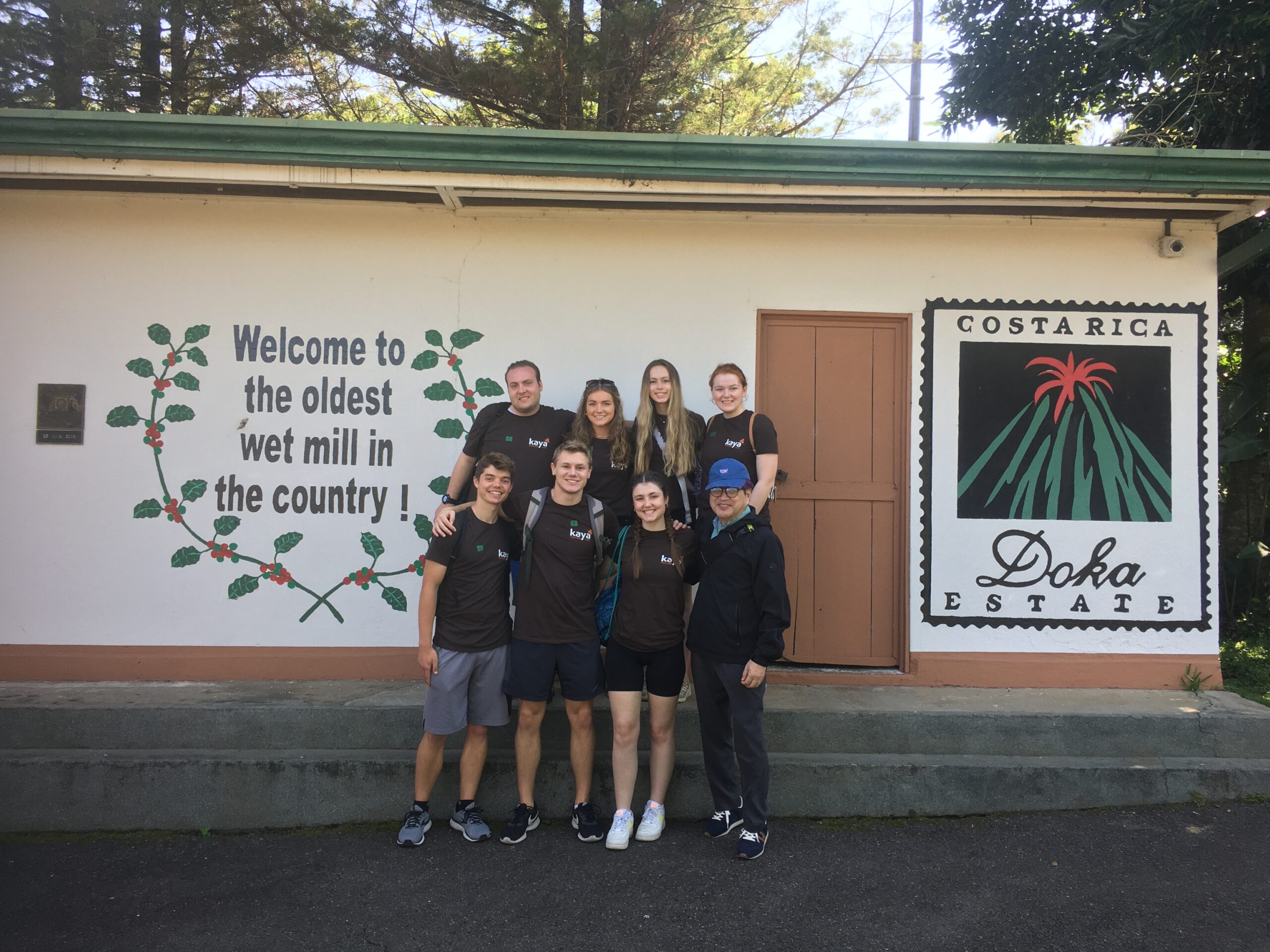
Costa Rica’s coffee and cacao landscapes show how tropical farming can connect production, biodiversity, and rural livelihoods. Custom group programs offer field-based experiential learning with growers, researchers, and food producers, providing hands-on experience with agroforestry, ethical sourcing, and climate-smart practices.
develop your own program similar to this
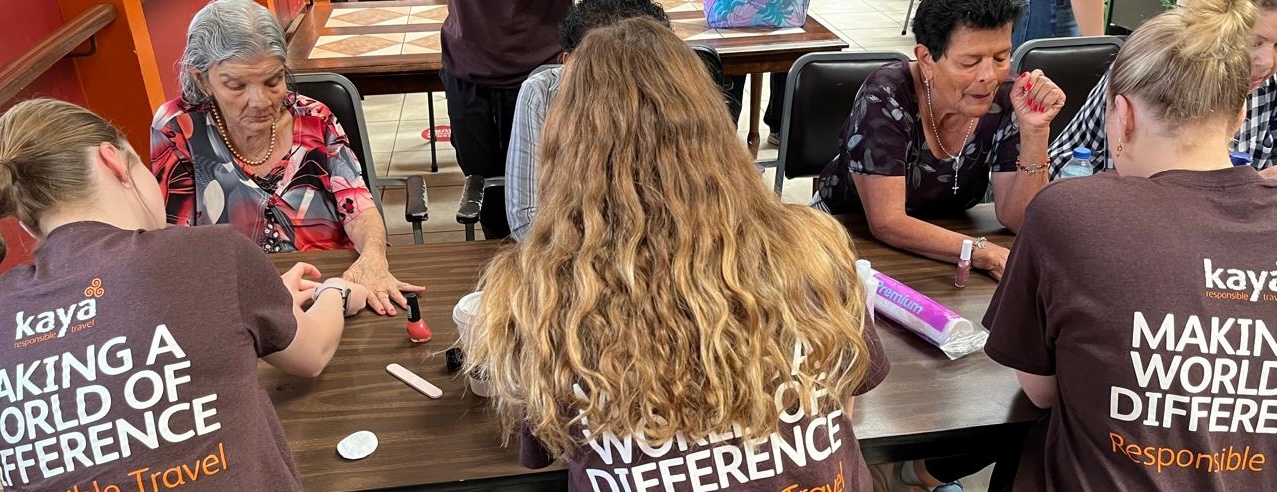
Meaningful service begins with listening to community partners and supporting their established priorities. Custom group programs provide field-based experiential learning alongside educators, caregivers, and social-service professionals in settings serving children, older adults, and families
develop your own program similar to this

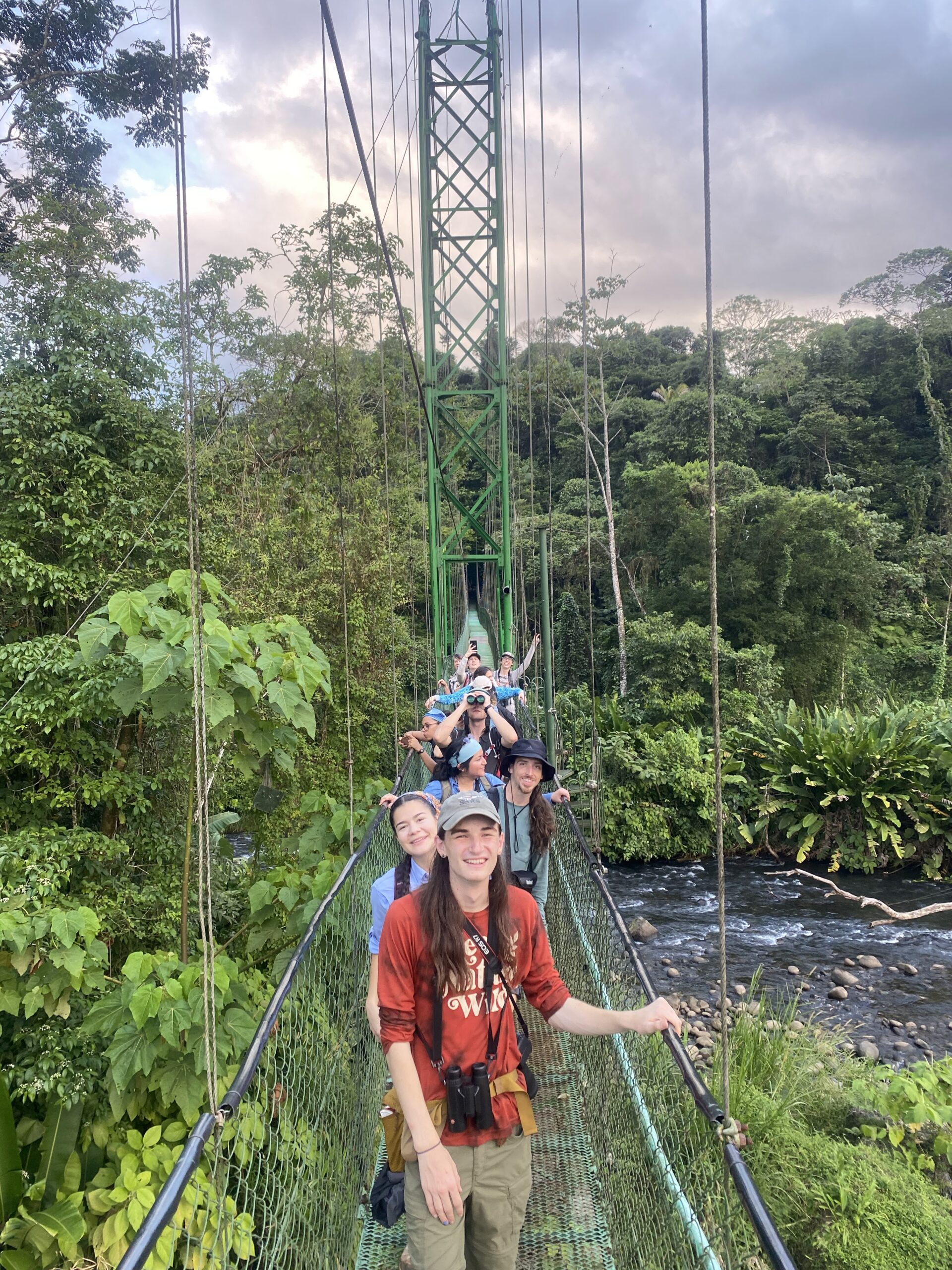
Explore tropical biology and environmental sustainability through immersive learning in some of the world’s most diverse forest, farm, river, and coastal ecosystems. Students can examine conservation challenges firsthand while developing practical skills in wildlife research, habitat protection, climate adaptation, sustainable agriculture, and responsible ecotourism.
develop your own program similar to this
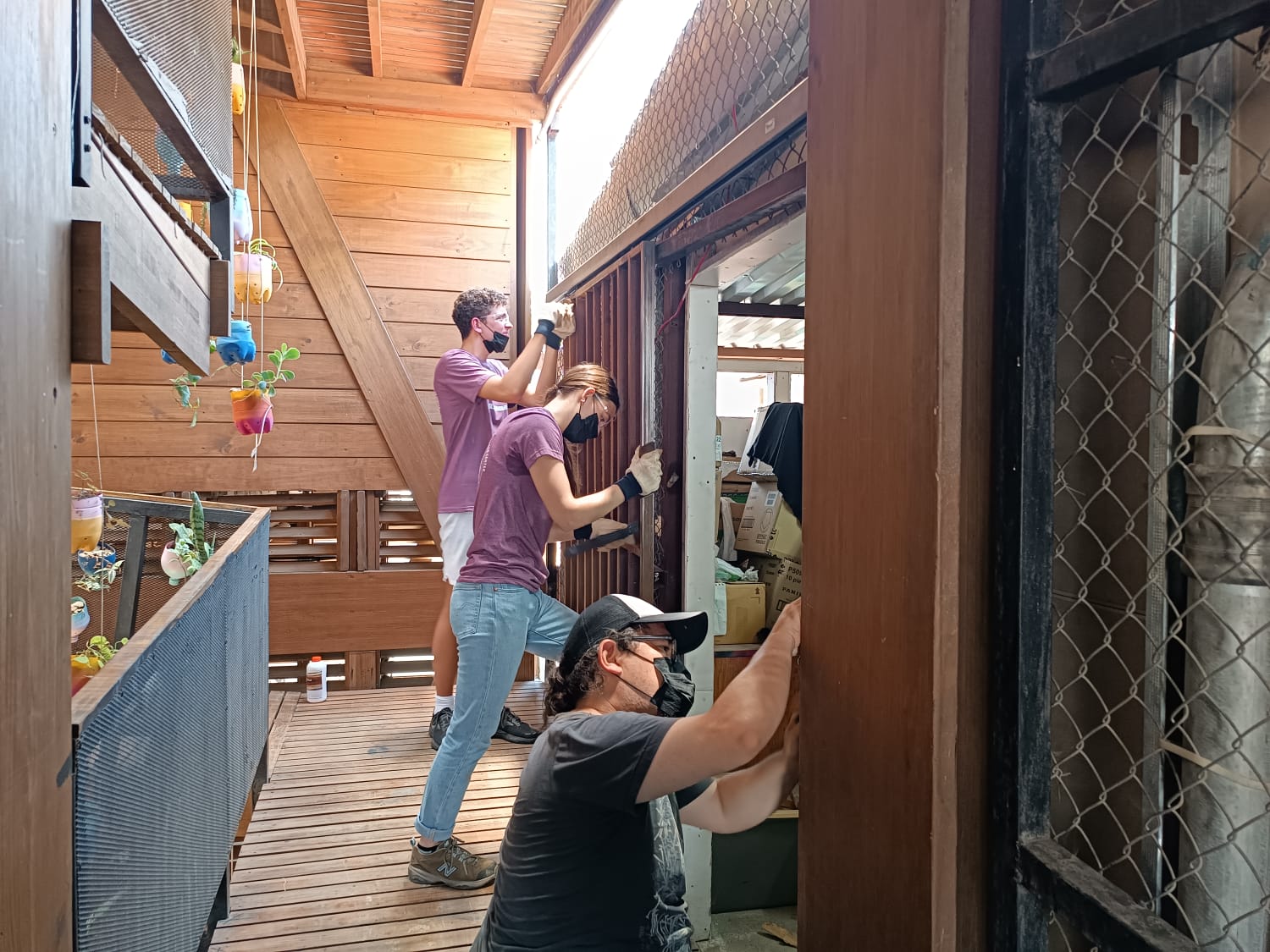
Costa Rica’s renewable energy transition brings engineering, innovation, and environmental responsibility into direct conversation. Custom group programs provide experiential learning and hands-on experience with clean power, resource management, resilient infrastructure, and cross-cultural collaboration.
develop your own program similar to this
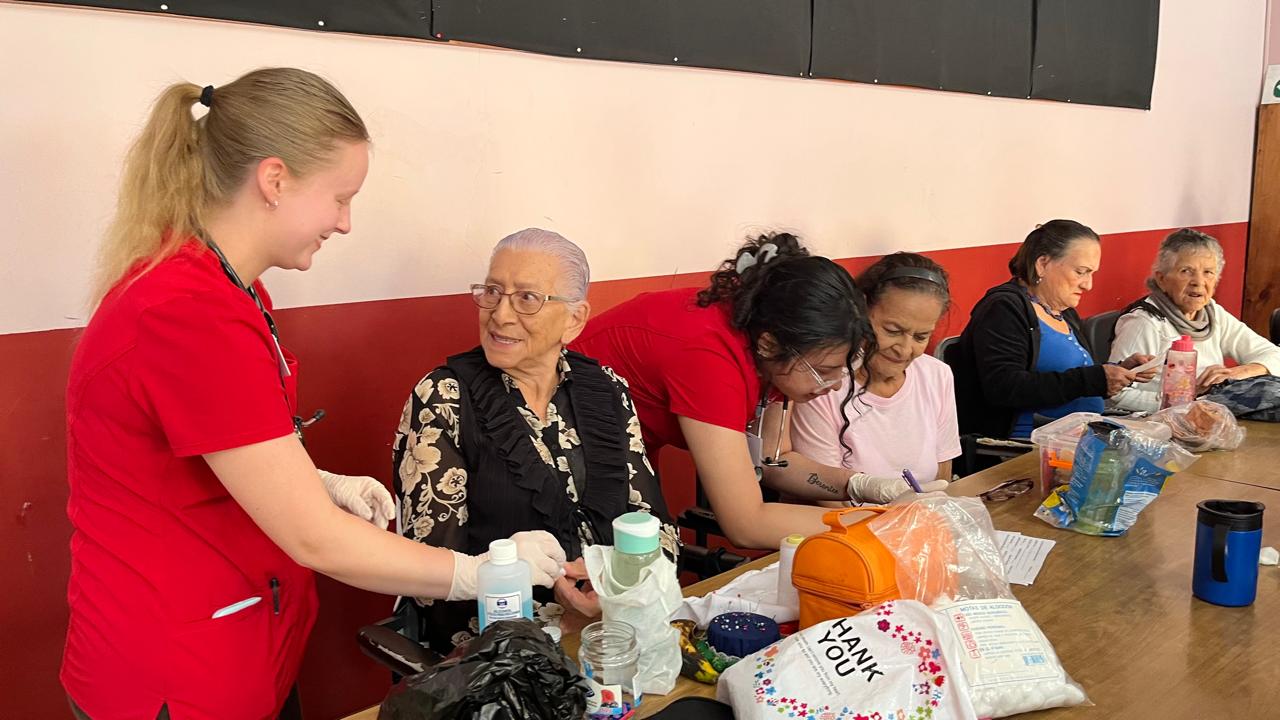
Costa Rica provides a practical lens on how community-based healthcare responds to local needs, particularly in rural areas. Through engagement with healthcare professionals, community organizations, Indigenous knowledge holders, and maternal-health practitioners, participants explore prevention, wellbeing, access to care, and culturally responsive approaches to health.
develop your own program similar to this
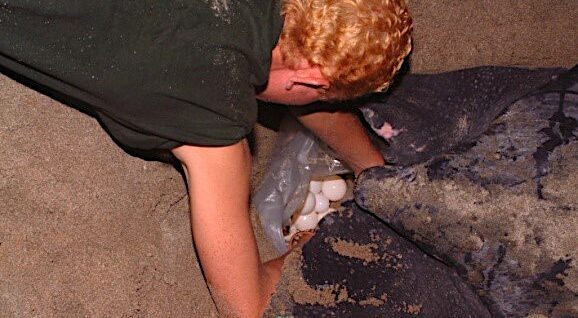
Along Costa Rica’s North Pacific coast, reefs, mangroves, and open-water habitats reveal the connections between biodiversity, tourism, fisheries, and conservation. Custom group programs create opportunities for field-based experiential learning through species observation, basic marine data recording, and hands-on engagement with coastal communities.
develop your own program similar to this
Program ideas
Browse example itineraries and program ideas inspired by topics Kaya groups have explored over the years.
 1
Together we’ll discuss your program goals and needs.
 2
With your input, we develop and fine-tune the perfect itinerary.
 3
We support institutional approvals and recruitment processes to ensure a successful launch!
 4
From pre-departure planning until your return, we’re with you every step of the way!
FAQS
Kaya works with faculty to turn course objectives into a focused itinerary, selecting experiences that suit the group’s academic level and interests. A Costa Rica program can explore one theme in depth or connect subjects through field learning, local dialogue and structured reflection.
Sustainability can provide a shared theme for examining food production, resource management, health and environmental protection. Depending on the itinerary, students can investigate how decisions in one area affect another, using local perspectives and guided discussion to consider competing needs and practical constraints.
Service learning should connect meaningful academic inquiry with activities that host partners consider appropriate and useful. Kaya works with group leaders and local partners to define suitable roles, emphasizing reciprocal learning, preparation and reflection rather than measuring the experience solely by tasks completed.
Kaya discusses participant needs, proposed activities and supervision requirements with group leaders, working with the on-site team to prioritize safety. Planning considers the itinerary’s different settings and covers relevant health guidance, transport, emergency arrangements and responsibilities appropriate to students’ experience.
Testimonials
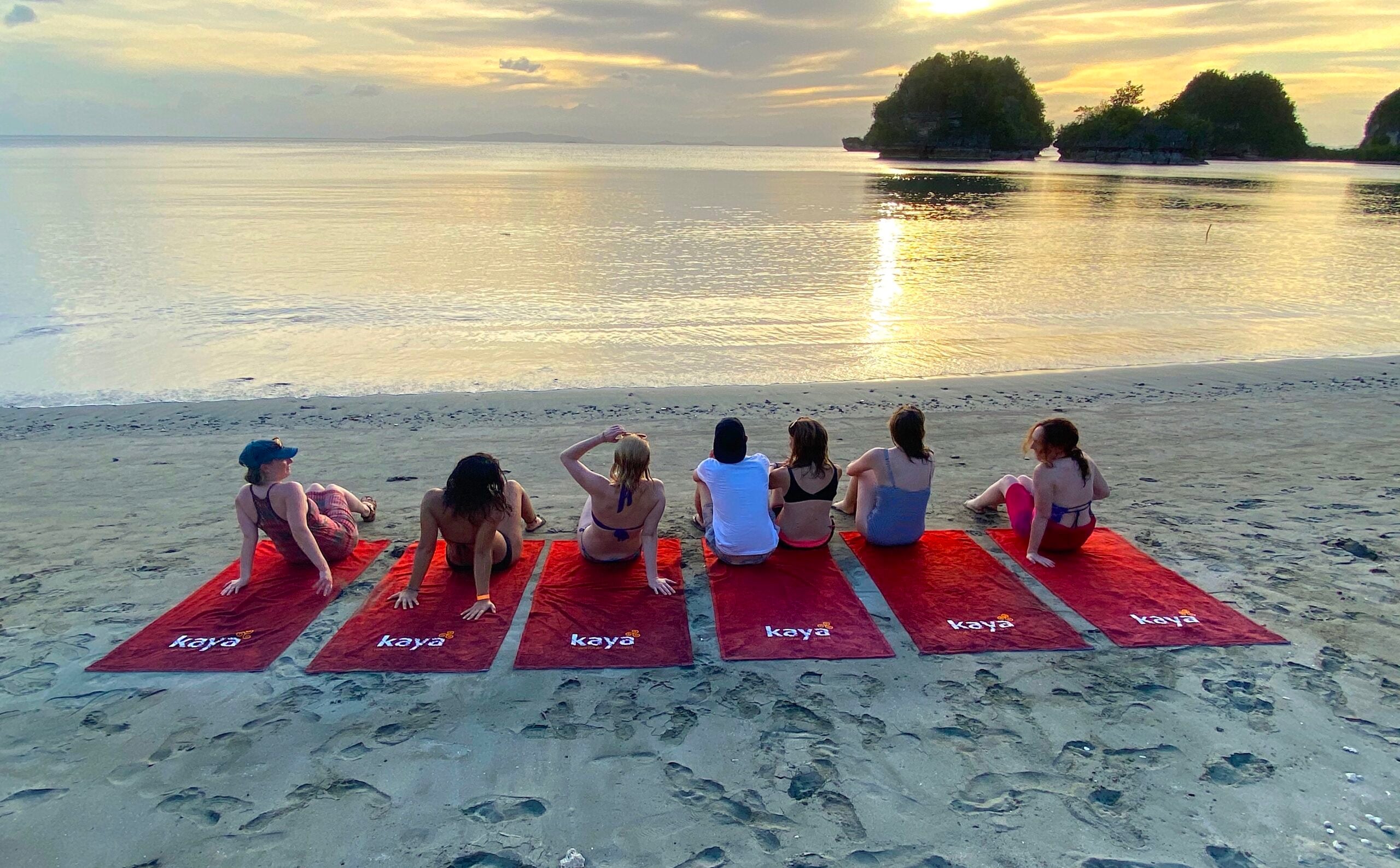
With a focus on experiential education and the UN Sustainable Development Goals, your group can immerse and engage with international communities and environments across the globe.