








 1
Connect
Together we’ll discuss your program goals and needs.
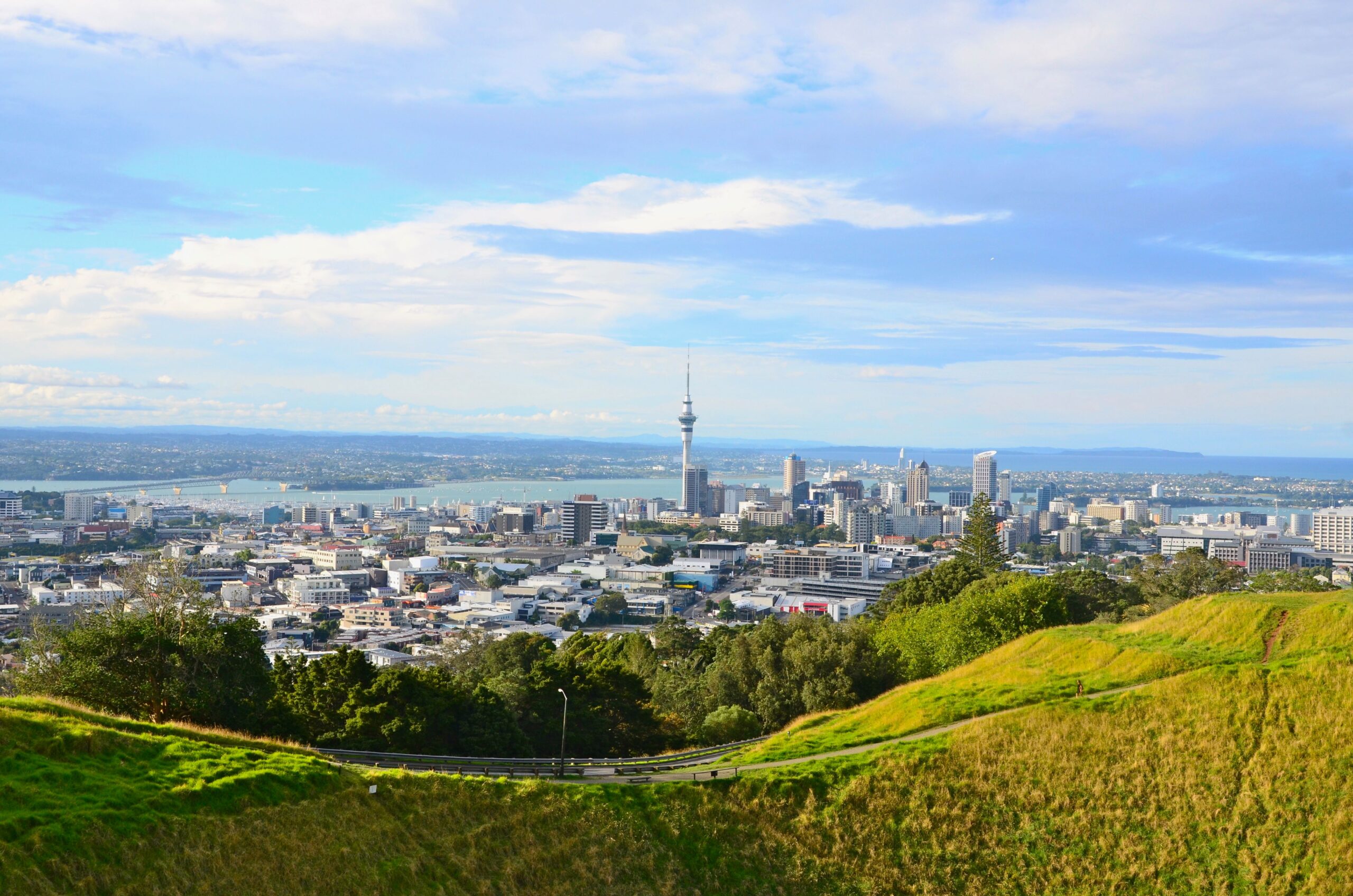
New Zealand blends dramatic natural landscapes with a strong bicultural identity shaped by Māori and Pākehā histories. Mountain ranges, glaciers and rugged coastlines sit alongside vibrant cities, creating a powerful setting to explore culture, environment and identity. English and Te Reo Māori reflect the country’s evolving approach to language, governance and community.
Design a program hereAbout New Zealand
Biculturalism sits at the heart of learning in New Zealand. Programs explore Māori culture, Indigenous governance and the relationships between land, identity and contemporary society.
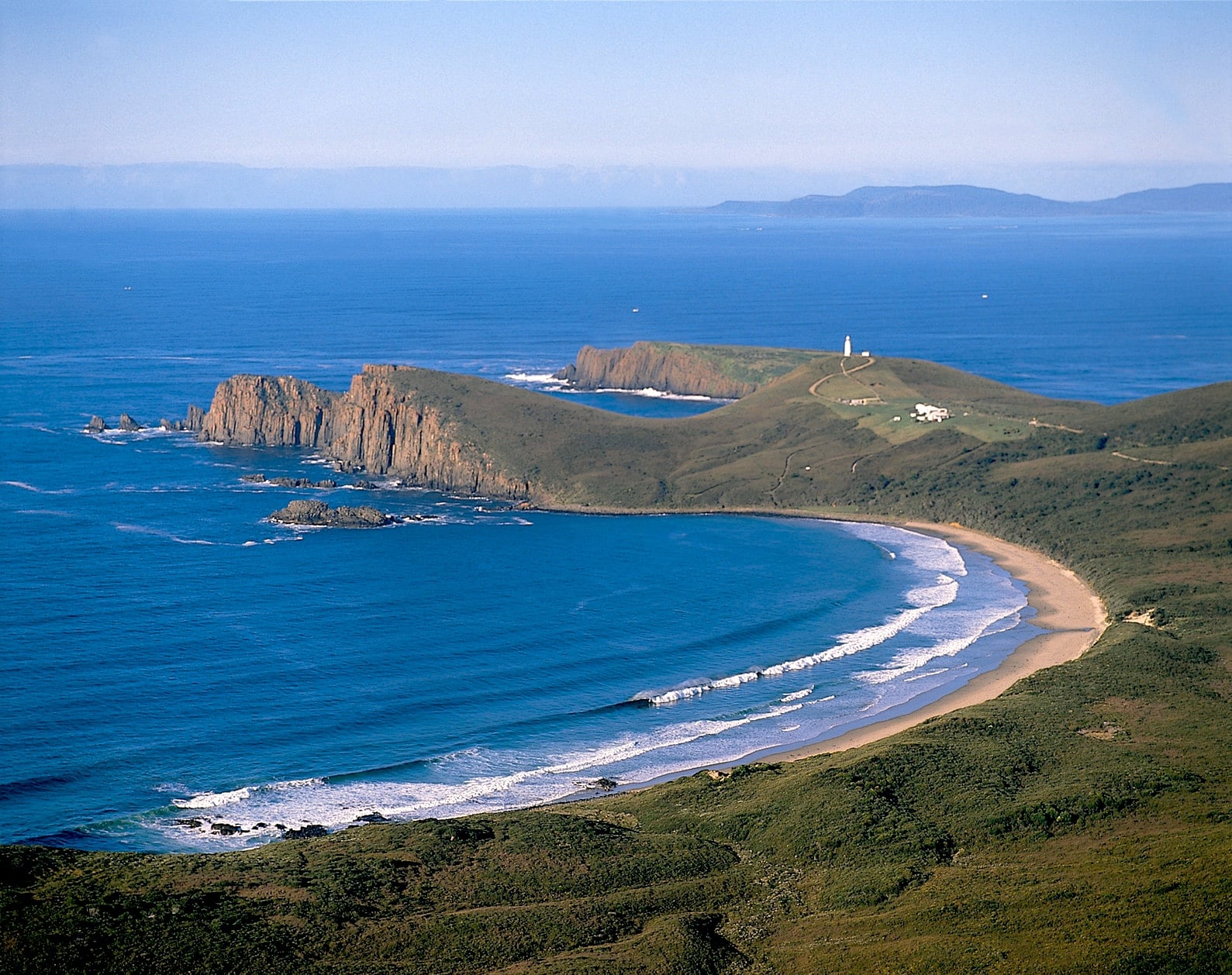
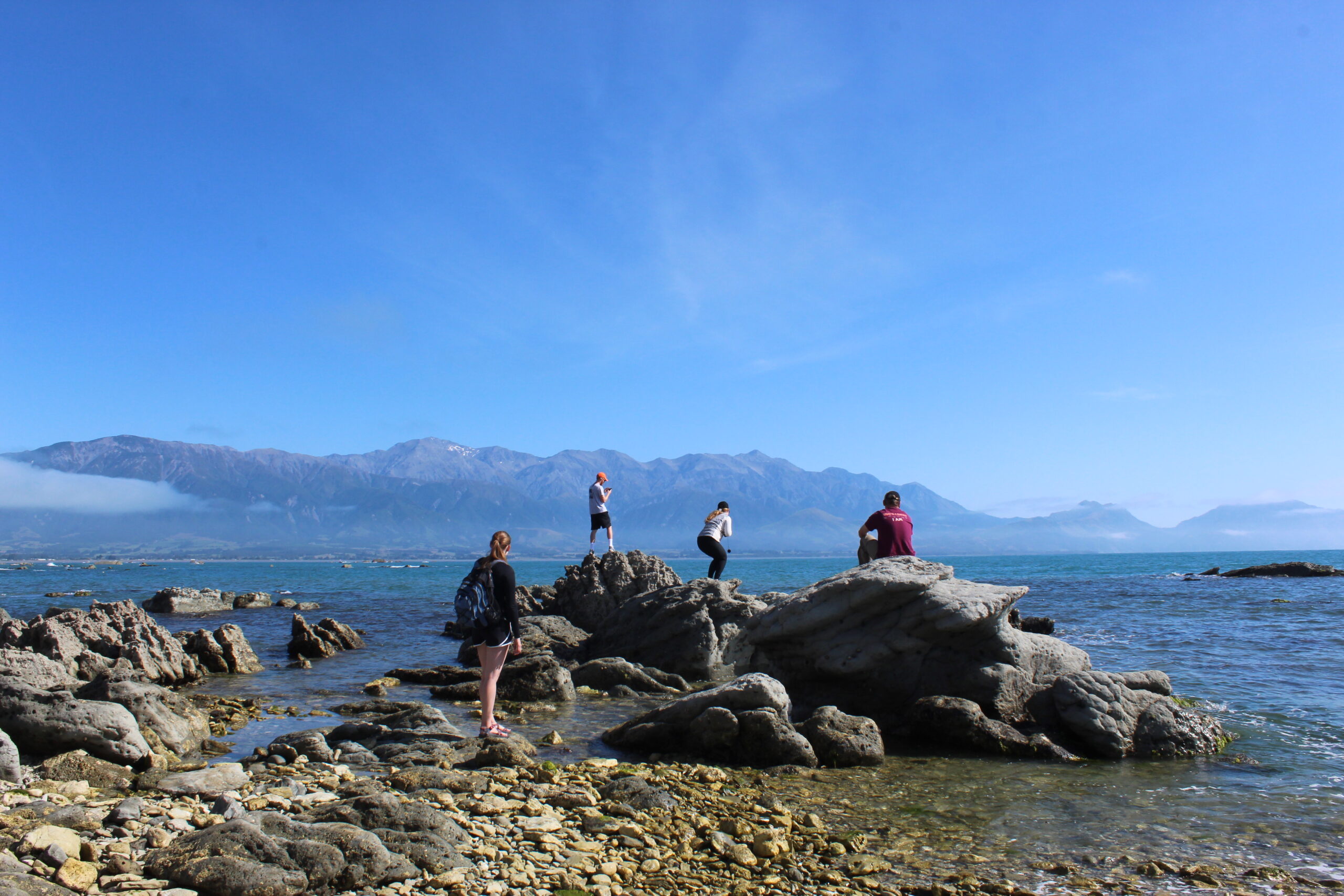
Across the South Island, mountainous landscapes, fjords and glaciers create opportunities for field-based learning shaped by environmental change. Volcanic activity, earthquakes and shifting coastlines offer real-world insight into natural hazards and resilience.
New Zealand is often recognized for its leadership in environmental policy and sustainability. National parks, coastal ecosystems and biodiversity conservation initiatives highlight how protection and tourism are carefully balanced.
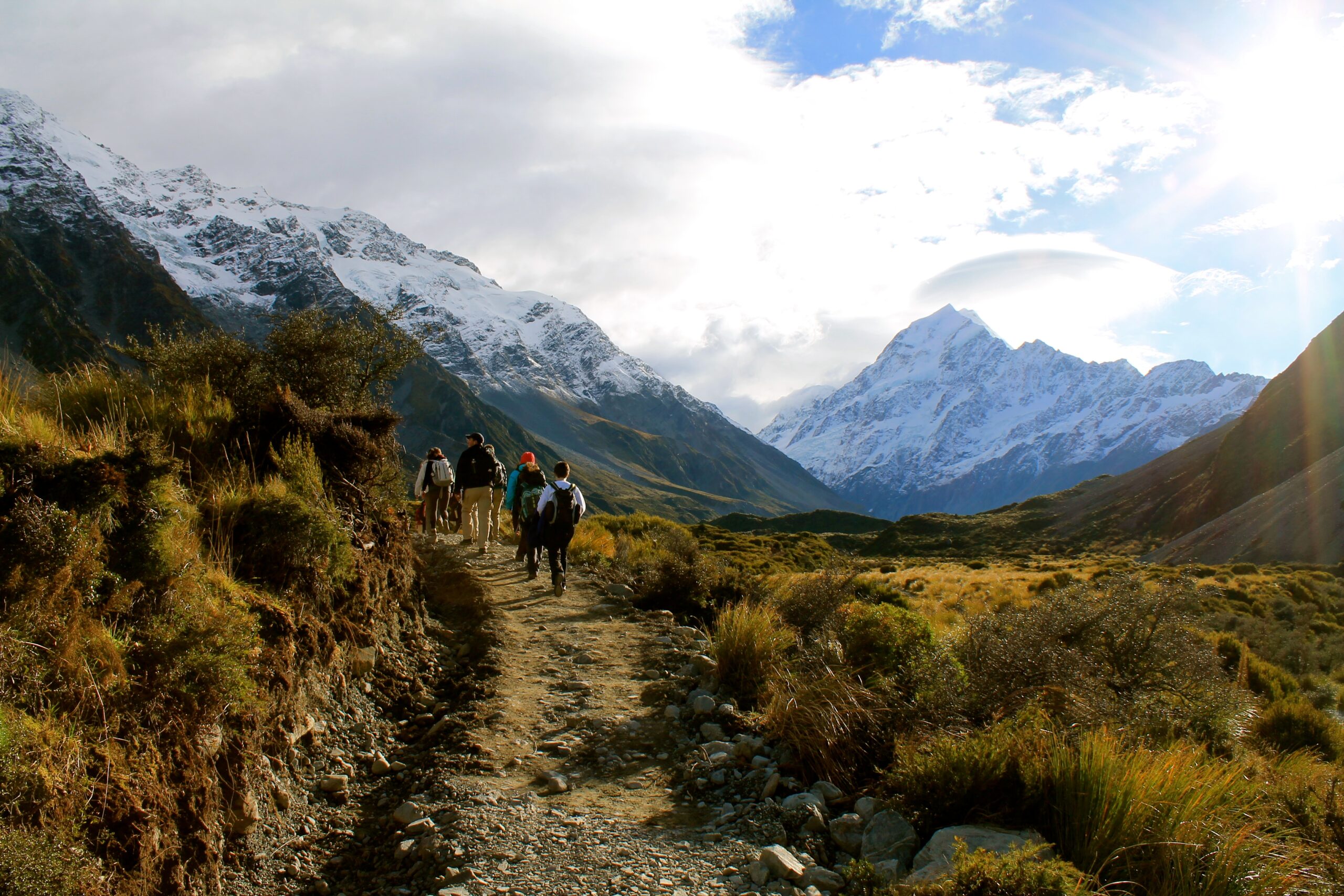
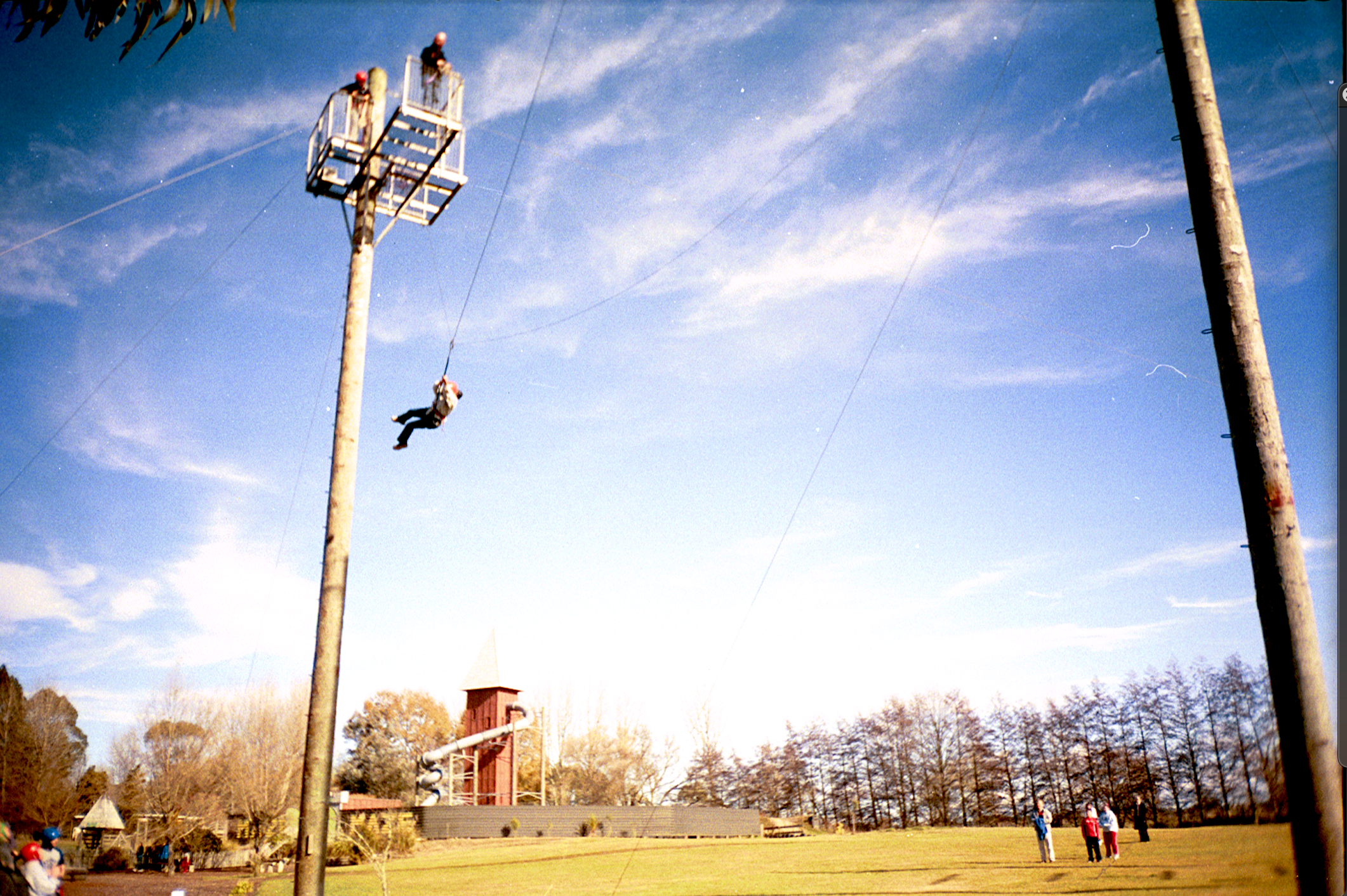
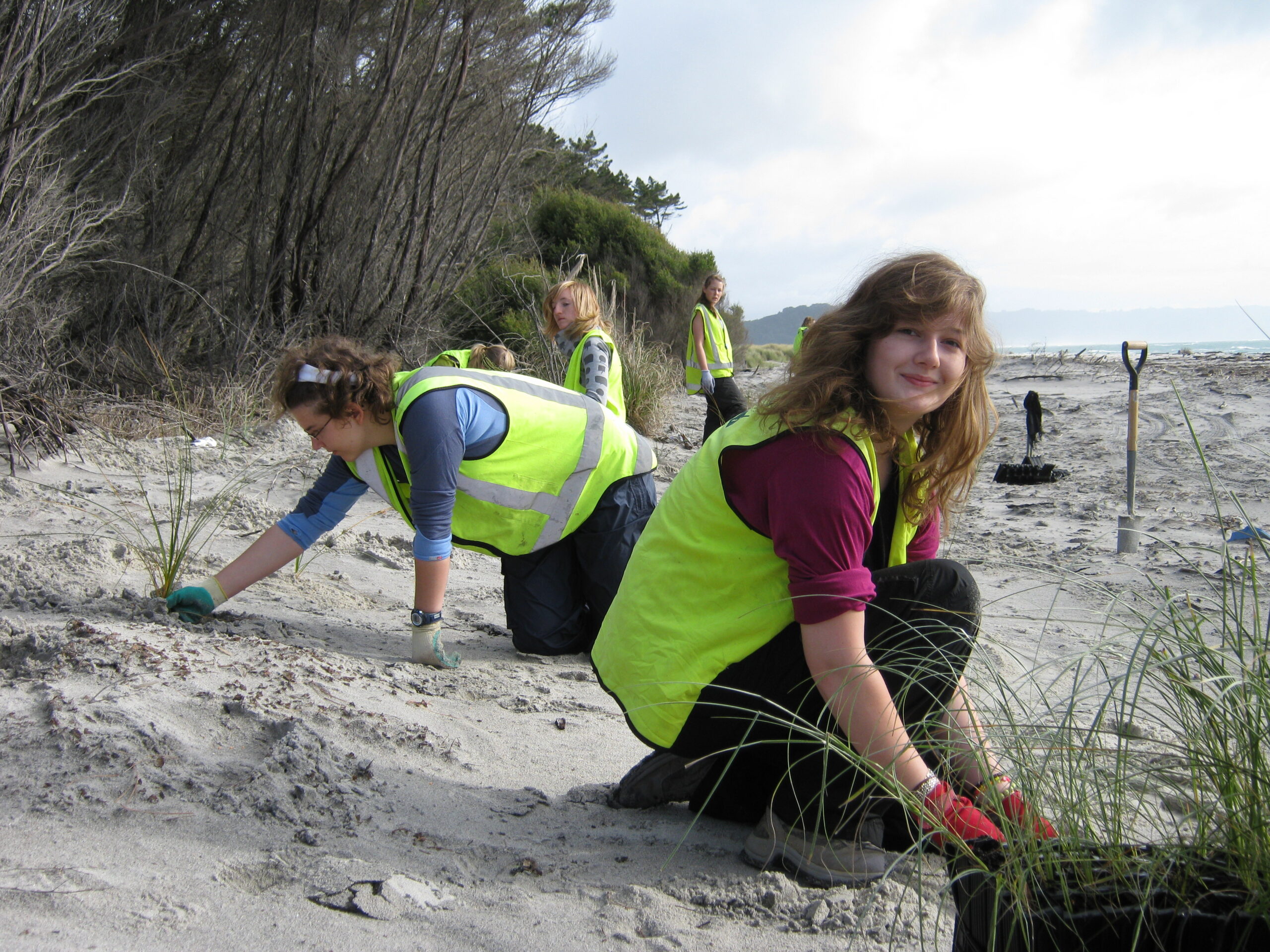
Adventure tourism and outdoor culture shape everyday life across the country. From hiking and marine exploration to community-led conservation projects, students experience how nature, recreation and identity connect within a globally recognized environmental destination.
Kaya collaborates with faculty to shape programs that reflect New Zealand’s bicultural identity and outdoor learning environment. From conservation initiatives to cultural exchange, each experience is designed to connect students with people, place and environmental responsibility.
Program Themes
Discover some of the different topics and themes you can focus your program on in New Zealand. If you don’t see your topic area, or you already have a ready-made itinerary, connect with the Kaya team to start a discussion!
New Zealand’s export-oriented food systems reveal the links among livestock production, innovation, environmental accountability, and global markets. Custom group programs combine field-based learning with hands-on experience alongside producers, veterinarians, and researchers, offering cross-cultural immersion in agriculture shaped by Māori values and stewardship.
develop your own program similar to this
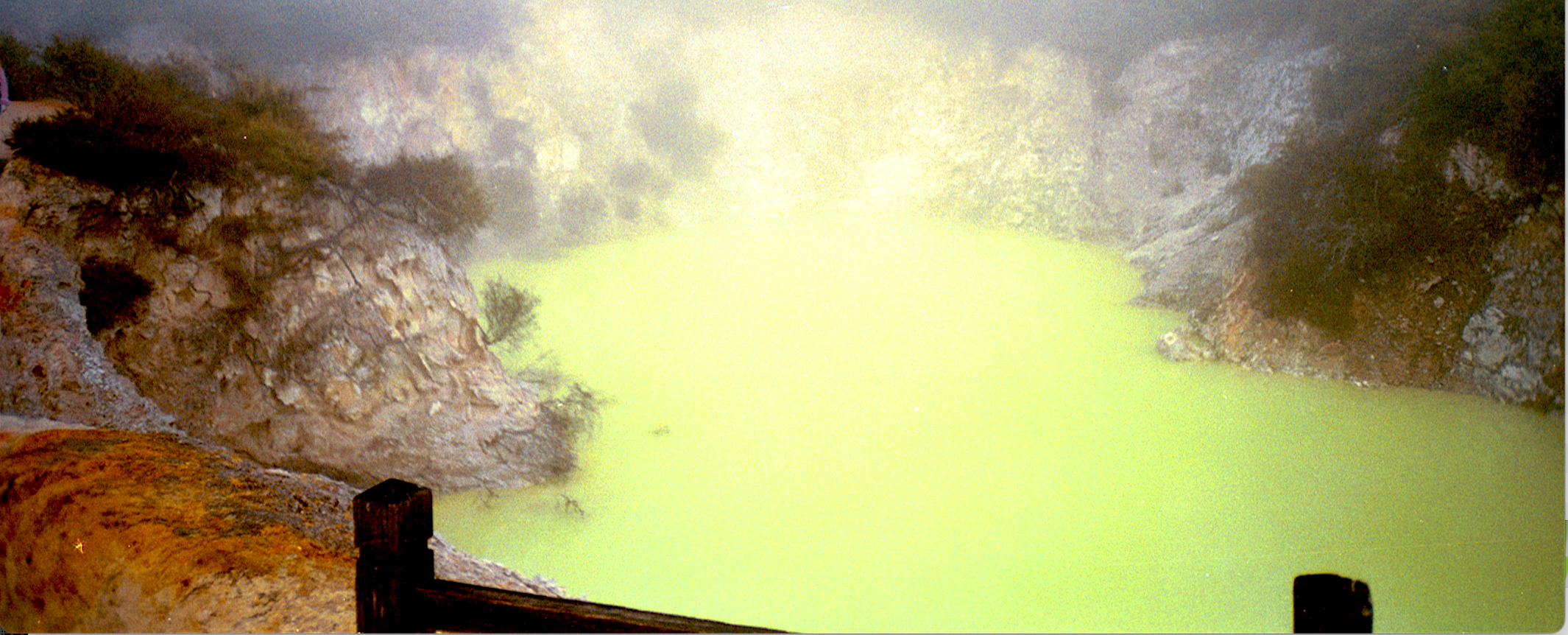
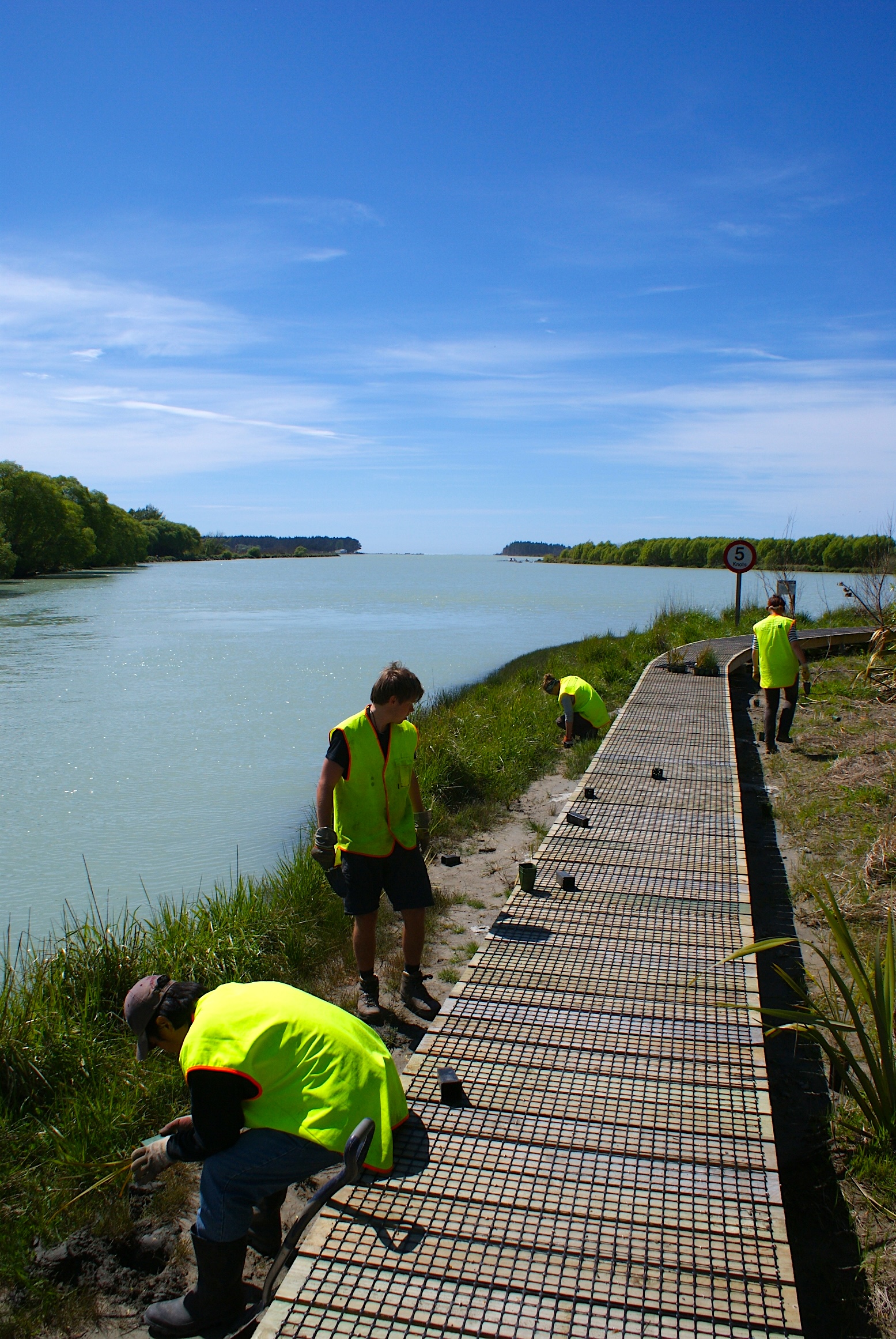
Island evolution has produced ecosystems found nowhere else in New Zealand, while invasive species, freshwater pressures, and climate change create urgent conservation challenges. Custom group programs enable field research and experiential learning with rangers, scientists, and Māori knowledge holders across diverse natural environments.
develop your own program similar to this
New Zealand’s economy demonstrates how a geographically remote nation builds global reach through exports, innovation, tourism, and values-led enterprise. Custom group programs offer field-based experiential learning and hands-on experience with business leaders, entrepreneurs, and Māori enterprises, linking commerce to culture, sustainability, and wellbeing.
develop your own program similar to this
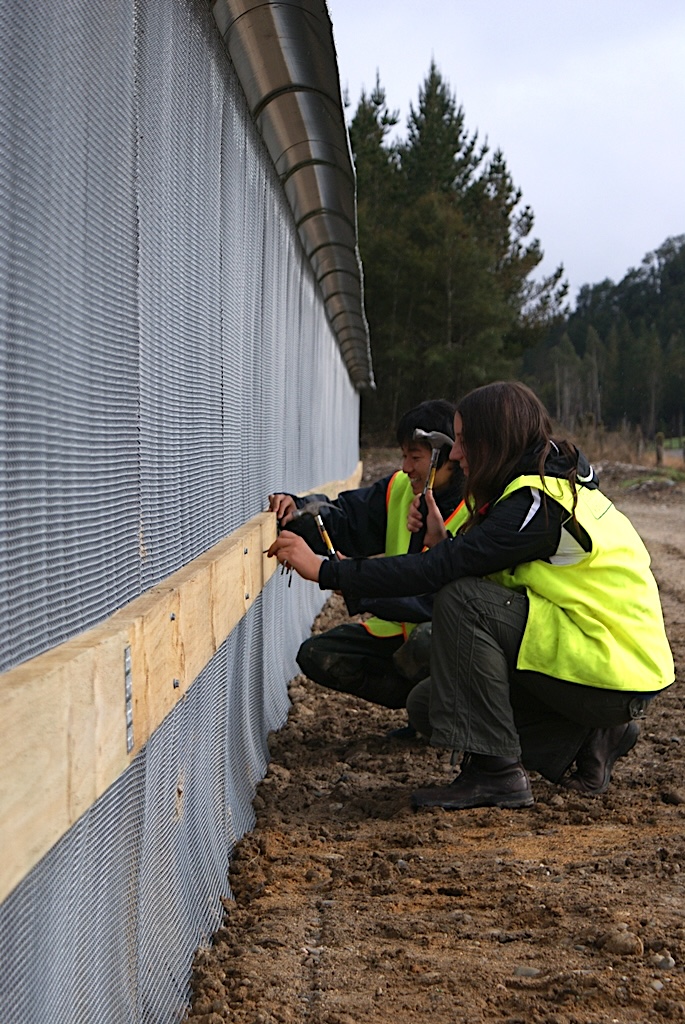
New Zealand is an applied setting for examining how engineering responds to seismic risk, renewable-energy needs, and changing landscapes. Custom group programs pair field-based experiential learning with hands-on experience alongside engineers, researchers, and Māori advisors, connecting technical design to resilient, community-informed development.
develop your own program similar to this
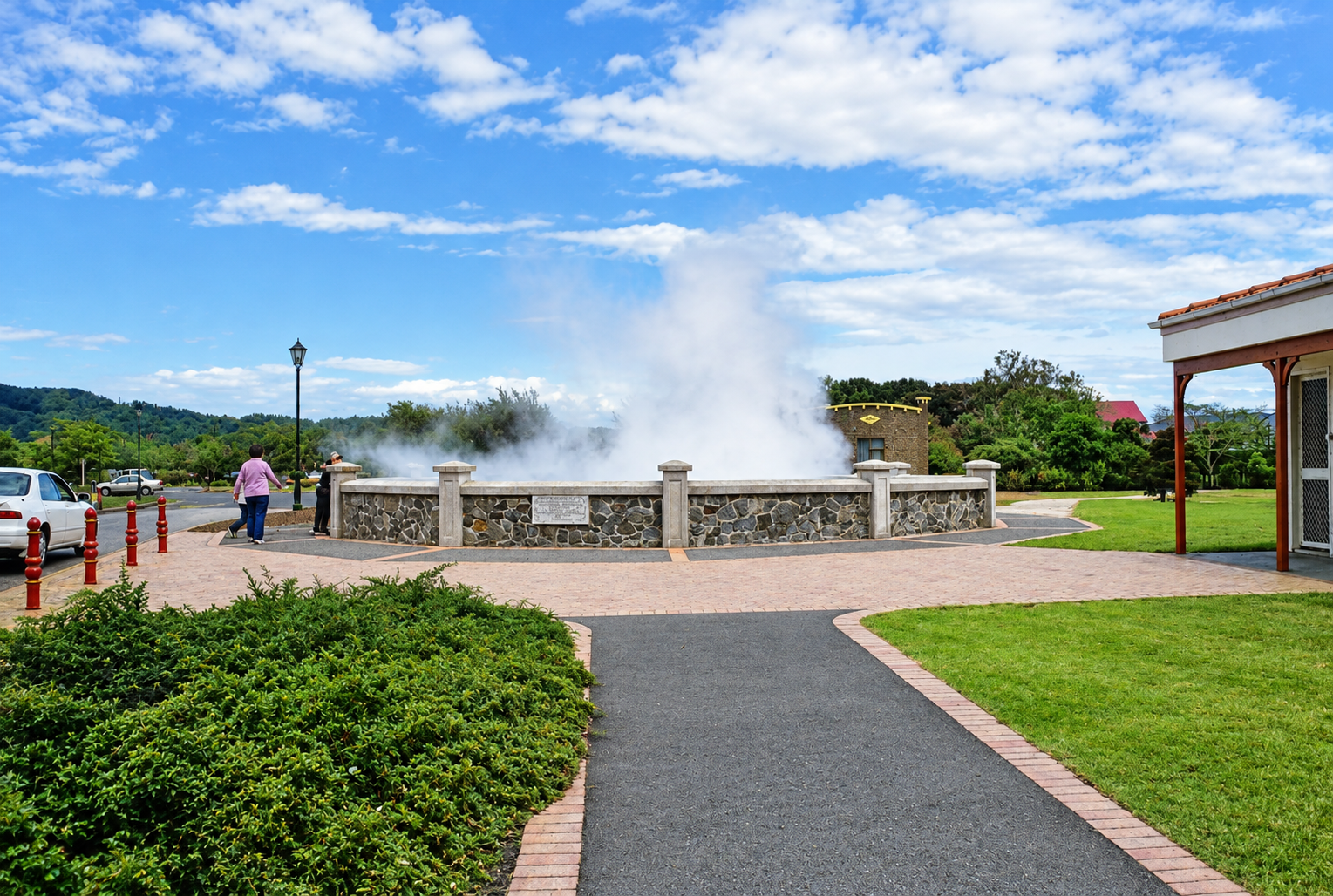
Aotearoa New Zealand offers a place-based way to examine culture, history, and identity through Māori and Pasifika perspectives, colonial legacies, and creative practice. Custom group programs support experiential learning and cross-cultural immersion with iwi members, artists, and historians across living cultural landscapes.
develop your own program similar to this
1
Together we’ll discuss your program goals and needs.
 2
With your input, we develop and fine-tune the perfect itinerary.
 3
We support institutional approvals and recruitment processes to ensure a successful launch!
 4
From pre-departure planning until your return, we’re with you every step of the way!
FAQS
Kaya can work with faculty to build a New Zealand program around course themes, student experience and learning goals. The itinerary can combine field visits, local perspectives, cultural learning and structured reflection, connecting academic ideas across disciplines rather than limiting your group to one subject.
Kaya discusses participant needs, activities and supervision with group leaders and works with the on-site team to prioritize safety. Planning covers relevant health guidance, transport, emergency arrangements and appropriate responsibilities, taking account of the itinerary and the settings your group will visit.
Local perspectives help students explore how course themes relate to everyday decisions, cultural contexts and community priorities. Kaya works with partners to identify appropriate opportunities for dialogue and shared learning, encouraging students to listen, question assumptions and respect the knowledge and capacity of their hosts.
Your home institution determines whether a program qualifies for academic credit. Kaya can help faculty connect planned experiences with learning outcomes, coursework and assessment, so the New Zealand itinerary supports your course. Credit requirements and approval should be confirmed with your institution before travel.
Testimonials
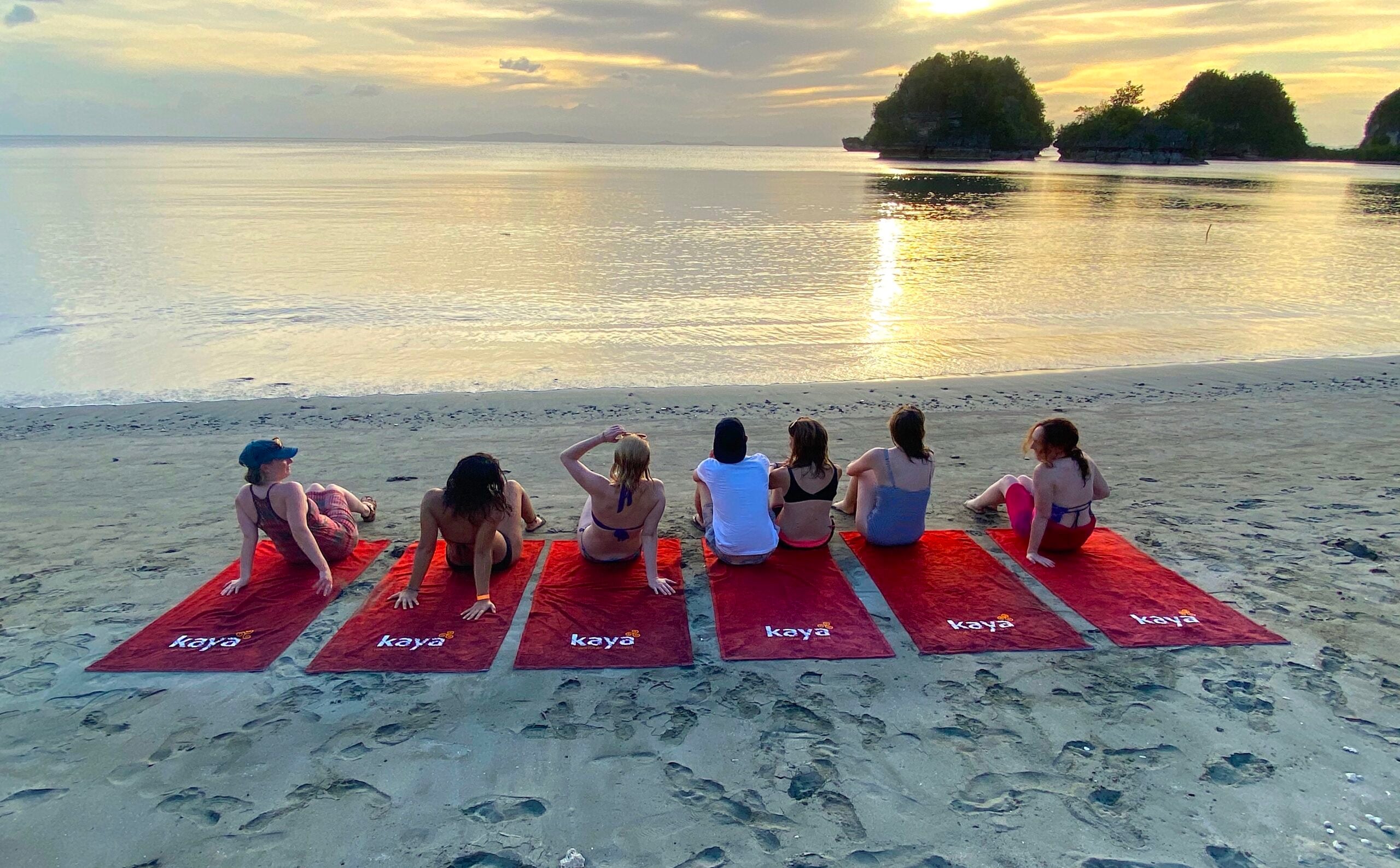
With a focus on experiential education and the UN Sustainable Development Goals, your group can immerse and engage with international communities and environments across the globe.