










Community Health in Zambia
- Health Sciences
Health systems and public health initiatives play a central role in shaping wellbeing, healthcare access, and social development across societies. Global health programs abroad provide opportunities to explore how healthcare systems operate while examining the social, environmental, and economic factors that influence health outcomes.
Design a program hereAbout Health Sciences
Public health research and healthcare delivery vary widely across the world. Public health field study allows students to examine public health infrastructure, maternal and child health initiatives, infectious disease prevention, and community health education programs within diverse local contexts. These experiences highlight how health systems respond to challenges such as nutrition, sanitation, environmental health, and access to care in both rural and urban settings.
Ethical considerations sit at the center of global healthcare education. Programs focus on observation, dialogue, and systems-based analysis rather than direct clinical practice. Students explore health inequality and access, mental health and wellbeing, and the responsibilities involved in working respectfully within different healthcare systems and community settings.
Kaya’s experiential health programs provide structured opportunities for medical and health immersion programs that emphasize learning, reflection, and responsible engagement. Students examine community health initiatives abroad, compare healthcare systems across countries, and gain insight into global health challenges while developing broader perspectives on public health and wellbeing.
 Academic themes

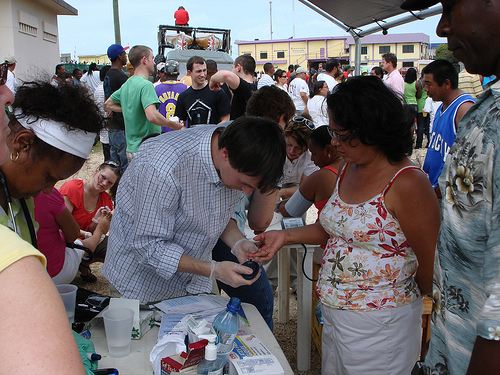
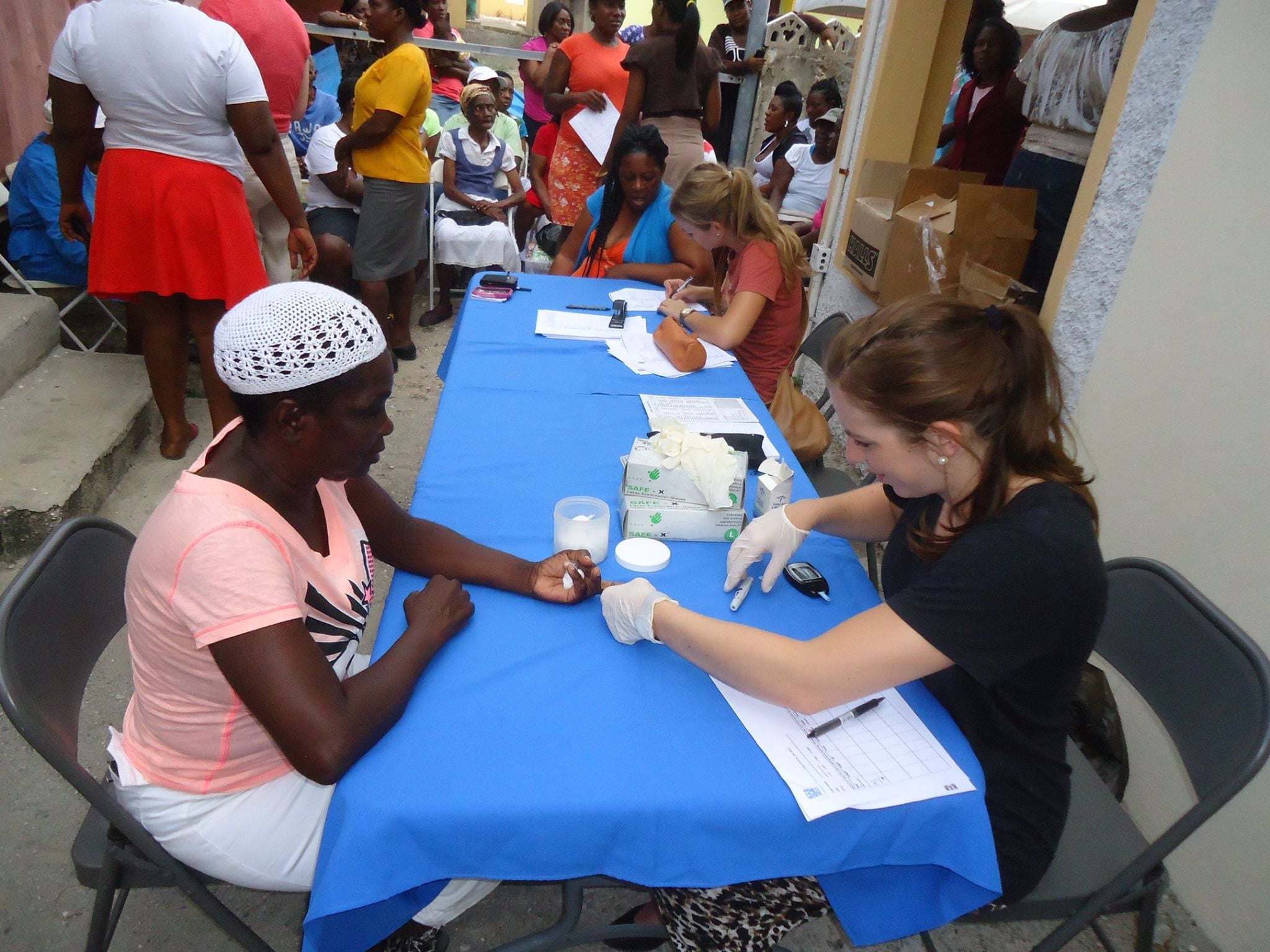
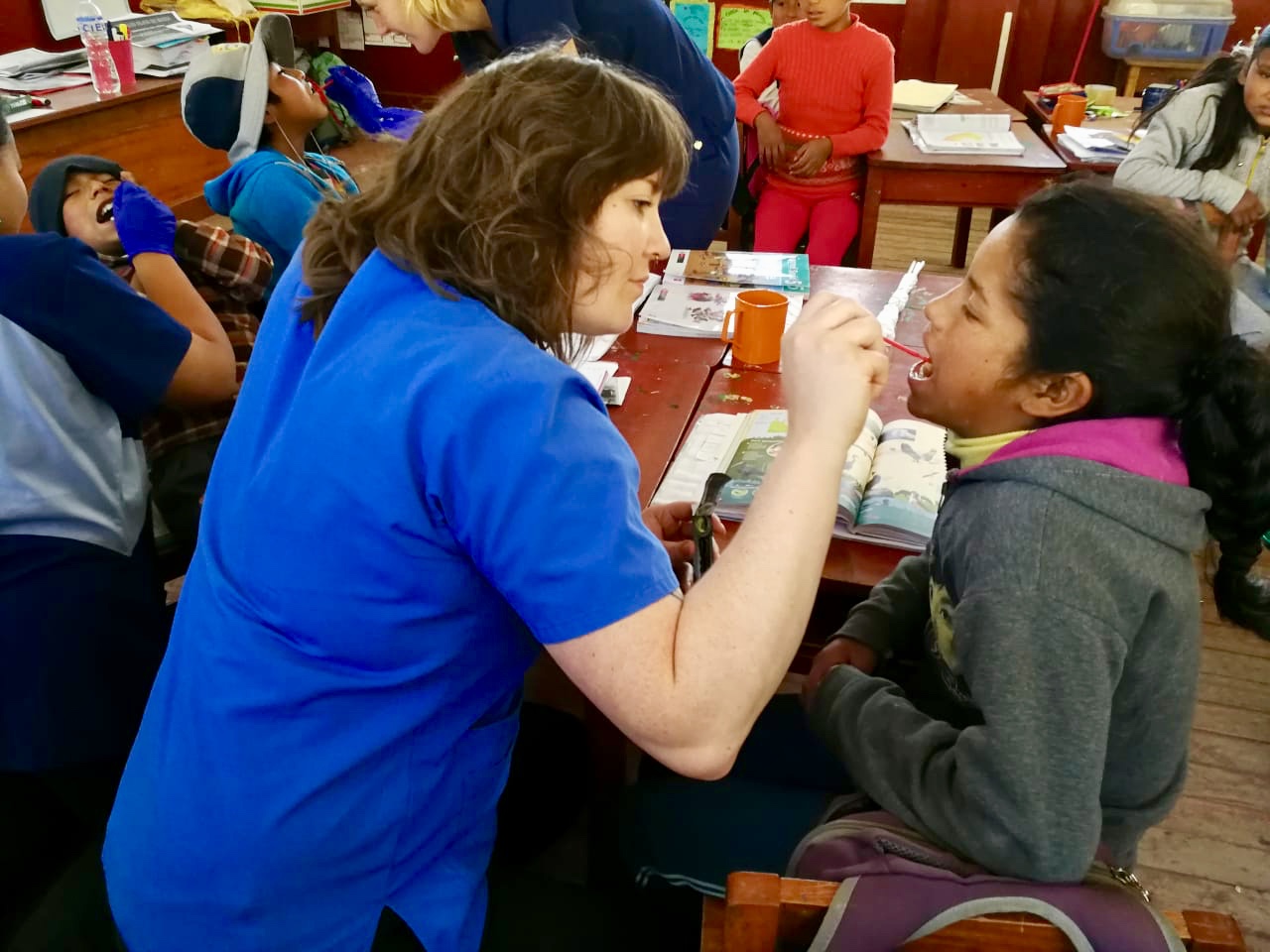
Program Themes
Discover how this academic area takes shape in each destination. If you don’t see your country, or you already have an itinerary, connect with the Kaya team to start a discussion.
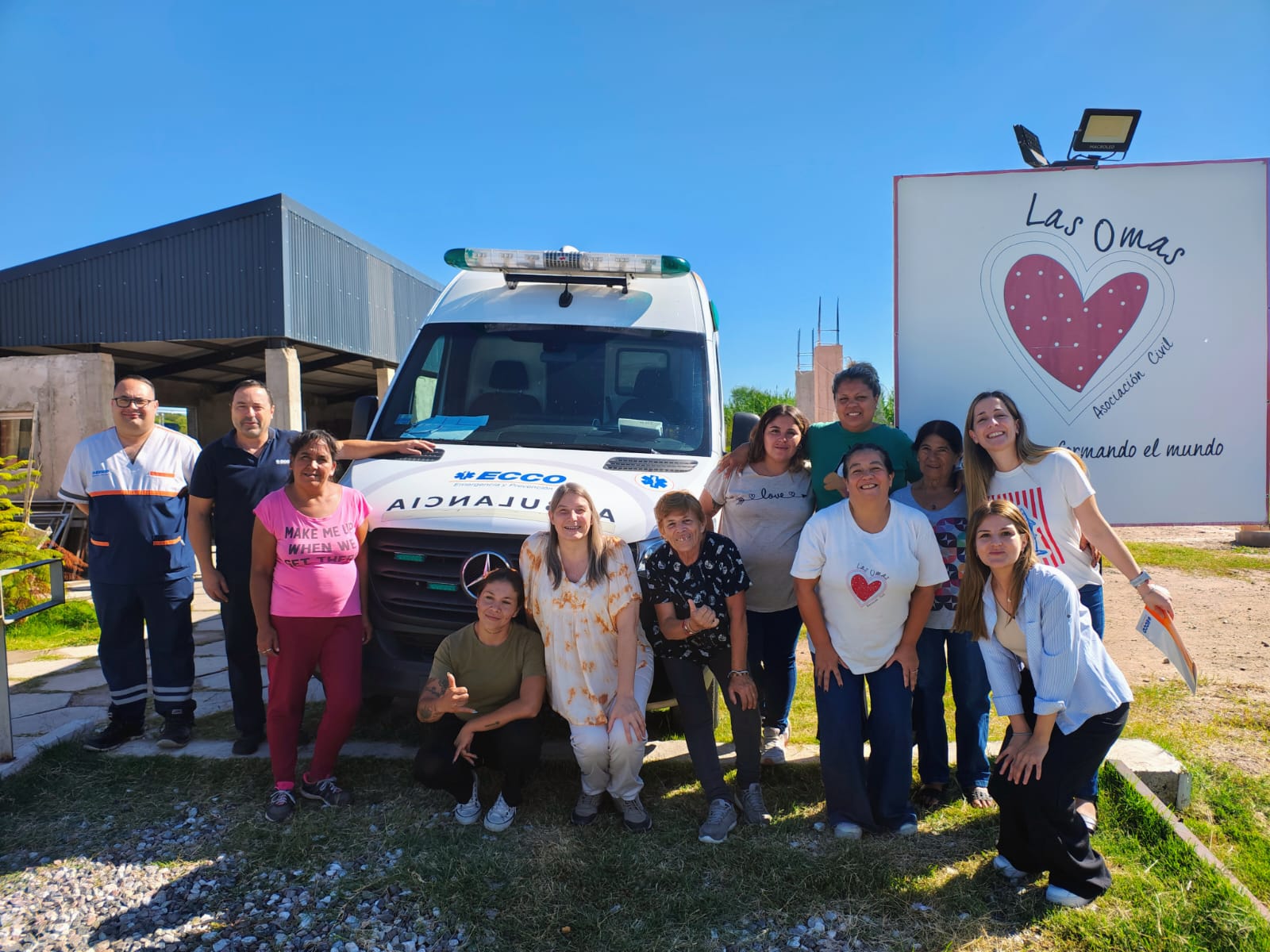
Custom group programs in Argentina connect hospital-based experiential learning with community engagement and cross-cultural immersion. Through clinical shadowing, professional mentoring, and hands-on experience appropriate to their training, participants can explore healthcare practice while learning how interdisciplinary teams support patient care and wellbeing.
develop your own program similar to this
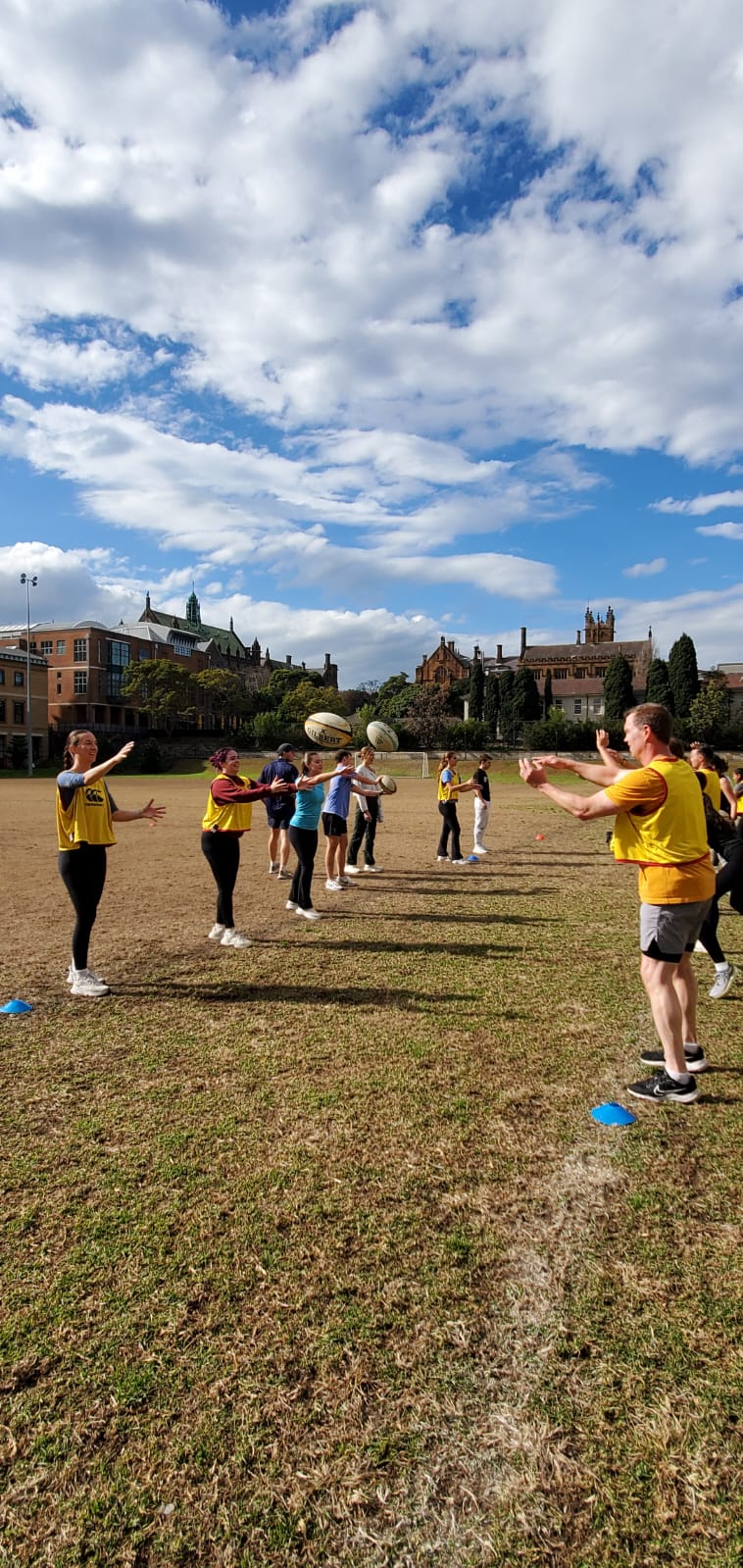
Custom group programs in Australia offer field-based, experiential learning across urban, rural, and remote healthcare settings. Through cross-cultural immersion and guided field research, participants can examine how location, culture, and health equity influence access to care and community wellbeing.
develop your own program similar to this
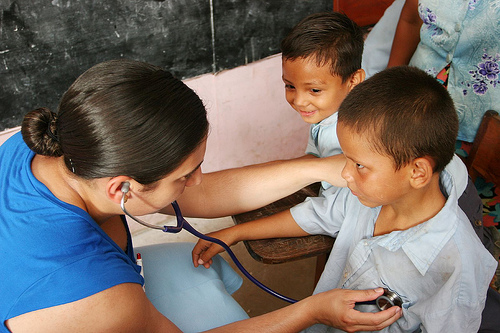
Healthcare learning in Belize can connect hospital-based care with public-health outreach and traditional healing knowledge. Custom group programs offer field-based experiential learning through supervised clinical observation, multidisciplinary rotations, community workshops, and cross-cultural immersion with local health professionals.
develop your own program similar to this
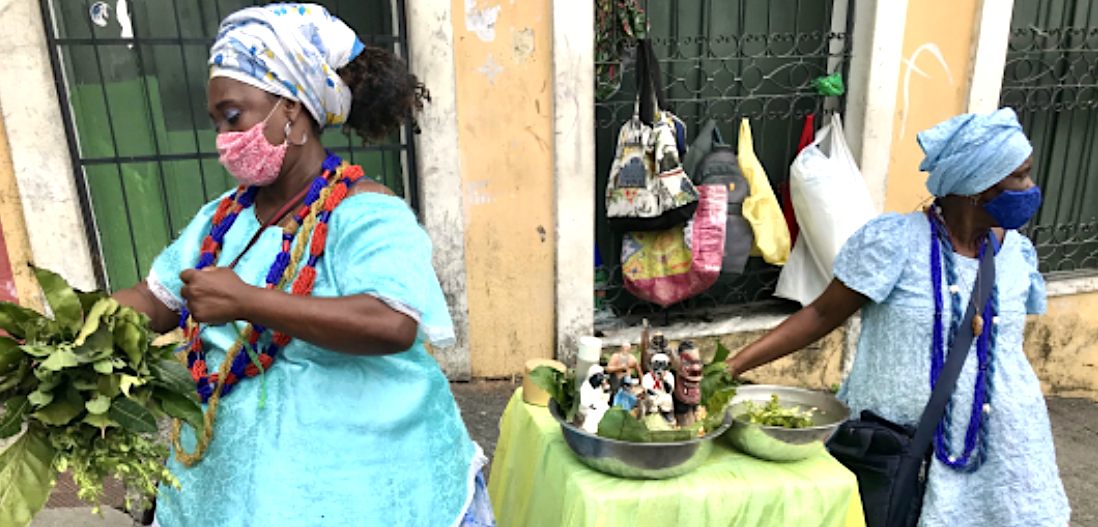
In Brazil, health is shaped by the interaction of social inequality, food traditions, cultural beliefs, and public policy. Participants can explore these connections through visits to healthcare settings and community initiatives, gaining practical insight into prevention, care access, nutrition, and traditional healing.
develop your own program similar to this
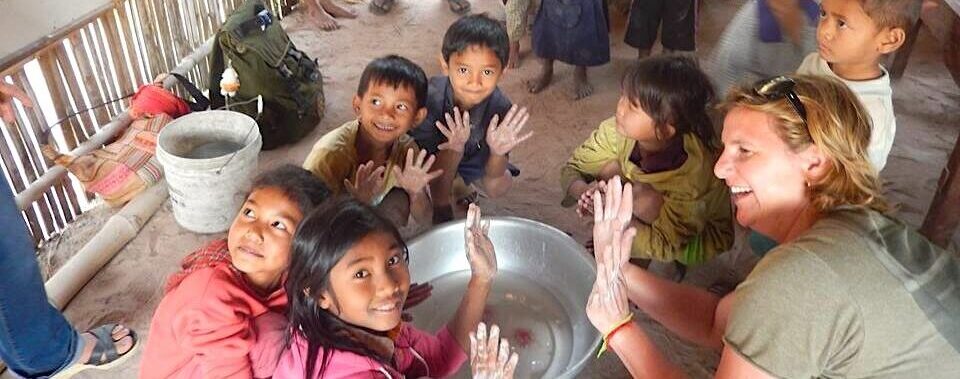
Cambodia offers a community-based perspective on health, with opportunities to explore how education, access to care, and local conditions influence wellbeing in rural communities. Participants engage with local professionals, educators, and community members to understand preventative health and practical approaches to improving health outcomes.
develop your own program similar to this
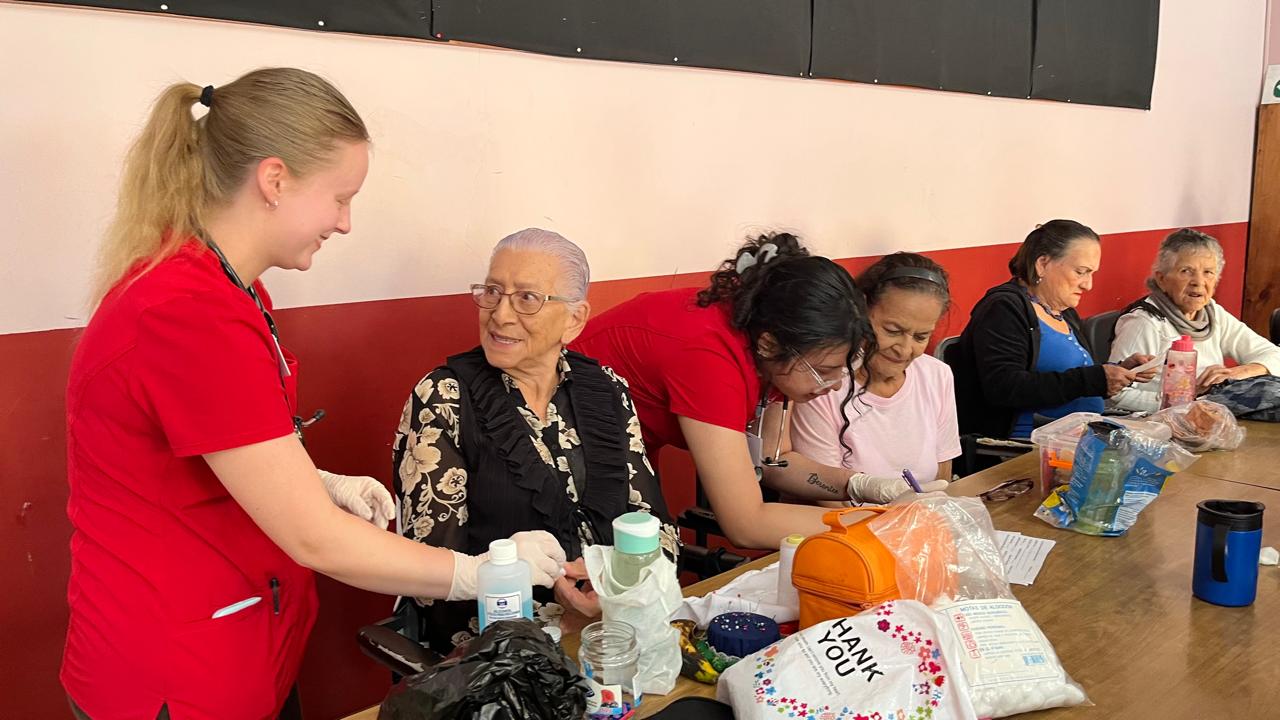
Costa Rica provides a practical lens on how community-based healthcare responds to local needs, particularly in rural areas. Through engagement with healthcare professionals, community organizations, Indigenous knowledge holders, and maternal-health practitioners, participants explore prevention, wellbeing, access to care, and culturally responsive approaches to health.
develop your own program similar to this
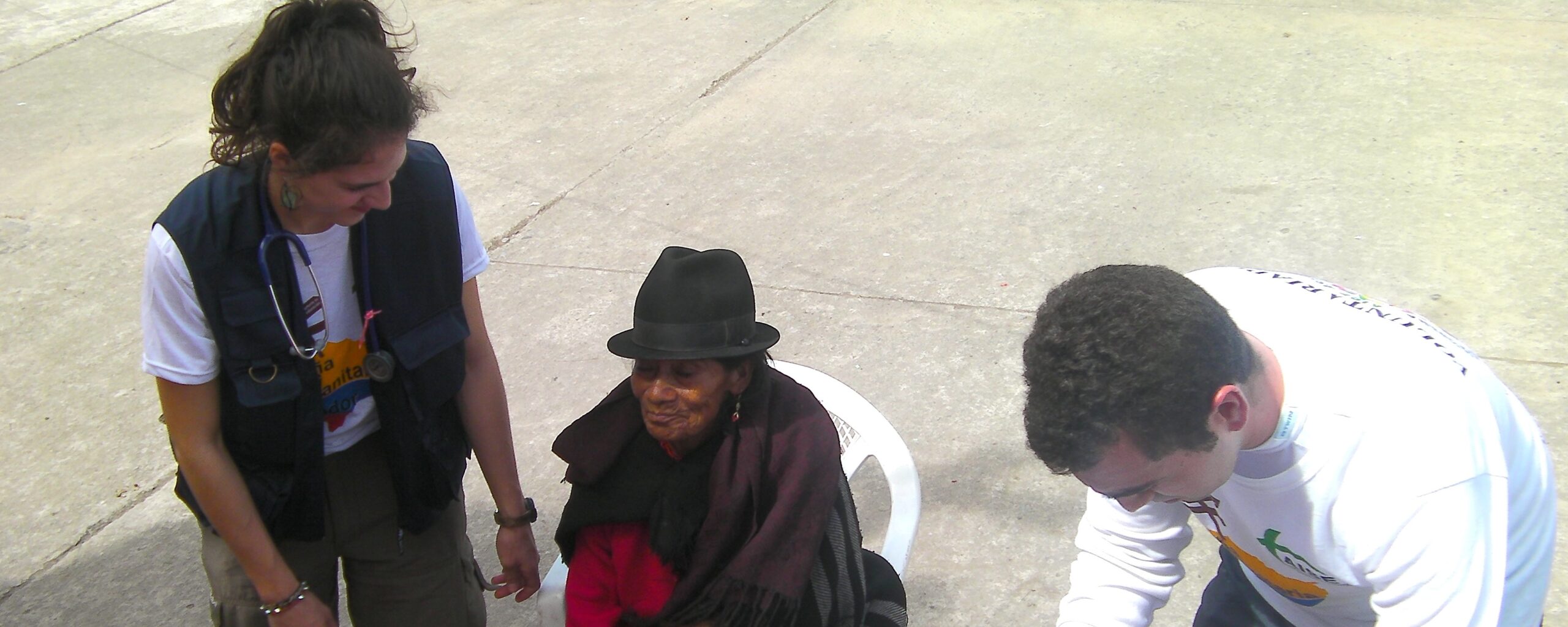
Ecuador offers opportunities to explore health through clinical observation, community engagement, health education, and intercultural approaches to wellbeing. Programs can examine how geography, culture, family, spirituality, social conditions, and access to care shape health experiences across rural and urban communities.
develop your own program similar to this
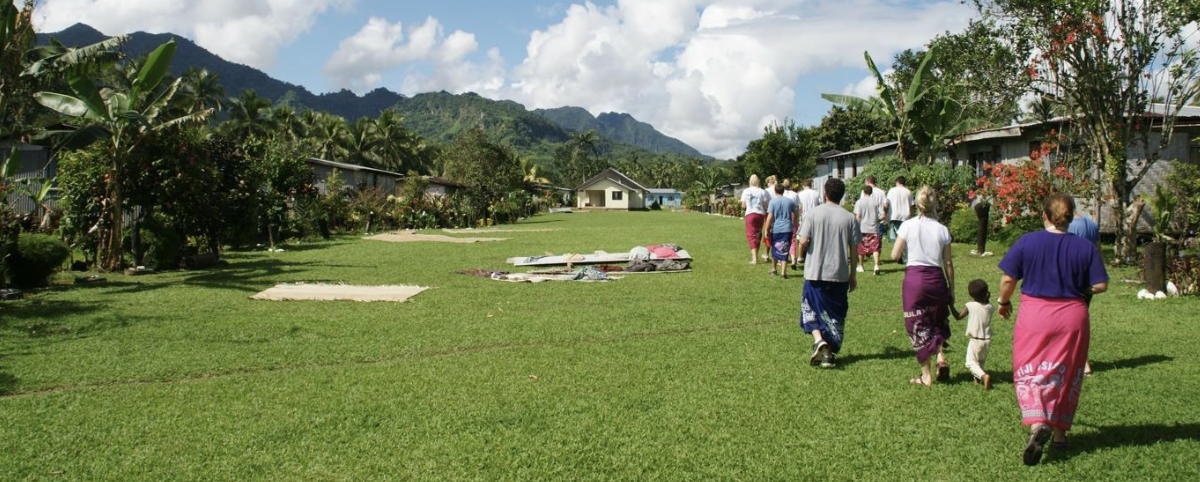
Fiji offers insight into healthcare delivery across island communities, where geography, environmental conditions, and social services can shape access to care and community wellbeing. Custom group programs can explore local health priorities alongside health professionals, educators, and island residents.
develop your own program similar to this
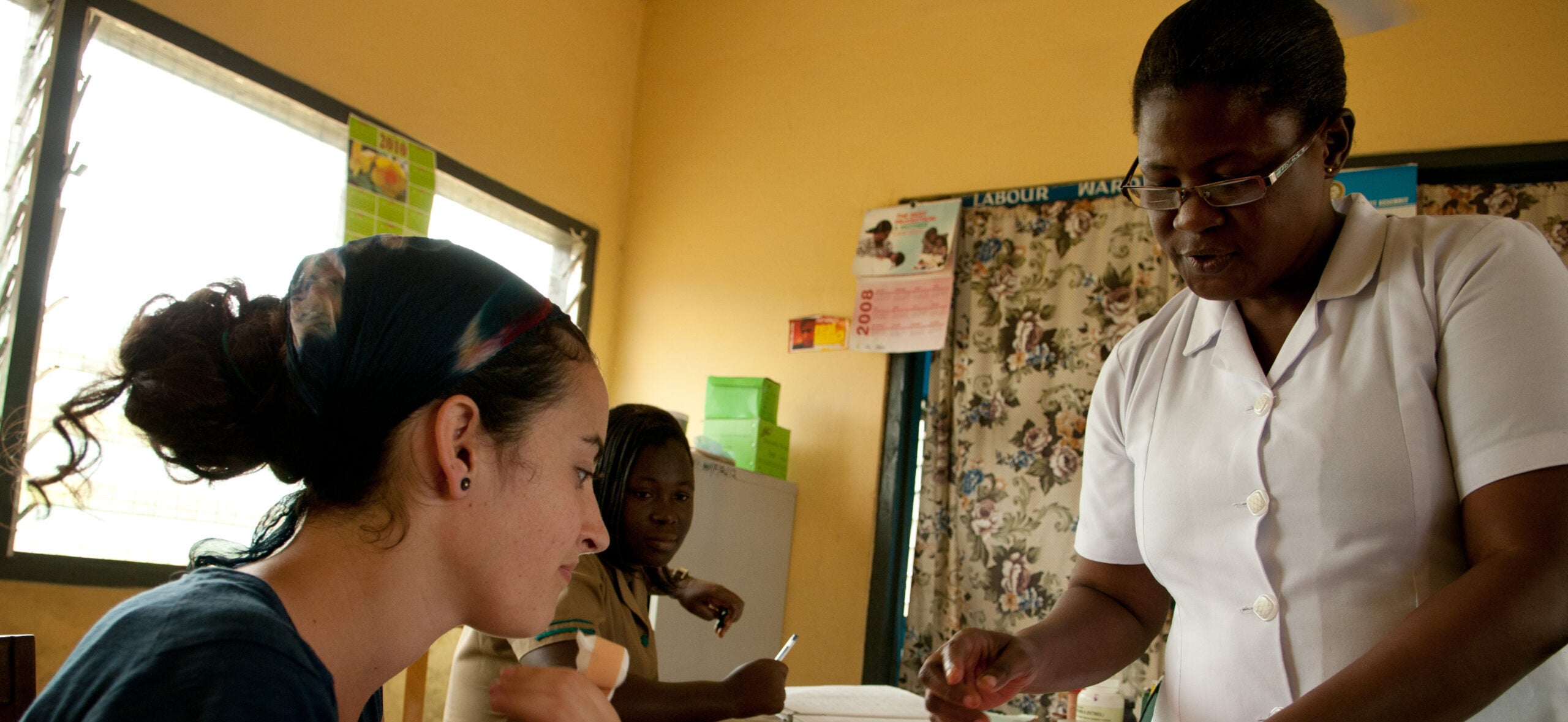
Ghana provides a field-based setting to explore universal health coverage, infectious-disease surveillance, maternal care, and traditional healing practices. Custom group programs can combine clinical observation, public-health workshops, and cross-cultural immersion to examine how national policy and community knowledge shape health access.
develop your own program similar to this
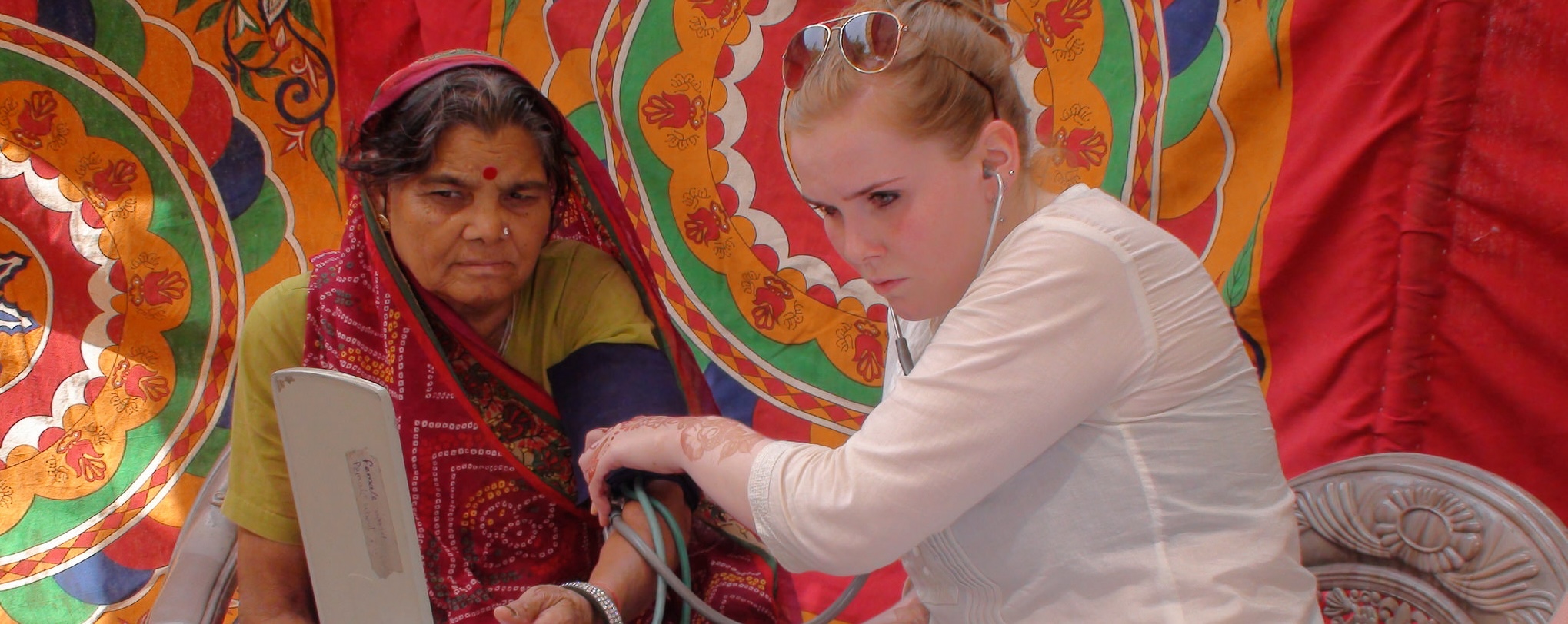
India offers opportunities to explore healthcare across hospital, clinic, and community settings, with attention to how access, prevention, education, and wellbeing differ across rural and urban communities. Participants can learn alongside healthcare professionals and local communities through supervised observation, outreach, and health-promotion activities.
develop your own program similar to this
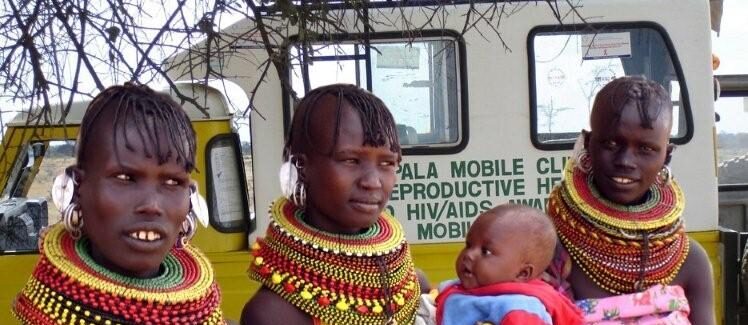
Along Kenya’s coast, healthcare is shaped by referral systems, community prevention, and the realities of reaching rural and regional populations. Custom group programs create hands-on, field-based experiential learning through clinical observation, public-health engagement, and cross-cultural immersion with professionals supporting maternal, child, and community wellbeing.
develop your own program similar to this
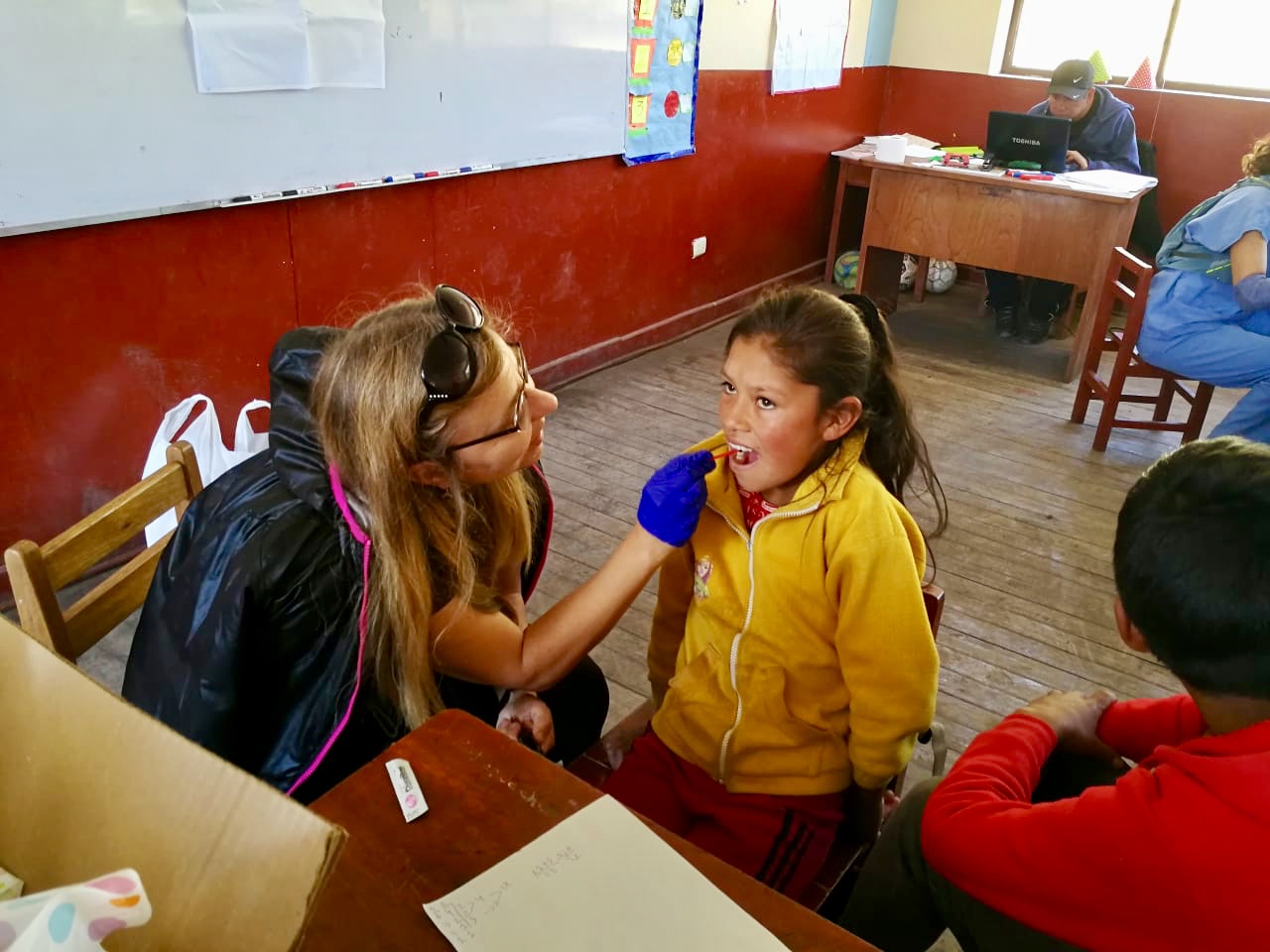
In Peru, participants can explore how primary care, prevention, and maternal health are delivered through local health centers and community outreach networks. Experiences may include supervised engagement with vaccination campaigns, school-based health initiatives, family visits, and prenatal care.
develop your own program similar to this
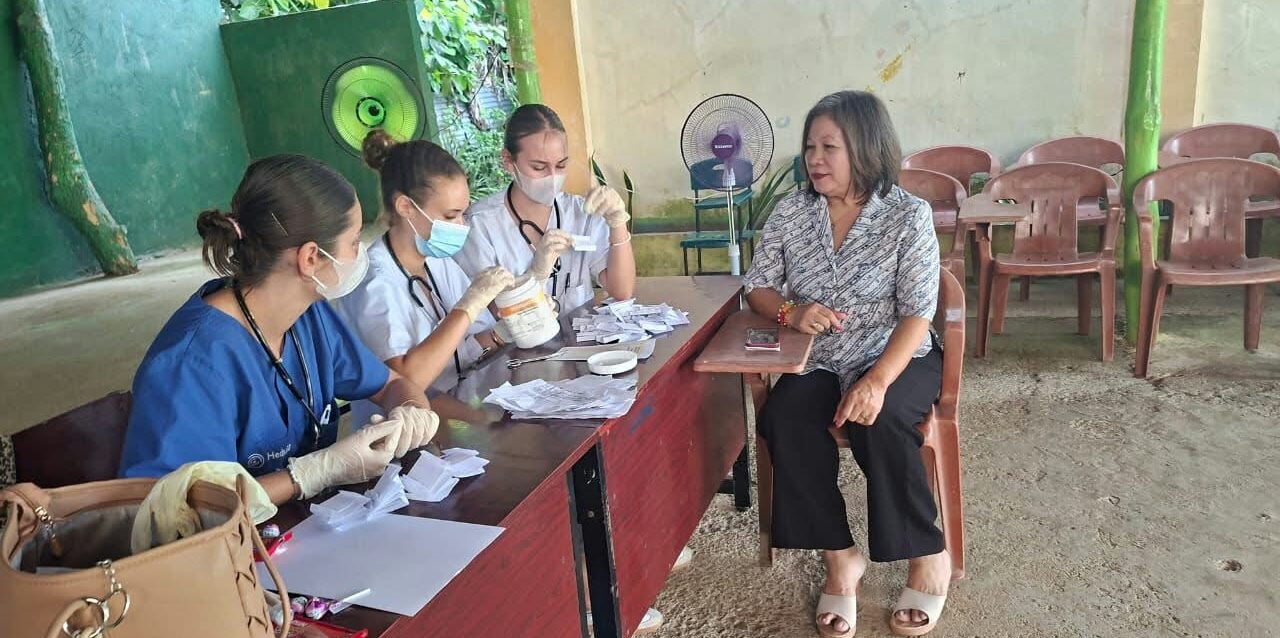
Explore the connections between healthcare delivery and community well-being. Custom group programs combine experiential learning, nutrition initiatives, health education, and cultural exchange to examine how hospitals, primary care services, and community projects address health needs and the social factors influencing access to care.
develop your own program similar to this
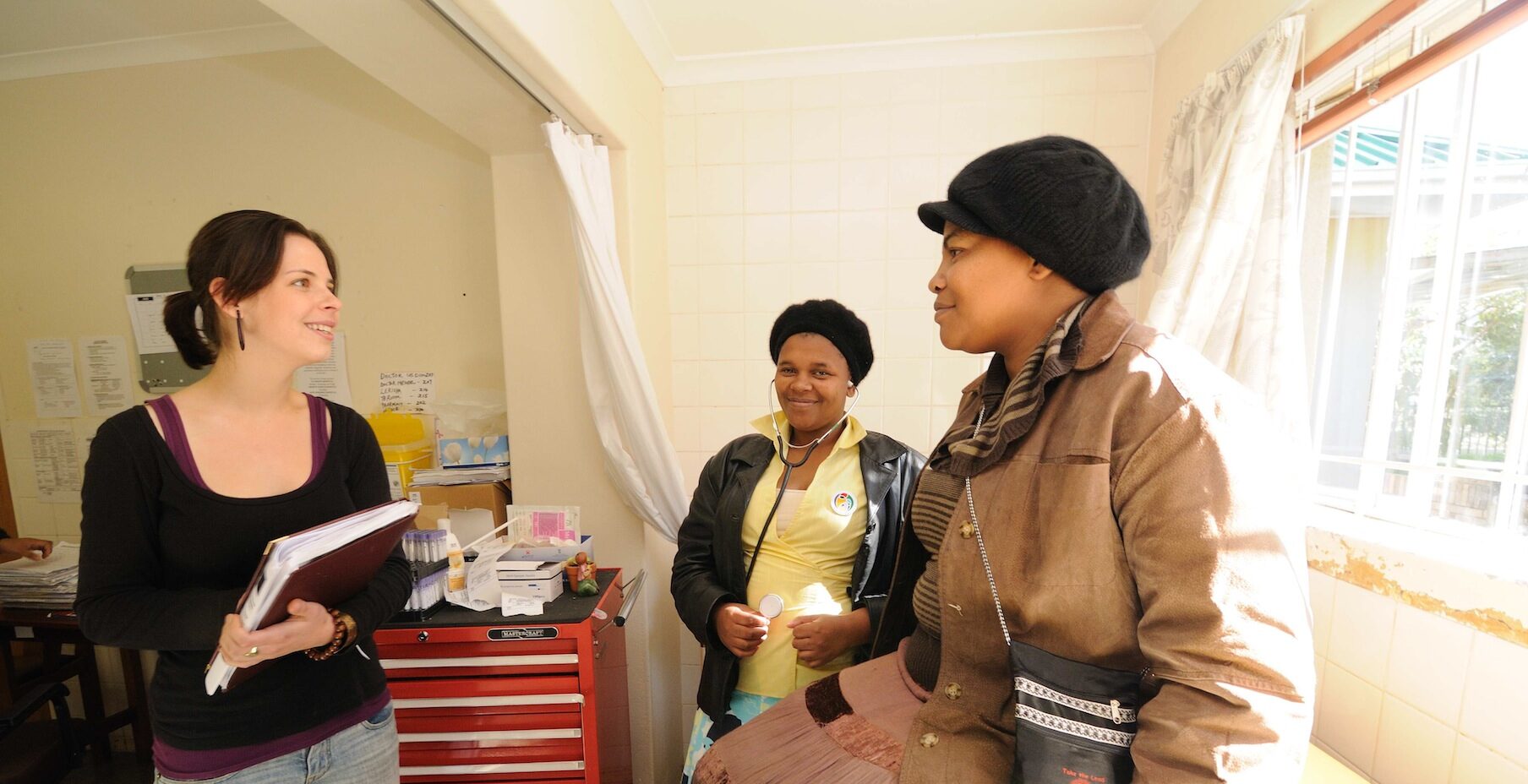
South Africa offers an important setting for examining primary care, public-health inequality, and community-based prevention. Custom group programs can provide field-based experiential learning through clinic observation, health education, and cross-cultural immersion with professionals addressing chronic illness, infectious disease, mental health, and barriers to care.
develop your own program similar to this
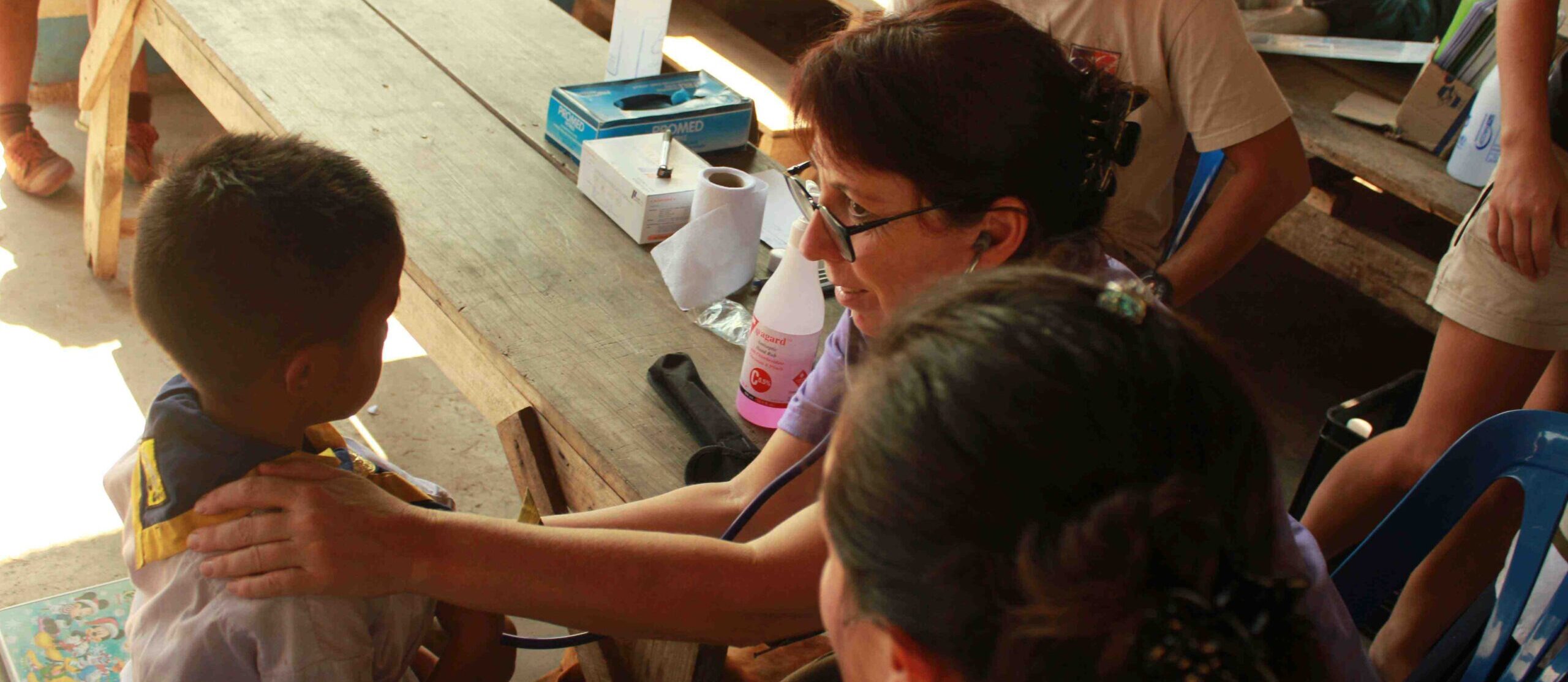
Thailand offers an opportunity to explore how universal care, preventive health, and community-based services work together across urban and rural settings. Participants can learn from healthcare professionals, community caregivers, and traditional practitioners while considering both established strengths and gaps in access to care.
develop your own program similar to this
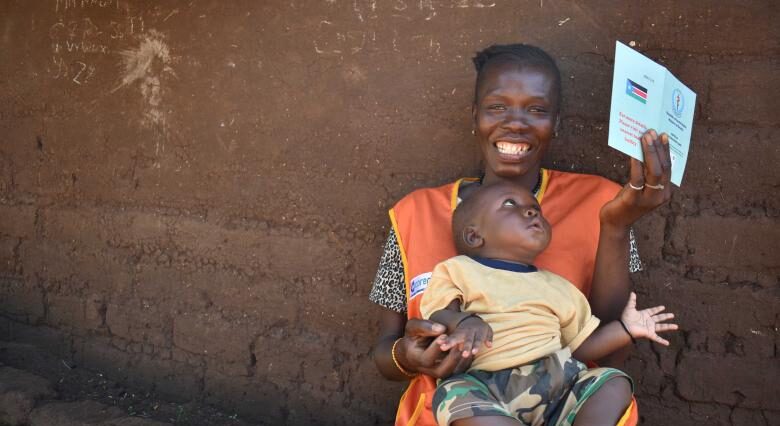
In Uganda, community health is closely tied to water, sanitation, household practices, and access to primary care. Custom group programs offer experiential learning through health education, supervised clinical observation, and cross-cultural immersion with communities and health professionals working to prevent illness and strengthen local referral systems.
develop your own program similar to this
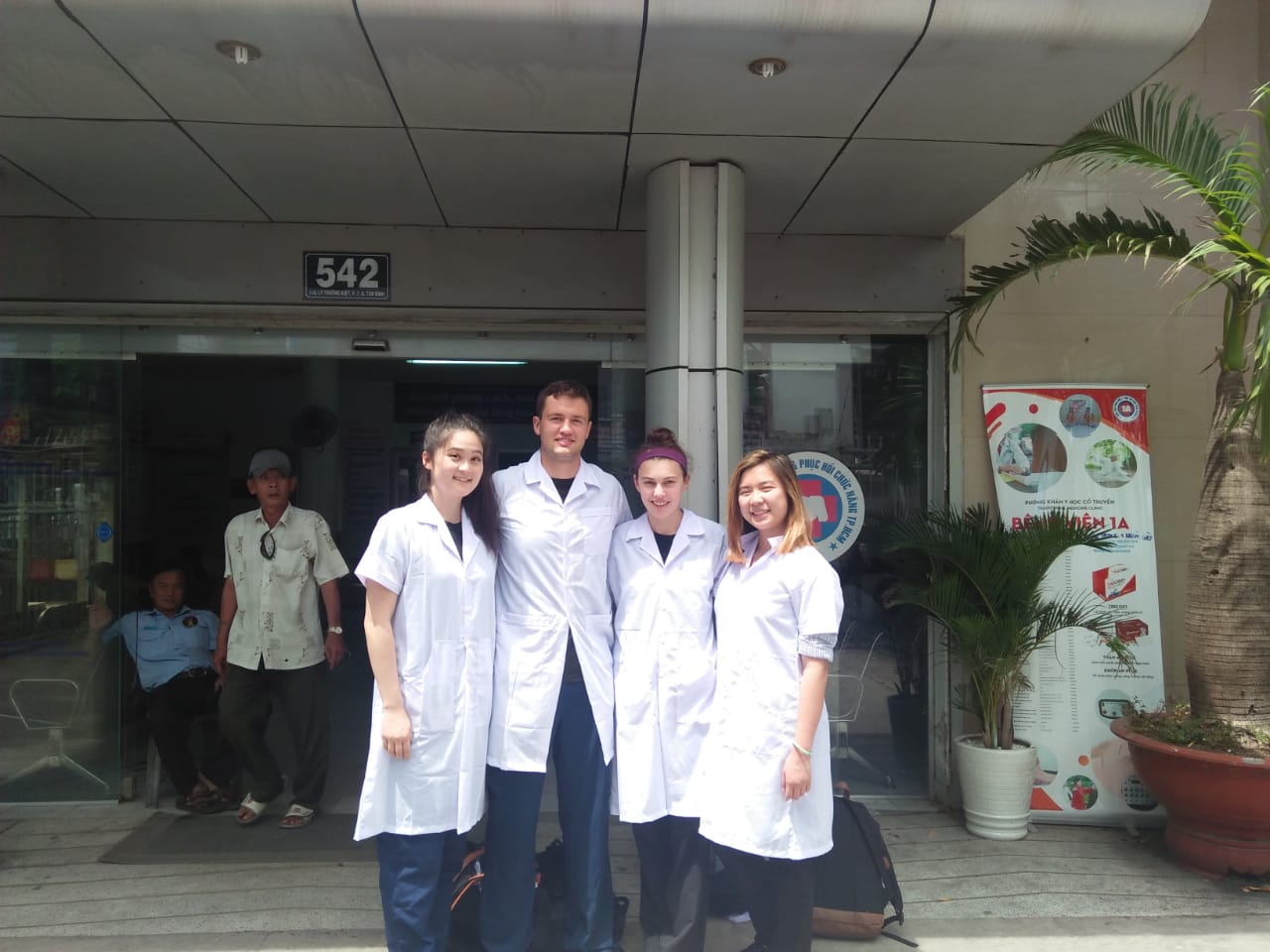
Custom group programs in Vietnam offer field-based, experiential learning across public, private, local, and international healthcare settings. Through cross-cultural immersion, guided field research, and appropriate hands-on experience, participants can examine clinical practice, community care, traditional approaches to wellbeing, and the changing role of health technology.
develop your own program similar to this
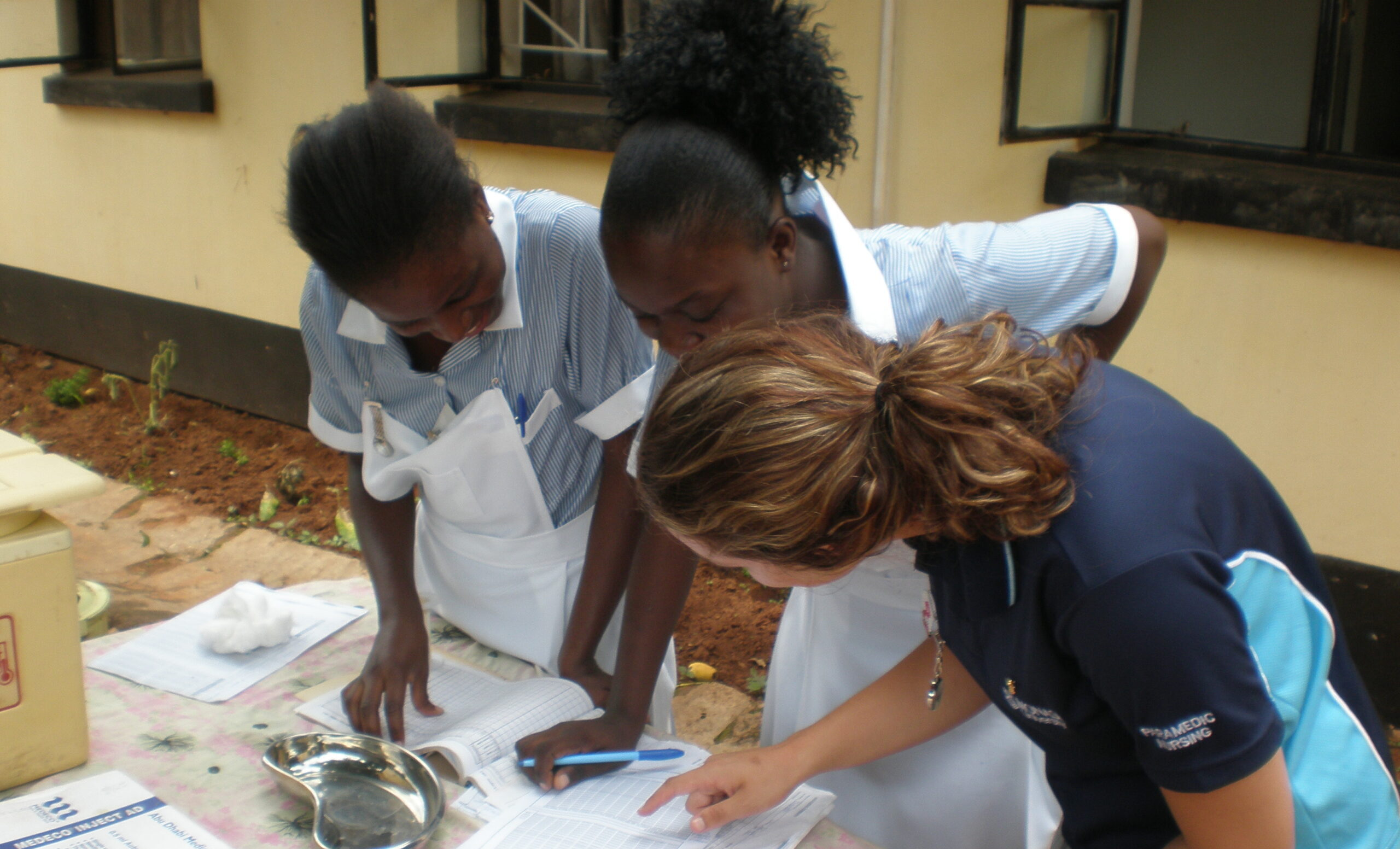
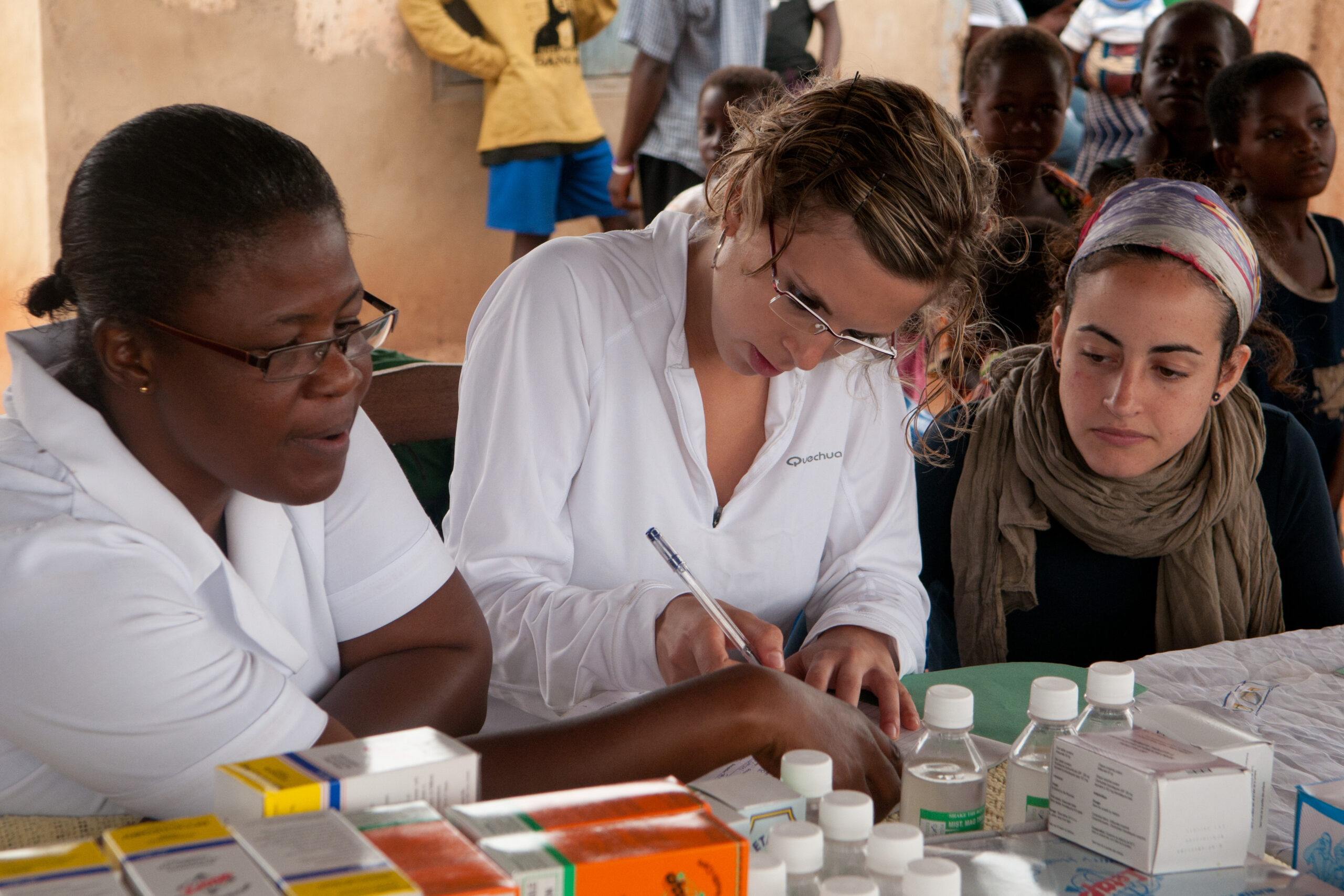
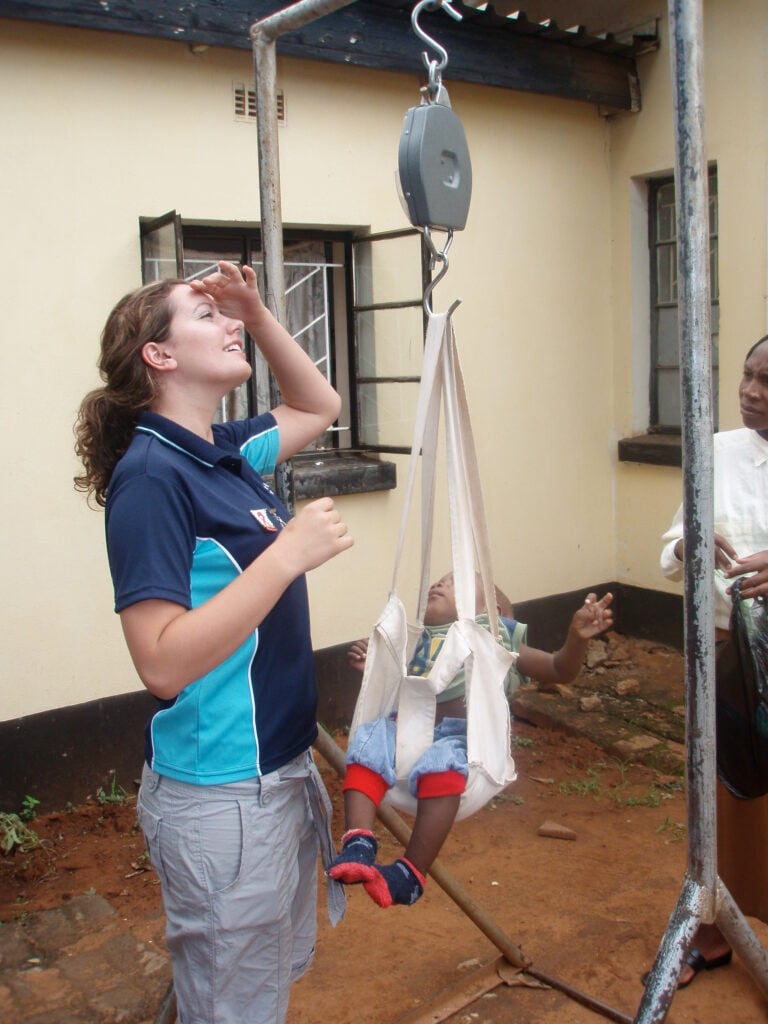
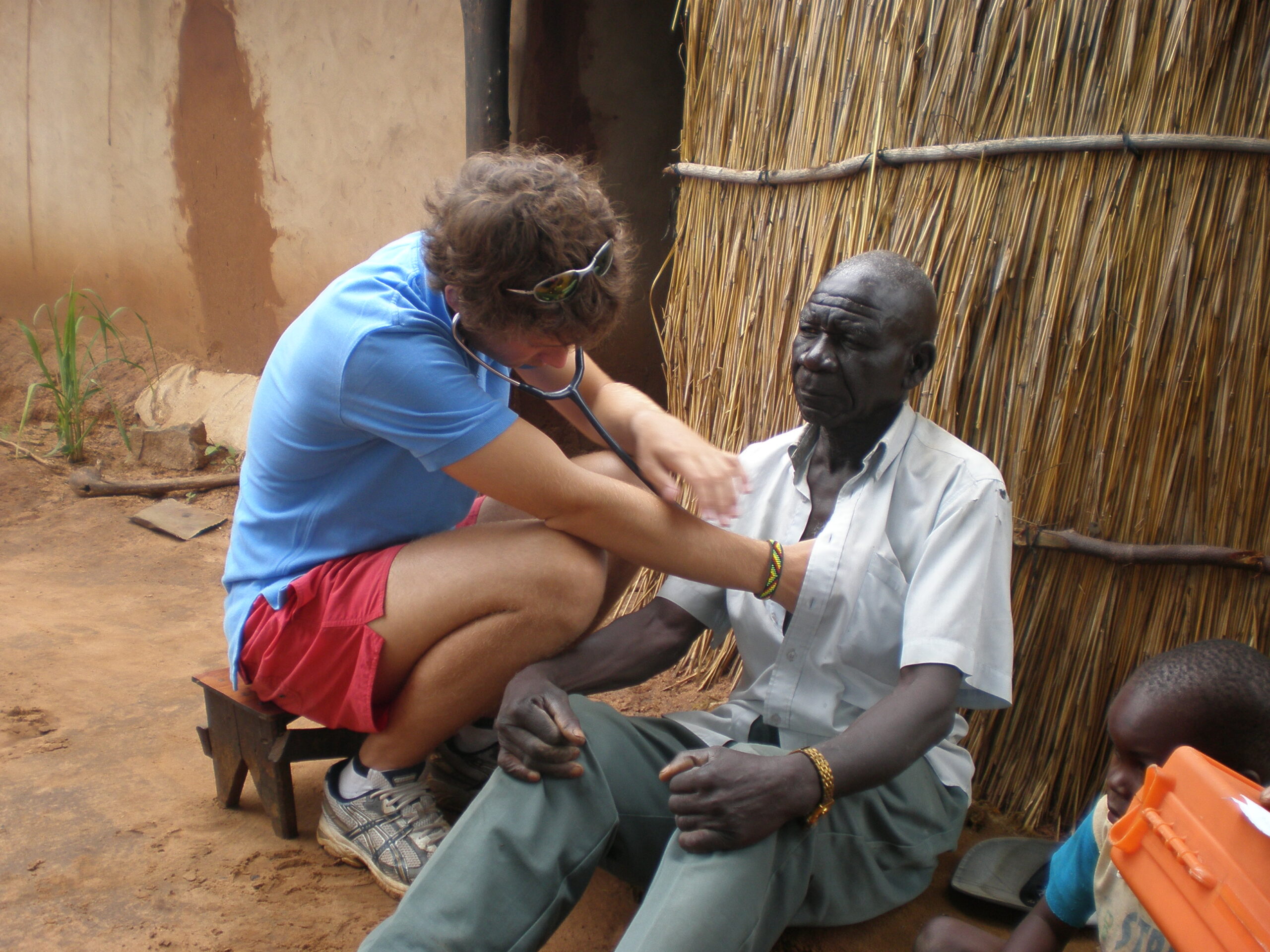
Health learning in Zambia can move beyond the clinic through direct exposure to prevention, outreach, and home-based care. Participants gain field-based, experiential learning through supervised health education, growth monitoring, pharmacy support, and observation of primary-care delivery in local communities.
develop your own program similar to this
Program ideas
Browse example itineraries and program ideas inspired by topics Kaya groups have explored over the years.
 1
Together we’ll discuss your program goals and needs.
 2
With your input, we develop and fine-tune the perfect itinerary.
 3
We support institutional approvals and recruitment processes to ensure a successful launch!
 4
From pre-departure planning until your return, we’re with you every step of the way!
FAQS
Students can examine healthcare delivery, prevention and the social factors influencing wellbeing. Kaya can tailor a custom program to course goals, connecting academic theory with local perspectives, guided observation and structured reflection on how health needs are understood and addressed.
Programs can be adapted for students in public health, medicine, nursing and related disciplines. Kaya works with faculty to match learning activities to academic level and course outcomes, with participation appropriate to students’ training, supervision and the host setting’s requirements.
Kaya works with local partners to shape learning around community priorities and capacity. Programs emphasize reciprocity, respect for local expertise, privacy and appropriate boundaries, helping students understand their responsibilities without replacing healthcare professionals or undertaking activities beyond their competence.
Students can strengthen observation, communication, critical inquiry and reflective practice while exploring health in a different context. Guided activities and discussion help them examine assumptions, compare approaches to care and connect classroom learning with the experiences of local professionals and communities.
Testimonials
With a focus on experiential education and the UN Sustainable Development Goals, your group can immerse and engage with international communities and environments across the globe.