








 1
Connect
Together we’ll discuss your program goals and needs.
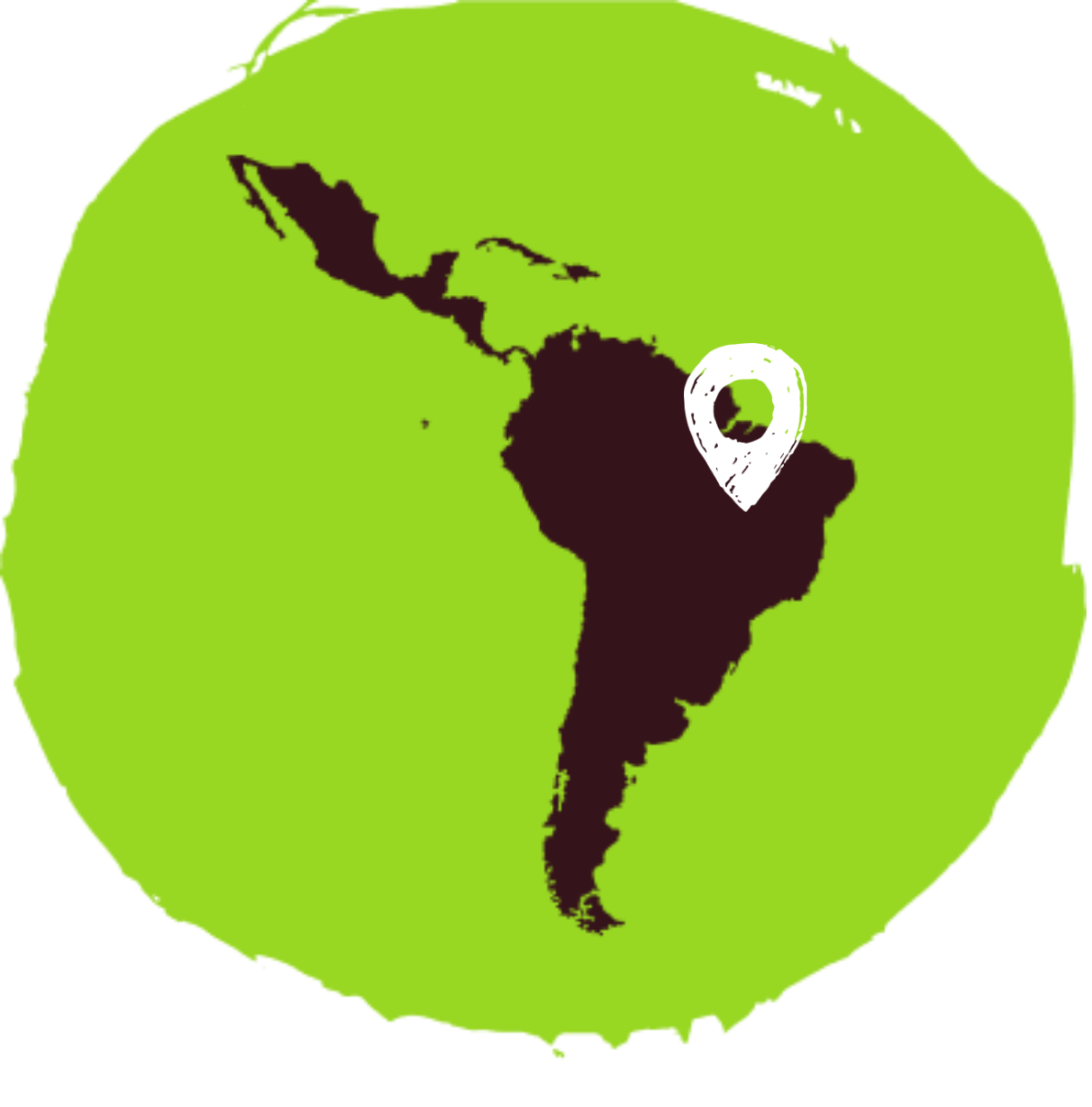
Brazil is a country of scale and contrast. Coastal megacities, global biodiversity, and layered cultural histories define one of South America’s most influential nations and a key member of the BRIC economies.
Design a program hereAbout Brazil
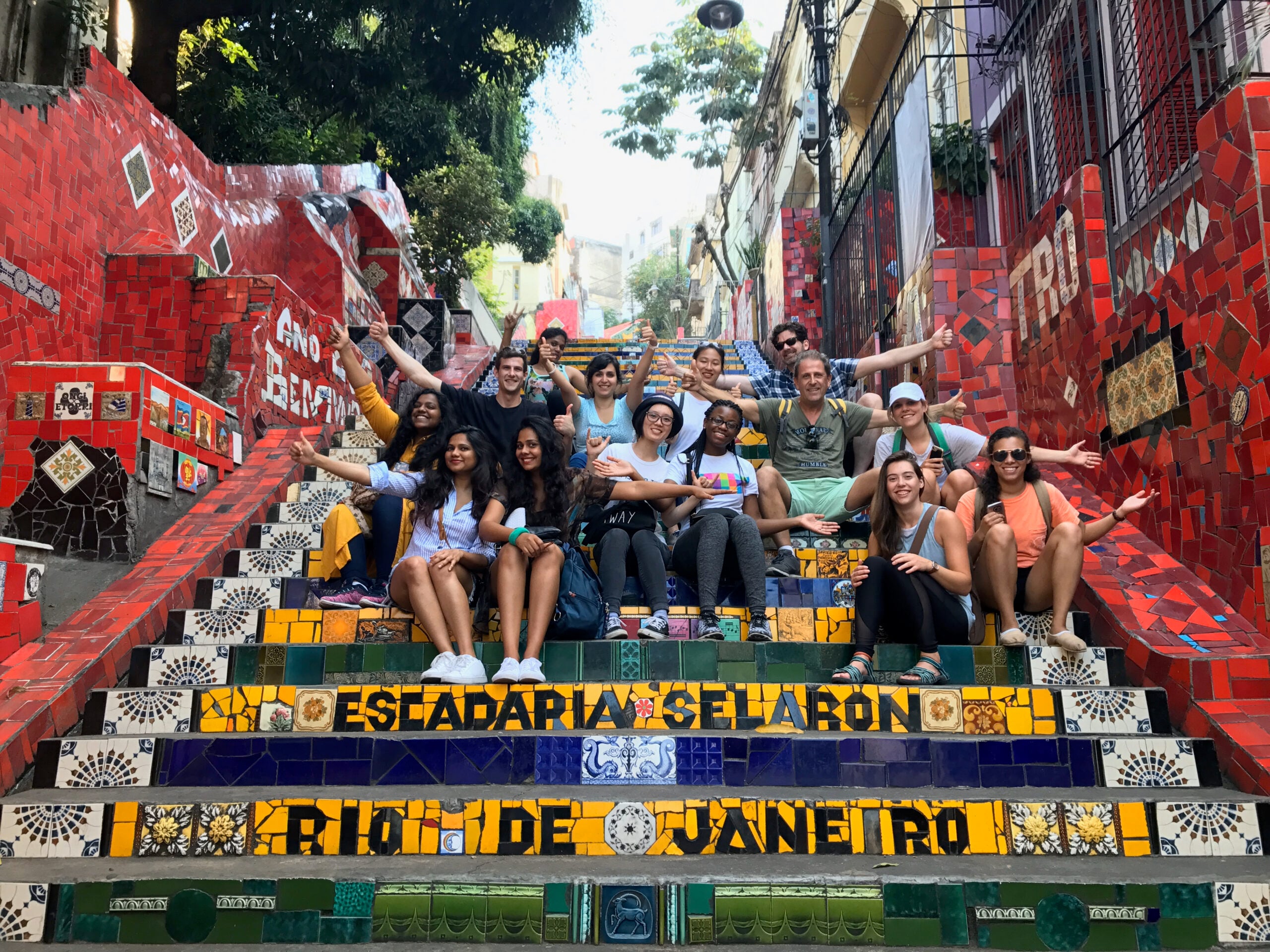
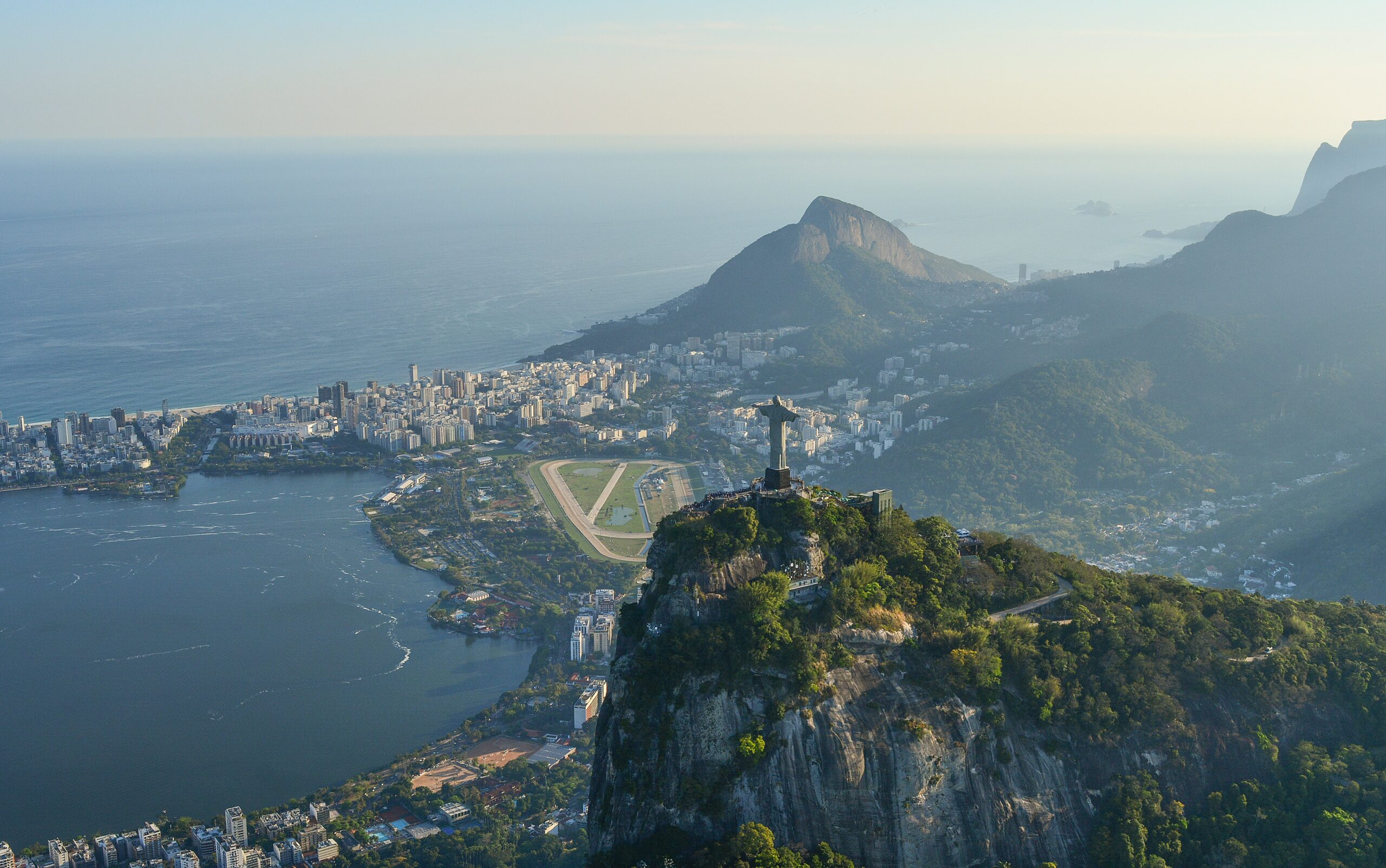
Urban transformation shapes learning across Brazil. Cities such as Rio de Janeiro and São Paulo offer insight into megacity growth, infrastructure, inequality, and global economic integration. Faculty can examine how iconic landmarks and rapidly expanding urban districts reflect national identity and international visibility.
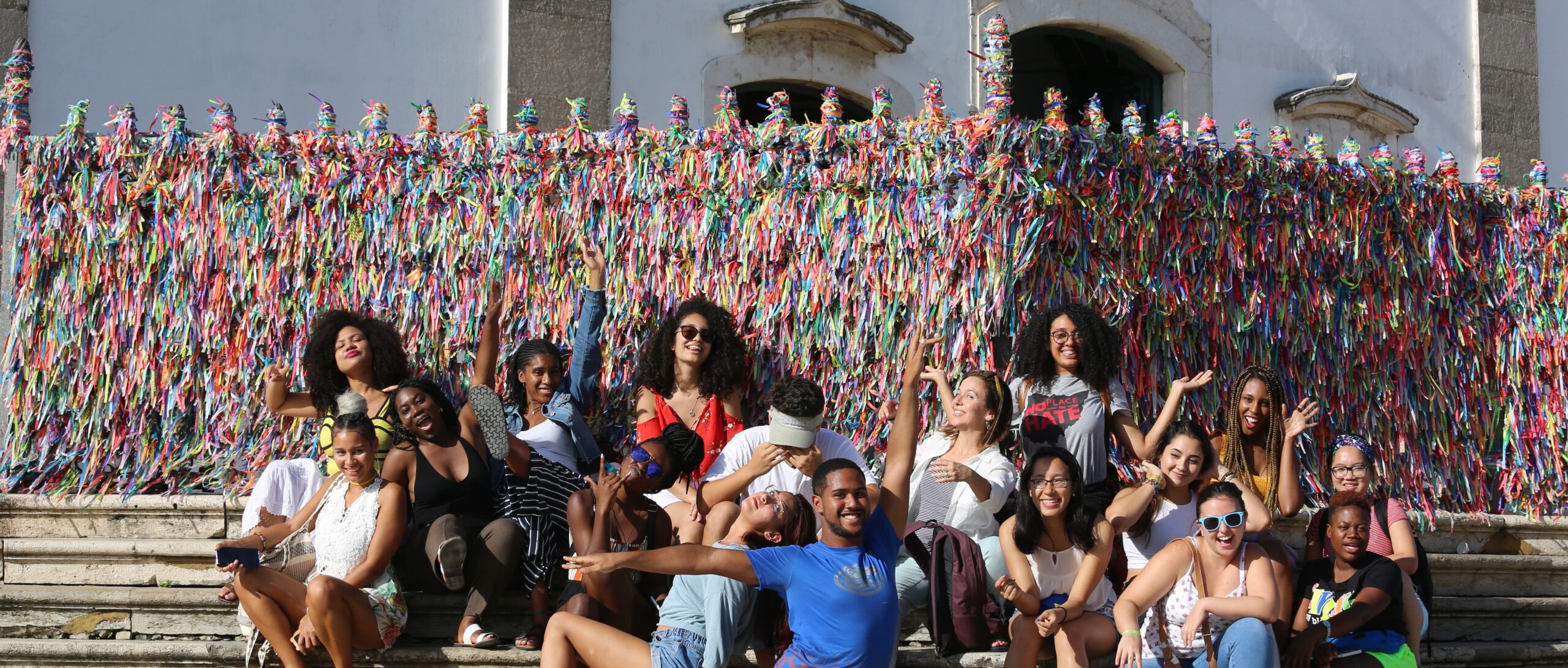
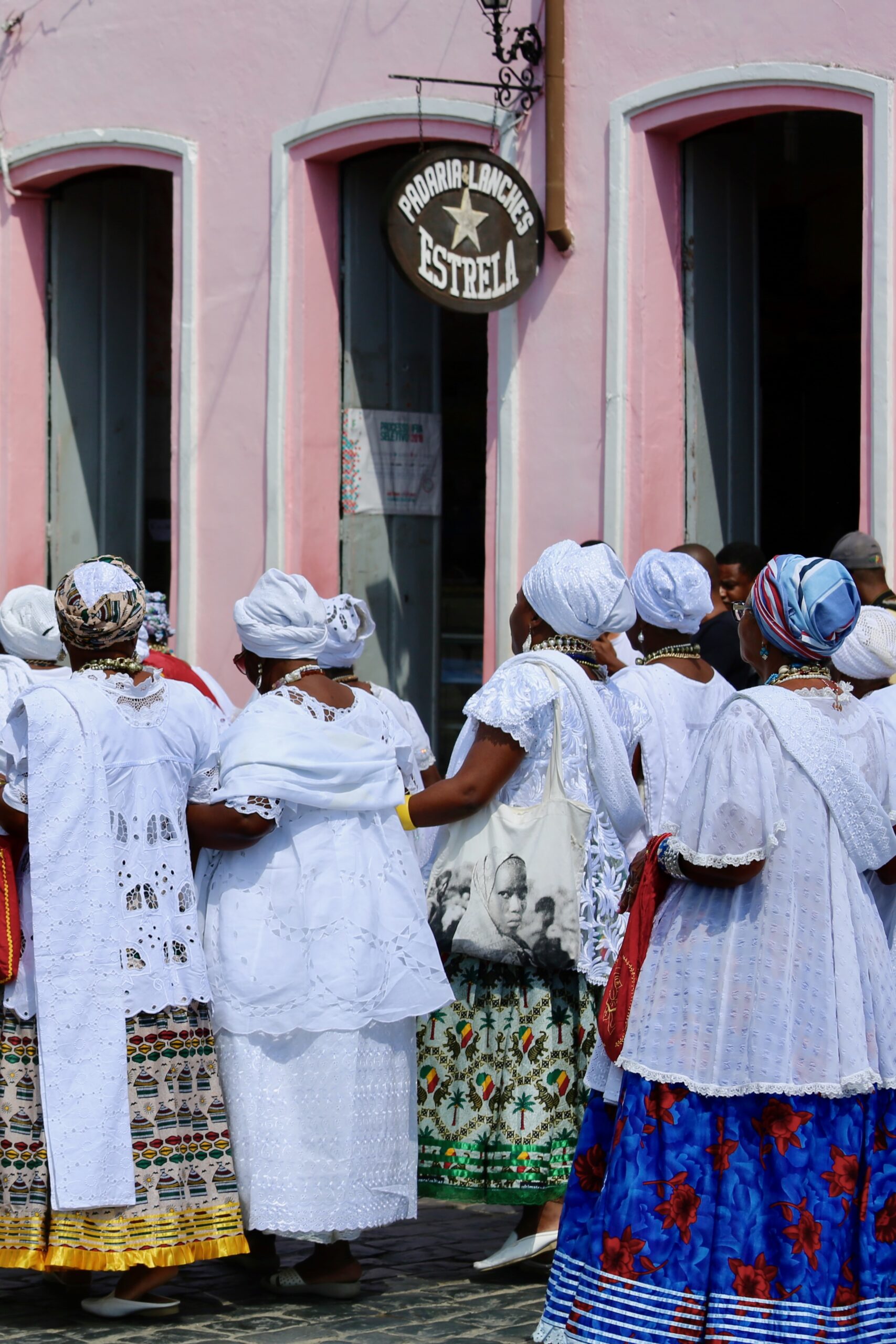
Brazil’s colonial history and Afro-Brazilian heritage remain central to cultural life. In Salvador, a UNESCO-recognized city, programs explore the legacy of the Atlantic slave trade, religious traditions, music, and cultural resilience within a diverse population.
Creative industries offer another lens into contemporary Brazil. Samba, capoeira, Carnival, street art, and soccer are not simply cultural symbols. They connect to tourism, identity, economic opportunity, and social mobility in both formal and informal sectors.
Social inequality remains visible in urban favelas and rural regions. Programs can examine housing policy, migration, entrepreneurship, and community-led initiatives within complex development contexts.
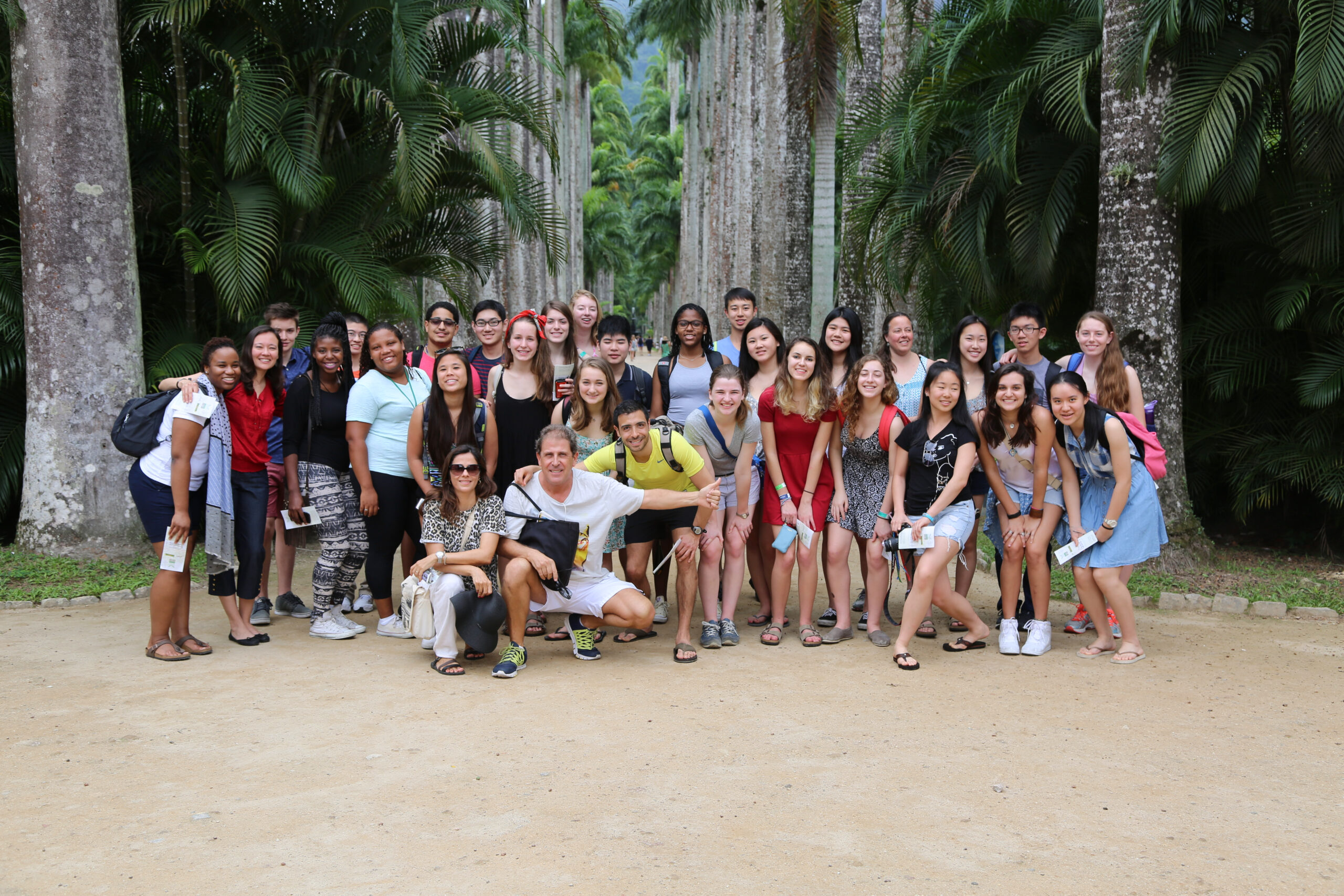
Beyond the cities, Brazil’s environmental significance is global. The Amazon rainforest provides a case study in biodiversity, agriculture, land use, and climate policy. Faculty can integrate conservation debates with discussions around resource economies and sustainable development.
Brazil allows programs to move between culture, economy, environment, and social change within a single destination. Kaya works with local partners to support structured, faculty-led programs designed around clear academic outcomes and real-world context.
Program Themes
Discover just some of the different topics and themes you can focus your program on in Brazil. If you don’t see your topic area, or you already have a ready-made itinerary, connect with the Kaya team to start a discussion!
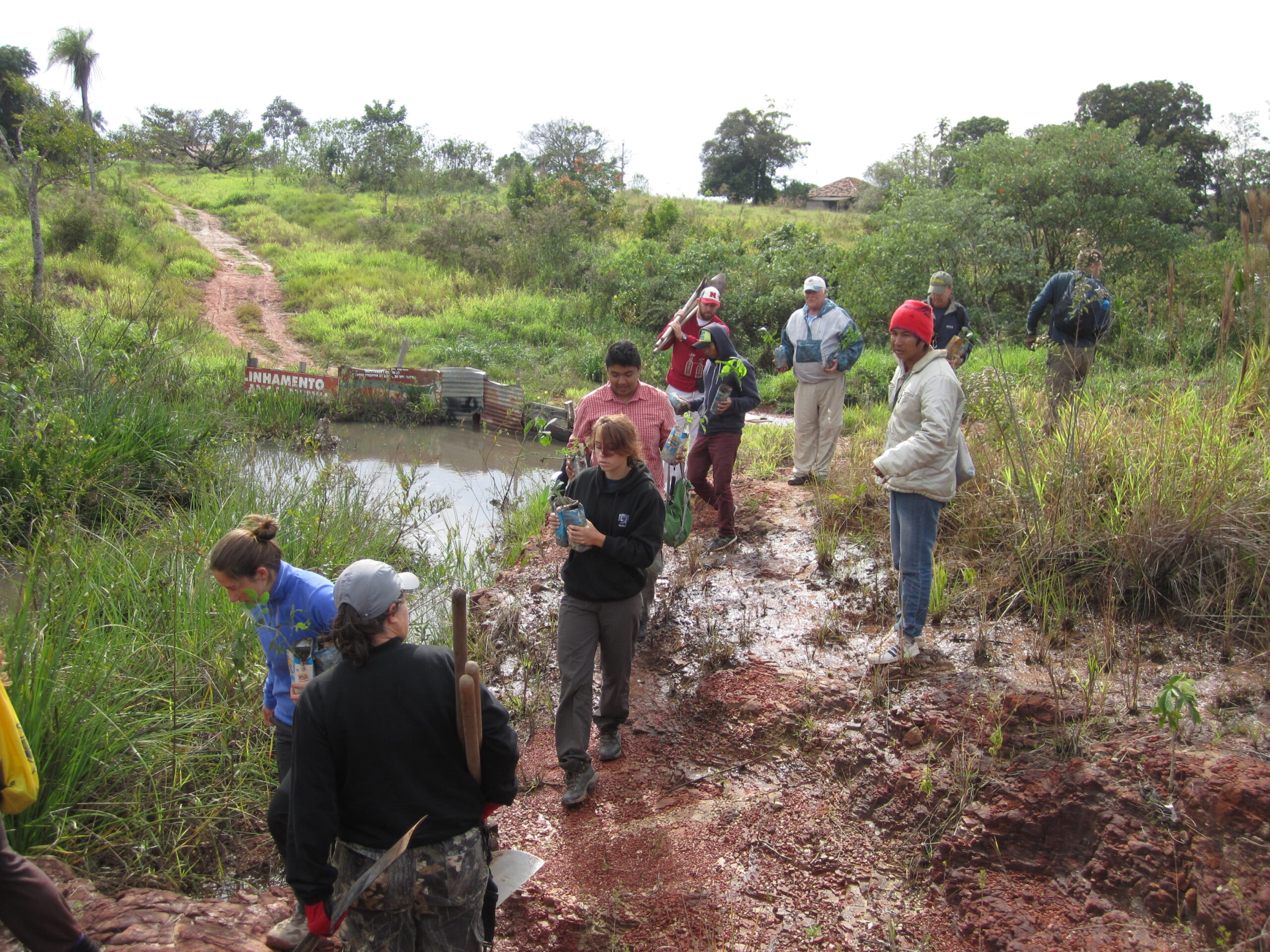
Salvador, Rio de Janeiro, and Manaus all offer a rich setting for examining food from soil to table, where agroecology, family farming, public policy, and Afro-Brazilian culinary traditions meet. Custom group programs provide field-based experiential learning around resilient food systems, local markets, climate adaptation, and food security.
develop your own program similar to this
In Salvador, Rio de Janeiro, or São Paulo, service learning can move beyond volunteering to examine how communities define priorities and create change. Custom group programs support field-based experiential learning through locally guided service, skill-sharing, reflection, and cross-cultural immersion in complex social contexts.
develop your own program similar to this
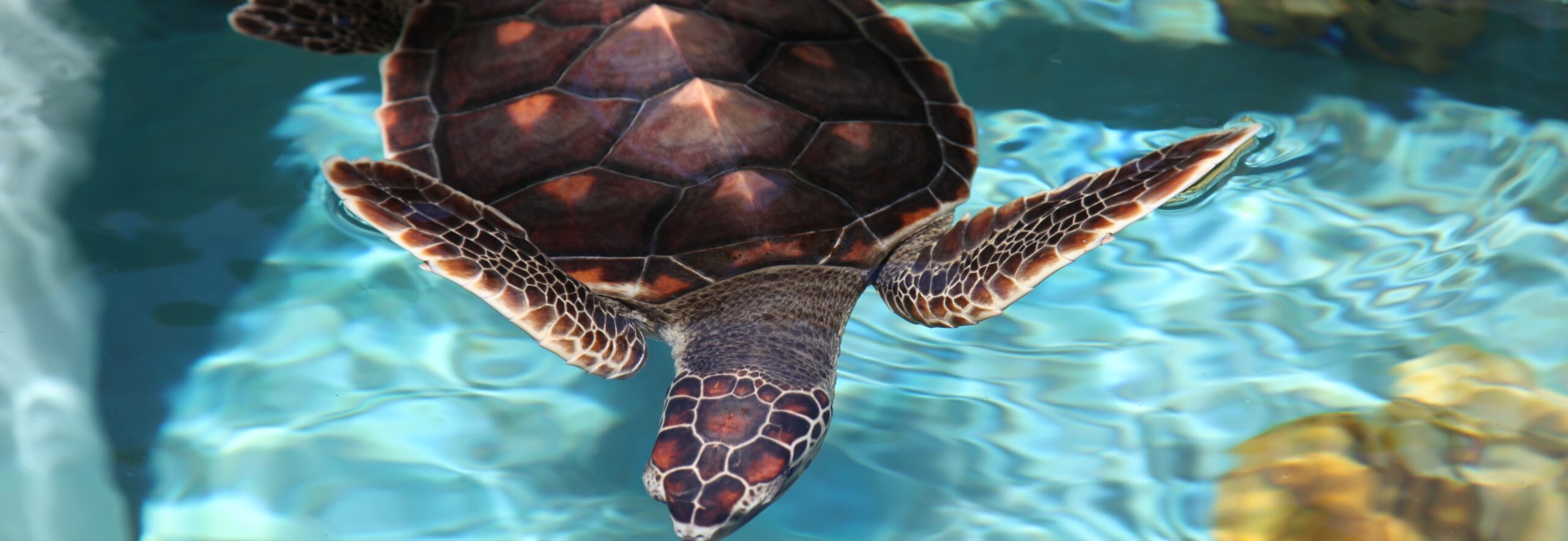
Brazil’s coasts and rivers link coral reefs, mangroves, wetlands, fisheries, and communities across Bahia, Rio de Janeiro, and the Amazon region. Custom group programs offer experiential learning through field research and hands-on experience with biodiversity conservation, sustainable resource use, and climate resilience.
develop your own program similar to this
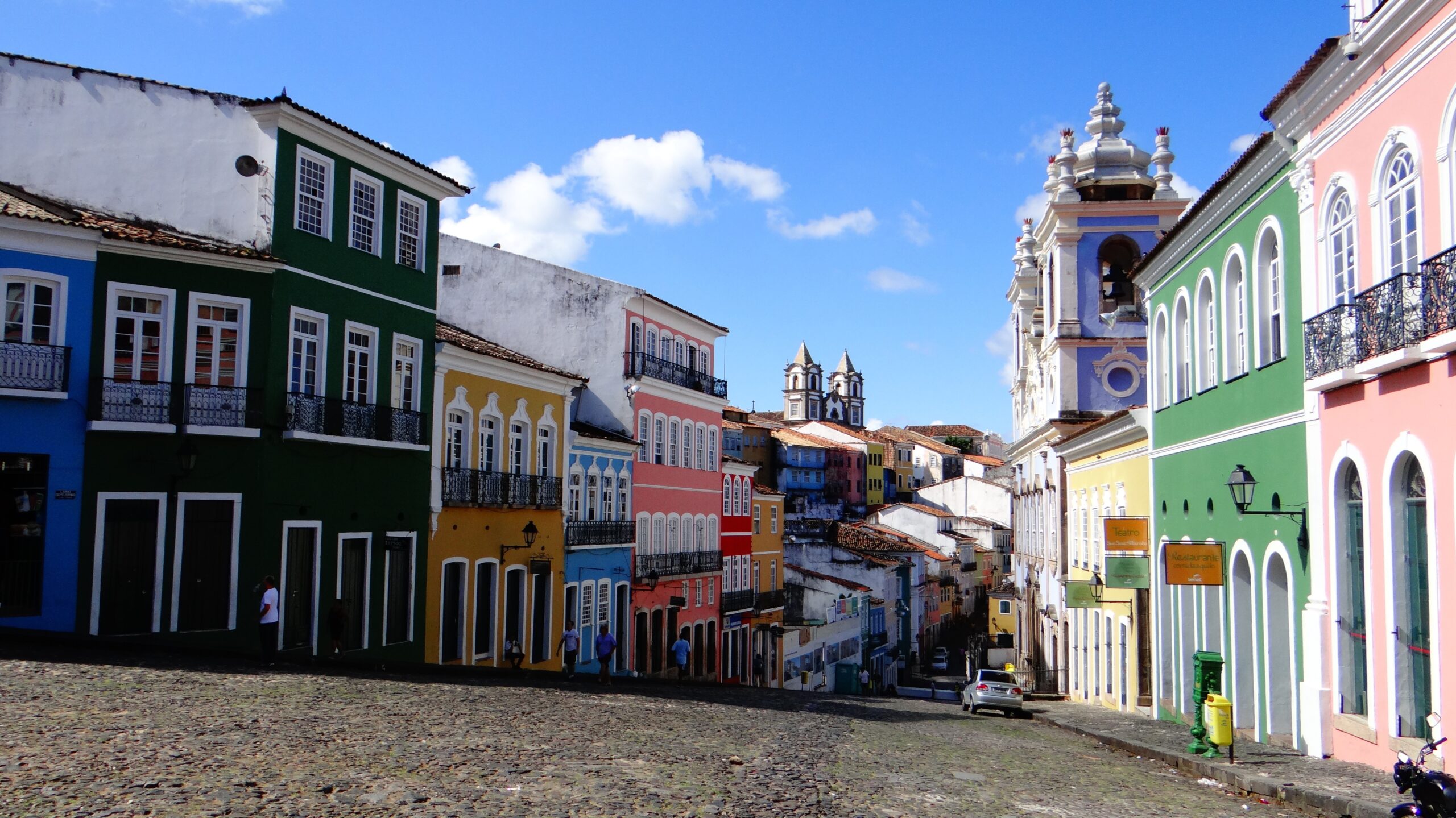
Business in Bahia reflects Brazil’s wider economic story, where colonial commodity systems, Afro-Brazilian culture, tourism, agriculture, and industrial expansion overlap. Custom group programs offer field-based experiential learning with entrepreneurs, manufacturers, and community enterprises, connecting business strategy to culture, sustainability, and regional development.
develop your own program similar to this
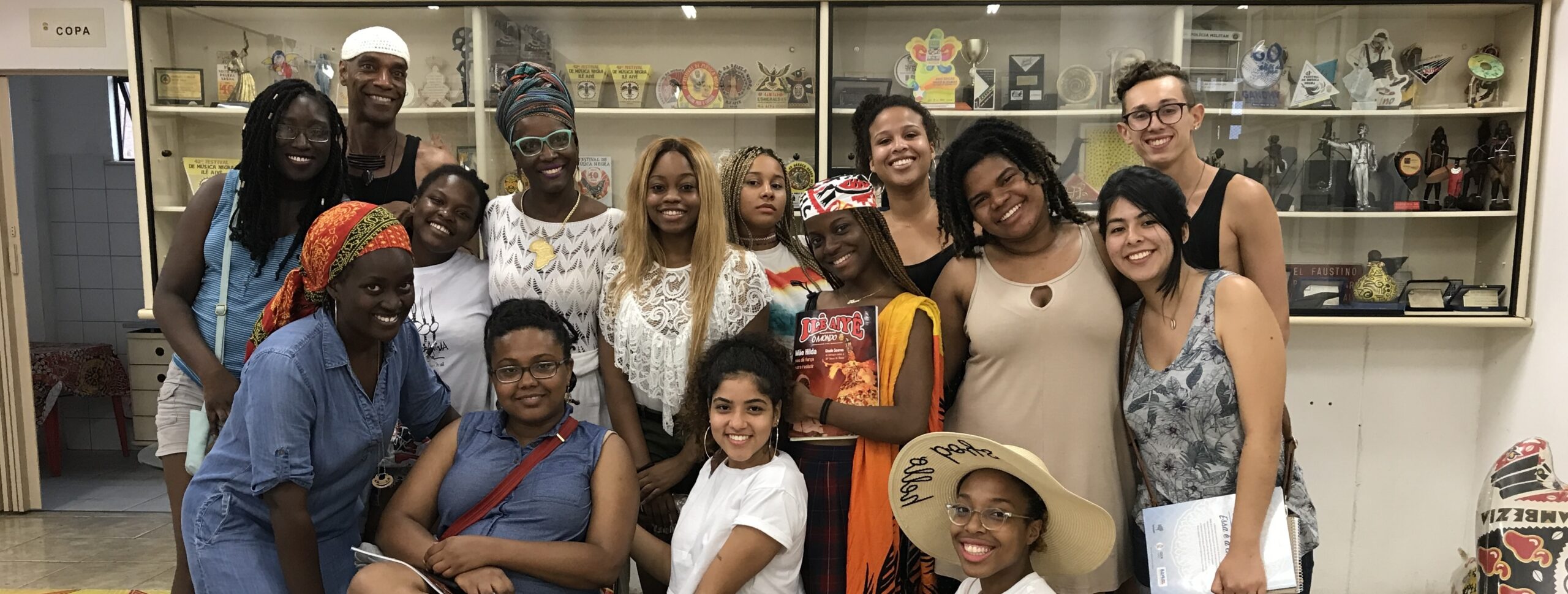
Brazil’s education system shows how culture, inequality, and policy shape access to learning. Participants gain a hands-on perspective through conversations with educators, visits to schools, and engagement with organizations advancing educational equity.
develop your own program similar to this
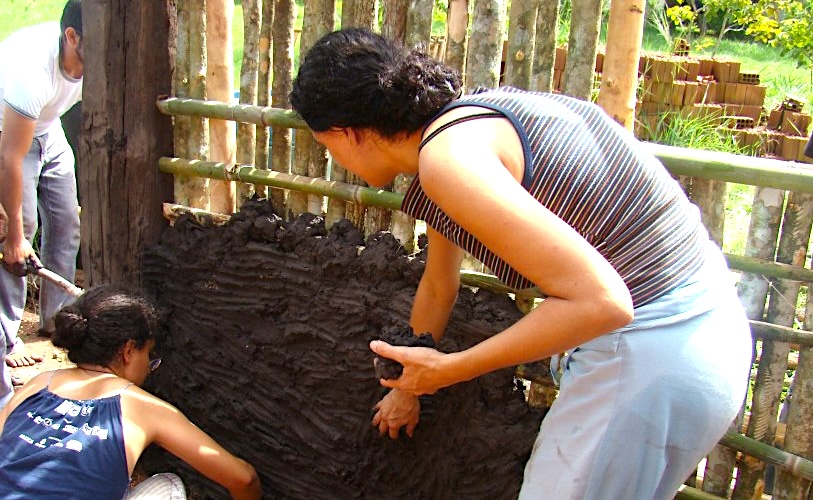
From transport corridors to wastewater networks, Brazil provides a real-world setting for investigating the systems that keep cities and communities functioning. Custom group programs combine field research, hands-on experience, and cross-cultural immersion to explore sustainable engineering solutions for energy, water, materials, and climate resilience.
develop your own program similar to this
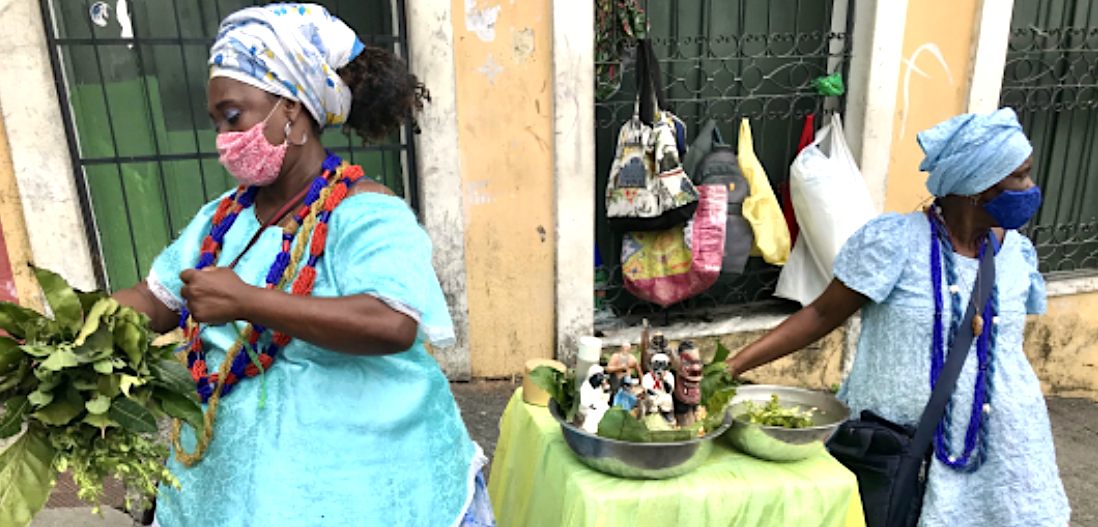
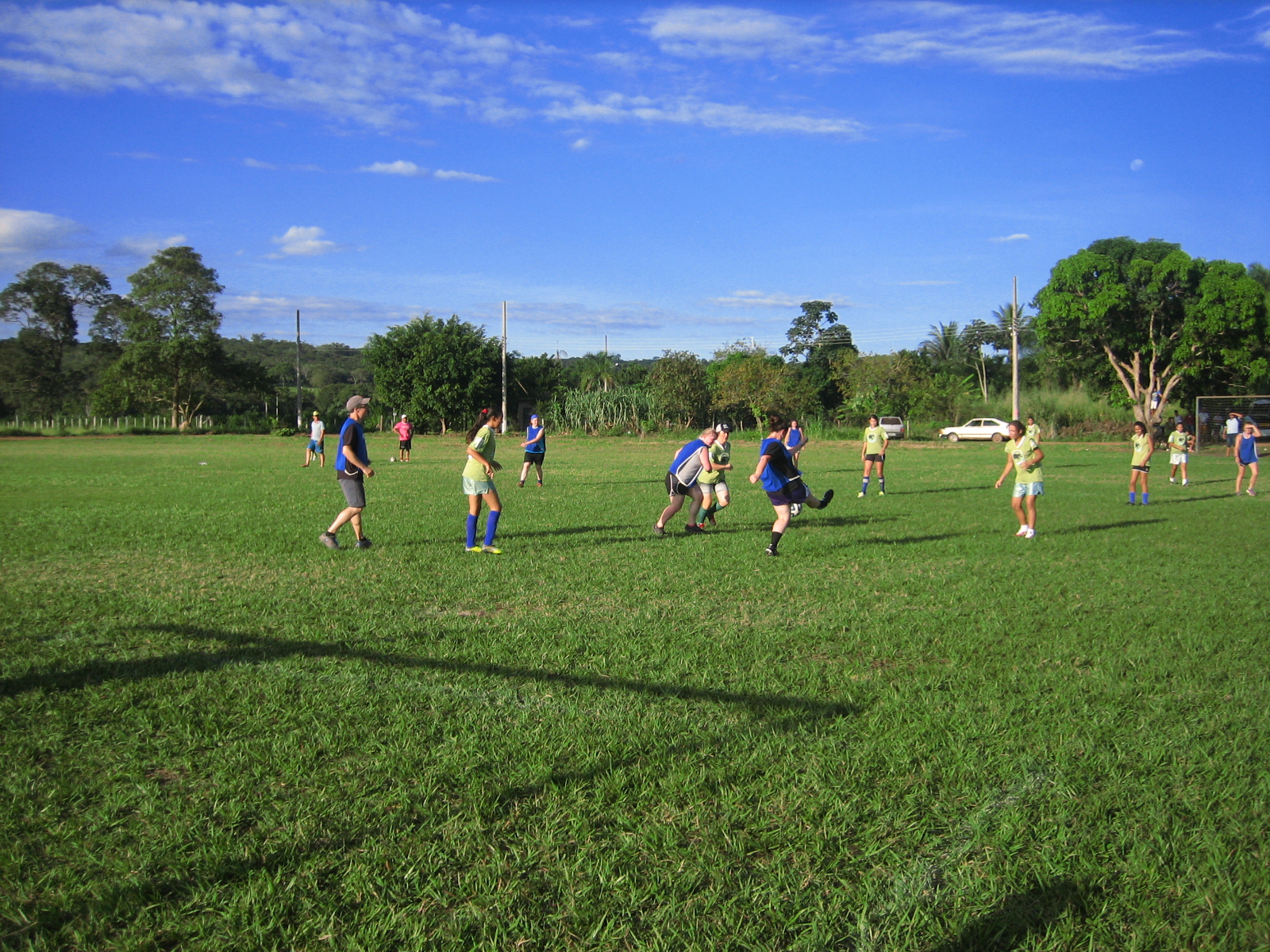
In Brazil, health is shaped by the interaction of social inequality, food traditions, cultural beliefs, and public policy. Participants can explore these connections through visits to healthcare settings and community initiatives, gaining practical insight into prevention, care access, nutrition, and traditional healing.
develop your own program similar to this
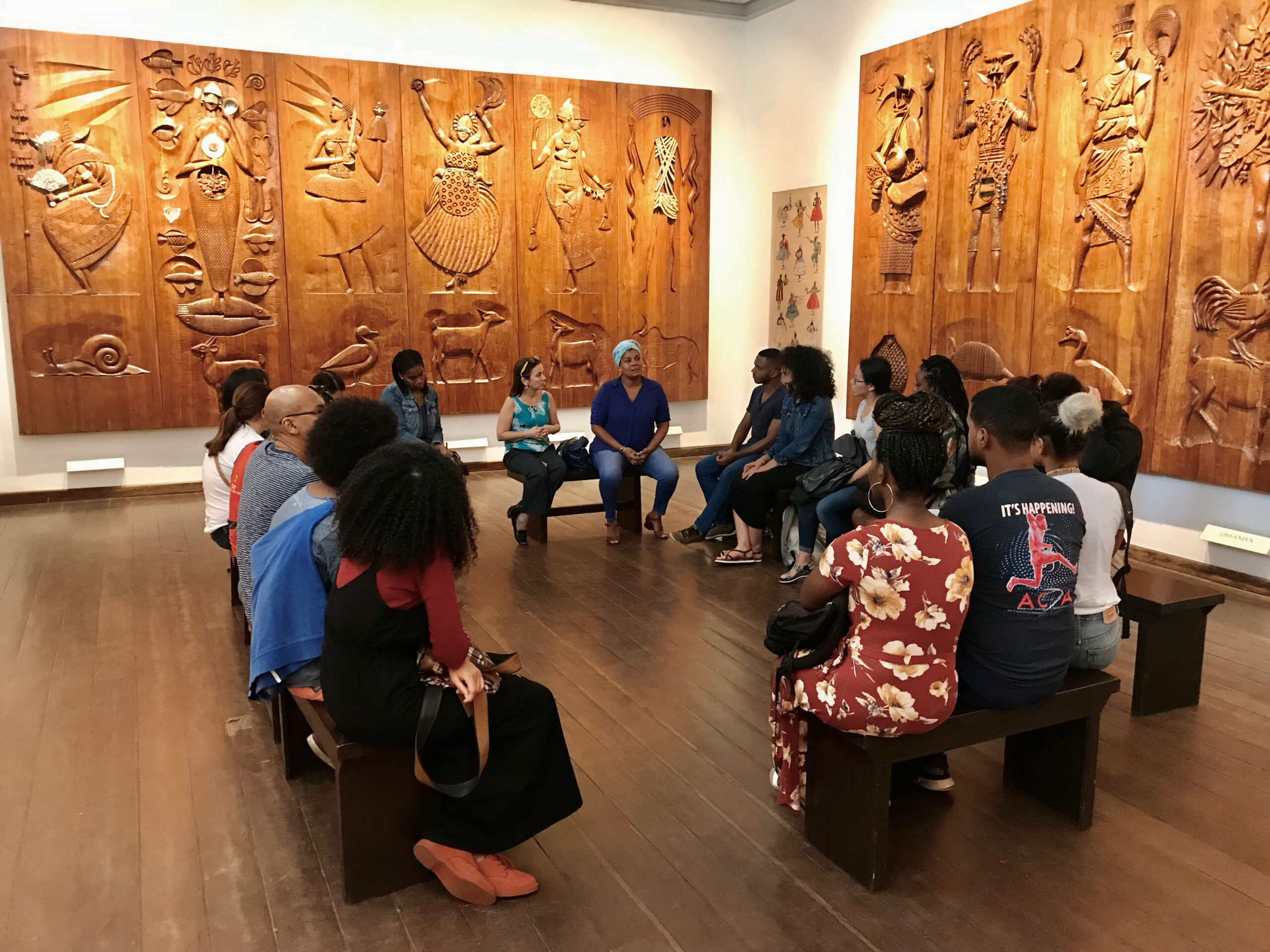
Brazil’s cultural landscape is shaped by Indigenous, African, and Portuguese histories, expressed through architecture, religion, visual art, music, dance, and public memory. Custom group programs make room for field-based experiential learning at museums, heritage sites, and creative spaces, pairing historical inquiry with cross-cultural immersion in Salvador, Rio de Janeiro, or São Paulo.
develop your own program similar to this
Social justice in Brazil can be examined through the lived effects of racial inequality, poverty, gender-based discrimination, and unequal access to public services. Custom group programs support field-based experiential learning with advocates, community organizers, and cultural practitioners working toward rights, accountability, and social change.
develop your own program similar to this
1
Together we’ll discuss your program goals and needs.
 2
With your input, we develop and fine-tune the perfect itinerary.
 3
We support institutional approvals and recruitment processes to ensure a successful launch!
 4
From pre-departure planning until your return, we’re with you every step of the way!
FAQS
Kaya can help faculty build a Brazil program around a single subject or a question spanning several disciplines. Themes might connect food security with business, education with social justice, or engineering with sustainability, with course objectives guiding the choice of visits, activities and reflection.
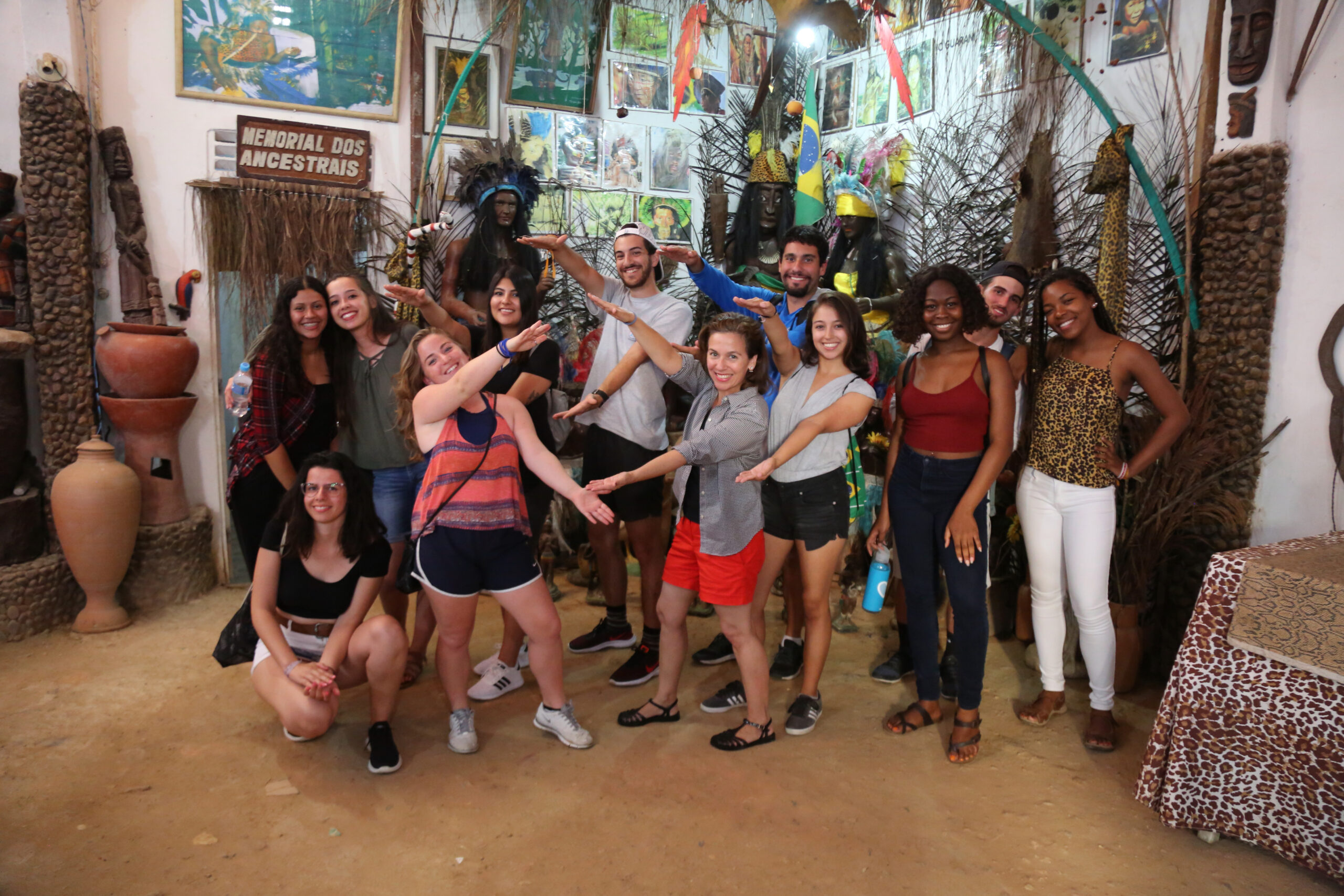
Rather than treating Brazil as one uniform setting, a Kaya program encourages students to explore the context of the places they visit. Dialogue and guided learning with local partners can help participants examine how history, culture and community priorities relate to their course themes.
Kaya can work with group leaders and local partners to explore service-learning opportunities suited to the available time and participants’ skills. The emphasis is on responsible participation: contributing where appropriate, learning from hosts and reflecting on community priorities without assuming a short visit creates lasting change.
Preparation starts with a discussion of the group’s needs, itinerary, activities and supervision. Kaya works with group leaders and the on-site team to address relevant health guidance, transport, emergency arrangements and participant responsibilities, alongside expectations for respectful engagement in the settings students will visit.
Testimonials
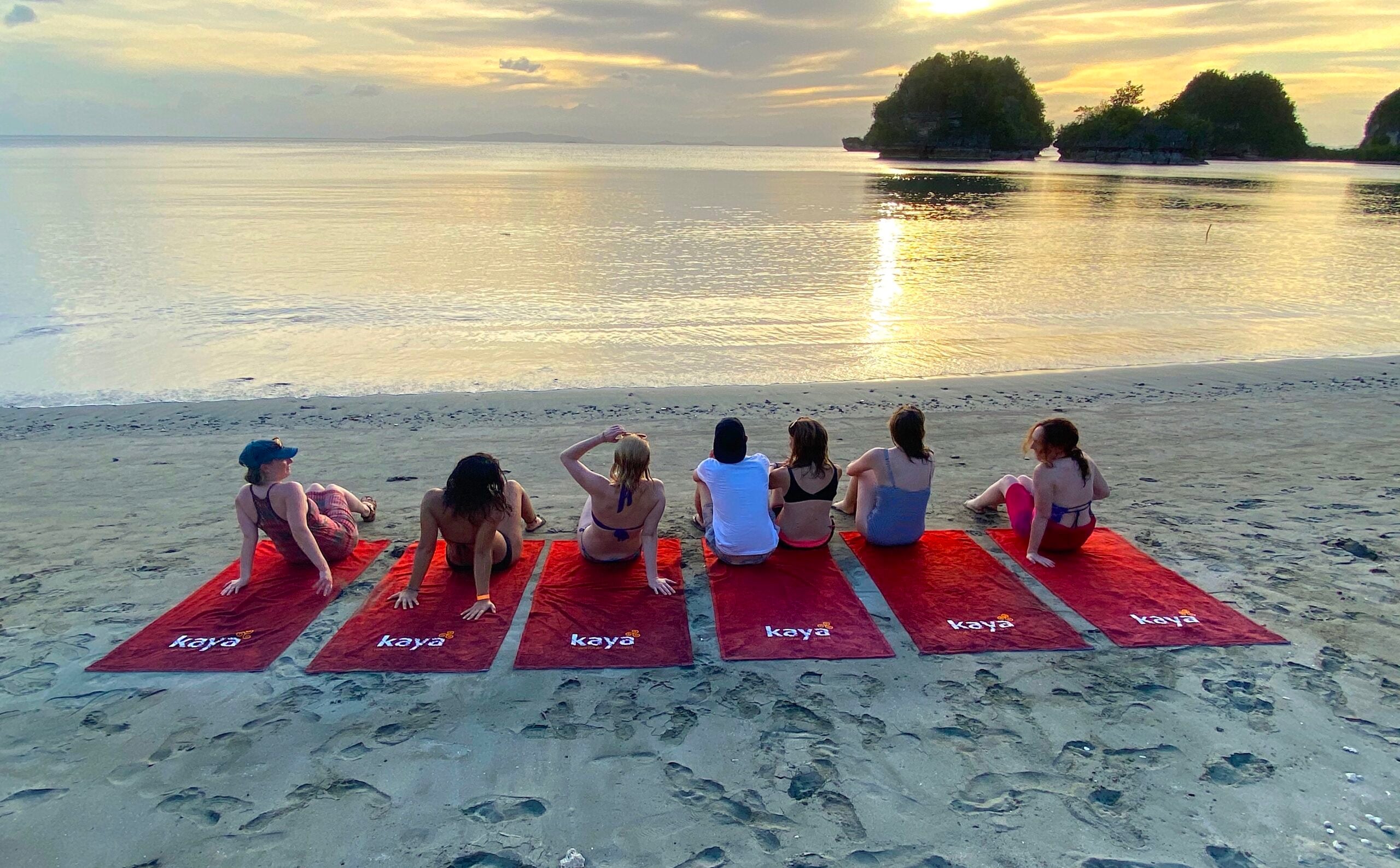
With a focus on experiential education and the UN Sustainable Development Goals, your group can immerse and engage with international communities and environments across the globe.