









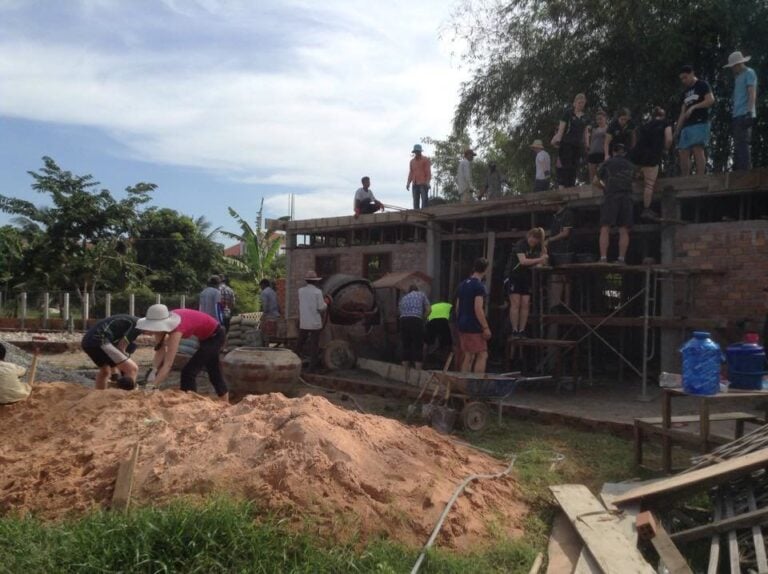
Engineering Sustainable Housing in Cambodia
- Engineering & Resource Management
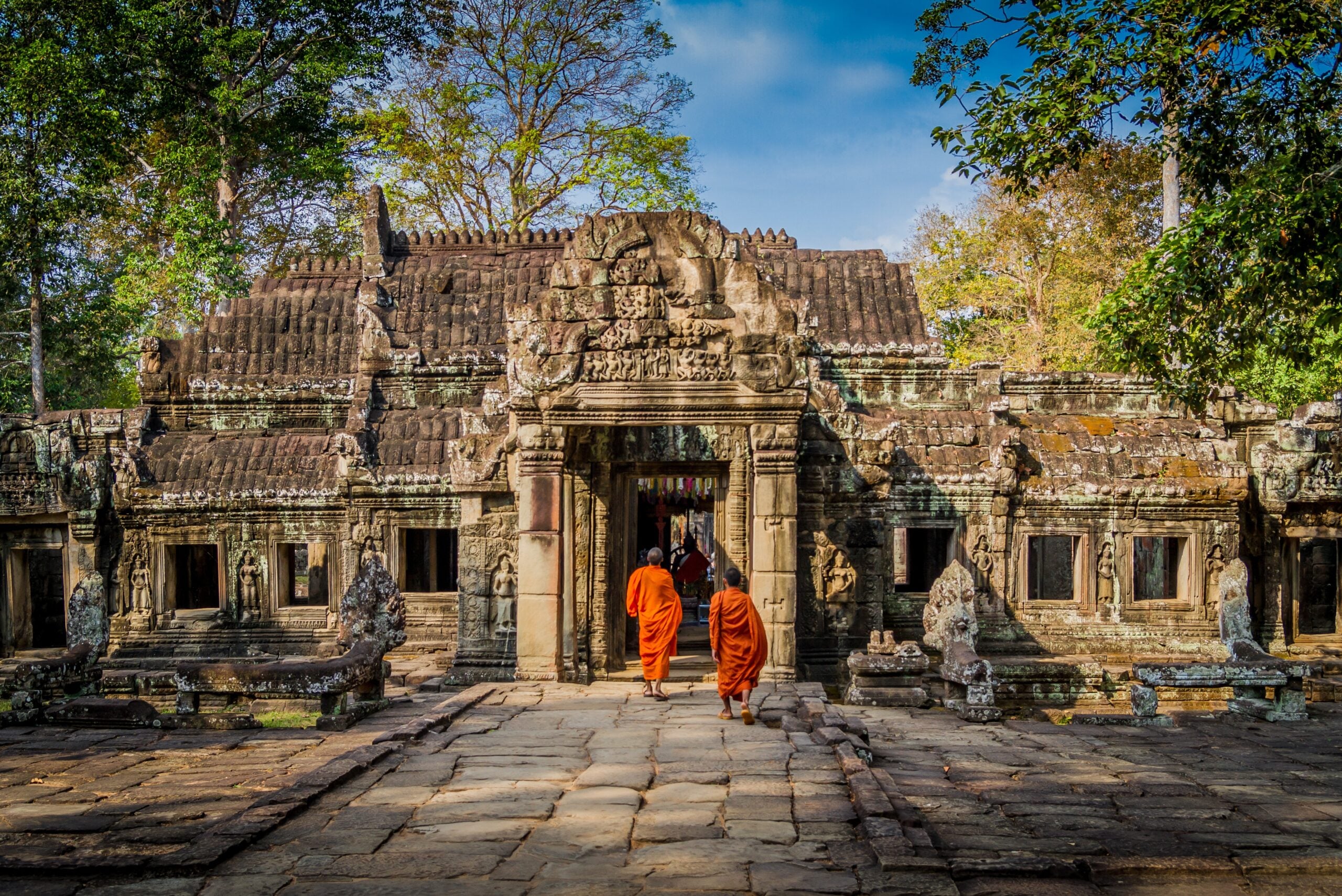
Cambodia blends ancient empires with modern resilience. Iconic temples rise from the landscape, while Buddhist traditions and complex history continue to shape contemporary society and academic exploration.
Design a program hereAbout Cambodia
Cultural heritage and post-conflict recovery sit at the centre of learning in Cambodia. Faculty explore the legacy of the Khmer Empire alongside the lasting social and political impacts of the Khmer Rouge era.
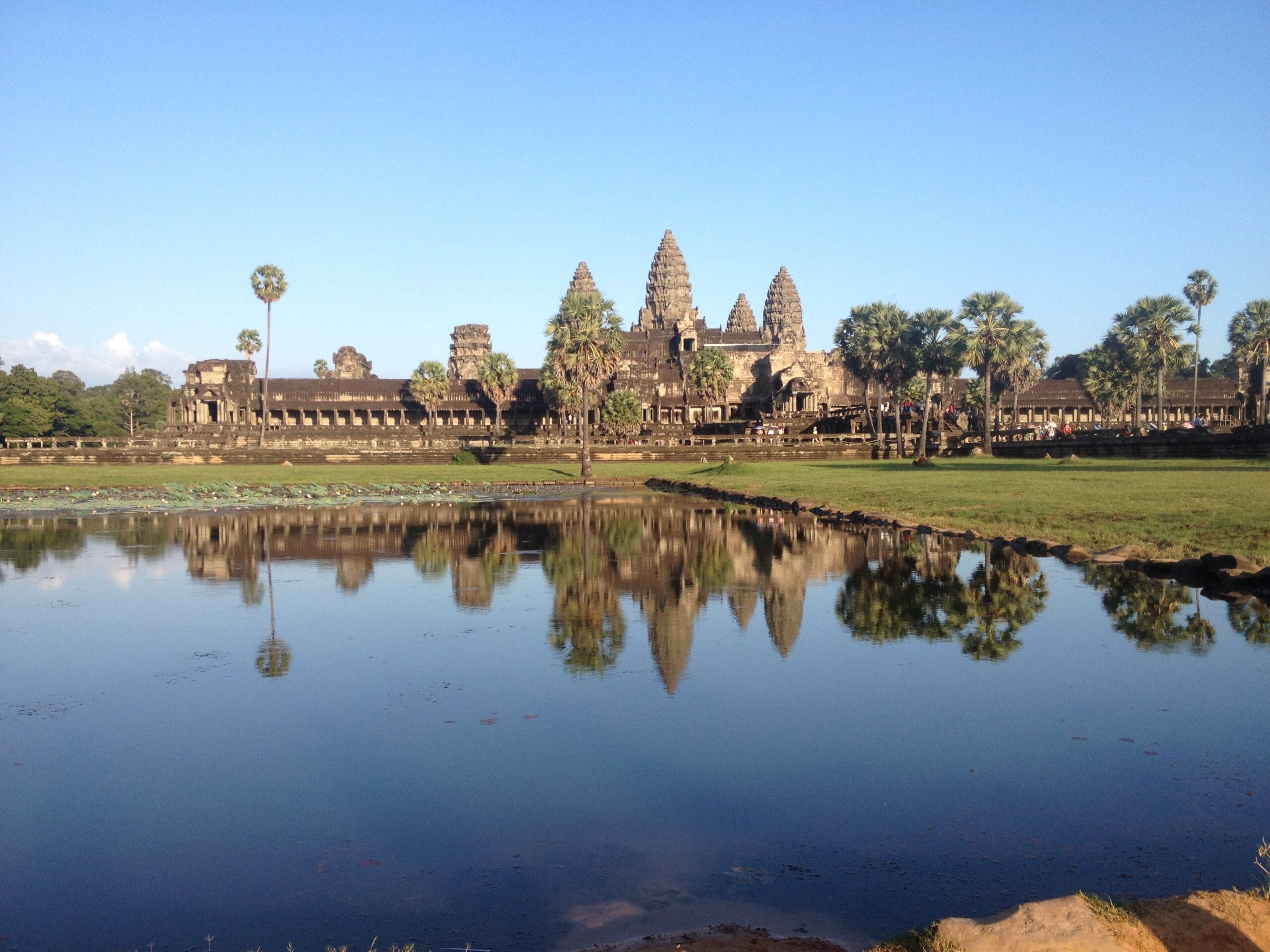
At sites such as Angkor Wat, programs examine how heritage tourism shapes identity, preservation and local economies. Students reflect on ethics, representation and sustainability while exploring how history is shared with the world.
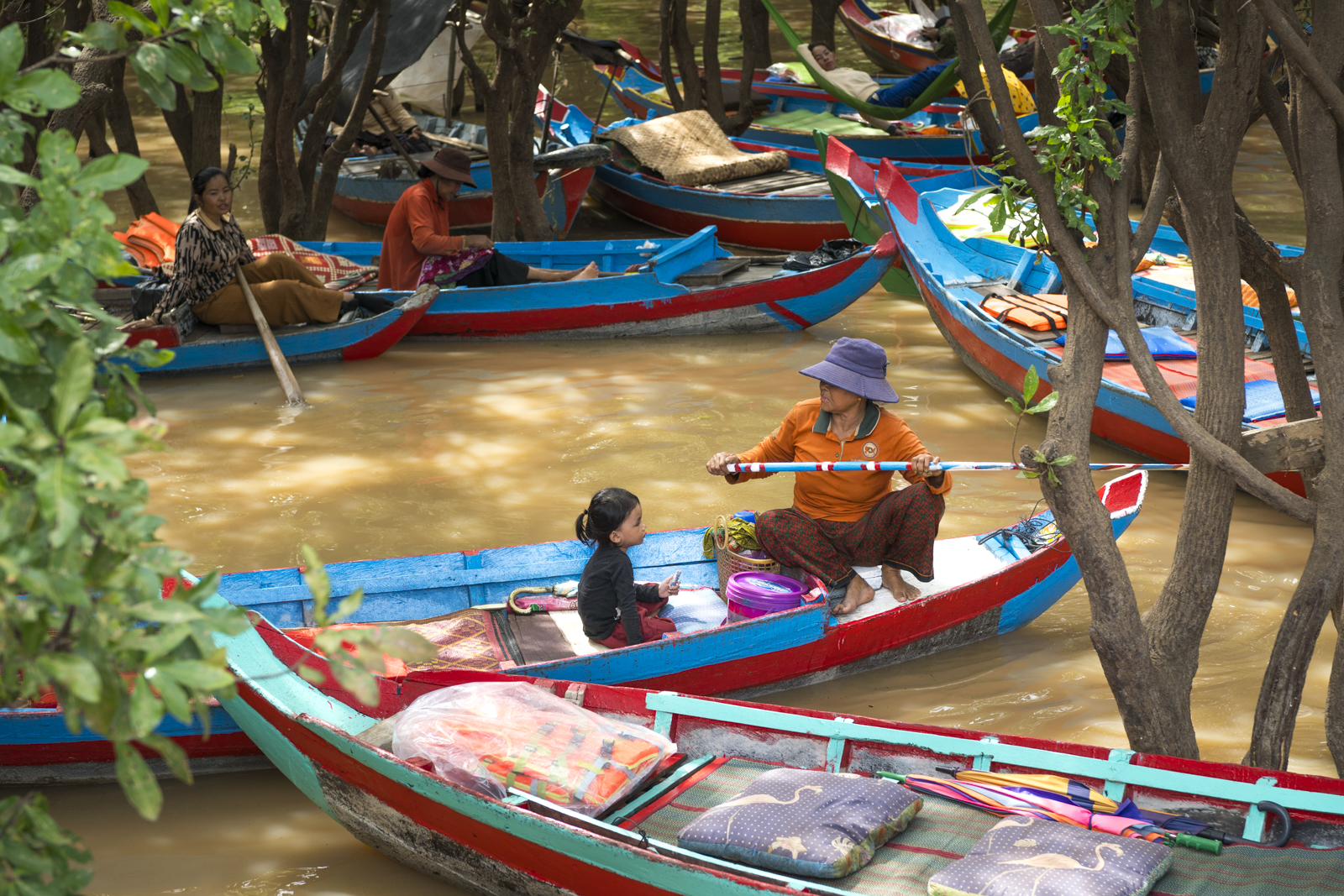
Beyond major heritage sites, Cambodia offers insight into everyday life and ongoing recovery. Floating villages, rural landscapes and community initiatives highlight resilience, cultural continuity and changing livelihoods.
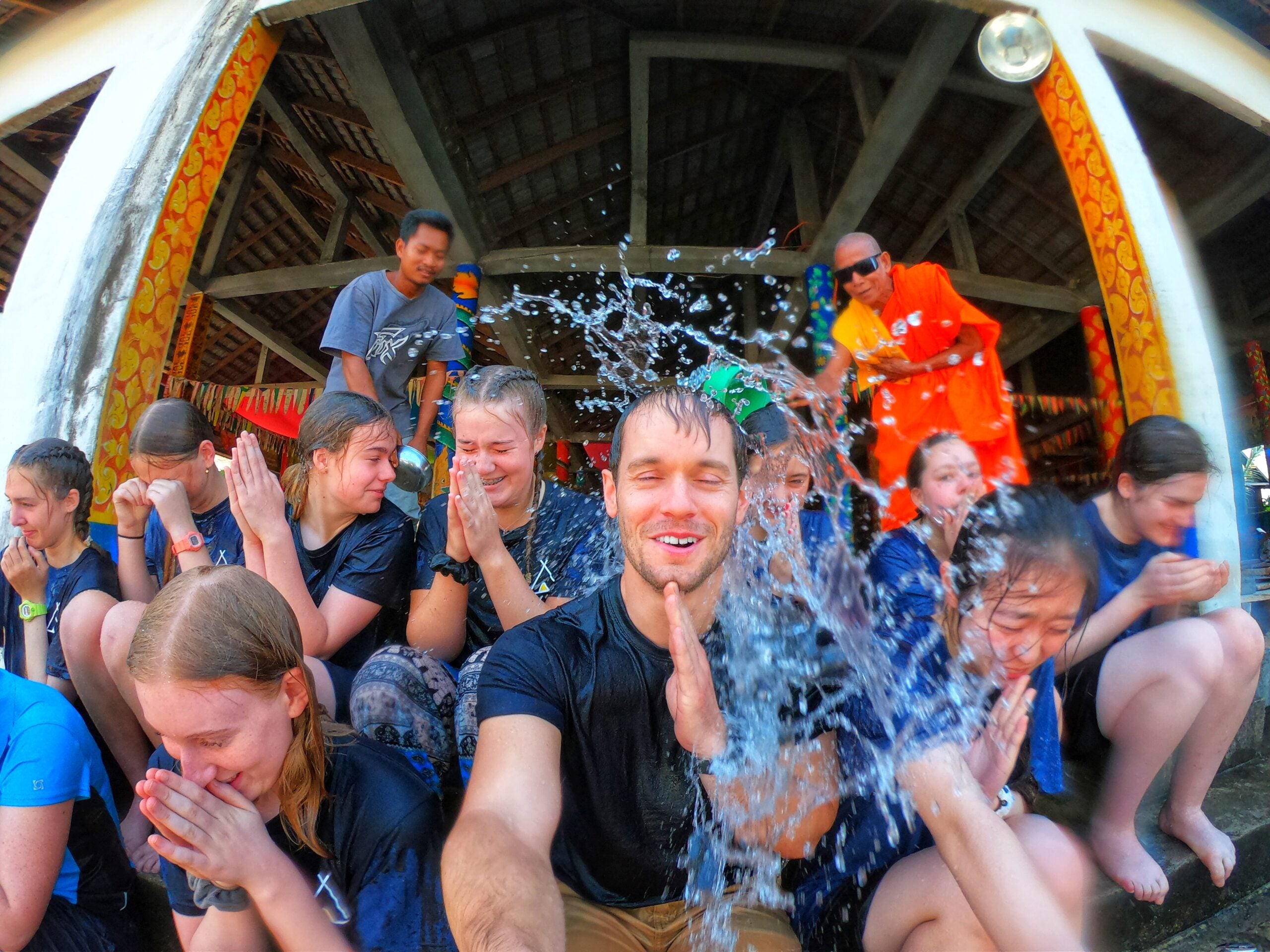
Buddhist traditions and community-led projects create space to understand how culture supports healing and social change. Kaya works with faculty to design immersive, place-based programs grounded in local context.
Program Themes
Discover some of the different topics and themes you can focus your program on in Cambodia. If you don’t see your topic area, or you already have a ready-made itinerary, connect with the Kaya team to start a discussion!
Cambodia’s rice-growing landscapes and rural food systems make visible the links among water, climate, household livelihoods, nutrition, and local markets. Custom group programs can use field-based experiential learning to examine resilient farming practices, food access, and community-led responses to drought, flooding, and changing seasonal conditions.
develop your own program similar to this
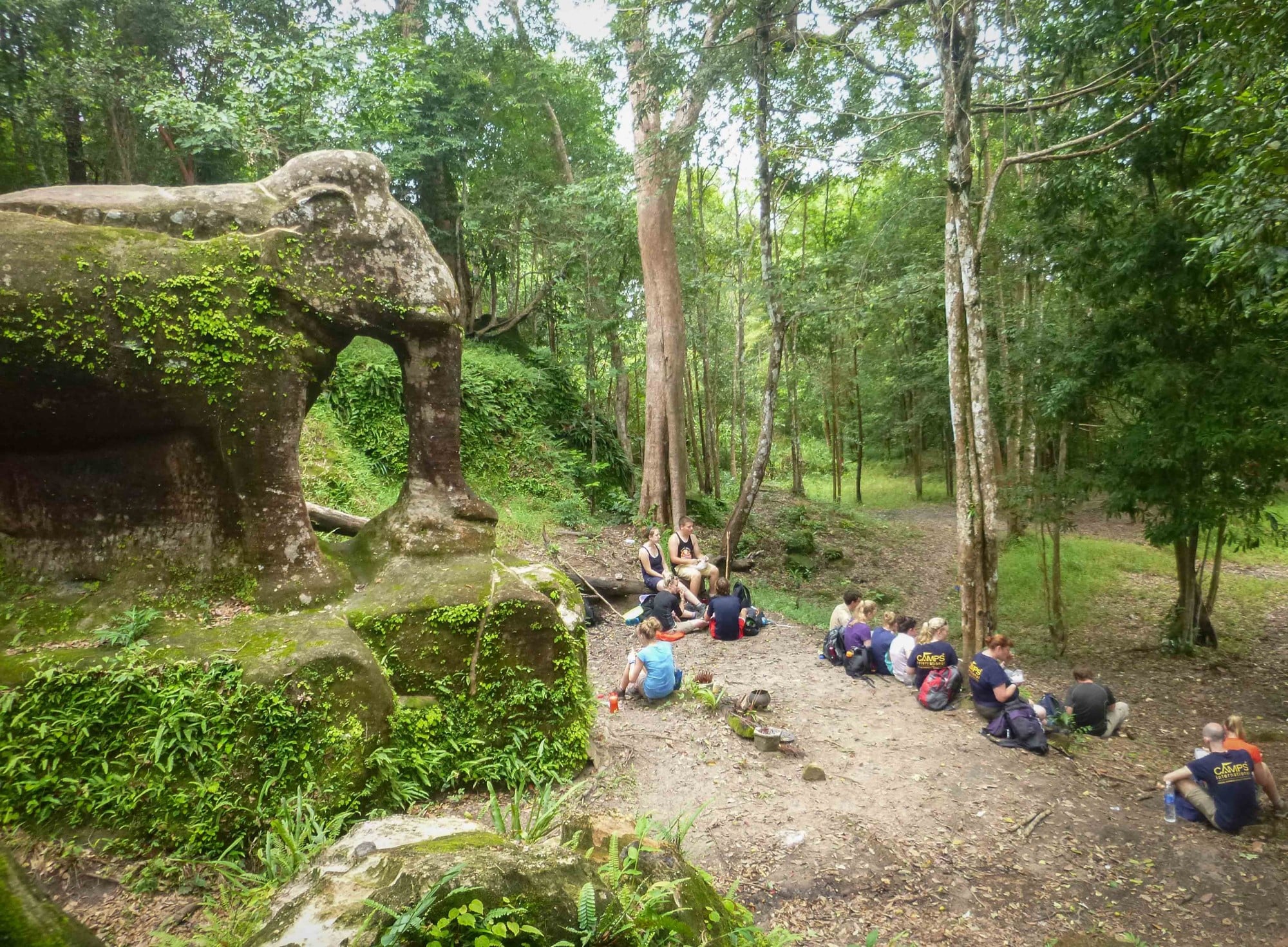
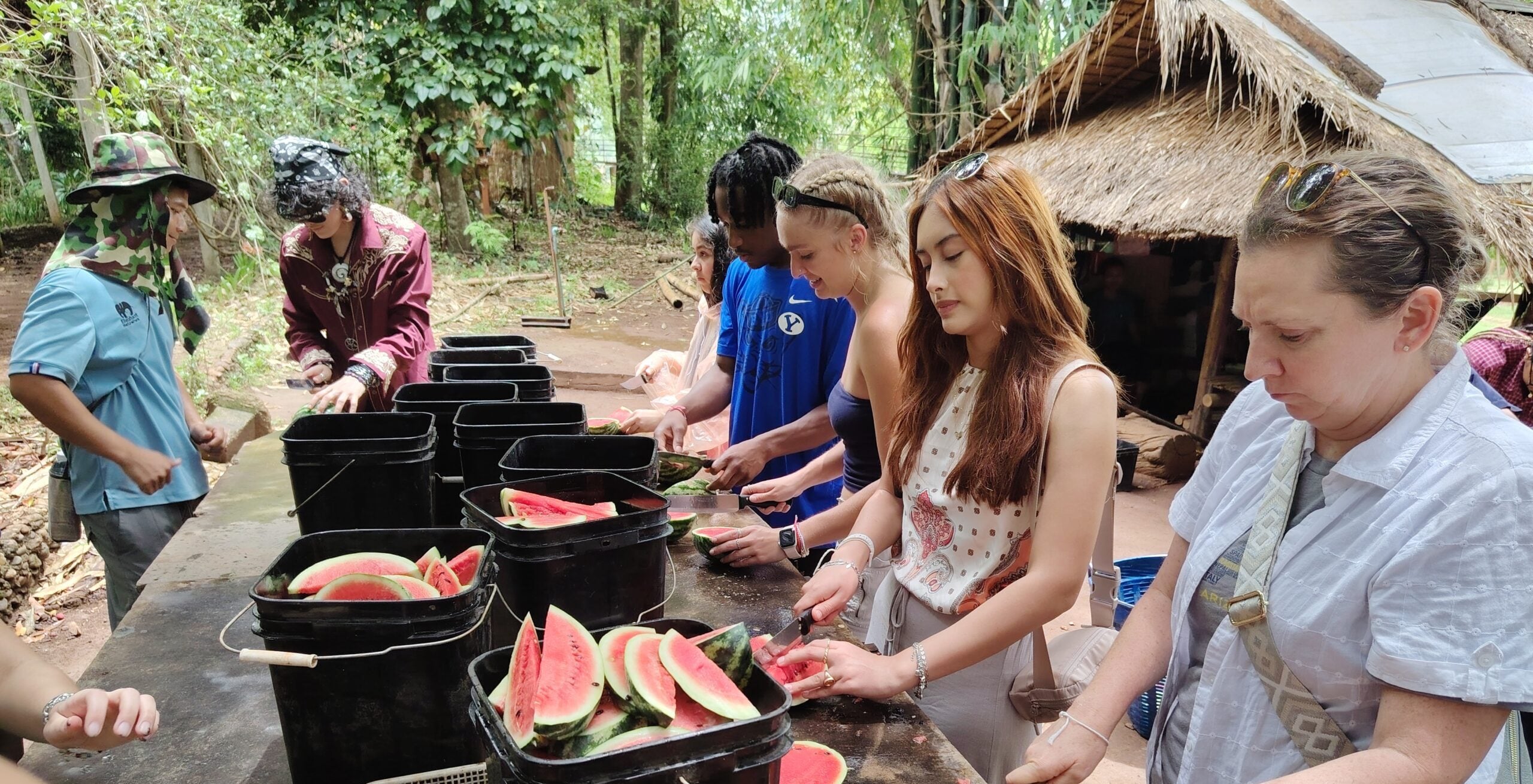
Cambodia offers a distinctive case study in how elephant welfare, forest habitat, tourism economies, and community livelihoods intersect. Through custom group programs, field-based experiential learning can examine animal behavior, retirement care, ethical wildlife tourism, and the choices that determine whether visitor revenue supports or compromises welfare.
develop your own program similar to this
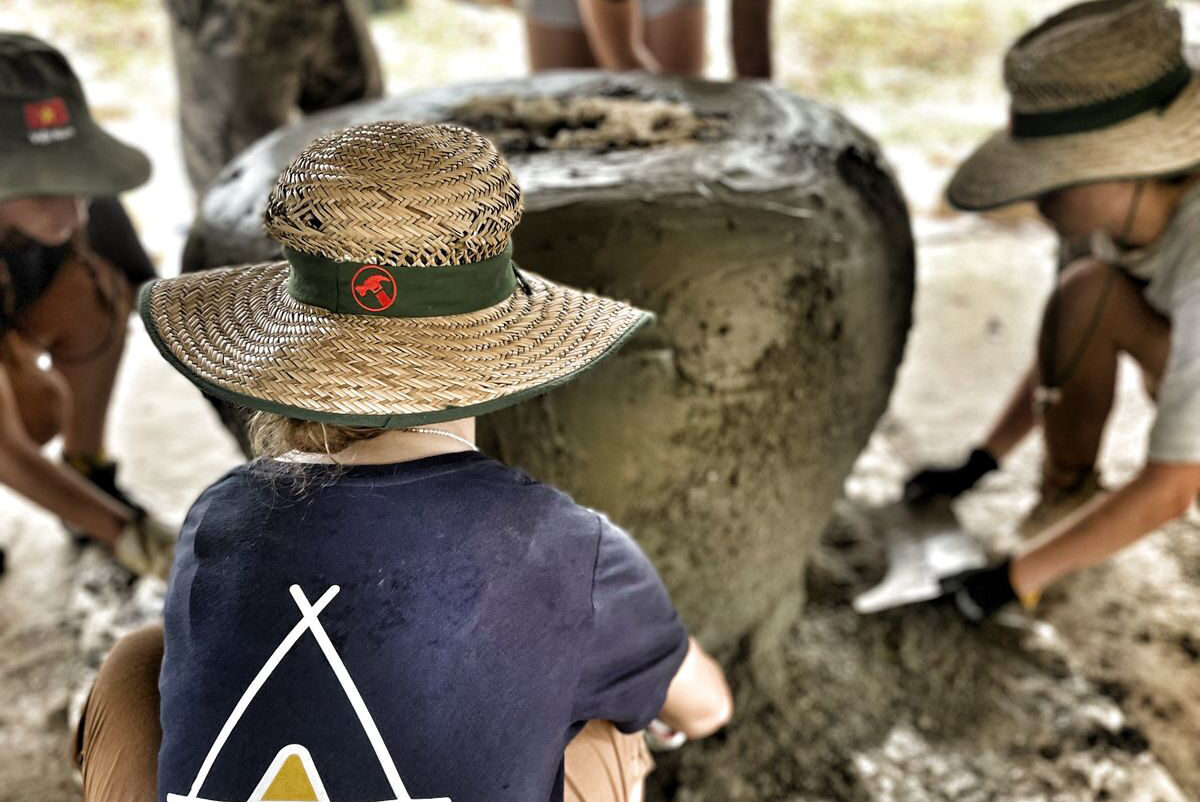
Cambodia’s forests, freshwater systems, farms, and sacred landscapes reveal how biodiversity, water security, livelihoods, and tourism are shaped by environmental change. Custom group programs provide field-based hands-on experience in ecosystem restoration, resource stewardship, and community responses to climate pressure, waste, and land-use change.
develop your own program similar to this
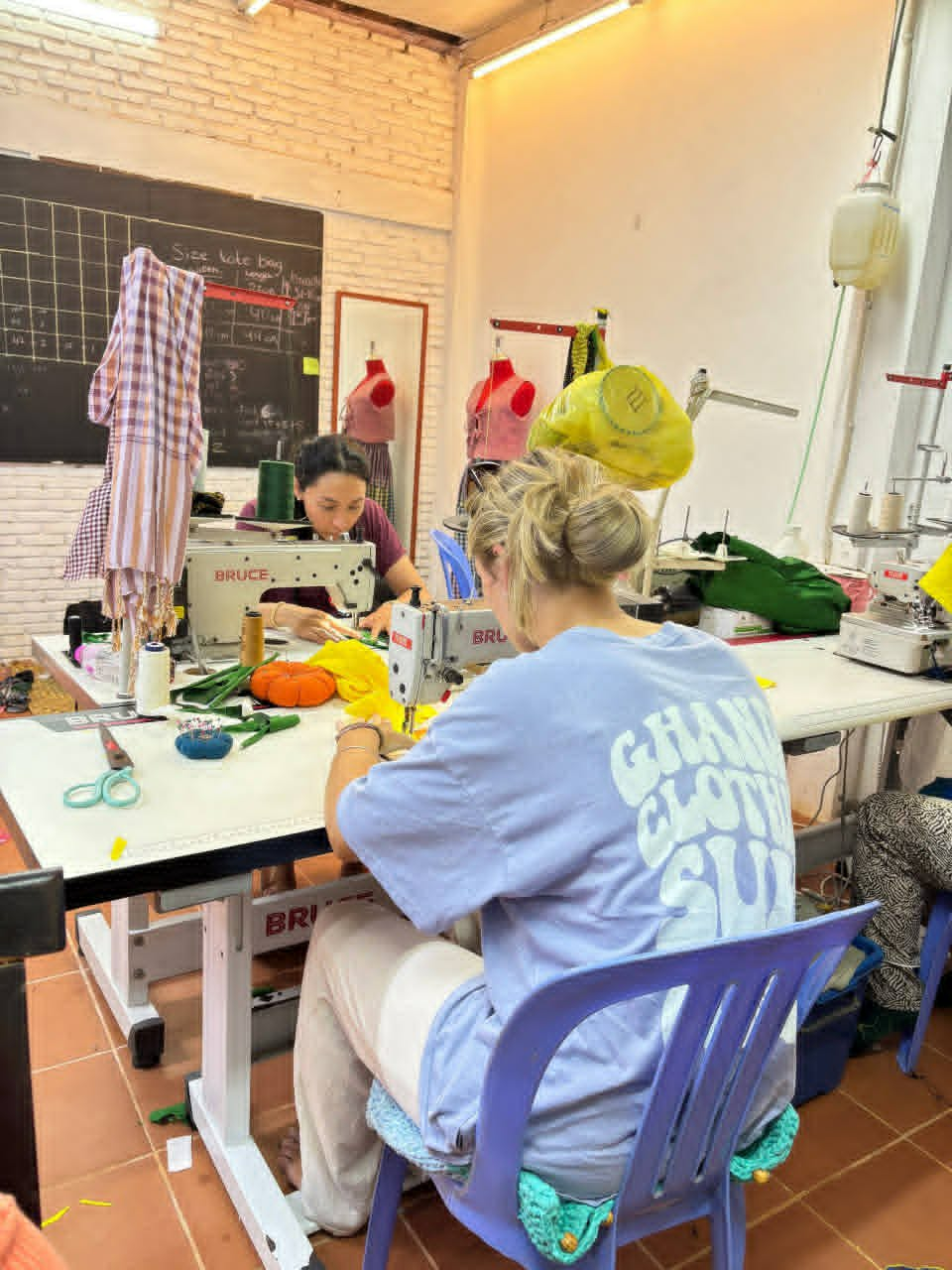
Cambodia offers a field-based setting to examine social enterprise, tourism, informal trade, and local entrepreneurship. Custom group programs can combine experiential learning, market research, product development, ethical storytelling, and hands-on experience with enterprises that balance revenue generation, community priorities, and long-term impact.
develop your own program similar to this
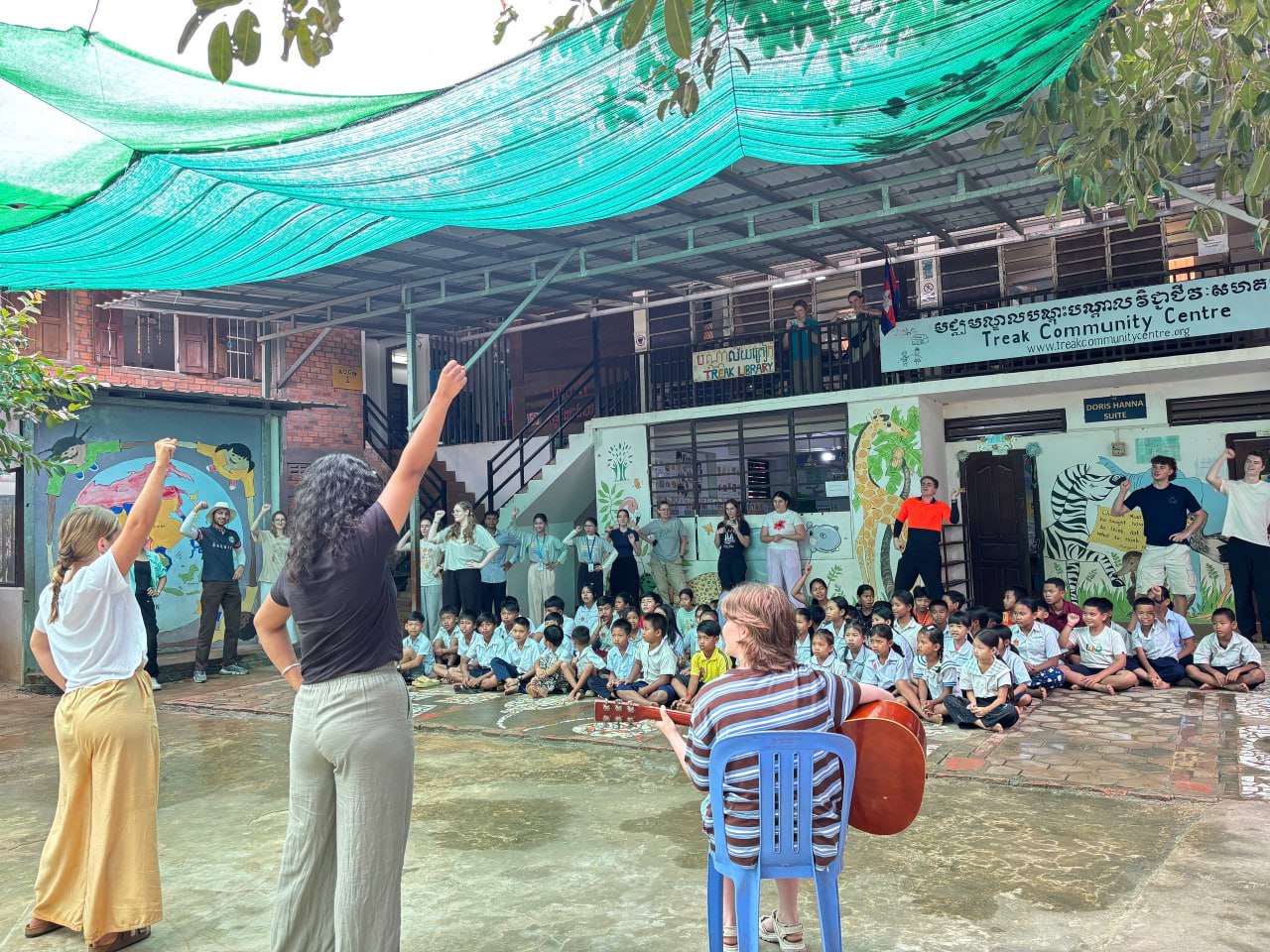
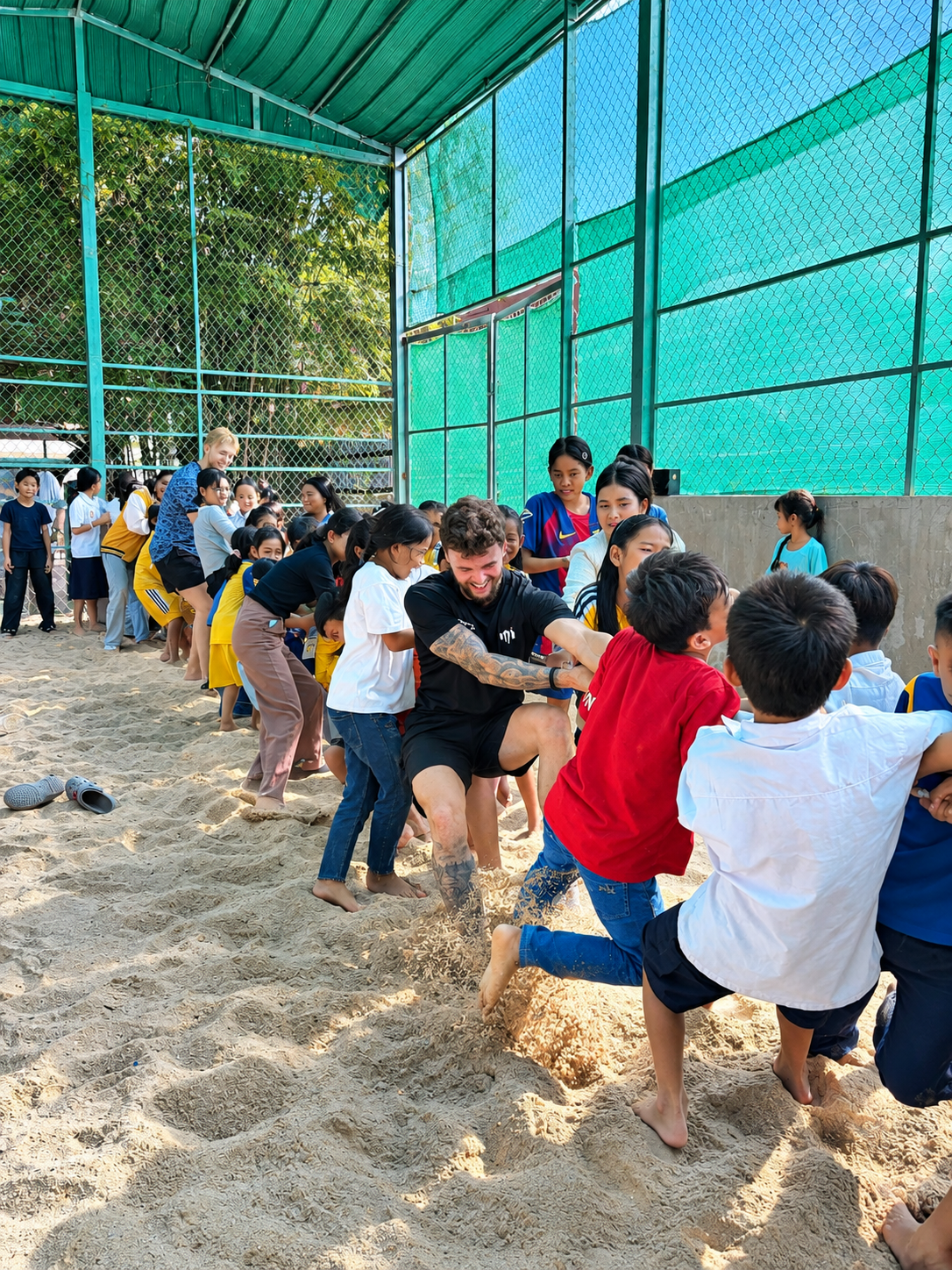
Education in Cambodia reflects both the enduring effects of historical disruption and the everyday realities of rural access, teacher capacity, school resources, and household income. Participants can gain hands-on experience through guided classroom collaboration, literacy activities, creative learning, and practical support for locally identified education goals.
develop your own program similar to this
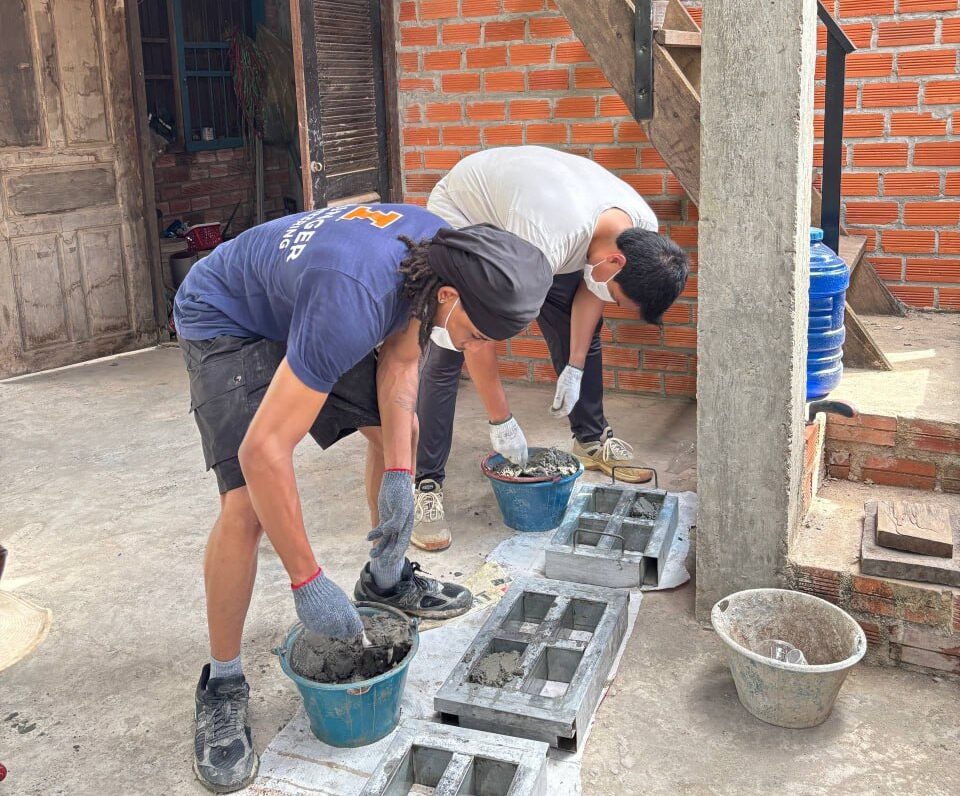
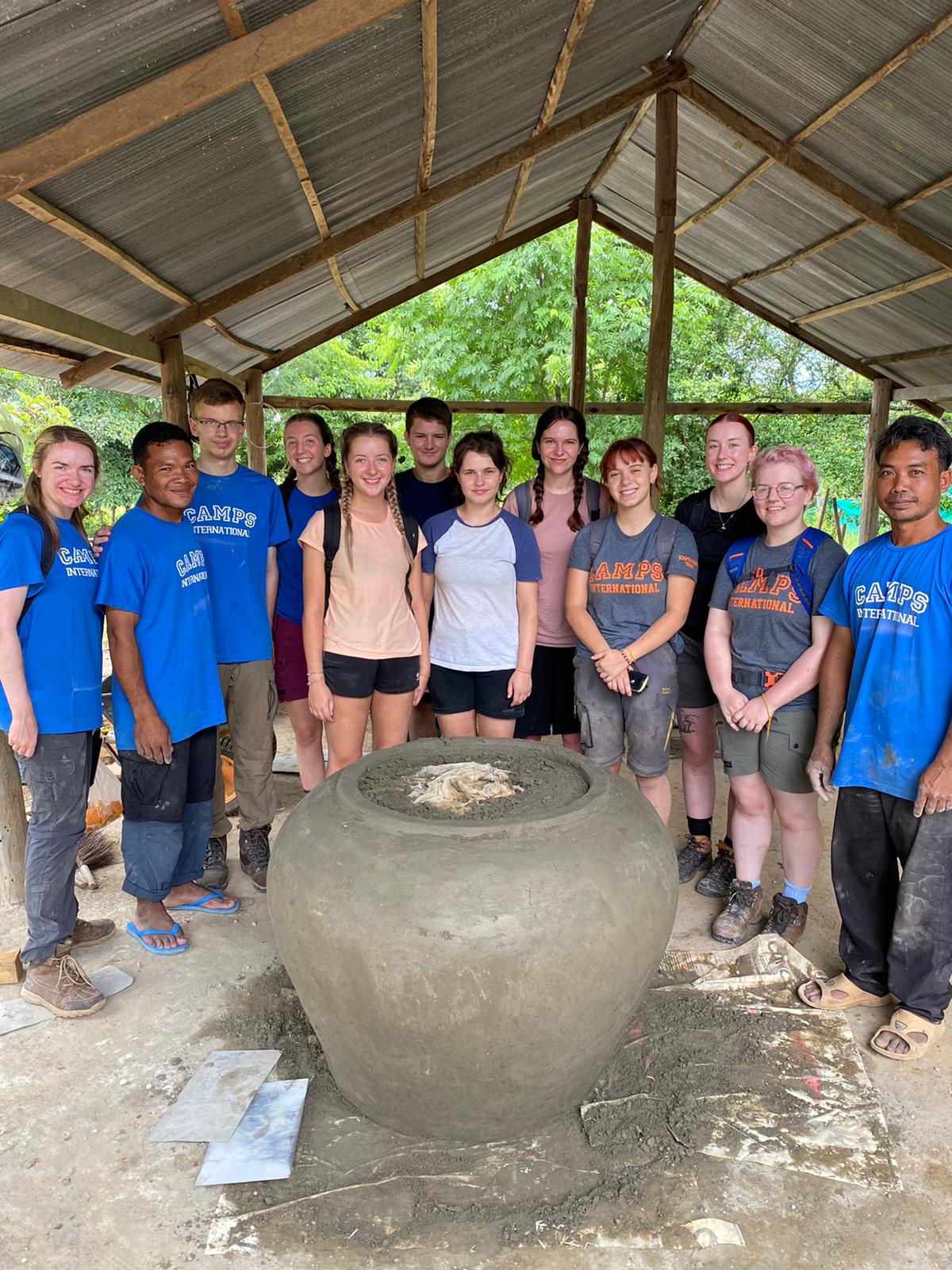
Rural Cambodia presents real-world engineering questions around safe water, sanitation, drainage, school facilities, and infrastructure that can withstand heat, floods, and dry seasons. Custom group programs enable field-based experiential learning and hands-on experience with appropriate technology, locally maintainable design, and community-led resource management.
develop your own program similar to this
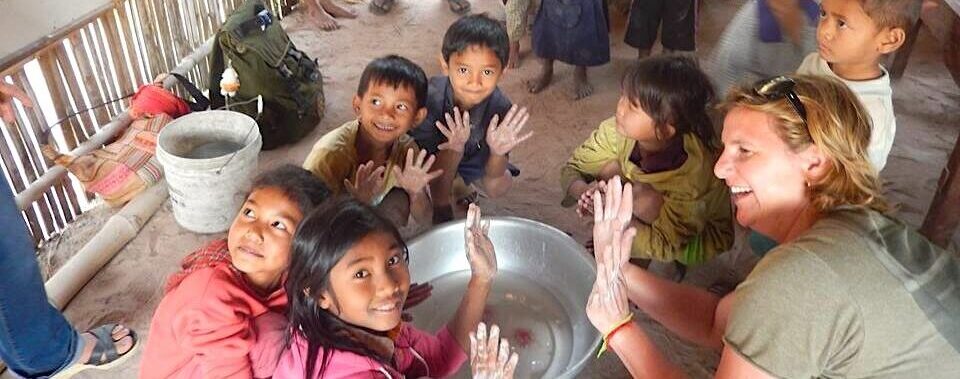
Cambodia offers a community-based perspective on health, with opportunities to explore how education, access to care, and local conditions influence wellbeing in rural communities. Participants engage with local professionals, educators, and community members to understand preventative health and practical approaches to improving health outcomes.
develop your own program similar to this
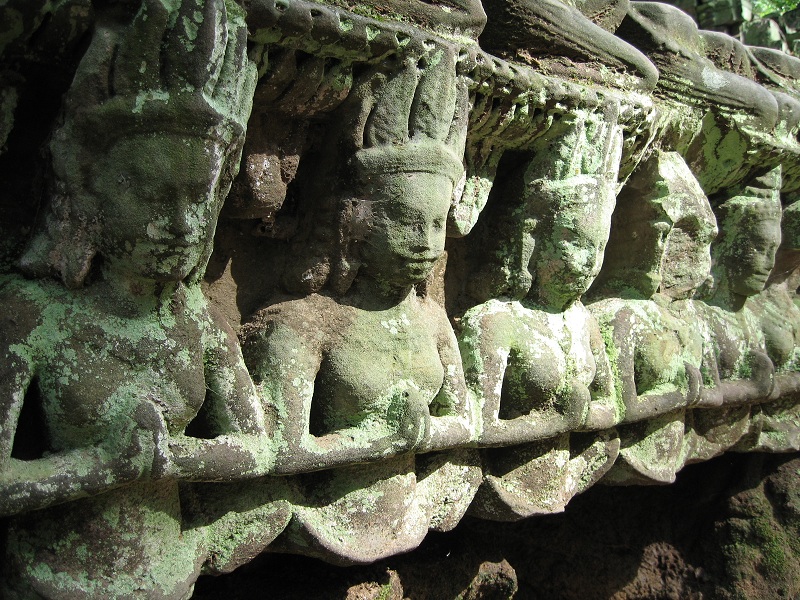
Cambodia invites close study of the Khmer Empire’s artistic and engineering achievements alongside the traumatic legacies of the Khmer Rouge period and ongoing processes of remembrance. Custom group programs can use field-based experiential learning, heritage interpretation, and cross-cultural immersion to connect sacred landscapes, living Buddhist traditions, visual arts, and survivor-centered history.
develop your own program similar to this
Cambodia provides a valuable context for exploring how poverty, housing, nutrition, disability, mental health, gender, and digital access can affect children’s participation in education and community life. Field-based experiential learning and cross-cultural immersion can support respectful observation, collaborative staff learning, and practical strategies for more inclusive school environments.
develop your own program similar to this
Program ideas
Browse example itineraries and program ideas inspired by topics Kaya groups have explored over the years.
 1
Together we’ll discuss your program goals and needs.
 2
With your input, we develop and fine-tune the perfect itinerary.
 3
We support institutional approvals and recruitment processes to ensure a successful launch!
 4
From pre-departure planning until your return, we’re with you every step of the way!
FAQS
Useful starting points include the course purpose, preferred dates, expected group size and approximate budget. Faculty can also identify essential learning outcomes and participant requirements. These details help Kaya explore a realistic itinerary and discuss where availability or practical constraints may require flexibility.
Academic learning does not depend on completing a service project. A Kaya program can center on inquiry, cultural learning, dialogue and reflection, with experiences selected for their relevance to the course. Any participatory element should have a clear purpose and be appropriate to local partners’ priorities and capacity.
Faculty can establish expectations for careful listening, considered questions and respectful disagreement before the program begins. Students should recognize that hosts may set boundaries around what they share. Reflection can help participants examine difficult questions without expecting individuals to represent an entire community or explain personal experiences.
Kaya discusses planned activities, participant needs and supervision with group leaders, working with the on-site team on relevant health guidance, transport and emergency arrangements. Clear expectations help faculty, students and local teams understand their responsibilities, while recognizing that risk management requires ongoing attention rather than a guarantee of safety.
Testimonials
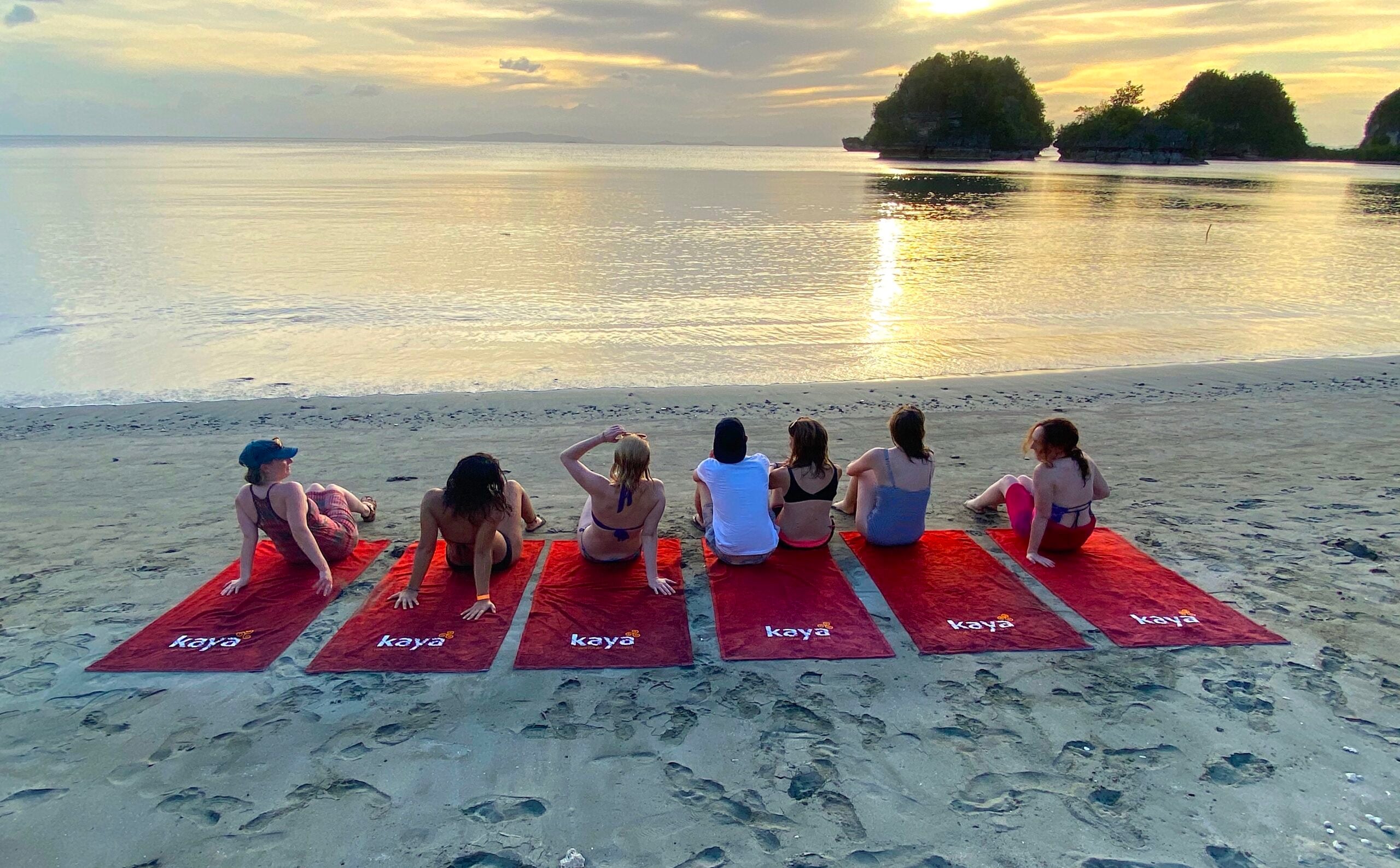
With a focus on experiential education and the UN Sustainable Development Goals, your group can immerse and engage with international communities and environments across the globe.