








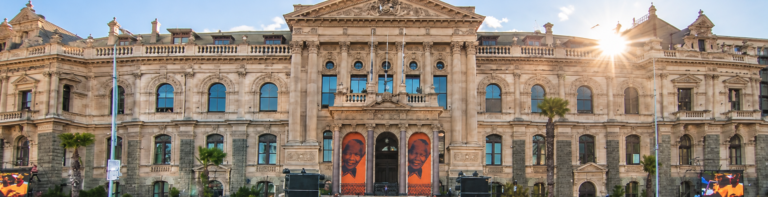
History and Society in South Africa
- History, Art & Culture
- Social Justice & Behavioral Science
History, art, and cultural heritage studies explore how societies preserve identity, memory, and creative expression.
Design a program hereAbout History, Art and Culture
From colonial and postcolonial history to architecture, archaeology, and museum collections, the field examines how cultural landscapes and heritage sites shape collective identity. Cultural studies bring together heritage preservation, public history, and the creative industries across global contexts.
Kaya’s cultural heritage programs abroad provide opportunities for art and architecture study tours, history field study programs, and archaeology field programs. Students engage with museum and heritage education while examining Indigenous heritage studies, cultural preservation initiatives, and urban cultural landscapes. Through site visits and engagement with cultural institutions, participants gain insight into the historical and creative forces shaping societies.
 Academic themes

Program Themes
Discover how this academic area takes shape in each destination. If you don’t see your country, or you already have an itinerary, connect with the Kaya team to start a discussion.
Creative expression opens a window into young people’s experiences and the role of art in community life. Through cross-cultural immersion and hands-on experience, custom group programs explore how shared artistic activities can encourage connection, confidence, and participation.
develop your own program similar to this
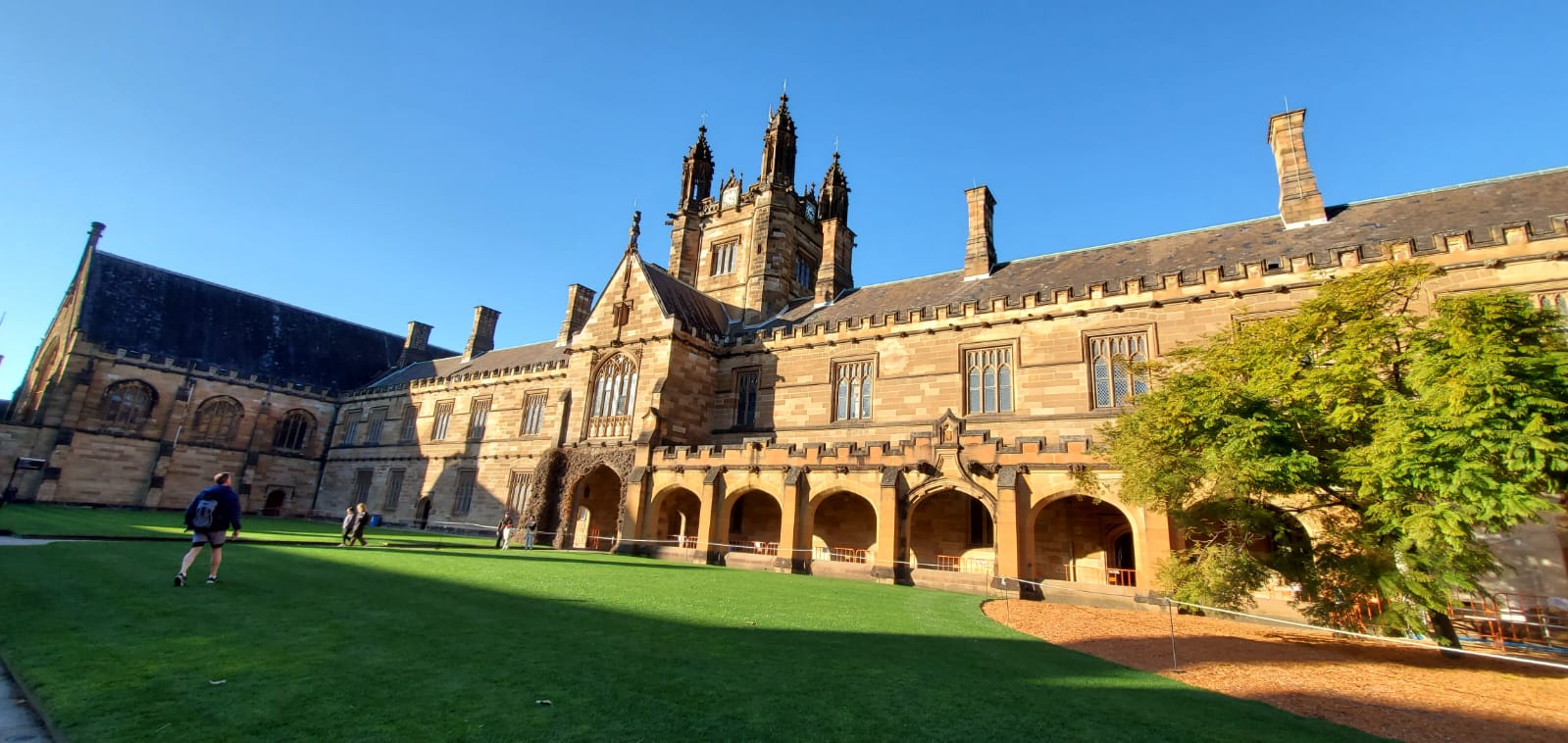
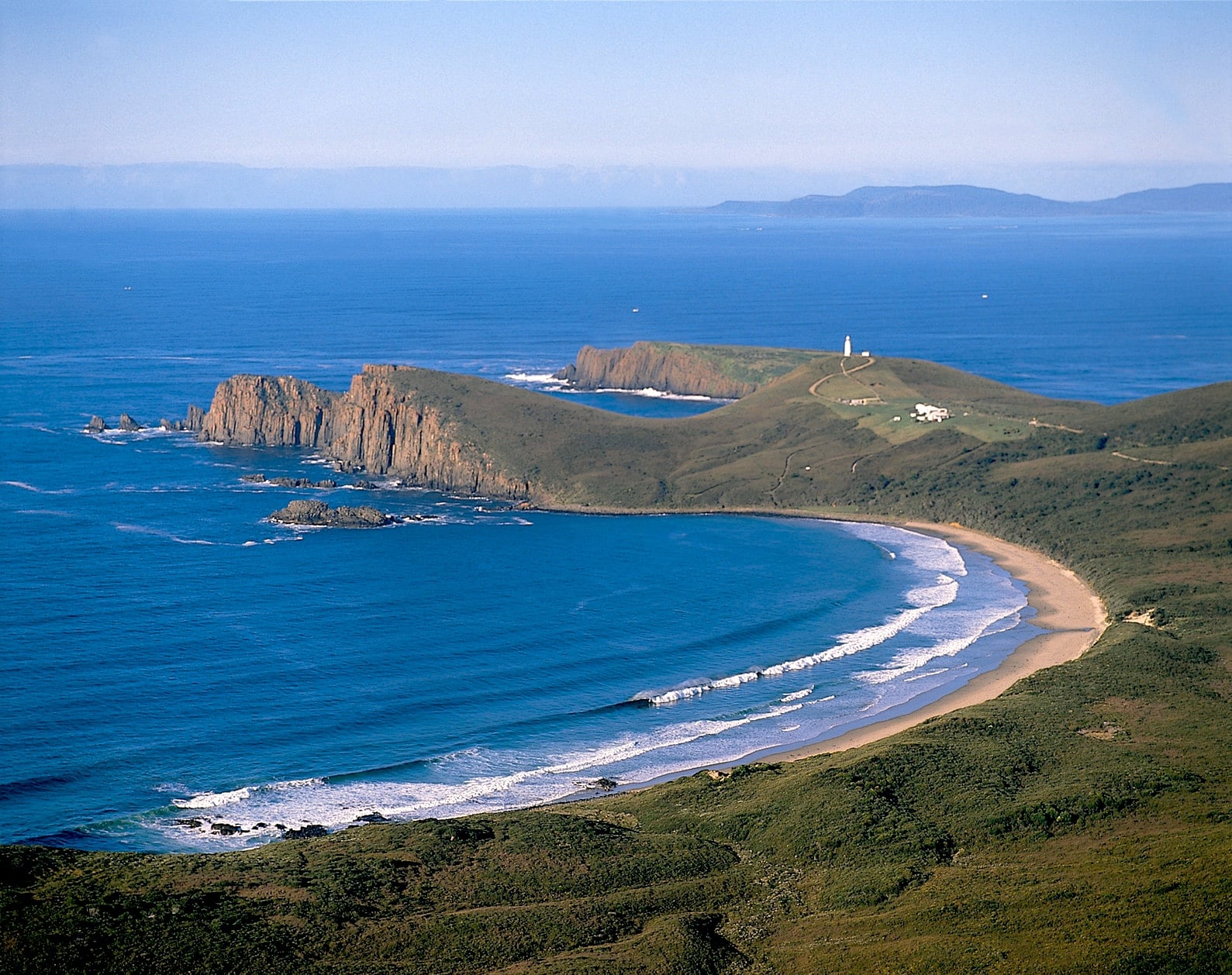
Art, memory, language, and identity provide an entry point into Australia’s layered cultural story. Through custom group programs, participants can learn directly from First Nations cultural practitioners, artists, historians, and community voices while exploring how heritage and contemporary creativity shape public life.
develop your own program similar to this
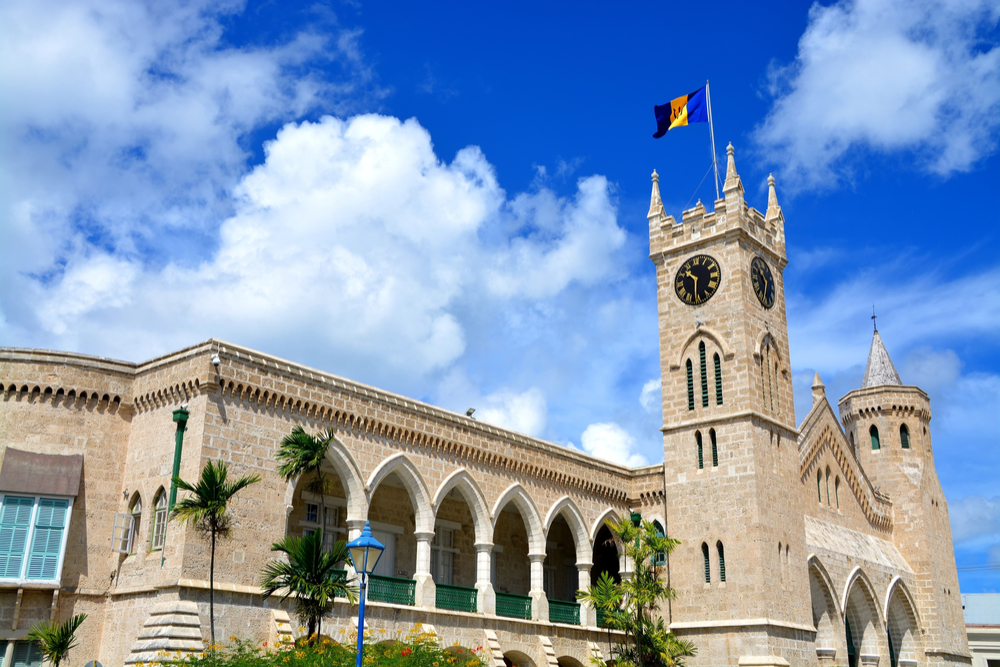
Barbados reveals how colonial rule, sugar production, enslavement, trade, and migration shaped the Caribbean and the wider Atlantic world. Custom group programs offer field-based experiential learning through historic districts, plantation landscapes, architecture, and cultural heritage, connecting hands on experience to the stories that inform Barbadian identity.
develop your own program similar to this
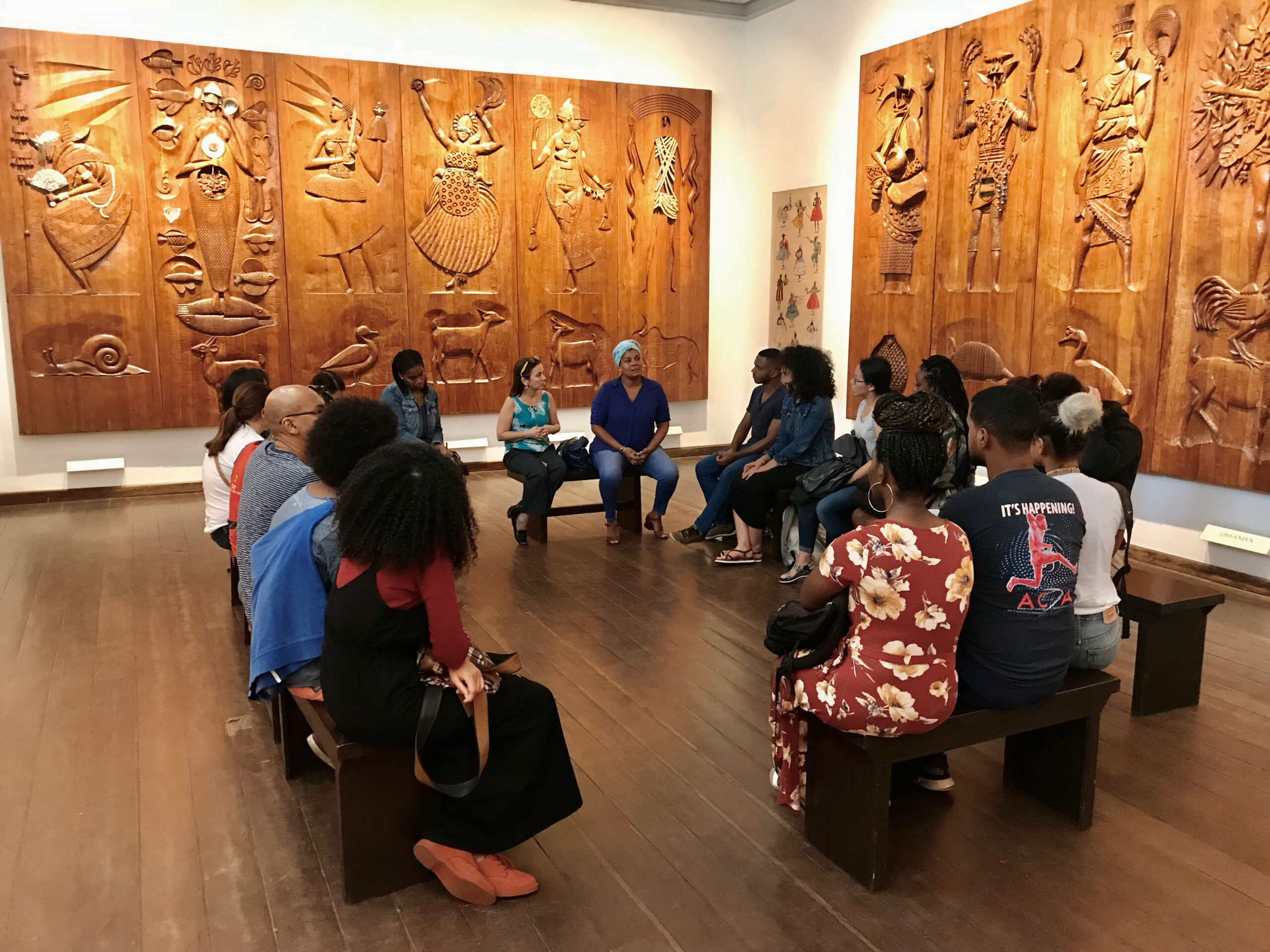
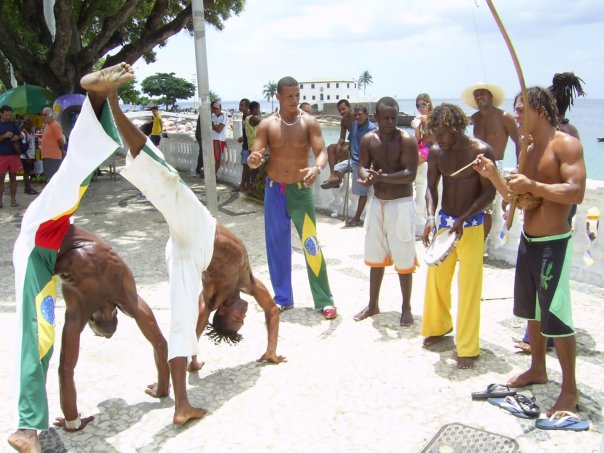
Brazil’s cultural landscape is shaped by Indigenous, African, and Portuguese histories, expressed through architecture, religion, visual art, music, dance, and public memory. Custom group programs make room for field-based experiential learning at museums, heritage sites, and creative spaces, pairing historical inquiry with cross-cultural immersion in Salvador, Rio de Janeiro, or São Paulo.
develop your own program similar to this
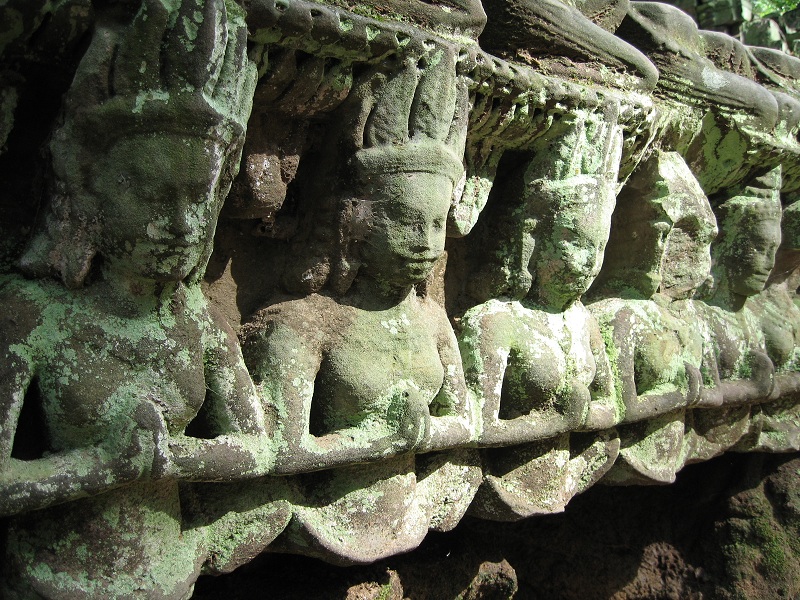
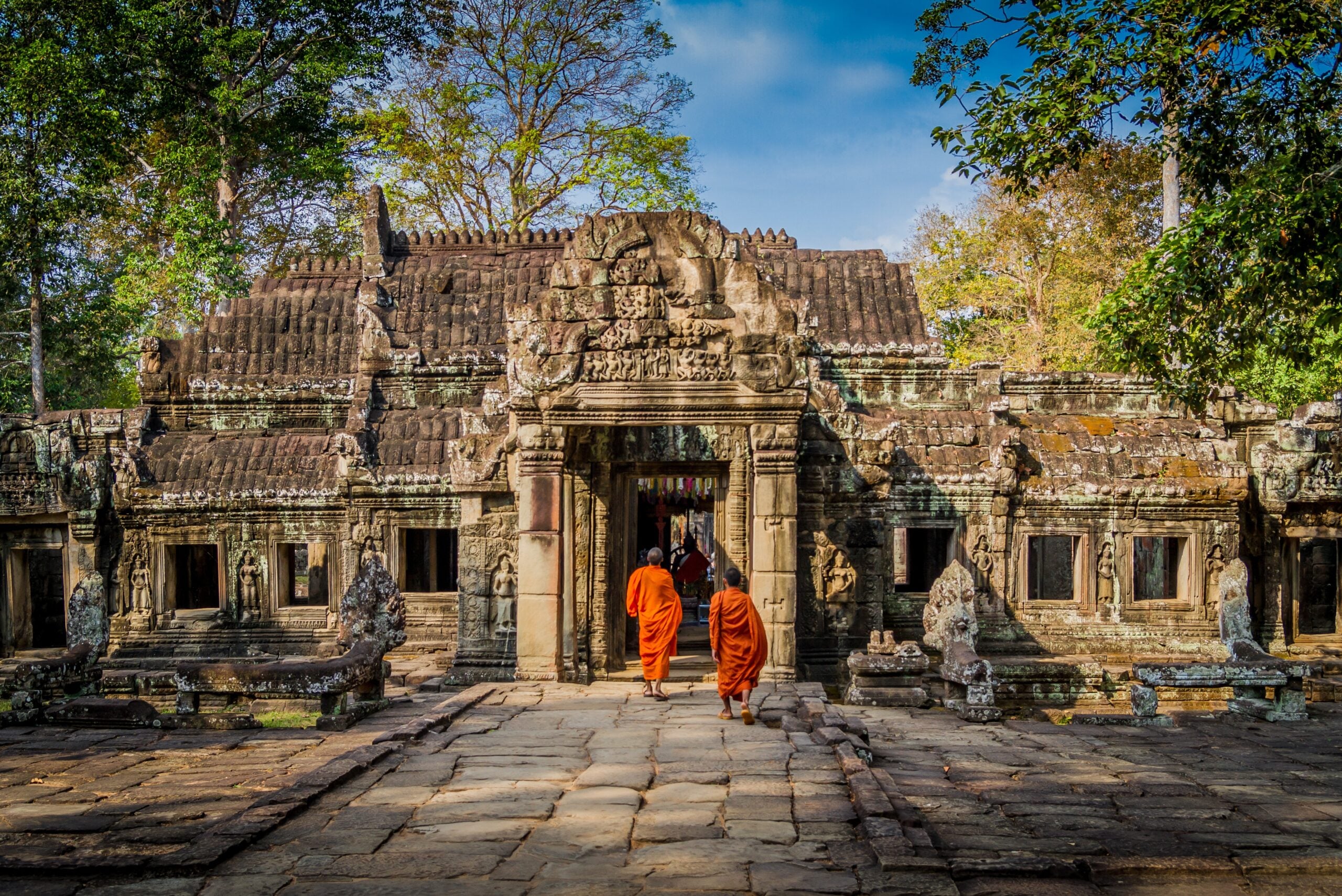
Cambodia invites close study of the Khmer Empire’s artistic and engineering achievements alongside the traumatic legacies of the Khmer Rouge period and ongoing processes of remembrance. Custom group programs can use field-based experiential learning, heritage interpretation, and cross-cultural immersion to connect sacred landscapes, living Buddhist traditions, visual arts, and survivor-centered history.
develop your own program similar to this
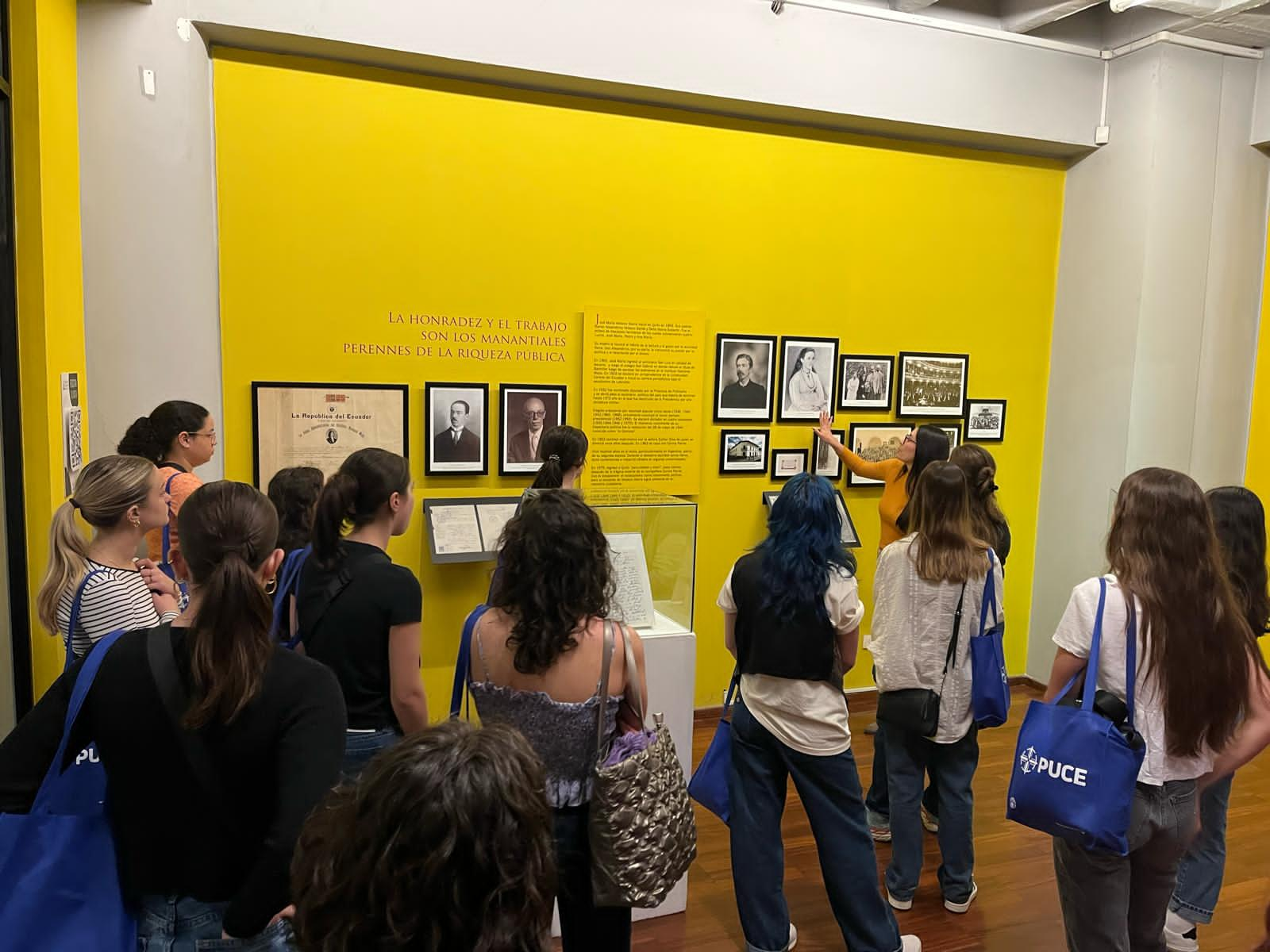
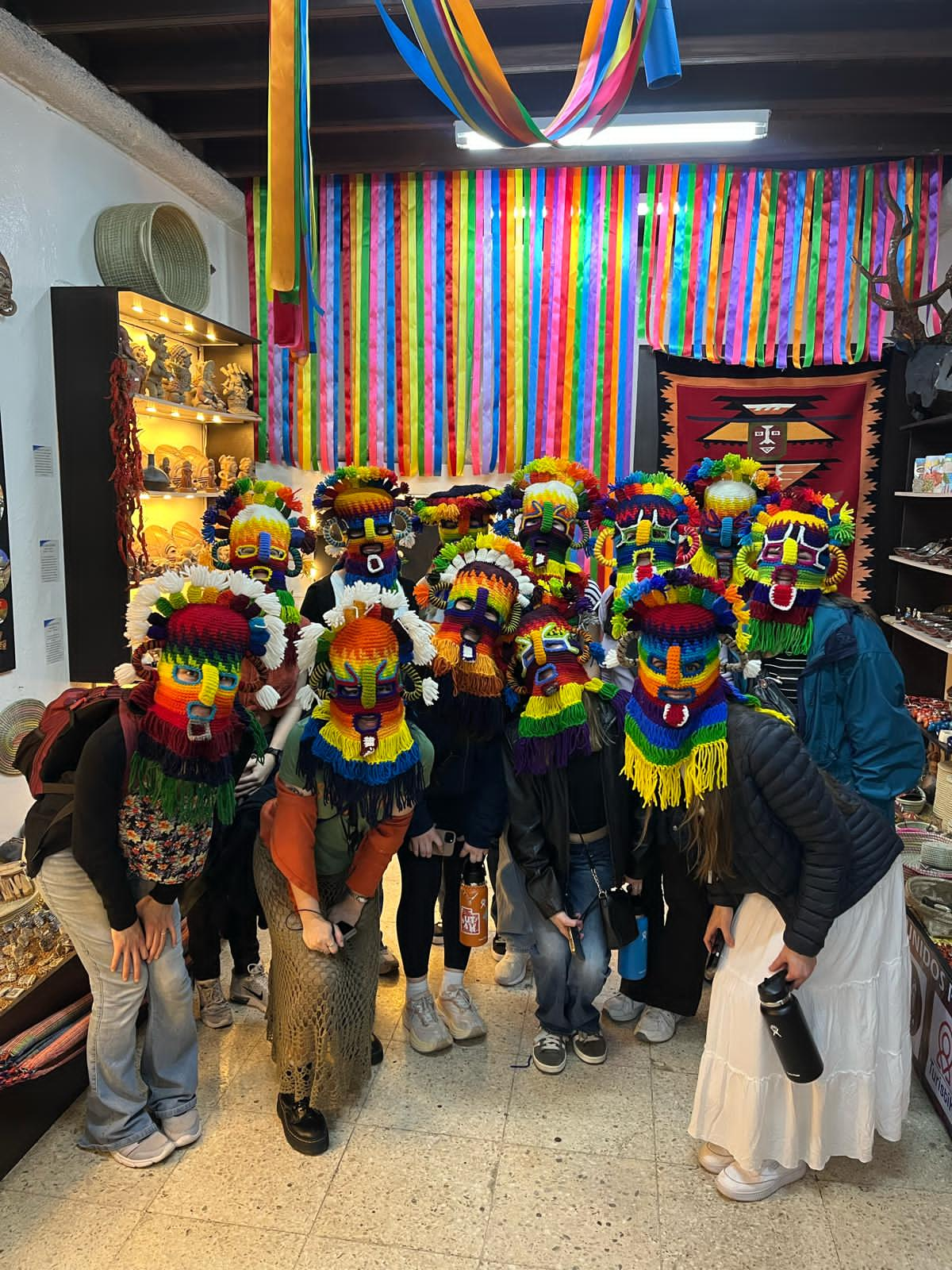
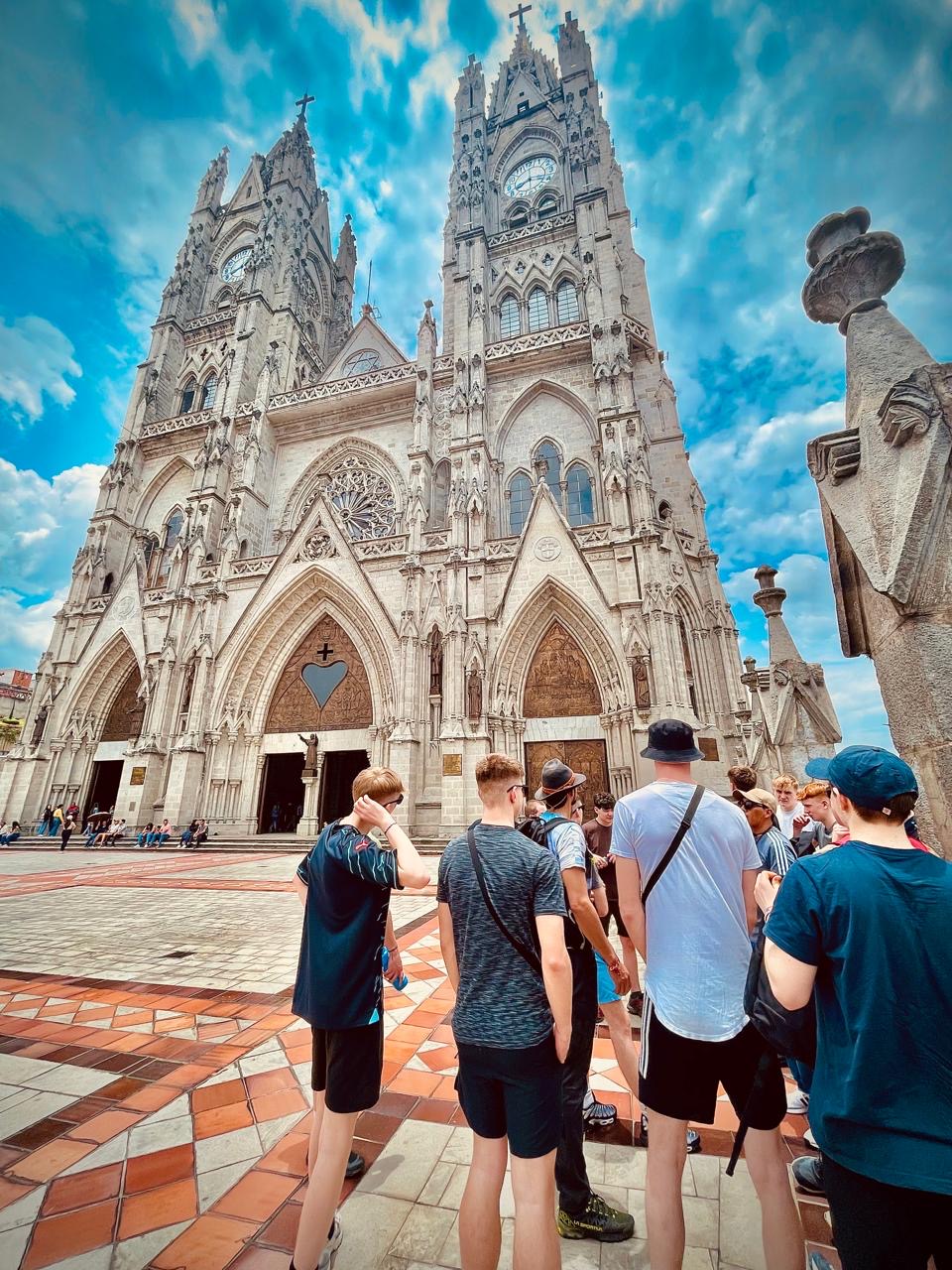
From pre-Columbian archaeological remains to contemporary creative expression, Ecuador offers many ways to examine how people make meaning of the past. Through custom group programs, hands-on experience with artisans, cultural practitioners, and heritage interpreters supports cross-cultural immersion in art, architecture, music, identity, and memory.
develop your own program similar to this
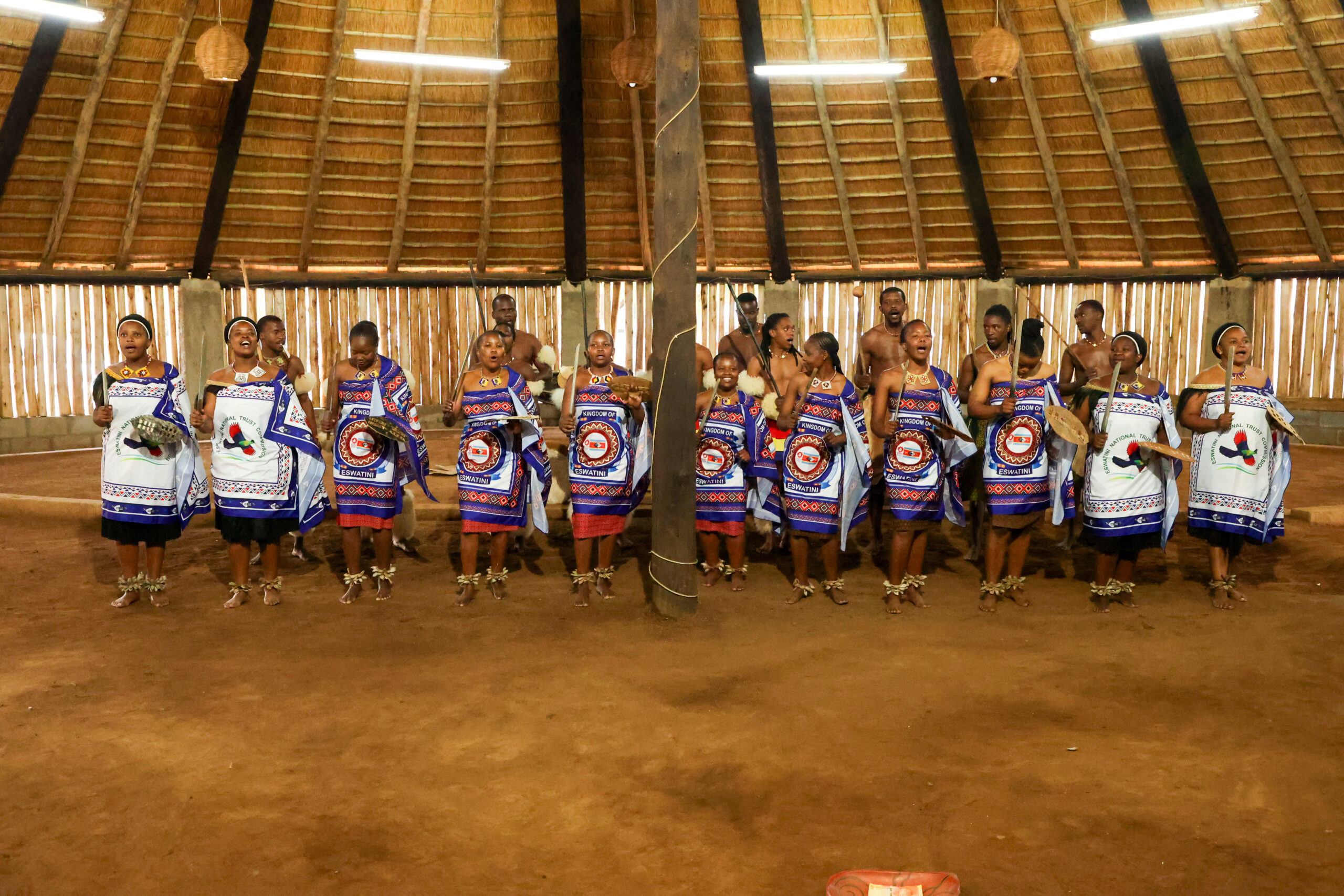
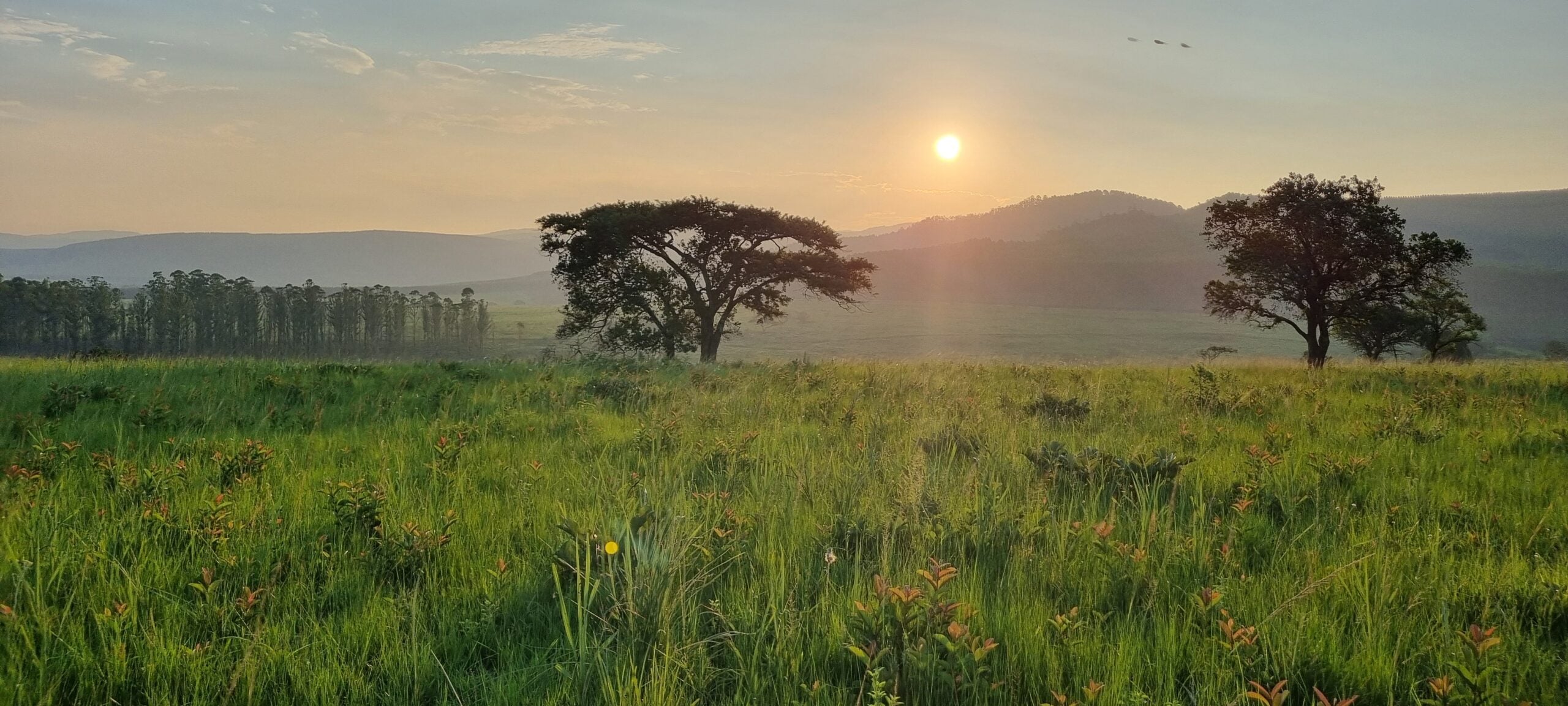
Eswatini offers a distinctive setting for tracing how land, cultural identity, artistic practice, and community livelihoods have evolved together. Custom group programs can combine field-based experiential learning with heritage interpretation, creative workshops, and cross-cultural immersion in landscapes shaped by agriculture, conservation, tradition, and development.
develop your own program similar to this
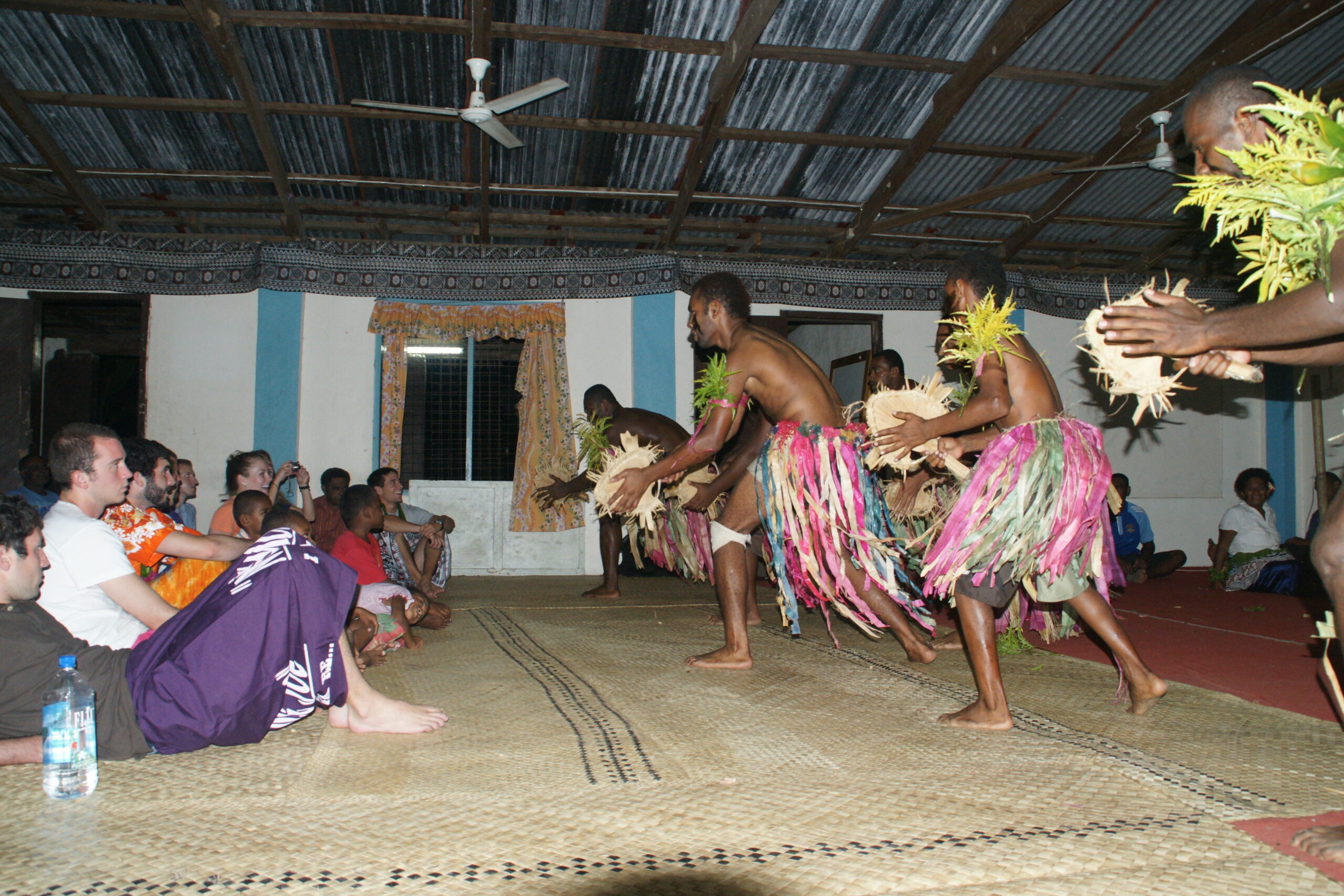
Fiji’s cultural traditions, island communities, and layered colonial history offer a rich context for exploring art, identity, and storytelling. Custom group programs create field-based experiential learning with village hosts, artists, and local guides, supporting hands-on experience and cross-cultural immersion across diverse Fijian communities.
develop your own program similar to this
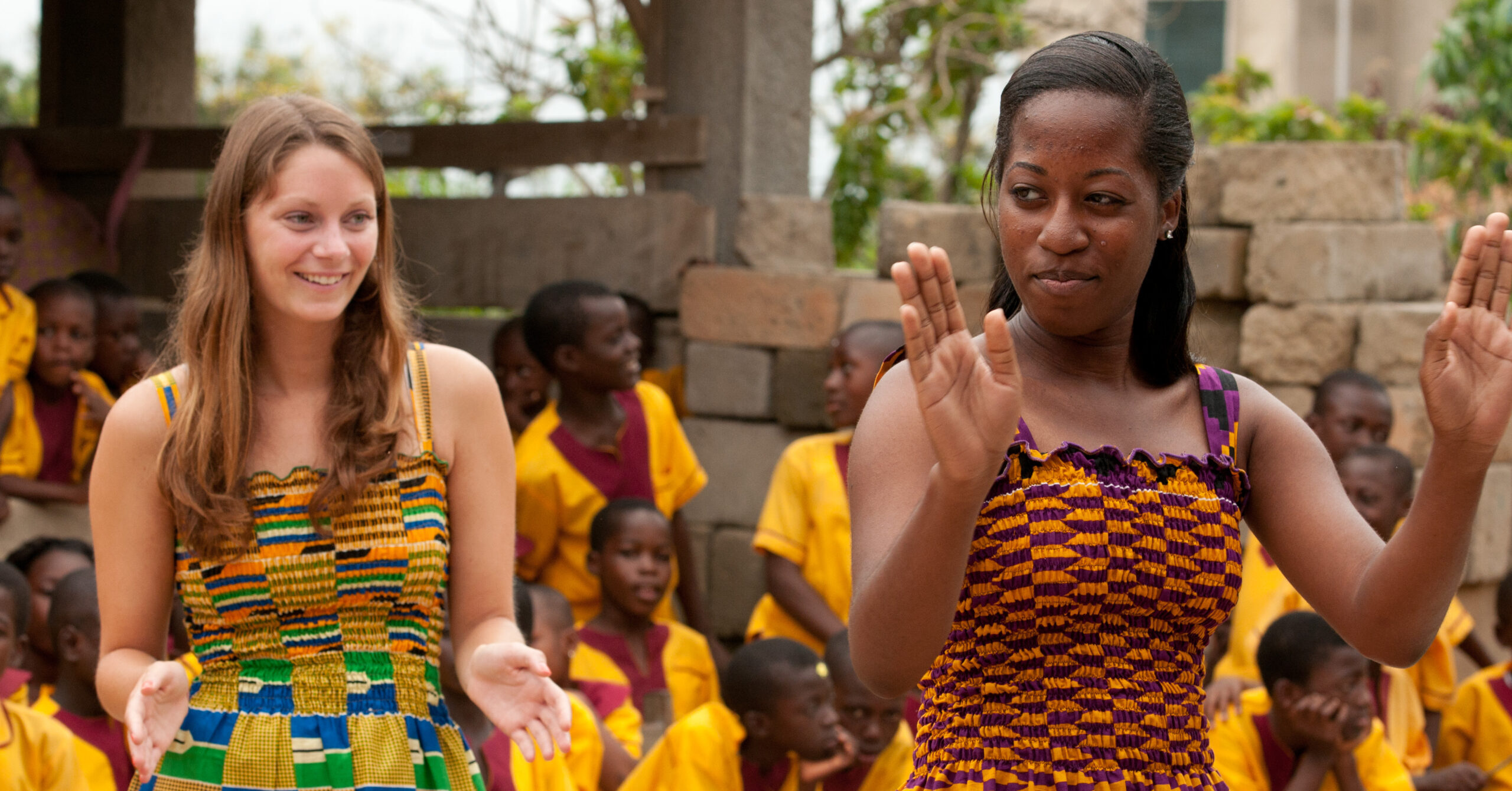
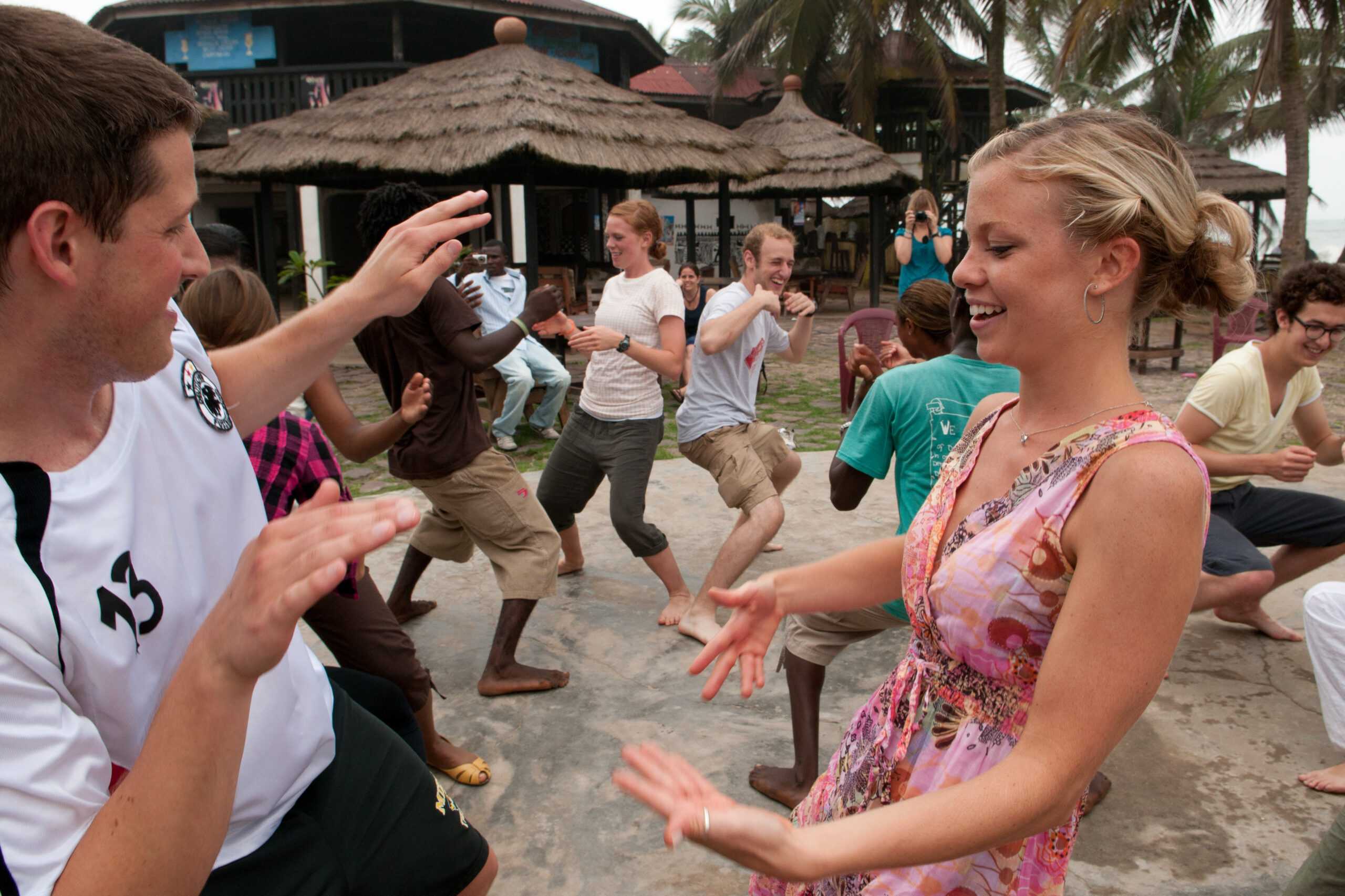
Ghana’s history, art, and culture are woven through royal traditions, textiles, coastal memory, urban creativity, and enduring cultural practices. Field-based group programs can support experiential learning through Asante political heritage, transatlantic slave history, Adinkra philosophy, Kente weaving, Ga-Adangbe traditions, and Accra’s contemporary arts landscape.
develop your own program similar to this
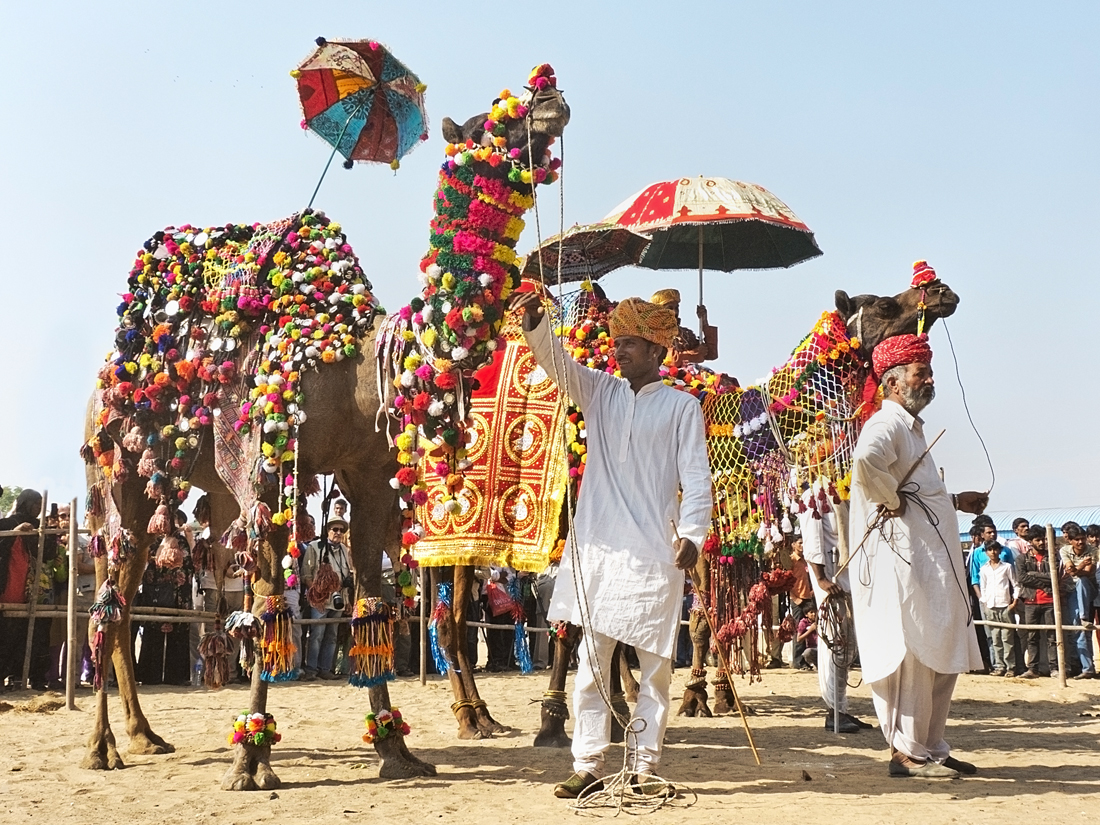
Jaipur and Rajasthan offer a vivid setting for examining royal history, planned urban design, living craft traditions, and the ways heritage adapts to contemporary life. Custom group programs can blend field-based experiential learning with hands-on experience in artisan communities, museums, markets, and historic neighborhoods for meaningful cross-cultural immersion.
develop your own program similar to this
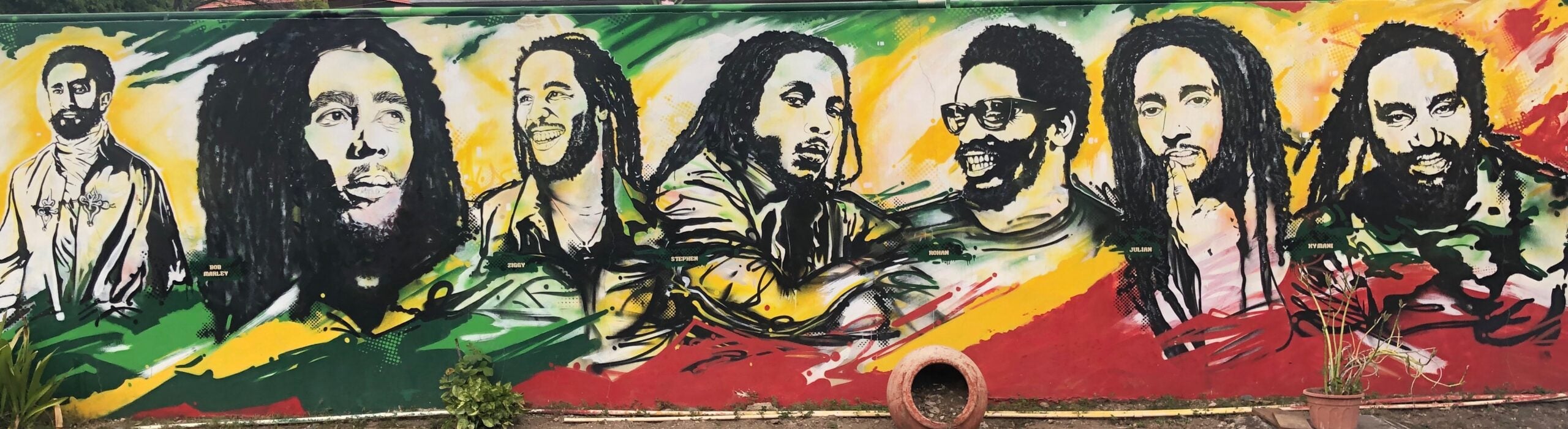
Jamaica’s history of African resistance, emancipation, migration, and creative expression continues to shape its voice in the Caribbean and around the world. Custom group programs invite hands-on experience with historical sites, artists, and cultural practitioners through field-based learning focused on identity, memory, music, and representation.
develop your own program similar to this
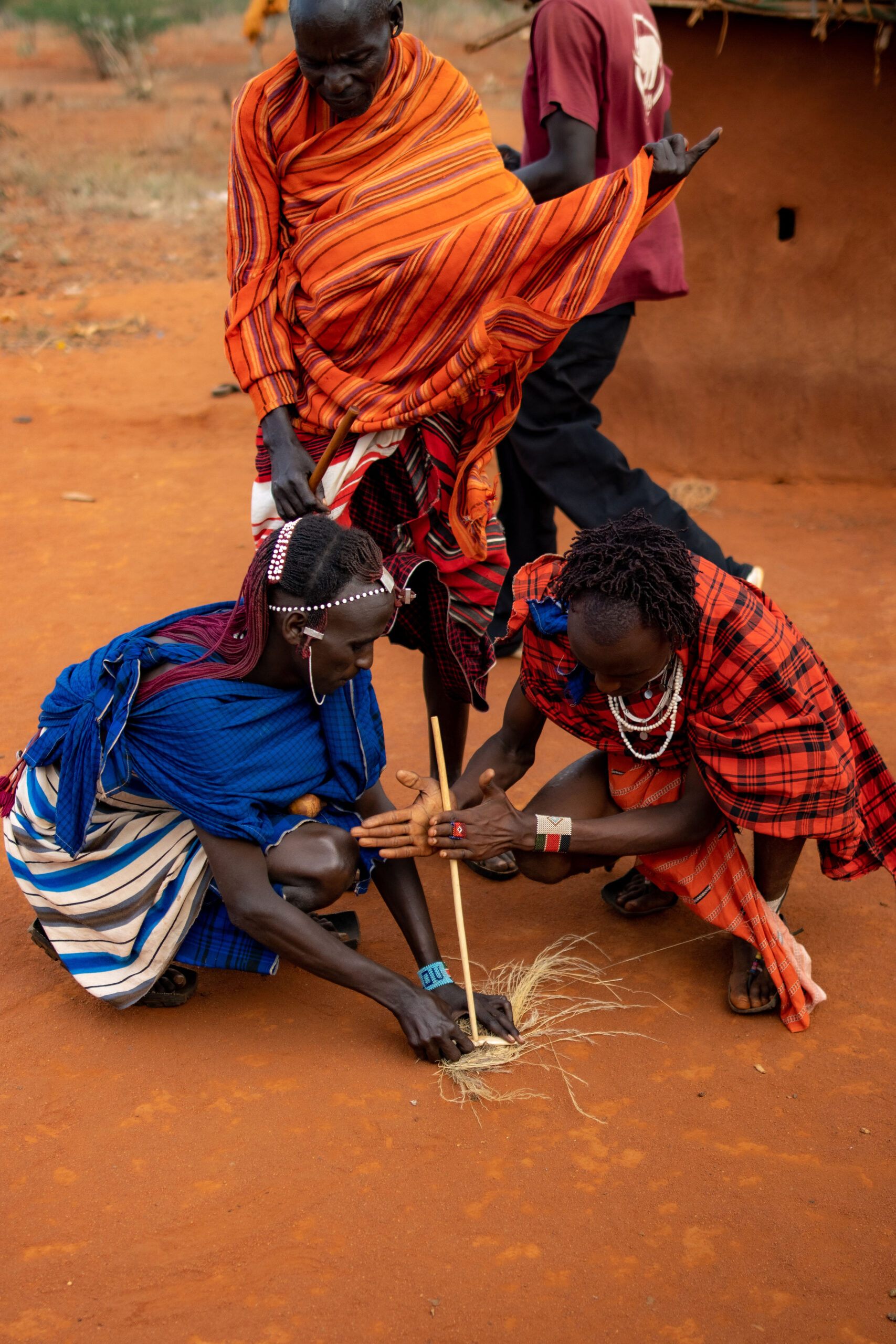
Kenya’s coastal heritage reveals centuries of Indian Ocean exchange, Swahili urban life, colonial encounters, and living artistic traditions. Custom group programs support field-based experiential learning through heritage interpretation, oral history, and hands-on experience with cultural expression, creating meaningful cross-cultural immersion across diverse Kenyan communities.
develop your own program similar to this
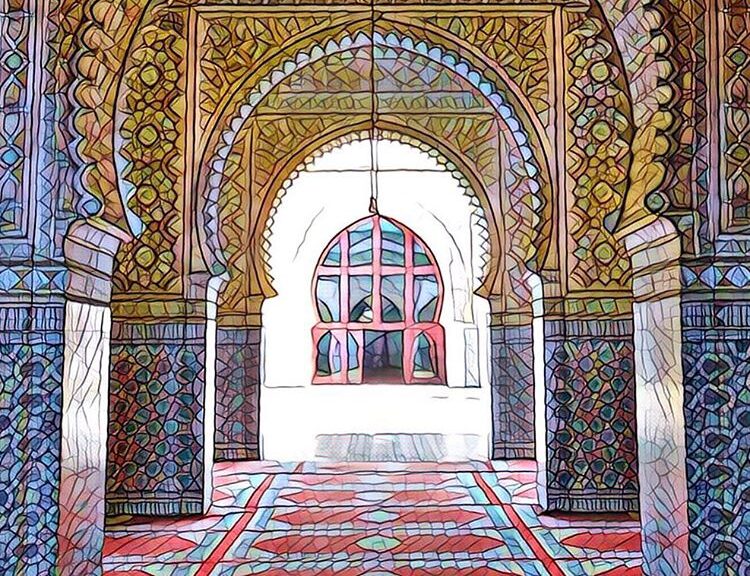
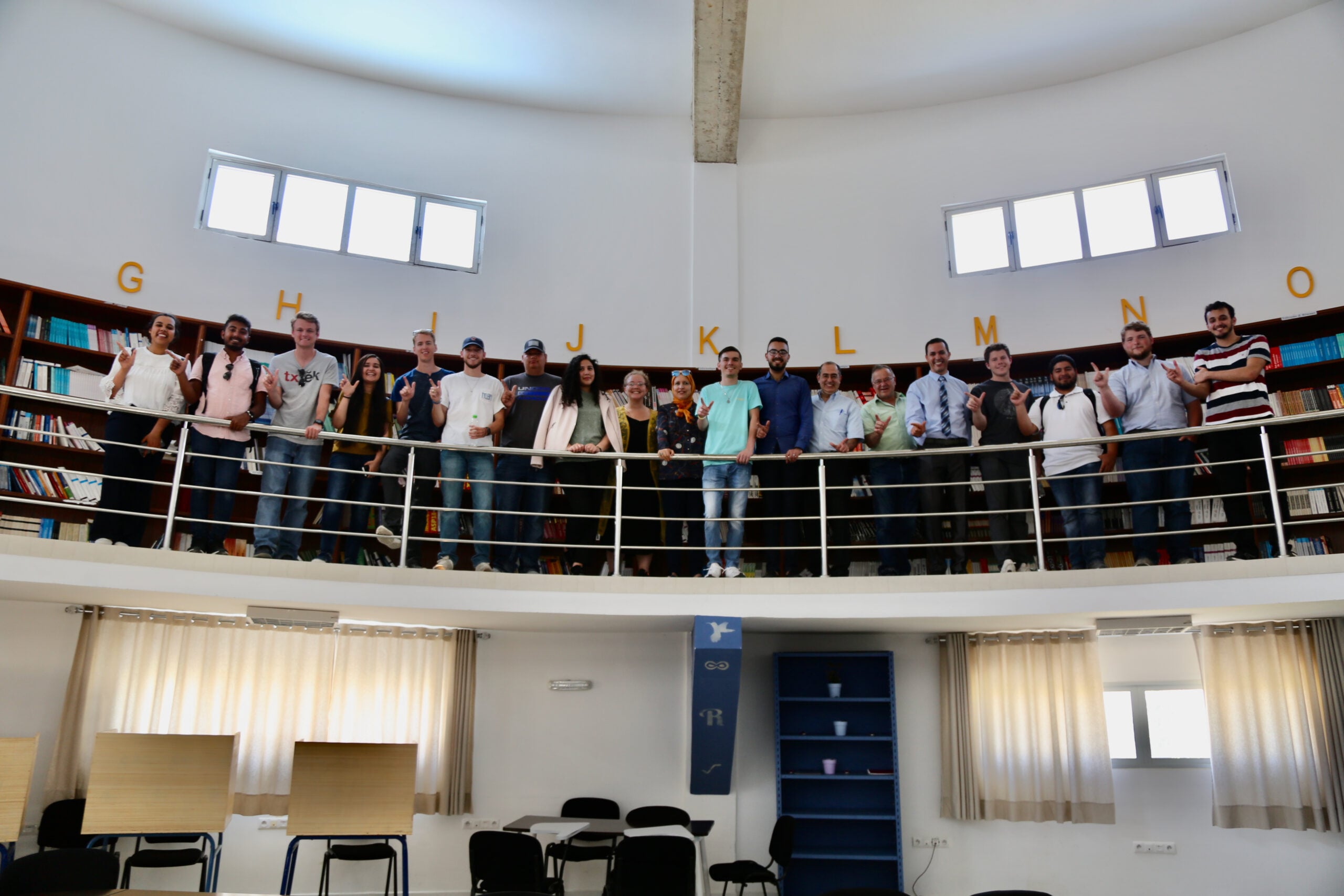
Northern Morocco’s layered heritage brings Amazigh, Arab, Jewish, Andalusian, Spanish, and French influences into vivid conversation. Field-based custom group programs enable experiential learning through architecture, craft traditions, oral histories, and cultural preservation, with hands-on experience across Tangier, Tétouan, and Assilah.
develop your own program similar to this
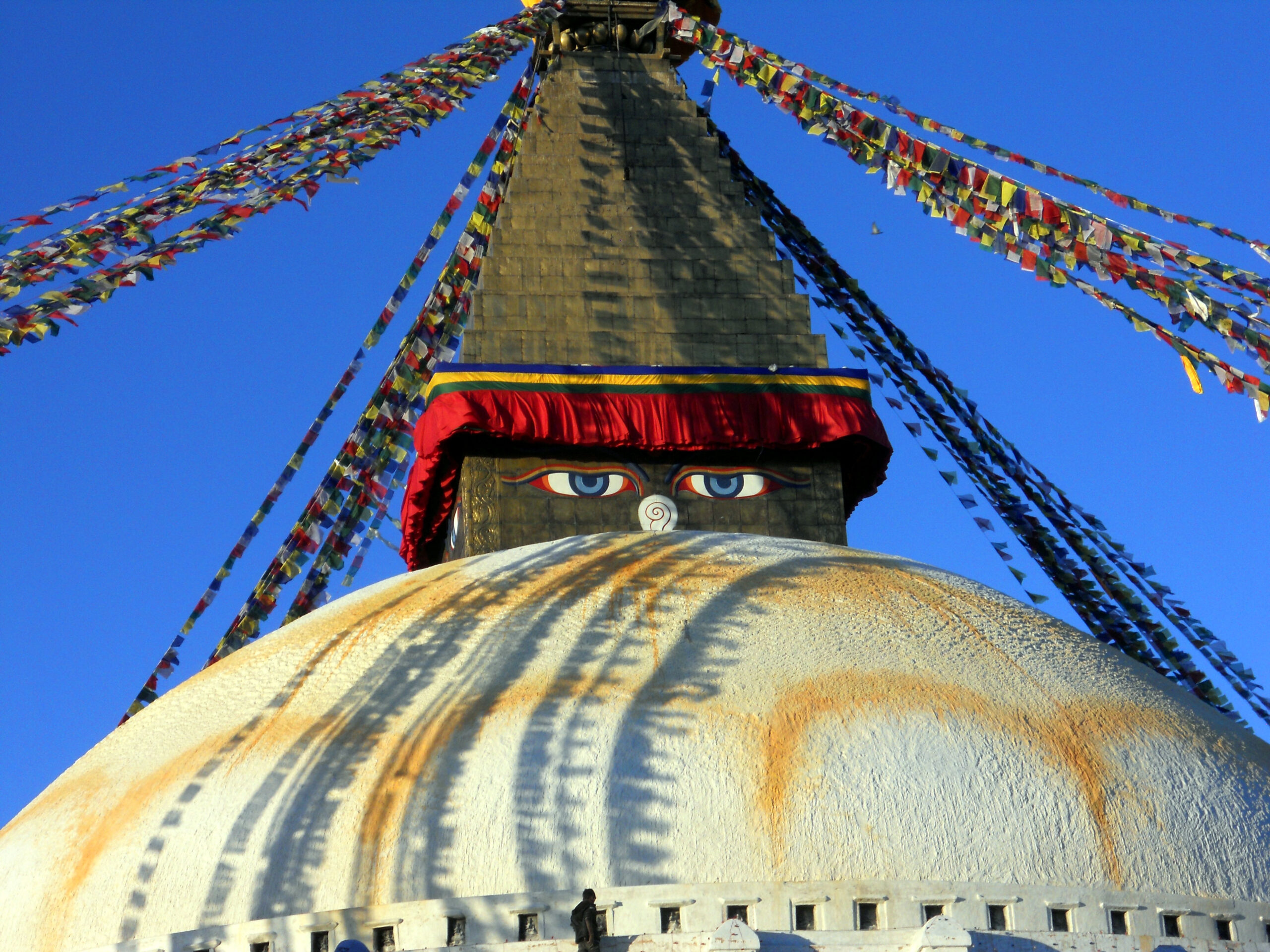
Temple courtyards, monastery rituals, artisan workshops, and festival traditions make Nepal a compelling place to study how heritage remains active in contemporary life. Field-based custom group programs can connect hands-on experience in Kathmandu, Pokhara, and Chitwan with questions of spirituality, artistic practice, cultural continuity, and preservation.
develop your own program similar to this
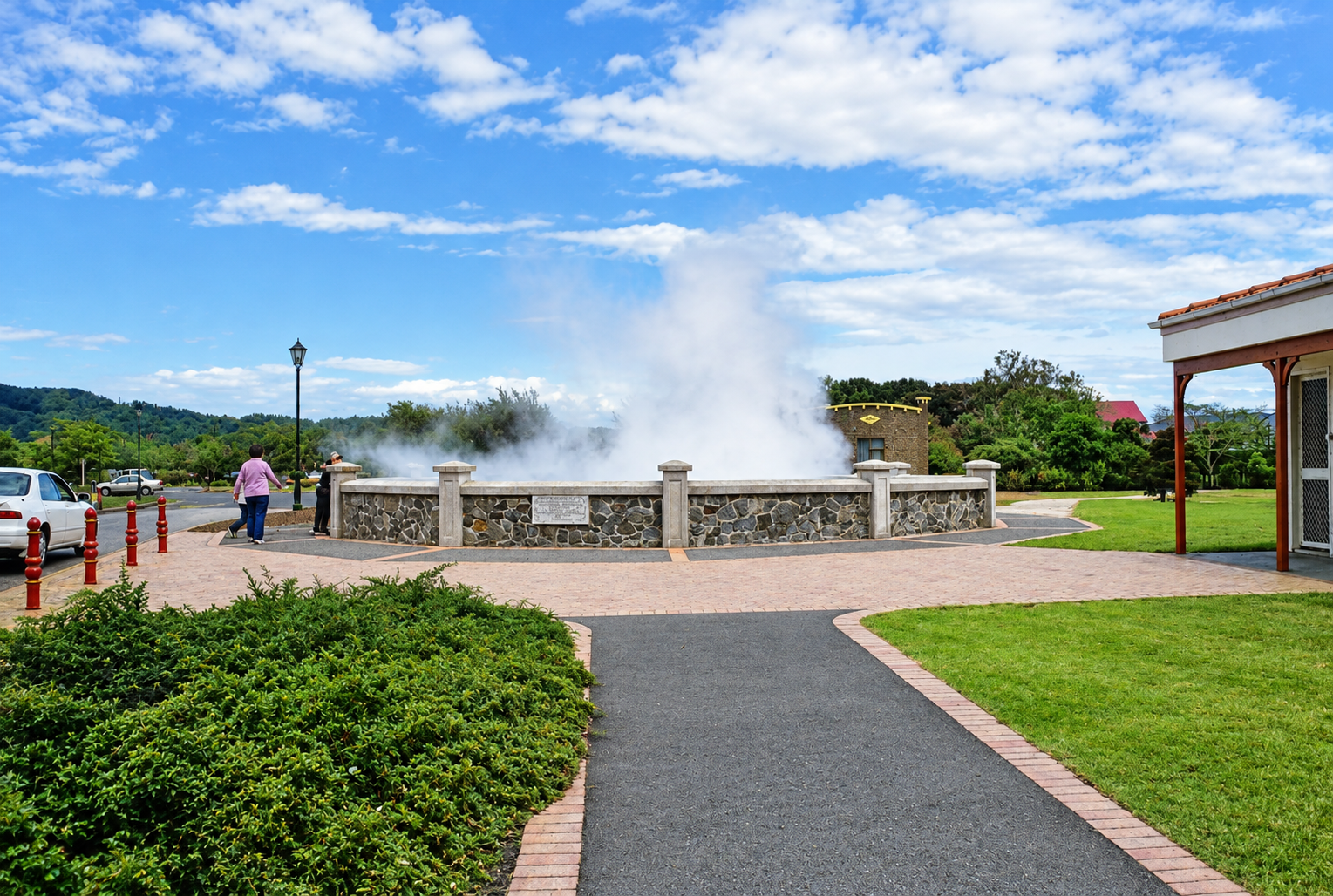
Aotearoa New Zealand offers a place-based way to examine culture, history, and identity through Māori and Pasifika perspectives, colonial legacies, and creative practice. Custom group programs support experiential learning and cross-cultural immersion with iwi members, artists, and historians across living cultural landscapes.
develop your own program similar to this
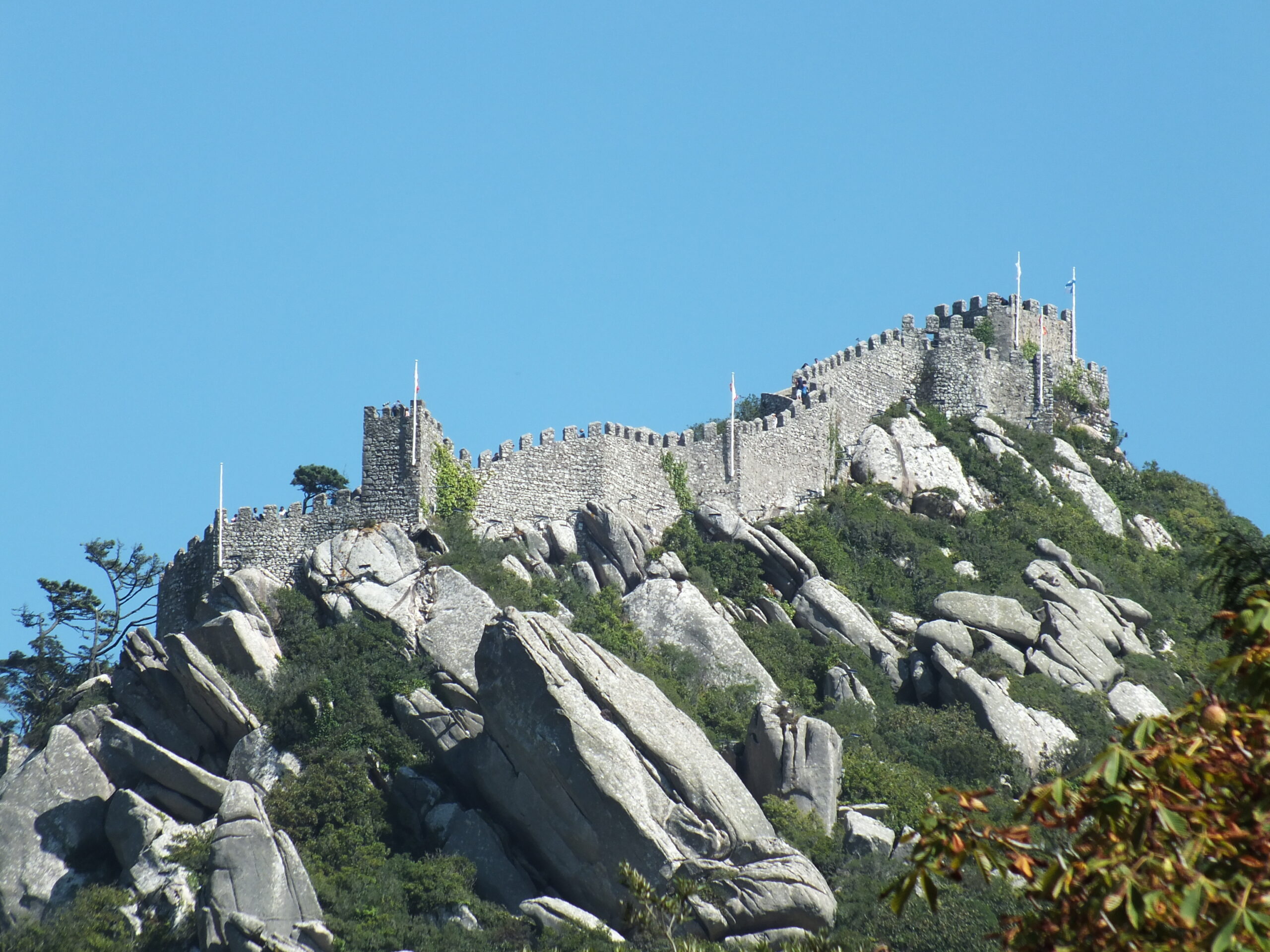
Portugal provides a rich setting for examining how history, artistic expression, and cultural life have been shaped by maritime expansion, empire, political change, and global exchange. In Lisbon and beyond, participants can connect heritage, architecture, music, visual art, and contemporary discussions of migration and identity.
develop your own program similar to this
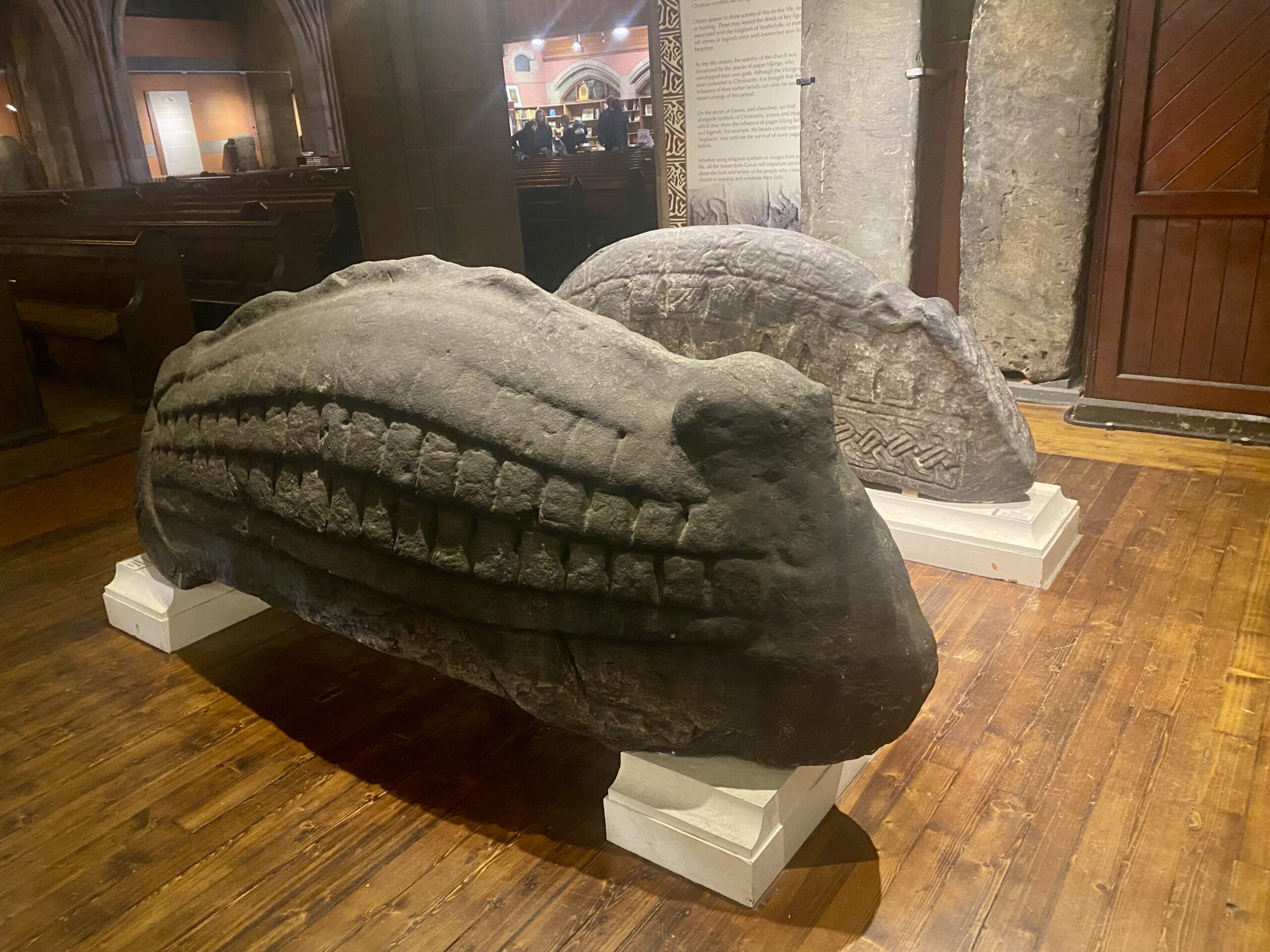
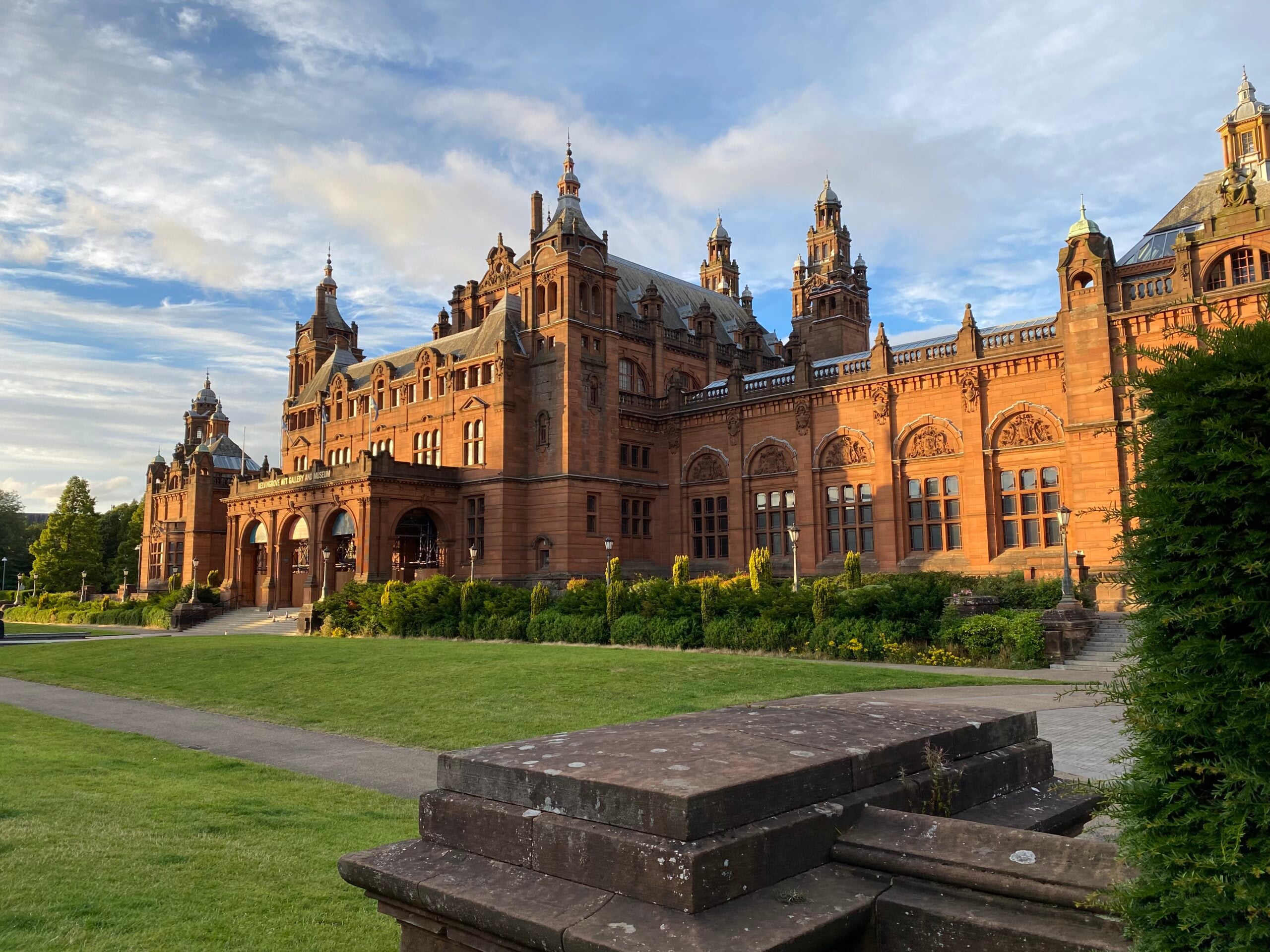
Culture in Glasgow is closely tied to community participation, creative expression, and public access. The city offers a setting for examining how museums, public art, festivals, heritage initiatives, and youth-focused cultural programs make history and creativity meaningful across neighborhoods and communities.
develop your own program similar to this
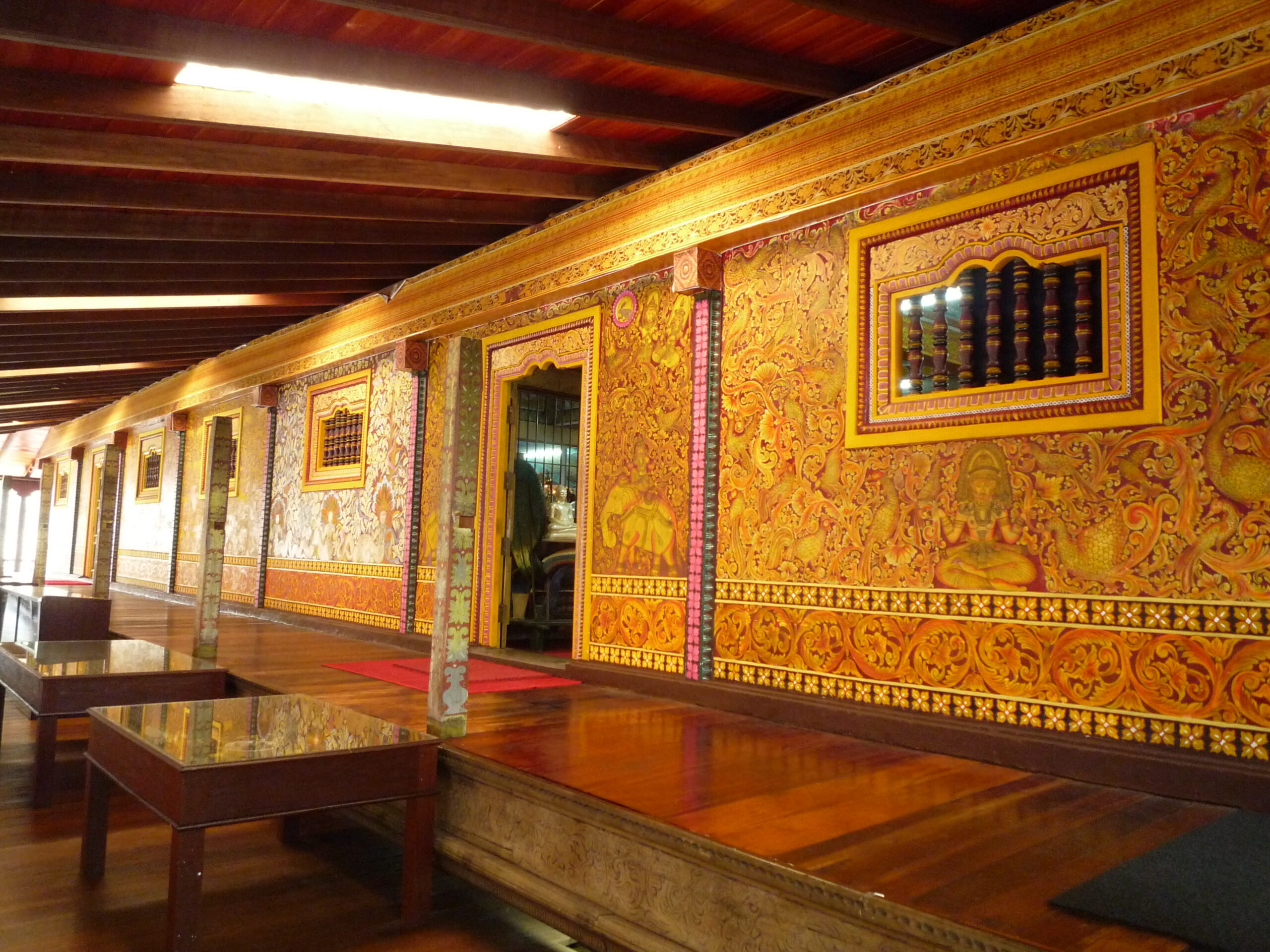
Sri Lanka offers a rich setting for exploring how ancient kingdoms, Buddhist traditions, colonial histories, and living artistic practices shape cultural identity today. Through custom group programs, field-based experiential learning can include heritage walks, cultural workshops, community dialogue, and cross-cultural immersion across the island’s historic landscapes.
develop your own program similar to this
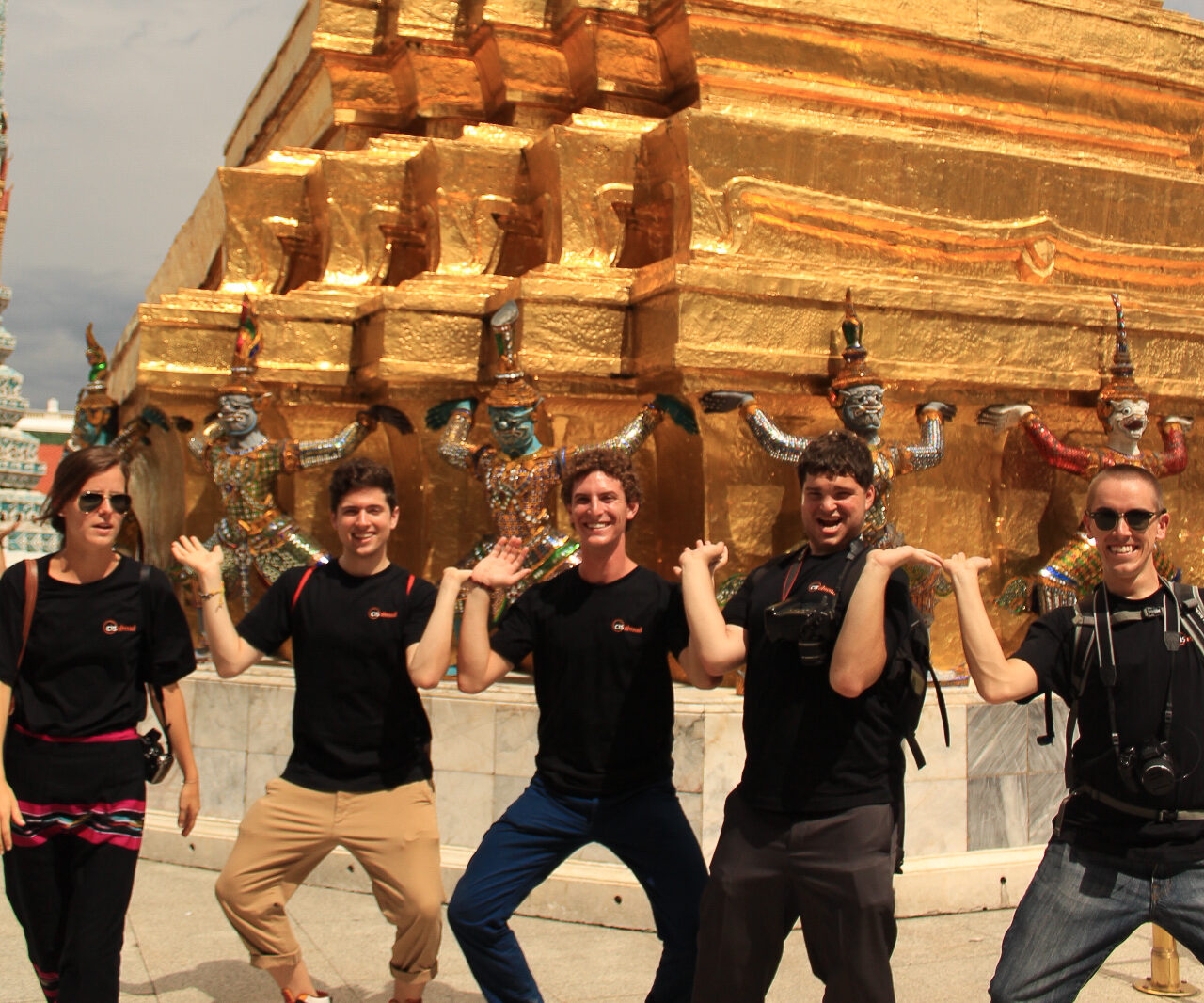
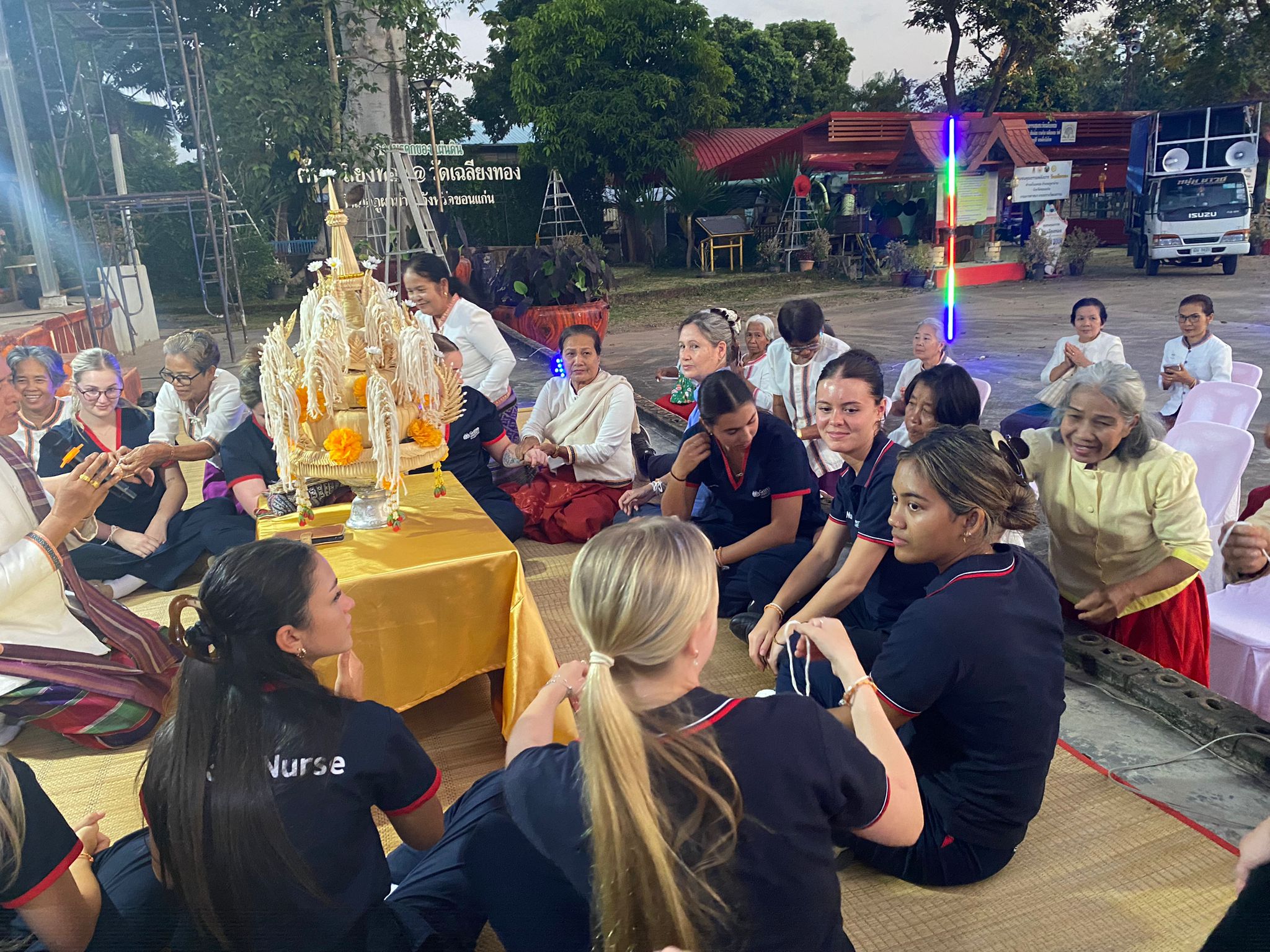
Thailand’s heritage connects Buddhist spiritual life, ancient kingdoms, royal traditions, craft knowledge, and rapidly changing urban culture. Custom group programs can offer field-based experiential learning through temple communities, archaeological landscapes, artisan workshops, and cross-cultural immersion in the values and creative practices that shape everyday Thai life.
develop your own program similar to this
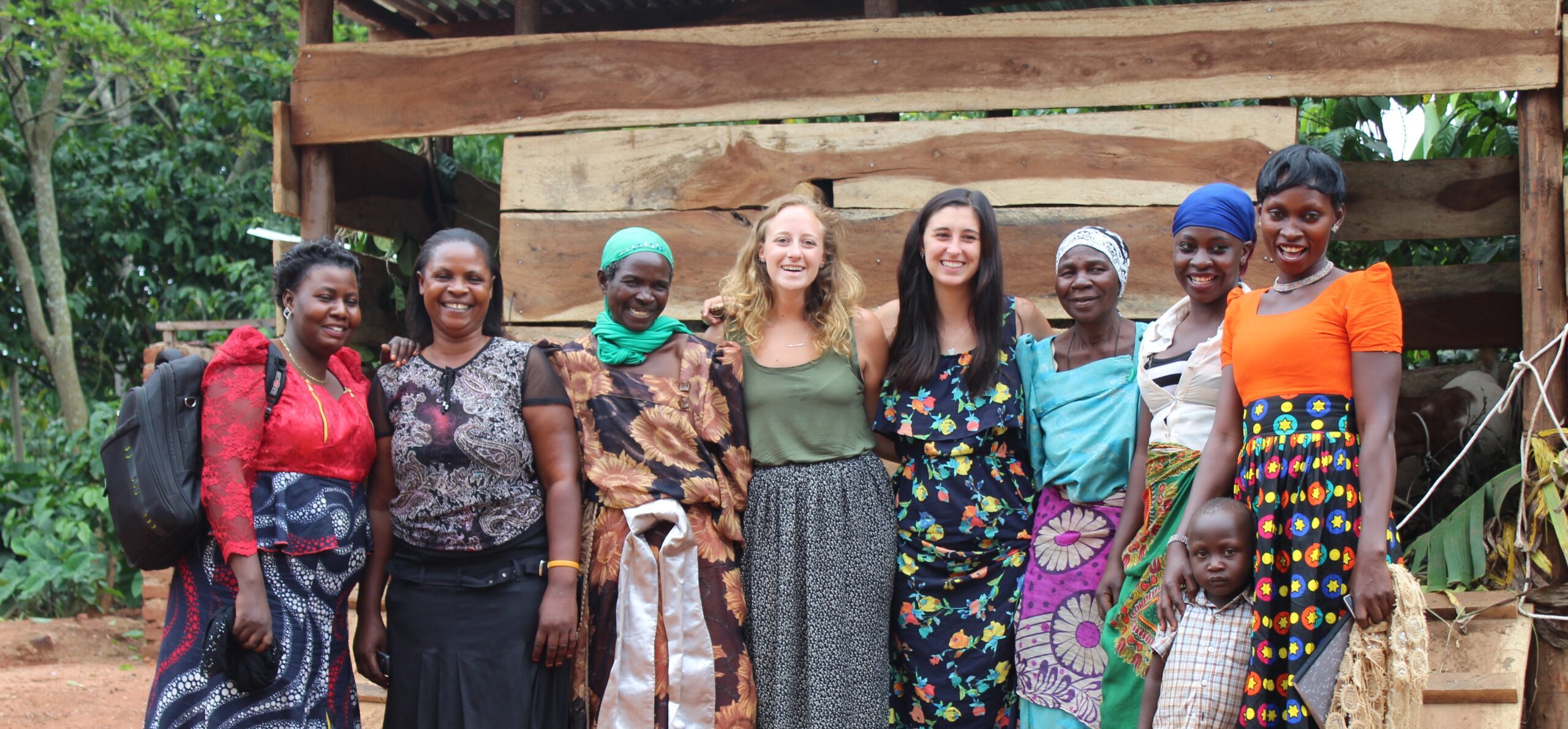
Stories shared across generations, creative expression, and traditional leadership reveal the many ways Ugandan communities interpret their past and shape contemporary life. Through custom group programs, field-based conversations and hands-on experience bring experiential learning into dialogue with cultural preservation, artistic practice, and social change.
develop your own program similar to this
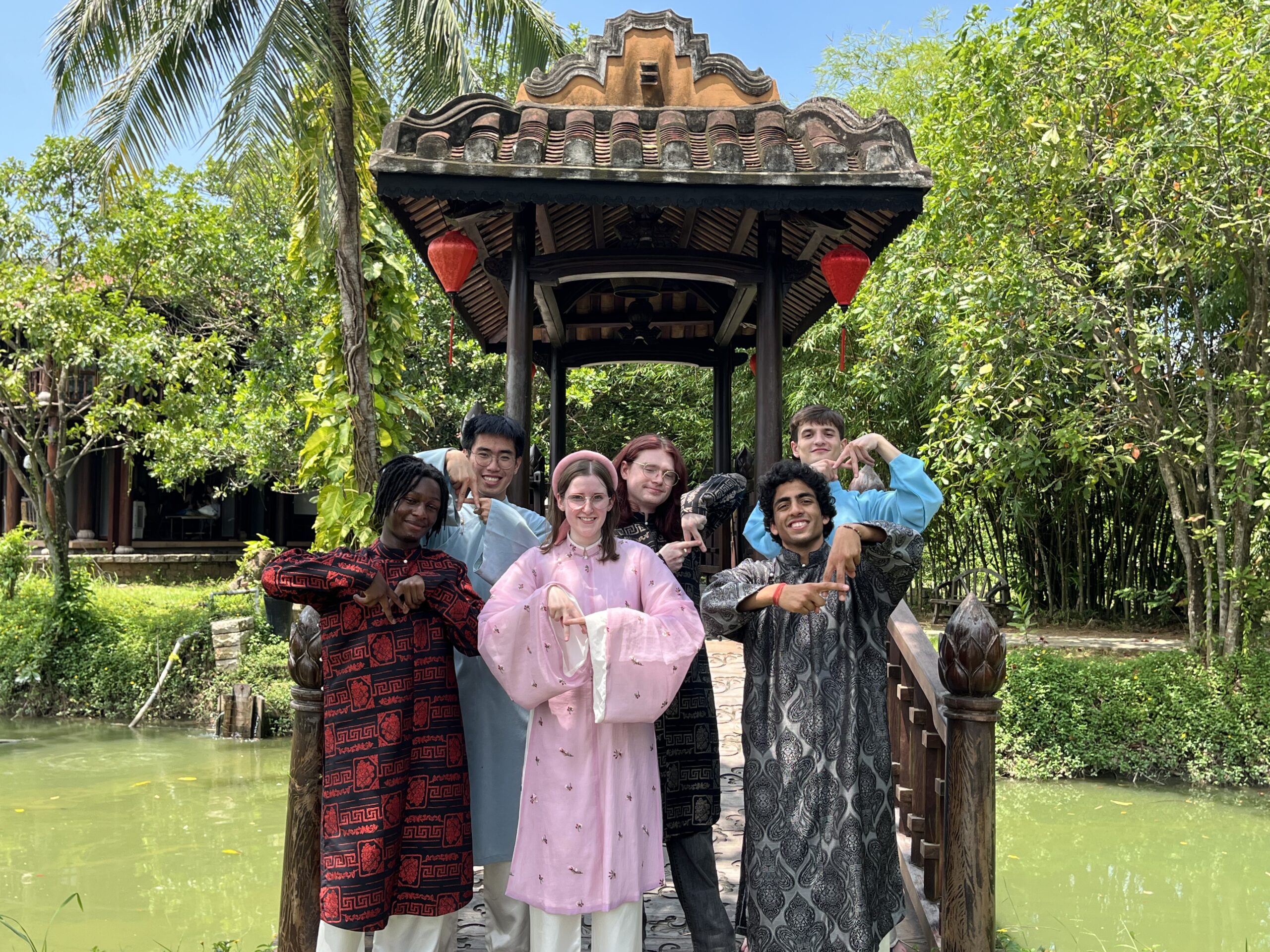
Vietnam’s cultural landscapes bring together wartime memory, religion, ethnic heritage, artisanal knowledge, and contemporary performance. Cross-cultural immersion can help groups connect museums, sacred sites, villages, foodways, and creative practice to larger questions of identity and historical change.
develop your own program similar to this
Program ideas
Browse example itineraries and program ideas inspired by topics Kaya groups have explored over the years.
 1
Together we’ll discuss your program goals and needs.
 2
With your input, we develop and fine-tune the perfect itinerary.
 3
We support institutional approvals and recruitment processes to ensure a successful launch!
 4
From pre-departure planning until your return, we’re with you every step of the way!
FAQS
A faculty-led history, art and culture program can help students explore historic places, living heritage, creative practice and the communities that sustain them through applied activities, local perspectives and structured reflection.
Participants can explore historic districts, archaeological sites, places of worship, museums and cultural landscapes, depending on the destination. Kaya programs help students investigate historic places, living heritage, creative practice and the communities that sustain them, connecting the past with contemporary identities and everyday life.
Kaya works with faculty and local partners to connect heritage conservation with field-based learning. Programs help students explore how historic places, living traditions and creative practices are sustained, emphasizing local knowledge, respectful participation and the communities shaping decisions about their heritage.
Yes. Kaya can adapt a faculty-led history, art and culture program to the students’ academic level, course outcomes and disciplinary interests.
Testimonials
With a focus on experiential education and the UN Sustainable Development Goals, your group can immerse and engage with international communities and environments across the globe.