








 1
Connect
Together we’ll discuss your program goals and needs.
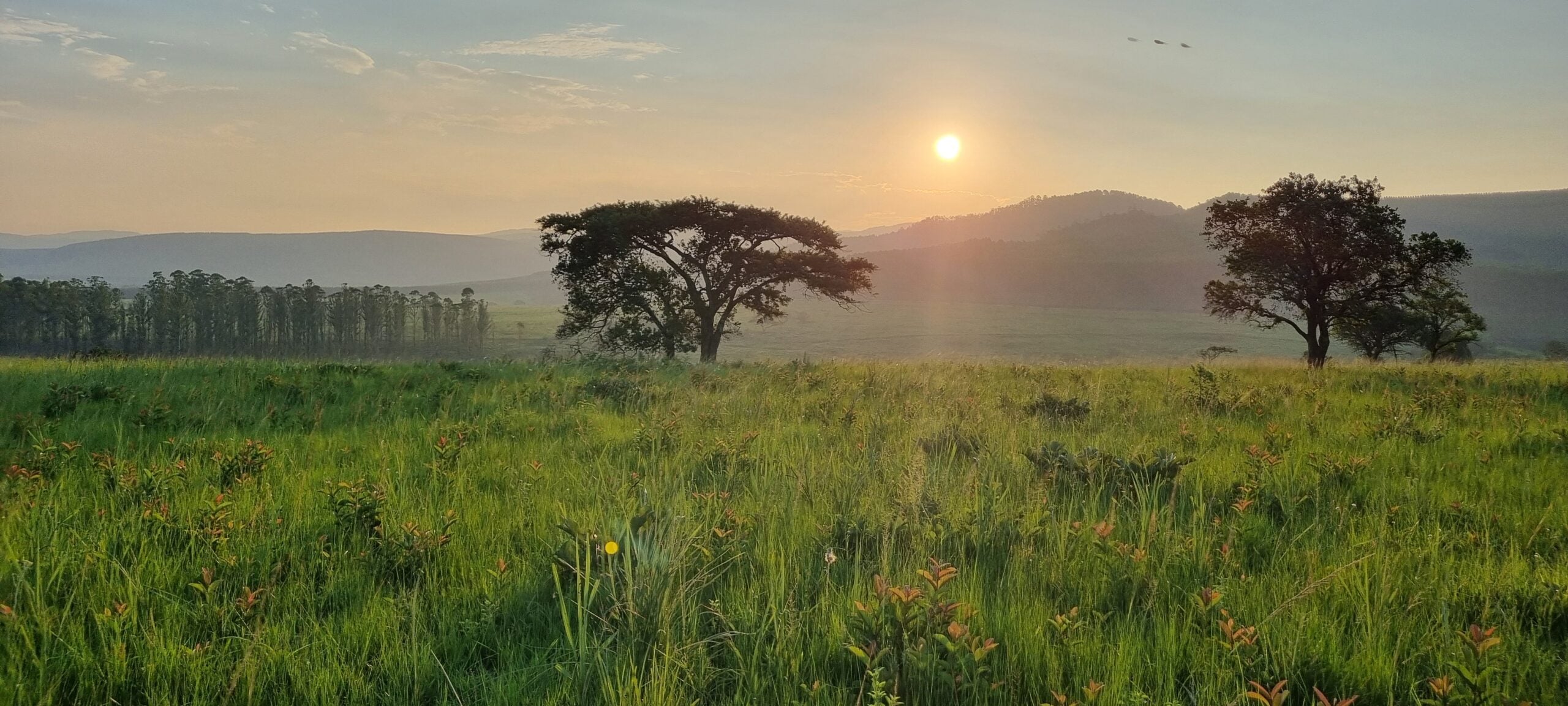
Uganda is shaped by lush landscapes, freshwater systems, and strong community traditions across East Africa. Known as the source of the Nile and home to Lake Victoria, the country offers a setting where environment, culture, and everyday life are closely connected. A young and rapidly growing population brings energy to both rural communities and expanding cities.
Design a program hereAbout Uganda
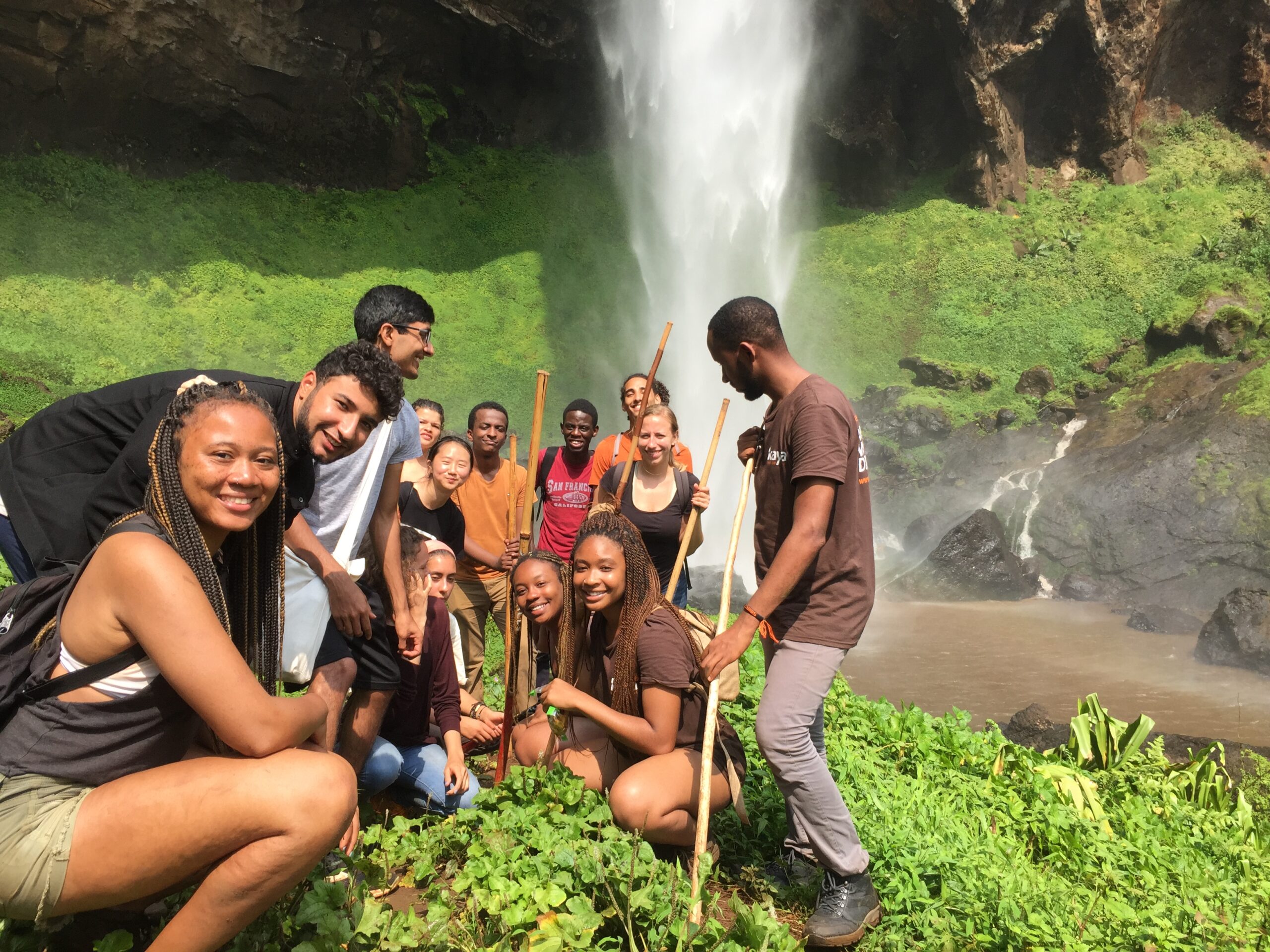
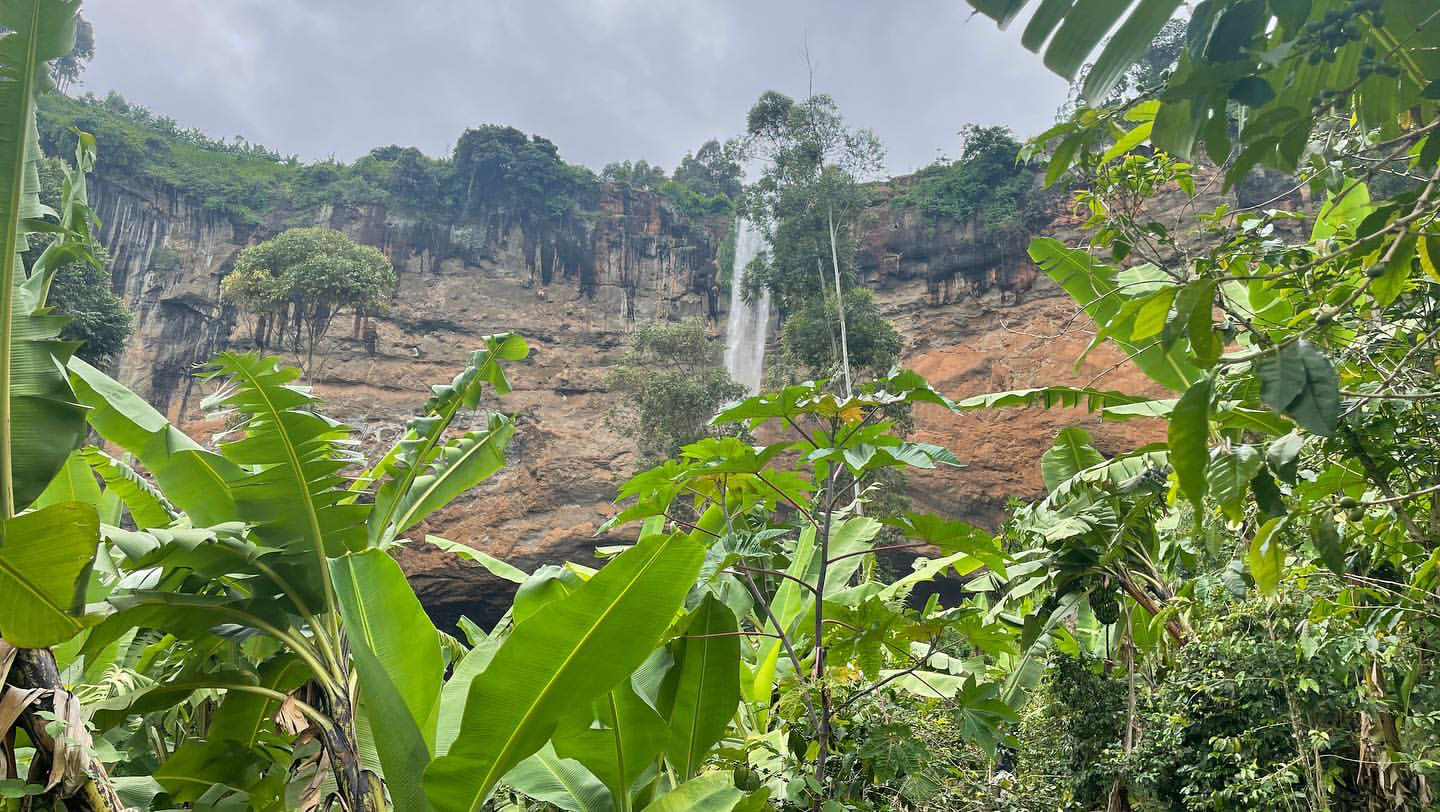
Water and landscape play a central role in learning across Uganda. Programs explore the Nile River, Lake Victoria, and areas such as Sipi Falls to understand ecosystems, agriculture, and local livelihoods shaped by freshwater environments.
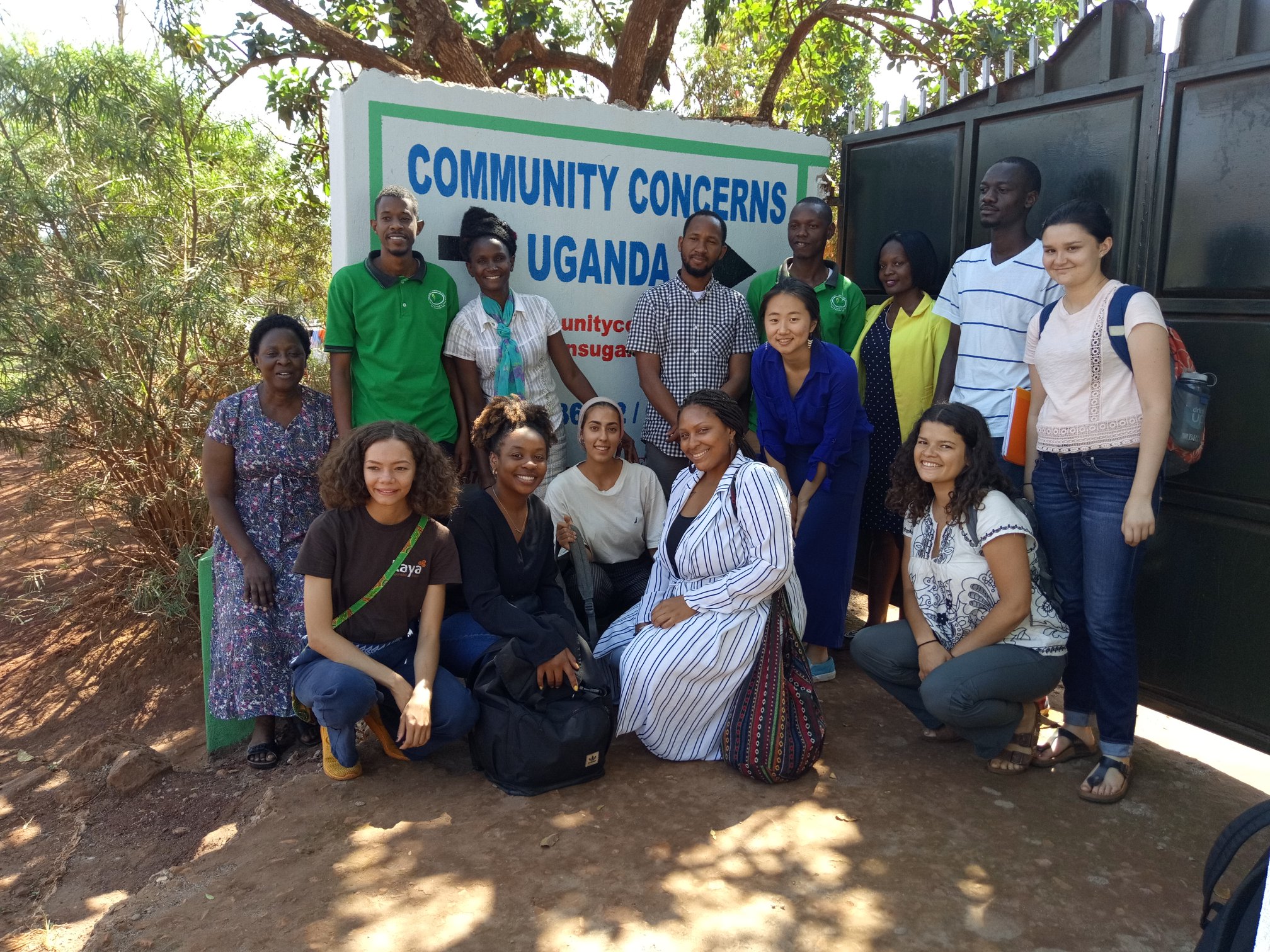
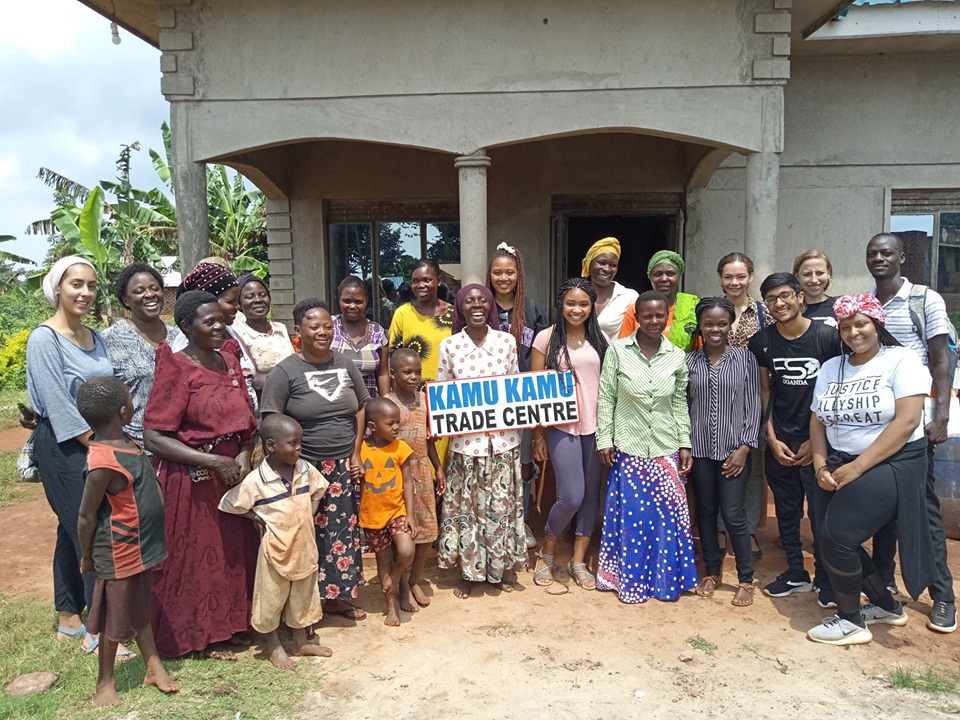
Community-based initiatives offer insight into development and public health. Students engage with grassroots projects focused on education, healthcare access, and sustainable community growth. English, Luganda, and Swahili are widely spoken, reflecting Uganda’s cultural diversity and regional ties while shaping communication within local projects and everyday interactions.
Agriculture remains a key part of everyday life. Programs examine rural livelihoods, food systems, and the ways communities adapt to economic and environmental change.
Urban areas reflect a different side of Uganda’s transformation. A youthful population and growing business sectors highlight entrepreneurship, innovation, and the opportunities and challenges of rapid urbanization.
Across Uganda, learning often moves between village life, natural landscapes, and emerging city spaces. Programs focus on people, place, and practical approaches to development shaped by local perspectives.
Program Themes
Discover some of the different topics and themes you can focus your program on in Uganda. If you don’t see your topic area, or you already have a ready-made itinerary, connect with the Kaya team to start a discussion!
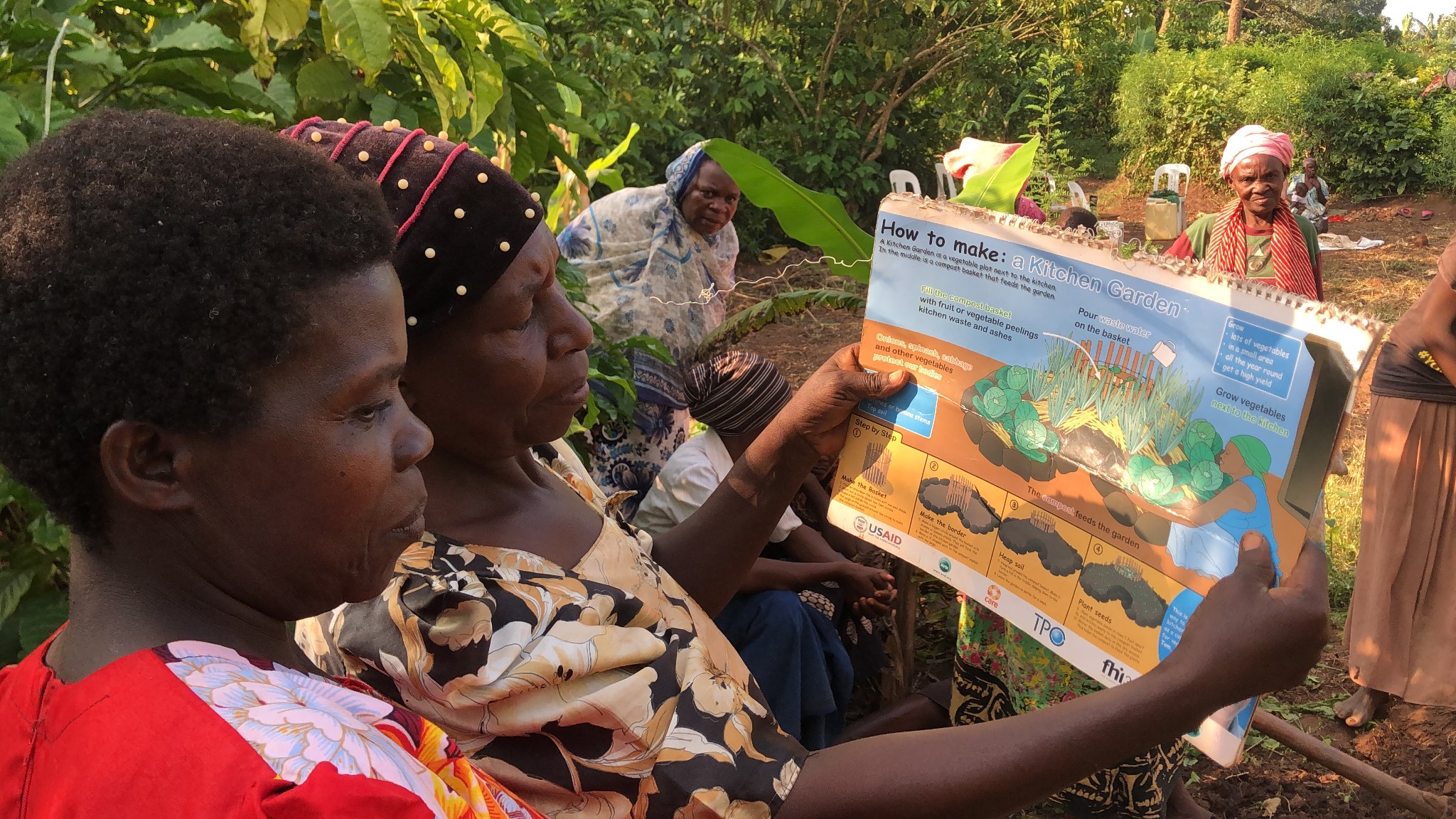
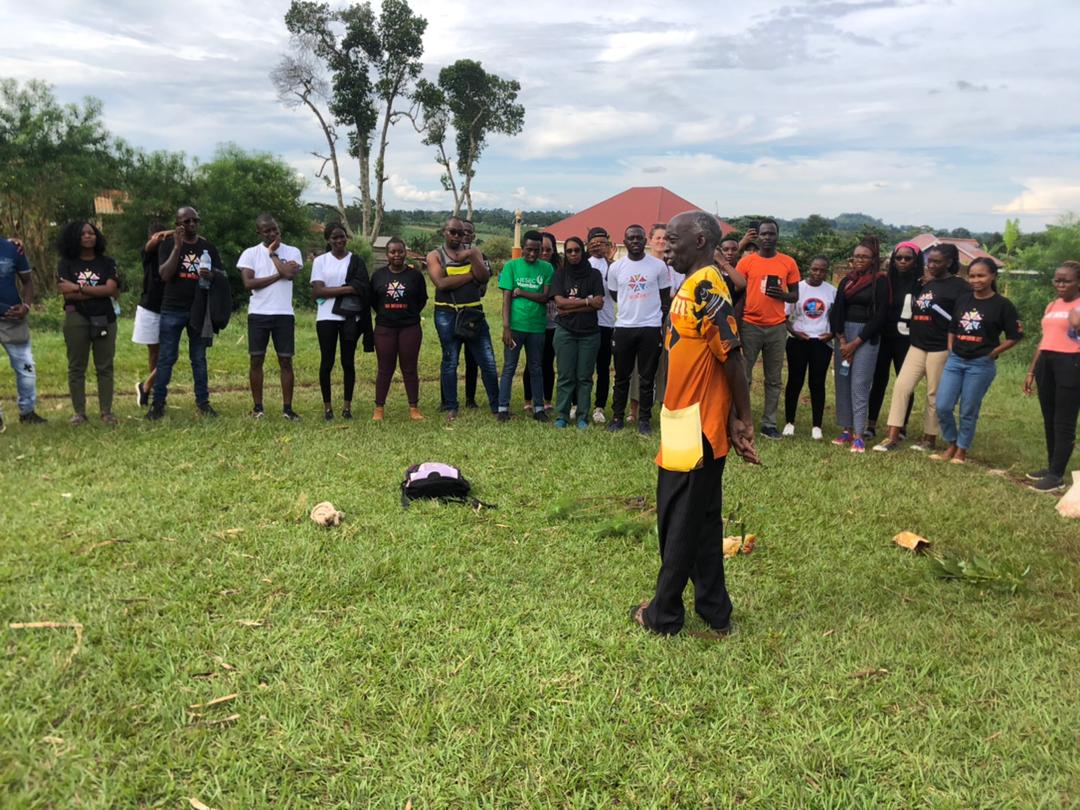
Uganda’s smallholder farming systems show how food production, household income, and environmental stewardship can be developed together. Custom group programs engage in field-based learning through hands-on engagement with farmers, cooperatives, and value-chain partners, linking cross-cultural immersion with food-security and climate-resilience challenges.
develop your own program similar to this
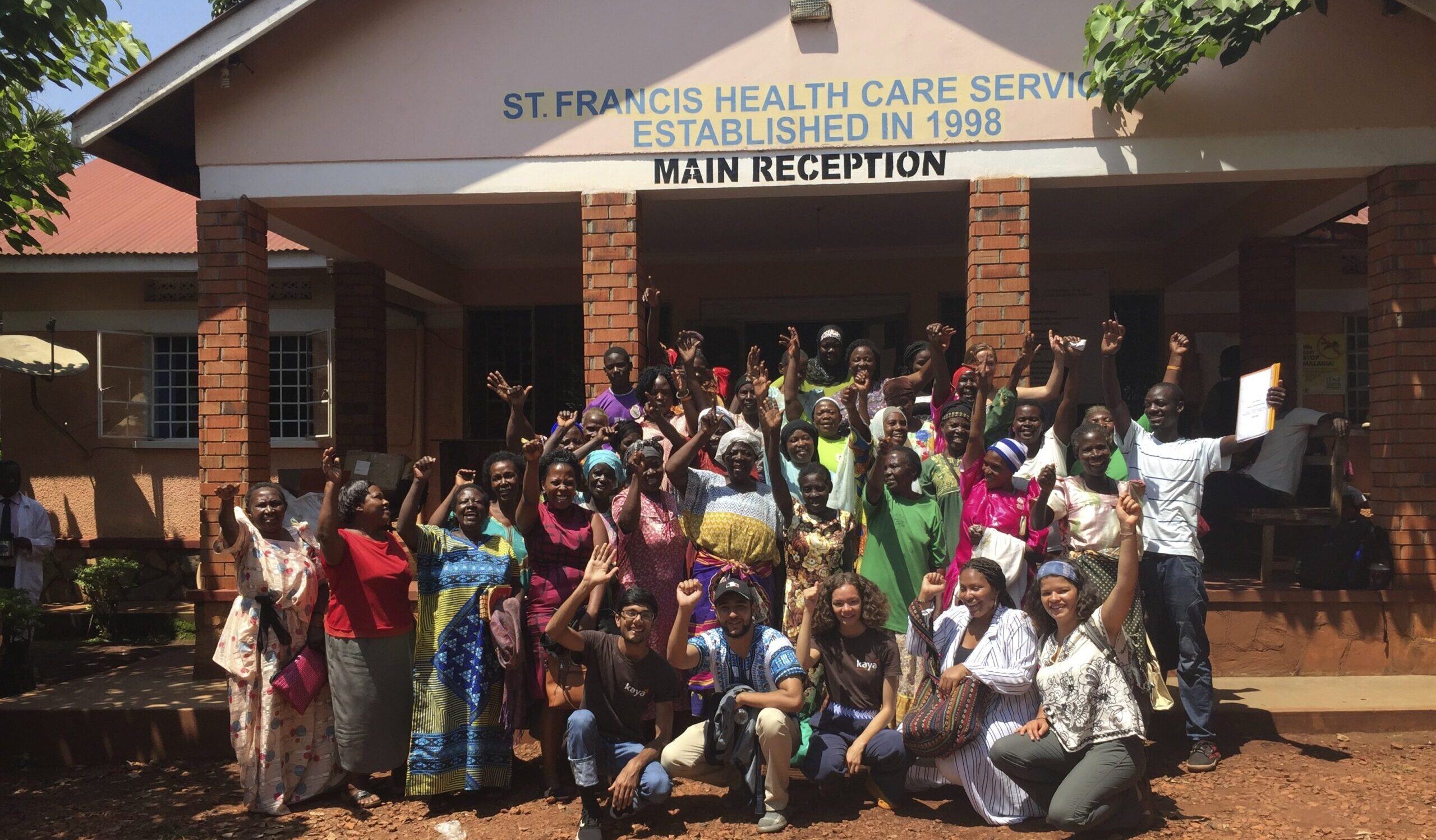
Locally led projects provide the starting point for service learning in Uganda. Through custom group programs, participants gain practical experience in community partnership, sustainable development, and responsible volunteering while engaging in meaningful cultural exchange with local leaders, families, and organizations.
develop your own program similar to this
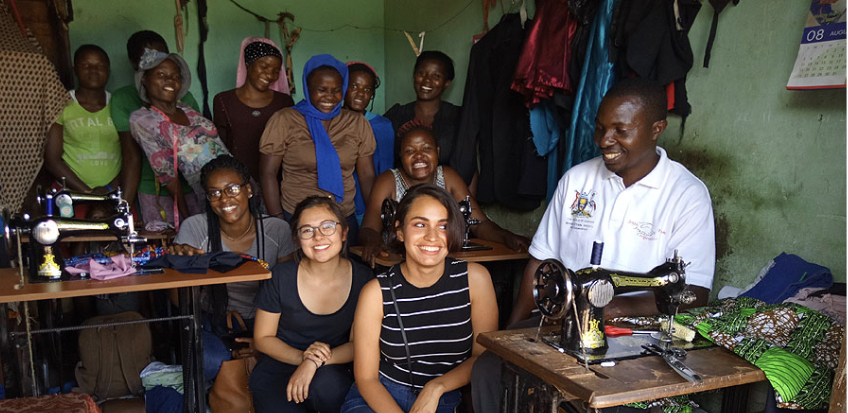
Enterprise in Uganda is shaped by local markets, community networks, and rapidly evolving industrial activity. Custom group programs provide experiential learning through field research, business visits, and cross-cultural immersion with entrepreneurs and managers, connecting hands-on experience to sustainable livelihoods and regional growth
develop your own program similar to this
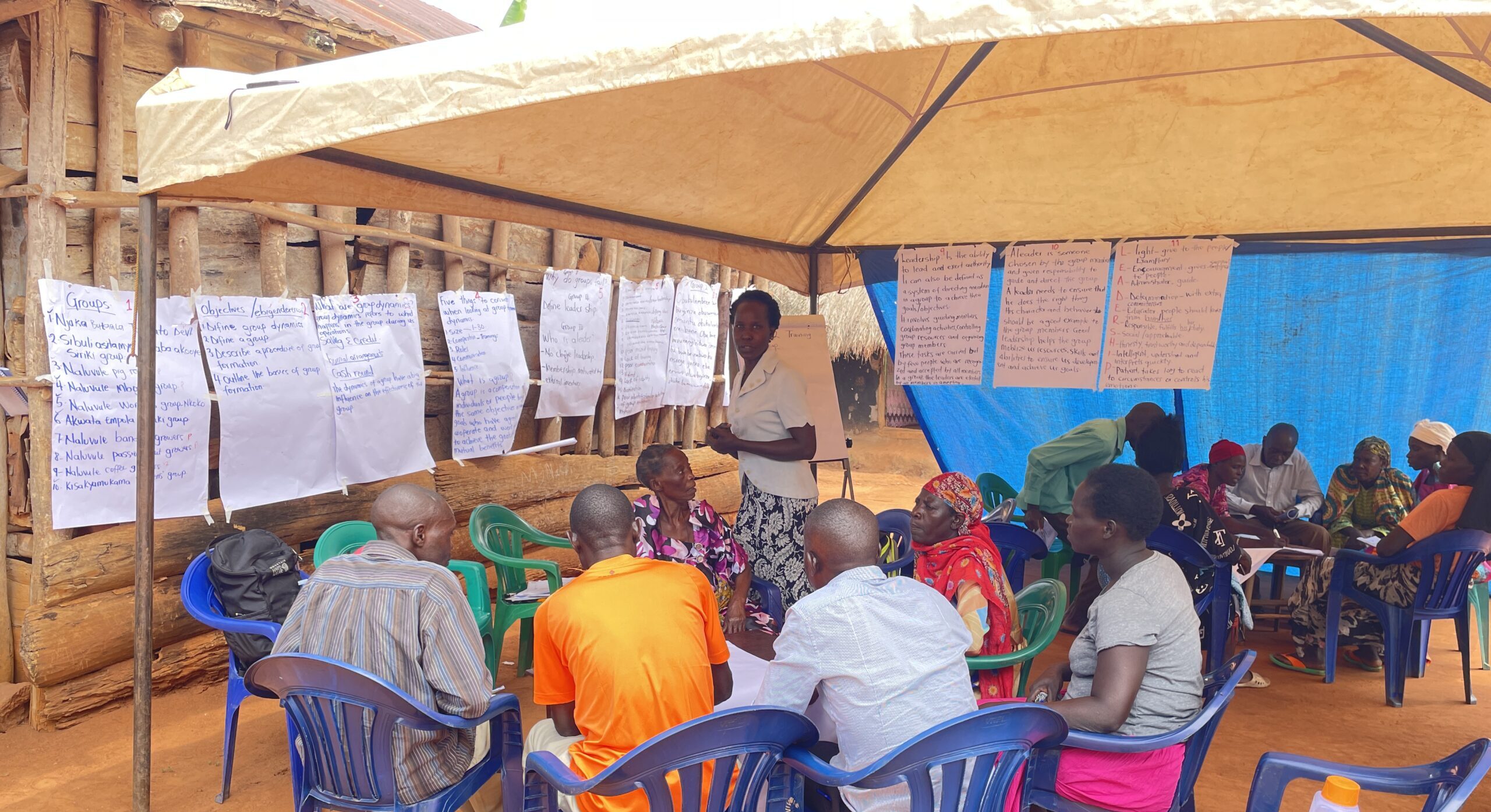
Following the connections between classroom learning, family life, and community priorities opens a broader conversation about what education can achieve in Uganda. Custom group programs offer field-based observation, hands-on experience, and cross-cultural immersion to examine teaching practices, inclusive participation, and pathways from learning to sustainable livelihoods.
develop your own program similar to this
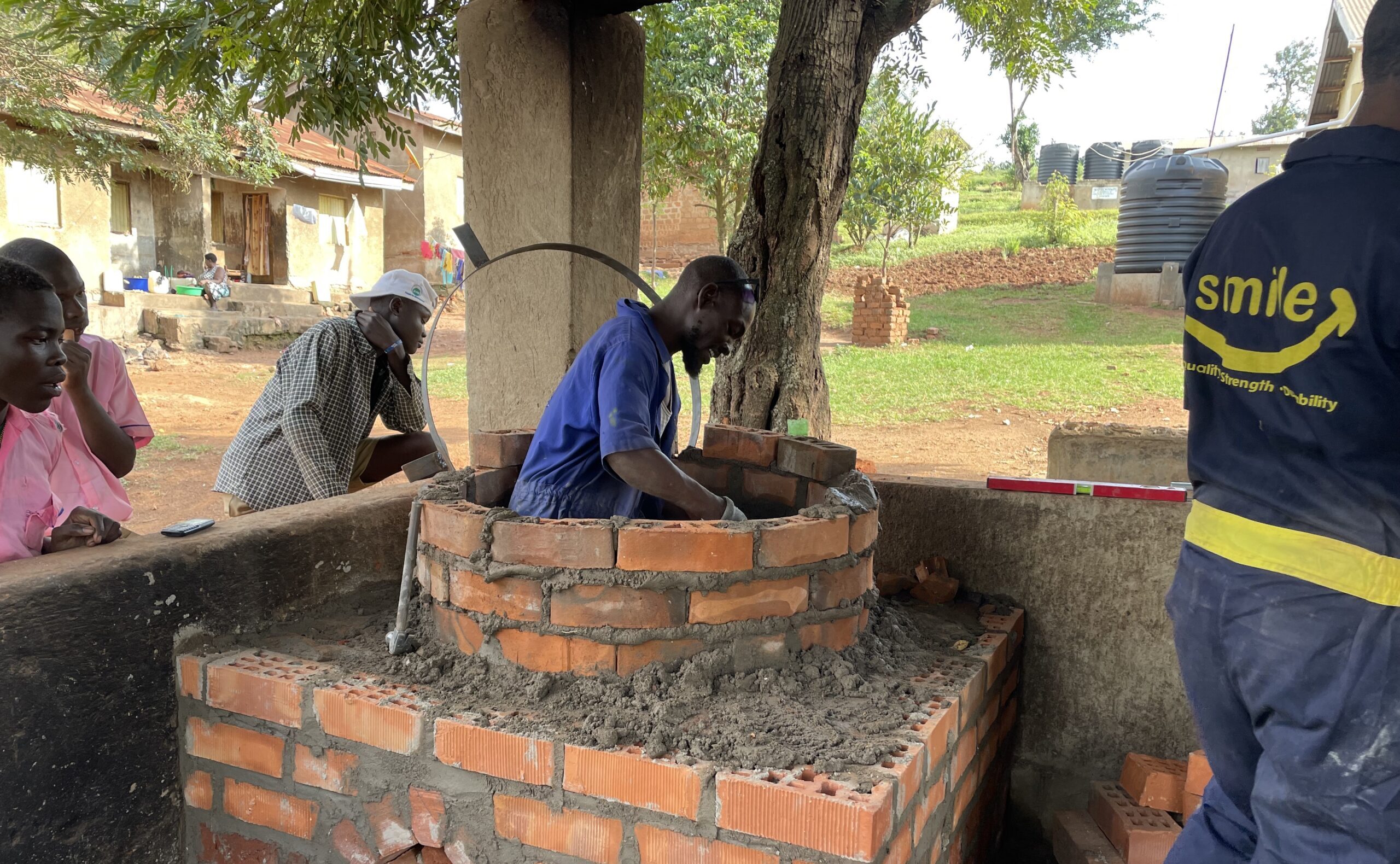
Water, energy, and land systems are central to everyday infrastructure decisions in rural Uganda. Custom group programs enable applied field research and hands-on experience with community-managed technologies, combining experiential learning with cross-cultural immersion around sustainable resource use and resilient development.
develop your own program similar to this
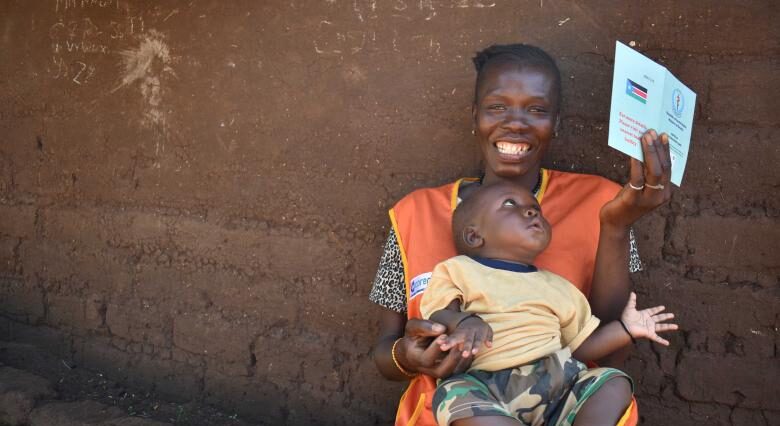
In Uganda, community health is closely tied to water, sanitation, household practices, and access to primary care. Custom group programs offer experiential learning through health education, supervised clinical observation, and cross-cultural immersion with communities and health professionals working to prevent illness and strengthen local referral systems.
develop your own program similar to this
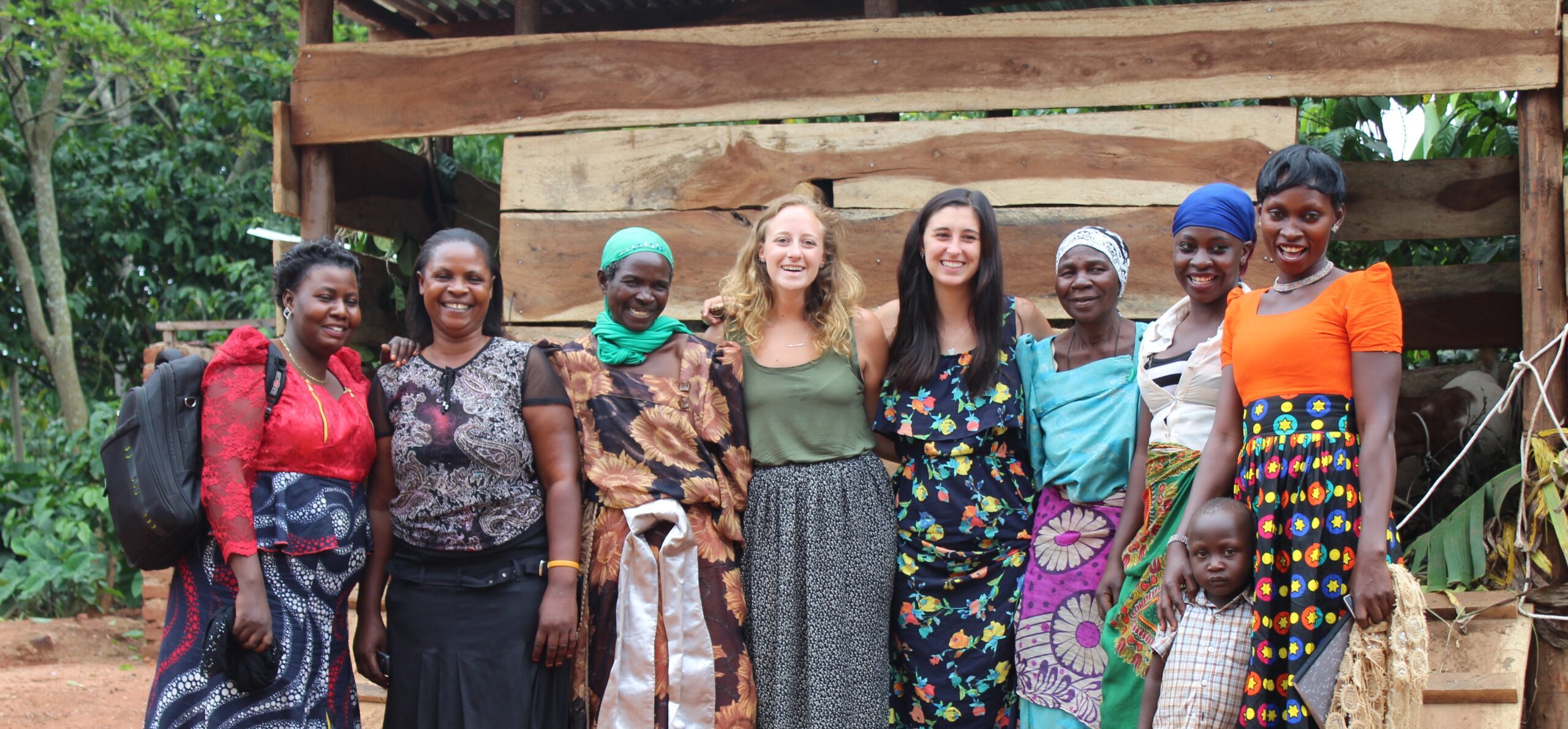
Stories shared across generations, creative expression, and traditional leadership reveal the many ways Ugandan communities interpret their past and shape contemporary life. Through custom group programs, field-based conversations and hands-on experience bring experiential learning into dialogue with cultural preservation, artistic practice, and social change.
develop your own program similar to this
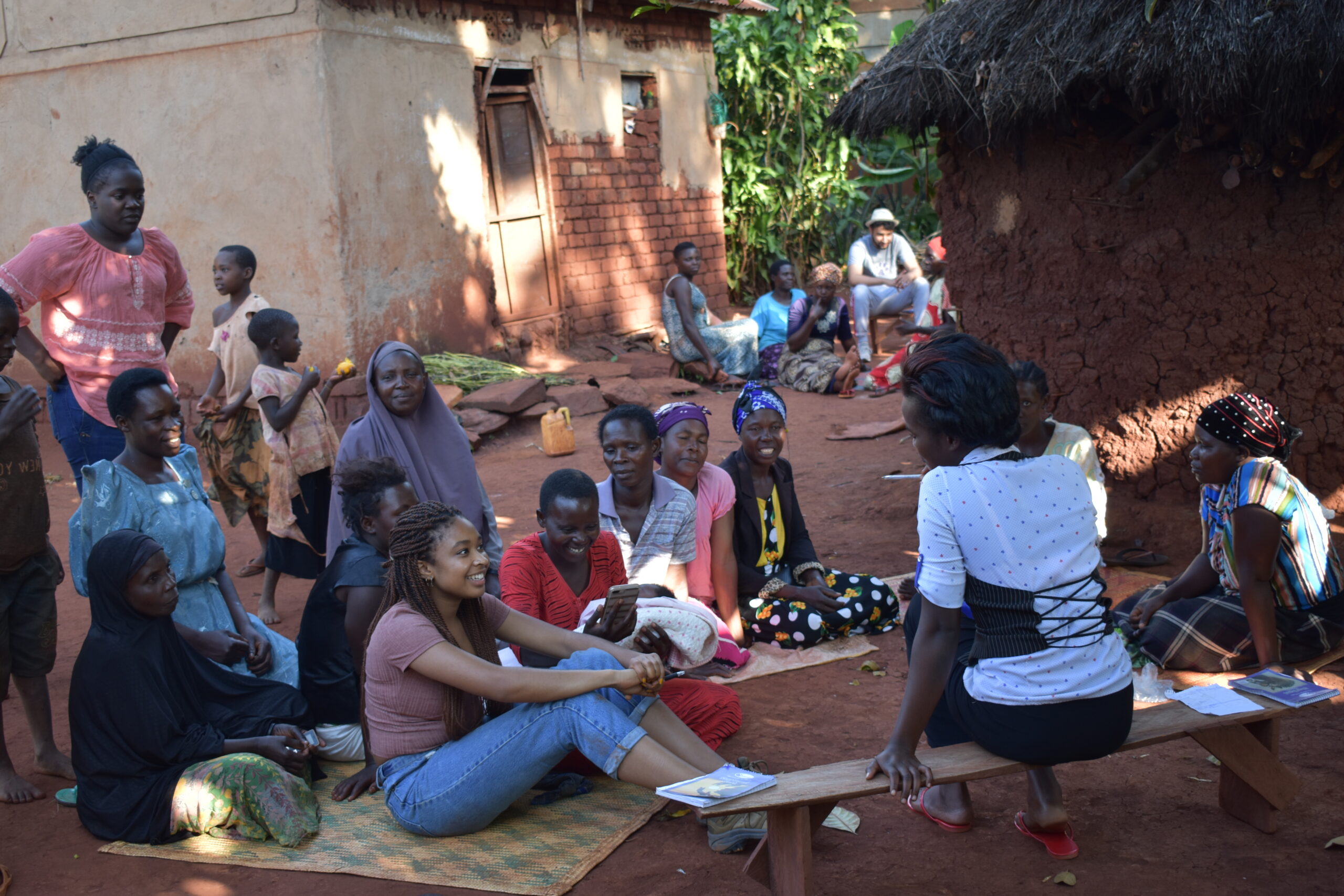
Questions of voice, access, and dignity are visible in everyday community life across Uganda. Custom group programs support experiential learning through field-based dialogue and hands-on engagement with local partners, building cross-cultural understanding around inclusion, participation, and ethically grounded development.
develop your own program similar to this
1
Together we’ll discuss your program goals and needs.
 2
With your input, we develop and fine-tune the perfect itinerary.
 3
We support institutional approvals and recruitment processes to ensure a successful launch!
 4
From pre-departure planning until your return, we’re with you every step of the way!
FAQS
A shared question can connect subjects such as food security, business, education and health without trying to cover every discipline. Kaya can work with faculty to select relevant experiences, helping students examine how different perspectives contribute to understanding an issue and where priorities or approaches may differ.
History, art and culture can help students consider the context behind the subjects they study. Rather than treating cultural experiences as separate excursions, faculty can connect them with course questions and reflection, encouraging students to listen carefully and avoid drawing broad conclusions from a short visit.
Course objectives, student preparation and local partner capacity help guide activity selection. Kaya discusses these alongside timing, participant needs and supervision with group leaders. Whether the focus is resource management, education or another available subject, activities should support learning while respecting host responsibilities and professional boundaries.
Service learning should begin with what local partners identify as appropriate and useful, rather than a visiting group’s assumptions. Kaya works with faculty and hosts to define suitable participation, connecting it with preparation and reflection. The emphasis is on reciprocity, realistic contributions and respect for existing knowledge and work.
Testimonials
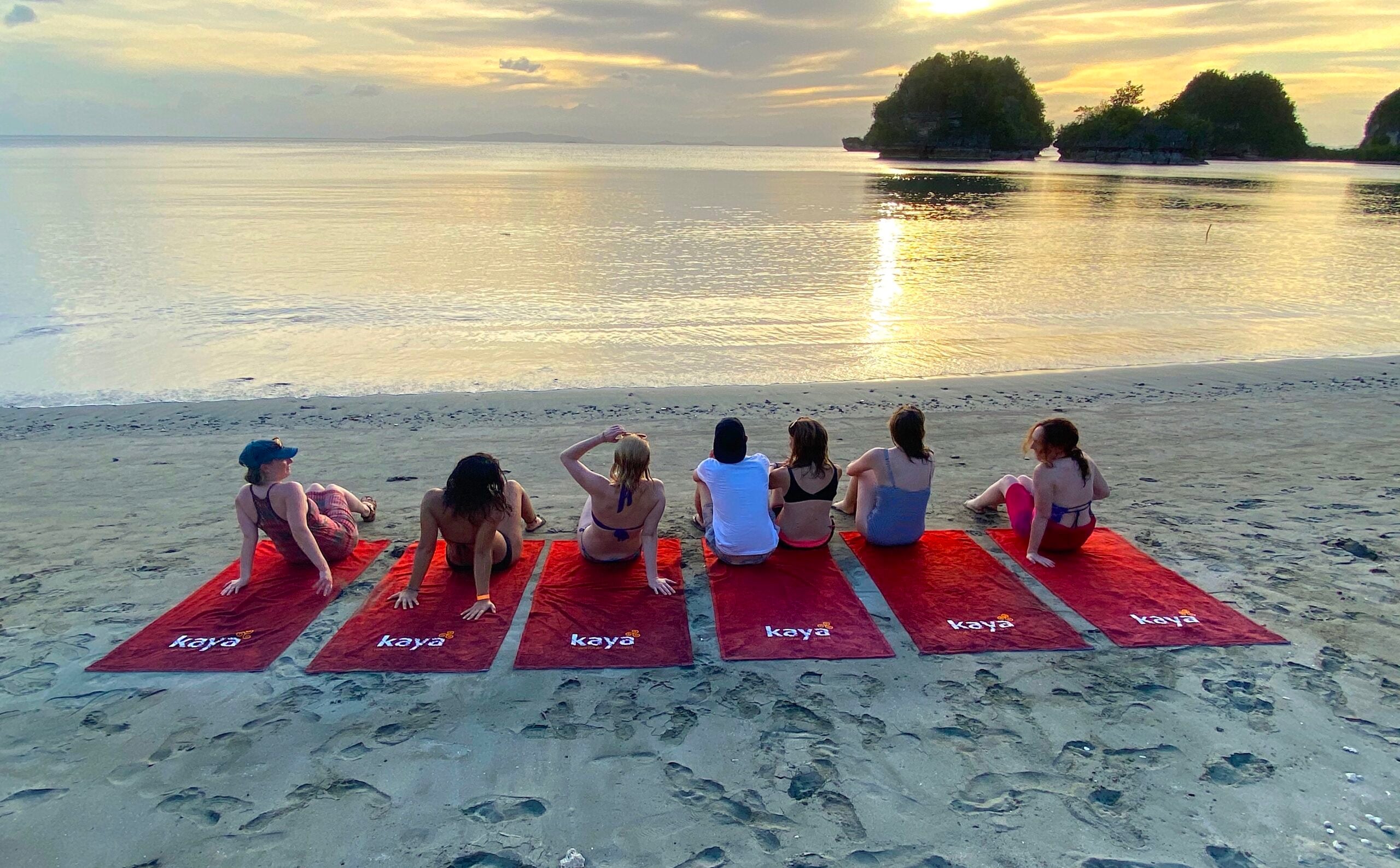
With a focus on experiential education and the UN Sustainable Development Goals, your group can immerse and engage with international communities and environments across the globe.