








 1
Connect
Together we’ll discuss your program goals and needs.
Kenya brings together dramatic landscapes, vibrant cities, and rich cultural heritage across East Africa. The Great Rift Valley, open savannahs, and wildlife migrations shape a country known for biodiversity and conservation. Swahili and English reflect Kenya’s diverse cultural identity and global connections.
Design a program hereAbout Kenya
Wildlife conservation and biodiversity sit at the center of learning in Kenya. Programs explore national parks and community conservancies, including the Masai Mara, to understand migration patterns, ecosystem balance, and sustainable tourism.
Nairobi offers insight into rapid urban growth and innovation. As a fast-changing capital, the city highlights development challenges alongside emerging technology hubs and entrepreneurship across East Africa.
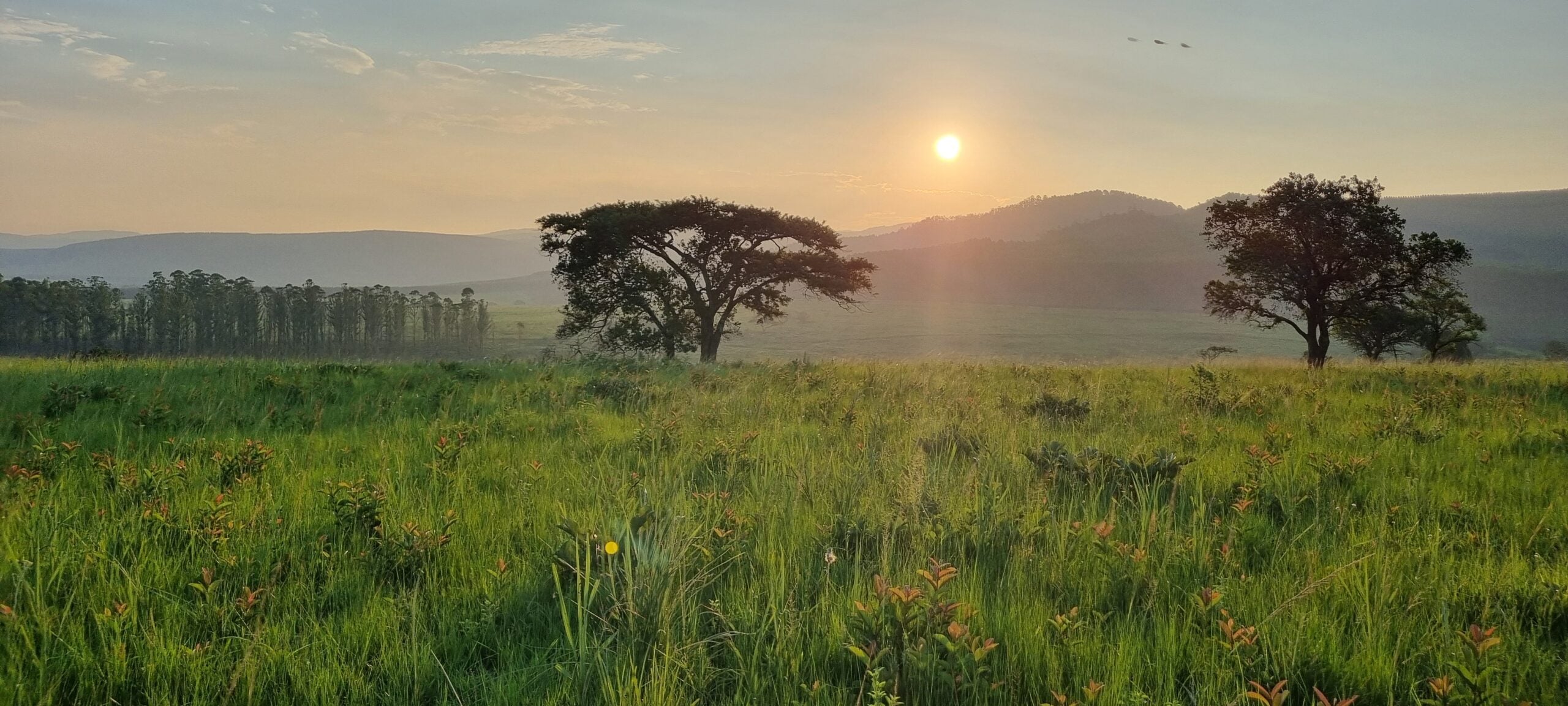
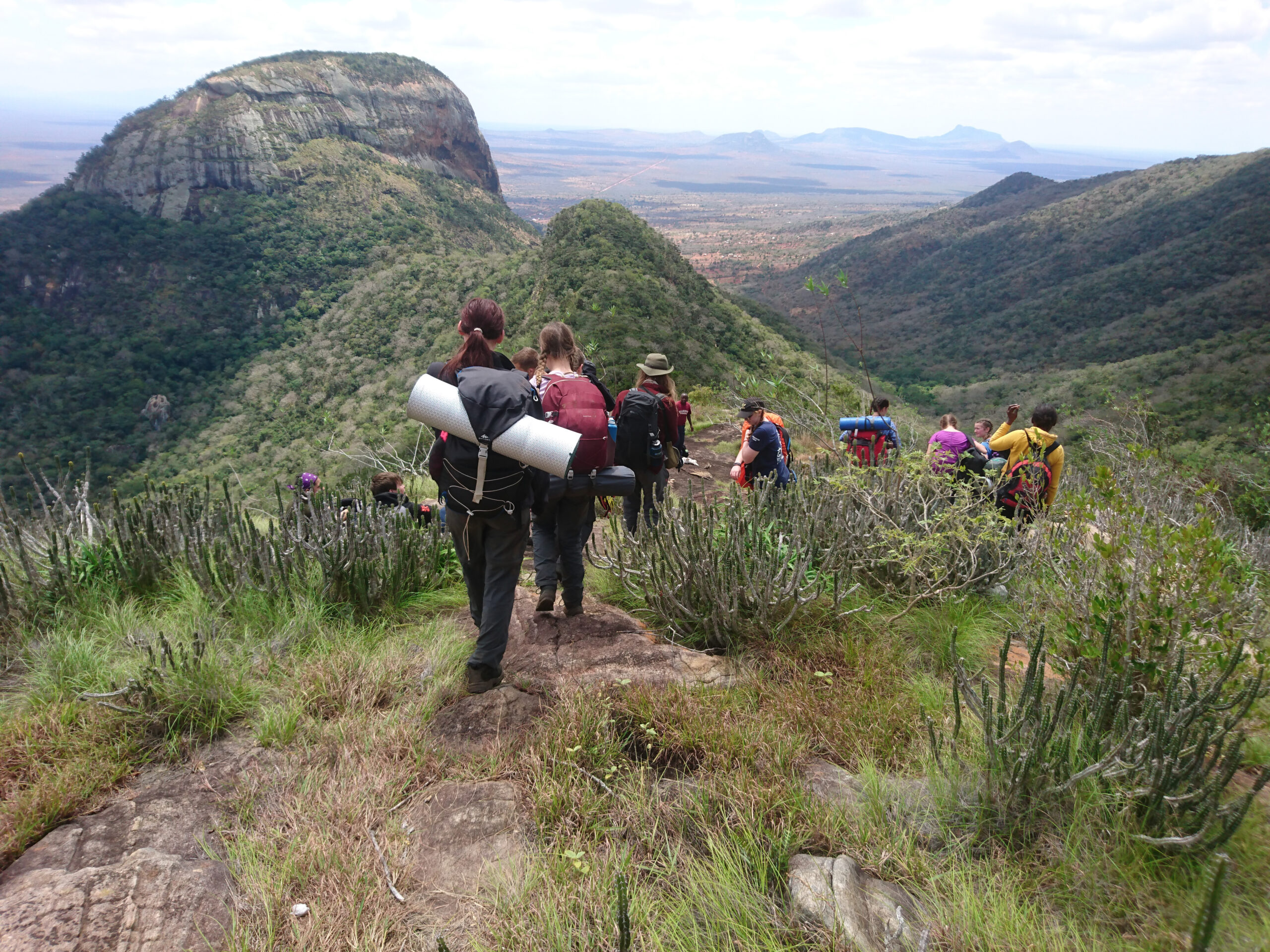
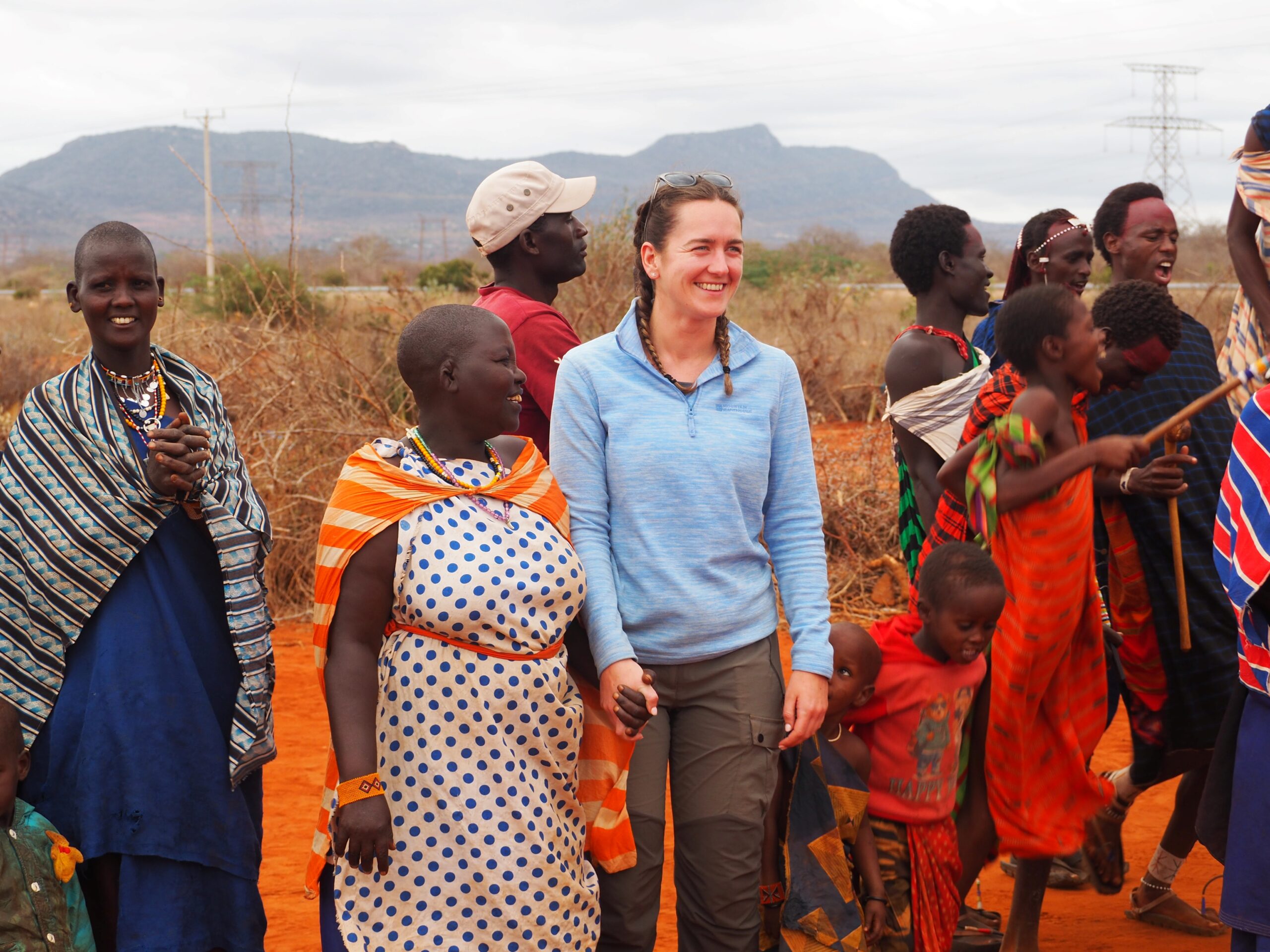
Beyond the cities, Kenya’s savannah landscapes provide opportunities for field-based learning. Students examine conservation strategies, local livelihoods, and the role of Maasai cultural traditions within protected areas.
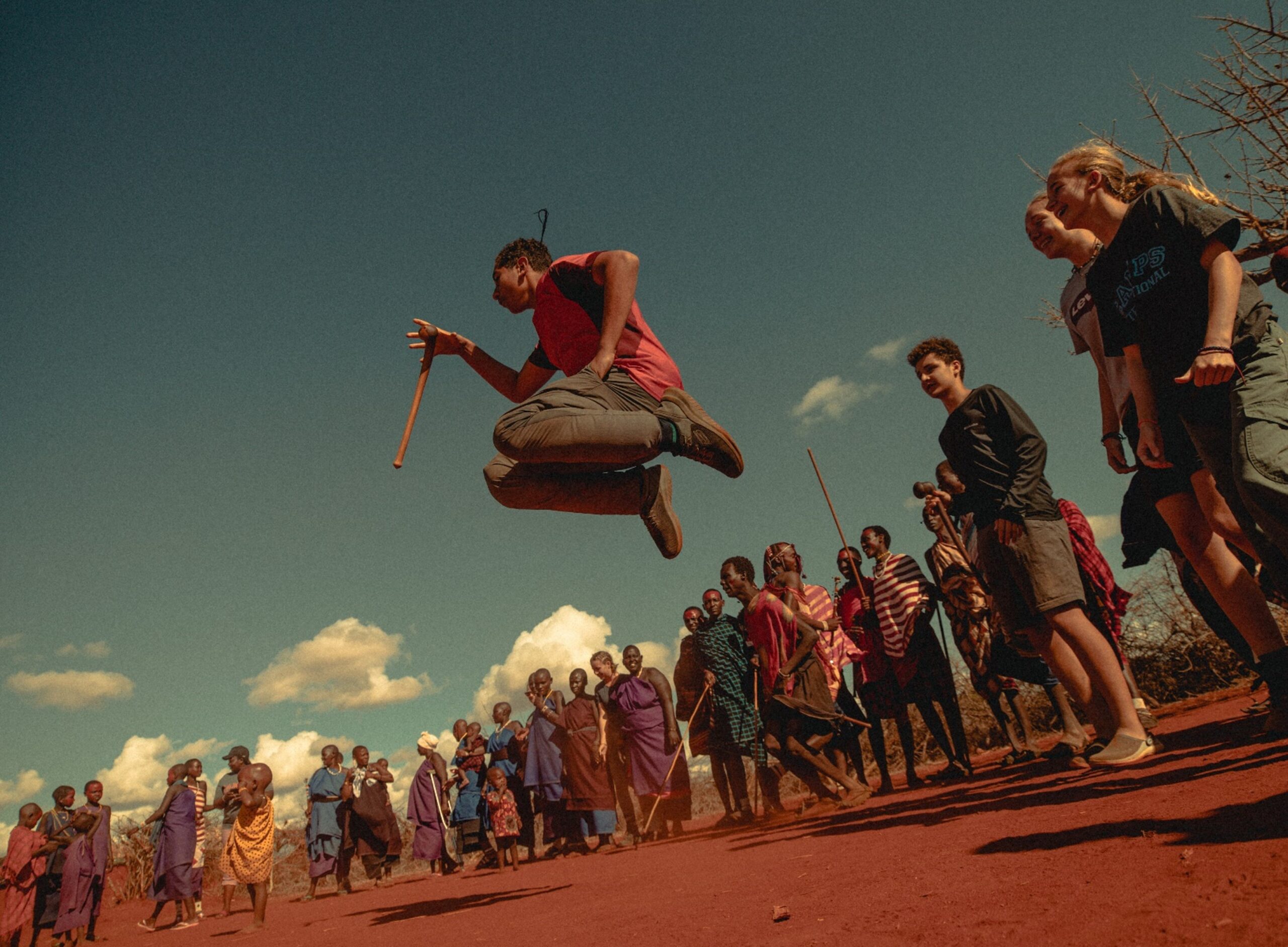
Ethnic diversity and community-led initiatives shape everyday life across the country. Programs explore how cultural heritage connects with education, conservation, and sustainable development in both rural and urban settings.
Across Kenya, learning often moves between city, savannah, and community spaces. Kaya works with local partners and faculty to create programs that reflect conservation in practice, cultural exchange, and real-world development experiences.
Program Themes
Discover some of the different topics and themes you can focus your program on in Kenya. If you don’t see your topic area, or you already have a ready-made itinerary, connect with the Kaya team to start a discussion!
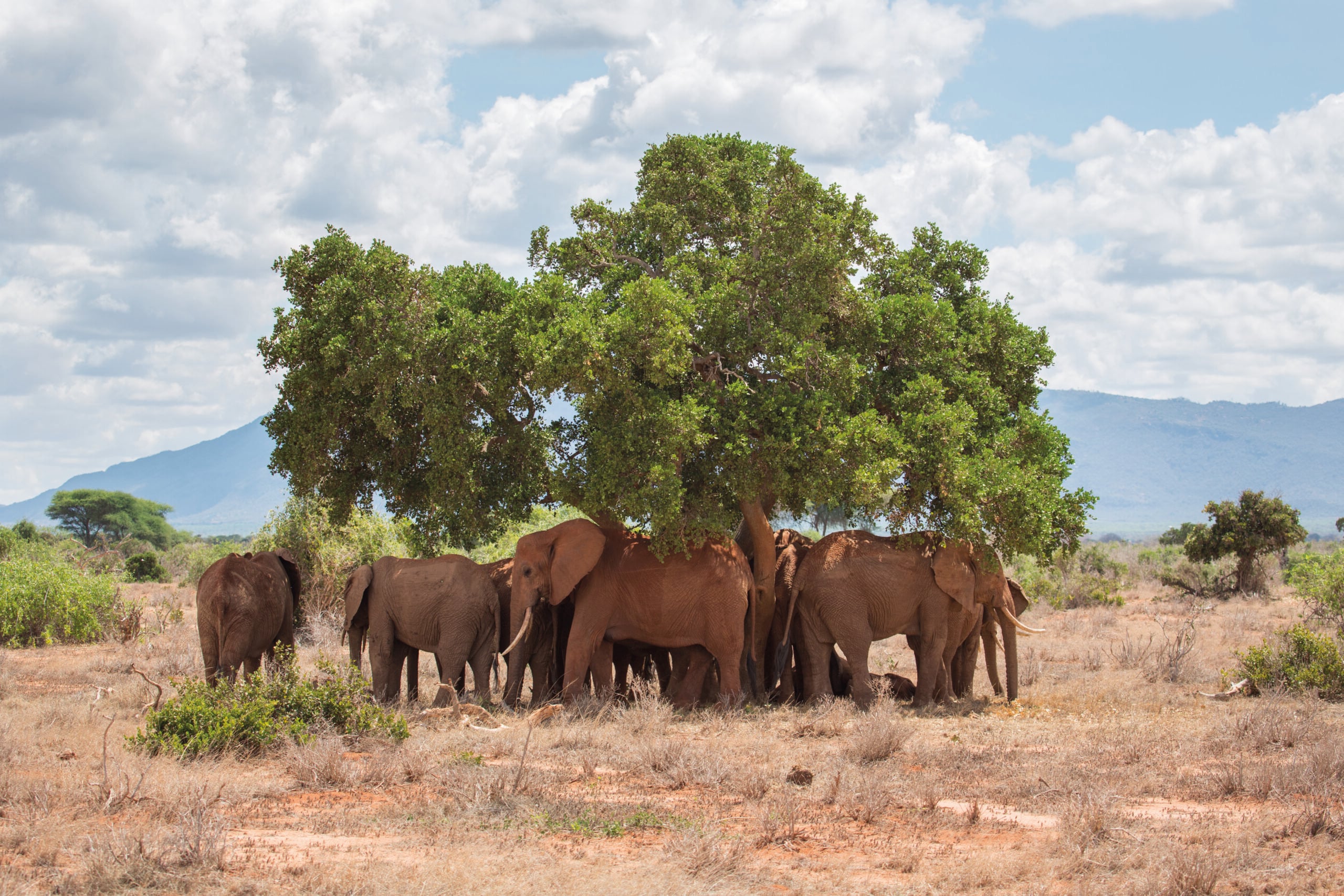
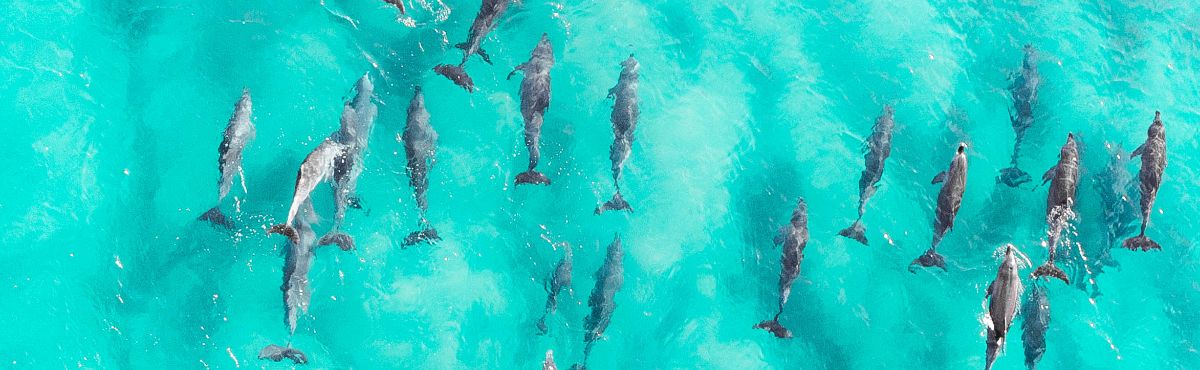
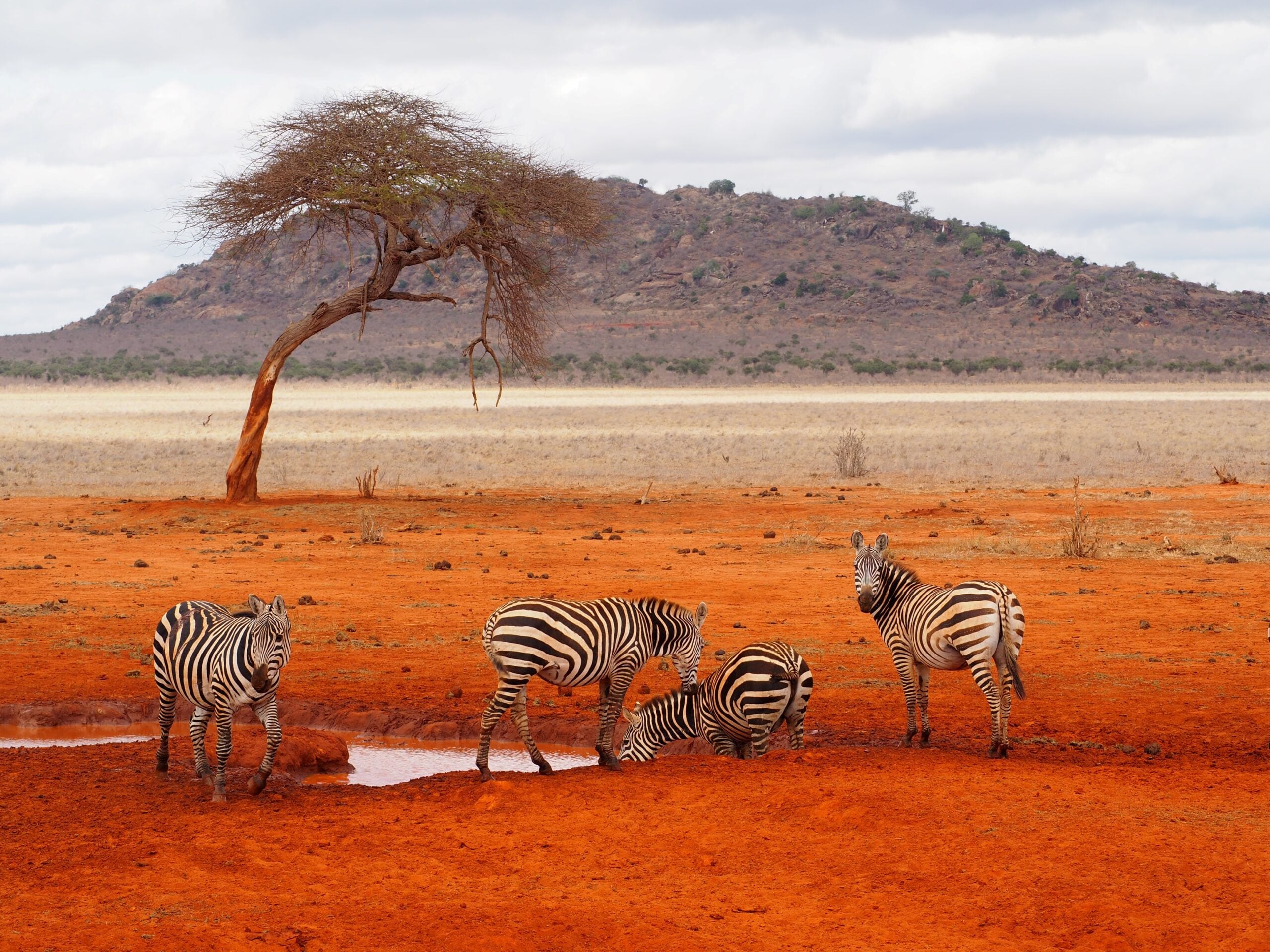
Across Kenya’s Indian Ocean coast and the greater Tsavo landscape, ecological questions play out at the intersection of wildlife, people, and environmental change. Custom group programs offer hands-on conservation learning through protected areas, wildlife corridors, mangrove and marine ecosystems, community dialogue, and ecological monitoring.
develop your own program similar to this
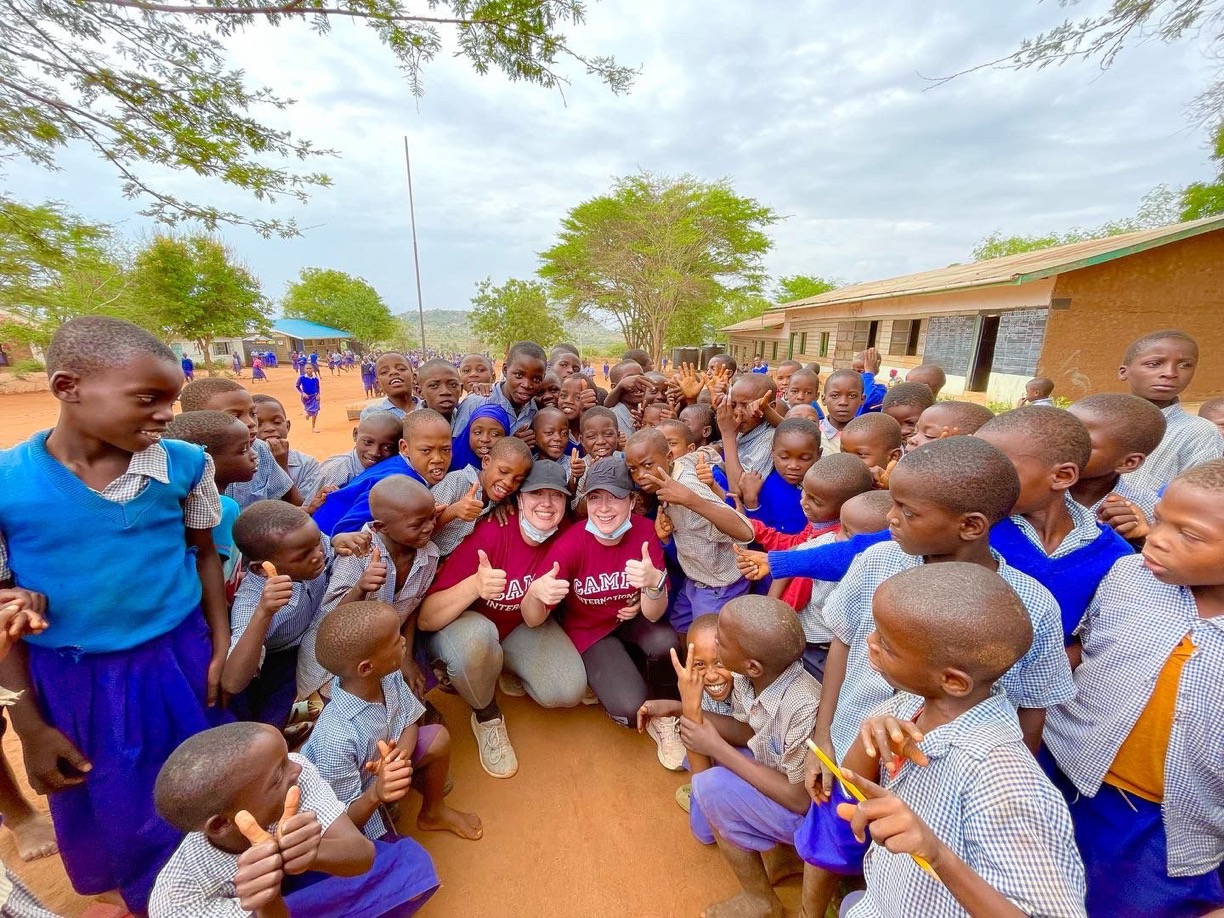
Kenya’s public schools reveal how curriculum reform, community partnership, and equitable opportunity shape national development. Custom group programs combine field-based experiential learning, classroom observation, and cross-cultural immersion to examine competency-based education, leadership, and future-ready skills.
develop your own program similar to this
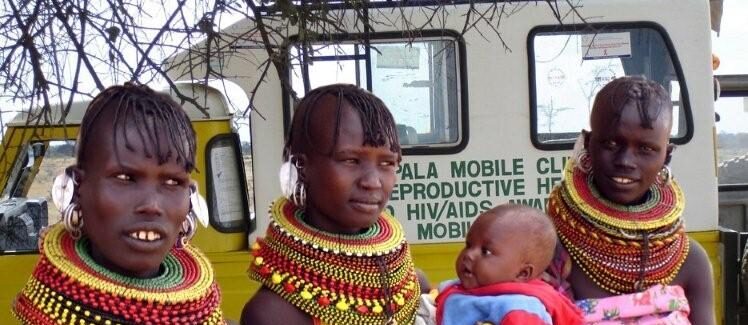
Along Kenya’s coast, healthcare is shaped by referral systems, community prevention, and the realities of reaching rural and regional populations. Custom group programs create hands-on, field-based experiential learning through clinical observation, public-health engagement, and cross-cultural immersion with professionals supporting maternal, child, and community wellbeing.
develop your own program similar to this
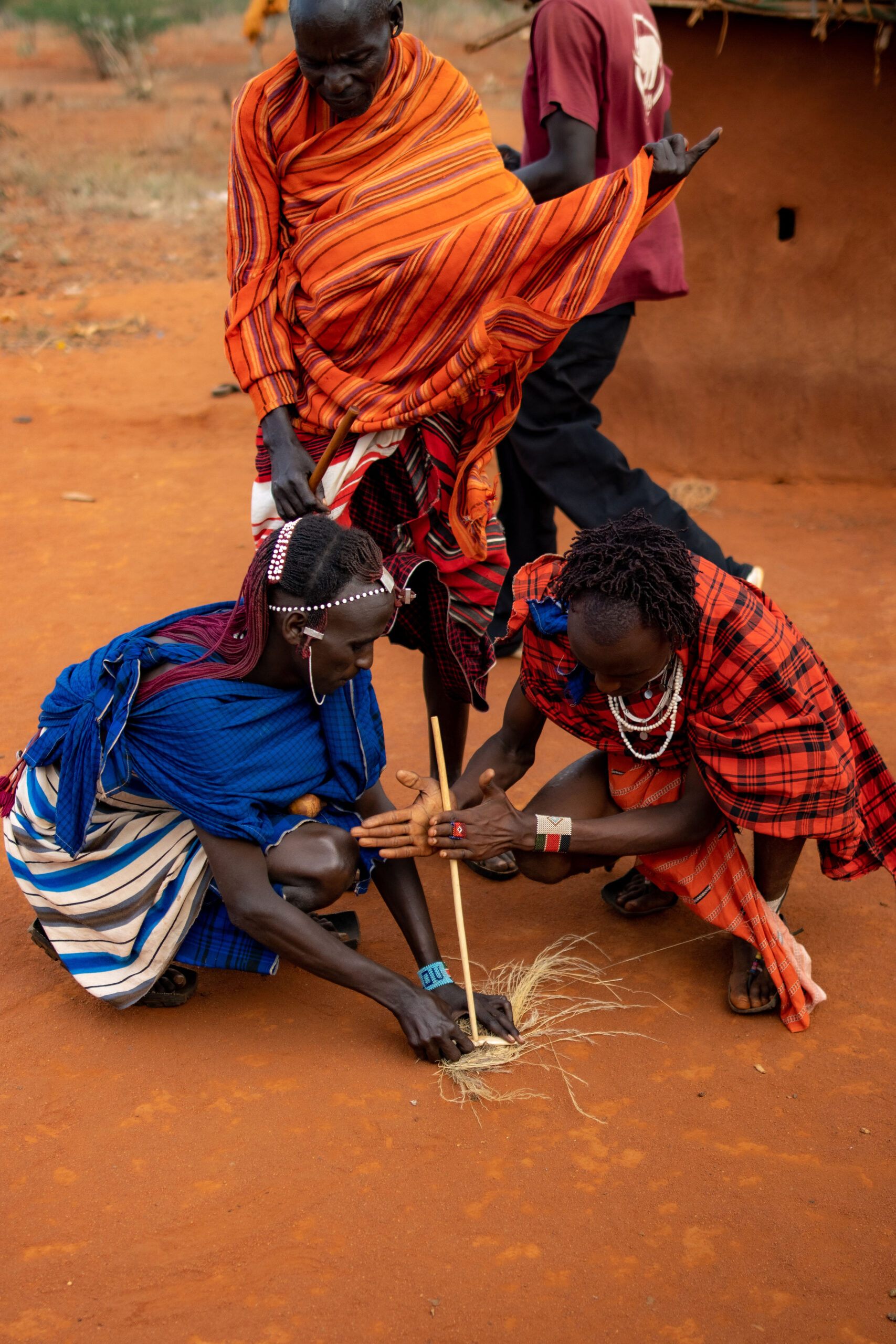
Kenya’s coastal heritage reveals centuries of Indian Ocean exchange, Swahili urban life, colonial encounters, and living artistic traditions. Custom group programs support field-based experiential learning through heritage interpretation, oral history, and hands-on experience with cultural expression, creating meaningful cross-cultural immersion across diverse Kenyan communities.
develop your own program similar to this
1
Together we’ll discuss your program goals and needs.
 2
With your input, we develop and fine-tune the perfect itinerary.
 3
We support institutional approvals and recruitment processes to ensure a successful launch!
 4
From pre-departure planning until your return, we’re with you every step of the way!
FAQS
A Kenya program can give students opportunities to examine course concepts in context, consider different perspectives and reflect on their assumptions. Kaya can shape the experience around a central academic question, connecting selected activities with preparation, discussion and assignments rather than treating each visit as a standalone experience.
A shared itinerary can give students different ways to investigate a common theme. Depending on the group’s goals, a Kenya program could connect health, education, sustainability, business or culture, with discipline-specific reflection helping each student relate the experience to their own studies.
Participation should reflect host priorities, students’ preparation and the supervision available. Kaya works with group leaders and local partners to identify appropriate roles and boundaries. Responsible engagement means respecting professional expertise, avoiding disruption and not assuming students will teach, provide care or undertake specialist work.
A short-term program benefits from a focused purpose rather than an overcrowded itinerary. Faculty can identify a few questions for students to explore, supported by preparation before departure and structured reflection afterward. Kaya can help select experiences that contribute to those goals within the available time.
Testimonials
With a focus on experiential education and the UN Sustainable Development Goals, your group can immerse and engage with international communities and environments across the globe.