







 1
Connect
Together we’ll discuss your program goals and needs.
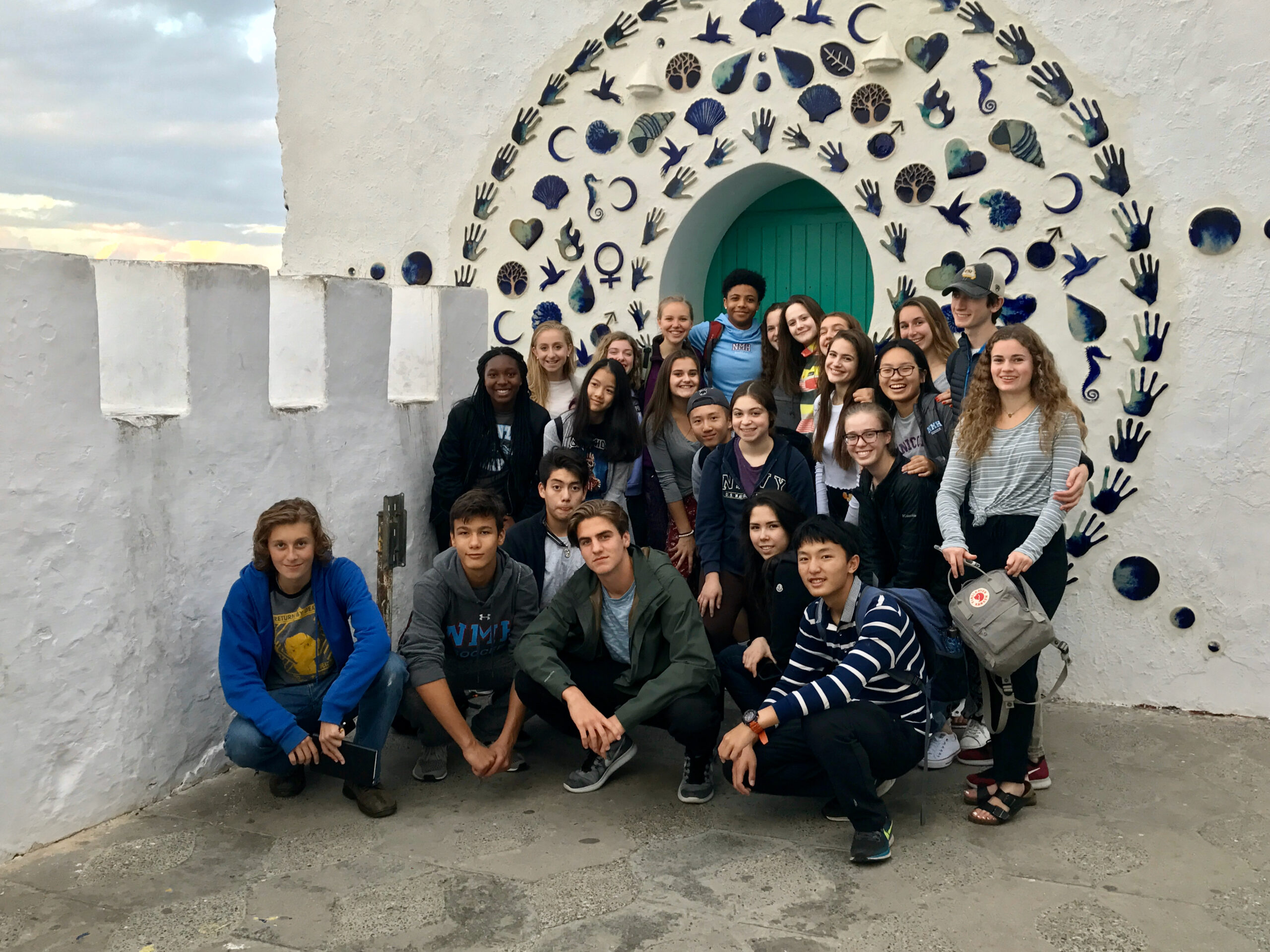
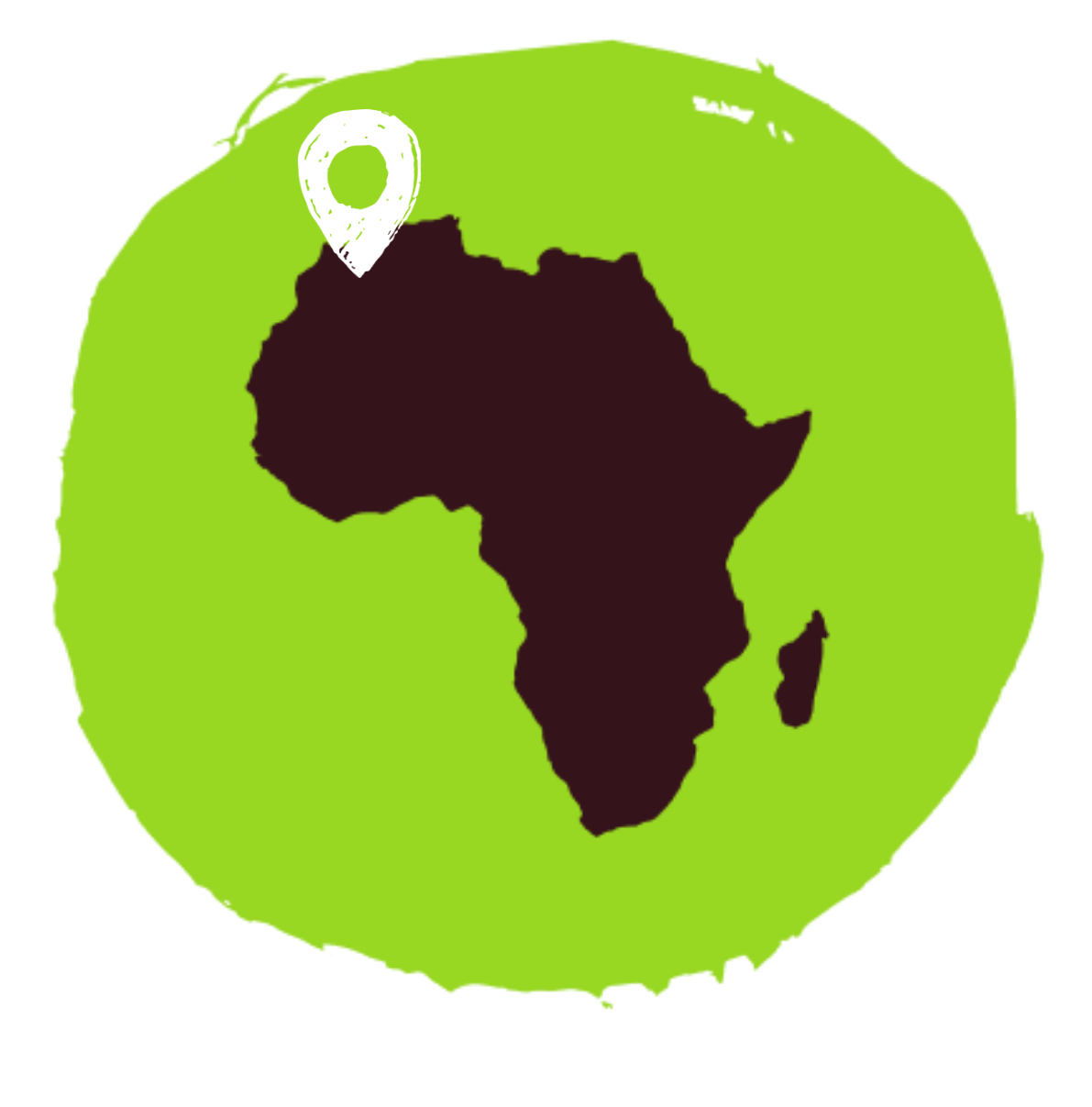
Morocco sits at the crossroads of Africa and Europe, shaped by ancient trade routes, desert landscapes, and vibrant coastal cities. The Atlas Mountains, the Sahara Desert, and historic medinas create a setting where Islamic heritage and everyday life are closely connected. Arab and Amazigh cultures influence architecture, language, and identity across the country. Arabic, French, and Amazigh languages reflect Morocco’s diverse cultural history.
Design a program hereAbout Morocco
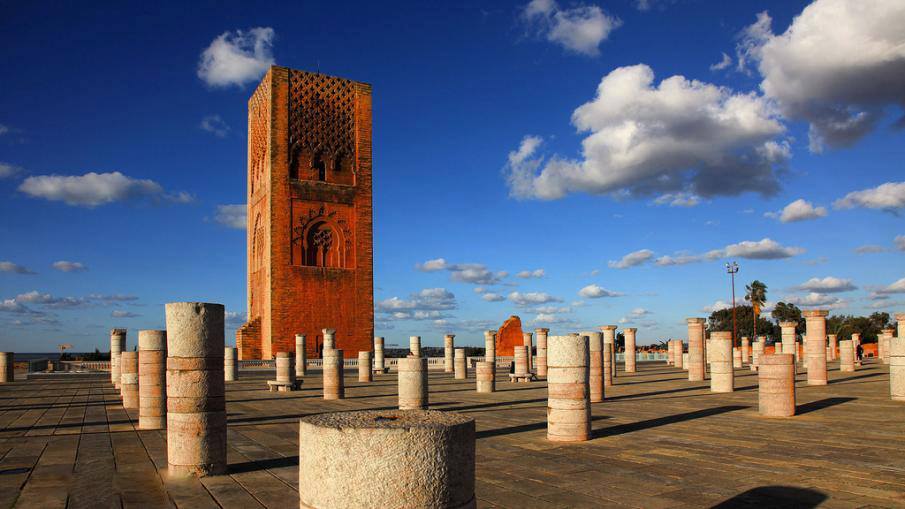
History and cultural exchange shape learning across Morocco. Programs explore Islamic heritage, ancient caravan routes, and the role of historic medinas as centers of trade, craft, and community life.
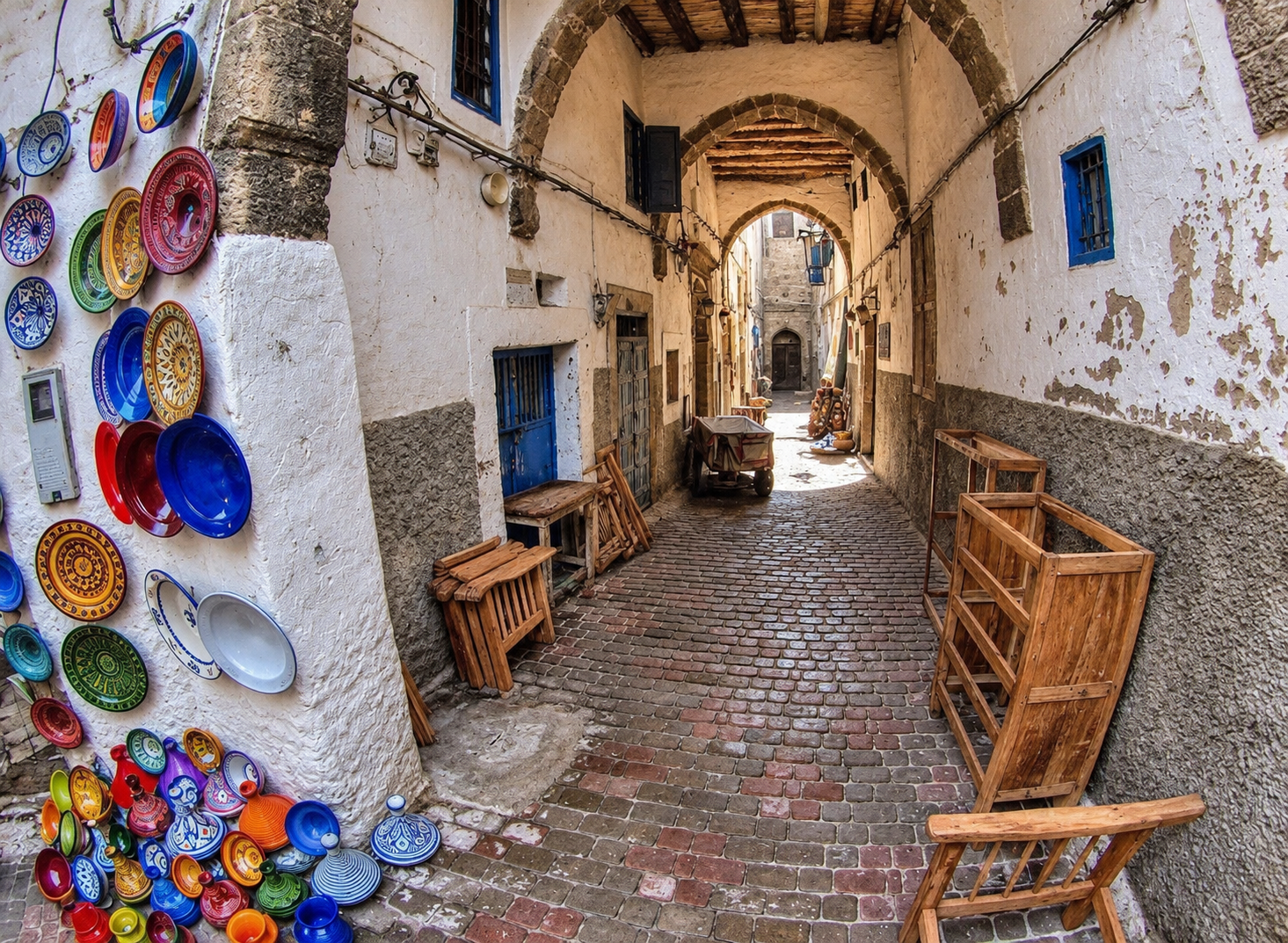
Cities such as Casablanca, Rabat, and Essaouira reveal Morocco’s global connections. Students examine coastal development, contemporary business, and the relationship between tradition and modernization along the Atlantic coast.
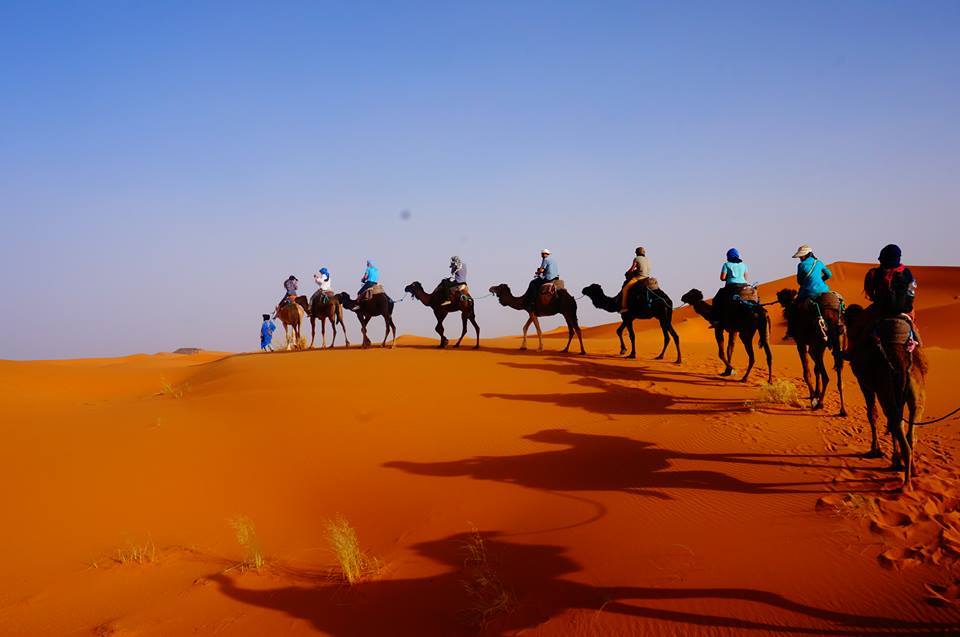
Beyond the cities, the Atlas Mountains and Sahara Desert offer a powerful geographic context. Oases, desert landscapes, and remote communities highlight adaptation, sustainability, and the rhythms of life shaped by environment and history.
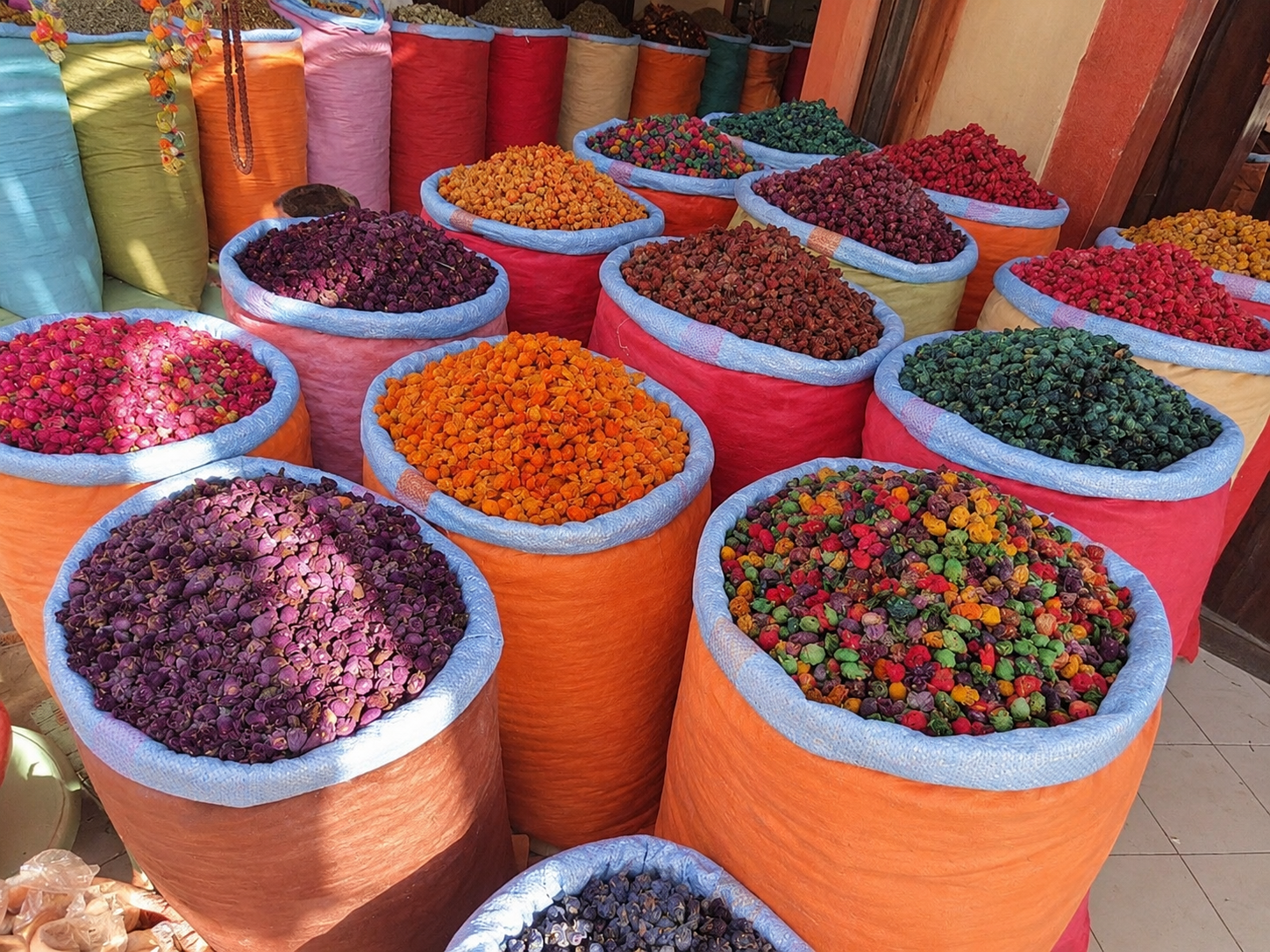
Craft traditions remain central to Moroccan identity. Architecture, pottery, textiles, and the energy of local souks reveal how cultural knowledge is passed through generations, blending artistry with everyday life.
Across Morocco, programs often move between mountain villages, historic cities, and desert environments. Learning unfolds through cultural encounters, landscape exploration, and a deeper understanding of North Africa’s role as a bridge between regions.
Program Themes
Discover some of the different topics and themes you can focus your program on in Morocco. If you don’t see your topic area, or you already have a ready-made itinerary, connect with the Kaya team to start a discussion!
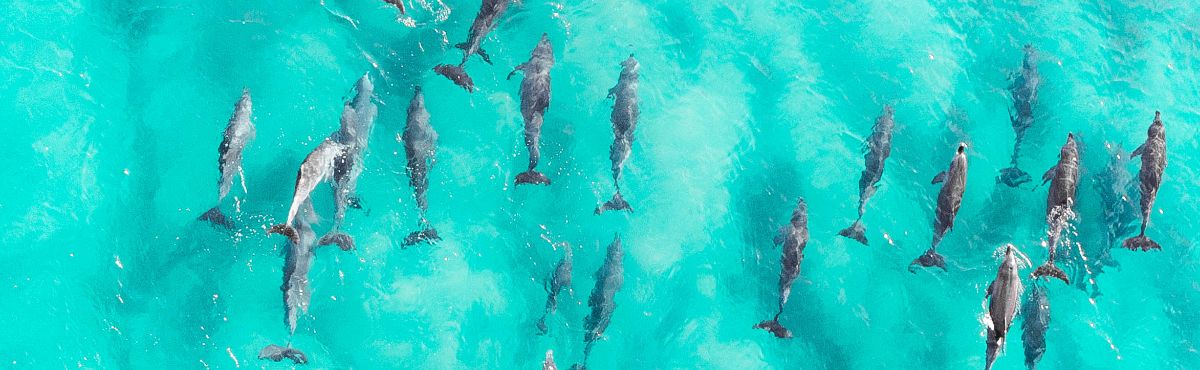
Morocco makes visible the links among farming, water scarcity, rural livelihoods, and everyday food access. Custom group programs use field-based experiential learning and hands-on experience to examine climate-resilient agriculture, food systems, and the policy choices shaping production from farm to market.
develop your own program similar to this
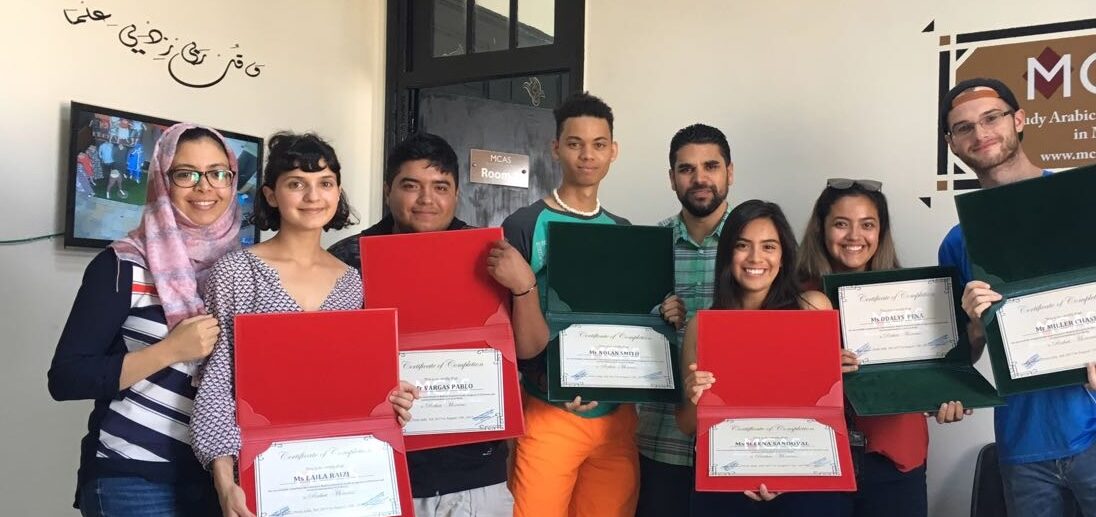
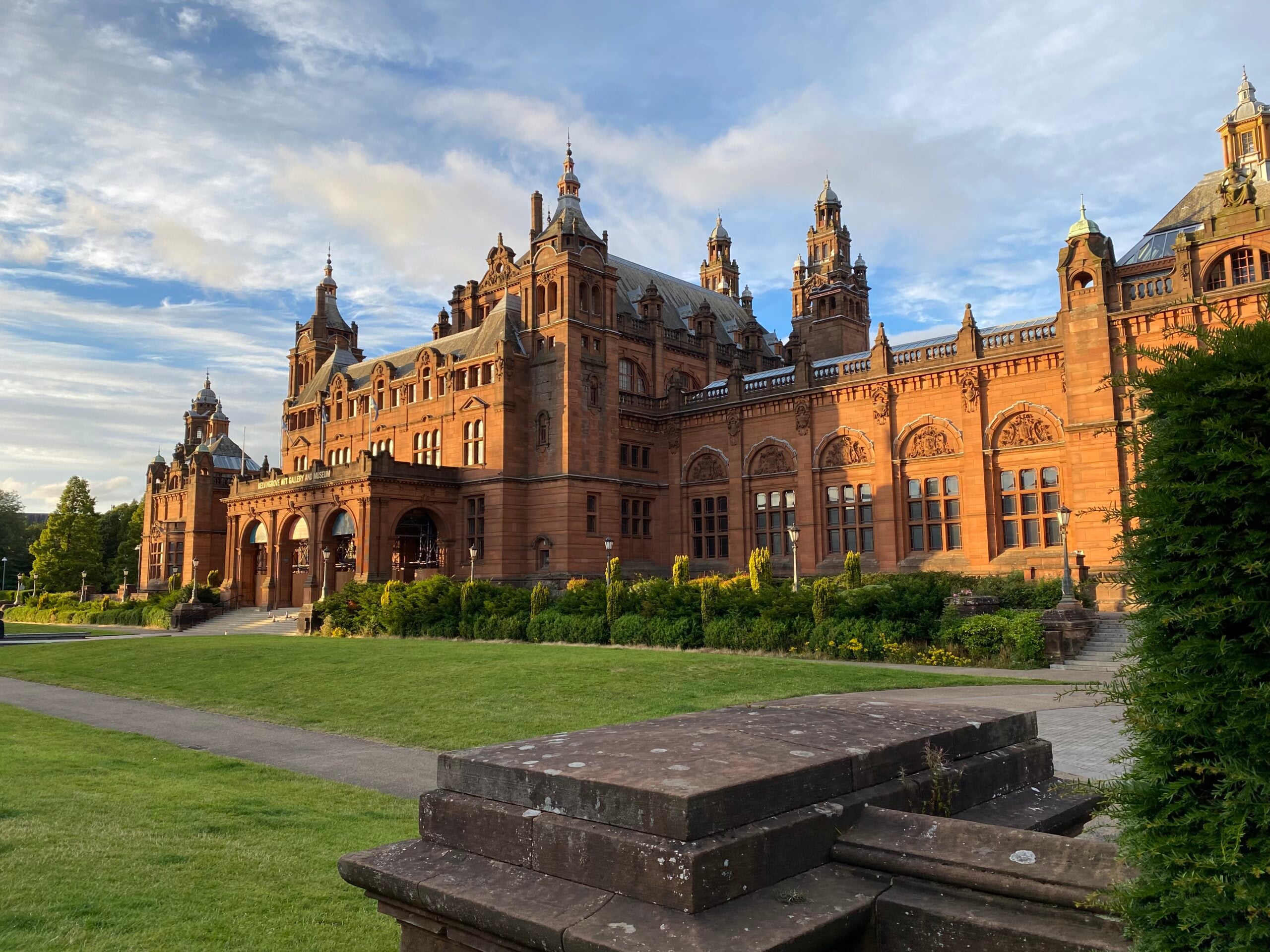
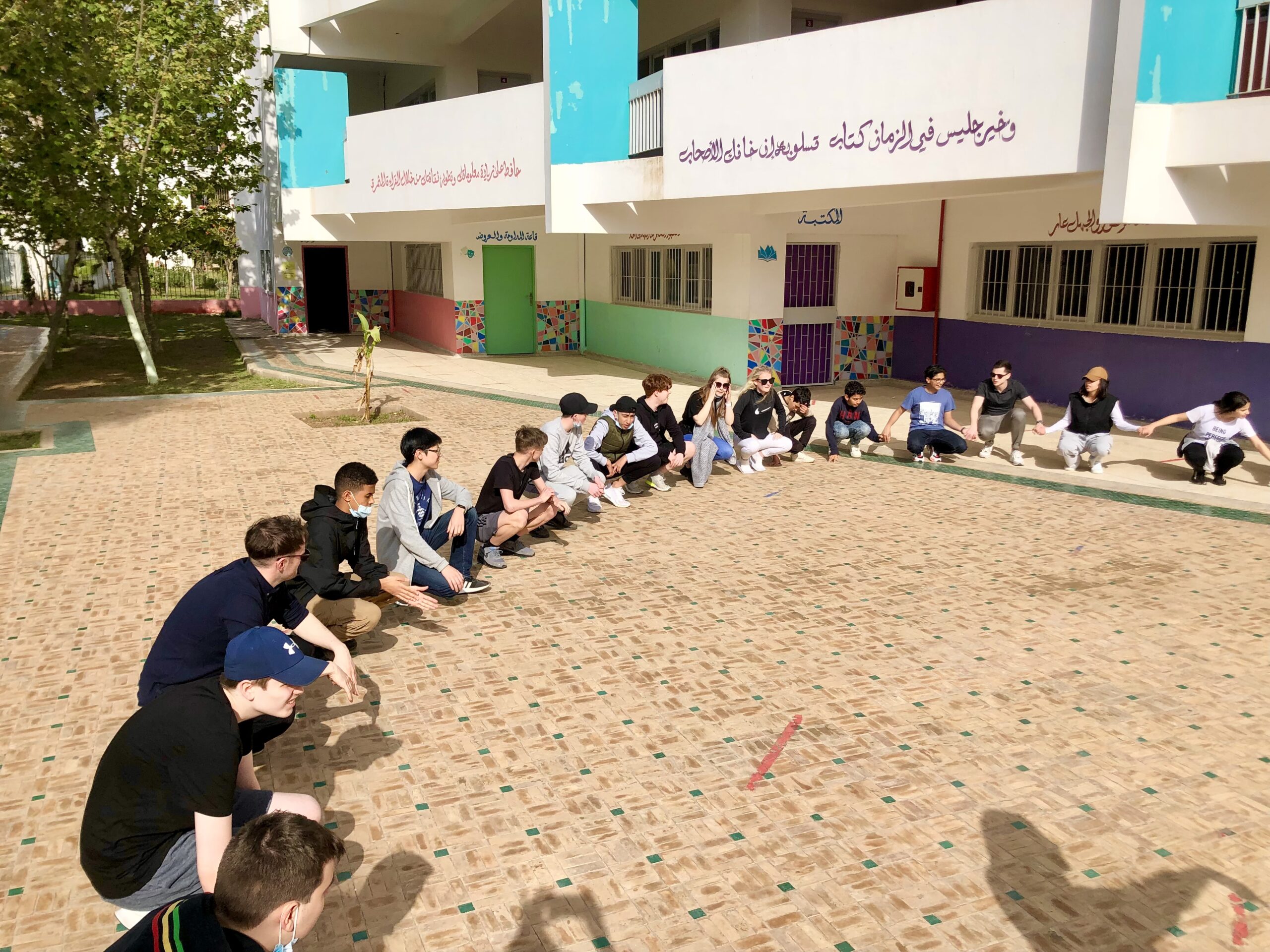
Morocco’s multilingual, culturally diverse education landscape offers a valuable setting for examining access, pedagogy, and social change. Custom group programs combine field-based experiential learning with hands-on experience alongside local educators and community organizations, supporting meaningful cross-cultural immersion across varied learning environments.
develop your own program similar to this
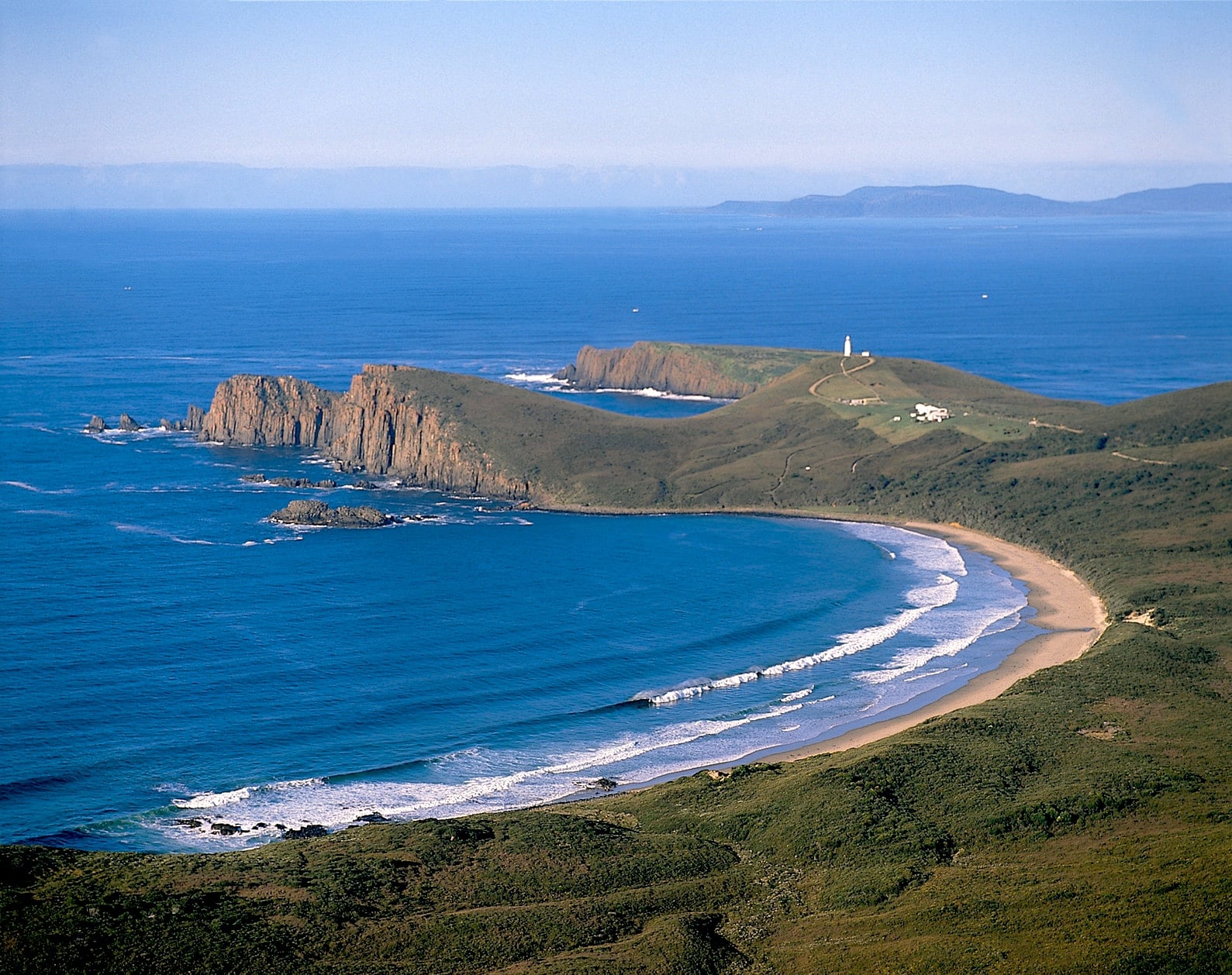
In Morocco, engineering decisions are closely tied to the realities of water scarcity, energy demand, and rapid development. Field-based custom group programs create opportunities for experiential learning and hands-on experience with resource-conscious infrastructure, including conservation systems, renewable energy, and environmentally responsive design.
develop your own program similar to this
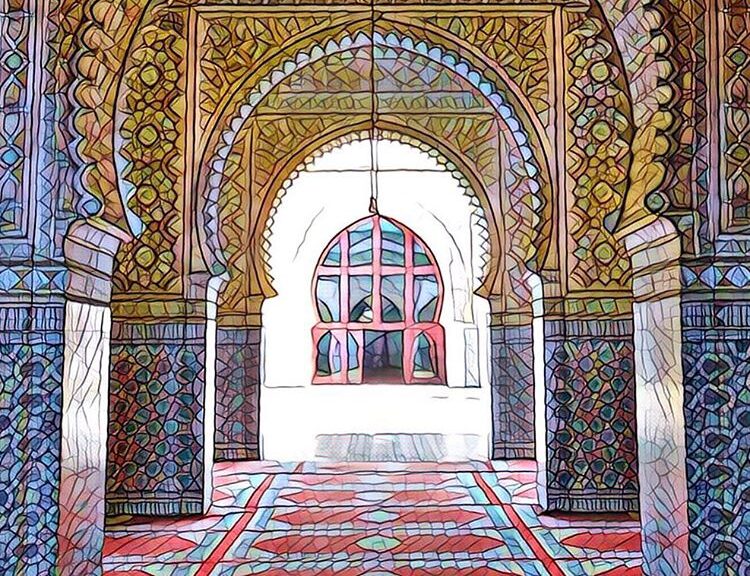
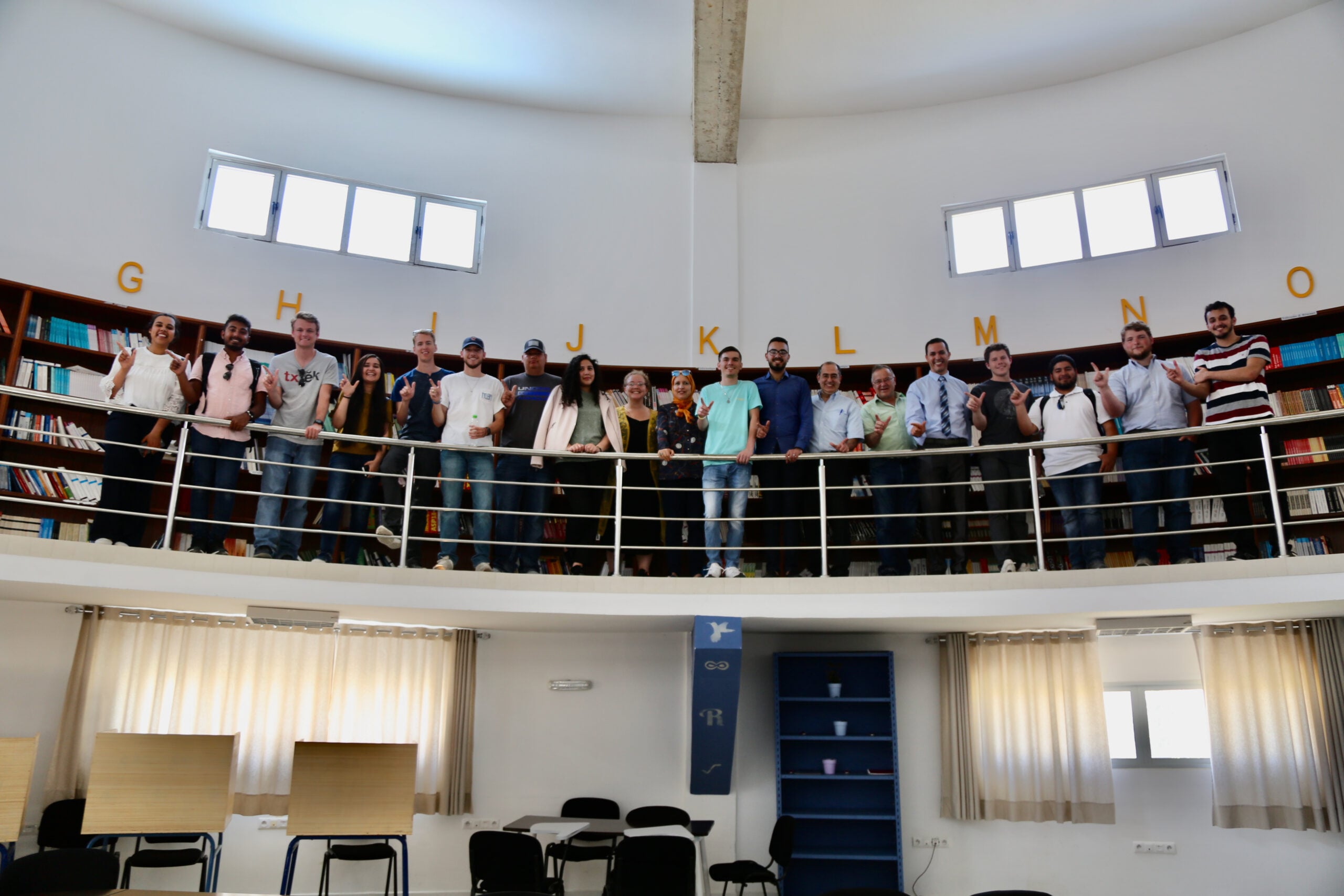
Northern Morocco’s layered heritage brings Amazigh, Arab, Jewish, Andalusian, Spanish, and French influences into vivid conversation. Field-based custom group programs enable experiential learning through architecture, craft traditions, oral histories, and cultural preservation, with hands-on experience across Tangier, Tétouan, and Assilah.
develop your own program similar to this
1
Together we’ll discuss your program goals and needs.
 2
With your input, we develop and fine-tune the perfect itinerary.
 3
We support institutional approvals and recruitment processes to ensure a successful launch!
 4
From pre-departure planning until your return, we’re with you every step of the way!
FAQS
Kaya can work with faculty to turn a course theme into a focused Morocco itinerary. Whether the emphasis is food security, education, resource management or cultural learning, experiences can be selected to suit students’ academic level and connect with the questions they are studying.
Cultural learning can form the main focus of a program or add context to another subject. Students can consider how heritage, creative expression and local perspectives relate to the issues they study, with preparation and discussion encouraging thoughtful interpretation rather than broad conclusions about Morocco.
Kaya can work with faculty and group leaders to plan Morocco programs for students with different academic backgrounds and levels of experience. Activities and learning expectations can be shaped around the group’s needs, with attention to preparation, accessibility and appropriate participation rather than assuming prior specialist knowledge.
Preparation should encourage students to listen, ask considered questions and recognize that their own experiences shape their interpretations. Kaya works with faculty and local partners to establish appropriate expectations, emphasizing respectful exchange, host priorities and clear boundaries around any participation in educational or community settings.
Testimonials
With a focus on experiential education and the UN Sustainable Development Goals, your group can immerse and engage with international communities and environments across the globe.