







 1
Connect
Together we’ll discuss your program goals and needs.
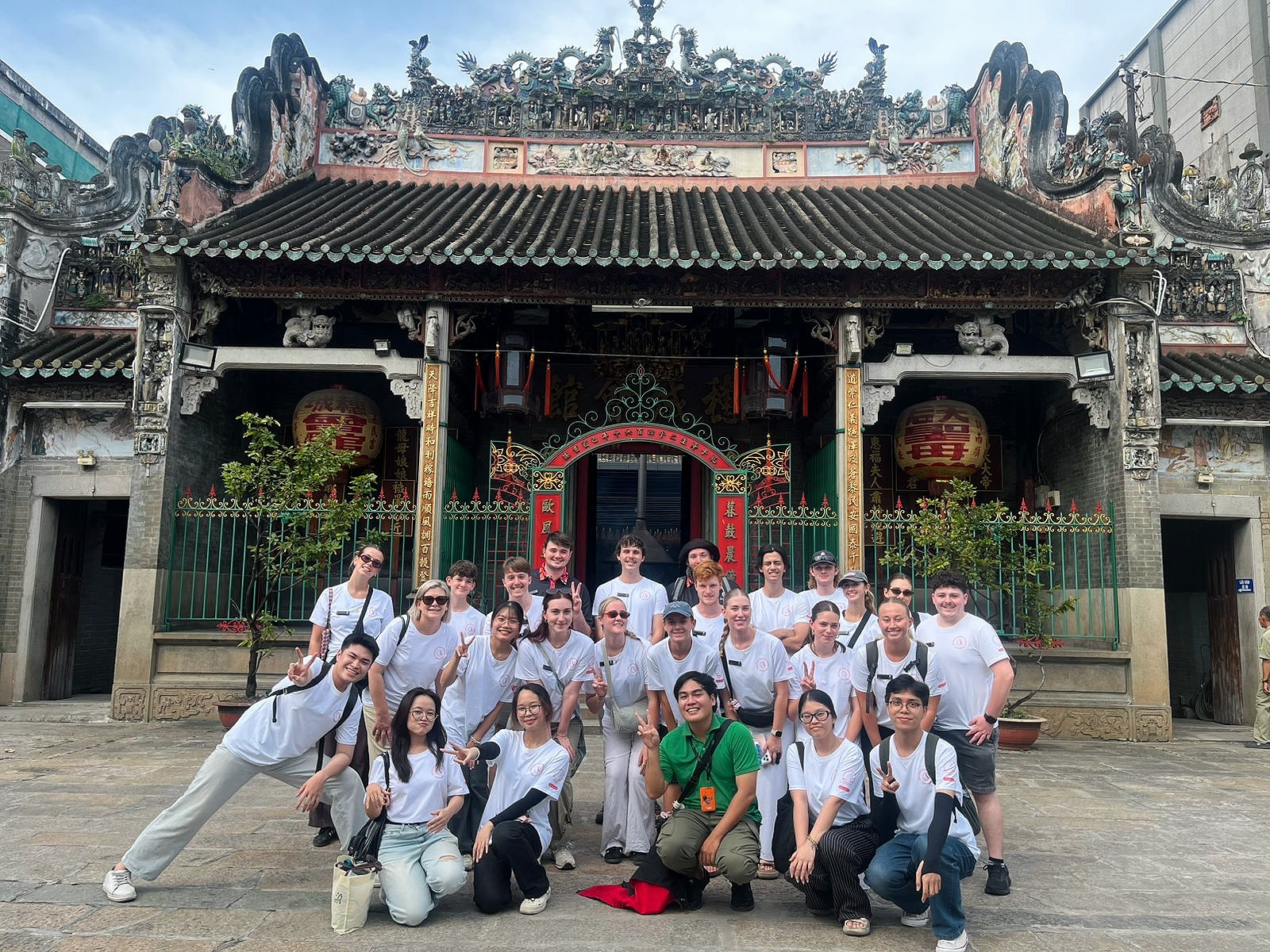
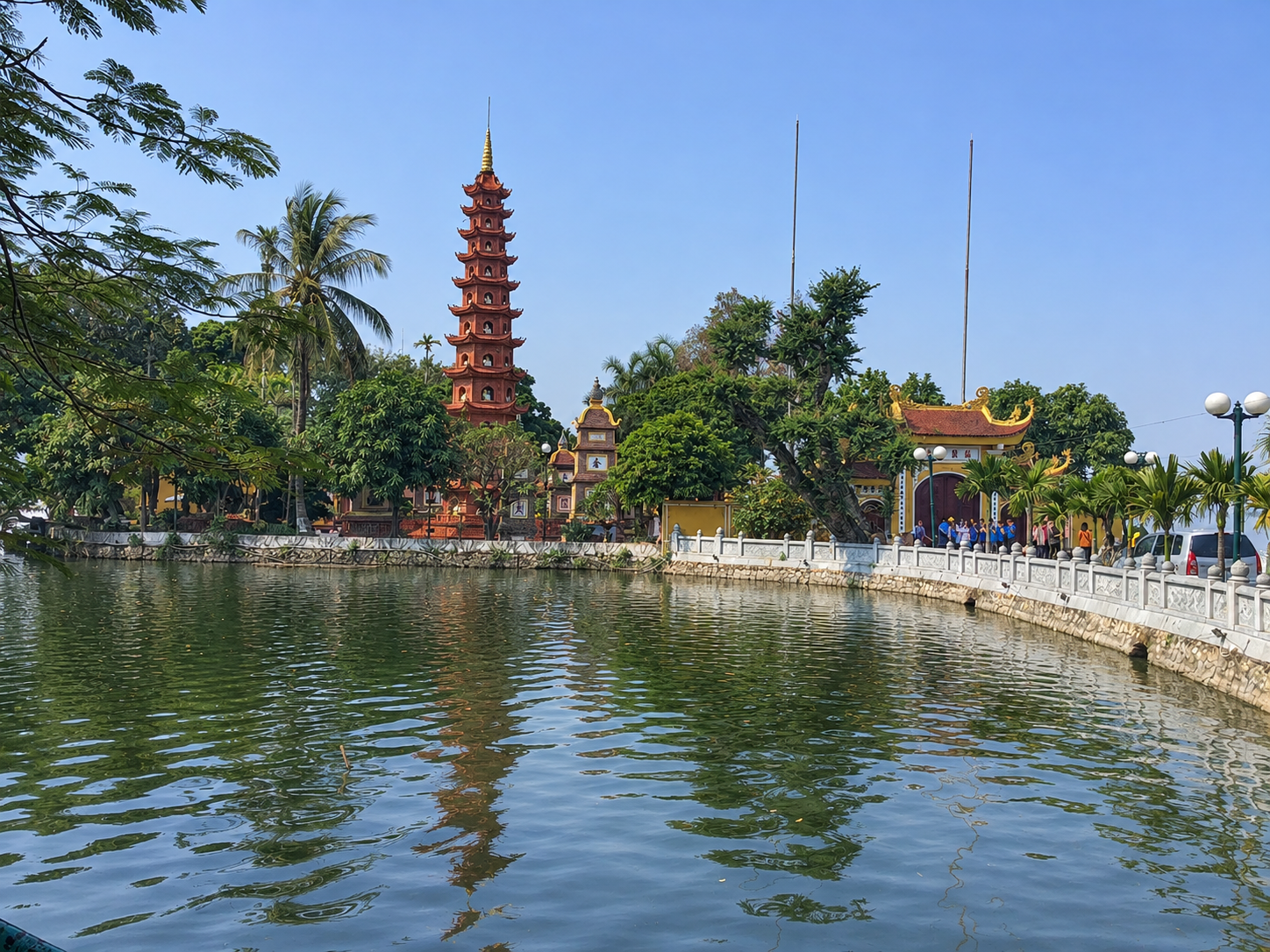
Vietnam moves between energy and tradition, from the busy streets of Hanoi to quiet rice terraces in the countryside. Shaped by colonial history, rapid urbanisation and strong cultural identity, it offers a dynamic setting for exploring change across Southeast Asia.
Design a program hereAbout Vietnam
Rapid transformation shapes learning across Vietnam. Faculty explore political geography, economic development and cultural change while examining communism alongside evolving social systems.
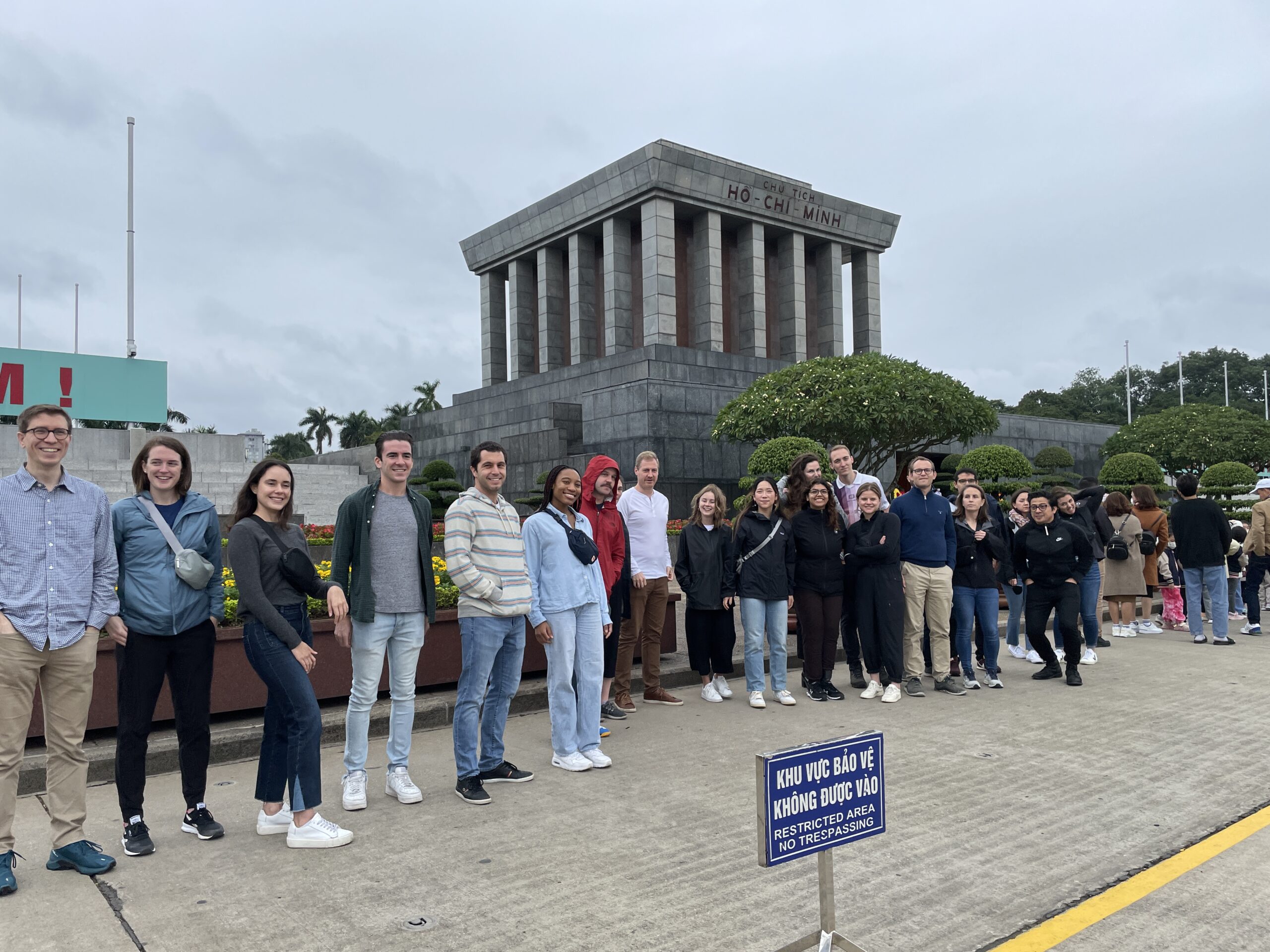
Cities such as Hanoi and Ho Chi Minh City offer contrasting perspectives on governance and growth. Programs step into Vietnam’s political capital and its fast-moving economic centre to explore urbanisation, industry and the lasting influence of French colonialism and the Vietnam War.
Beyond the cities, Vietnam’s landscapes open space for field-based learning across agriculture and environmental change. Rice cultivation, coffee production and rural livelihoods provide insight into how development is experienced outside major urban hubs.
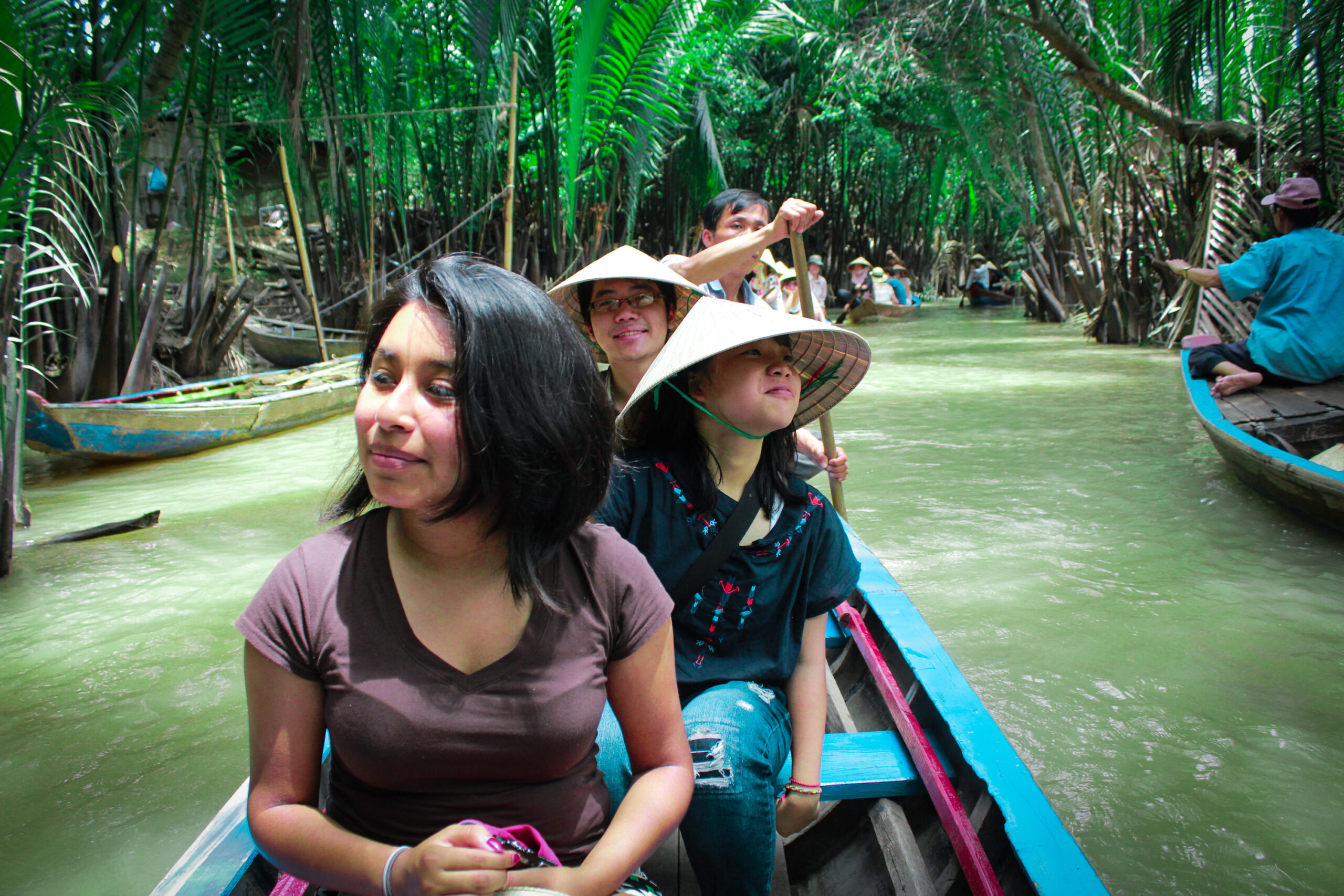
Everyday cultural life adds another layer to the learning experience. Food traditions, floating markets and local communities reveal how history, identity and globalisation continue to shape contemporary Vietnamese society.
Kaya works with faculty to design immersive programs that connect history, culture and development through place-based learning.
Program Themes
Discover some of the different topics and themes you can focus your program on in Vietnam. If you don’t see your topic area, or you already have a ready-made itinerary, connect with the Kaya team to start a discussion!
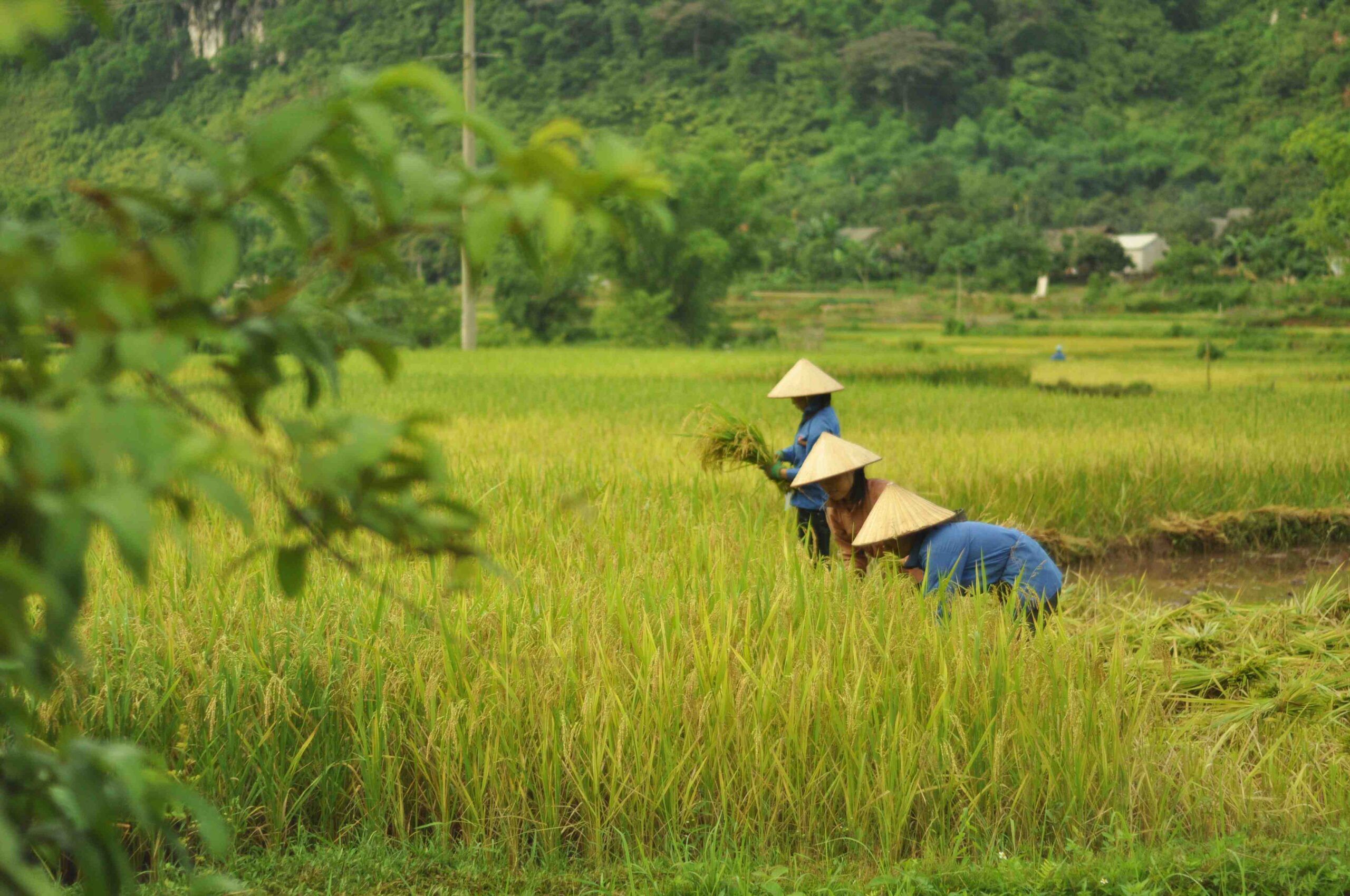
Food systems in Vietnam connect farms, markets, fisheries, climate pressures, and household livelihoods. Hands-on groups programs can examine crop production, aquaculture, agritech, circular-economy approaches, and the changing conditions affecting food security in the Mekong Delta.
develop your own program similar to this
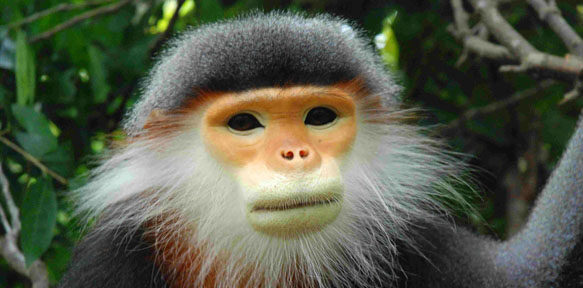
Vietnam makes climate adaptation, ecosystem conservation, and sustainable development tangible through its forests, waterways, cities, and delta communities. Experiential learning programs can incorporate field research, restoration activities, environmental education, and cross-cultural engagement with local sustainability priorities.
develop your own program similar to this
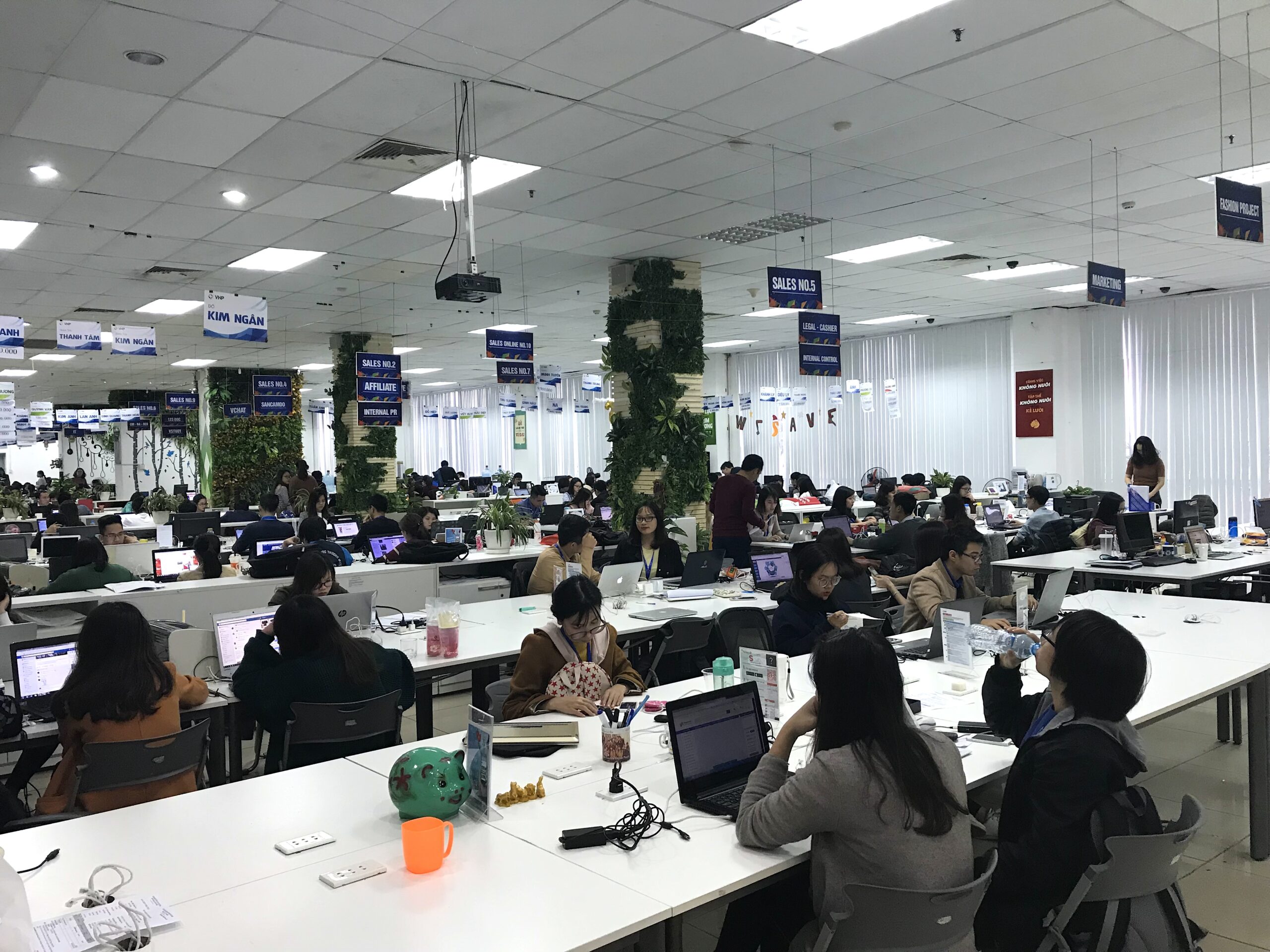
Vietnam offers a practical environment for exploring entrepreneurship, trade, investment, technology, and the role of culture in commercial decision-making. Custom group programs can combine company engagement, market observation, field research, and hands-on experience with emerging industries and sustainable business models.
develop your own program similar to this
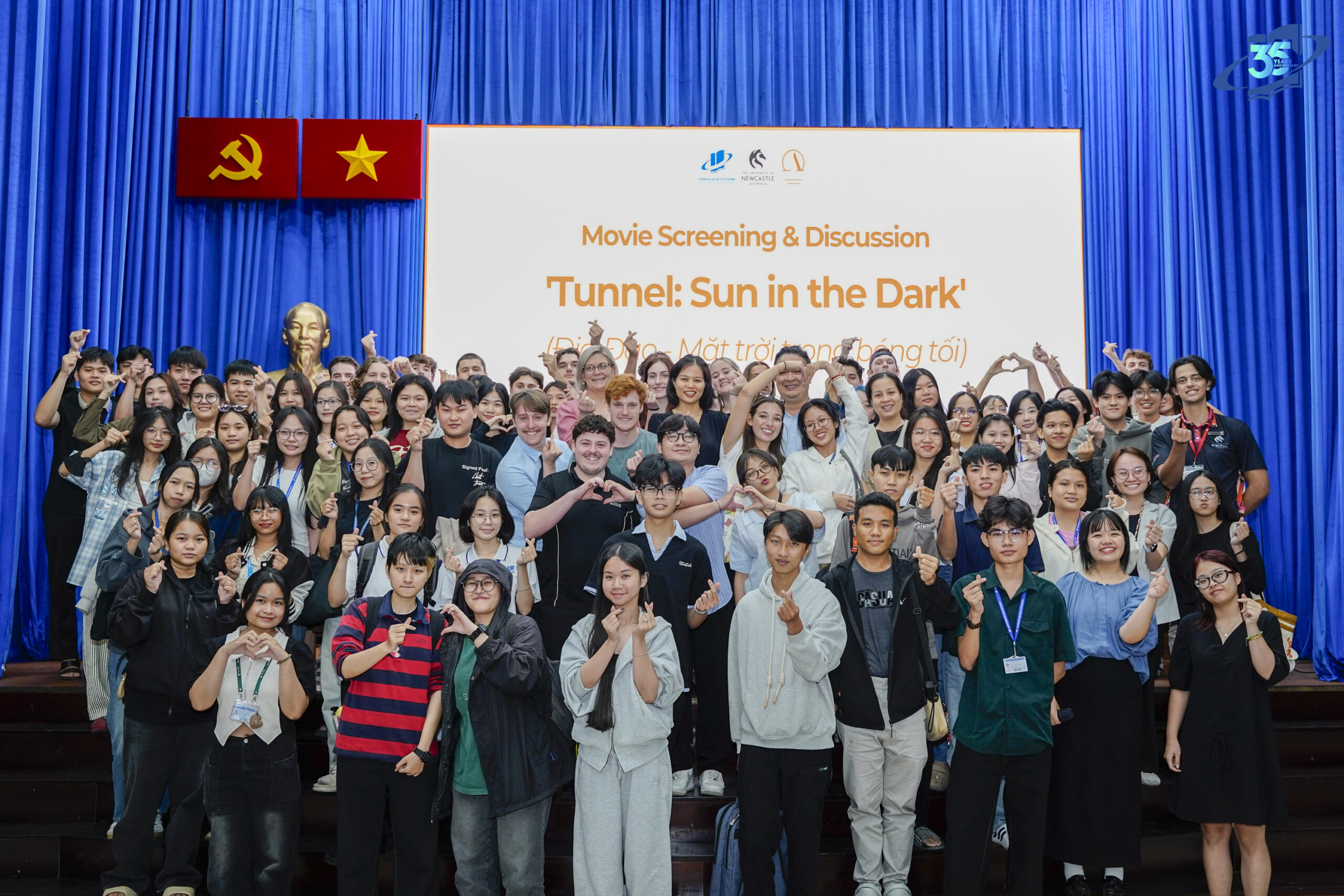
Vietnam provides a setting for examining how teaching, language learning, social mobility, and education investment shape opportunity. Custom group programs can use field-based learning, classroom exchange, and cross-cultural immersion to explore schools, universities, and locally guided learning environments.
develop your own program similar to this
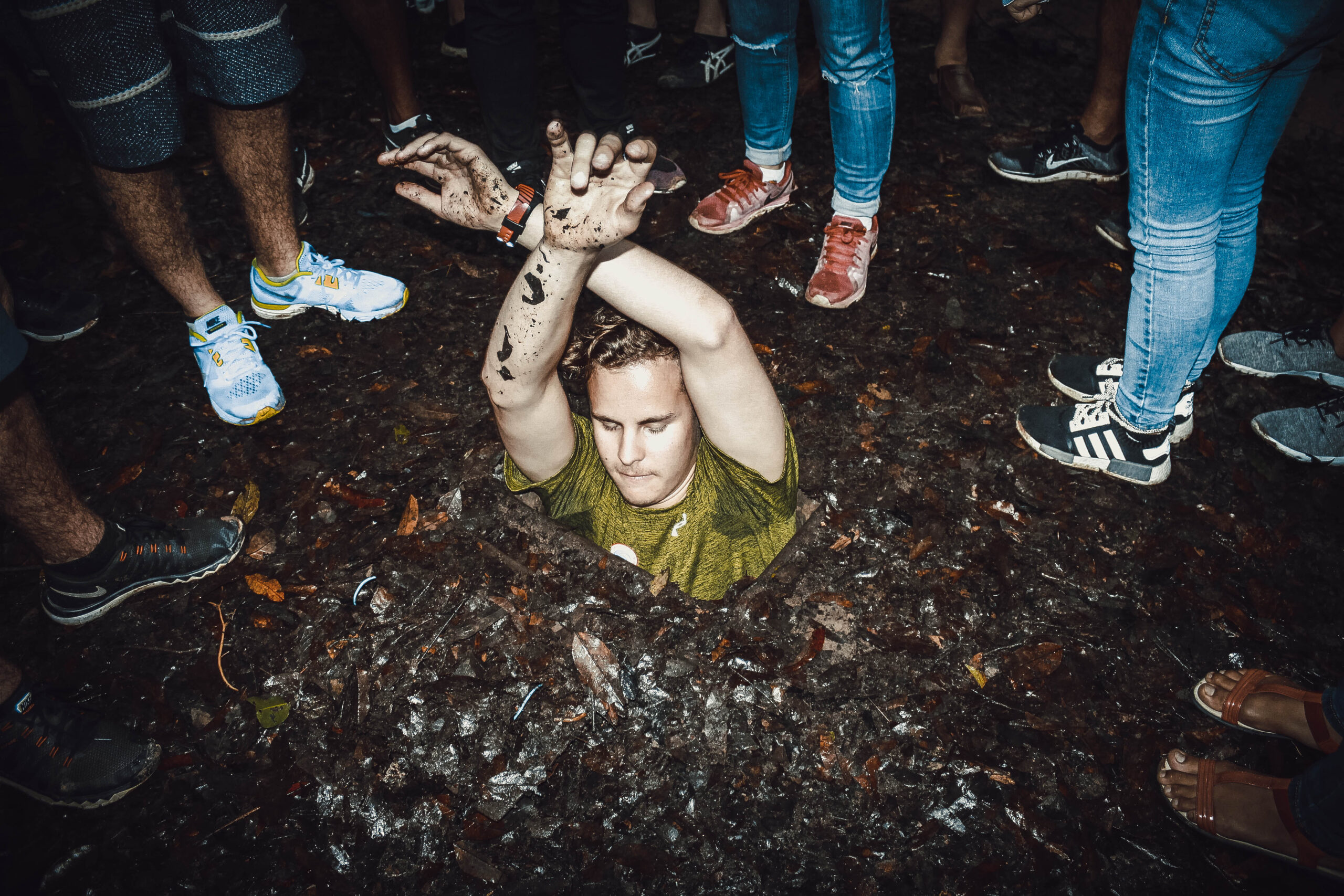
Vietnam combines fast-paced infrastructure development with pressing needs in energy, water, and resource governance. Field-based programs can link engineering concepts to hydropower, renewable systems, digital innovation, manufacturing, and the real-world trade-offs involved in sustainable development.
develop your own program similar to this
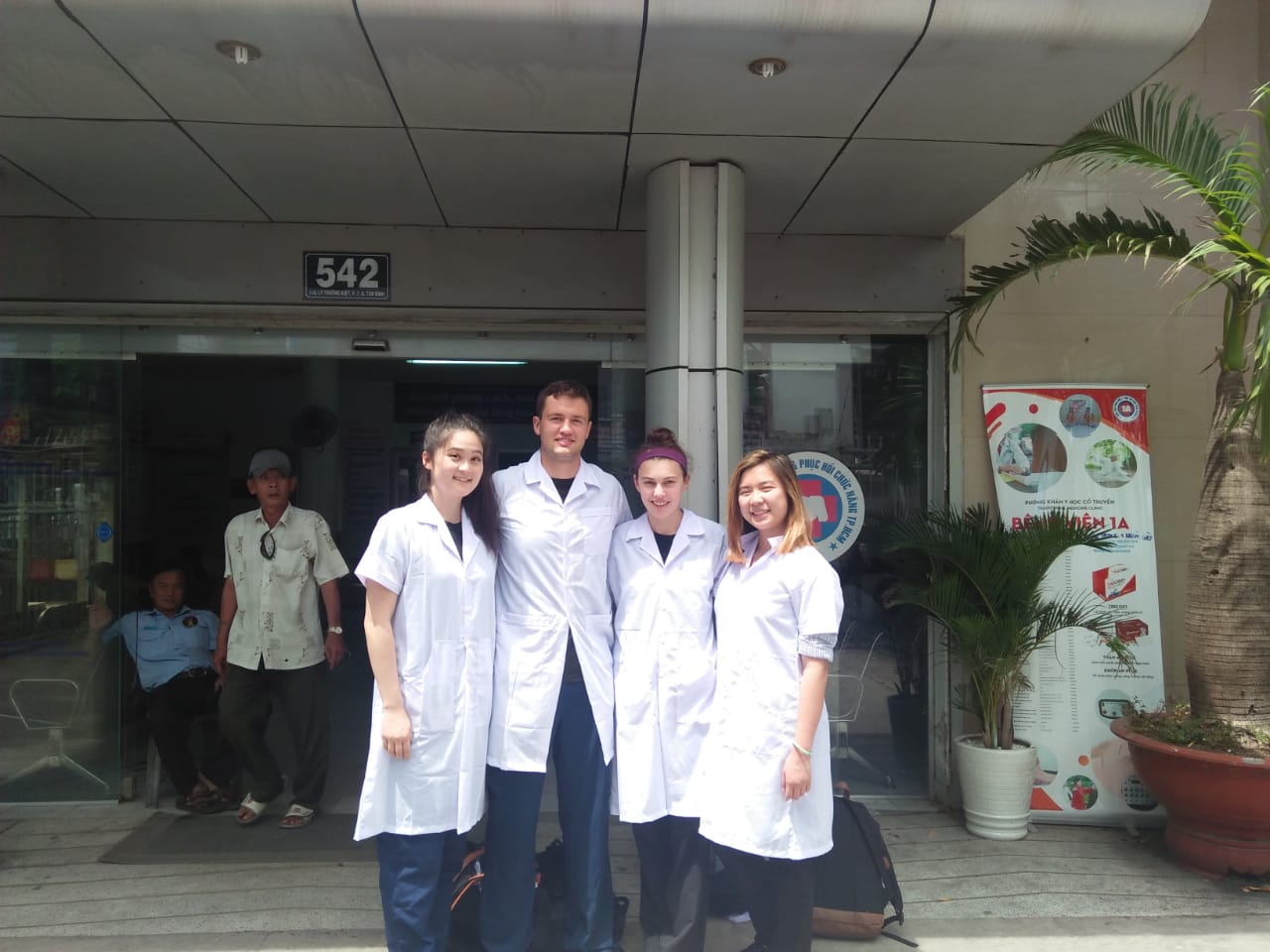
Custom group programs in Vietnam offer field-based, experiential learning across public, private, local, and international healthcare settings. Through cross-cultural immersion, guided field research, and appropriate hands-on experience, participants can examine clinical practice, community care, traditional approaches to wellbeing, and the changing role of health technology.
develop your own program similar to this
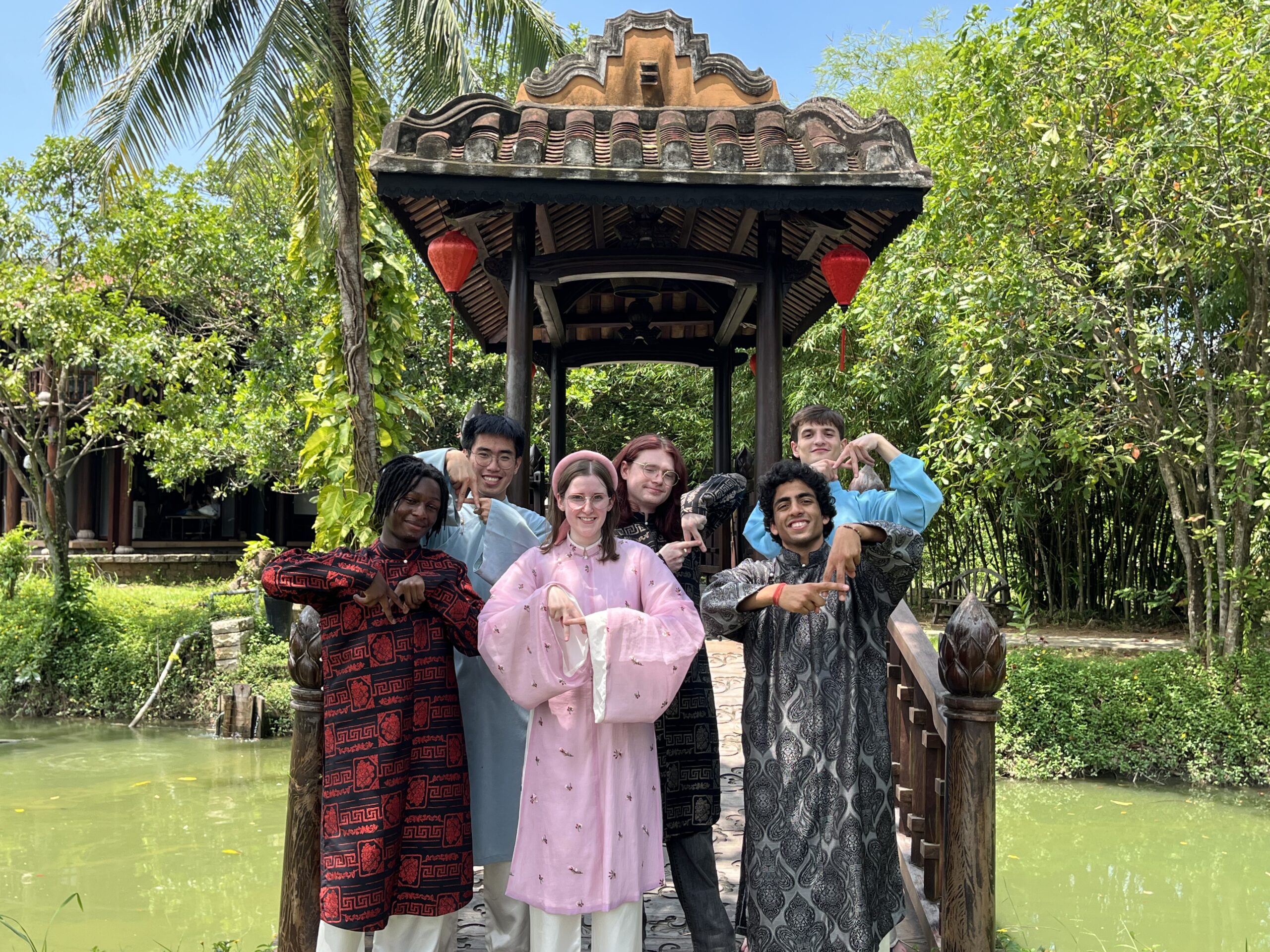
Vietnam’s cultural landscapes bring together wartime memory, religion, ethnic heritage, artisanal knowledge, and contemporary performance. Cross-cultural immersion can help groups connect museums, sacred sites, villages, foodways, and creative practice to larger questions of identity and historical change.
develop your own program similar to this
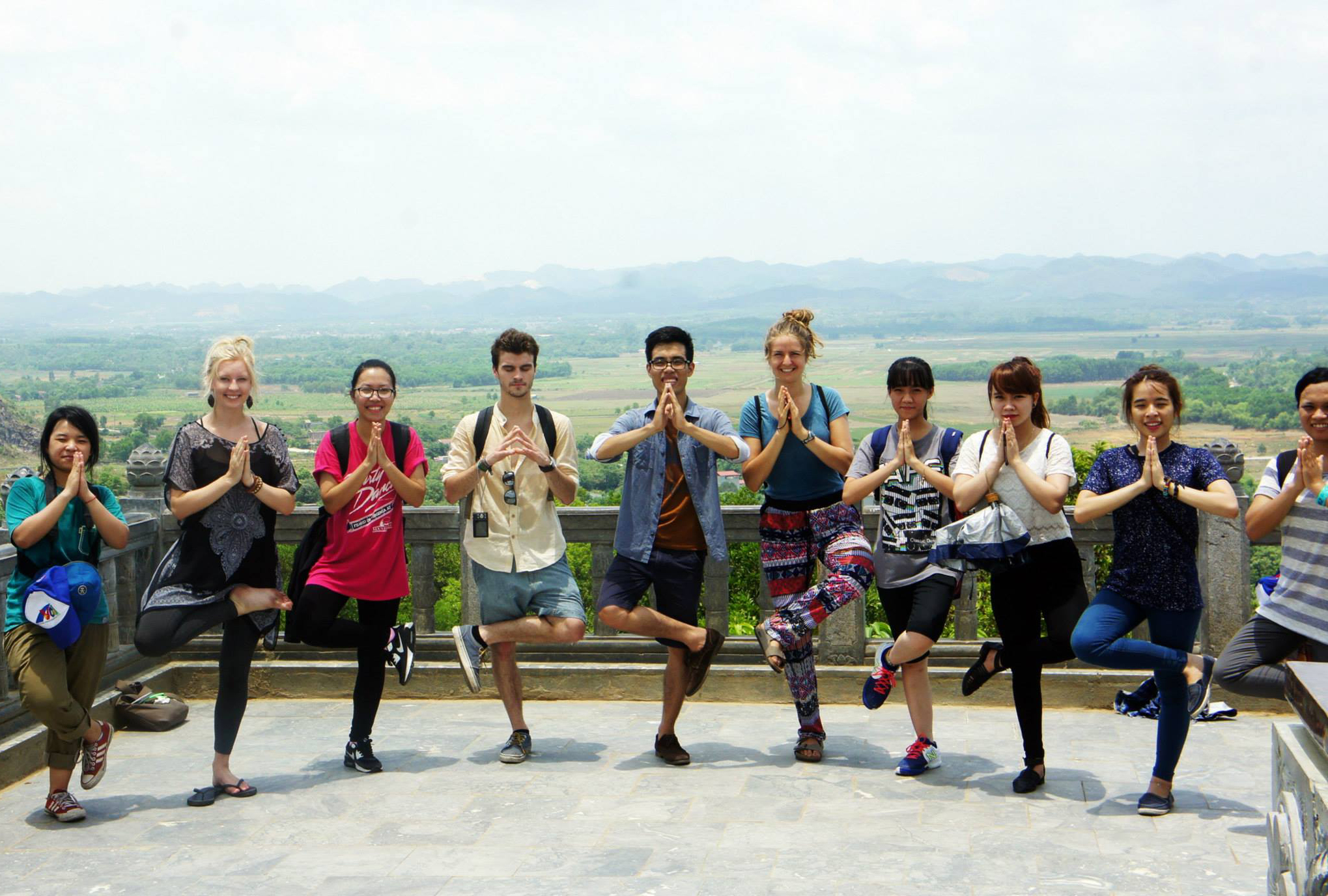
Community development, identity, wellbeing, and economic change create meaningful topics for social inquiry in Vietnam. Custom group programs can combine project-based experiential learning, community dialogue, and reflective practice to investigate social challenges and locally led responses.
develop your own program similar to this
1
Together we’ll discuss your program goals and needs.
 2
With your input, we develop and fine-tune the perfect itinerary.
 3
We support institutional approvals and recruitment processes to ensure a successful launch!
 4
From pre-departure planning until your return, we’re with you every step of the way!
FAQS
Faculty can begin discussions with the Kaya team while the academic concept is still taking shape. Sharing intended outcomes, approximate dates, group size and participant needs gives Kaya a starting point for exploring suitable options. Activities and arrangements can then be refined around availability, feasibility and the course’s priorities.
A comparative question can give students a clear framework for learning without treating one approach as the standard. Faculty can guide students to consider the context, priorities and constraints behind different decisions, using selected experiences and reflection to examine similarities and differences thoughtfully.
Kaya reviews participant needs, planned activities and supervision with group leaders, working with the on-site team to prioritize safety. Preparation covers relevant health guidance, transport, emergency arrangements and participant responsibilities, with risk considerations specific to the group’s route and activities.
Cultural learning can add context to a course rather than sit apart from its academic focus. Kaya can work with faculty to identify relevant experiences, with discussion and reflection helping students consider how local perspectives inform the subjects they study without drawing broad conclusions from individual encounters.
Testimonials
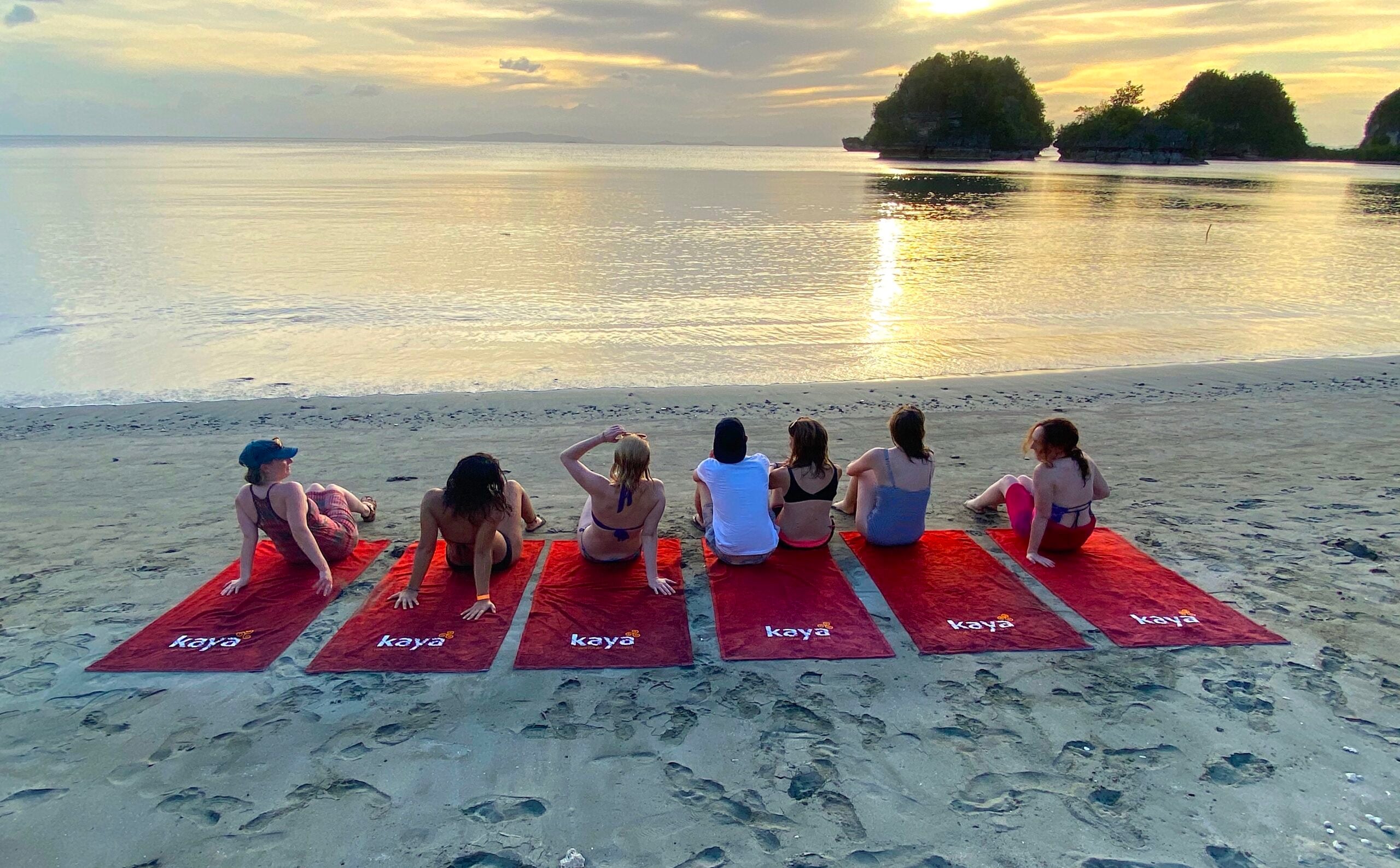
With a focus on experiential education and the UN Sustainable Development Goals, your group can immerse and engage with international communities and environments across the globe.