

Philippines

The Philippines is an archipelago of more than 7,000 islands, shaped by Indigenous traditions, Spanish and American colonial histories, and a strong culture of community and resilience. Across its cities, provinces and coastal communities, it is a country where history, inequality, faith, and family continue to shape everyday life.

Design a program here
  • Language Filipino, English, and numerous regional languages
  • Climate Tropical climate with a dry season and a rainy season; typhoons are most common from June–November
  • Key Environments Archipelago of more than 7,000 islands, coral reefs, coastal ecosystems, volcanoes, and agricultural landscapes
  • Culture Indigenous, Spanish, American, and Asian influences, with strong family and community ties

About Philippines

Why run a program in Philippines?

The Philippines gives students a meaningful setting to examine health, education, and community wellbeing in context. Faculty can connect classroom concepts to the realities people navigate daily, from access to services and public health challenges to the social conditions that shape opportunity.

Programs can explore how communities respond to hardship and change, including recovery after natural disasters, migration, poverty, and the role of local organizations in supporting families and vulnerable groups.

Tacloban offers a particularly grounded base for learning. As a regional city with strong community networks, it allows students to engage with local practitioners, educators, and health & social-service professionals while seeing how national issues play out at the community level.

The country’s mix of languages, Catholic tradition, close family networks, and community-oriented culture adds depth to discussions of care, identity, and social support. Students gain a more nuanced understanding of how culture shapes both need and response.

Programs developed with Kaya give students the chance to learn alongside local organizations, connecting classroom study to community perspectives on health, education, and social support.
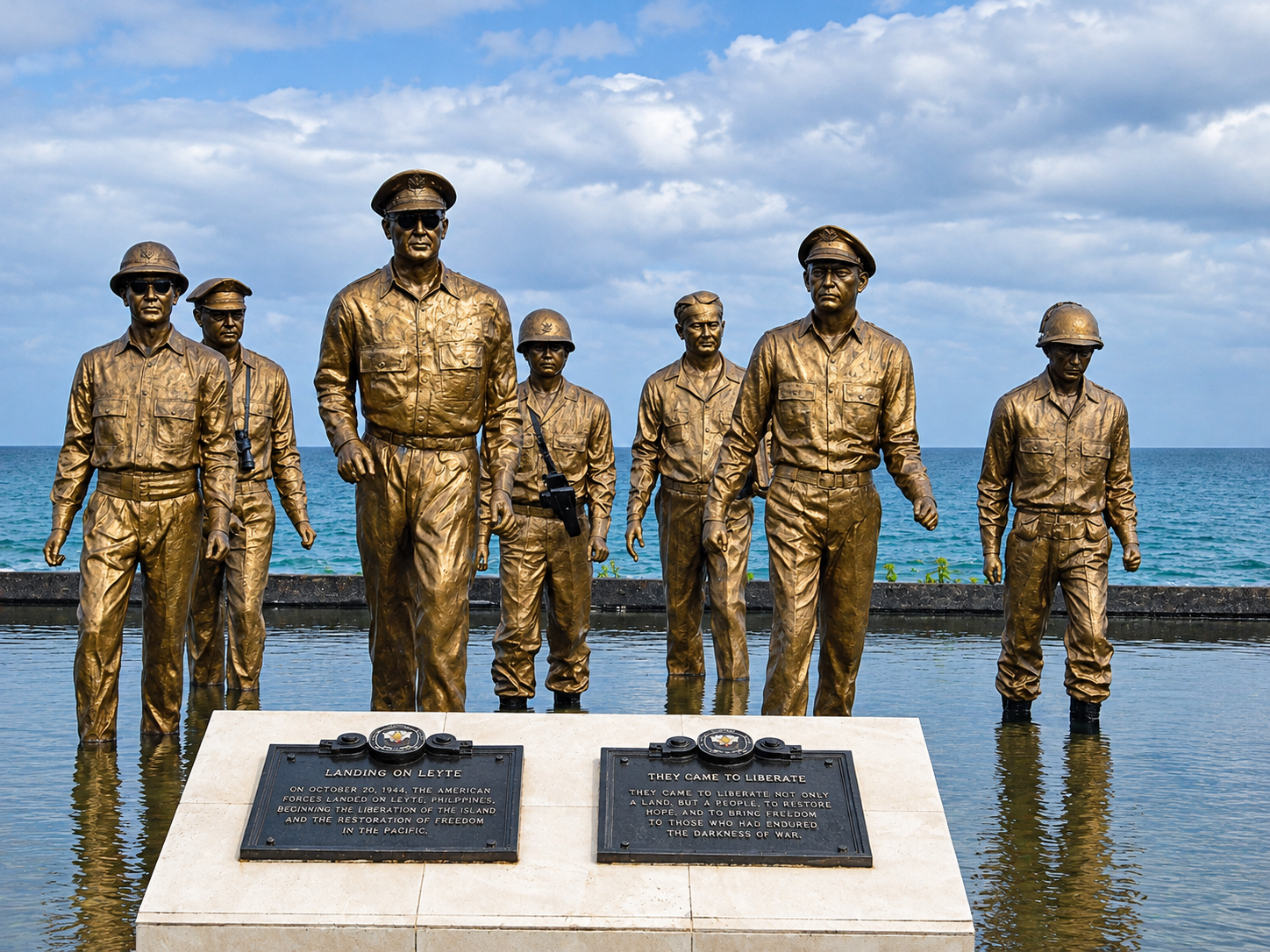
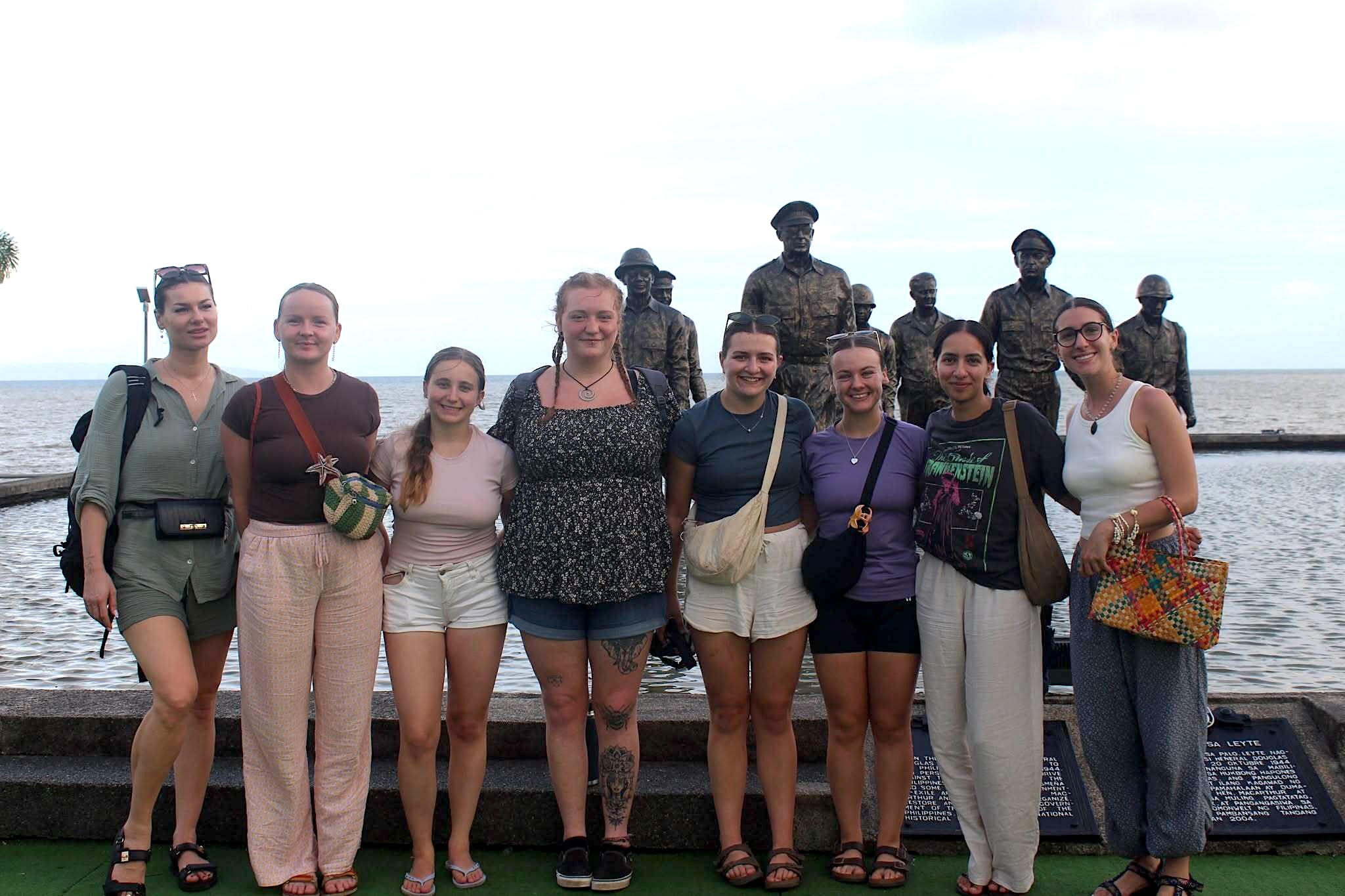
Bronze-Soldiers-by-the-Sea

Program Themes

program themes in the Philippines

Discover some of the different topics and themes you can focus your program on in Philippines. If you don’t see your topic area, or you already have a ready-made itinerary, connect with the Kaya team to start a discussion!
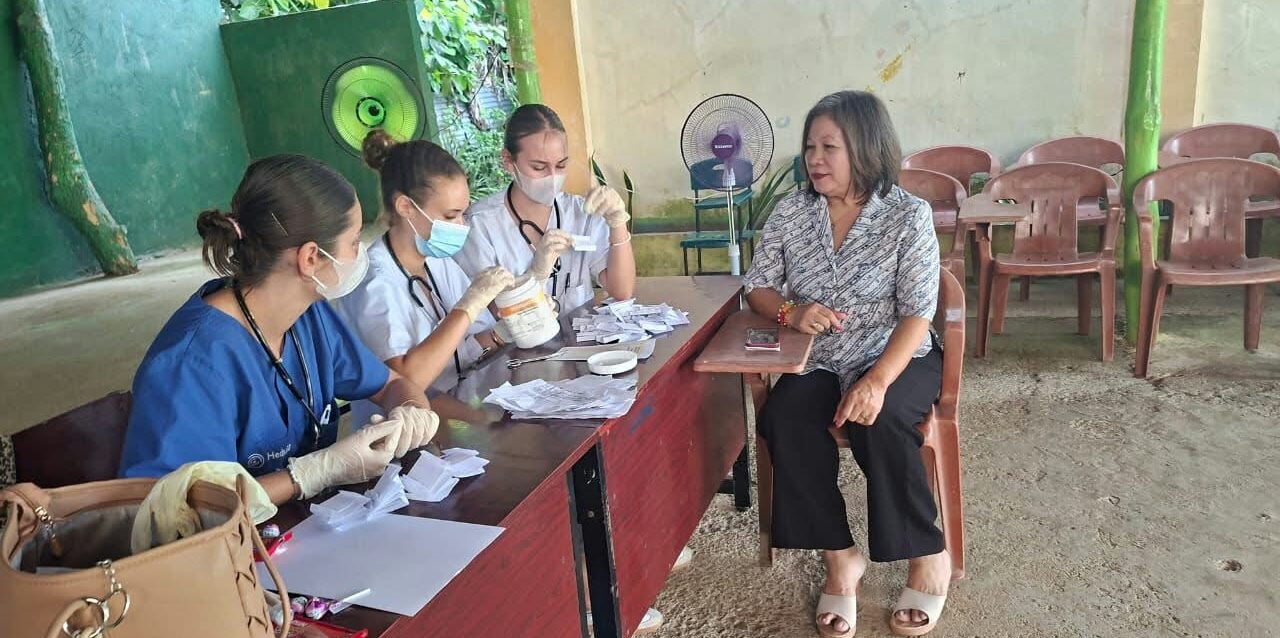
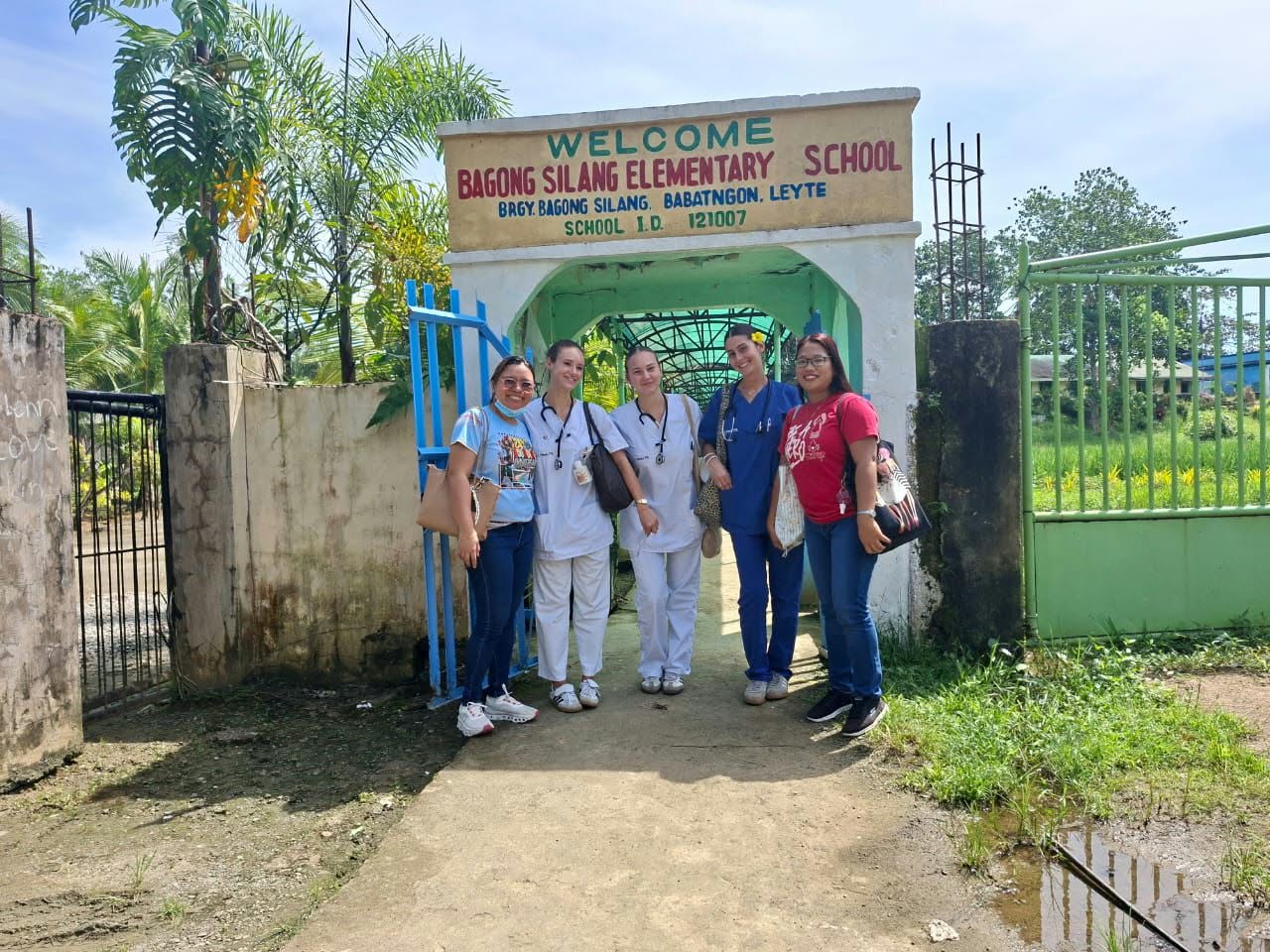
This image displays a community health mission or mobile medical clinic operating in a rustic, open-air setting.

Health Sciences

Explore the connections between healthcare delivery and community well-being. Custom group programs combine experiential learning, nutrition initiatives, health education, and cultural exchange to examine how hospitals, primary care services, and community projects address health needs and the social factors influencing access to care.
Key themes

  • Healthcare system: public and private healthcare, hospital operations, referral pathways, and healthcare inequality.
  • Health education: hygiene, reproductive health, vaccination, and disease prevention.
  • Public health: preventive healthcare, immunization, disease surveillance, and community health programs.
  • Rural clinics: primary care, preventive services, patient consultations, and referrals.
  • Hospitals (public or private): clinical learning, departmental rotations, hospital management, emergency care, surgery, and diagnostic services.
  • Community health: home visits, health outreach, community screening, and social welfare initiatives.
  • Traditional medicine: exploration of traditional health practices where relevant expertise is available.
  • Sports, kinesiology & movement: community sports, recreation, and movement-based activities.
  • Maternal & child health: prenatal care, maternity services, family planning, child health, and caregiver education.
  • Nutrition: feeding programs, nutritious meal preparation, child growth monitoring, nutrition education, and research addressing nutritional disparities.
  • Specialisms: pharmacy, radiology, laboratory services, communicable diseases, chronic disease management, sanitation, and psychosocial support

Engage with experts

  • Hospital doctors, nurses, departmental supervisors, and allied health professionals
  • Primary healthcare practitioners, midwives, and community health workers
  • Nutrition professionals and feeding program coordinators
  • Health educators and public health program staff
  • Medical social workers and social welfare practitioners
  • Professionals supporting children, young people, and women affected by abuse
  • Community development coordinators and cultural exchange facilitators

Immerse in local culture

  • Waray-Waray language lessons
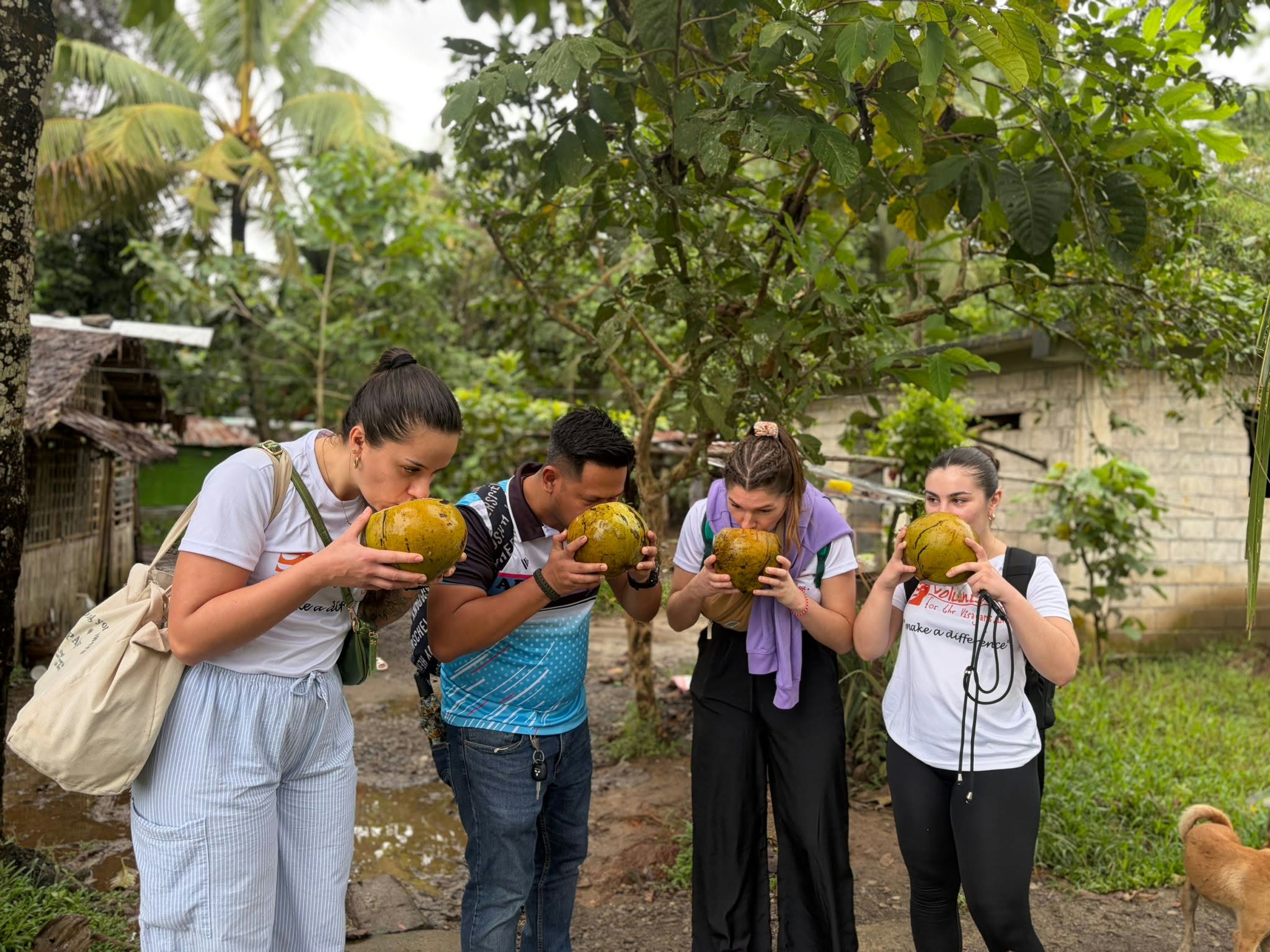
  • Local market visits and coconut-milk cooking activities
  • Karaoke nights
  • Traditional Filipino games with community members
  • Cultural dance activities, including Tinikling
  • Meeting local banig weavers and learning about their craft
  • Flores de Mayo celebrations and Santacruzan processions in May

Explore the region

  • MacArthur Landing Memorial National Park
  • Santo Niño Shrine and Museum
  • Yolanda memorial sites
  • Historic churches
  • Guinhangdan Hill hikes
  • Tacloban Calvary Hill
  • Saob Cave in Basey, Samar
  • Local food parks
  • Weekend resort outings

Ideal for

  • Global Health
  • Public Health
  • Community Health
  • Global Mental Health
  • Nursing
  • Medicine & Pre-Med
  • Allied Health
  • Healthcare Management
  • Nutrition
  • Maternal & Child Health
  • Psychology
  • Pediatrics
  • Women’s Health
  • Epidemiology
  • UN SDG 2 Zero Hunger
  • Sustainable Development Goal 3
  • Sustainable Development Goal 17

develop your own program similar to this

How it works

1

Connect

Together we’ll discuss your program goals and needs.

2

Co-design

With your input, we develop and fine-tune the perfect itinerary.

3

Commit

We support institutional approvals and recruitment processes to ensure a successful launch!

4

Let’s go!

From pre-departure planning until your return, we’re with you every step of the way!
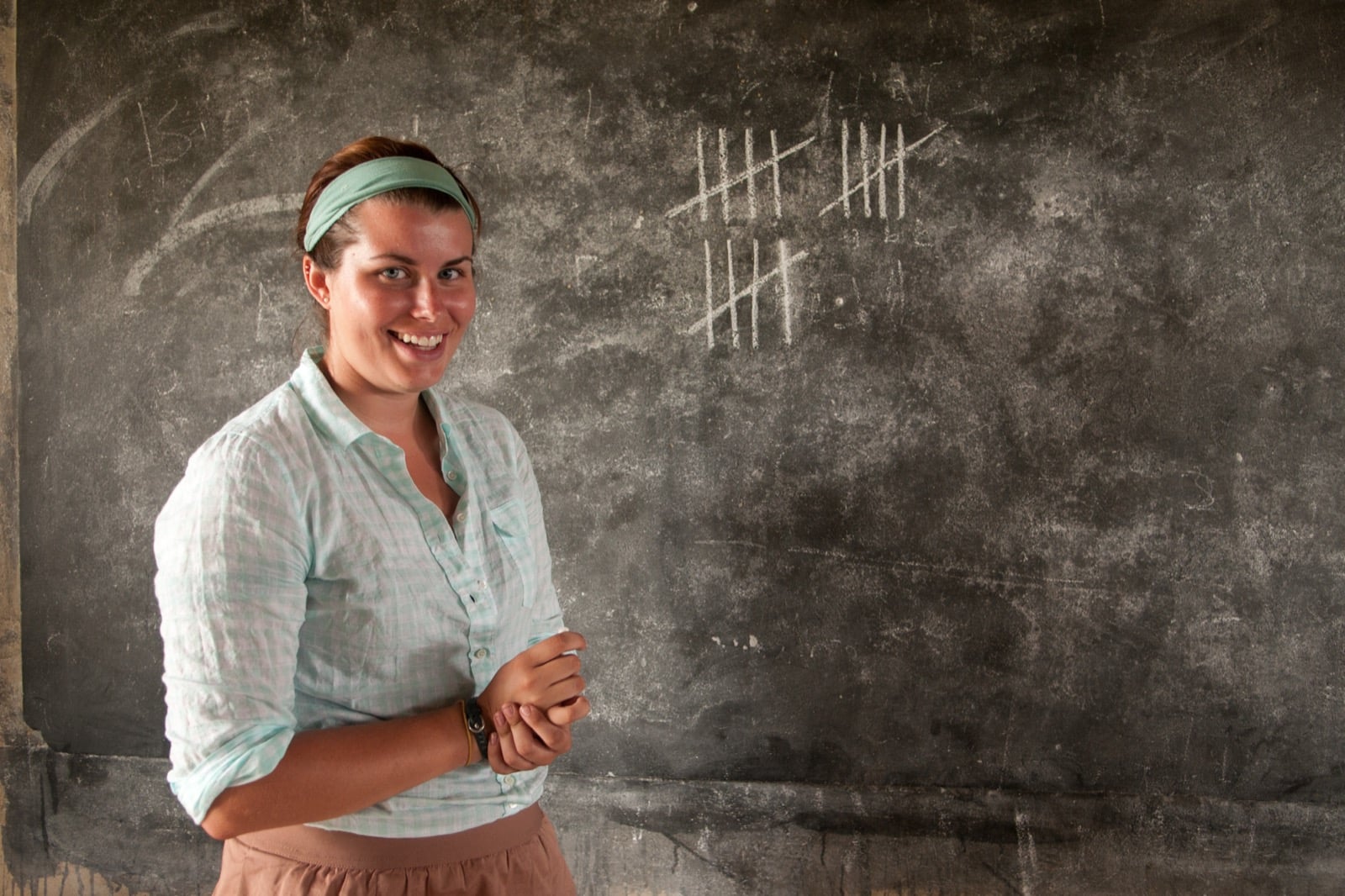
woman standing near chalkboard

FAQS

Frequently asked questions about Philippines

Can Kaya tailor an educational program in the Philippines to our group?

Yes. Kaya can develop an itinerary around your course themes, students’ experience and intended learning outcomes. A custom educational program in the Philippines can bring together guided activities, cultural exchange and reflection, aligning with each indiivdual group's goals and objectives.

What safety planning takes place before a Kaya program in the Philippines?

Before departure, Kaya works with group leaders and the on-site team to review participant needs, activity suitability and practical arrangements. These discussions address health considerations, supervision, transport and emergency procedures, keeping safety central to preparation and program delivery.

How does Kaya encourage meaningful local engagement in the Philippines?

Meaningful engagement starts with listening to the people who know the setting. Kaya works with local partners to shape appropriate activities and opportunities for dialogue, helping students question assumptions, understand different perspectives and participate respectfully within local priorities and capacity.

What academic credit options are available for Kaya programs in the Philippines?

Groups can pursue credit through their home institution, with Kaya helping faculty align program experiences with coursework and assessment. For internship placements of four weeks or more, Kaya’s School of Record provides an additional potential credit pathway, subject to applicable requirements and institutional approval.

Testimonials
Experiences that inspire

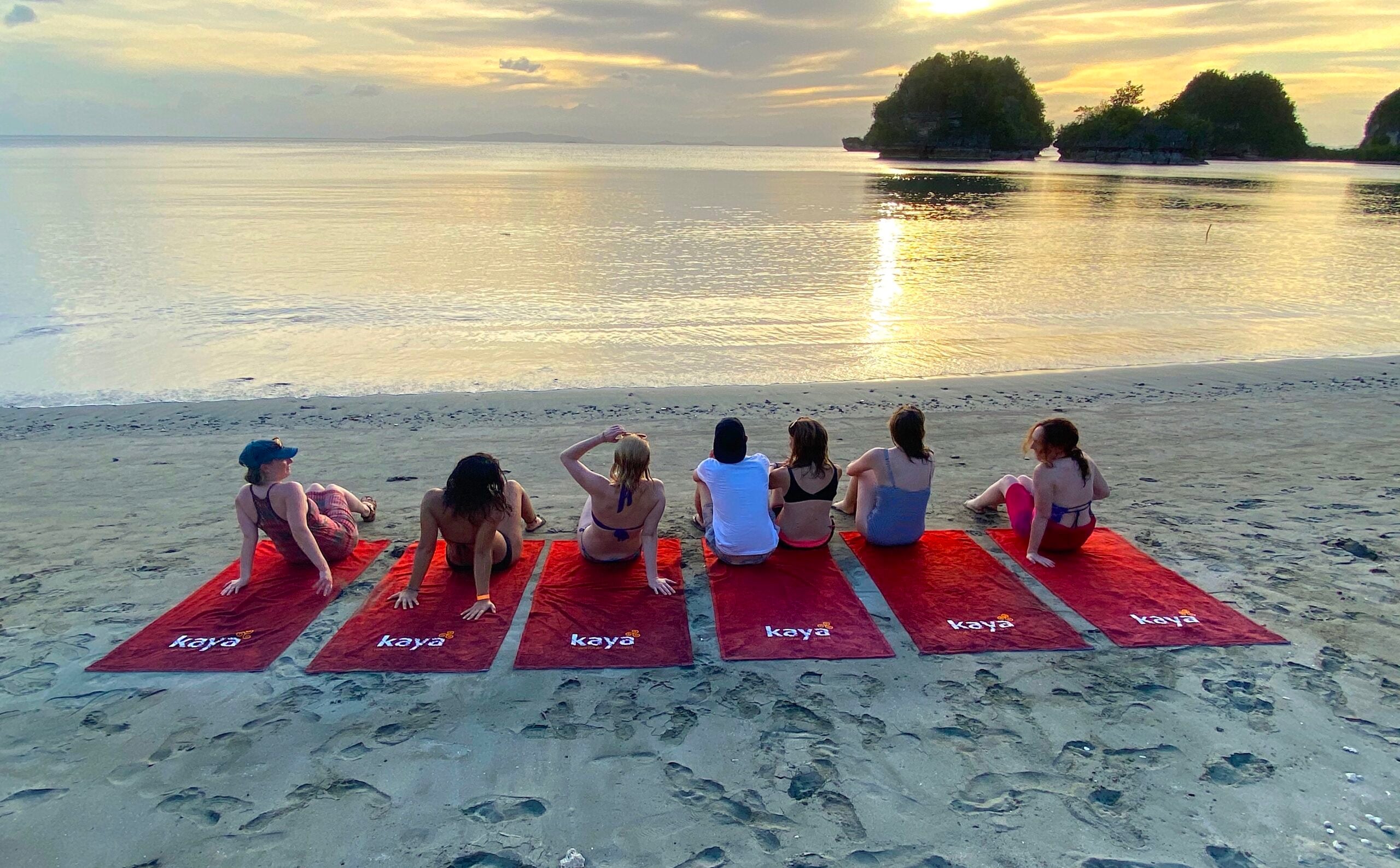
A group at the beach sitting on Kaya towels.

Scott

Faculty, New Mexico State University

“Kaya provided excellent support throughout our trip. Their approach of working with knowledgeable local leaders helped our fieldwork run smoothly.”

Biology

Jeanne

Faculty, New Mexico State University

“Having Kaya as a partner allows faculty to focus on the academic objectives of the program while the Kaya team ensures the logistics run smoothly. This allows students to focus on both the course objectives and cultural learning.”

Health

Blain

Faculty, University of Florida

“The programme itinerary Kaya helped facilitate was outstanding. Activities aligned closely with the program goals.”

Education

Gracie

Student,Penn State University

“I loved getting to do hands-on work that helped improve the local area. The tasks were very beginner friendly, so even with little experience I felt like I was really contributing.”

Agriculture and Food Security

Kiara

Student,University of Notre Dame

“This experience helped me develop skills I’ll use in the future and made me consider a career in urban planning. I was proud that my research contributed to a project report while also strengthening my cross-cultural communication skills.”

Engineering and Resource Management

Travel the world with Kaya

With a focus on experiential education and the UN Sustainable Development Goals, your group can immerse and engage with international communities and environments across the globe.