



Namibia

Namibia is defined by vast desert landscapes, dramatic coastlines, and some of the lowest population densities in the world. The Namib and Kalahari deserts, towering dunes, and rugged Atlantic shores create a striking setting shaped by nature and history. German colonial influences sit alongside indigenous cultures, forming a country where environment, identity, and conservation are closely connected. English, Afrikaans, German, and several indigenous languages reflect Namibia’s diverse cultural landscape.

Design a program here
  • Language English, Afrikaans, German, indigenous languages
  • Climate Arid desert climate with low rainfall and high temperature variation; hottest conditions typically October–March.
  • Key Environments Namib and Kalahari deserts, dramatic coastlines and dunes
  • Culture Diverse cultural heritage shaped by colonial and indigenous history

About Namibia

Why run a program in Namibia?

Nature and conservation shape learning across Namibia. Programs explore protected areas, wildlife management, and community conservancies that balance environmental protection with local livelihoods.

Desert ecosystems offer a powerful context for field-based learning. Students examine desert-adapted species such as elephants while exploring sustainability challenges in fragile environments shaped by climate and isolation.

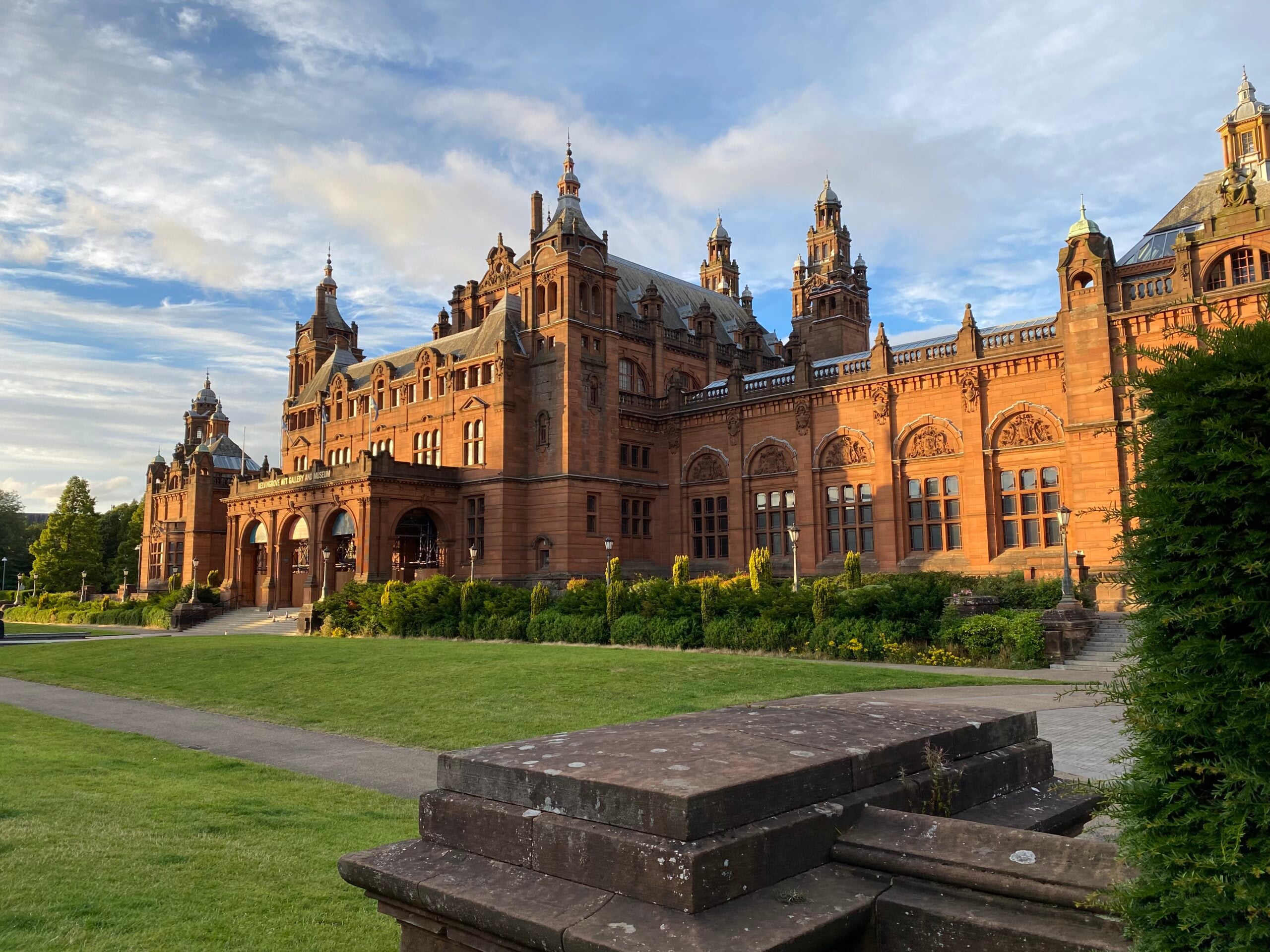
History also plays a visible role in Namibia’s identity. German colonial legacies influence architecture, culture, and social dynamics, offering opportunities to examine how past and present intersect in everyday life.

Adventure travel and safari culture are part of Namibia’s global reputation. Programs consider how tourism supports conservation while raising questions about sustainability, access, and environmental responsibility.

In Namibia, learning often takes place in wide open landscapes where conservation and community meet. Kaya works with local partners and faculty to create experiences grounded in environmental awareness and real-world conservation practice.
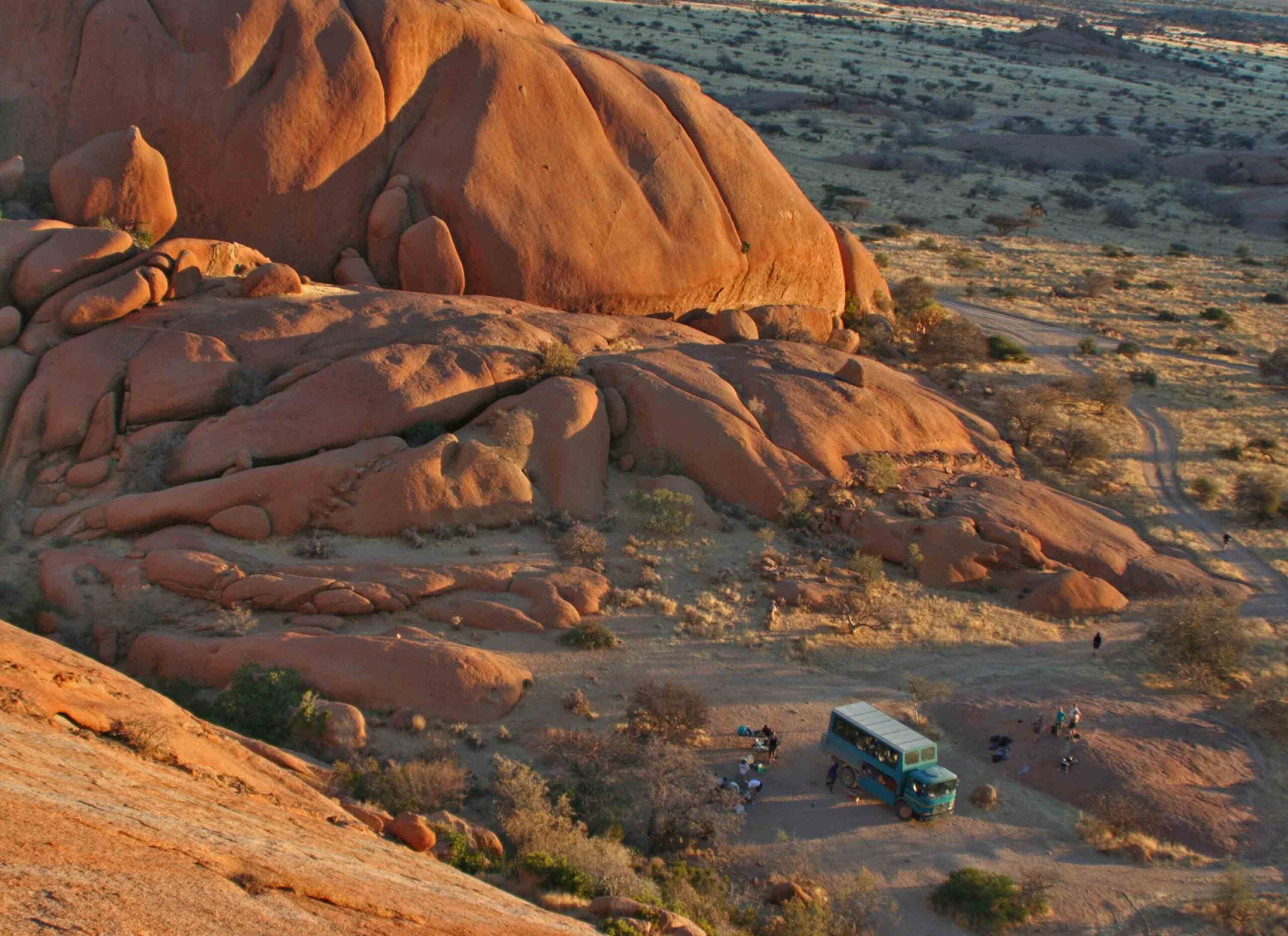
Massive, rounded granite boulders dominate the left and upper sections of the frame. Bathed in the warm, golden glow of late afternoon or early morning sunlight, the ancient sandstone and granite exhibit deep orange and reddish tones.

Program Themes

program themes in Namibia

Discover some of the different topics and themes you can focus your program on in Namibia. If you don’t see your topic area, or you already have a ready-made itinerary, connect with the Kaya team to start a discussion!
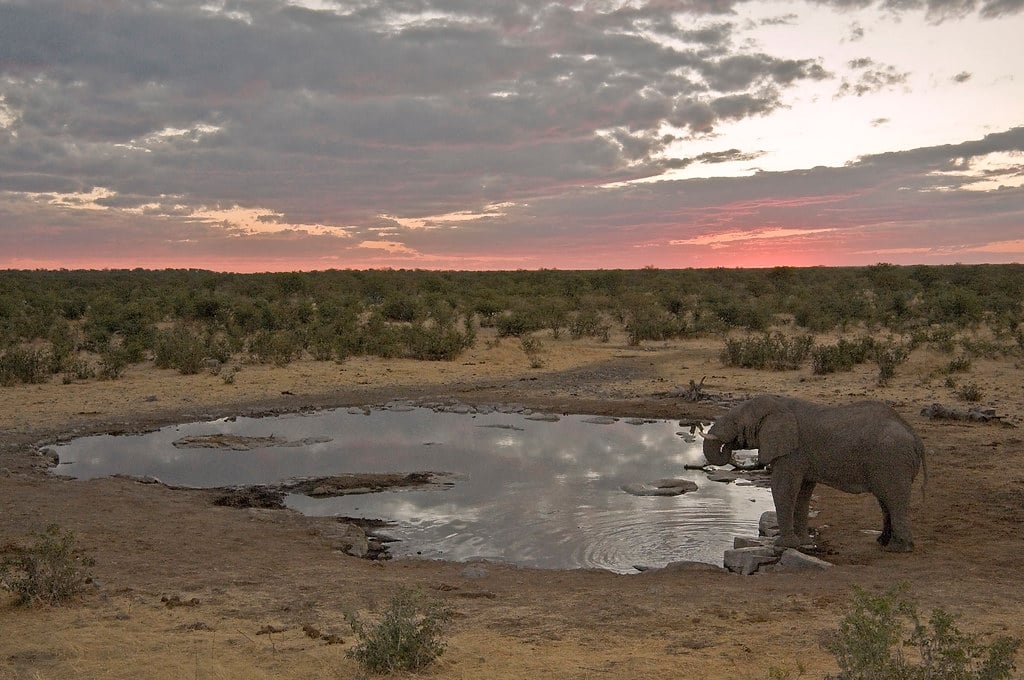
A lone African elephant stands at the edge of a wide, tranquil waterhole during a dramatic sunset.

Biology, Environmental Science & Sustainability

Namibia’s desert landscapes make ecological adaptation visible at every scale; from fog-harvesting beetles and ancient Welwitschia plants to desert-adapted elephants and rhinos. Through experiential learning, custom group programs can pair field research in arid ecosystems with hands-on examination of community conservancies, dryland hydrology, wildlife coexistence, and climate resilience.
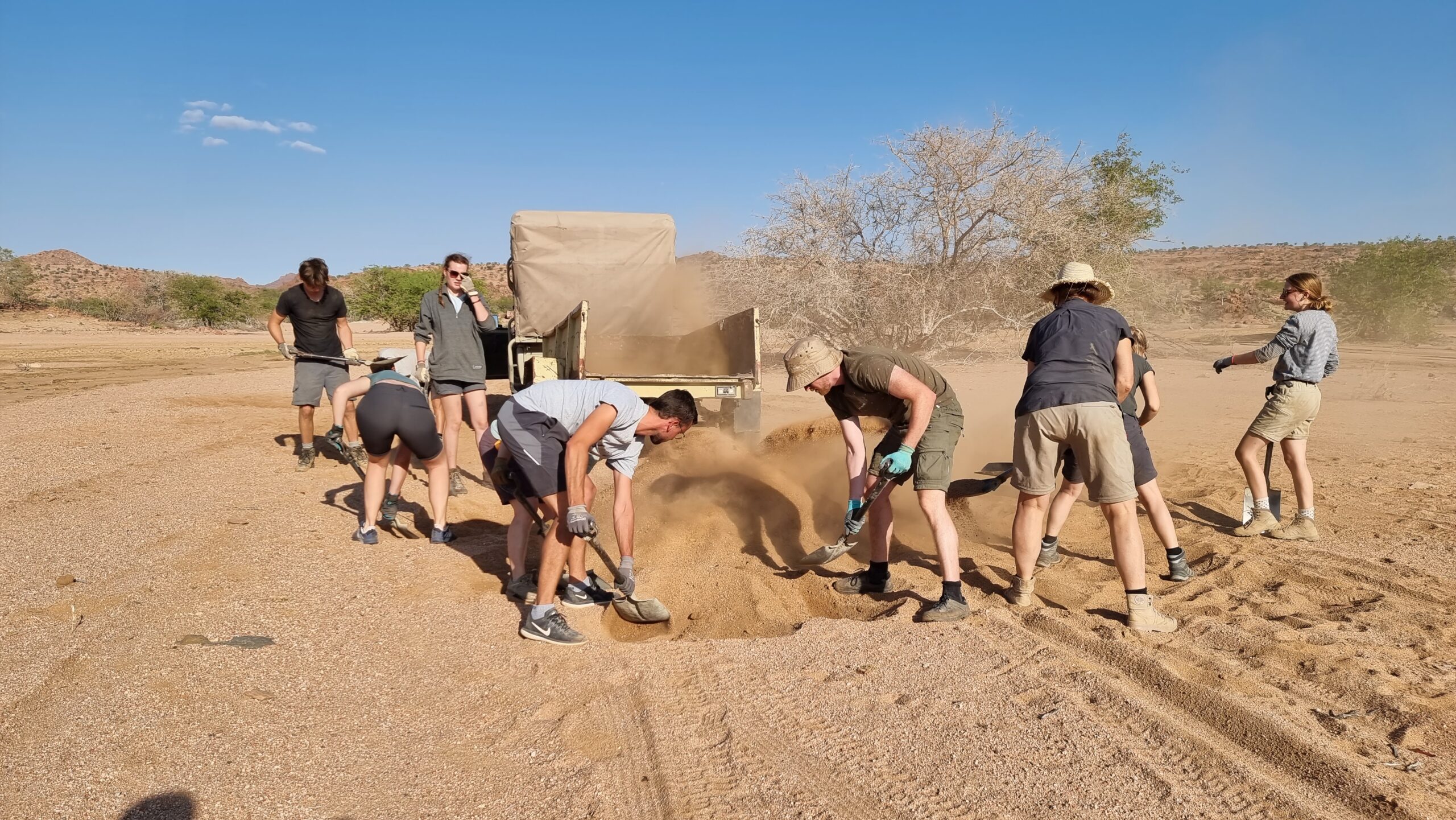
Key themes

  • Hyper-arid adaptations & desert ecology: Namib Desert, fog-harvesting darkling beetles, Welwitschia plants, arid-environment survival, endemic species
  • Desert-adapted wildlife: rhinos, elephants, wildlife tracking, desert habitats, behavioral and physiological adaptation
  • Community-based natural-resource management: communal conservancies, local governance, wildlife-use rights, ecotourism, biodiversity conservation
  • Human–wildlife coexistence: agrarian landscapes, free-roaming wildlife, livestock, carnivores, elephants, conflict mitigation
  • Carnivore ecology & conservation: cheetahs, leopards, lions, predator genetics, rehabilitation, livestock-guarding dogs
  • Wildlife corridors & landscape connectivity: wildlife movement, landscape-scale conservation, habitat connectivity, spatial ecology
  • Ephemeral rivers & dryland hydrology: Kuiseb River, Huab River, seasonal water flows, linear oases, desert ecosystems
  • Dryland carbon dynamics: climate change, carbon cycling, arid environments, ecological change, environmental resilience
  • Bush encroachment & rangelands: woody-species expansion, grasslands, overgrazing, altered fire regimes, ecological impacts
  • Environmental education & sustainable living: sustainable lifestyles, conservation education, local children, environmental stewardship

Engage with experts

  • Desert ecologists and arid-land researchers
  • Veterinary scientists and wildlife-health specialists
  • Communal resource managers and conservancy leaders
  • Carnivore and wildlife ecologists
  • Field biologists working in predator conservation and rehabilitation
  • Human–wildlife-conflict mitigation practitioners
  • Conservation educators and sustainable-living practitioners

Immerse in local culture

  • Living Museum cultural exchange
  • Traditional tool, clothing, and medicine demonstrations
  • Local history and cultural-heritage discussions
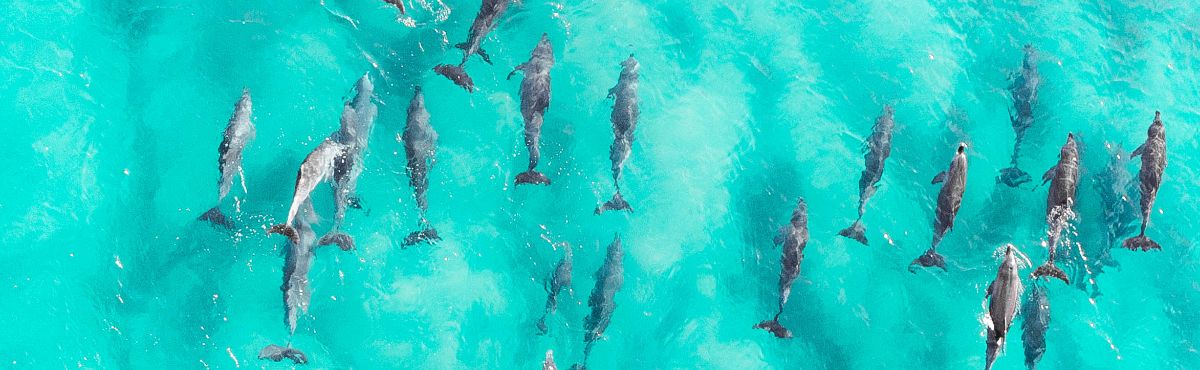
  • Swakopmund catamaran dolphin tours

Explore the region

  • Twyfelfontein rock-art site
  • Damaraland sandstone formations
  • Sesriem dunes
  • Swakopmund
  • Swakopmund sandboarding and ATV dune tours

Ideal for

  • Environmental Science
  • Ecology
  • Conservation Biology
  • Sustainability Studies
  • Climate Change Studies
  • Biodiversity Conservation
  • Environmental Management
  • Natural Resource Management
  • Land Management
  • Forestry
  • Botany
  • Earth Science
  • Geology
  • Environmental Humanities
  • Ecotourism
  • UN SDG 4 Quality Education
  • UN SDG 13 Climate Action
  • UN SDG 15 Life on Land

develop your own program similar to this

How it works

1

Connect

Together we’ll discuss your program goals and needs.

2

Co-design

With your input, we develop and fine-tune the perfect itinerary.

3

Commit

We support institutional approvals and recruitment processes to ensure a successful launch!

4

Let’s go!

From pre-departure planning until your return, we’re with you every step of the way!
woman standing near chalkboard

FAQS

Frequently asked questions about Namibia

What can students learn through a wildlife conservation group program in Namibia?

Students can explore how wildlife adapts to environmental conditions and how conservation decisions balance ecological needs with human priorities. Kaya can work with faculty to connect course objectives with field-based learning, local expertise and reflection on wildlife conservation, environmental science and sustainability.

What wildlife might students observe during a Namibia conservation program?

Depending on the program location, students may learn about elephants, rhinos, giraffes and antelope, alongside the habitats and resources they depend on. Opportunities emphasize responsible observation, with sightings dependent on conditions, season and itinerary. Participation does not guarantee encounters with particular species or direct animal contact.

Can Kaya adapt a Namibia conservation program to specific course requirements?

Kaya can help faculty develop a focused program within wildlife conservation, environmental science and sustainability. The itinerary can emphasize questions relevant to your course, with activities matched to students’ academic level, host capabilities and learning outcomes rather than promising independent research or specialist wildlife work.

How are groups prepared for field learning in Namibia?

Kaya discusses participant needs, field activities and supervision with group leaders, working with the on-site team to prioritize safety. Preparation covers relevant health guidance, transport, emergency arrangements and expectations around wildlife, with responsibilities and activities suited to participants’ experience and the planned locations.

Testimonials
Experiences that inspire

A group at the beach sitting on Kaya towels.

Scott

Faculty, New Mexico State University

“Kaya provided excellent support throughout our trip. Their approach of working with knowledgeable local leaders helped our fieldwork run smoothly.”

Biology

Jeanne

Faculty, New Mexico State University

“Having Kaya as a partner allows faculty to focus on the academic objectives of the program while the Kaya team ensures the logistics run smoothly. This allows students to focus on both the course objectives and cultural learning.”

Health

Blain

Faculty, University of Florida

“The programme itinerary Kaya helped facilitate was outstanding. Activities aligned closely with the program goals.”

Education

Gracie

Student,Penn State University

“I loved getting to do hands-on work that helped improve the local area. The tasks were very beginner friendly, so even with little experience I felt like I was really contributing.”

Agriculture and Food Security

Kiara

Student,University of Notre Dame

“This experience helped me develop skills I’ll use in the future and made me consider a career in urban planning. I was proud that my research contributed to a project report while also strengthening my cross-cultural communication skills.”

Engineering and Resource Management

Travel the world with Kaya

With a focus on experiential education and the UN Sustainable Development Goals, your group can immerse and engage with international communities and environments across the globe.