









 1
Connect
Together we’ll discuss your program goals and needs.
Students in Zambia reflect on healthcare access, community connection and global health through cultural immersion and local partnerships.
Design a program like this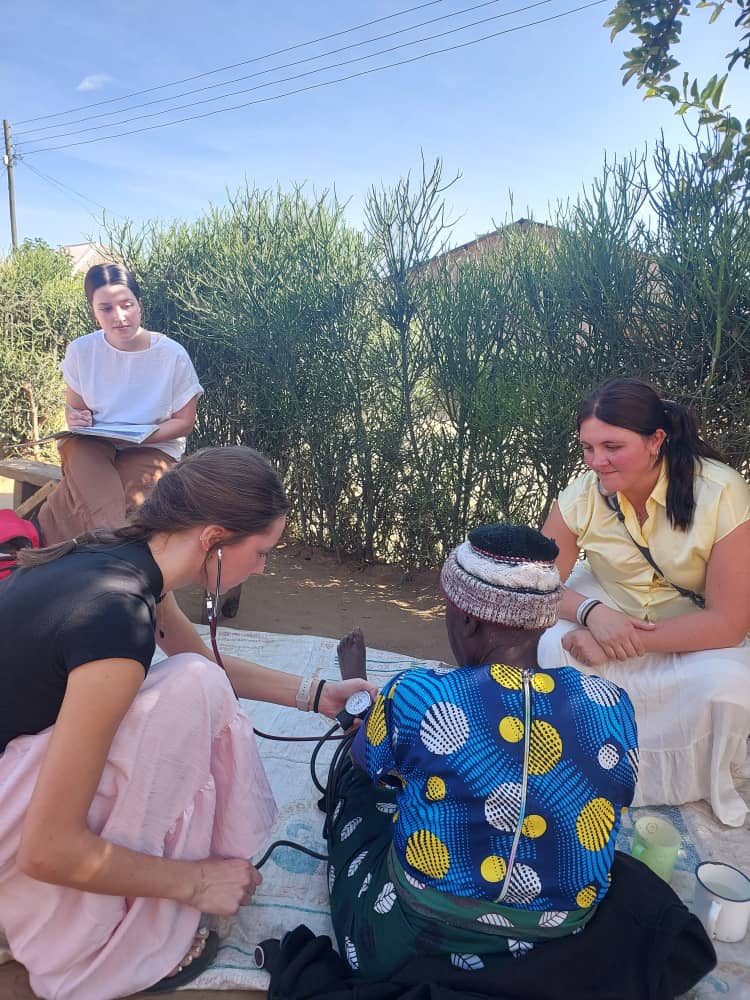
“I learned that my purpose is not to fix every shortage or solve every problem. My purpose is to learn, to grow, and to carry forward the lessons of resilience, community, and connection that Zambia has so generously shared with me.” – Paige
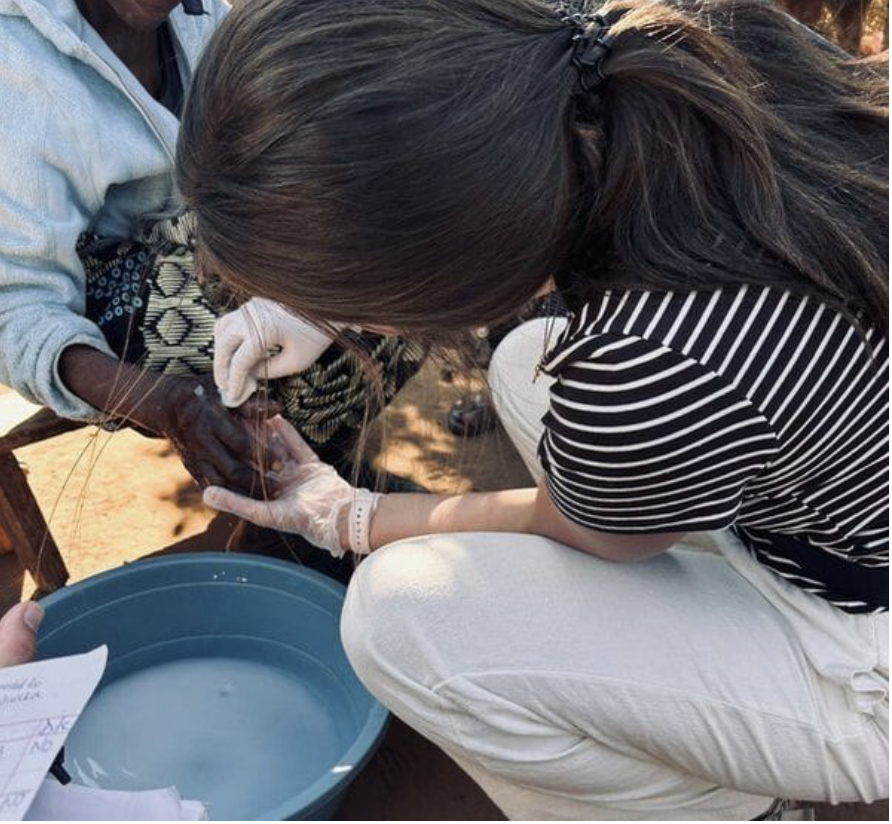
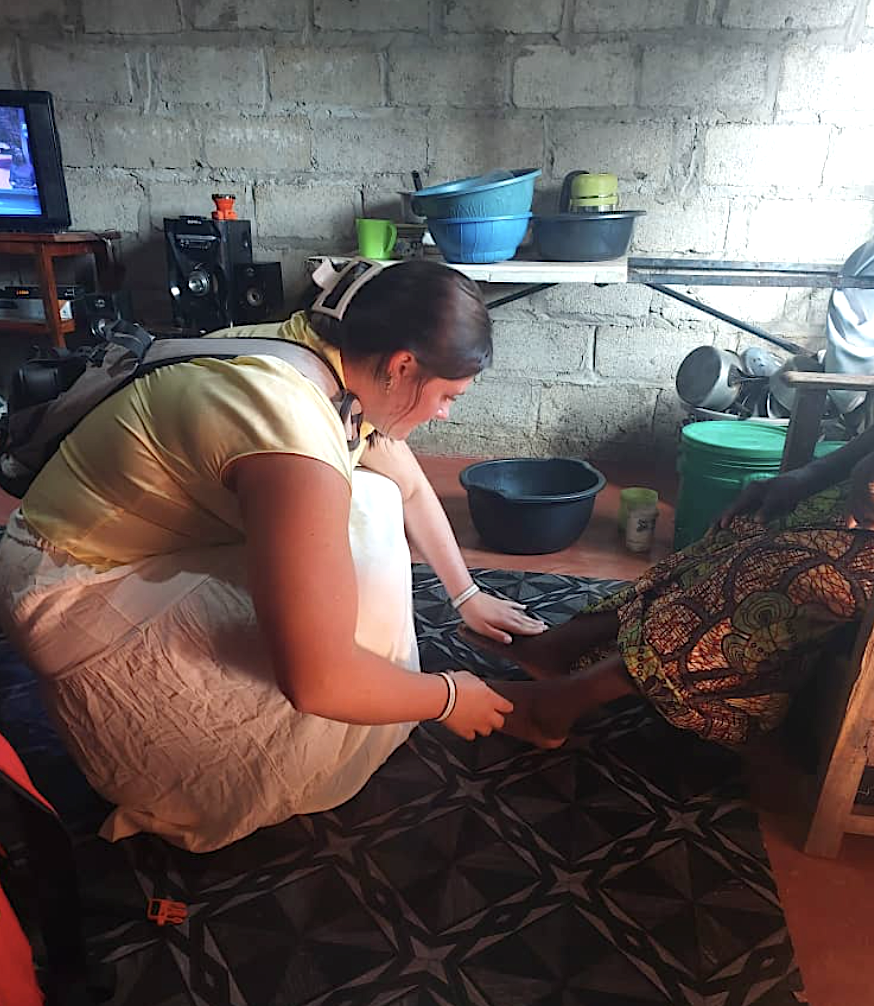
A conversation during a home visit revealed something a classroom discussion never could: how healthcare fits into the rhythm of someone’s daily life.
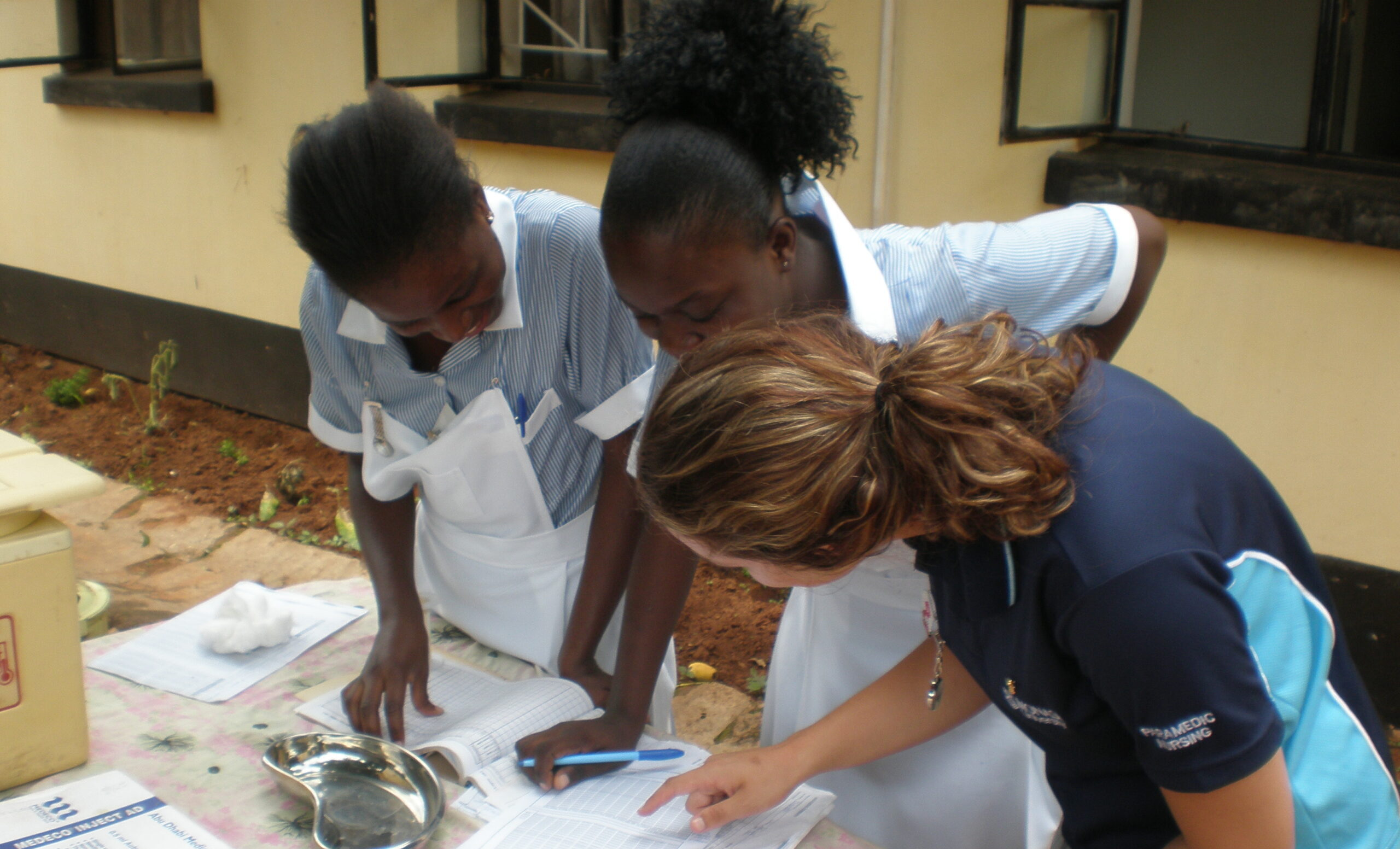
Through this nursing and public health program with Kaya, students from the College of Saint Benedict and Saint John’s University, connected academic learning with hands-on community experience in Livingstone, Zambia. They learned alongside local staff, contributed to health education, and explored the connections between wellbeing, education, and access to support.
Livingstone offered participants a chance to experience much more than its famous neighbor, Victoria Falls. As a tourism and border city, it gave participants an opportunity to explore how livelihoods, household circumstances, and access to services shape everyday life. Through home visits, health education, and conversations with community members, they discovered a side of the city that extends far beyond its visitor attractions.
Rather than arriving with answers, participants focused on listening, understanding local approaches, and contributing within a clearly defined role.
Home-based care visits took the group beyond formal healthcare settings and into people’s homes, where conversations revealed the realities behind everyday health needs.
Working alongside local staff, participants saw how healthcare professionals supported people who faced challenges traveling to services. By observing care in the home, they gained a clearer understanding of what access really means: whether someone can travel independently, how family members contribute to their care, and which personal circumstances healthcare workers must consider.
These encounters brought nursing and public health concepts to life. Instead of discussing barriers to care only in general terms, participants explored how health needs intersect with household responsibilities, mobility, and available support in Livingstone.
They also learned from the relationships local staff had already built within the community. Understanding local healthcare meant recognizing existing knowledge, experience, and approaches rather than simply looking for what might be missing.
The program also emphasized the importance of professional boundaries. Participants focused on observation, collaborative education, and community engagement, while local professionals guided the experience and maintained responsibility for patient care.
“Each day in my home-based care projects, I met patients whose struggles remind me how deeply health is tied to access, which is often taken for granted in the United States. These cultural aspects reminded me that nursing is not only about medicine but about relationships, trust, and community.” – Paige
Creating a community workshop involved more than understanding the subject. Participants had to consider their audience, communicate clearly, and make space for questions and discussion.
Working with local staff, the group developed educational activities around topics such as nutrition, HIV, and women’s health. They drew on their academic knowledge while exploring how to make health information relevant and useful within the community.
That started with listening. What concerns mattered most to the people attending? What knowledge and experiences did they already bring? How could participants discuss health choices while recognizing the circumstances that influenced them?
Rather than simply delivering information, participants learned to adapt their communication and engage in meaningful conversations. Community members shared their own experiences and perspectives, making health education a two-way exchange.
Spending time in one community also helped connect these activities. Home visits, workshops, and informal conversations offered different perspectives on related issues, allowing participants to develop a deeper understanding as the program progressed.
Afternoons with reading, art, environmental, and sports clubs introduced participants to another side of community life.
Through these activities, the group built relationships beyond healthcare settings and explored the wider factors that contribute to wellbeing. Education, recreation, and social connection all became part of the conversation about community health.
A visit to a local market offered another glimpse into everyday life and livelihoods. Participants saw Livingstone as a place where people work, shop, raise families, and spend time together, rather than simply a destination for visitors.
Kaya’s immersive approach brought this wider context into the academic experience. Instead of encountering people only through their healthcare needs, participants explored health as part of everyday community life.
“People in the community were genuinely interested in learning about my background and took the time to have meaningful conversations. The openness and hospitality that I felt in Zambia are things that I have carried with me after my time abroad.” – Ava
A guided visit to Victoria Falls and a sunset cruise along the Zambezi River gave participants time to experience the surrounding landscape. These excursions also introduced them to the visitor-facing side of Livingstone, connecting the city’s tourism industry with the local economy and its wider identity.
The most valuable takeaway was not a simple comparison between two healthcare systems. Instead, participants developed a deeper understanding of how care works in a particular setting and how much they could learn from the people delivering it.
The group encountered challenges, but they also recognized the professional knowledge, community relationships, and established approaches that support local healthcare. Faculty-led reflection helped participants connect these experiences with their coursework and consider how they might shape their future practice.
Livingstone provided a specific context for learning, rather than a representation of every experience across Zambia. Participants learned to recognize the limits of their own observations while questioning assumptions and considering what the experience revealed about their perspectives.
For nursing and public health students, the program strengthened skills that apply across healthcare settings: communicating respectfully, understanding professional boundaries, and seeing the person beyond their health concerns.
“Most importantly, I began to understand that learning abroad is not just about observing differences; it is about questioning the beliefs and habits you carry with you. My time in Zambia taught me the importance of humility, gratitude, and genuine human connection.” – Harley
Home visits, educational workshops, and community activities worked together throughout the program, each offering a different perspective on how health connects with everyday life in Livingstone.
Participants did more than study healthcare in another country. They learned alongside local professionals and community members, explored the realities of community-based care, and developed a more grounded understanding of health through the people and places around them.
 1
Together we’ll discuss your program goals and needs.
 2
With your input, we develop and fine-tune the perfect itinerary.
 3
We support institutional approvals and recruitment processes to ensure a successful launch!
 4
From pre-departure planning until your return, we’re with you every step of the way!
With a focus on experiential education and the UN Sustainable Development Goals, your group can immerse and engage with international communities and environments across the globe.