







Studying Avian Migration in Costa Rica
- Animal Science
- Biology, Environmental Science & Sustainability
Discover Scuba and Society in Belize with Kaya, connecting marine learning, open-water diving, conservation, and coastal community life.
Design a program like this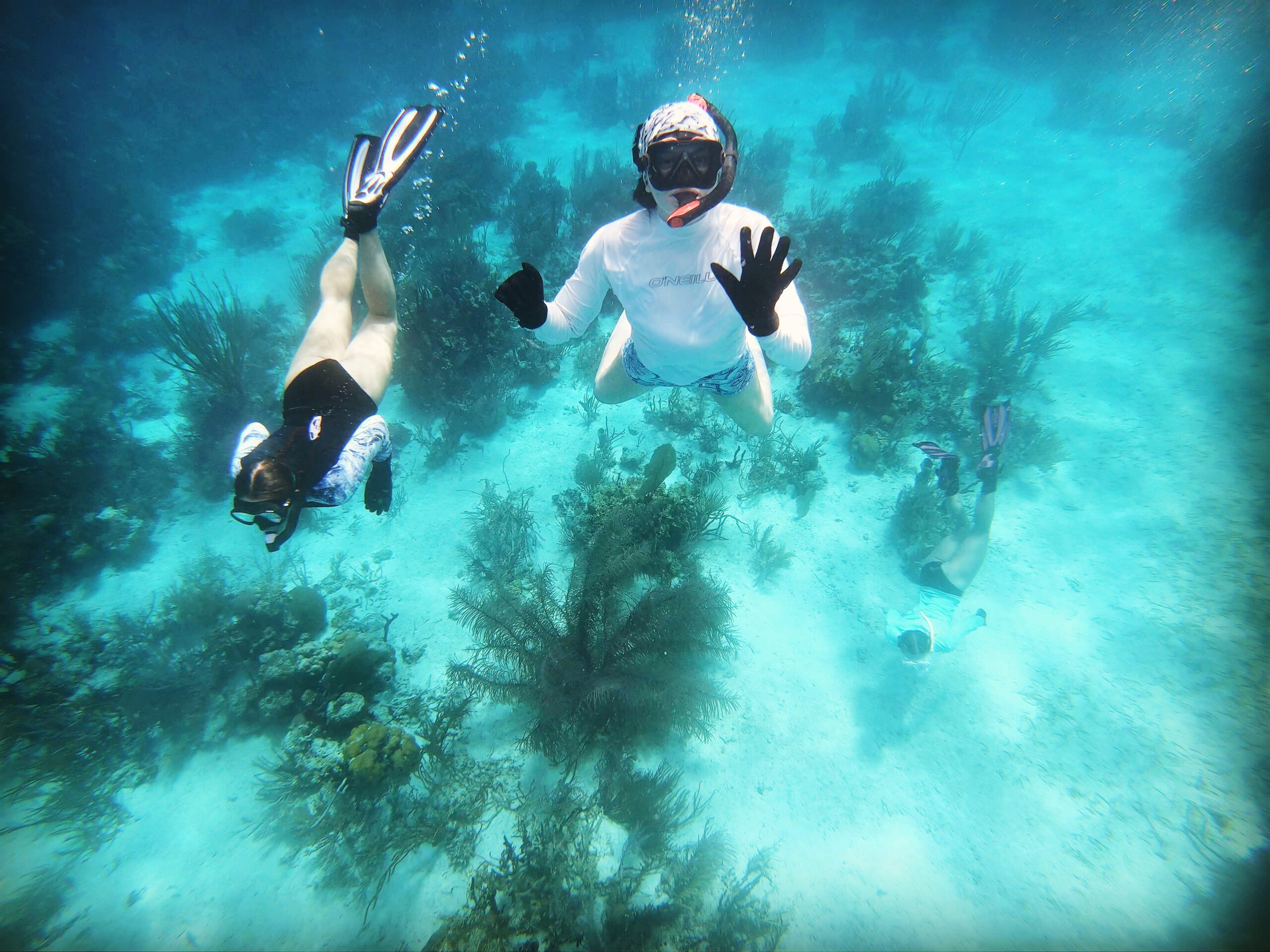
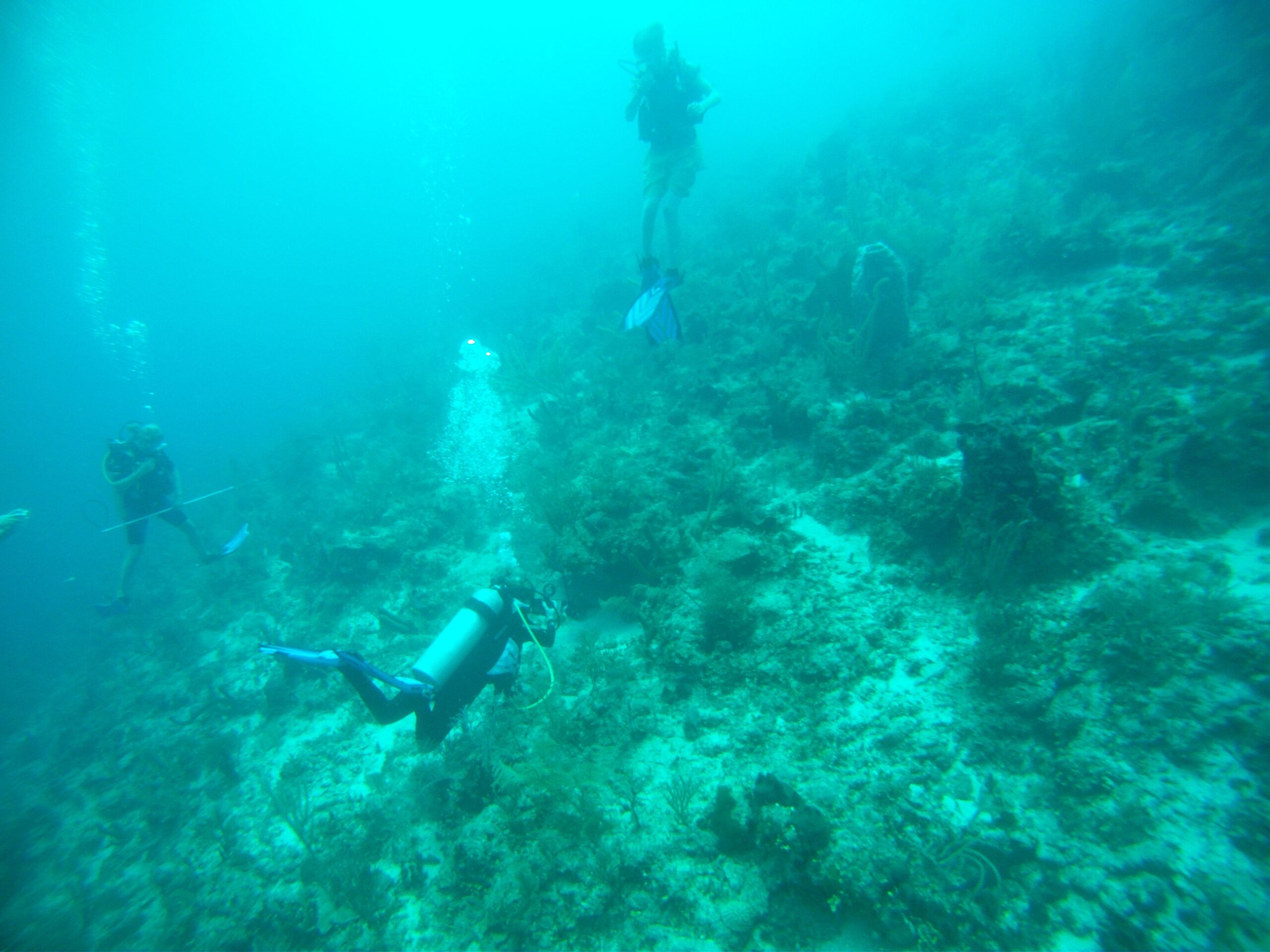
A dive may end when participants surface, but the conversations it sparks continue long after. On this Marine-focused program with Kaya, participants combine scuba diving with a closer look at Belize’s tourism industry, coastal communities, and the conservation efforts that protect its marine environments.
The program brings together two sides of the same destination: the underwater environments that attract visitors and the communities and livelihoods that make those visits possible. Through diving, cultural exchange, and field observation, participants explore marine topics alongside communication, tourism, and contemporary social issues.
Guest-led discussions introduce participants to coral reef health, mangroves, and seagrass habitats, helping them understand the environments they will encounter underwater. Open-water dives then bring those concepts to life, giving the group firsthand experience while developing practical diving skills.
Once back on shore, the conversation takes a wider view. Participants explore how dive businesses approach conservation, how tourism shapes local culture, and where commercial interests intersect with environmental responsibilities.
This connection grounds academic learning in local realities. Students experience marine tourism as visitors while also learning to examine the industry from a more critical perspective. The same activities that draw them into the water become opportunities to explore environmental, economic, and social questions.
Faculty-led discussions and debriefings bring these perspectives together. Participants have time to enjoy each dive while considering the wider industry, environment, and community behind the experience.
Close observation brings the program’s marine and social themes together.
Through organizational ethnography, students learn to study organizations by paying attention to their surroundings, objects, and everyday activities. They capture brief field notes and use a writing workshop to turn those initial observations into more detailed accounts.
The goal isn’t to turn every outing into an assignment. Instead, participants learn to look beyond general impressions and describe what they actually see and experience. They practice separating observation from interpretation and recognizing when they need more context to understand what is happening.
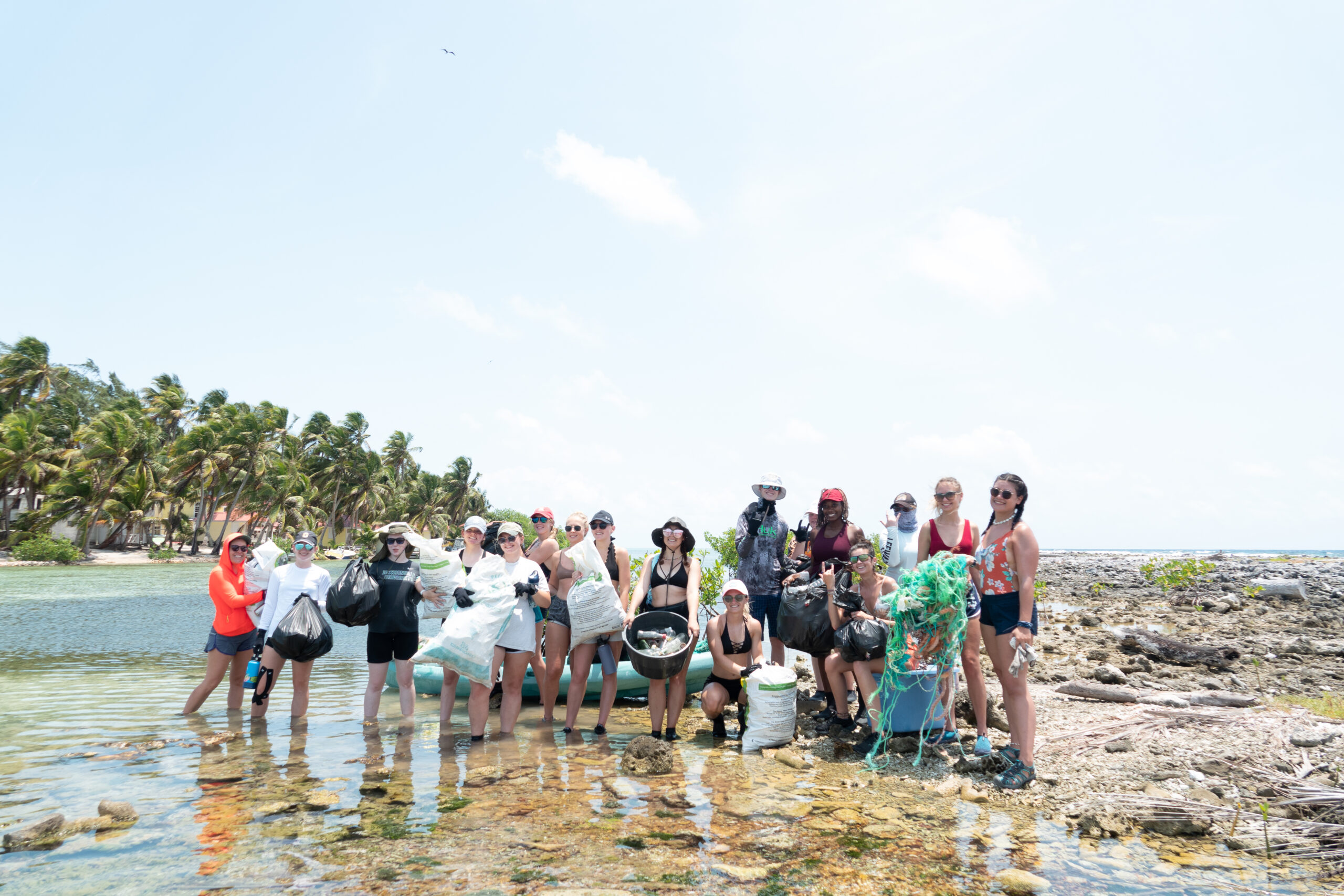
A guided coastal eco-tour gives the group an opportunity to put these skills into practice. Conversations about development, marine conservation, and community life help participants explore the destination from a wider perspective. A beach clean-up adds a practical contribution, while the guide connects the waste participants collect with broader concerns about pollution, wildlife, and the communities that depend on healthy coastlines.
Spending time with Maya and Garifuna community members introduces participants to experiences and perspectives that a dive alone could never provide.
A bean-to-bar demonstration takes the group through the process of transforming cacao into chocolate, complete with a tasting and traditional meal. A visit to a women’s craft cooperative introduces participants to the work of preserving cultural traditions while developing skills and generating income.
Garifuna cooking, drumming, dancing, and storytelling invite a different kind of participation. Preparing food together or joining a dance creates opportunities to learn through conversation and shared experiences, rather than simply listening to a presentation.
Kaya weaves these encounters into the program’s academic focus, making them an important part of the learning experience rather than optional extras. They give students real experiences to draw on when exploring how tourism presents culture, how visitors engage with local traditions, and whose perspectives shape the way people understand a destination.
These experiences also encourage participants to look beyond Belize’s reefs and beaches. They encounter distinct communities, histories, and traditions, gaining a richer understanding of a place that has far more to share than a first impression might reveal.
The program balances structured academic activities with time to explore, reflect, and enjoy life in Belize.
Through discussions and writing exercises, faculty help participants connect what they observe underwater with what they experience on shore. A dive, a shared meal, and a conversation about tourism each offer a different perspective on the same destination. Students learn to bring these experiences together while recognizing that no single encounter can represent an entire community.
Final presentations give participants an opportunity to draw together their diving concepts, practical skills, and reflections on the wider experience. Rather than simply listing the activities they completed, students develop their own interpretations of what they have seen, heard, and experienced throughout the program.
Scuba and Society gives faculty a strong foundation for an interdisciplinary group program. Marine learning remains at the heart of the experience, while tourism, communication, and cultural engagement bring additional depth and perspective.
Participants experience the excitement of diving while discovering more about the communities, environments, and industries that surround them. Learning moves between sea and shore because understanding one means looking beyond the other.
You may also be interested in
Every Kaya Customized Group Program is unique. Find inspiration below to start planning your group's journey!
 1
Together we’ll discuss your program goals and needs.
 2
With your input, we develop and fine-tune the perfect itinerary.
 3
We support institutional approvals and recruitment processes to ensure a successful launch!
 4
From pre-departure planning until your return, we’re with you every step of the way!
With a focus on experiential education and the UN Sustainable Development Goals, your group can immerse and engage with international communities and environments across the globe.