







Community Health in Zambia
- Health Sciences
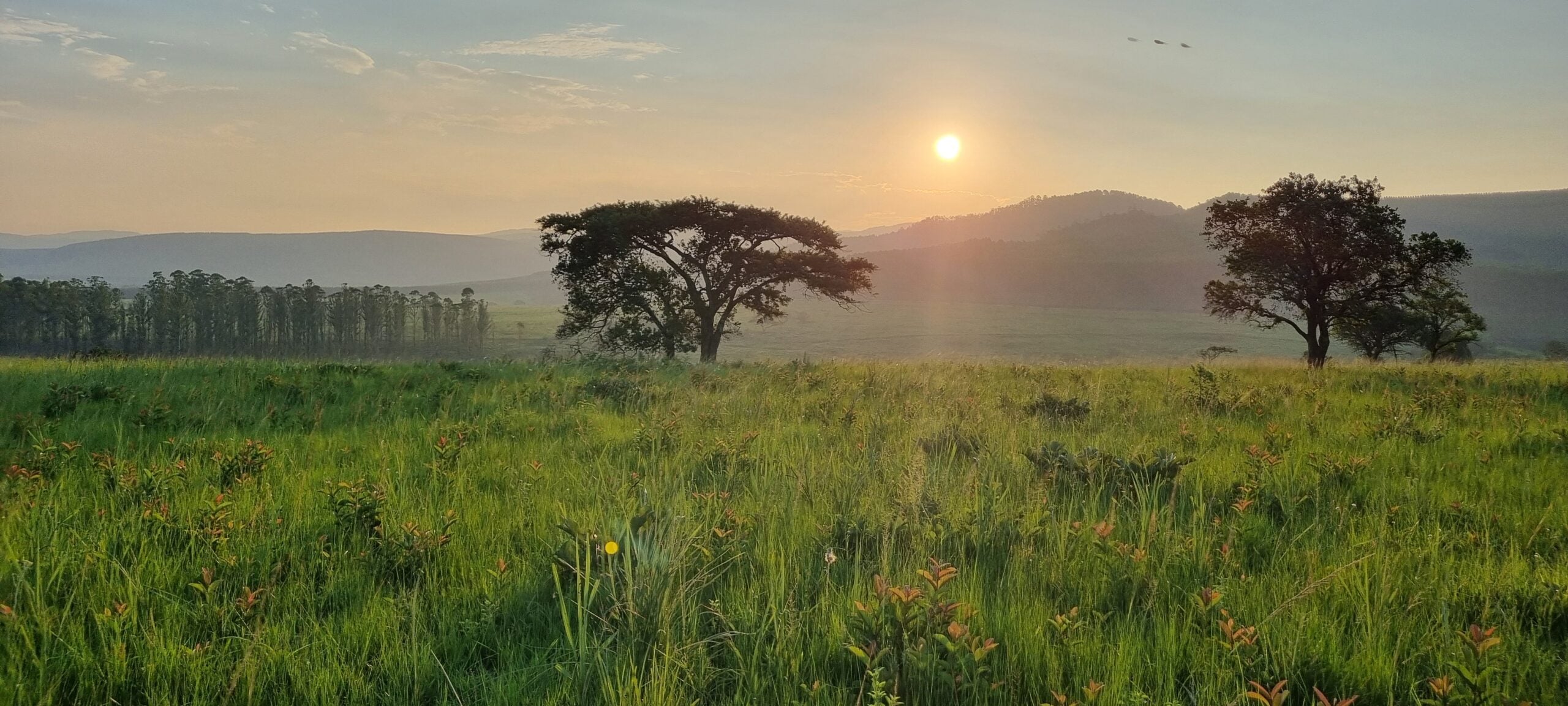
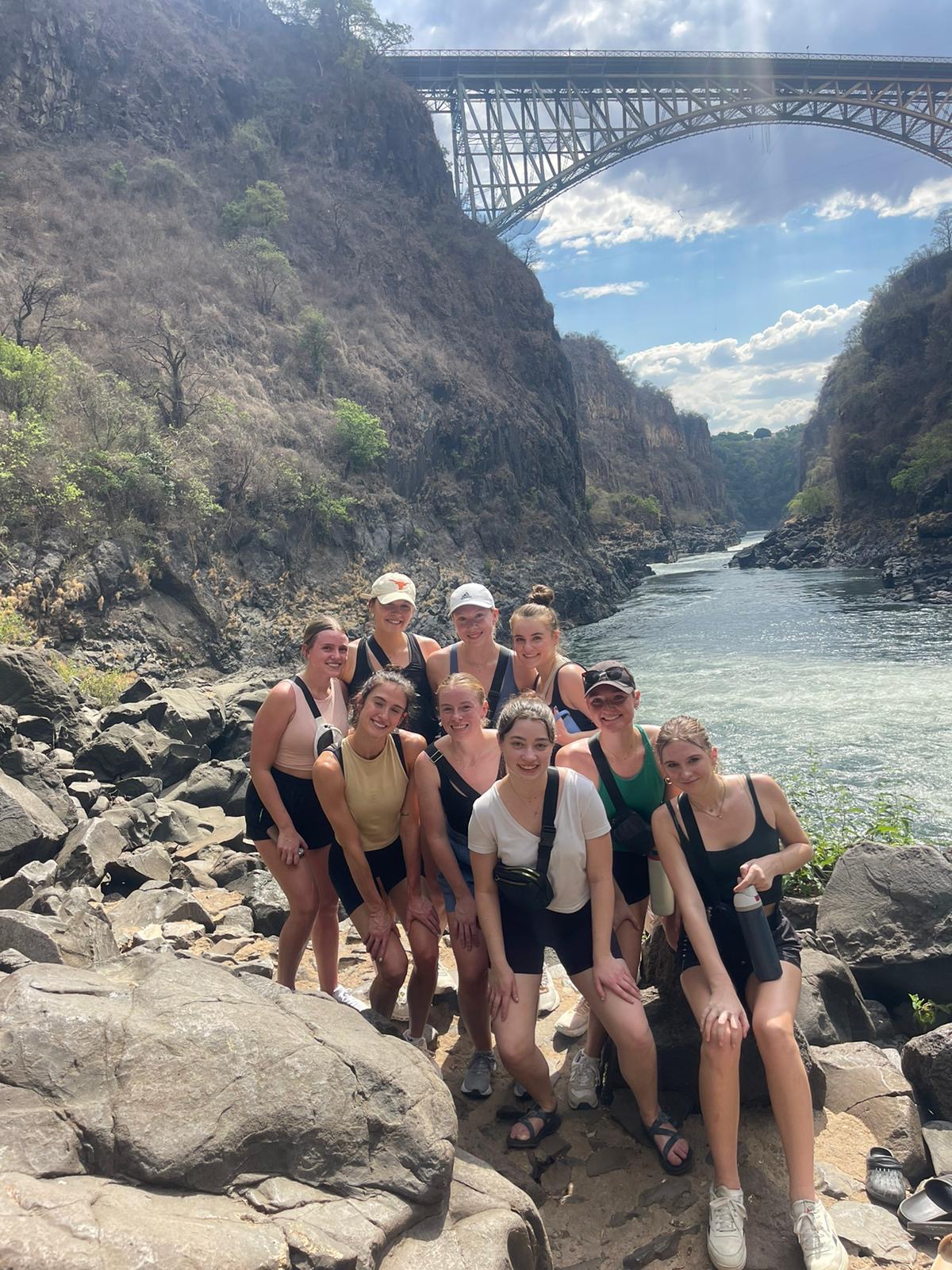
Zambia is shaped by powerful river landscapes, wide national parks, and strong community traditions across Southern Africa. The Zambezi River and Victoria Falls define the region around Livingstone, where nature, tourism, and local livelihoods meet.
Design a program hereAbout Zambia
River ecosystems and wildlife conservation shape learning across Zambia. Programs explore national parks and protected areas while examining how tourism connects with environmental management and sustainable travel. English, Bemba, and Nyanja are widely spoken, reflecting Zambia’s cultural diversity and shaping communication within community projects and everyday life.
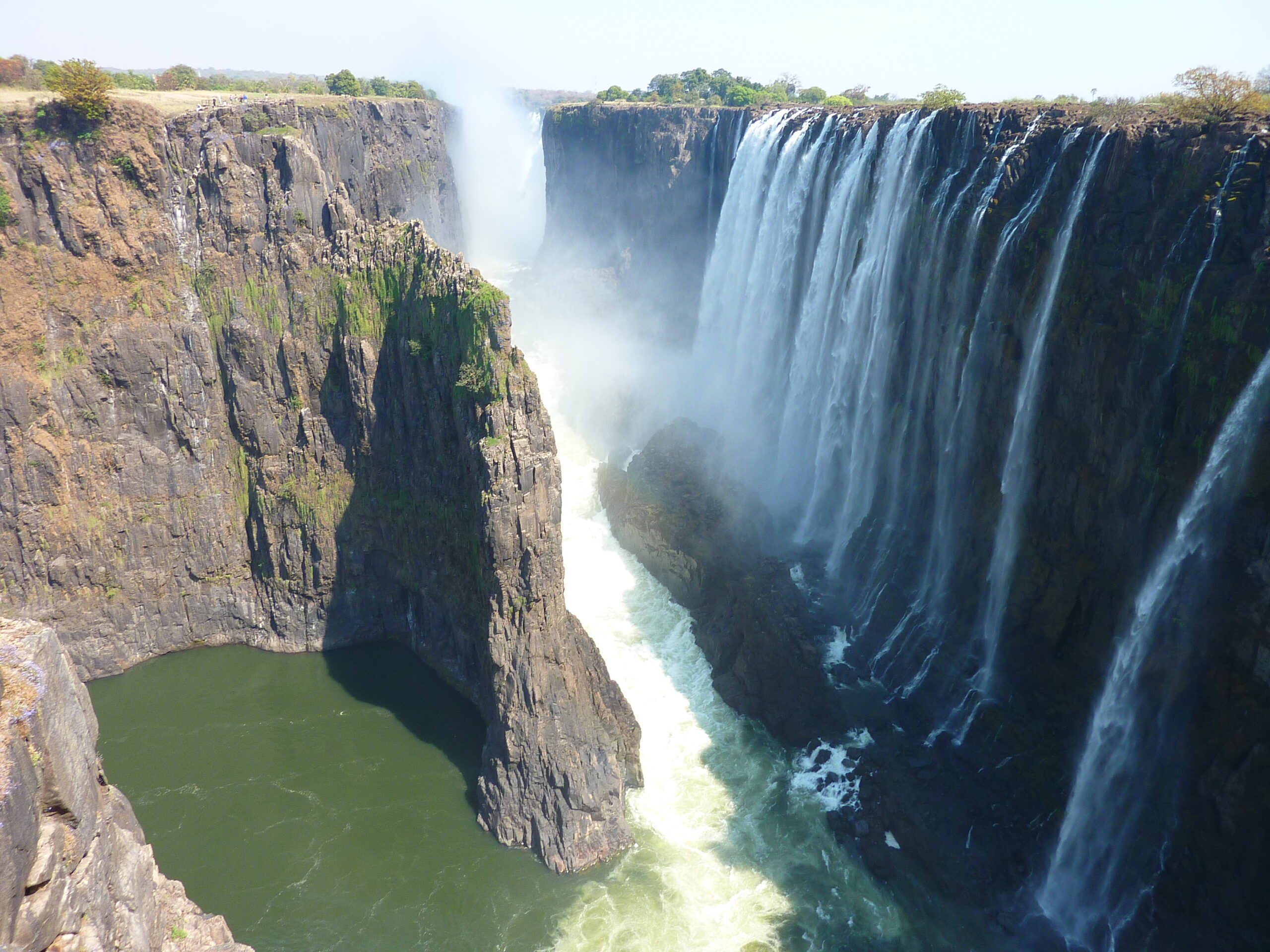
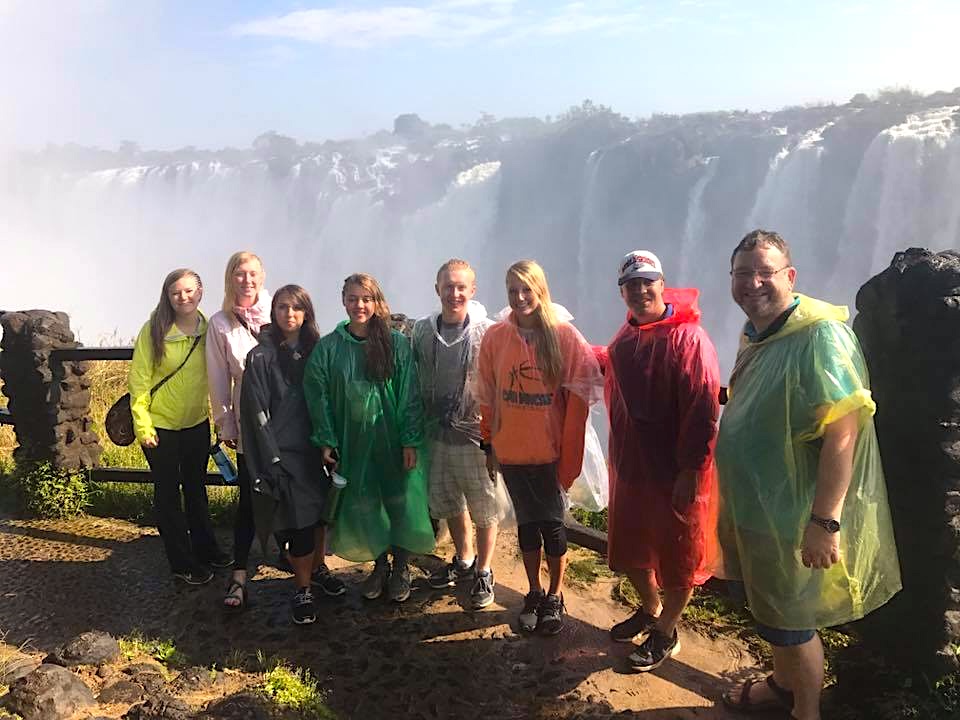
Victoria Falls and the Zambezi River offer a striking geographic context. Students consider water systems, biodiversity, and the balance between conservation and economic opportunity within one of Africa’s most iconic landscapes.
Community livelihoods and education initiatives provide a grounded perspective on development. Programs engage with local partners to understand how tourism, conservation, and social projects support long-term sustainability.
Zambia’s mining history adds another layer to learning. Students examine resource economies, environmental challenges, and the realities of development in a changing global landscape.
Across Zambia, learning often moves between river environments, wildlife areas, and community spaces. Programs focus on conservation in practice, cultural exchange, and the relationship between environment and development.
Program Themes
Discover some of the different topics and themes you can focus your program on in Zambia. If you don’t see your topic area, or you already have a ready-made itinerary, connect with the Kaya team to start a discussion!
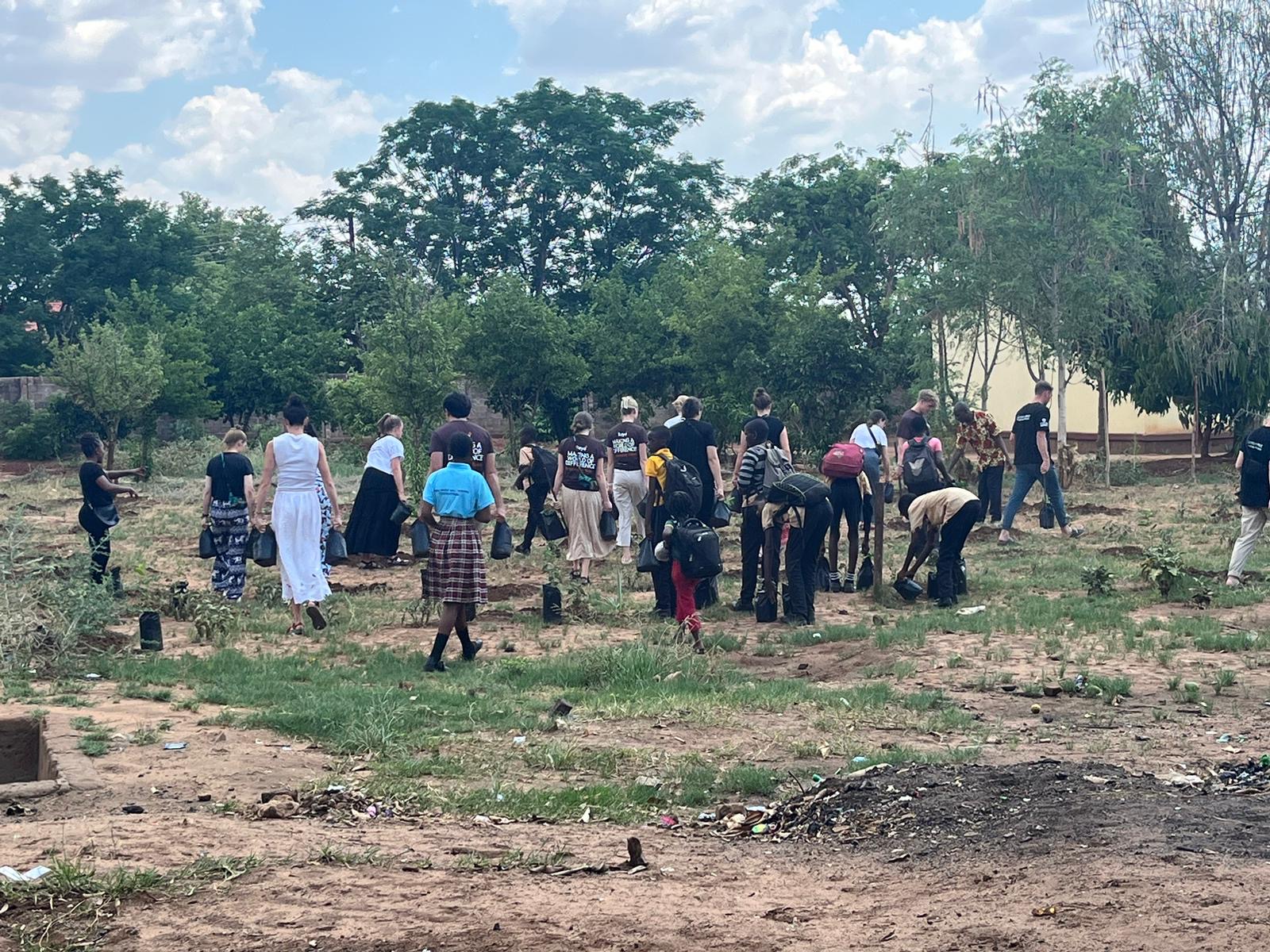
Zambia provides a strong setting for travel centered on ethical service, community-led development, and environmental responsibility. Custom group programs in the Livingstone region can combine field-based inquiry, hands-on experience, and cross-cultural immersion while examining how tourism, health, education, and conservation shape local priorities and livelihoods.
develop your own program similar to this
Education in Zambia offers a grounded context for examining literacy, numeracy, classroom practice, and equitable access to learning resources. Custom group programs bring field-based experiential learning into local schools, pairing hands-on experience with respectful cross-cultural immersion and observation of teaching approaches in English, mathematics, and science.
develop your own program similar to this
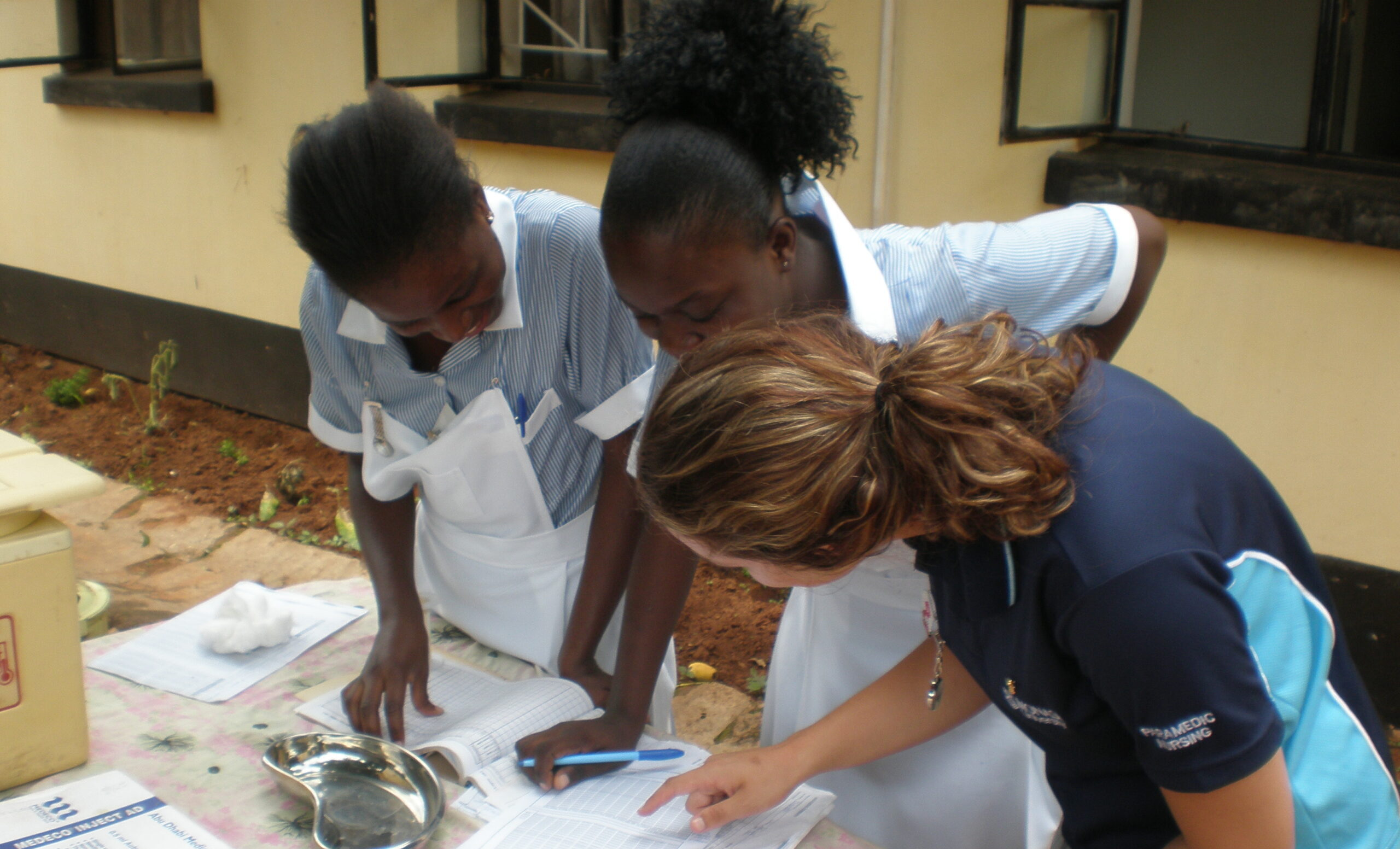
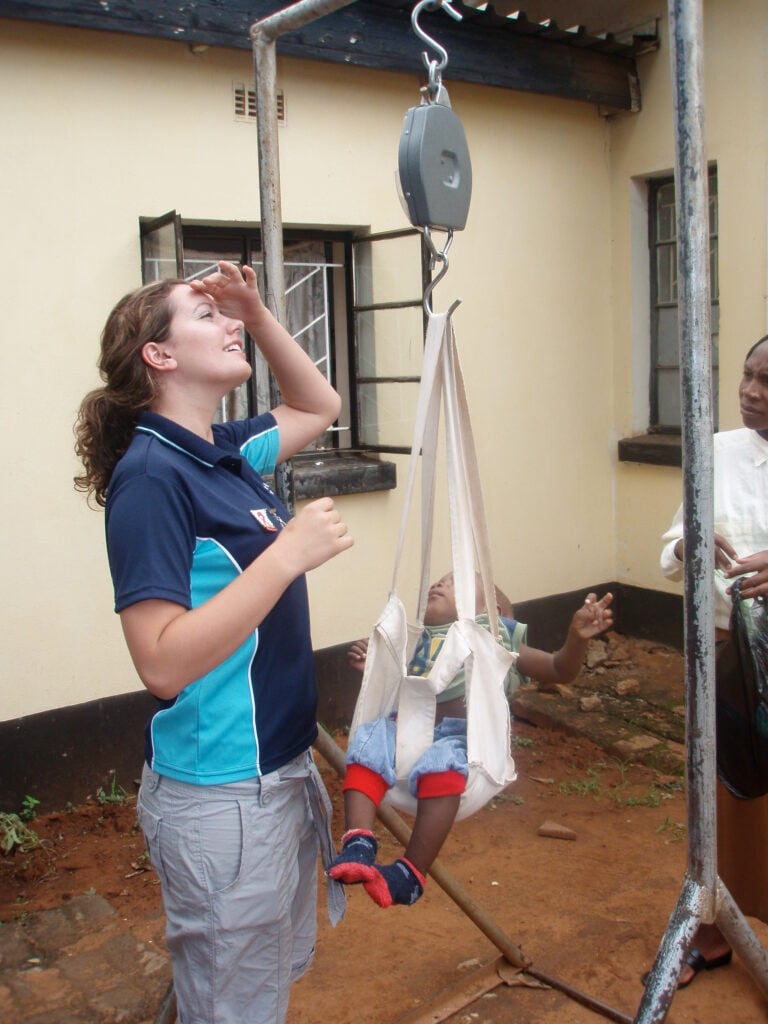
Health learning in Zambia can move beyond the clinic through direct exposure to prevention, outreach, and home-based care. Participants gain field-based, experiential learning through supervised health education, growth monitoring, pharmacy support, and observation of primary-care delivery in local communities.
develop your own program similar to this
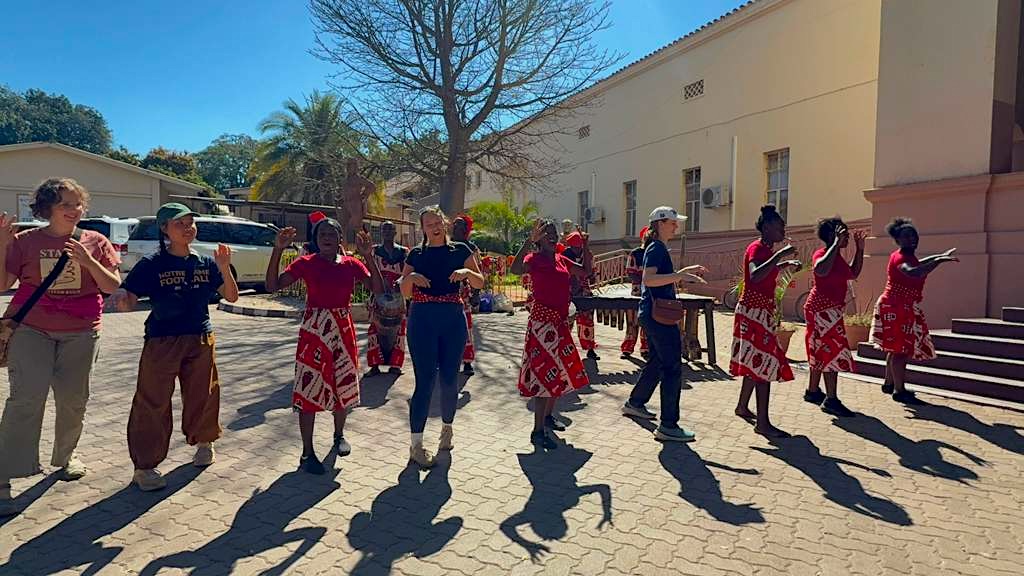
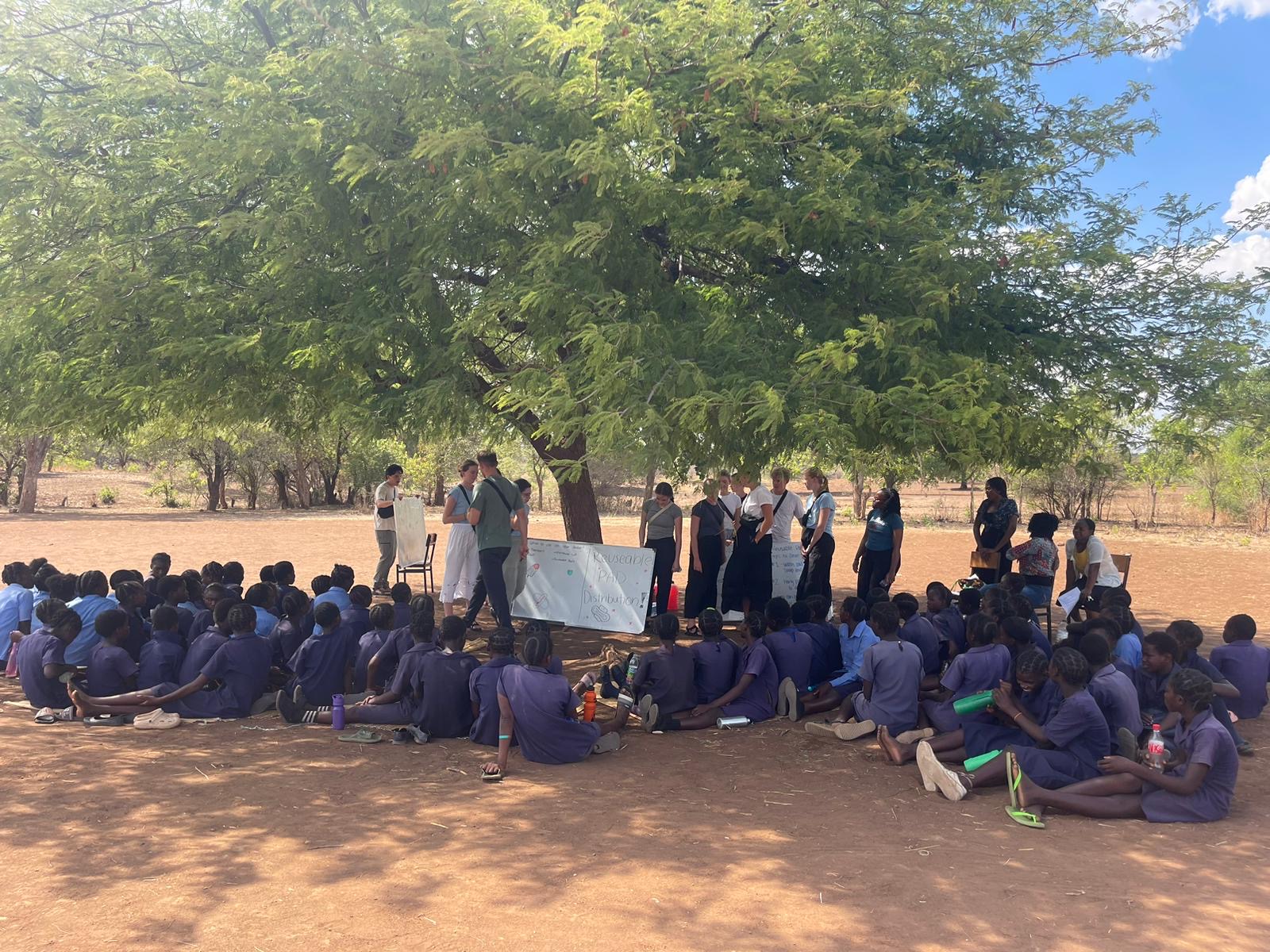
Through a gender-empowerment lens, Zambia offers an opportunity to examine how schools, families, and communities advance dignity, health, inclusion, and equal participation. Custom group programs can support field-based learning around gender-responsive education, menstrual health, nutrition, and youth leadership through carefully guided, hands-on experience and cross-cultural immersion.
develop your own program similar to this
Program ideas
Browse example itineraries and program ideas inspired by topics Kaya groups have explored over the years.
 1
Together we’ll discuss your program goals and needs.
 2
With your input, we develop and fine-tune the perfect itinerary.
 3
We support institutional approvals and recruitment processes to ensure a successful launch!
 4
From pre-departure planning until your return, we’re with you every step of the way!
FAQS
A Zambia program can connect academic learning with questions about education, social justice, health and community engagement. Kaya can work with faculty to select a focused theme or link related subjects, using local perspectives and structured reflection to help students examine issues beyond their own experiences.
Kaya can work with faculty to shape learning around public health or nursing course objectives, with opportunities determined by local partners, student preparation and available supervision. The emphasis is on understanding health priorities and professional responsibilities, without assuming clinical access, direct patient care or activities beyond students’ competence.
An alternative break becomes service learning when appropriate participation connects with learning objectives, preparation and reflection. Kaya works with faculty and local partners to identify suitable involvement, emphasizing reciprocity, host priorities and realistic expectations about what a visiting group can contribute during a short stay.
Students can use education as a starting point for considering questions about access, opportunity and participation. Guided discussion and reflection can help them compare perspectives without assuming that familiar approaches apply everywhere. Any engagement with educational settings should respect local expertise, safeguarding requirements and host priorities.
Testimonials
With a focus on experiential education and the UN Sustainable Development Goals, your group can immerse and engage with international communities and environments across the globe.