









Geology, Conservation, and Culture in Eswatini
- Biology, Environmental Science & Sustainability
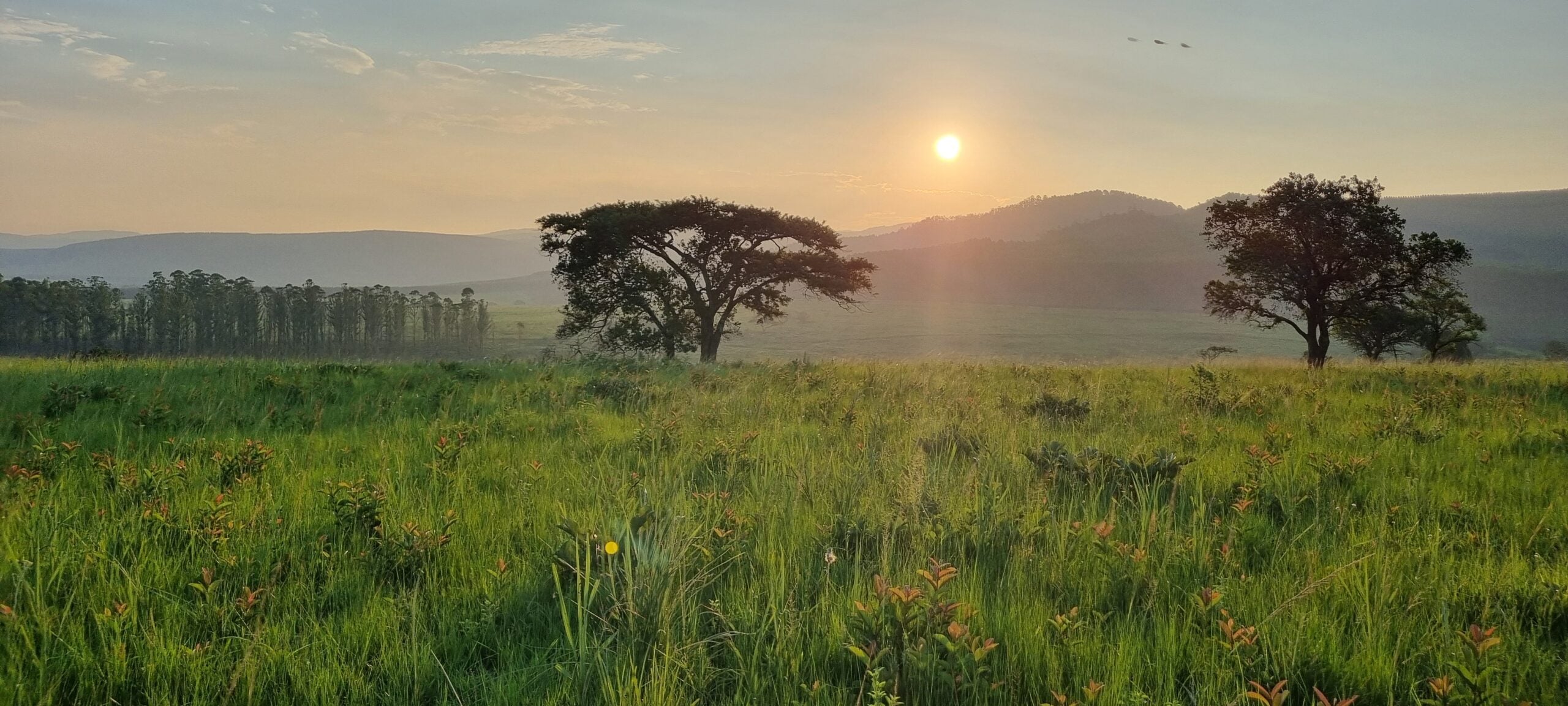
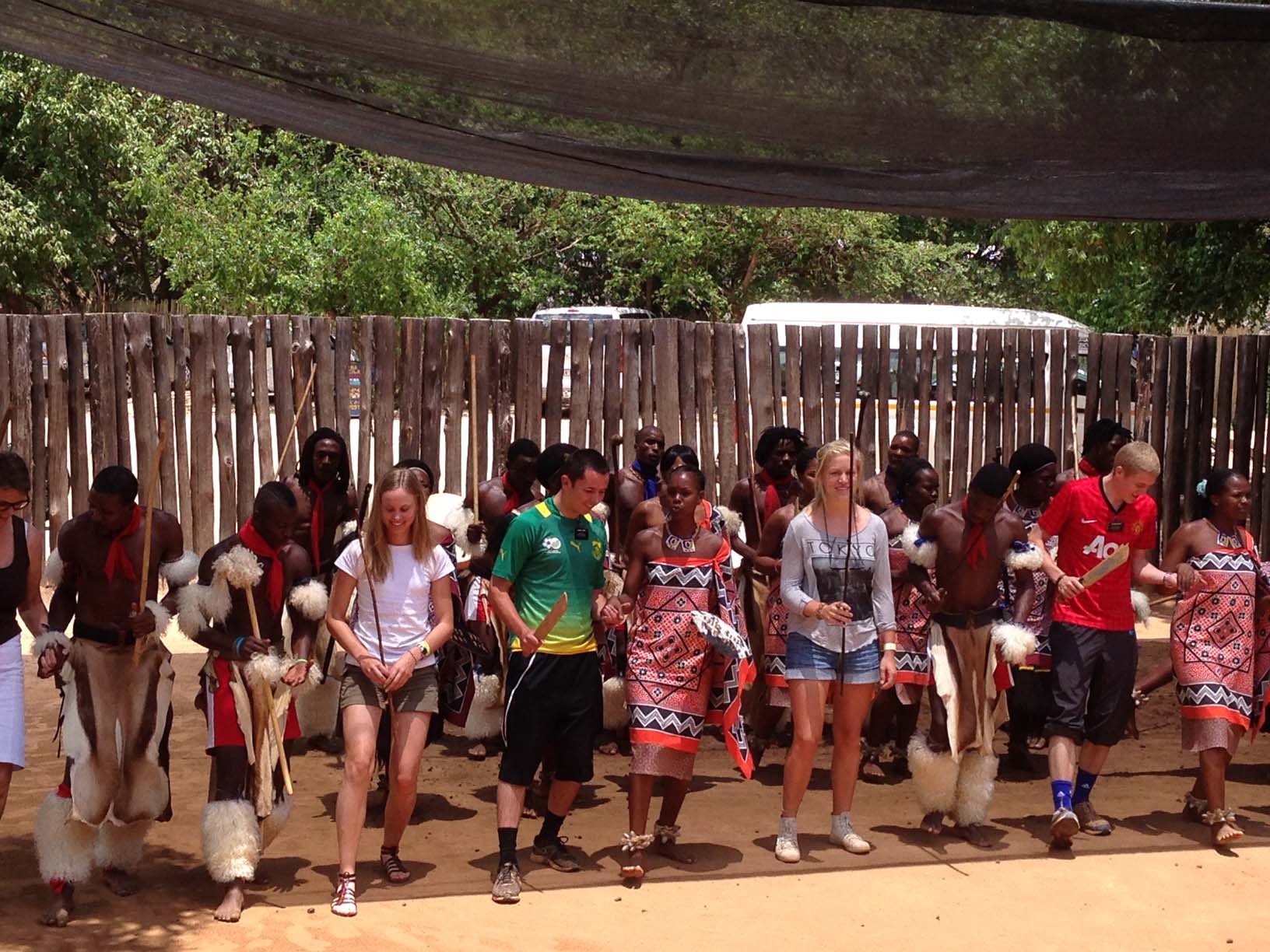
Eswatini is a small, landlocked kingdom in Southern Africa shaped by strong traditional leadership and vibrant cultural heritage. Rolling rural landscapes, close-knit communities, and long-standing customs create a unique setting to explore identity, development, and everyday life. English and siSwati reflect the country’s cultural continuity and evolving social landscape.
Design a program hereAbout Eswatini
Nature and conservation shape learning across Namibia. Programs explore protected areas, wildlife management, and community conservancies that balance environmental protection with local livelihoods.
Desert ecosystems offer a powerful context for field-based learning. Students examine desert-adapted species such as elephants while exploring sustainability challenges in fragile environments shaped by climate and isolation.
History also plays a visible role in Namibia’s identity. German colonial legacies influence architecture, culture, and social dynamics, offering opportunities to examine how past and present intersect in everyday life.
Adventure travel and safari culture are part of Namibia’s global reputation. Programs consider how tourism supports conservation while raising questions about sustainability, access, and environmental responsibility.
In Namibia, learning often takes place in wide open landscapes where conservation and community meet. Kaya works with local partners and faculty to create experiences grounded in environmental awareness and real-world conservation practice.
Program Themes
Discover some of the different topics and themes you can focus your program on in Eswatini. If you don’t see your topic area, or you already have a ready-made itinerary, connect with the Kaya team to start a discussion!
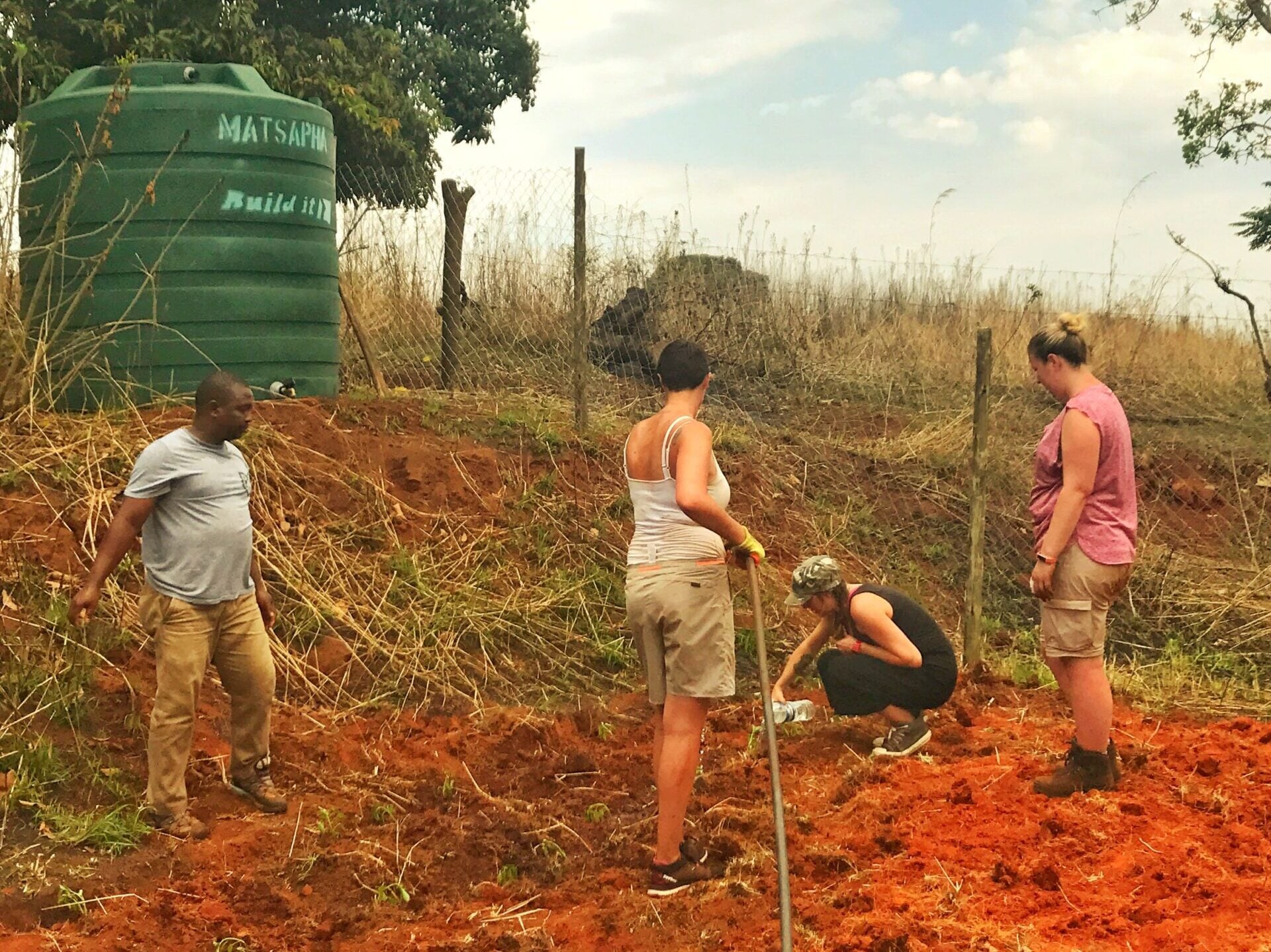
Eswatini offers a practical lens on agriculture and food security across community gardens, small enterprises, plantations, and food-processing operations. From permaculture and local vegetable production to coffee, chilli products, sugar cane, fruit canning, and forestry, the country connects farming with livelihoods, poverty reduction, local markets, and environmental stewardship.
develop your own program similar to this
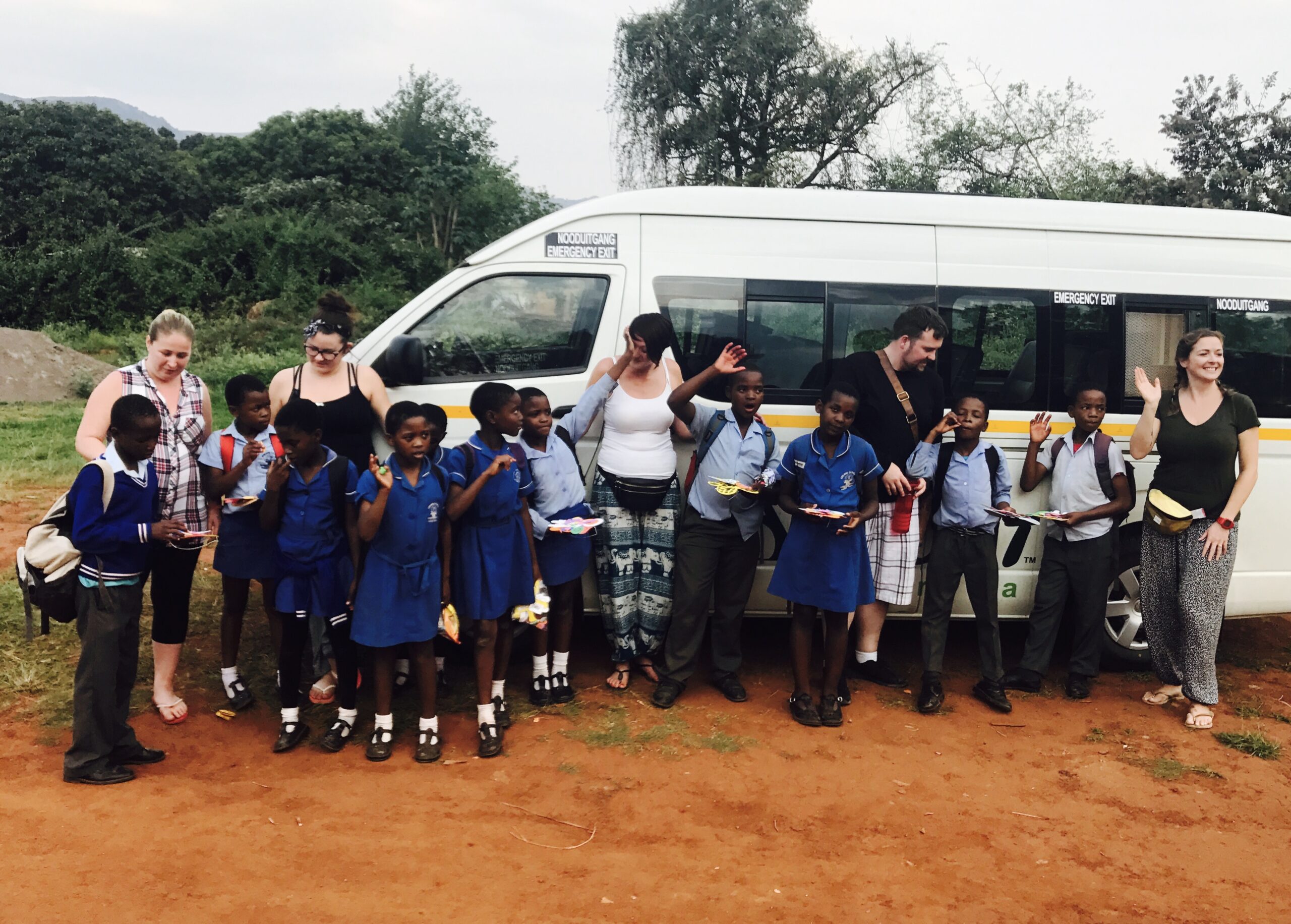
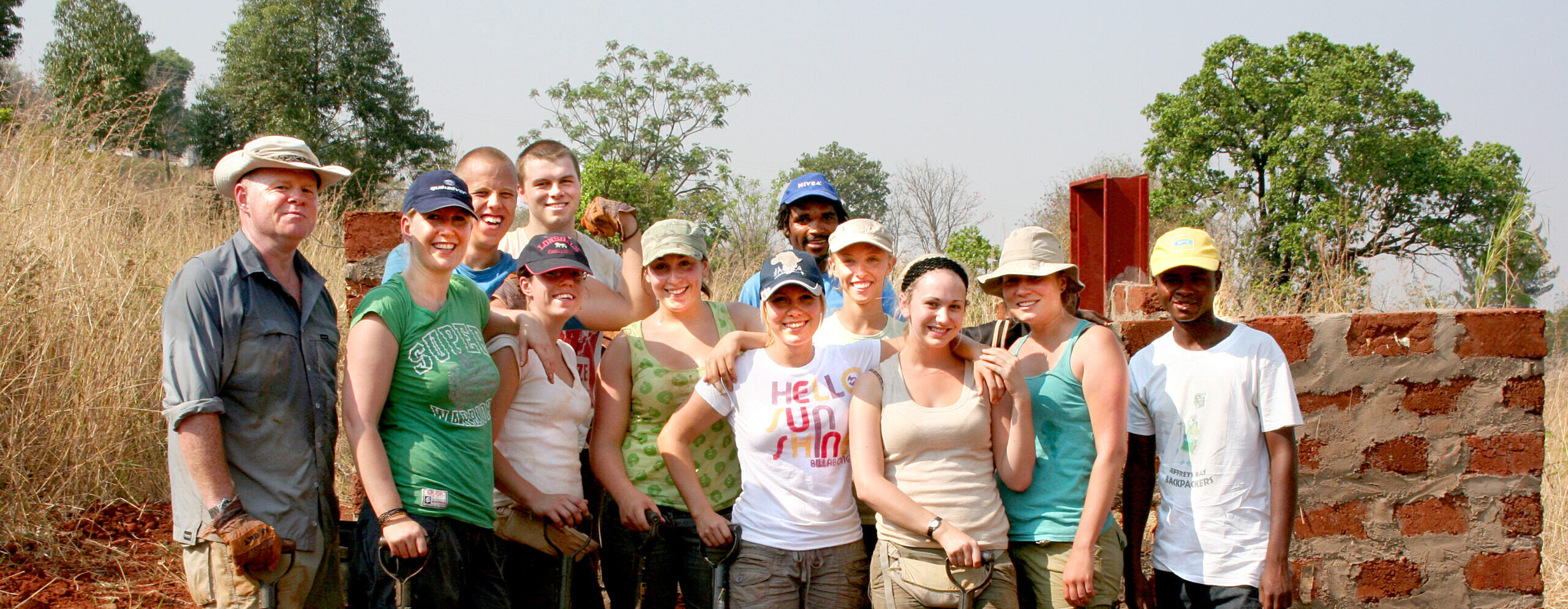
Eswatini provides a community-centered context for service learning through local education, food security, poverty reduction, and social-enterprise initiatives. Cultural learning, volunteer work, and sustained engagement with local projects offer a practical way to examine how communities respond to local needs through collaboration, skills development, and long-term support.
develop your own program similar to this
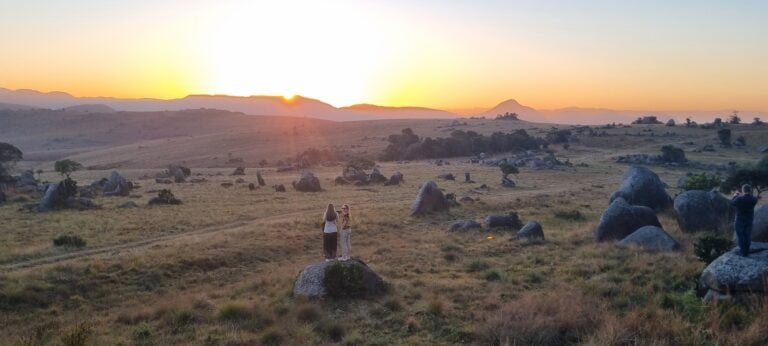
Eswatini’s savannah ecosystems provide a field-based context for studying wildlife ecology, conservation research, habitat restoration, and invasive species. Research presentations, monitoring activities, and local conservation education connect the ecology of iconic species with practical efforts to understand and protect changing landscapes.
develop your own program similar to this
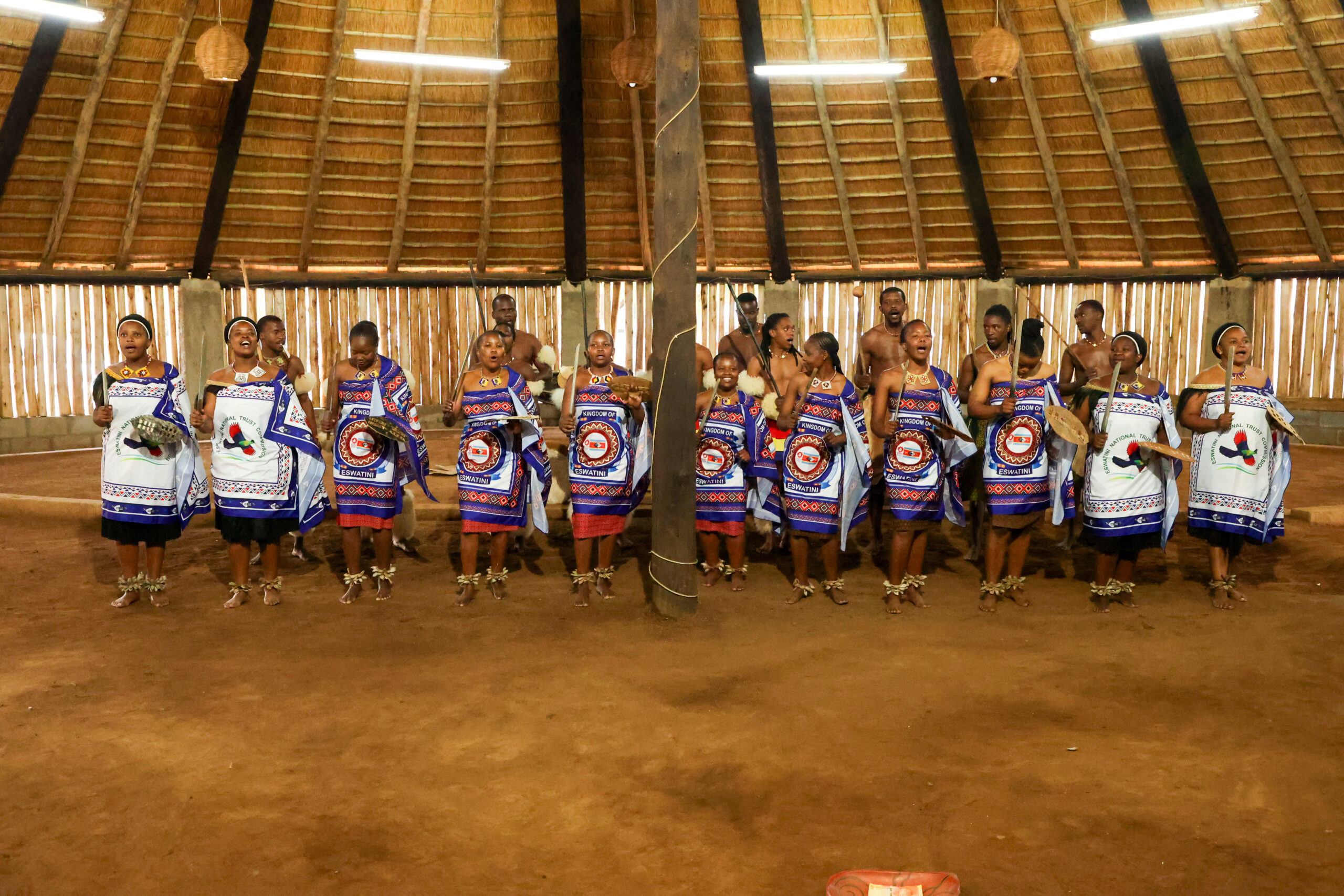
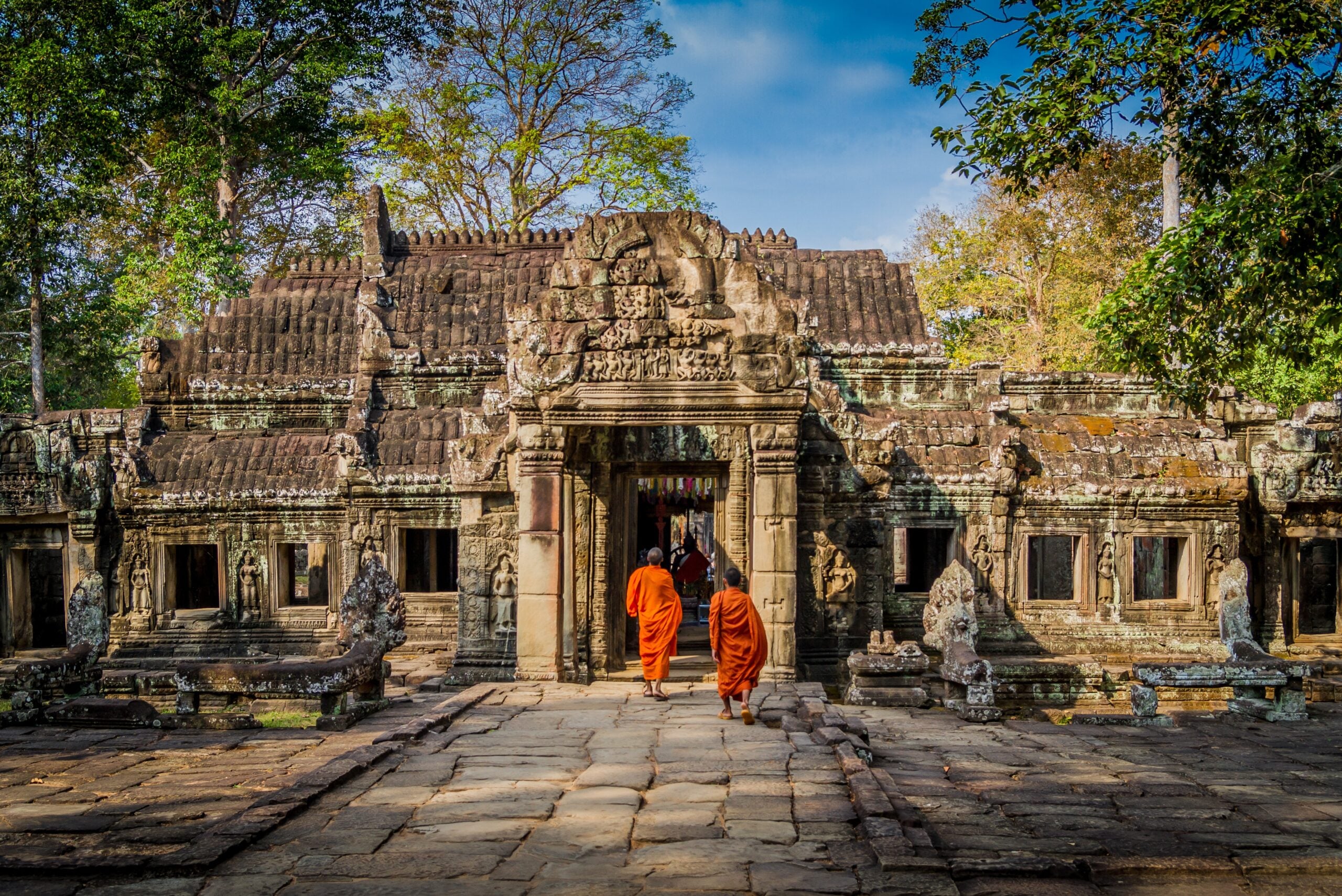
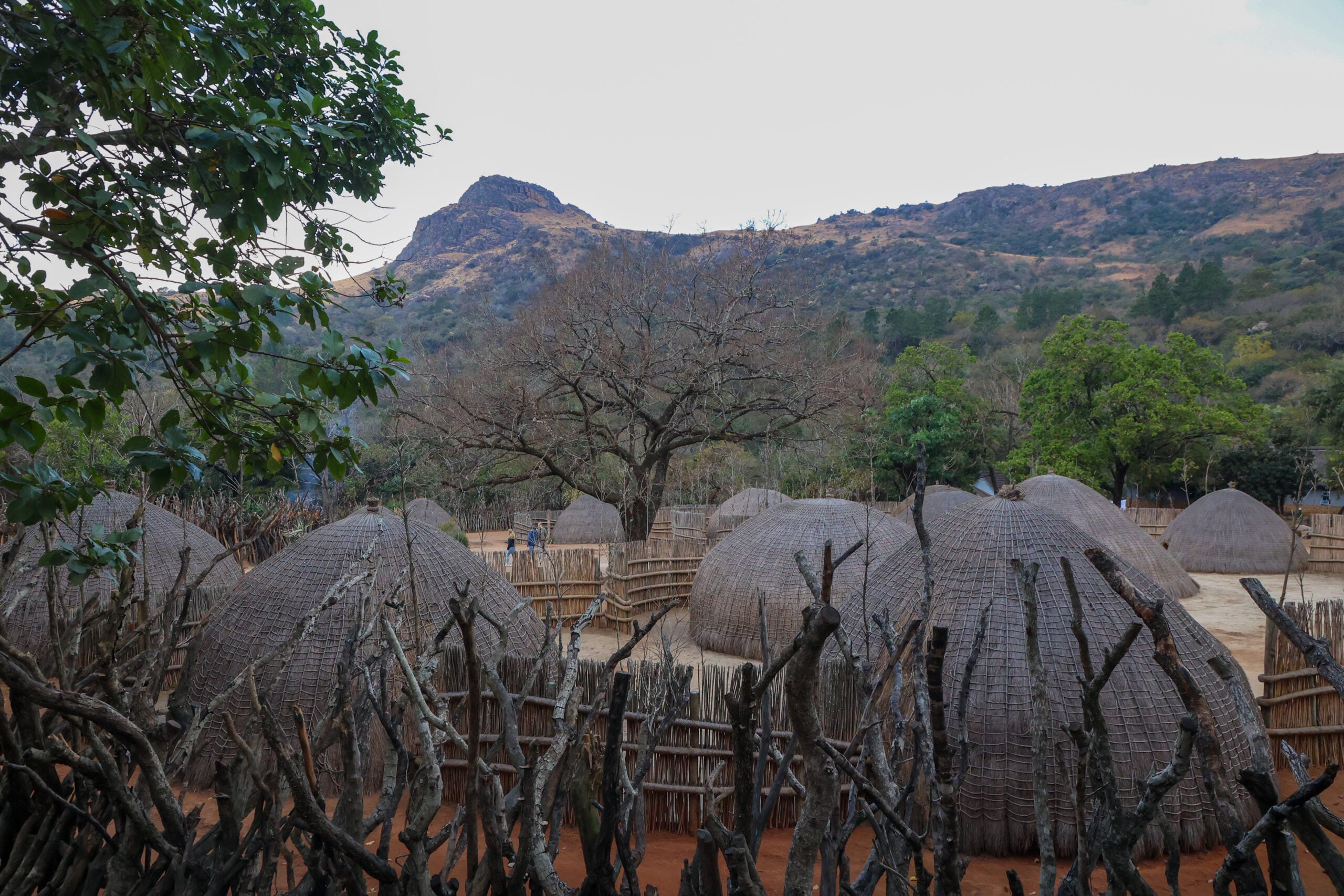
Eswatini offers a distinctive setting for tracing how land, cultural identity, artistic practice, and community livelihoods have evolved together. Custom group programs can combine field-based experiential learning with heritage interpretation, creative workshops, and cross-cultural immersion in landscapes shaped by agriculture, conservation, tradition, and development.
develop your own program similar to this
Program ideas
Browse example itineraries and program ideas inspired by topics Kaya groups have explored over the years.
 1
Together we’ll discuss your program goals and needs.
 2
With your input, we develop and fine-tune the perfect itinerary.
 3
We support institutional approvals and recruitment processes to ensure a successful launch!
 4
From pre-departure planning until your return, we’re with you every step of the way!
FAQS
Kaya can work with faculty and educational group leaders to plan programs suited to their students’ academic backgrounds and learning goals. An Eswatini itinerary can introduce a new subject or deepen existing coursework through relevant field experiences, cultural learning and guided reflection.
These themes can provide complementary perspectives on how people use resources, sustain livelihoods and maintain cultural practices. Faculty can choose a shared question to guide the program, with Kaya helping identify appropriate experiences that connect disciplines without trying to cover every subject in one itinerary.
A thoughtfully planned alternative break makes time to understand the context of any activities, not just take part. Kaya works with group leaders and local partners to shape suitable involvement, combining preparation and reflection with respectful participation that recognizes hosts’ expertise, priorities and capacity.
Learning objectives guide the itinerary alongside local partners’ availability and the group’s practical needs. Kaya discusses participant requirements, activities and supervision with group leaders, working with the on-site team on relevant health guidance, transport and emergency arrangements to prioritize safety throughout the program.
Testimonials
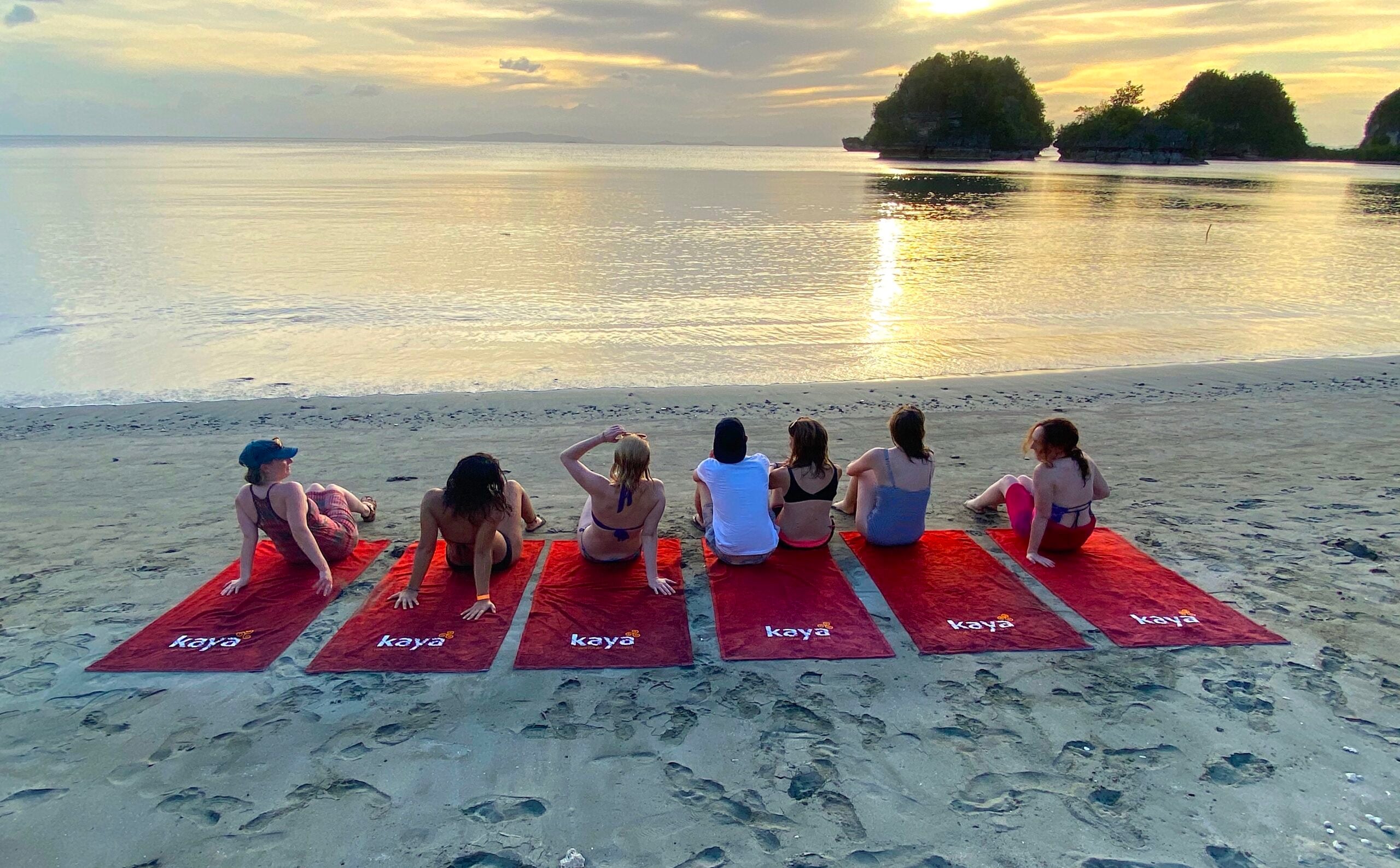
With a focus on experiential education and the UN Sustainable Development Goals, your group can immerse and engage with international communities and environments across the globe.