








Scuba and Society in Belize
- Biology, Environmental Science & Sustainability
- Marine Sciences
Marine science and ocean conservation play a critical role in understanding marine biodiversity, coastal ecosystems, and the relationships between oceans, climate systems, and human societies.
Design a program hereAbout Marine Science
From coral reef ecosystems and mangrove habitats to fisheries and food security systems, the field examines how marine environments are studied, protected, and sustainably managed. For faculty and students working in this area, marine science brings together marine ecology, oceanography, coastal resource management, and the policies shaping marine protected areas and ocean sustainability.
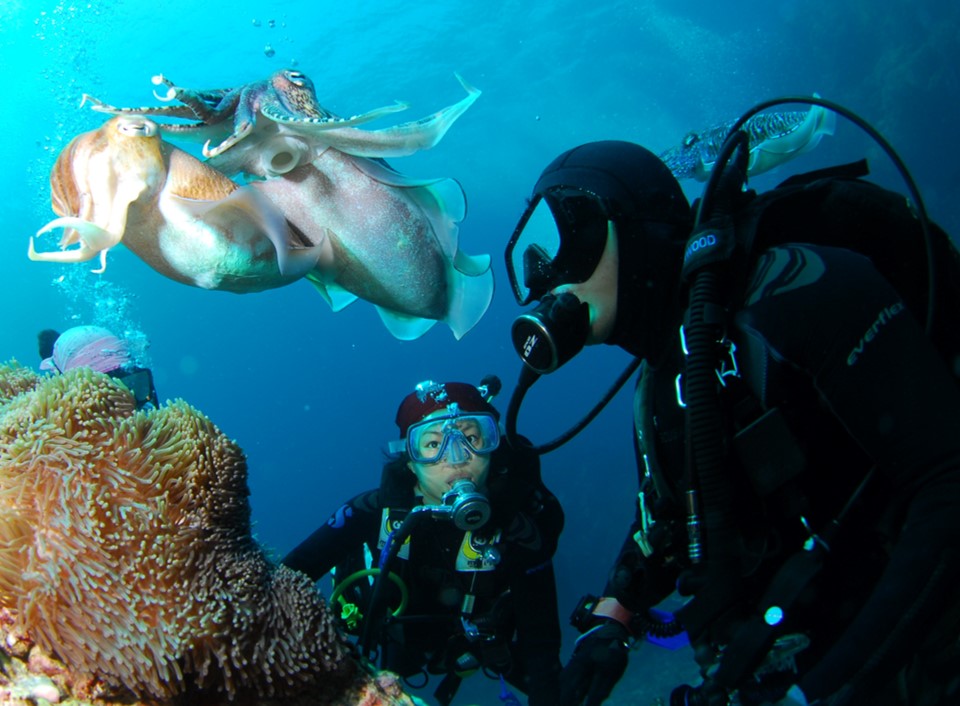
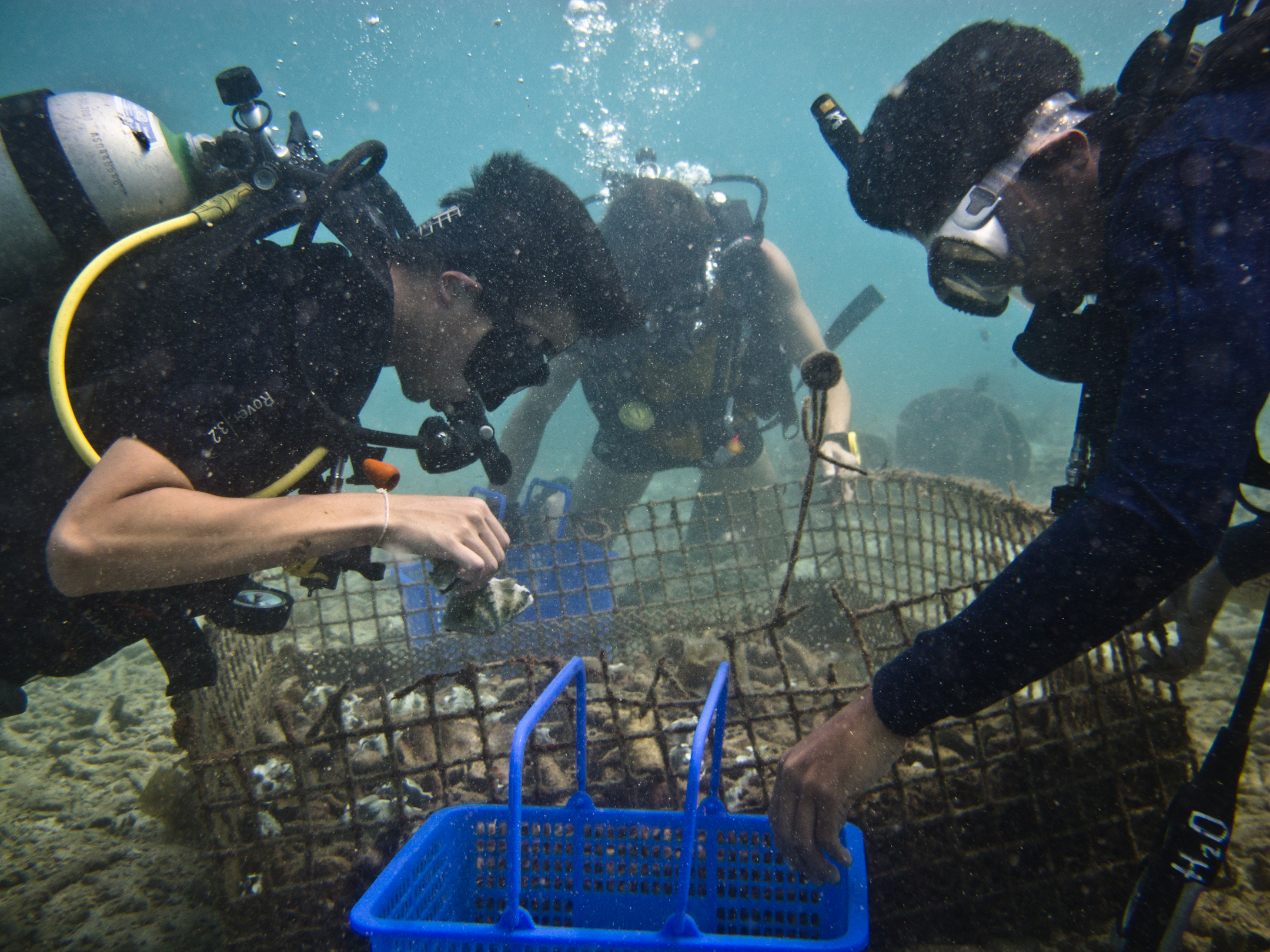
Kaya’s marine conservation programs abroad provide opportunities for coastal and marine field study within diverse ocean environments. Students engage in marine biodiversity study and coral reef research programs while examining climate change and ocean systems, sustainable tourism, and community-based conservation. Through field observation, ecological surveying, and activities such as scuba diving or snorkeling, participants gain insight into marine ecosystems and the environmental and social systems shaping ocean sustainability.
 Academic themes

Program Themes
Discover how this academic area takes shape in each destination. If you don’t see your country, or you already have an itinerary, connect with the Kaya team to start a discussion.
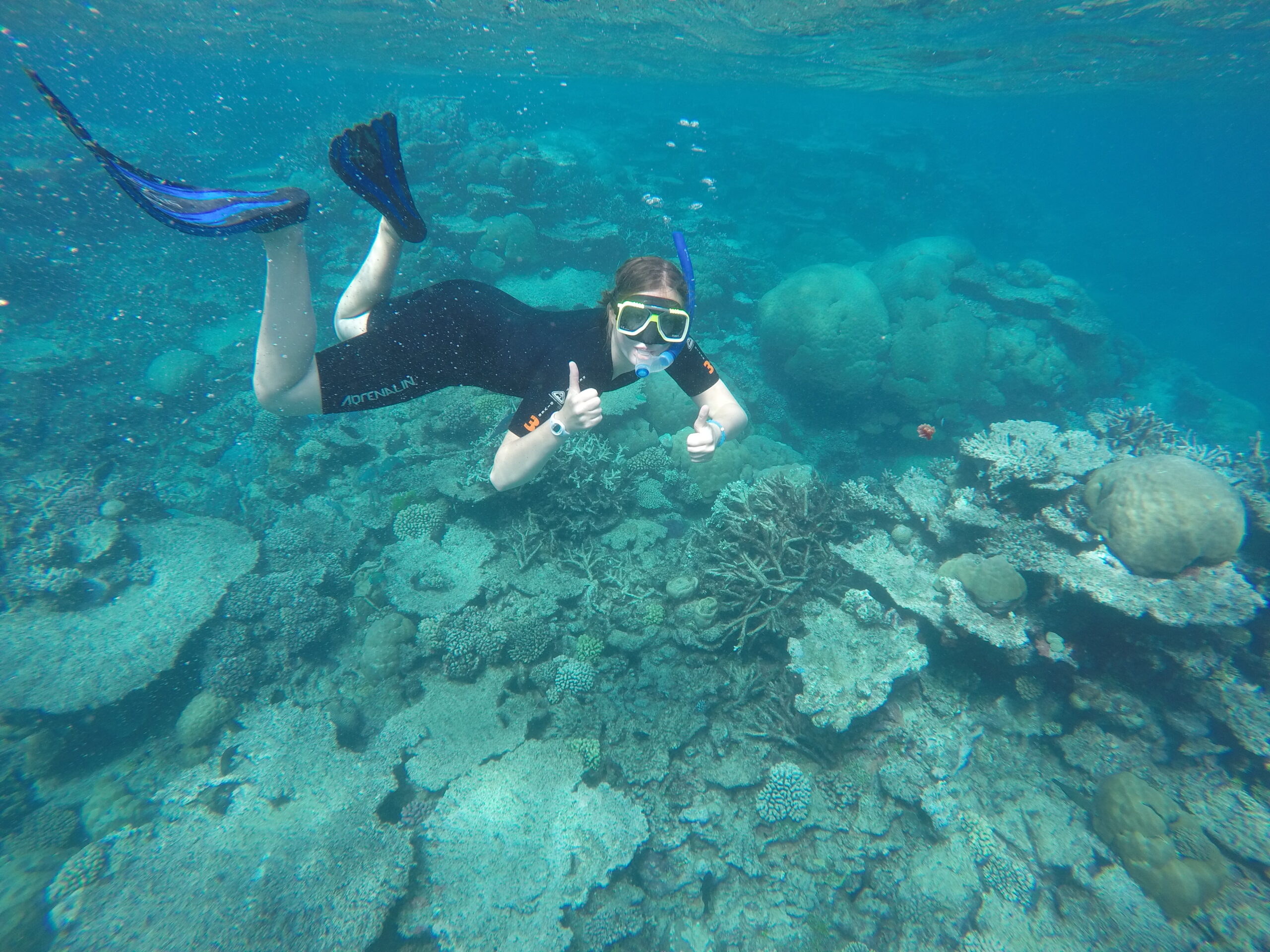
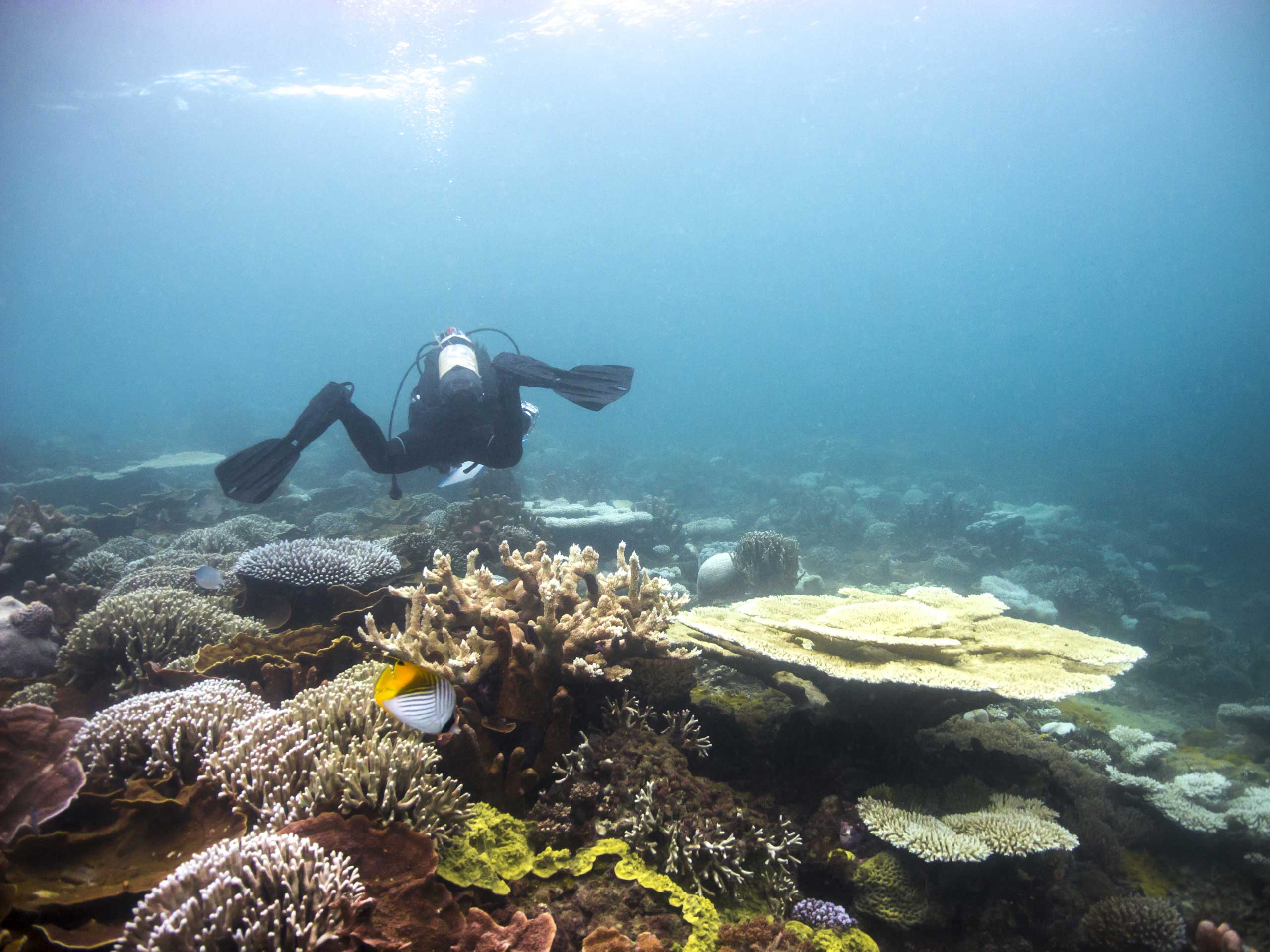
The Great Barrier Reef and adjoining tropical catchments make Australia a powerful setting for examining ocean science in action. Custom group programs can combine field research, citizen science, and hands-on experience with marine professionals and Traditional Owners, linking reef ecology to conservation, tourism, climate, and coastal decision-making.
develop your own program similar to this
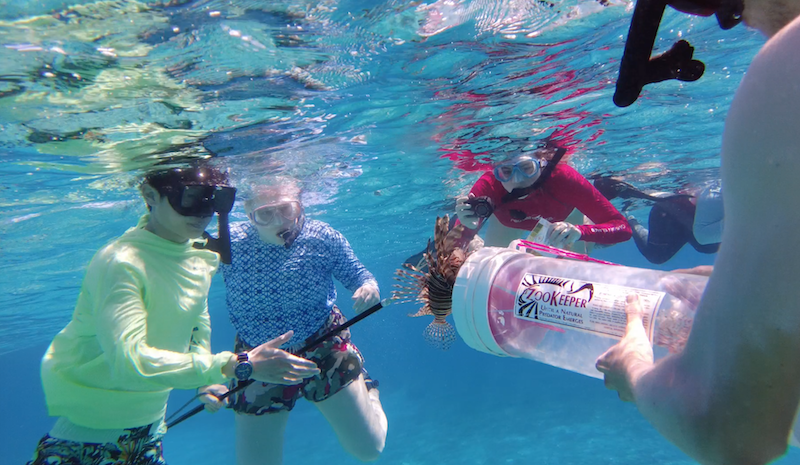
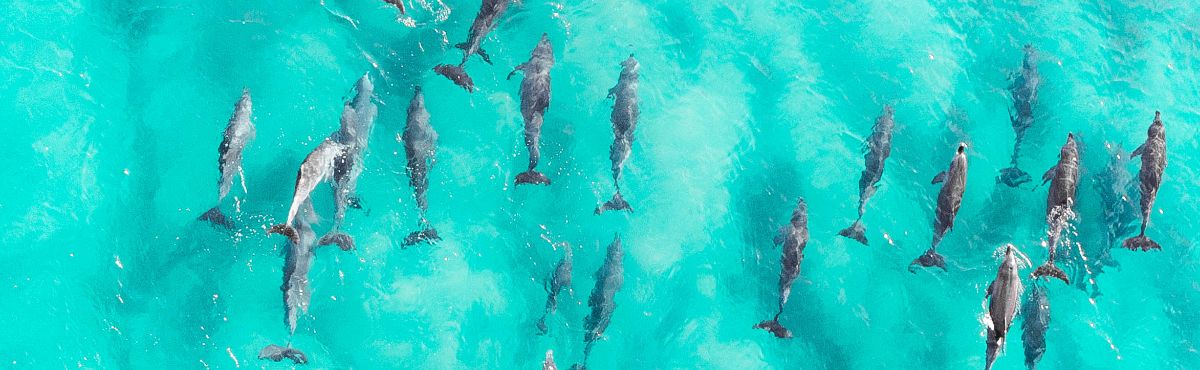
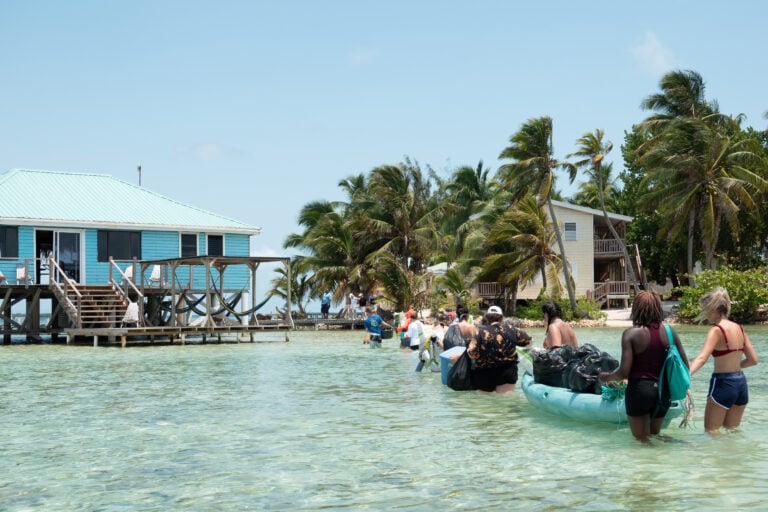
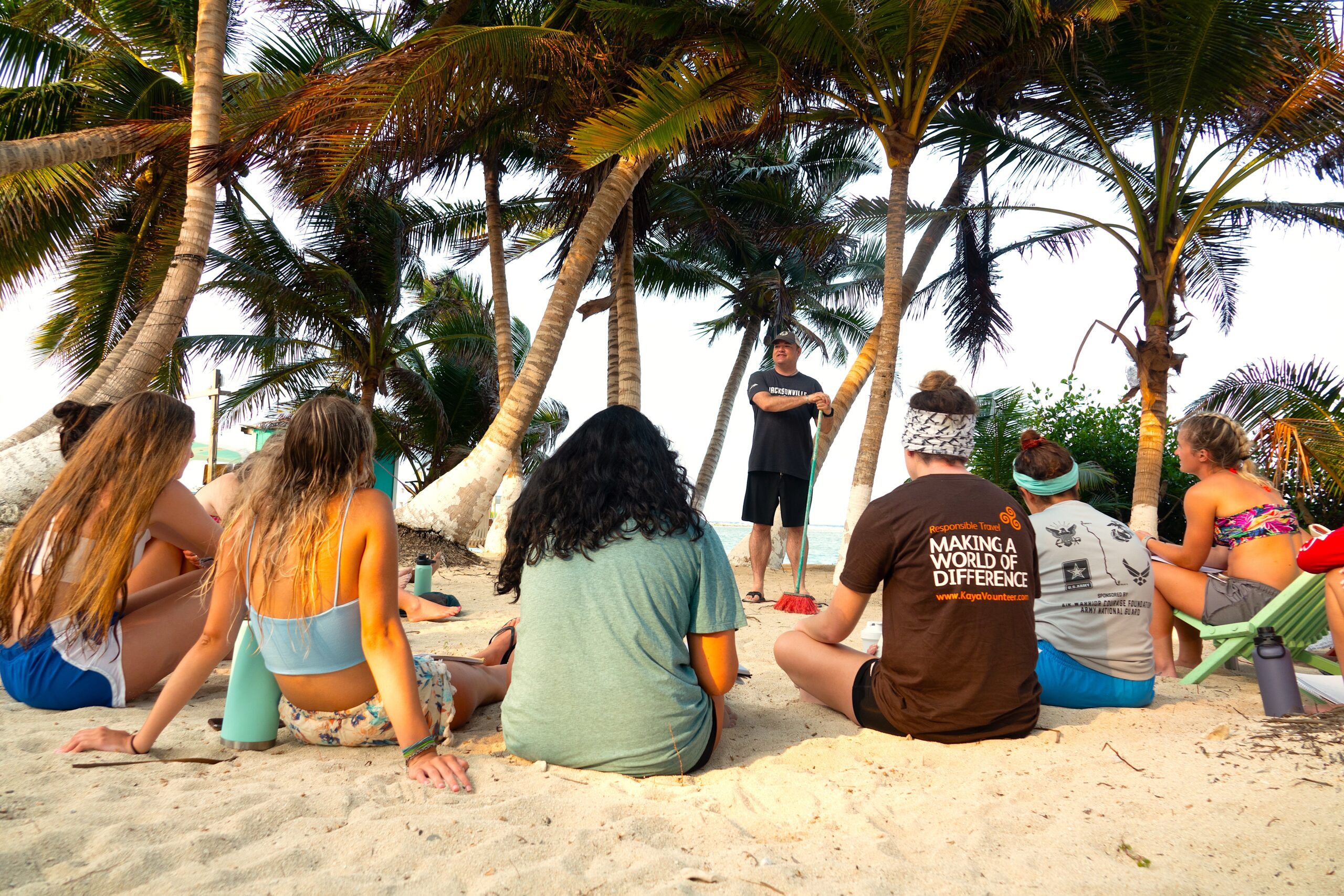
Belize’s barrier reef creates an exceptional outdoor laboratory for examining coral health, invasive species, pollution, and climate resilience. Custom group programs bring marine science beyond the classroom through field-based research, snorkeling surveys, and hands-on experience in coral reef, seagrass, and mangrove ecosystems.
develop your own program similar to this
From coral reefs and seagrass meadows to mangrove-fringed coastlines, Borneo offers a dynamic marine setting for investigating biodiversity, coastal livelihoods, and climate resilience. Through field-based experiential learning and hands-on experience, custom group programs can connect marine science with field research, conservation practice, and cross-cultural immersion in coastal communities.
develop your own program similar to this
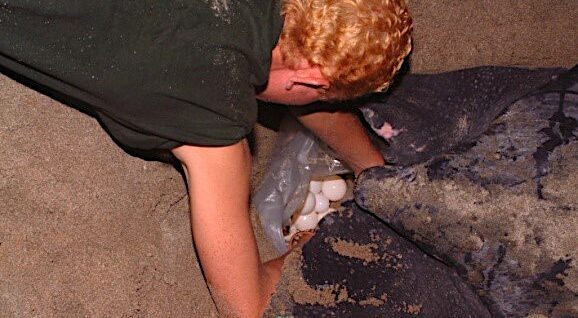
Along Costa Rica’s North Pacific coast, reefs, mangroves, and open-water habitats reveal the connections between biodiversity, tourism, fisheries, and conservation. Custom group programs create opportunities for field-based experiential learning through species observation, basic marine data recording, and hands-on engagement with coastal communities.
develop your own program similar to this
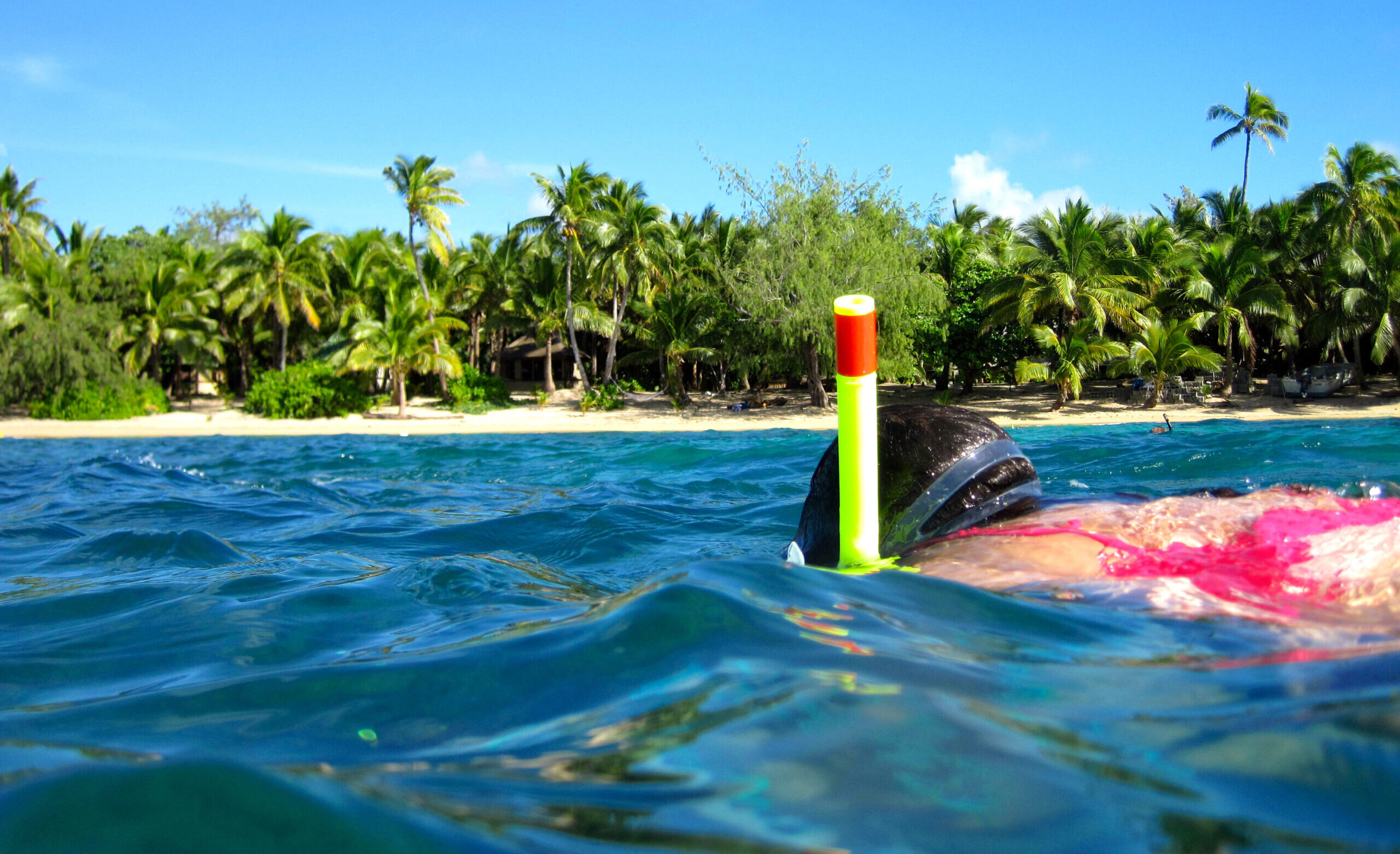
In Fiji, the ocean is not only a study environment, it is central to food security, cultural practice, tourism, and decisions about the future of coastal communities. Through custom group programs, participants can undertake field research on reef systems and conservation while learning directly from the people shaping local responses to pollution, habitat loss, rising seas, and changing marine resources.
develop your own program similar to this
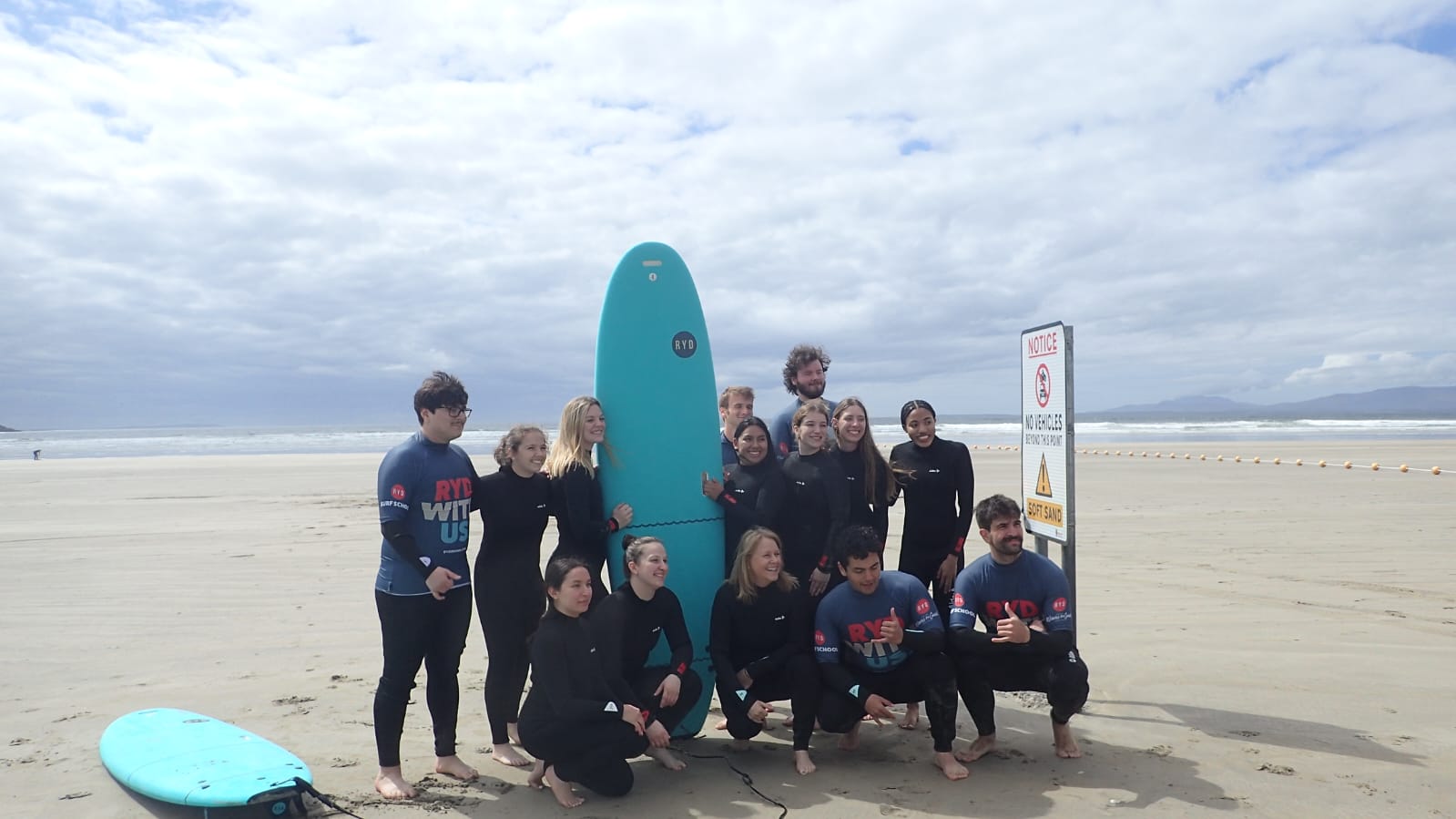
Ireland’s Atlantic coast brings marine conservation into direct contact with island life, fishing heritage, and long-term local observation of environmental change. Along remote beaches, headlands, and island communities, marine debris removal can be paired with learning about ghost gear, coastal ecosystems, Irish-language culture, and community-based ecological knowledge.
develop your own program similar to this
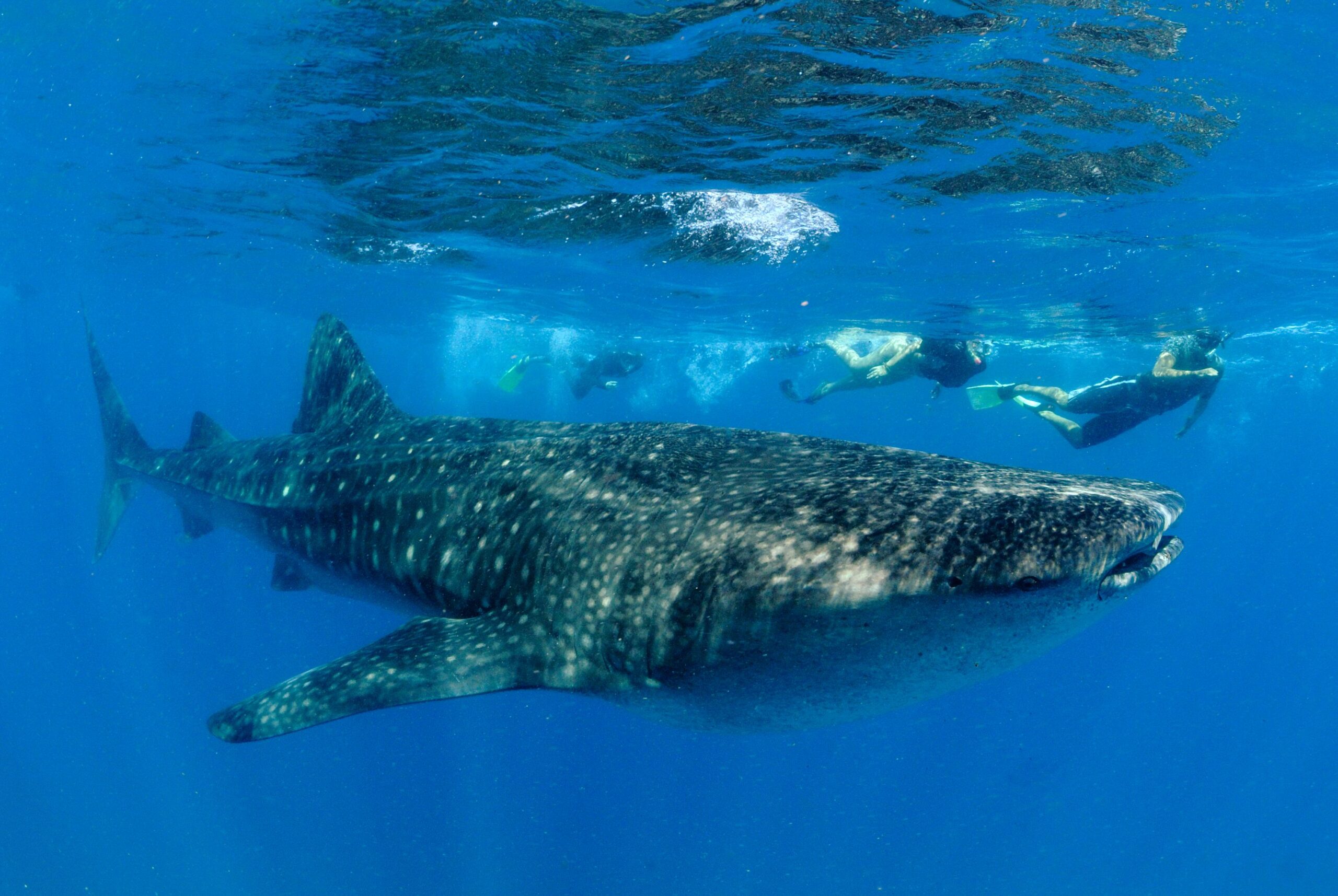
Tofo Bay offers a rare Indian Ocean setting where marine megafauna, estuary ecology, and coastal pollution research intersect. Experiential learning and hands-on field research can connect whale sharks, humpback whales, manta rays, dolphins, seahorses, and microplastics with photo identification, species monitoring, citizen-science databases, and marine conservation practice.
develop your own program similar to this
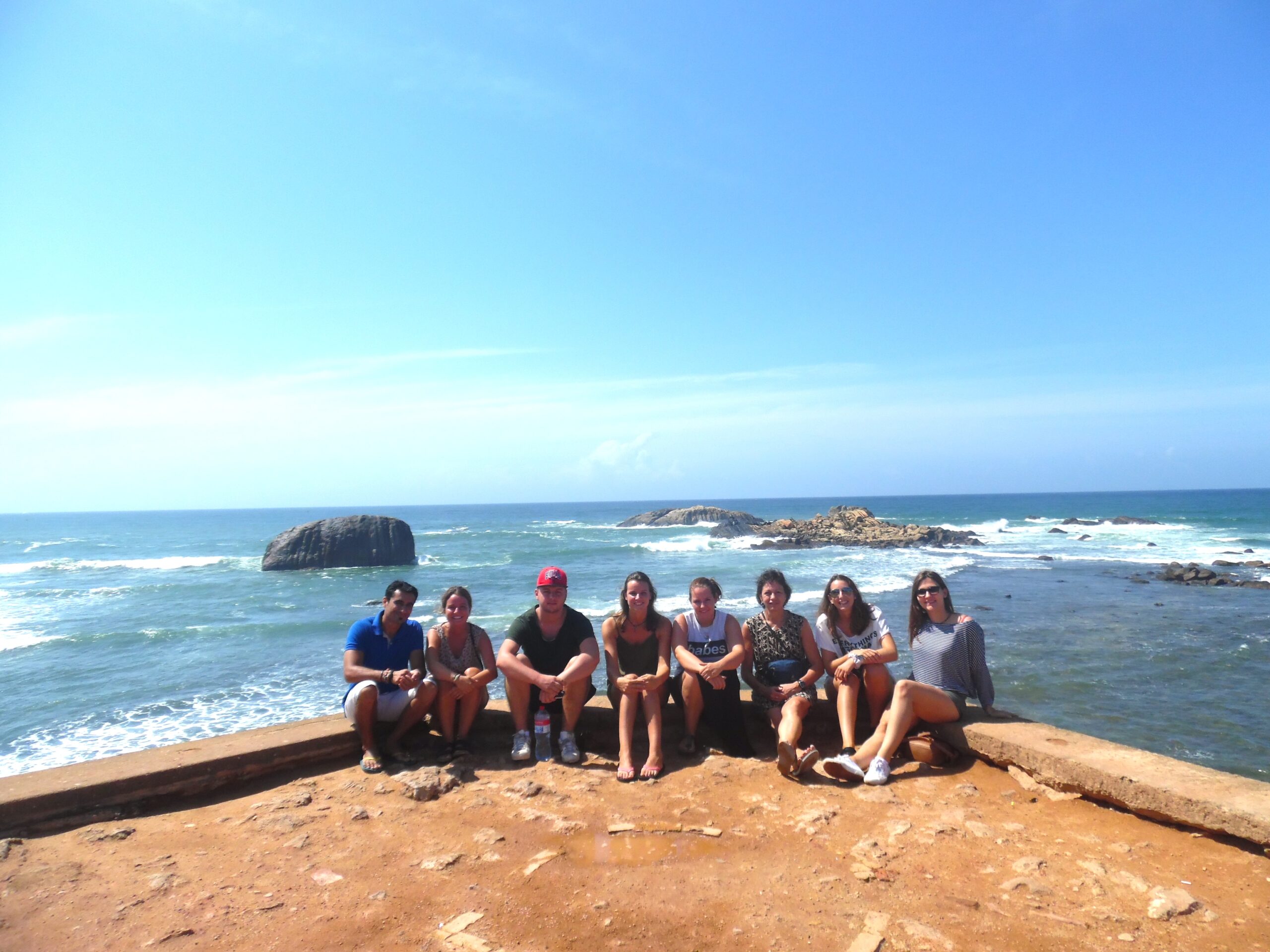
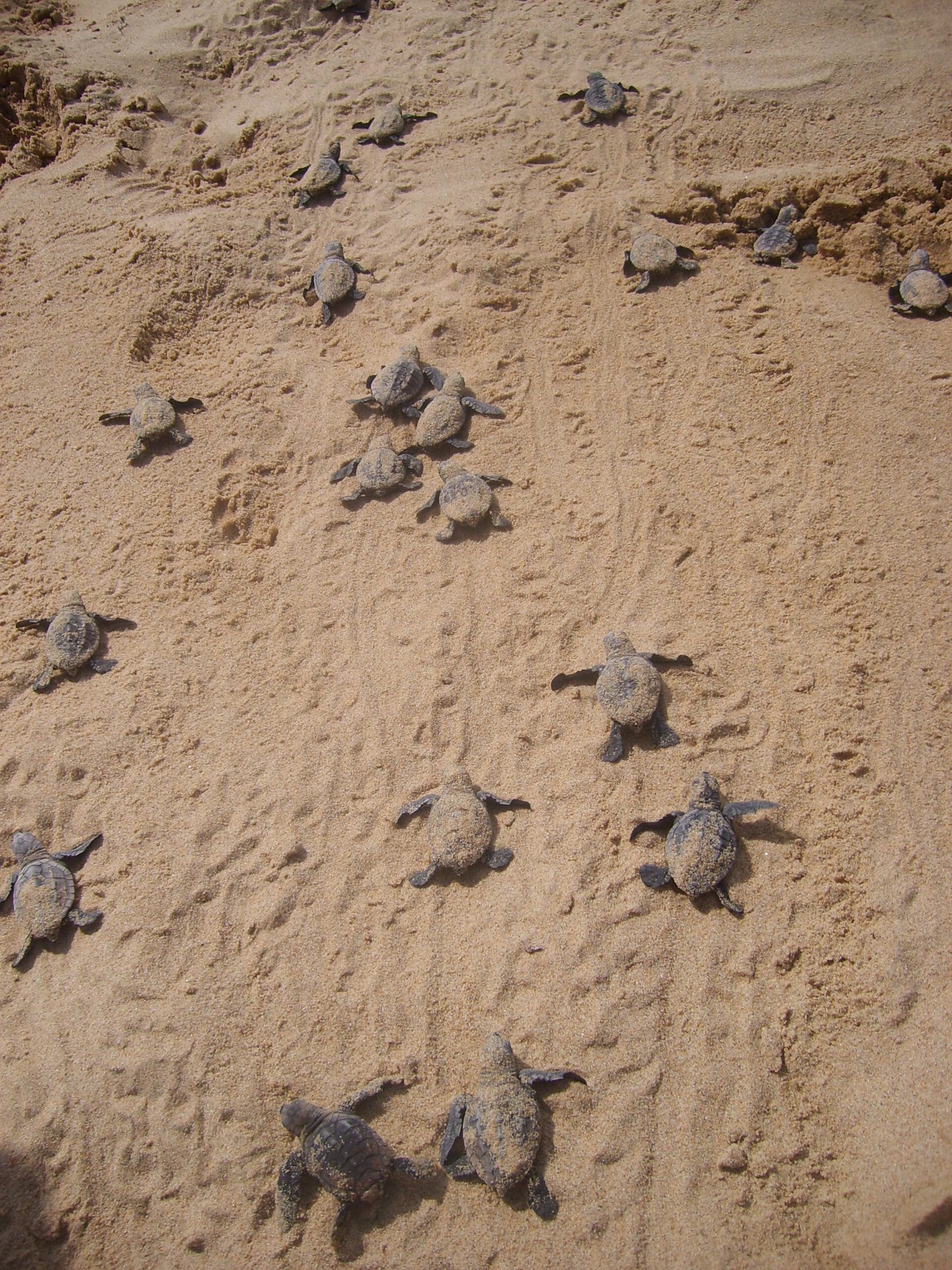
Sri Lanka’s Indian Ocean coast offers a compelling setting to examine how endangered sea turtles, nesting beaches, fisheries, tourism, and coastal communities are interconnected. Custom group programs can combine field-based experiential learning, hands-on conservation experience, and cross-cultural immersion through ethical coastal stewardship activities and dialogue with local conservation practitioners.
develop your own program similar to this
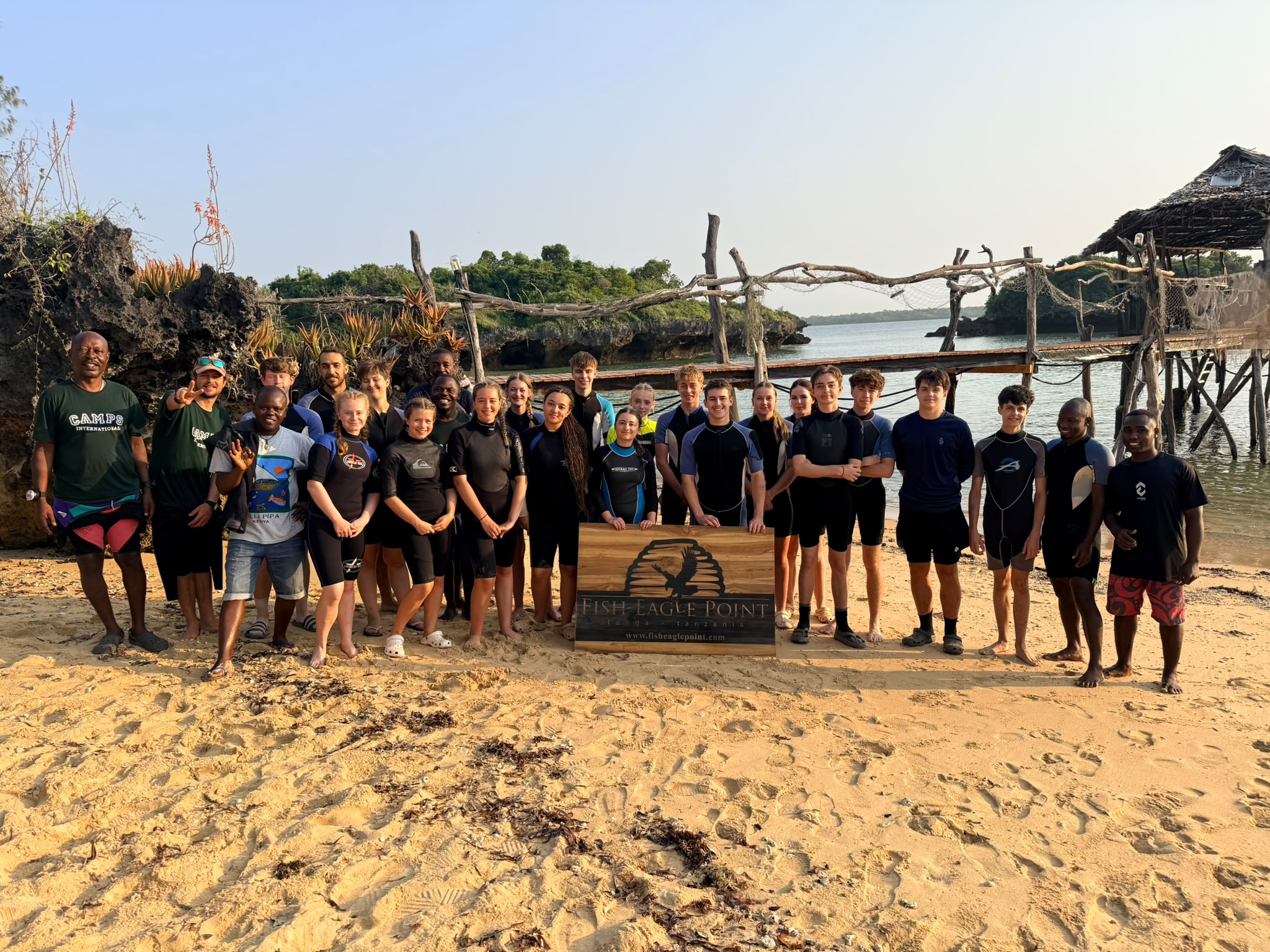
Tanzania’s Indian Ocean coast and Zanzibar’s island ecosystems connect coral reefs, mangroves, seagrass, fisheries, tourism, and marine livelihoods within a single coastal landscape. Experiential learning through custom group programs can bring marine science and social science together, using field research, community engagement, and hands-on experience to examine how conservation evidence informs sustainable policy and practice.
develop your own program similar to this
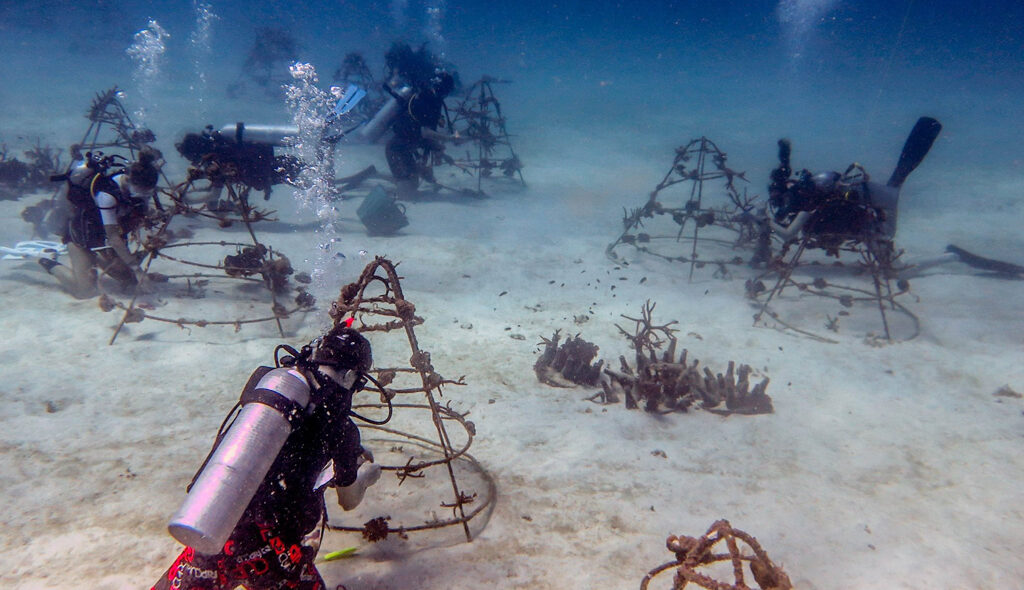
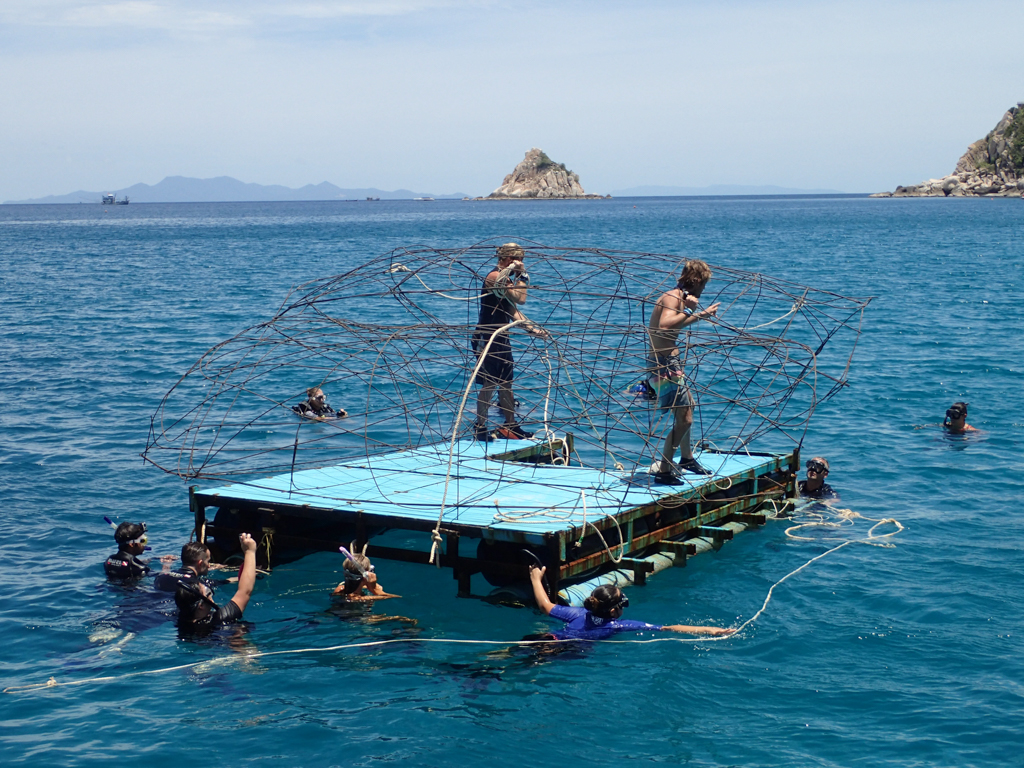
Thailand’s coasts and islands offer a practical setting for investigating reef restoration, mangrove protection, sustainable fisheries, and the growing challenge of marine debris. Custom group programs can combine field-based experiential learning, hands-on experience, and cross-cultural immersion with coastal communities working to protect marine biodiversity and livelihoods.
develop your own program similar to this
Program ideas
Browse example itineraries and program ideas inspired by topics Kaya groups have explored over the years.
 1
Together we’ll discuss your program goals and needs.
 2
With your input, we develop and fine-tune the perfect itinerary.
 3
We support institutional approvals and recruitment processes to ensure a successful launch!
 4
From pre-departure planning until your return, we’re with you every step of the way!
FAQS
Participants can explore how marine ecosystems function, the pressures they face and how conservation efforts respond. Kaya’s marine conservation group programs connect field-based learning with local expertise, helping students examine biodiversity, coastal livelihoods and the relationships between human activity, habitat protection and responsible marine stewardship.
Depending on the destination, students can explore coral reefs, mangroves, seagrass meadows, rocky shores and other coastal habitats. Kaya’s marine conservation group programs connect field-based learning with local expertise, helping students investigate marine biodiversity, relationships between ecosystems and the conservation challenges facing wildlife and coastal communities.
Depending on the destination, season and itinerary, participants can learn about micro and macro marine life, from plankton and small invertebrates to reef fish, sea turtles, rays and marine mammals. Kaya’s marine group programs emphasize responsible observation and habitat conservation, with wildlife sightings never guaranteed.
Yes. Kaya can adapt a faculty-led marine conservation program to the students’ academic level, course outcomes and disciplinary interests.
Testimonials
With a focus on experiential education and the UN Sustainable Development Goals, your group can immerse and engage with international communities and environments across the globe.