











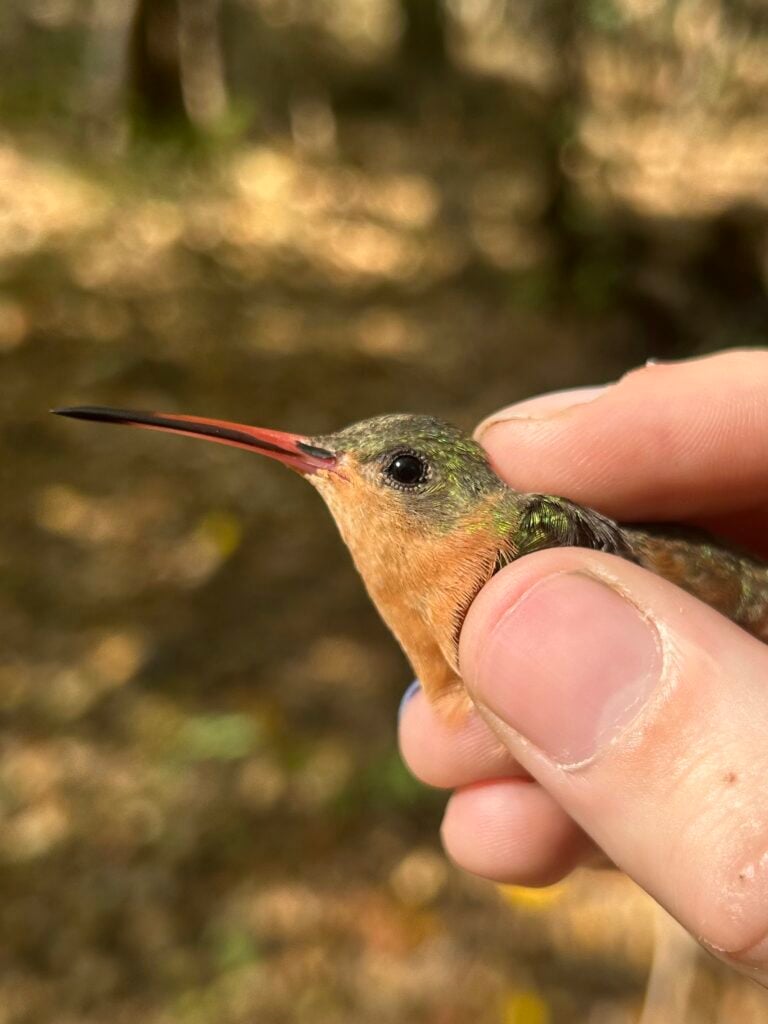
Studying Avian Migration in Costa Rica
- Animal Science
- Biology, Environmental Science & Sustainability
Animal science and wildlife studies play a critical role in understanding biodiversity, ecosystem health, and the relationships between animals, environments, and human societies.
Design a program hereAbout Animal Science
From wildlife conservation and habitat protection to livestock systems and rural livelihoods, the field examines how animal populations are managed, protected, and sustained across diverse landscapes. For faculty and students working in this area, animal science brings together ecology, conservation policy, animal behavior, and human–wildlife interaction.
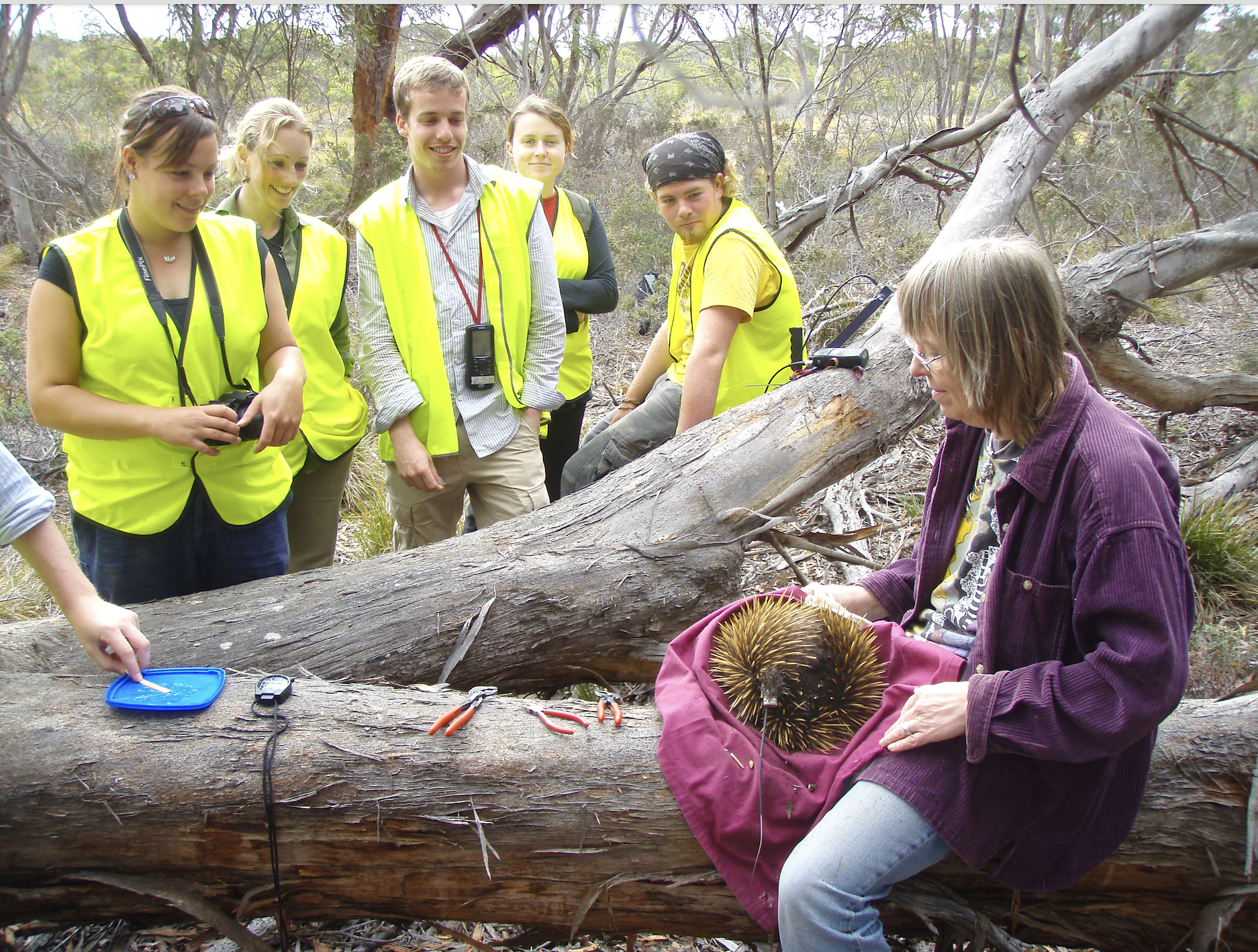
Kaya’s animal science programs abroad provide experiential learning opportunities within diverse ecosystems and conservation environments. Students engage with wildlife conservation initiatives, biodiversity research, and rehabilitation efforts while examining wildlife management, habitat conservation, and human–wildlife interaction in practice. Through field observation and engagement with conservation organizations, participants gain insight into animal behavior, ecosystem dynamics, and the environmental and social factors shaping wildlife and livestock systems.
 Academic themes

Program Themes
Discover how this academic area takes shape in each destination. If you don’t see your country, or you already have an itinerary, connect with the Kaya team to start a discussion.
Daily work with livestock, poultry, horses, rabbits, and companion animals offers a practical introduction to animal science in Belize. Through custom group programs, participants can examine husbandry, welfare, breeding records, and community veterinary outreach through supervised, hands-on experience.
develop your own program similar to this
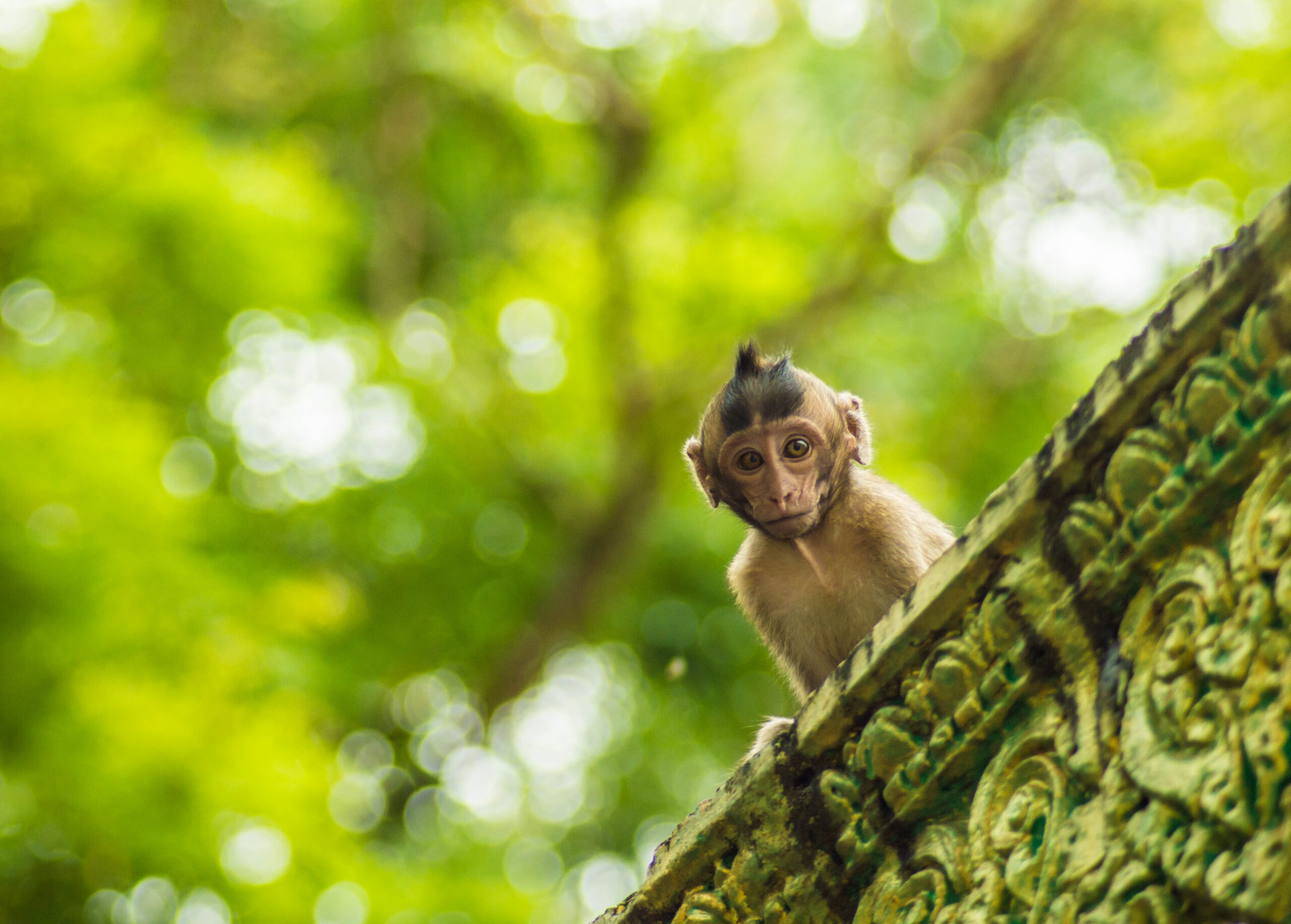
Cambodia offers a distinctive case study in how elephant welfare, forest habitat, tourism economies, and community livelihoods intersect. Through custom group programs, field-based experiential learning can examine animal behavior, retirement care, ethical wildlife tourism, and the choices that determine whether visitor revenue supports or compromises welfare.
develop your own program similar to this
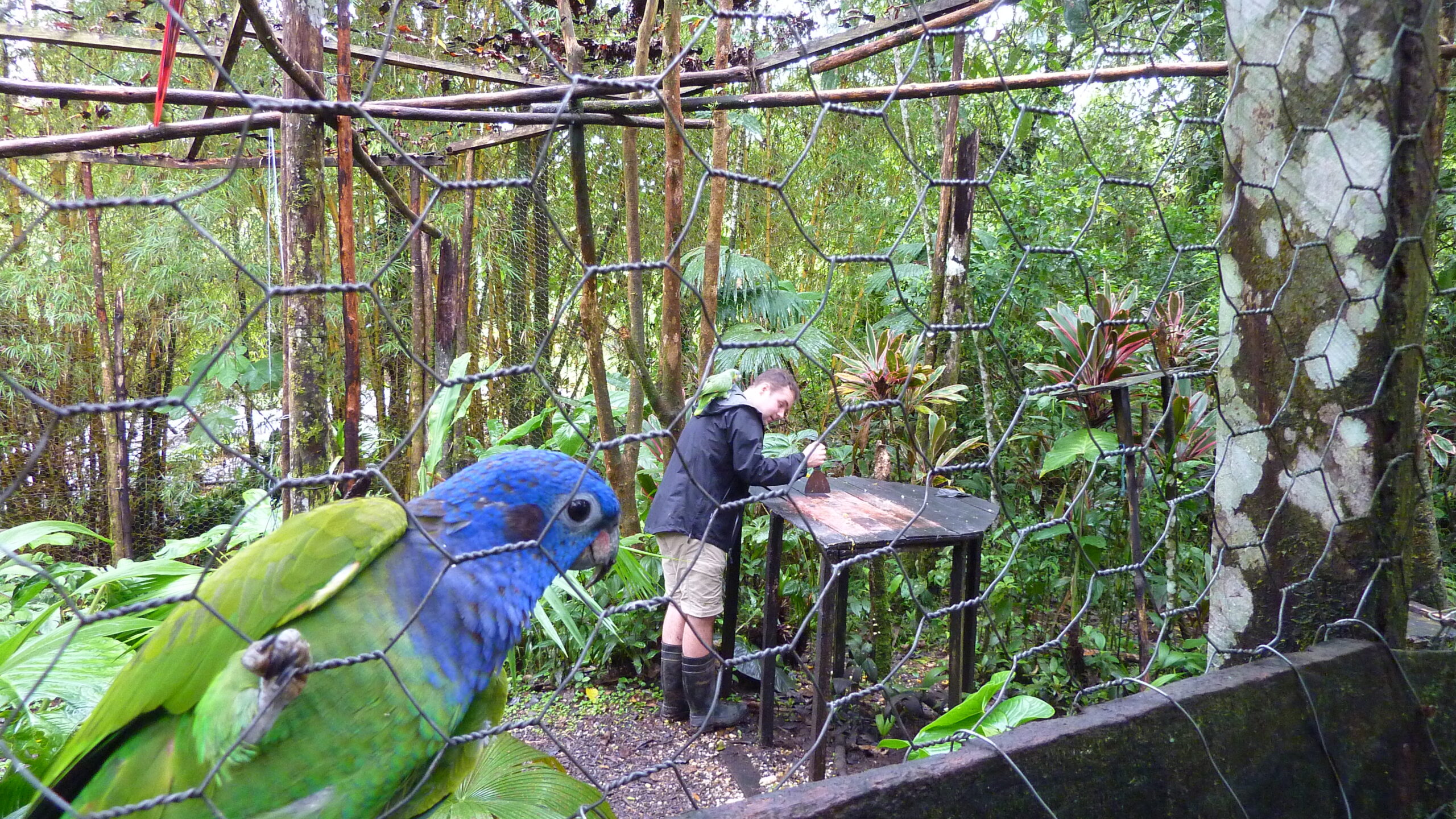
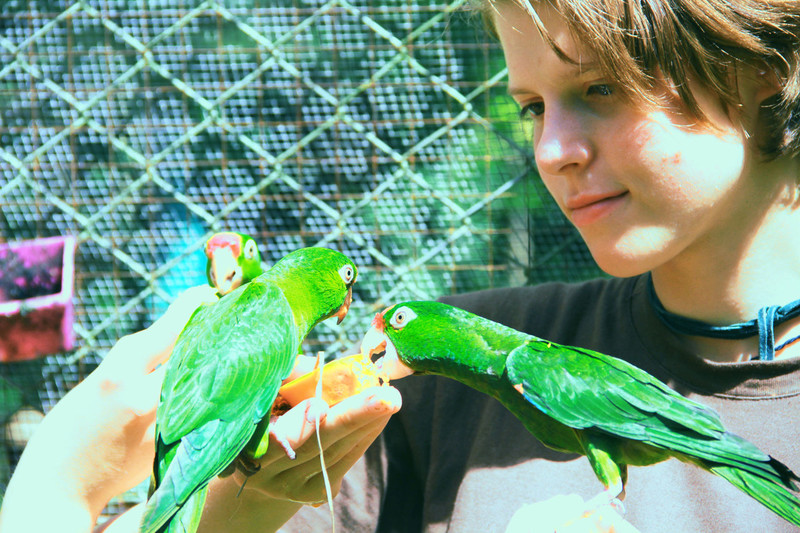
Ecuador’s exceptional biodiversity brings animal behavior, welfare, conservation medicine, and habitat protection into one field-based learning environment. Observations, enrichment activities, and conversations with local caretakers offer an immersive look at rehabilitation, animal ethics, and conservation practice.
develop your own program similar to this
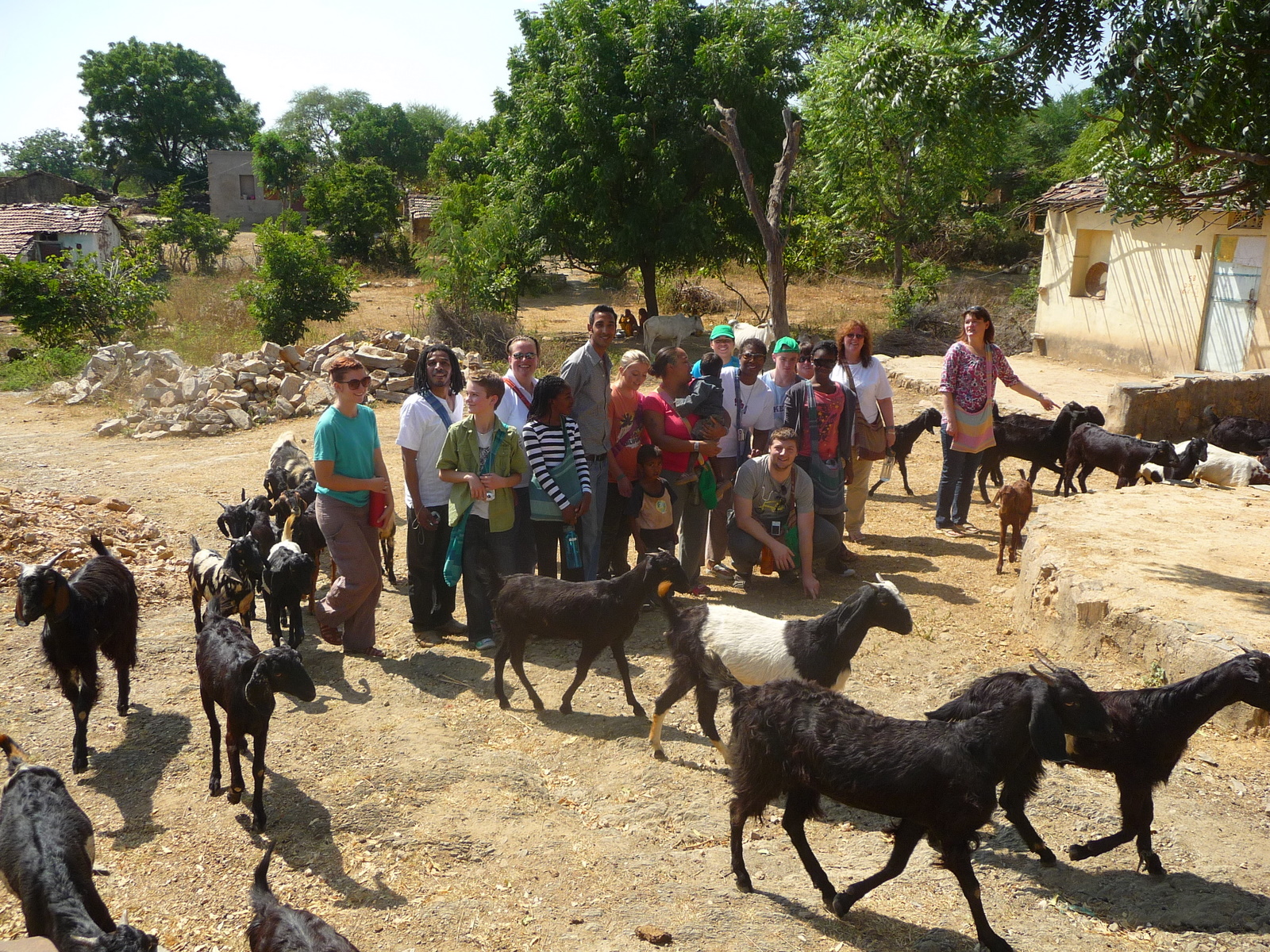
India provides a complex setting for examining animal welfare across street-animal care, veterinary rehabilitation, working animals, elephant management, and wildlife conservation. Custom group programs can combine field-based experiential learning with cross-cultural immersion to explore animal behavior, ethical care systems, and the human livelihoods connected to responsible animal stewardship.
develop your own program similar to this
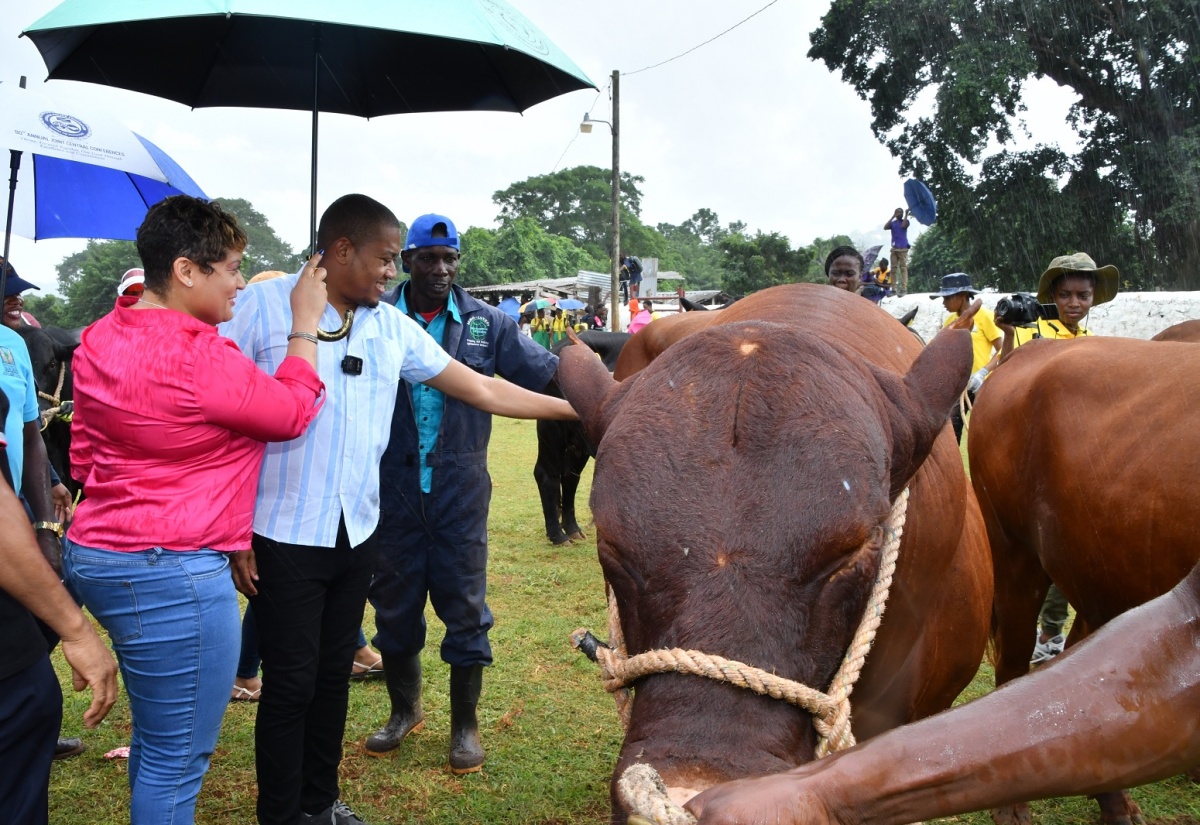
Jamaica provides a Caribbean perspective on animal health, from commercial poultry and cattle systems to equine care and wildlife recovery. Through custom group programs, participants examine how genetics, nutrition, biosecurity, veterinary practice, and habitat conditions influence animal welfare and environmental health.
develop your own program similar to this
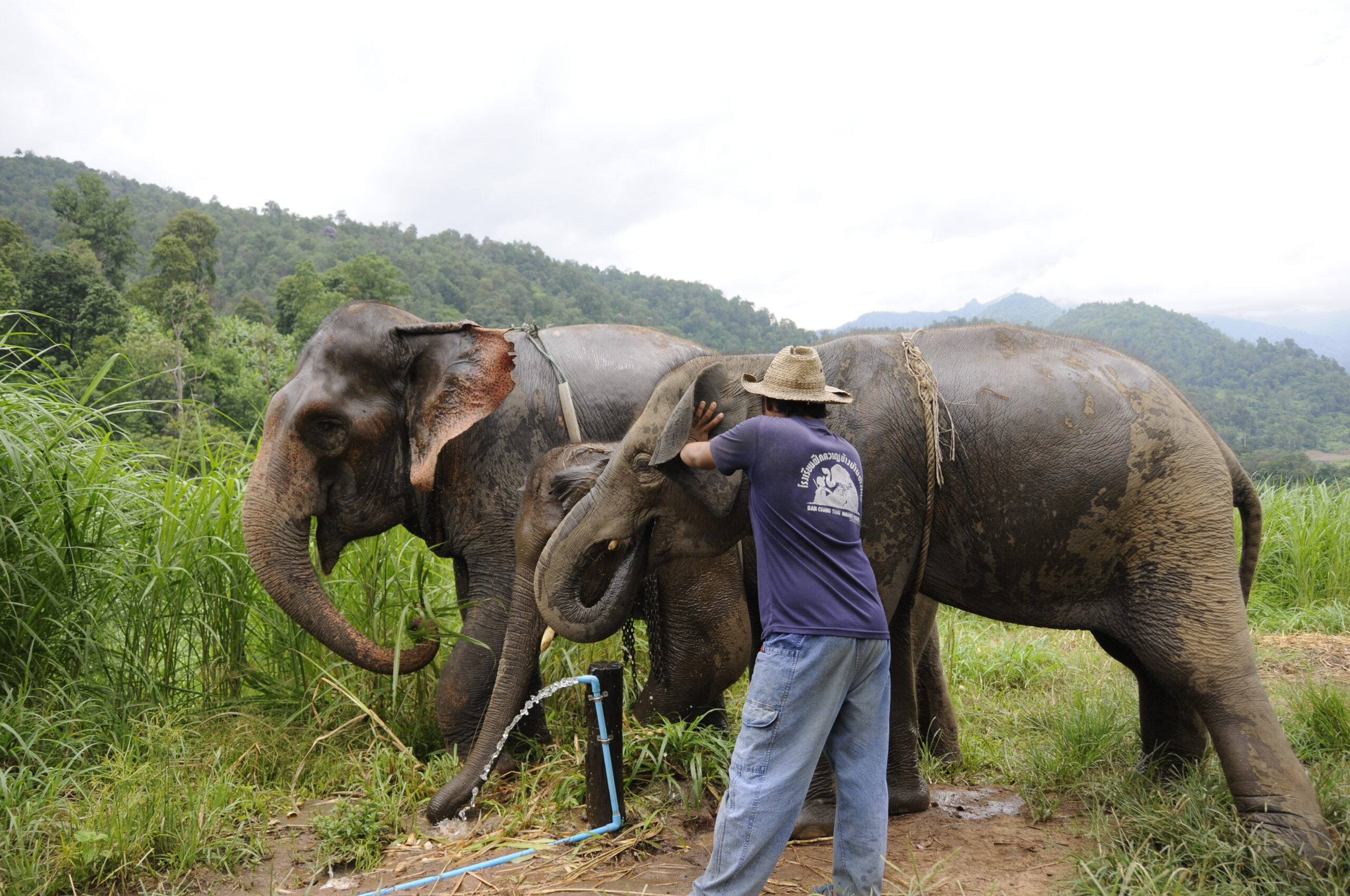
Thailand provides an applied setting for exploring animal welfare, veterinary care, rehabilitation, and responsible companion-animal management. Custom group programs can combine field-based experiential learning with hands-on observation of rescue, treatment, adoption, and community education practices.
develop your own program similar to this
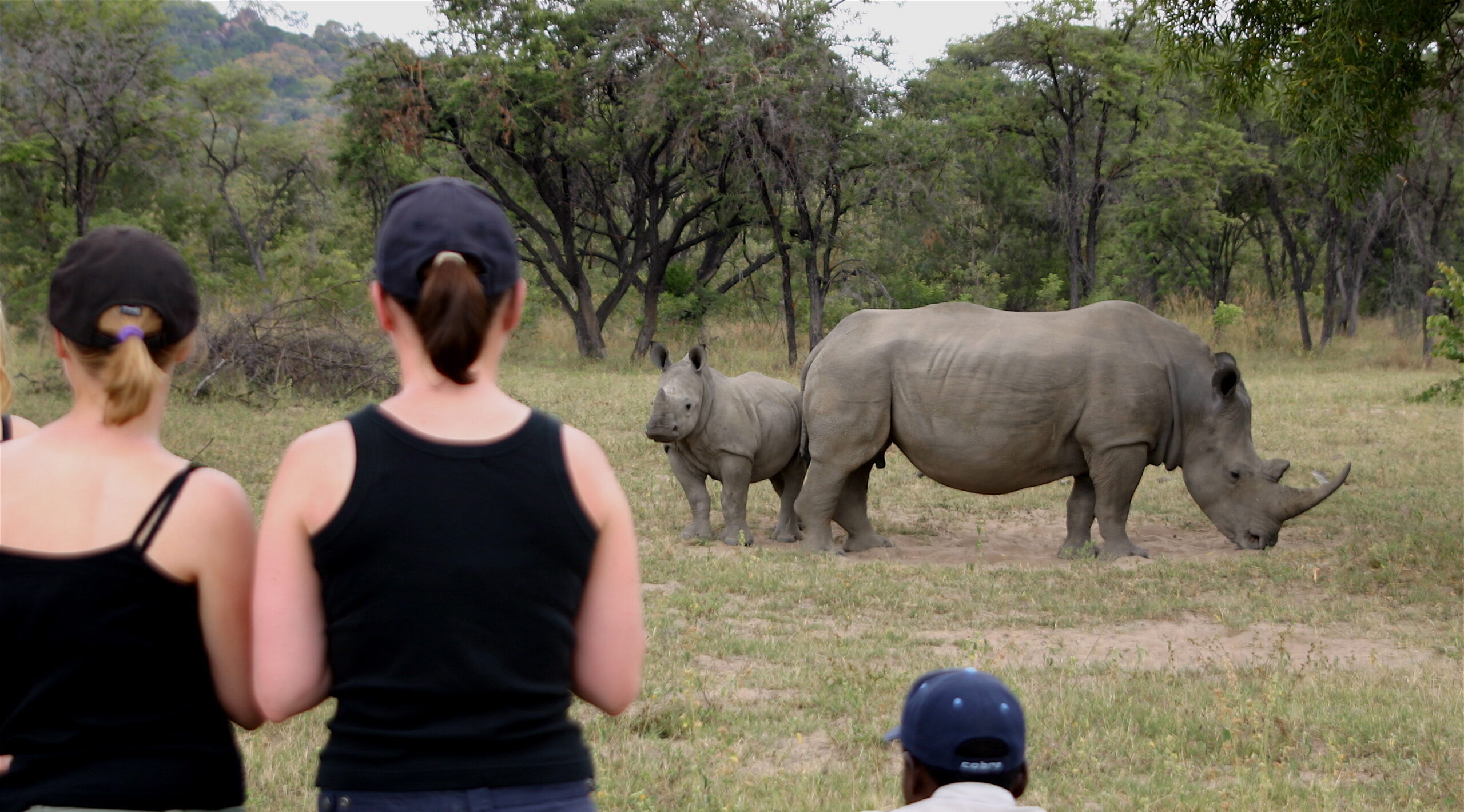
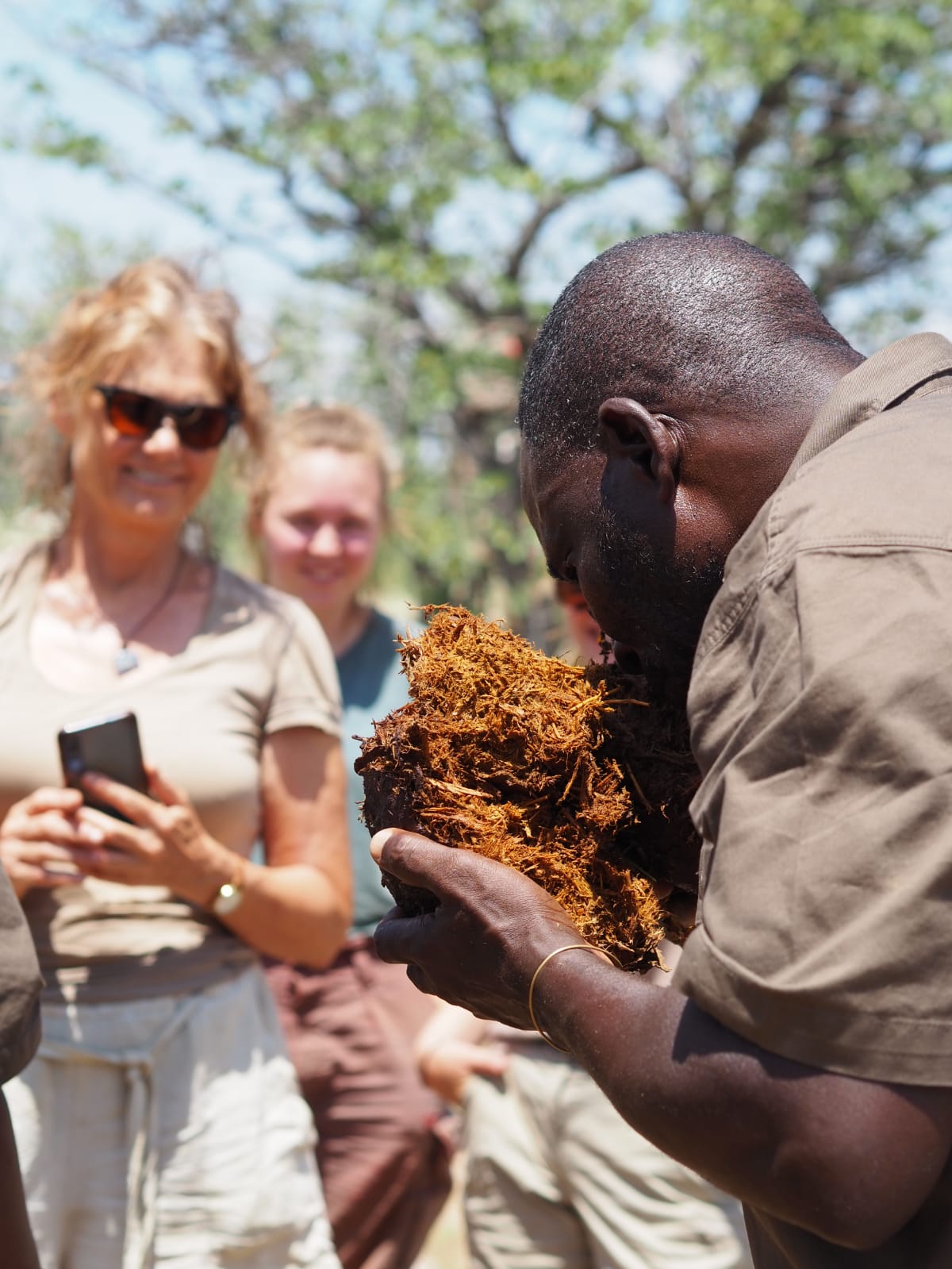
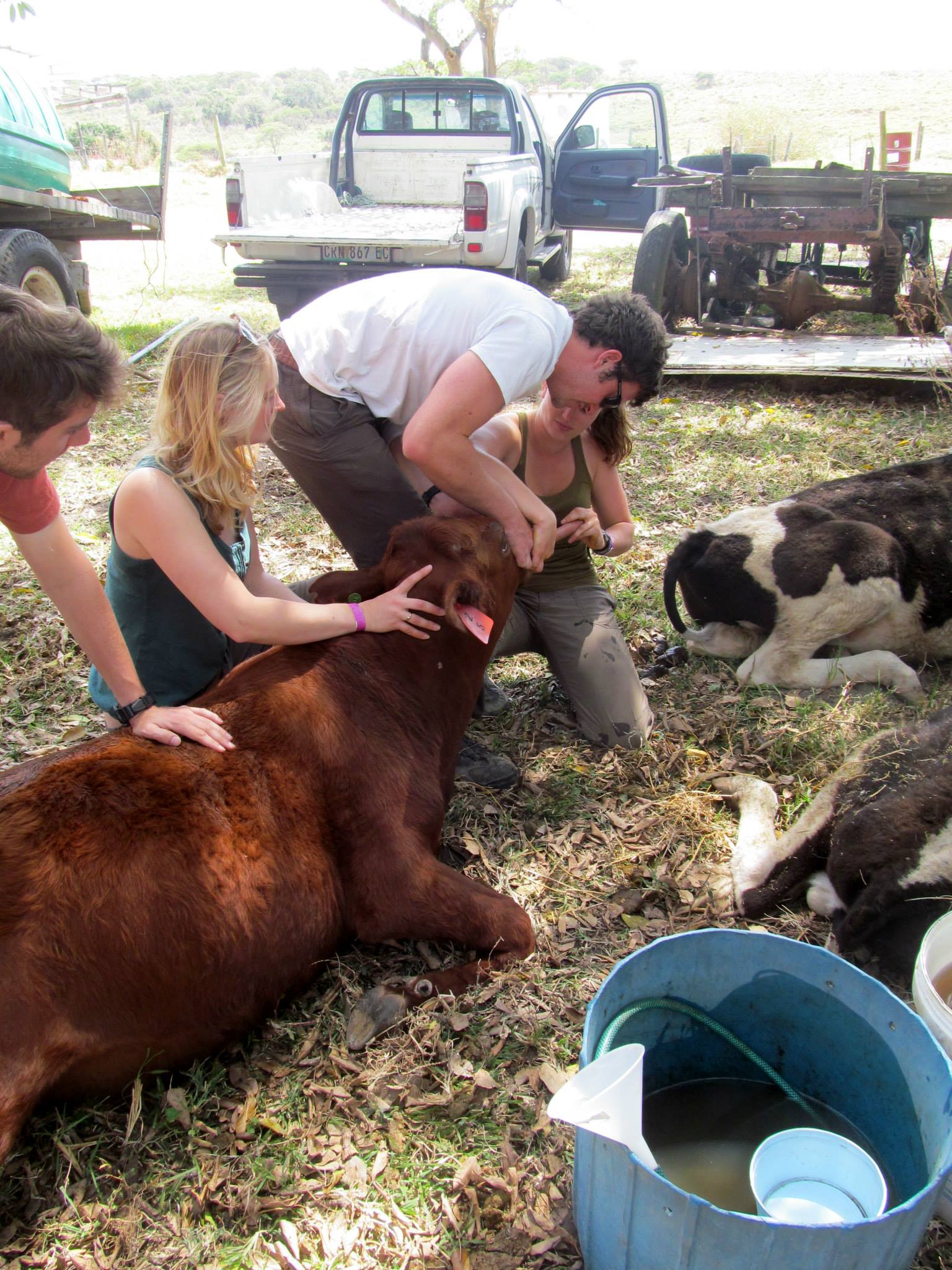
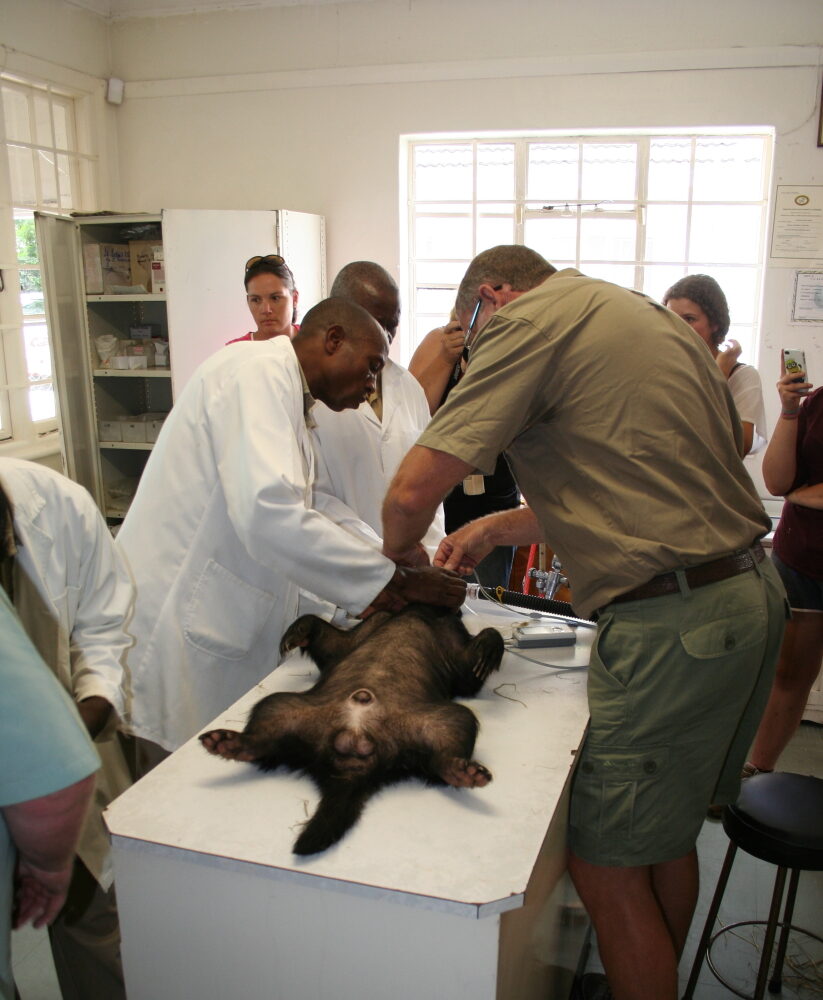
Zimbabwe offers a distinctive setting for exploring animal science where livestock production, rural livelihoods, and wildlife conservation overlap. Custom group programs can provide field-based and hands-on learning through engagement with local experts, communities, and conservation landscapes, placing animal health and management within a broader social and environmental context.
develop your own program similar to this
Program ideas
Browse example itineraries and program ideas inspired by topics Kaya groups have explored over the years.
 1
Together we’ll discuss your program goals and needs.
 2
With your input, we develop and fine-tune the perfect itinerary.
 3
We support institutional approvals and recruitment processes to ensure a successful launch!
 4
From pre-departure planning until your return, we’re with you every step of the way!

FAQS
A Kaya faculty-led animal science and wildlife conservation program can help students explore animal welfare, habitat protection, species behaviour and conservation management through applied activities, local perspectives and structured reflection.
Depending on the location and season, students may learn about relevant species, habitats and welfare or conservation practices under local guidance.
Kaya’s animal science programs connect academic learning with locally guided animal care and wildlife conservation. Working with faculty and local partners, students can explore how animal welfare, rehabilitation and habitat protection contribute to conservation, with activities shaped by animal wellbeing, local priorities and participants’ training and experience.
Yes. Kaya can adapt a faculty-led animal science and wildlife conservation program to the students’ academic level, course outcomes and disciplinary interests.
Testimonials

With a focus on experiential education and the UN Sustainable Development Goals, your group can immerse and engage with international communities and environments across the globe.