






African Diaspora and Social Justice in Brazil
- Engineering & Resource Management
A faculty-led Peru program connects engineering students with community-led cookstove projects, sustainable development, and life in the Sacred Valley.
Design a program like this
A cookstove might seem like a straightforward engineering project. But the real learning begins when you start asking questions. How does the family use its kitchen? What materials are available? Who will maintain the stove?
For engineering students, those questions provide the foundation for this faculty-led program. In Peru’s rural Sacred Valley, the group connects practical work with community-led development, exploring what makes a technical solution useful to the people who live with it. Build your group’s Peru experience around your learning goals, with time for project work, cultural exchange, and field visits.
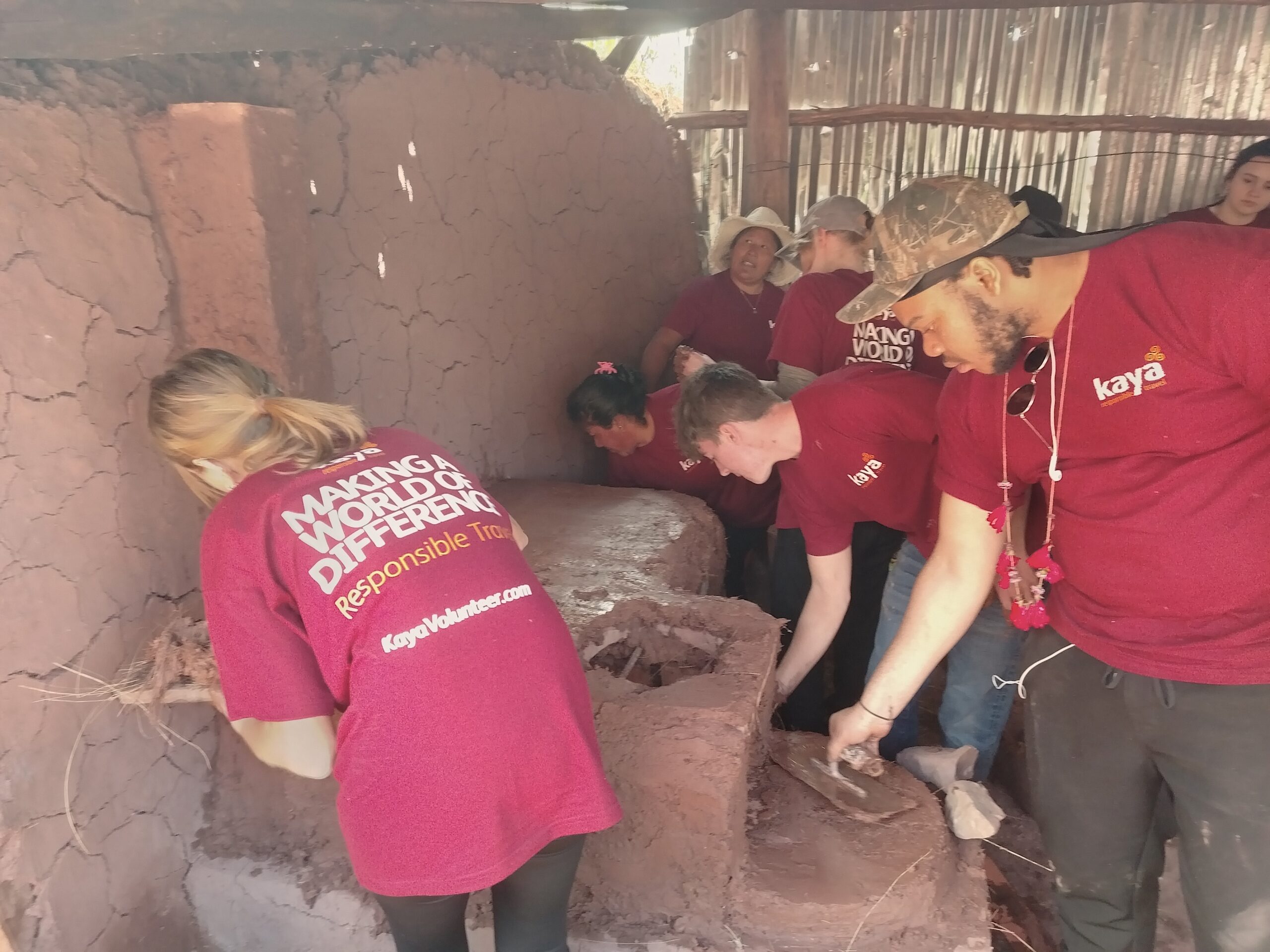
Several days in Chinchero, a historic Andean village, give students time to focus on a healthy kitchen project and see their contributions take shape.
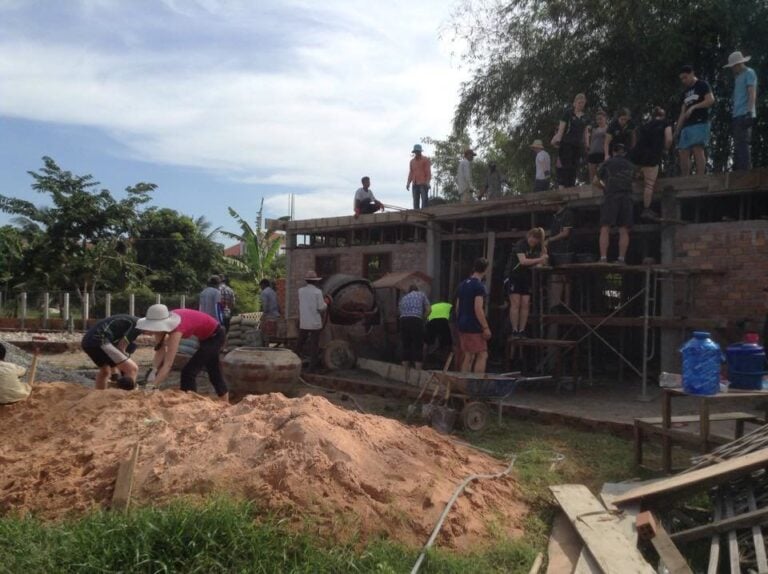
Working under local guidance, participants help construct cleaner-burning cookstoves. They handle materials, use tools, and apply classroom concepts to the practical needs of a household.
Faculty-led discussions help turn the work into an investigation. Students can examine how design choices affect smoke management, usability, and maintenance, while asking what evidence they would need to assess performance.
The goal is not to arrive with a solution already decided. It is to understand the project, learn from the people guiding it, and contribute carefully.
Students engage in hands-on construction that may involve lifting, using tools, and navigating uneven terrain. The Kaya team will discuss access needs during planning to establish appropriate participation options.
Community homestays keep the learning close to everyday life.
After the project work, participants spend time with host families and join household routines. A conversation over dinner can bring a design question into focus in a way a classroom exercise cannot.
A pachamanca cooking class offers another perspective on heat, materials, and food preparation. Students help prepare an Andean meal cooked underground with heated stones, then gather to enjoy the result. There is plenty to discuss, but first, there is lunch.
Kaya connects your faculty’s learning goals with locally guided activities and community stays, helping the group build an experience around both practical learning and cultural exchange.
The Sacred Valley offers engineering problems on a very different scale.
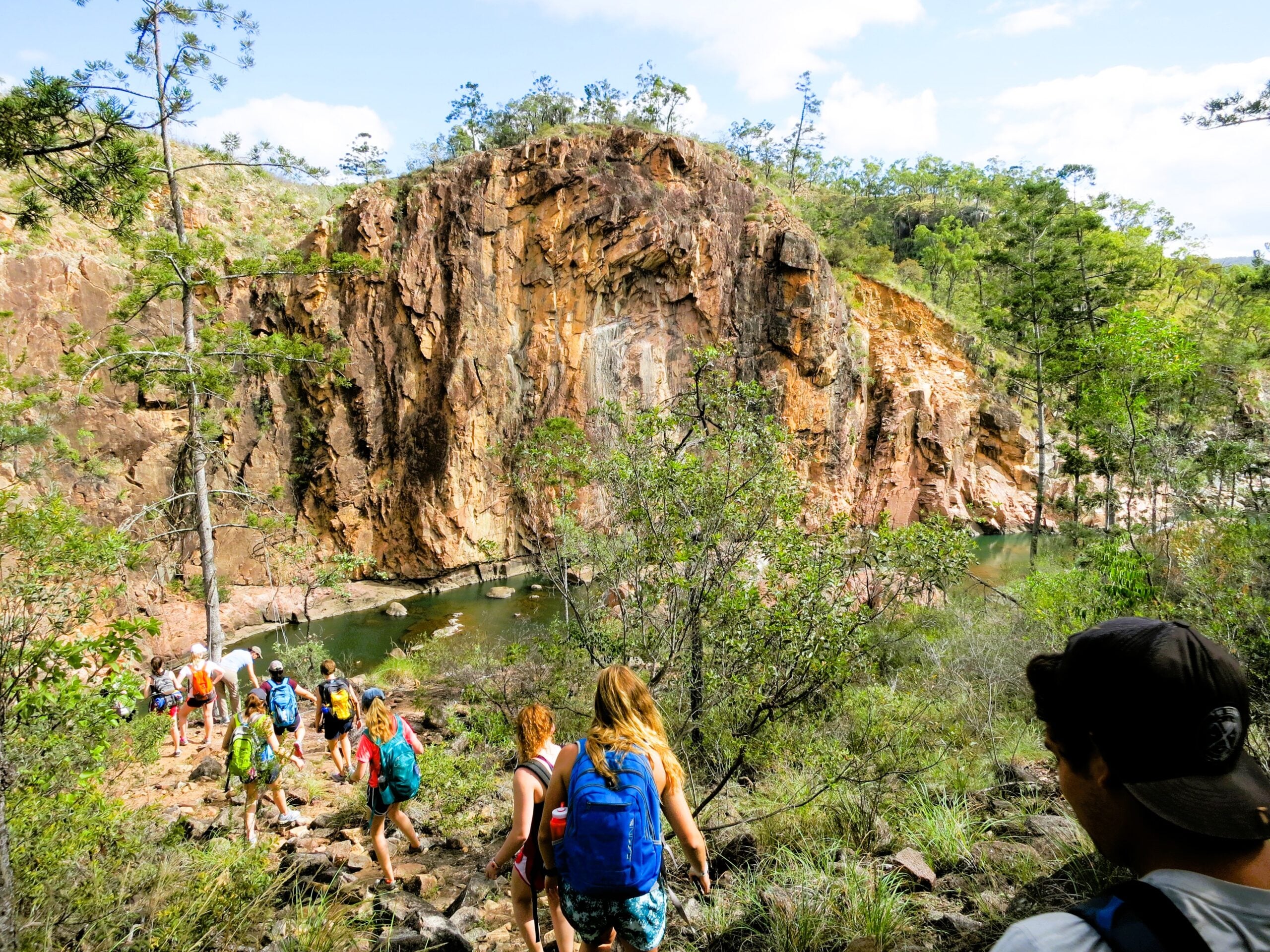
At Moray, students examine circular agricultural terraces. At Maras, they observe hillside salt pans. In Ollantaytambo, stone terraces and water channels invite closer attention to how people work with steep terrain and available resources.
These visits extend the learning beyond the service project, bringing engineering concepts into the wider landscape. Faculty can use them to prompt comparisons: what conditions shaped these designs, and what might students overlook without local knowledge?
Reforestation work adds another dimension. Participants learn about native ecosystem restoration before joining field activities, connecting infrastructure and household needs with the landscapes that support them.
For faculty developing an Engineering and Resource Management program, these encounters offer ways to connect technical questions with local resources, environmental conditions, and everyday needs.
The UN Sustainable Development Goals give the group a framework for connecting these experiences with broader development priorities.
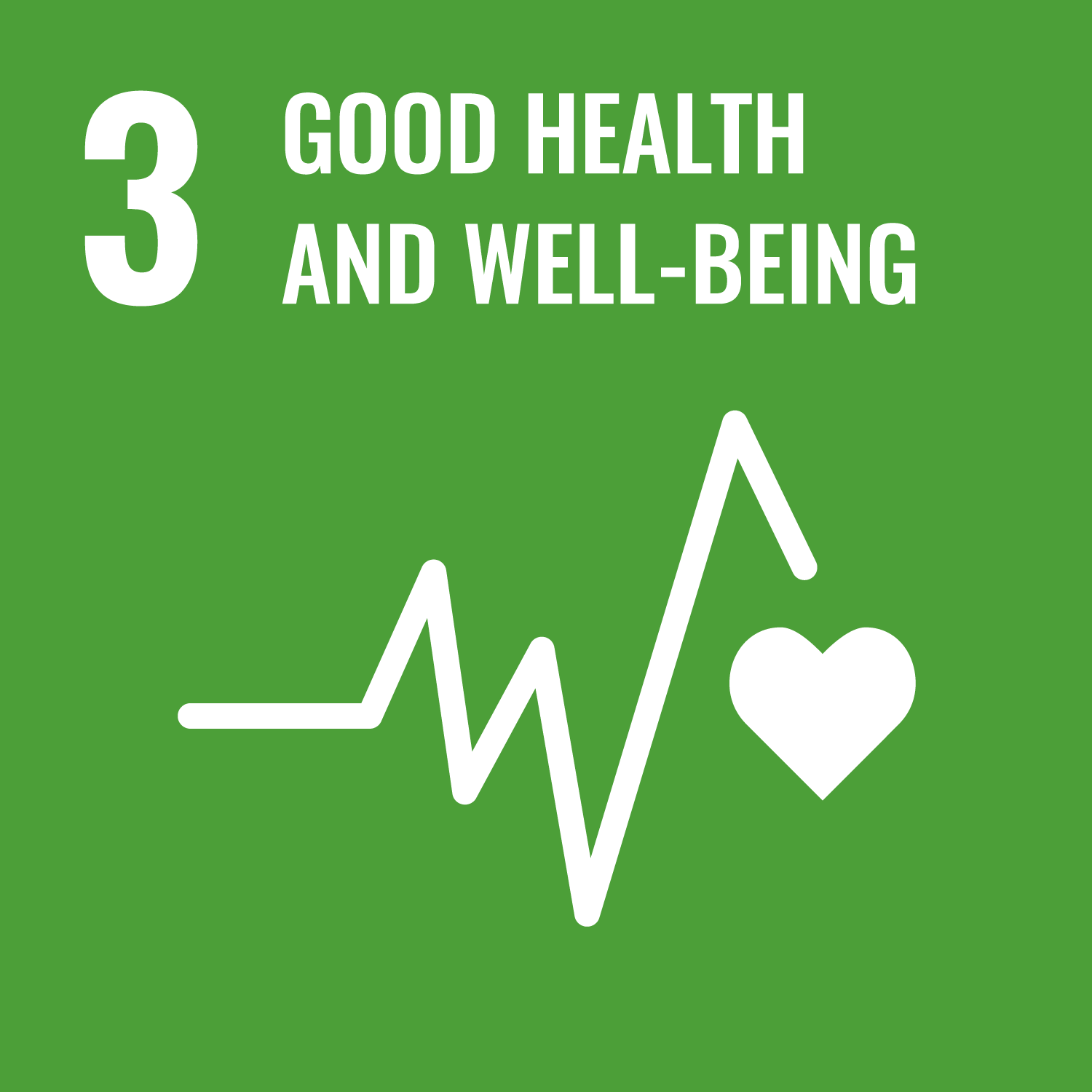
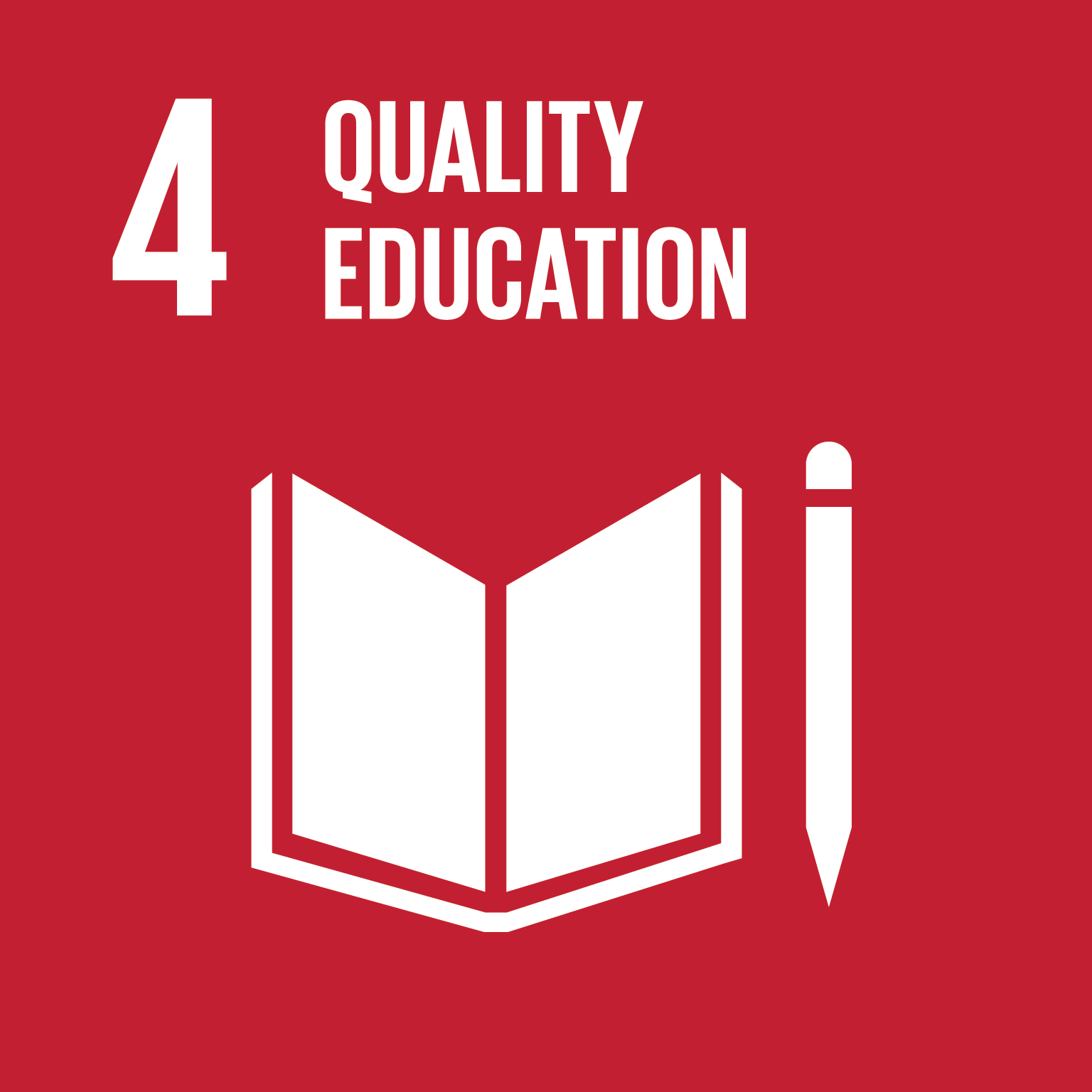
Students can link the cookstove project to household health, cross-cultural academic exchange to education, and restoration work to terrestrial ecosystems. Faculty-led reflection then pushes further: what did the group observe, what remains uncertain, and what would meaningful evaluation require?
That approach makes the SDGs useful questions to investigate, not labels to attach afterward.
This Kaya experience helps students develop an essential engineering habit: looking beyond whether a design works to consider whom it serves, how it fits, and how people will use it over time.
The building work, homestays, and field visits reinforce the same lesson. Useful engineering starts with attention to people and place.


You may also be interested in
Every Kaya Customized Group Program is unique. Find inspiration below to start planning your group's journey!
 1
Together we’ll discuss your program goals and needs.
 2
With your input, we develop and fine-tune the perfect itinerary.
 3
We support institutional approvals and recruitment processes to ensure a successful launch!
 4
From pre-departure planning until your return, we’re with you every step of the way!
With a focus on experiential education and the UN Sustainable Development Goals, your group can immerse and engage with international communities and environments across the globe.