









Food Economics in Thailand
- Agriculture & Food Security
- Business & Economy
Gain insights into finance, manufacturing, exports, and tourism on a custom business study abroad program in India with academic exchange and industry visits.
Design a program like this
A rose has a deadline. A vehicle has a production schedule. A beachside restaurant has customers choosing where to spend their evening.
Each illustrates a different side of the same business question: how do businesses turn resources, knowledge, and demand into products and services customers value?
In India, students can explore those decisions through academic exchange, industry visits, and field observation in a faculty-led business program. Mumbai, Pune, and Goa offer one possible combination, connecting finance, production, exports, and tourism. Programs in India can be tailored for groups from undergraduates through executive MBA participants, with a broad business focus or a deeper dive into a specific sector, industry, topic, or case study.
Consider the journey of an export rose. Before a rose reaches a buyer, businesses coordinate growing, quality control, packaging, and delivery to meet its short selling window.
Students can use a visit to a flower exporter as a starting point for analyzing supply chains. What determines whether a stem meets the required standard? Where could delays become costly? How does a producer respond when demand changes?
The questions are prepared before the visit, then answers are compared with the models discussed in class. Students gain the most value by examining actual business decisions and understanding the processes behind them.
A manufacturing visit expands the discussion from perishable goods to the complexities of large-scale production.
At a vehicle plant, participants can investigate how scheduling, inventory, quality assurance, and supplier relationships fit together. A pharmaceutical production visit could introduce students to regulation, specialized processes, and risk management.
These encounters can give participants valuable insights for a Business & Economy group program. Students can explore individual business decisions in depth or compare approaches across different industries. Each visit offers opportunities to connect classroom concepts with the realities of doing business in India.
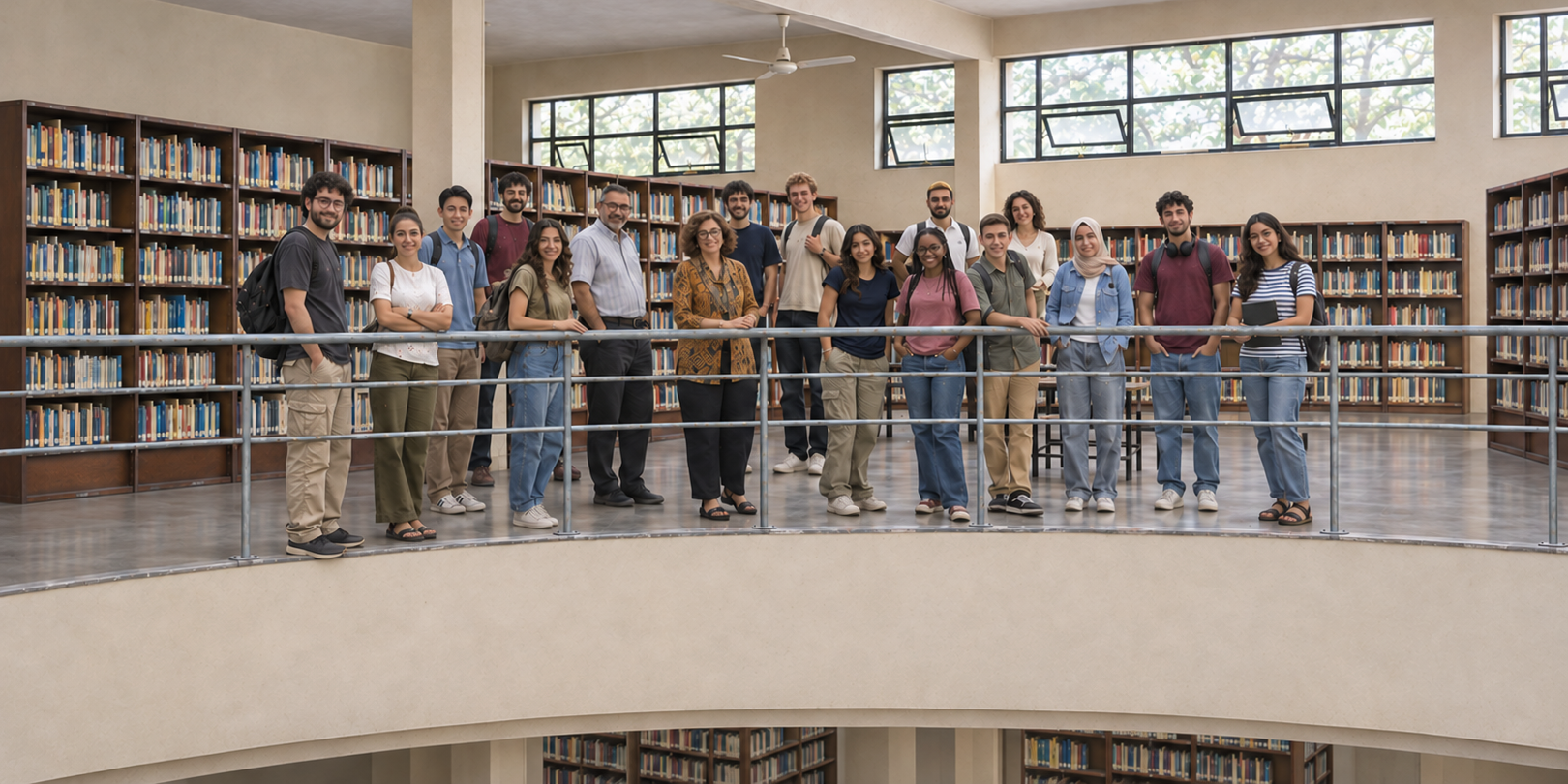
Sessions with local business faculty and students give participants an opportunity to test and refine their interpretations.
Participants can compare approaches to a case, discuss what they noticed during an industry visit, and hear perspectives that challenge their first conclusions. When students explain familiar concepts to peers with different academic or cultural perspectives, they develop skills essential to international business.
A stock exchange visit can introduce another important question: how do businesses access capital, and what responsibilities accompany participation in financial markets?
Kaya coordinates local logistics and cultural learning around your course goals, helping faculty integrate university-arranged academic programming with the wider group experience.
In Goa, tourism and hospitality provide another setting for business observation.
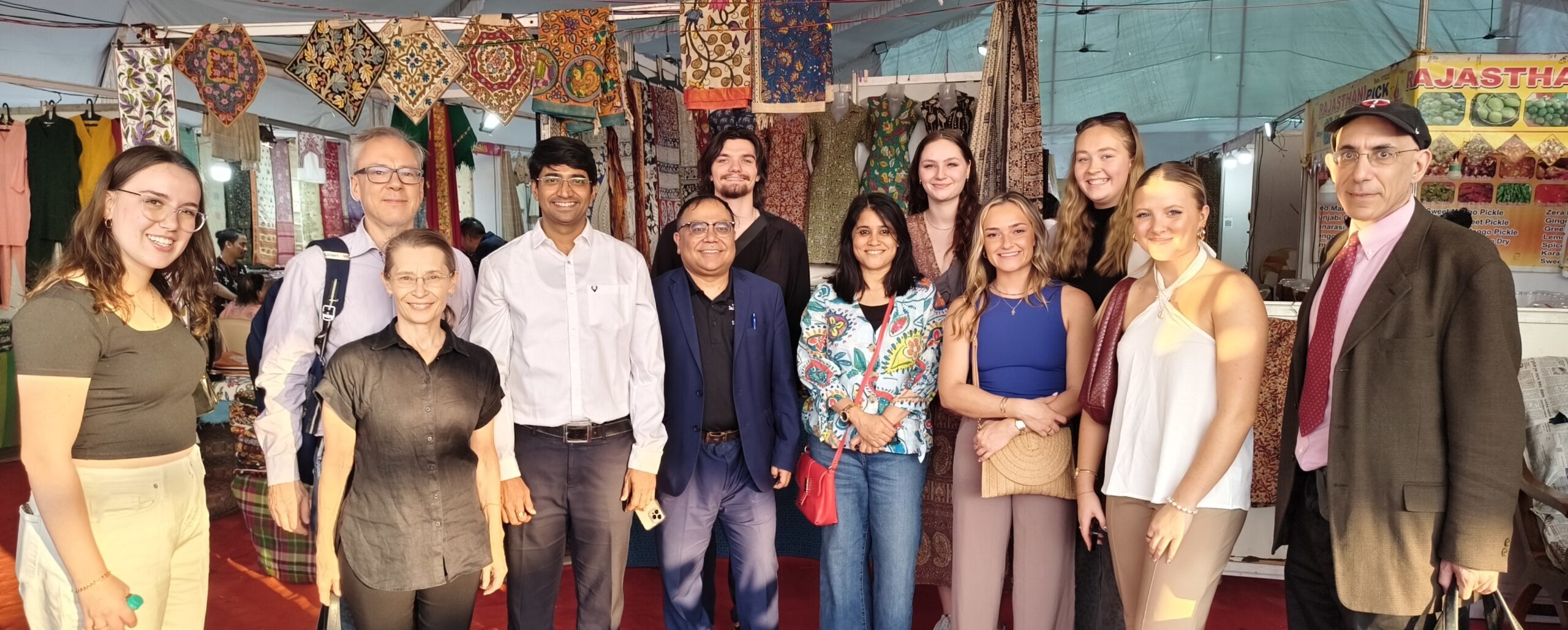
At a night market, students can observe how vendors use pricing, product displays, location, and customer interaction to attract customers. A spice plantation visit or cooking workshop gives participants an opportunity to examine how businesses combine products with experiences.
These observations give students a starting point for deeper business analysis. A busy stall does not reveal its profit margin, and a guided visit does not explain an entire industry. Faculty can use that limitation constructively: what can students establish, what would they need to ask, and what data is missing?
Cultural visits also strengthen this learning experience. Time spent learning about regional history, food, and everyday life helps participants question the assumption that one business approach will work everywhere.
The value of a business program comes from connecting classroom concepts with the realities of how businesses operate.
Through academic discussions, company visits, and observations of customer-facing businesses, students explore how decisions take shape across different industries and markets. They also practice asking precise questions, comparing evidence, and recognizing the limits of their knowledge; skills they can carry into the classroom, professional interviews, and future international teams.

You may also be interested in
Every Kaya Customized Group Program is unique. Find inspiration below to start planning your group's journey!
 1
Together we’ll discuss your program goals and needs.
 2
With your input, we develop and fine-tune the perfect itinerary.
 3
We support institutional approvals and recruitment processes to ensure a successful launch!
 4
From pre-departure planning until your return, we’re with you every step of the way!
With a focus on experiential education and the UN Sustainable Development Goals, your group can immerse and engage with international communities and environments across the globe.