








 1
Connect
Together we’ll discuss your program goals and needs.
Zimbabwe is shaped by a complex political history, rich cultural heritage, and wide rural landscapes across Southern Africa. Ancient cities such as Great Zimbabwe reflect powerful precolonial histories, while colonial land policies and postcolonial change continue to shape society today.
Design a program hereAbout Zimbabwe
History and political change sit at the center of learning in Zimbabwe. Programs explore colonial land systems, post-independence transformation, and the realities of development within a changing political economy.
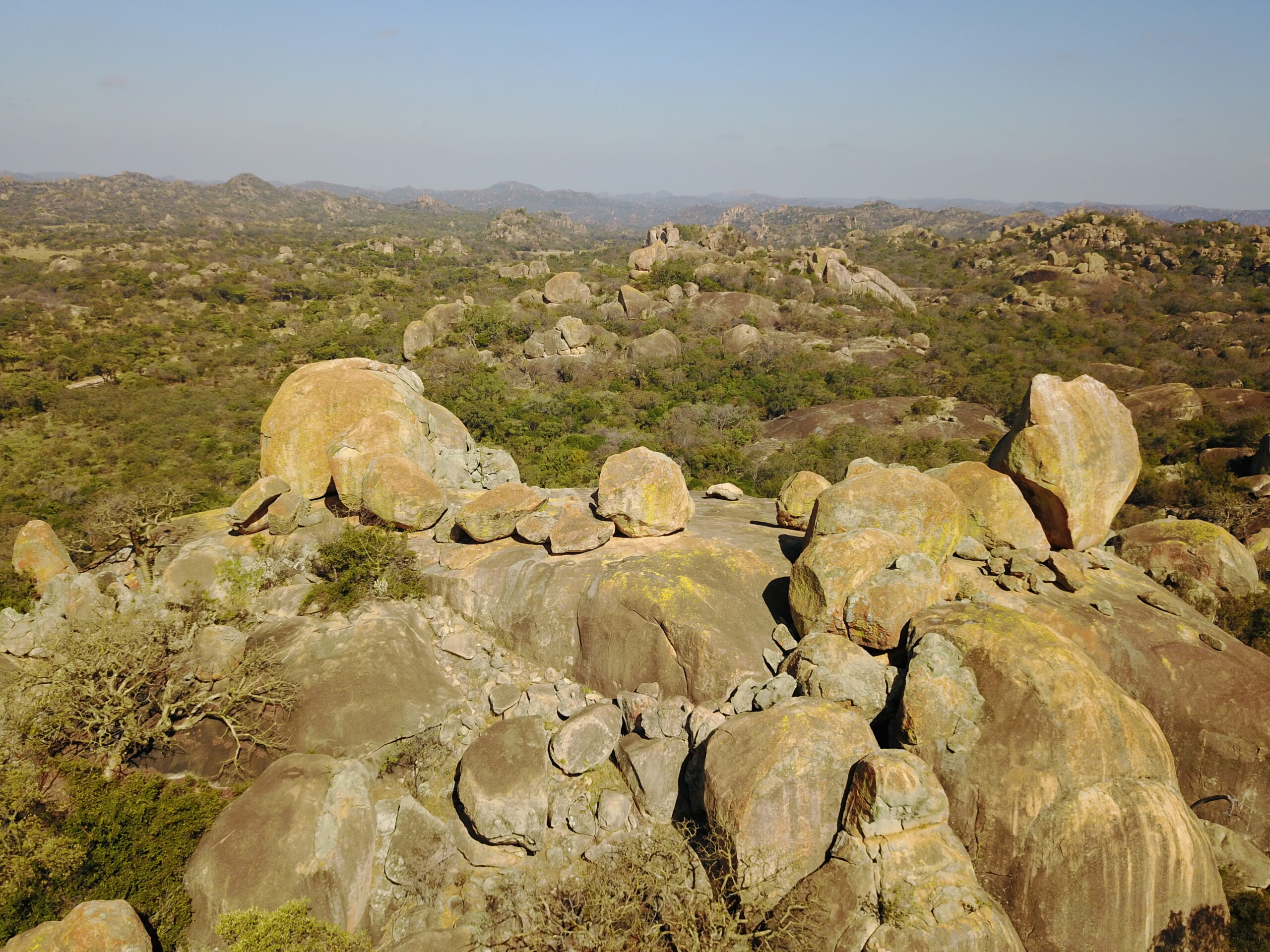
Rural landscapes and agriculture remain central to everyday life. Students examine farming systems, land use, and the challenges communities face as they balance tradition, economic pressures, and environmental change.
Heritage sites such as Great Zimbabwe provide powerful insight into regional identity and historical narratives. Programs consider how culture, tourism, and preservation shape national identity and global understanding.
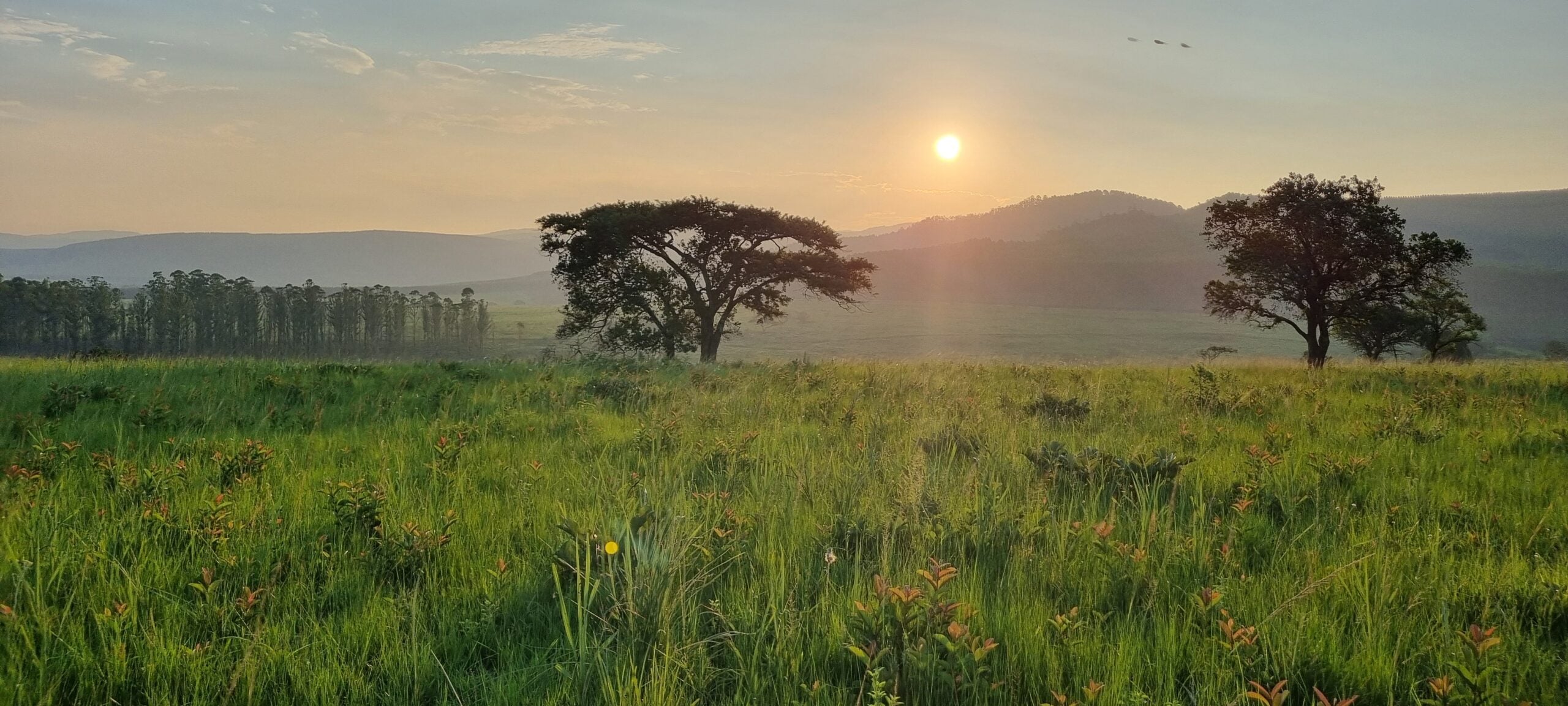
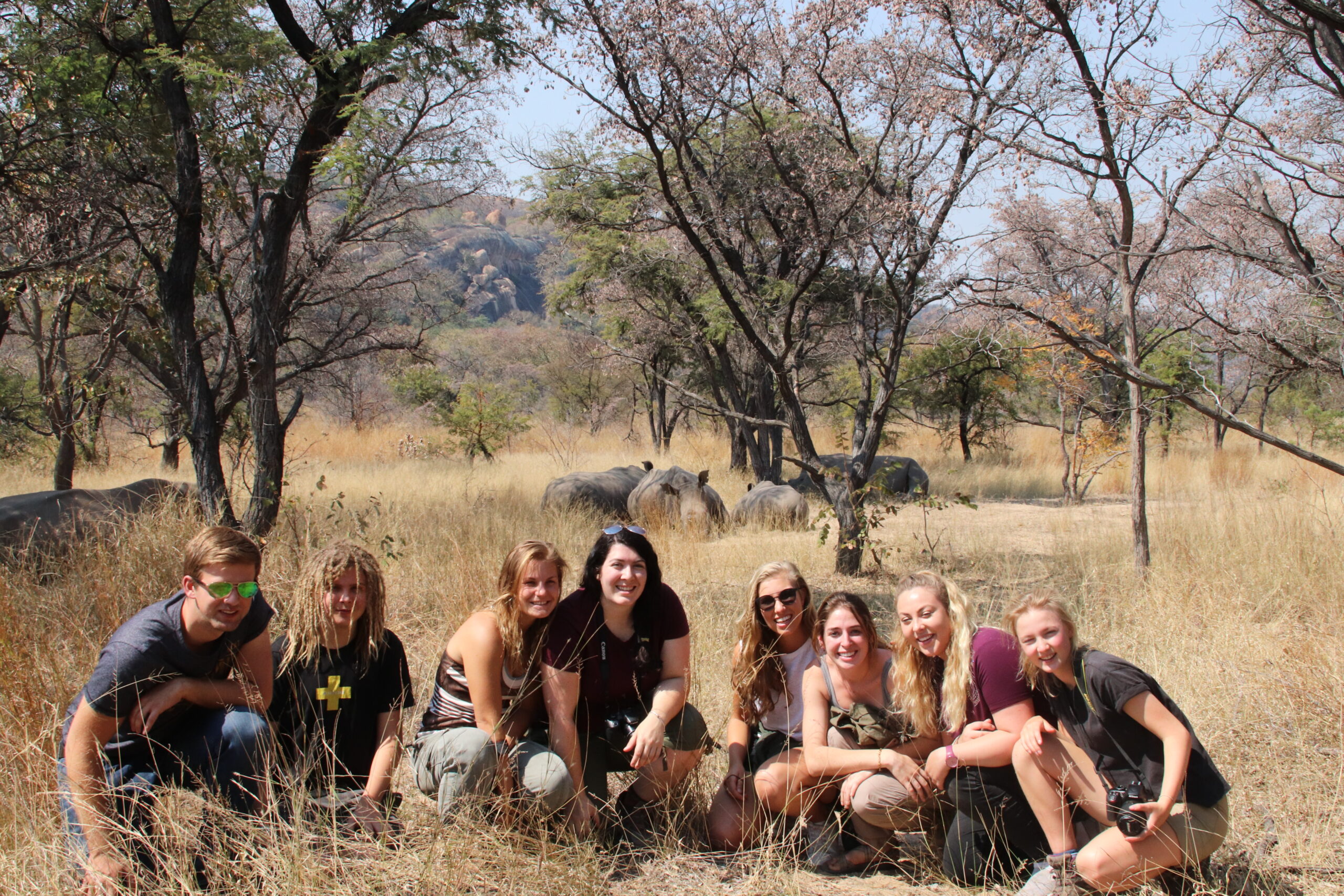
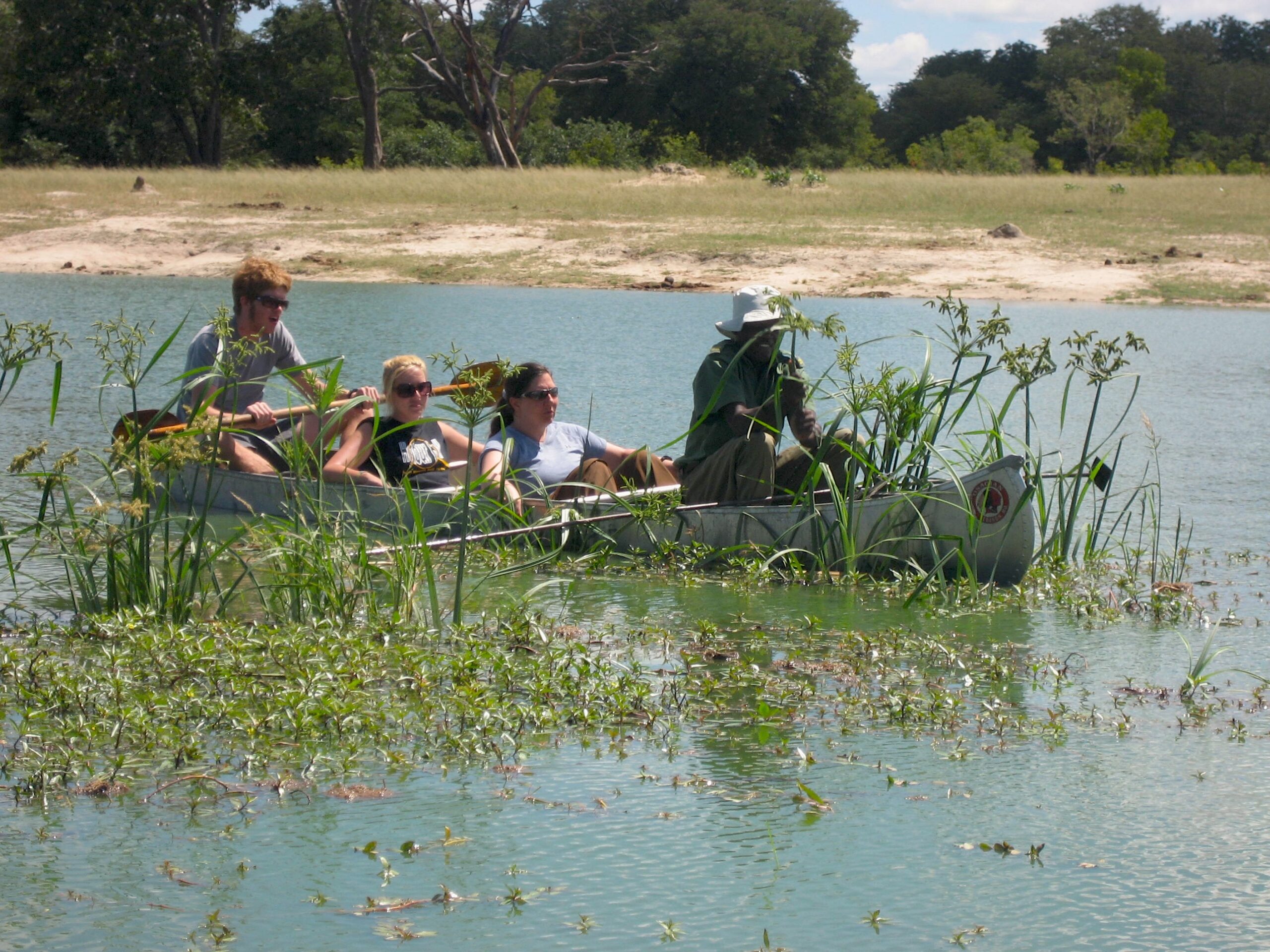
Savannah ecosystems and wildlife areas add another dimension to learning. Conservation initiatives highlight the relationship between tourism, local enterprise, and environmental sustainability across the region.
The Victoria Falls area offers opportunities to examine cross-border tourism and community resilience. Programs explore how local enterprise and grassroots initiatives respond to economic and environmental change.
Across Zimbabwe, learning often moves between heritage sites, rural communities, and conservation landscapes. Programs focus on resilience, history, and the connection between people, place, and development.
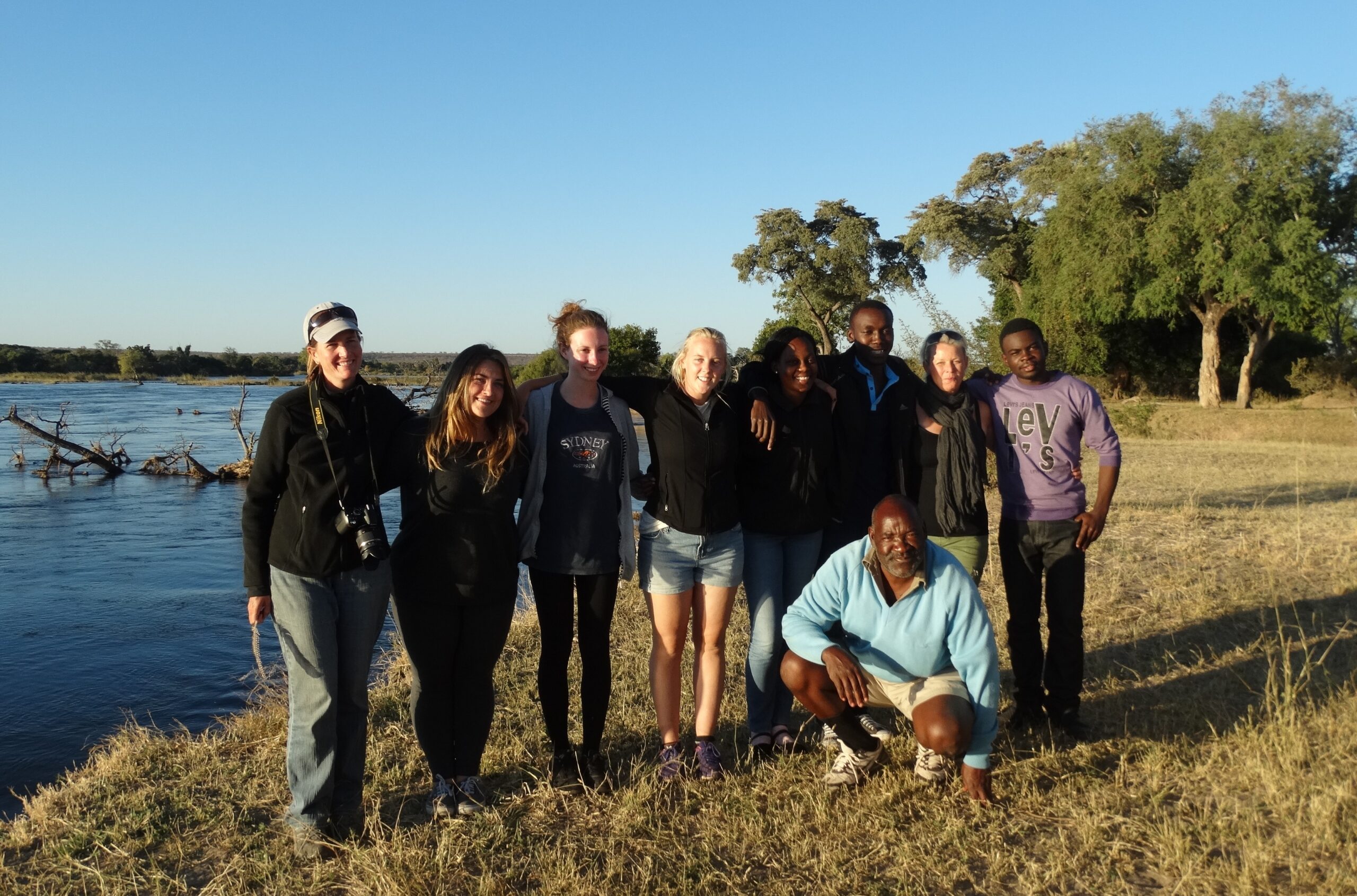
Program Themes
Discover some of the different topics and themes you can focus your program on in Zimbabwe If you don’t see your topic area, or you already have a ready-made itinerary, connect with the Kaya team to start a discussion!
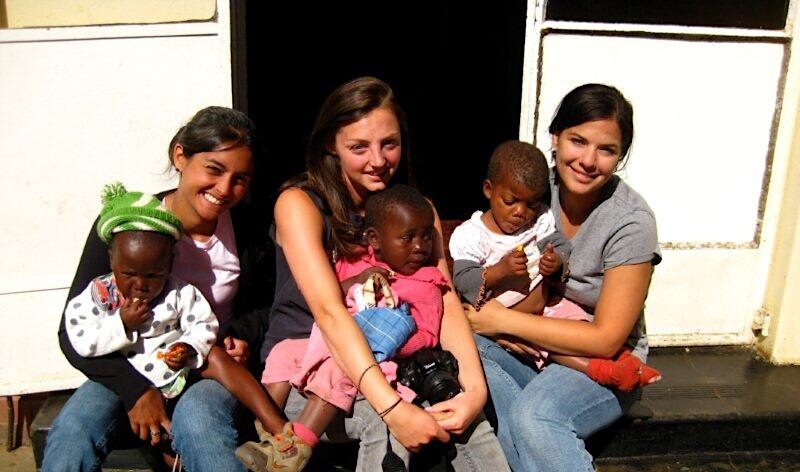
Zimbabwe provides a grounded setting for alternative break and service-learning programs that connect community priorities with long-term, locally guided action. Experiential learning can examine responsible volunteering, rural education, clean water and sanitation, renewable energy, and human–wildlife coexistence while centering reciprocal partnerships and sustainable community infrastructure.
develop your own program similar to this
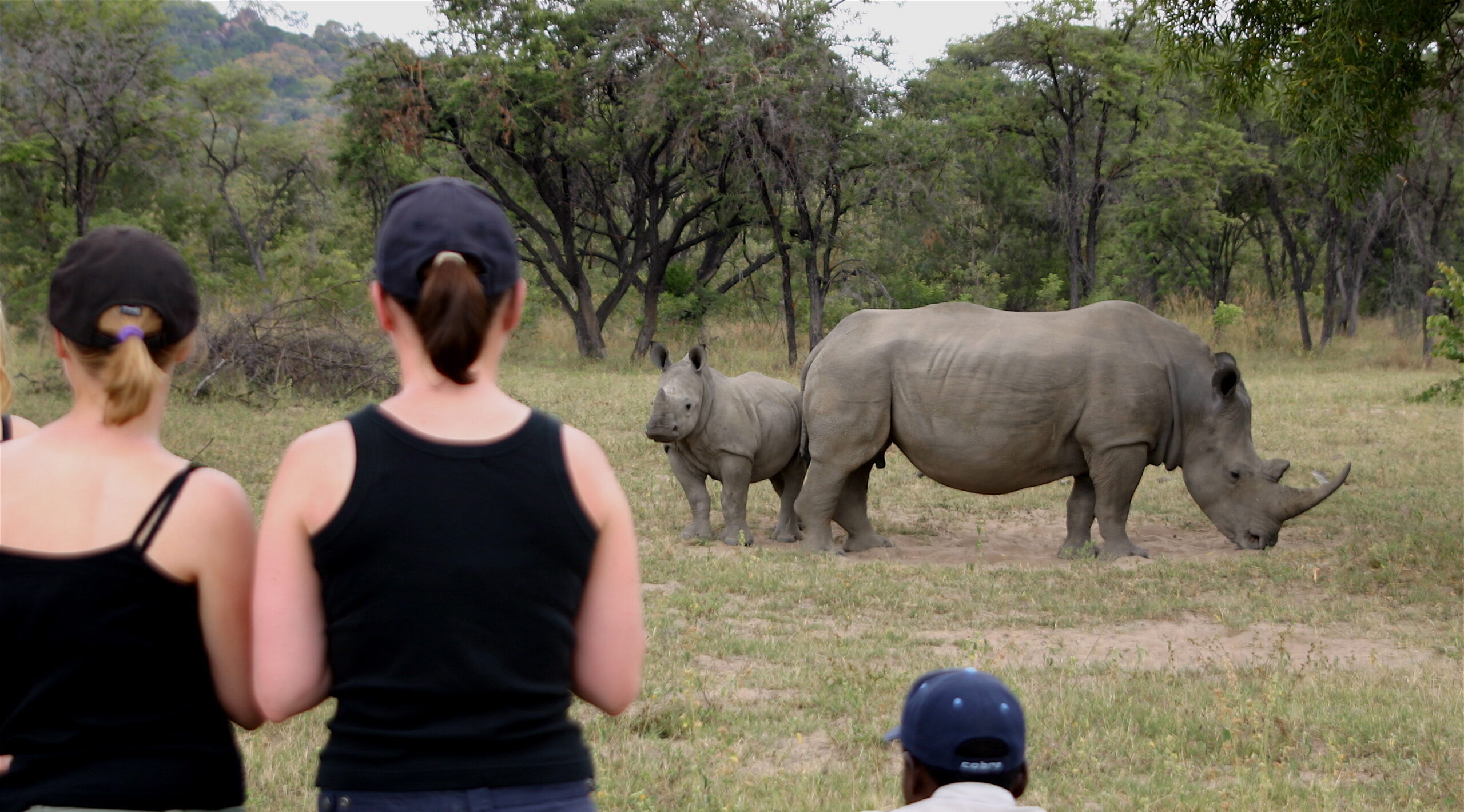
Zimbabwe offers a distinctive setting for exploring animal science where livestock production, rural livelihoods, and wildlife conservation overlap. Custom group programs can provide field-based and hands-on learning through engagement with local experts, communities, and conservation landscapes, placing animal health and management within a broader social and environmental context.
develop your own program similar to this
1
Together we’ll discuss your program goals and needs.
 2
With your input, we develop and fine-tune the perfect itinerary.
 3
We support institutional approvals and recruitment processes to ensure a successful launch!
 4
From pre-departure planning until your return, we’re with you every step of the way!
FAQS
A Zimbabwe program can help students connect academic ideas with experiences beyond the classroom. Kaya can work with faculty to shape a focused itinerary, using selected activities, local perspectives and reflection to deepen subject knowledge while encouraging students to question assumptions and consider different approaches to the issues they study.
A Kaya program can explore animal welfare, habitat protection and the relationships between wildlife and human activity. Kaya works with faculty and local partners to identify suitable learning opportunities, with responsible observation and clearly defined roles. Direct animal care, handling and particular wildlife sightings should not be assumed.
Cultural learning can contribute to the academic purpose of a program rather than sit apart from it. Kaya can help faculty connect selected experiences with course themes, allowing time for discussion and reflection without filling every day with activities or treating Zimbabwe as a single, uniform cultural experience.
Kaya can help group leaders connect learning goals with a practical itinerary, discussing participant needs, activity suitability and local partner capacity. Planning also considers supervision, transport, relevant health guidance and emergency arrangements, with responsibilities clarified between faculty, group leaders and the on-site team.
Testimonials
With a focus on experiential education and the UN Sustainable Development Goals, your group can immerse and engage with international communities and environments across the globe.