









 1
Connect
Together we’ll discuss your program goals and needs.
Tanzania brings together iconic landscapes, rich Swahili culture, and diverse ecosystems across East Africa. From the slopes of Mount Kilimanjaro to the open plains of the Serengeti and the turquoise waters of Zanzibar, the country offers a powerful setting shaped by nature, history, and community life. Swahili and English reflect Tanzania’s cultural connections across the region.
Design a program hereAbout Tanzania
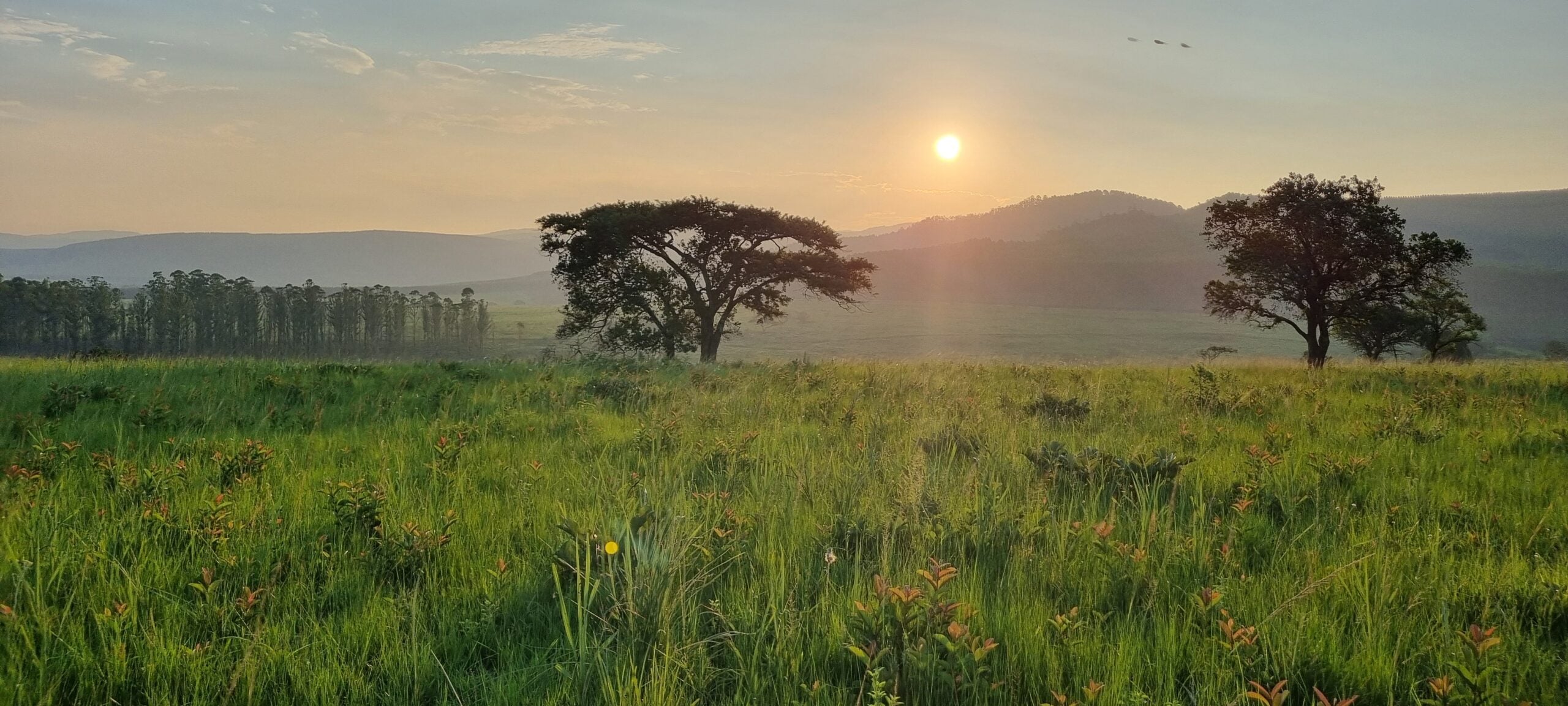
Wildlife conservation and migration shape learning across Tanzania. Programs explore national parks such as the Serengeti and Ngorongoro Conservation Area to understand ecosystem balance, biodiversity, and the challenges of protecting wildlife at scale.
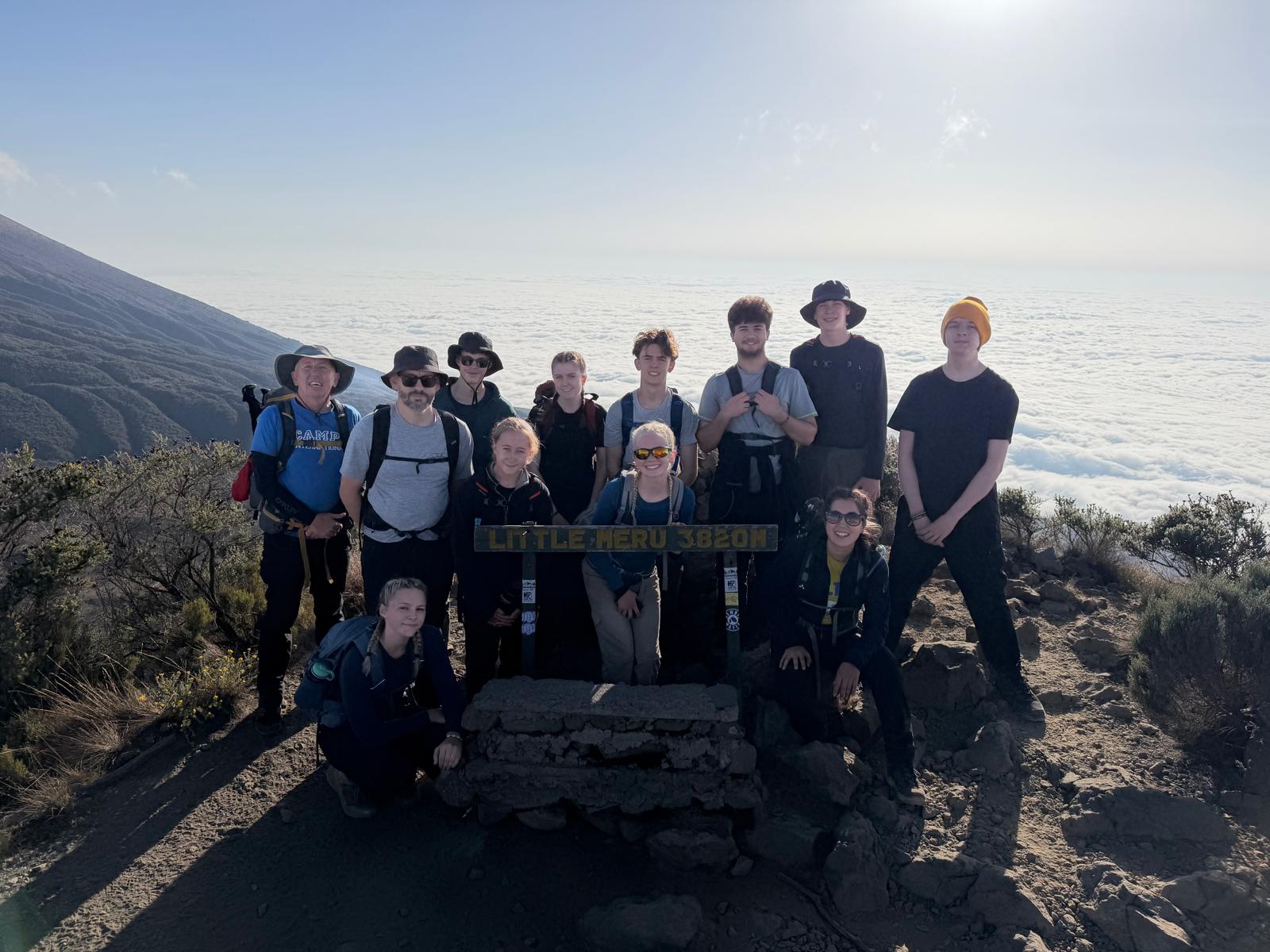
Volcanic landscapes and high-altitude environments provide opportunities to examine geology and environmental change. Mount Kilimanjaro offers insight into climate pressures, tourism, and conservation in fragile mountain ecosystems.
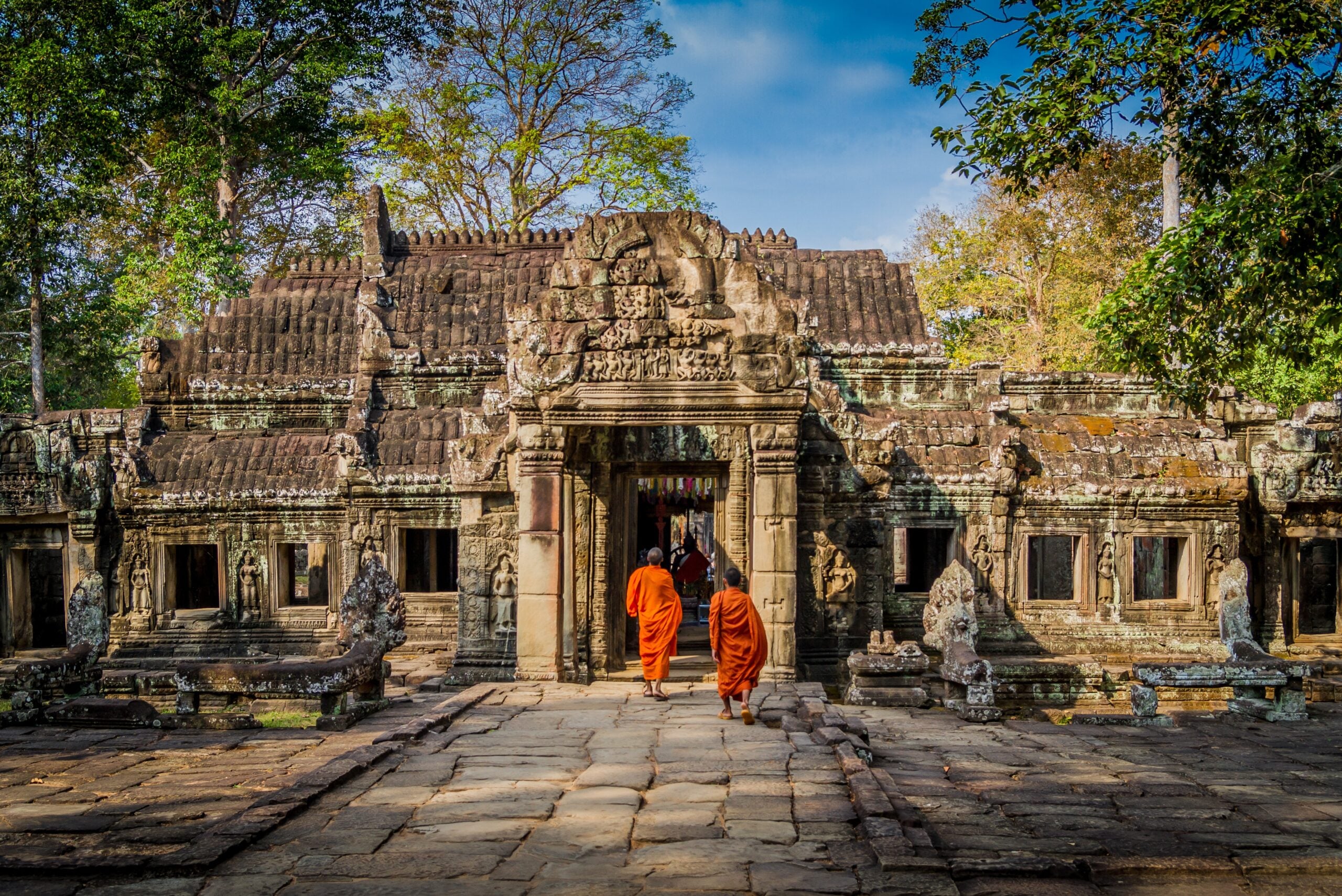
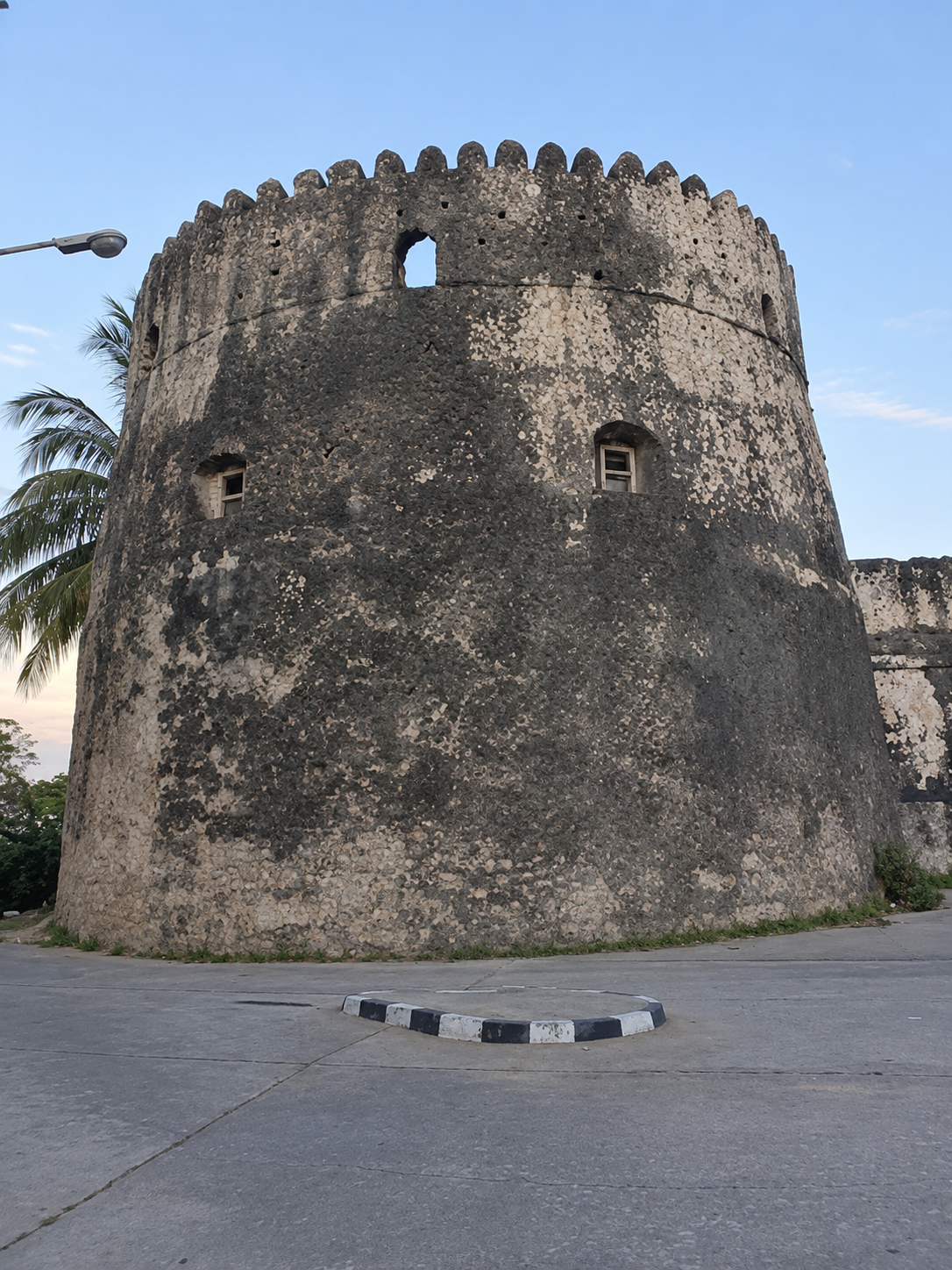
Along the coast, Zanzibar reveals a different side of Tanzania’s identity. Swahili culture, Islamic heritage, and centuries of Indian Ocean trade history highlight the region’s global connections and cultural diversity.
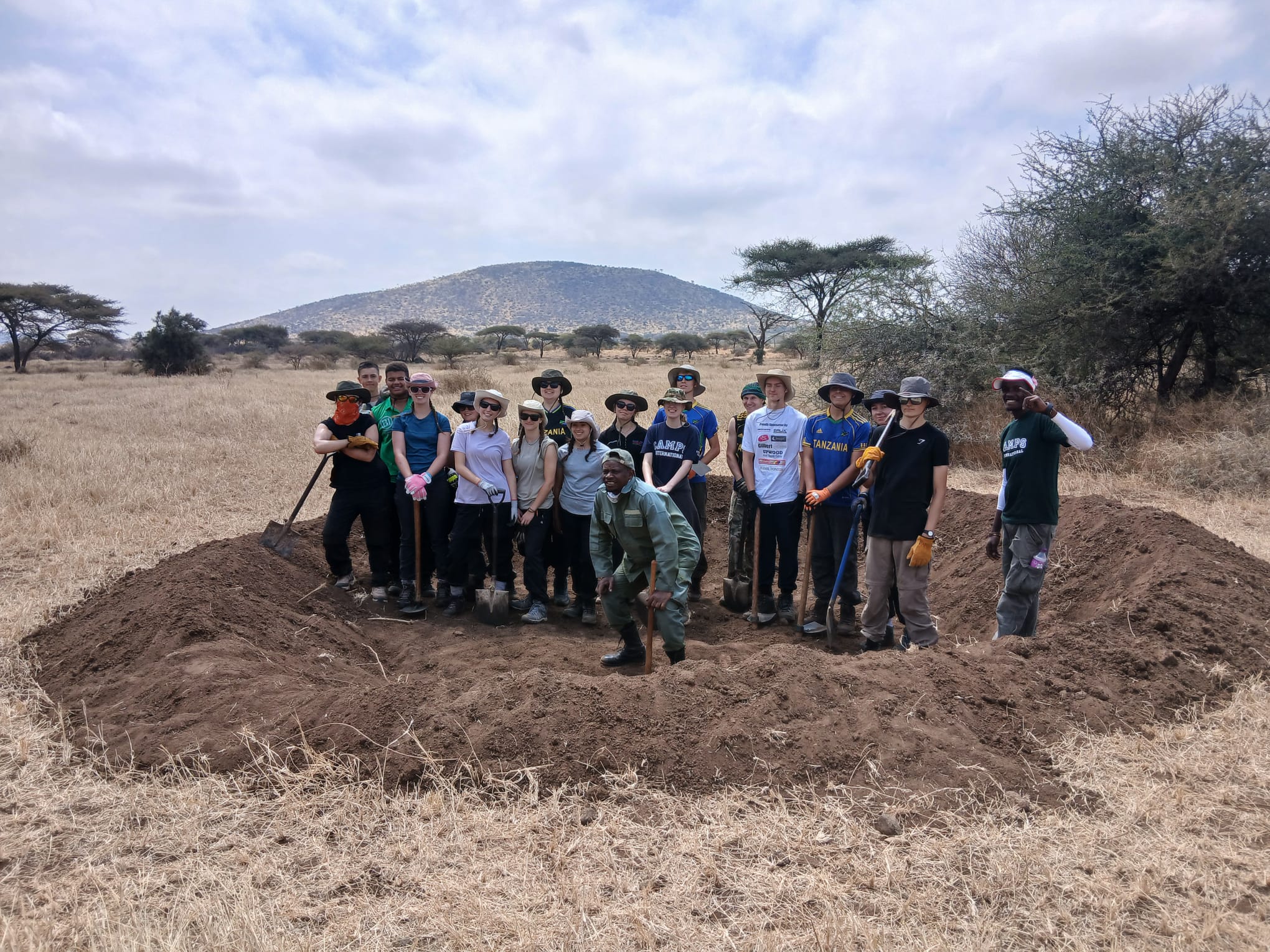
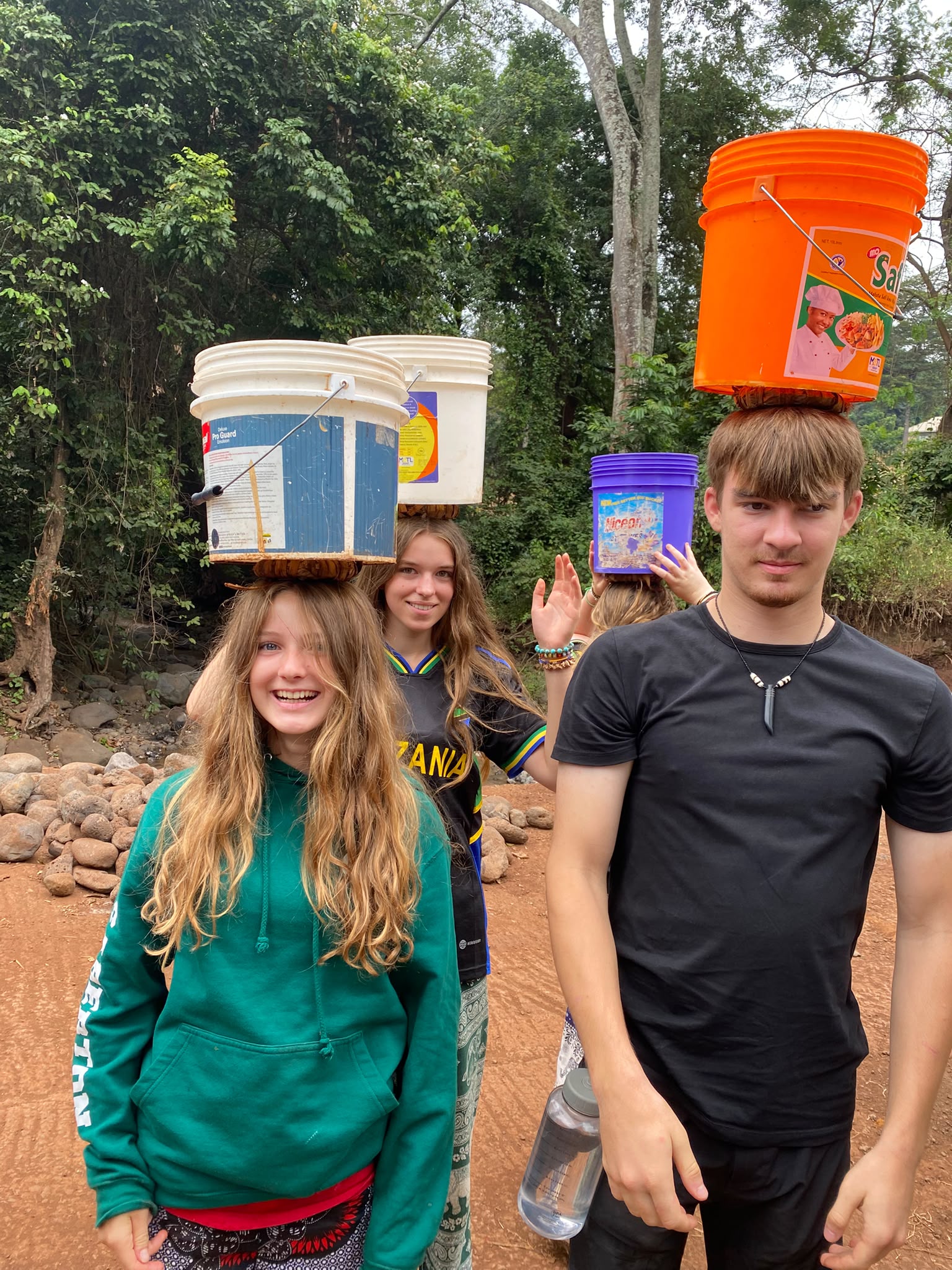
Rural livelihoods and agriculture remain central to everyday life across much of the country. Students explore how farming, community systems, and local economies adapt to environmental and social change.
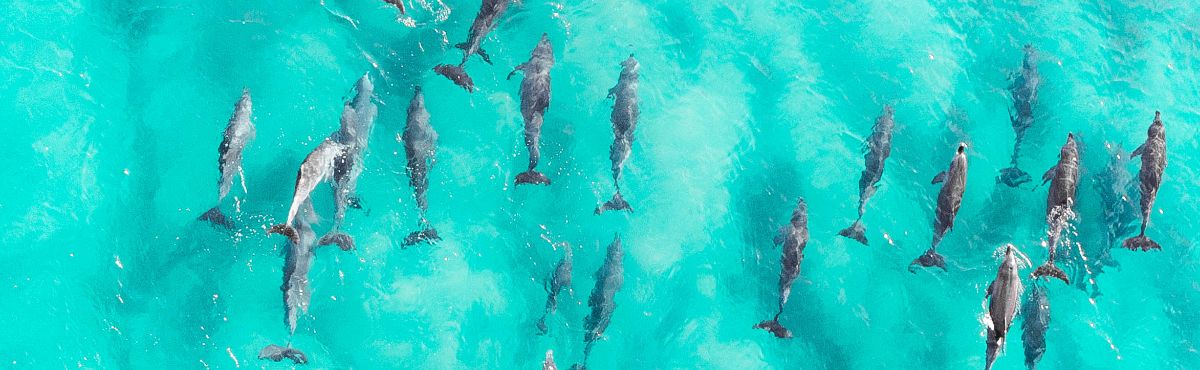
Marine ecosystems add another layer to learning. Coral reefs, coastal habitats, and dolphin populations highlight conservation efforts and the relationship between tourism and ocean protection.
Programs in Tanzania often move from mountain to savannah to coast, offering a layered understanding of environment, culture, and sustainability across the region.
Program Themes
Discover some of the different topics and themes you can focus your program on in Tanzania. If you don’t see your topic area, or you already have a ready-made itinerary, connect with the Kaya team to start a discussion!
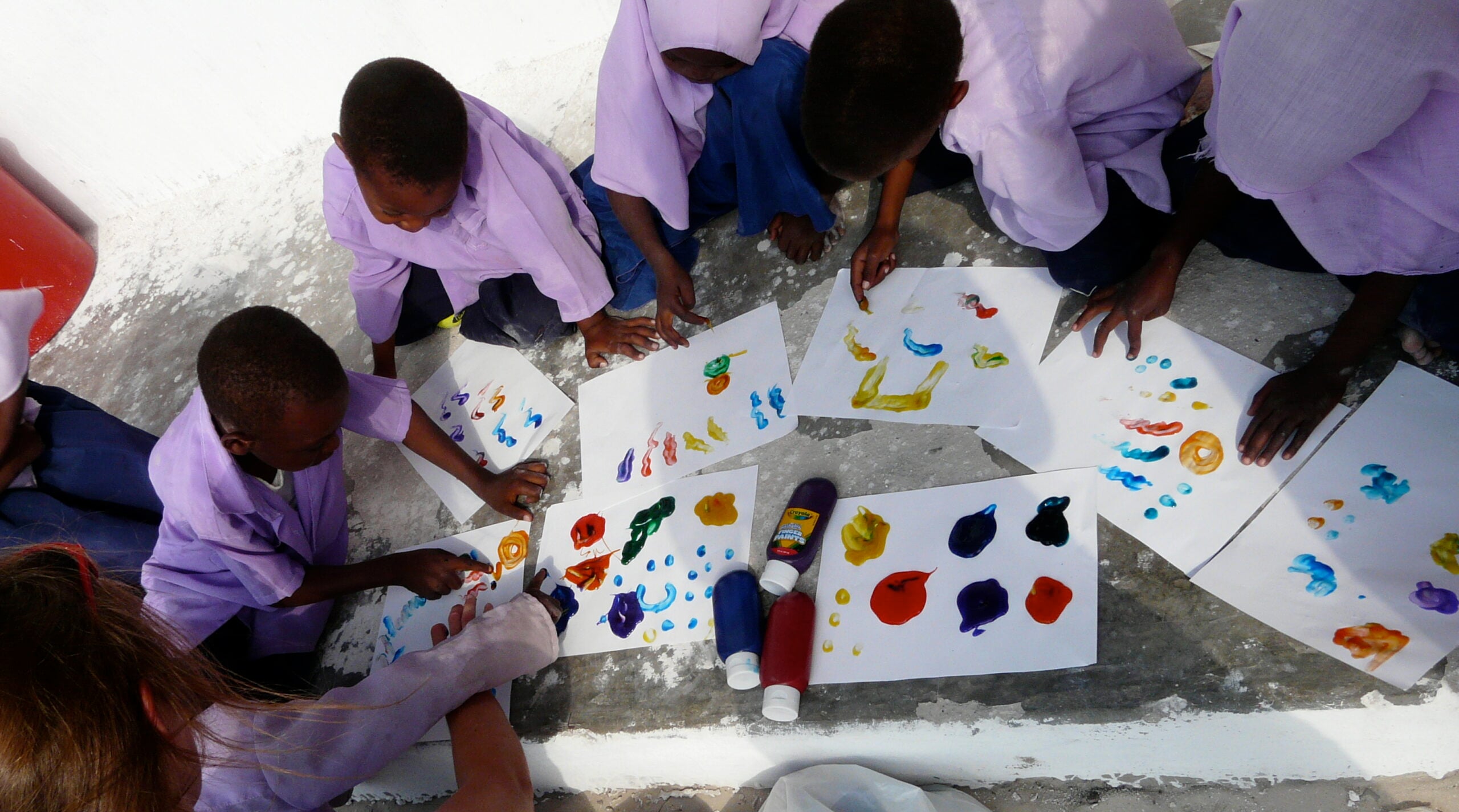
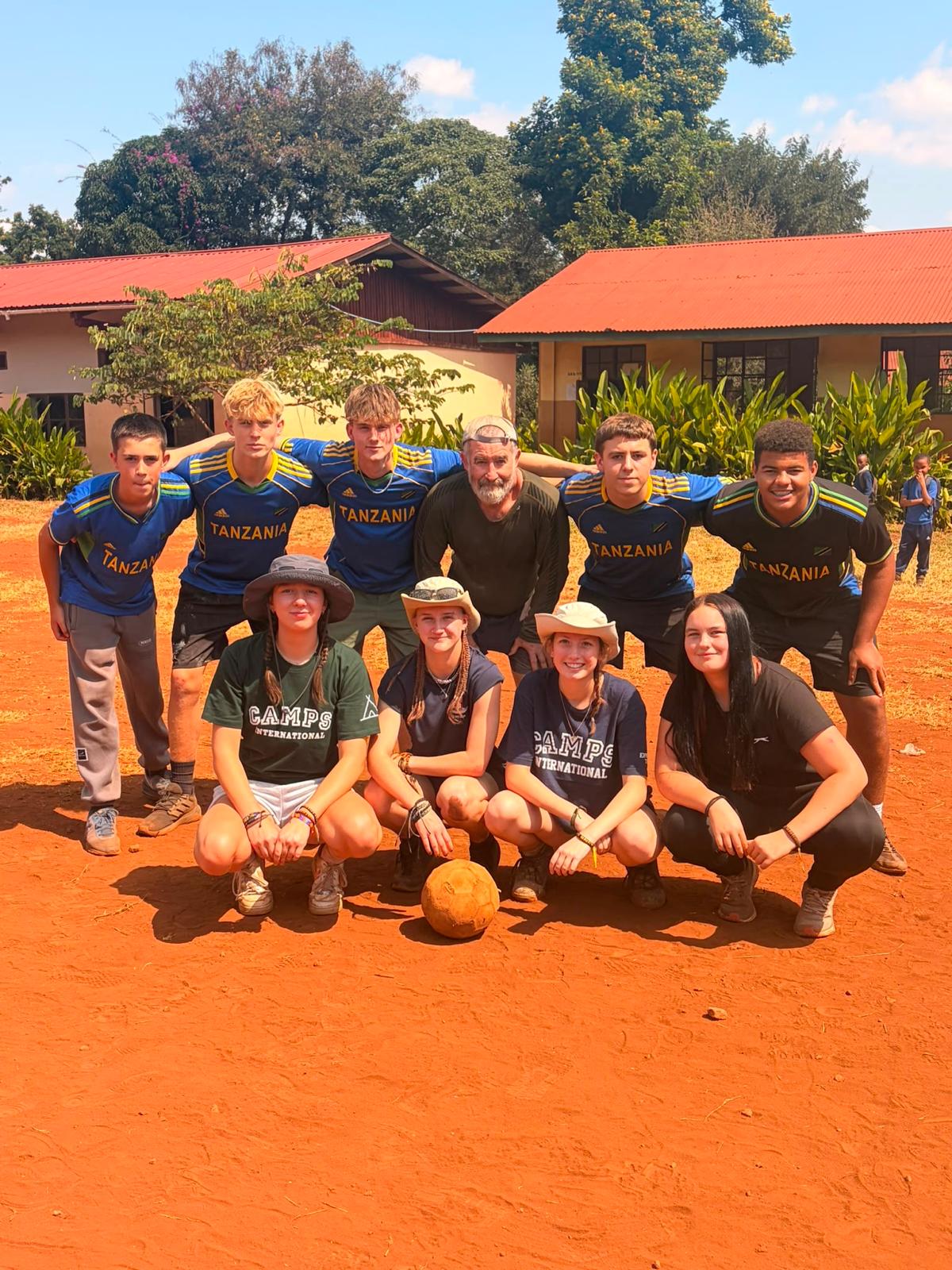
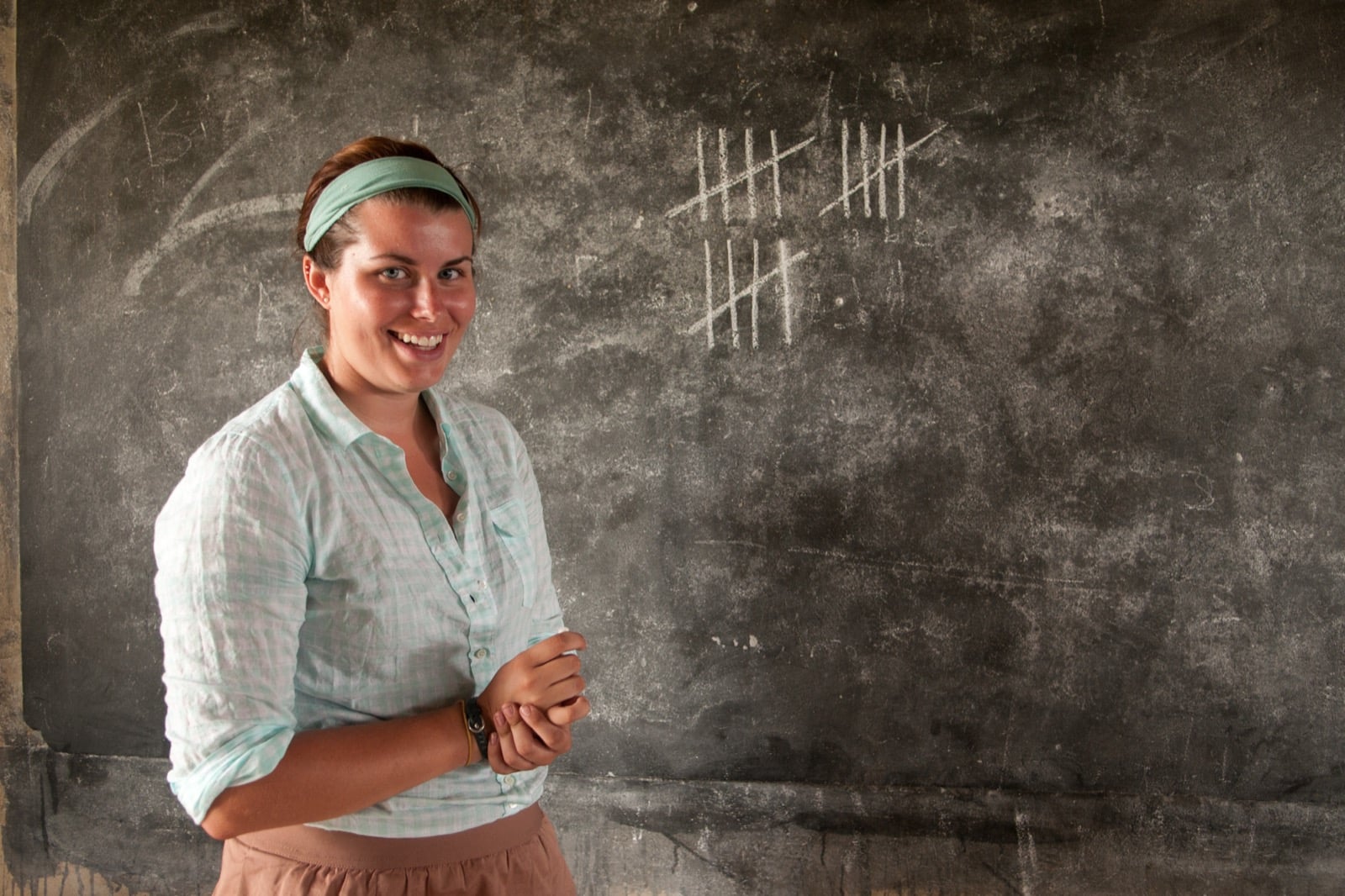
Tanzania provides a compelling setting for examining how education shapes opportunity, inclusion, and community wellbeing. Custom group programs support field-based, experiential learning and cross-cultural immersion through hands-on engagement with local educators, leaders, and organizations across diverse learning environments.
develop your own program similar to this
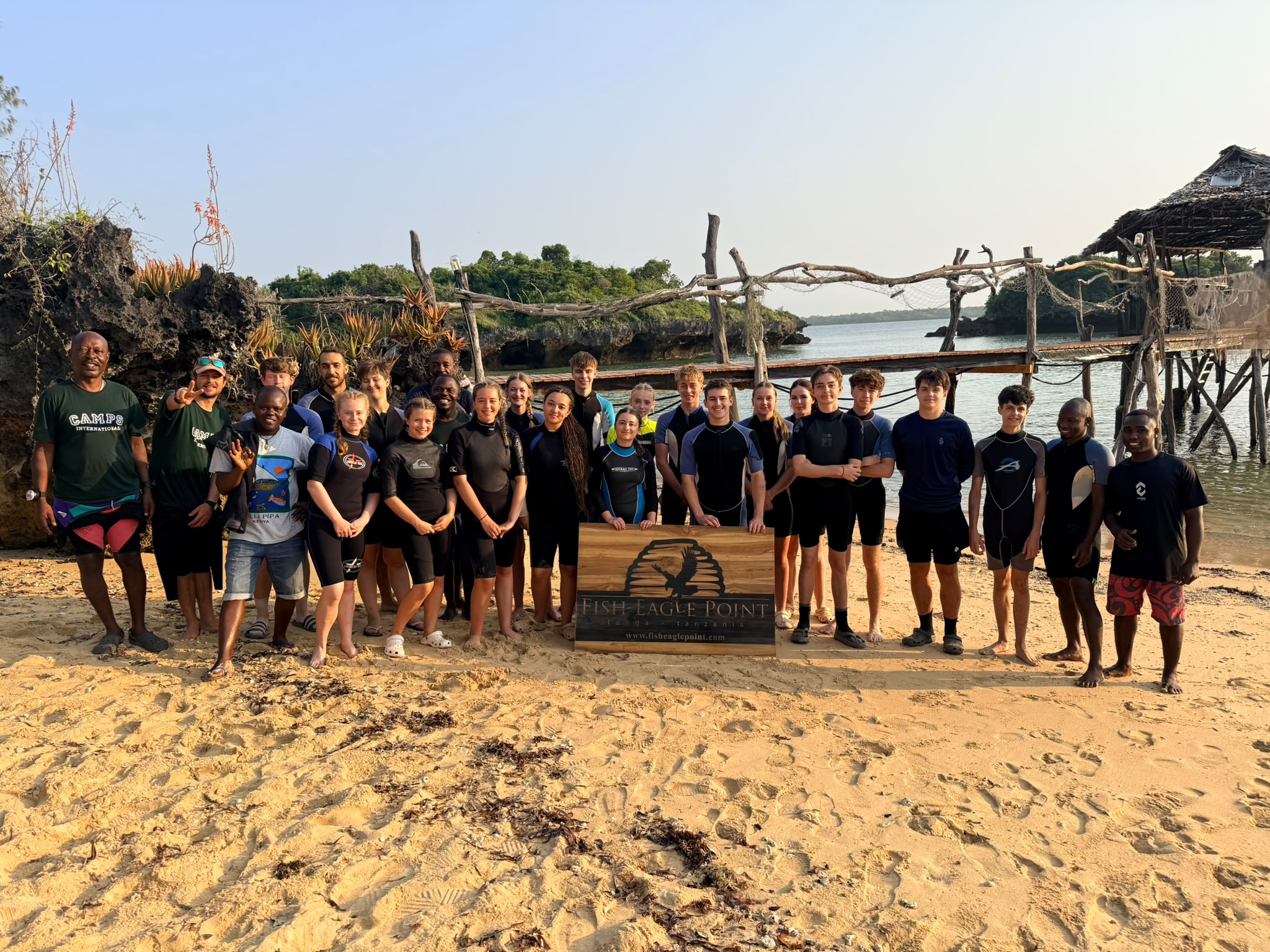
Tanzania’s Indian Ocean coast and Zanzibar’s island ecosystems connect coral reefs, mangroves, seagrass, fisheries, tourism, and marine livelihoods within a single coastal landscape. Experiential learning through custom group programs can bring marine science and social science together, using field research, community engagement, and hands-on experience to examine how conservation evidence informs sustainable policy and practice.
develop your own program similar to this
1
Together we’ll discuss your program goals and needs.
 2
With your input, we develop and fine-tune the perfect itinerary.
 3
We support institutional approvals and recruitment processes to ensure a successful launch!
 4
From pre-departure planning until your return, we’re with you every step of the way!
FAQS
Kaya can work with faculty to shape a Tanzania itinerary around course objectives, student interests and practical requirements. Learning experiences in locations such as Zanzibar can be selected according to current availability and local partner capacity, keeping academic purpose central while allowing flexibility in the program’s focus.
Faculty can use experiences in Zanzibar as the basis for reflective journals, group discussions or course assignments. Kaya can help align the itinerary with learning outcomes, giving students opportunities to connect what they observe with academic concepts in education or marine studies.
A marine-focused program can explore ecosystem relationships, environmental pressures and connections between conservation and coastal livelihoods. Learning can consider both micro and macro marine life, with activities selected around course goals and local expertise. Particular wildlife sightings, direct animal contact and participation in specialist research should not be assumed.
Kaya reviews participant needs, planned activities and supervision with group leaders, working with the on-site team to prioritize safety. Planning covers relevant health guidance, transport, emergency arrangements and clear participant responsibilities, with consideration given to the settings and activities included in the Tanzania itinerary.
Testimonials
With a focus on experiential education and the UN Sustainable Development Goals, your group can immerse and engage with international communities and environments across the globe.