








History and Society in South Africa
- History, Art & Culture
- Social Justice & Behavioral Science
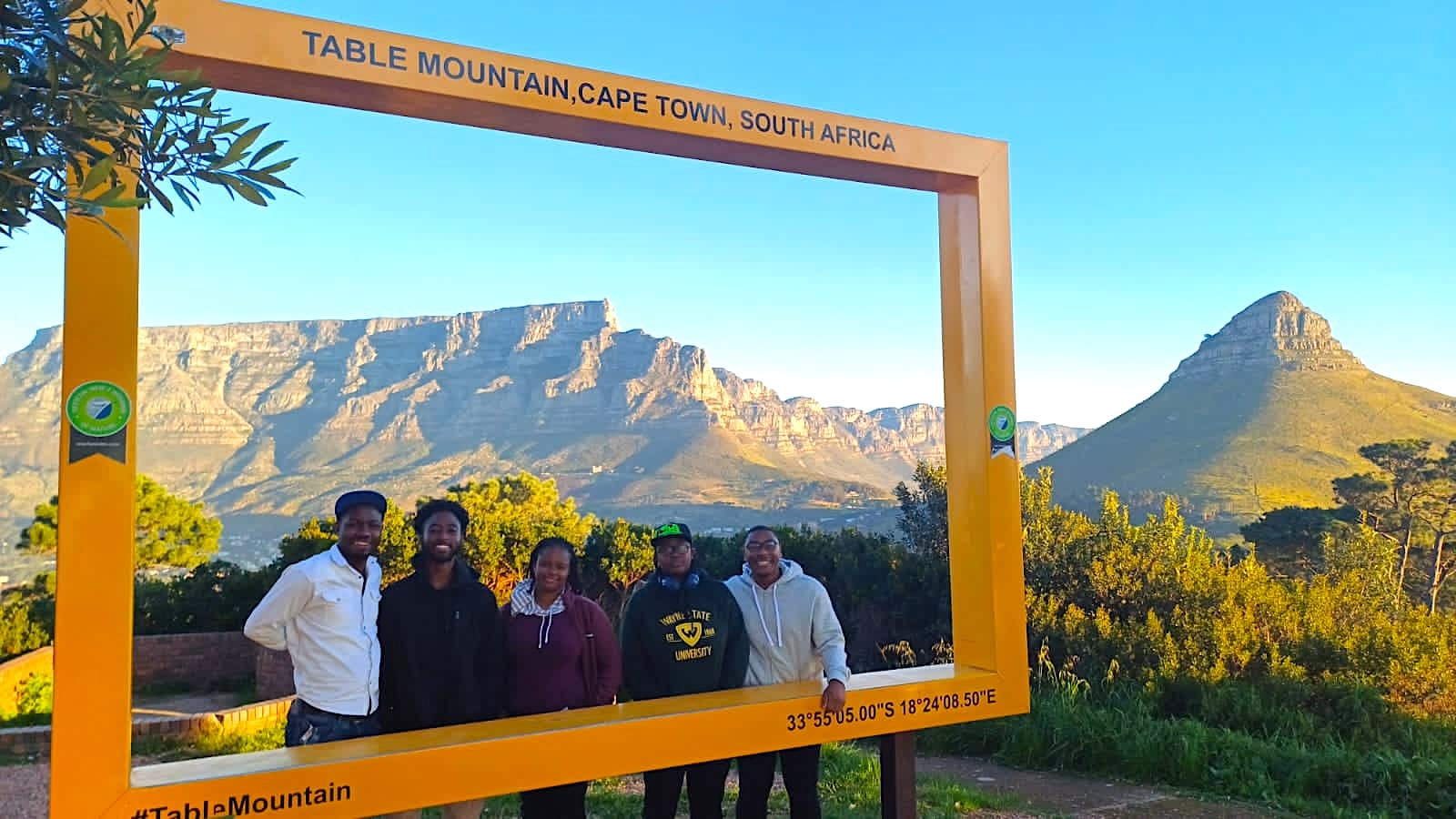
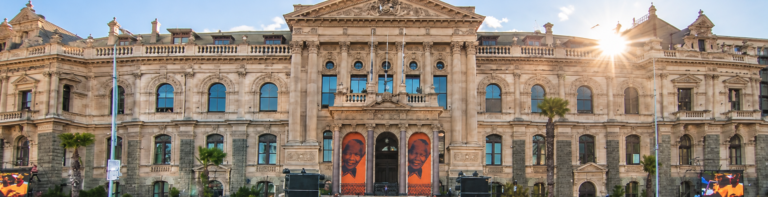
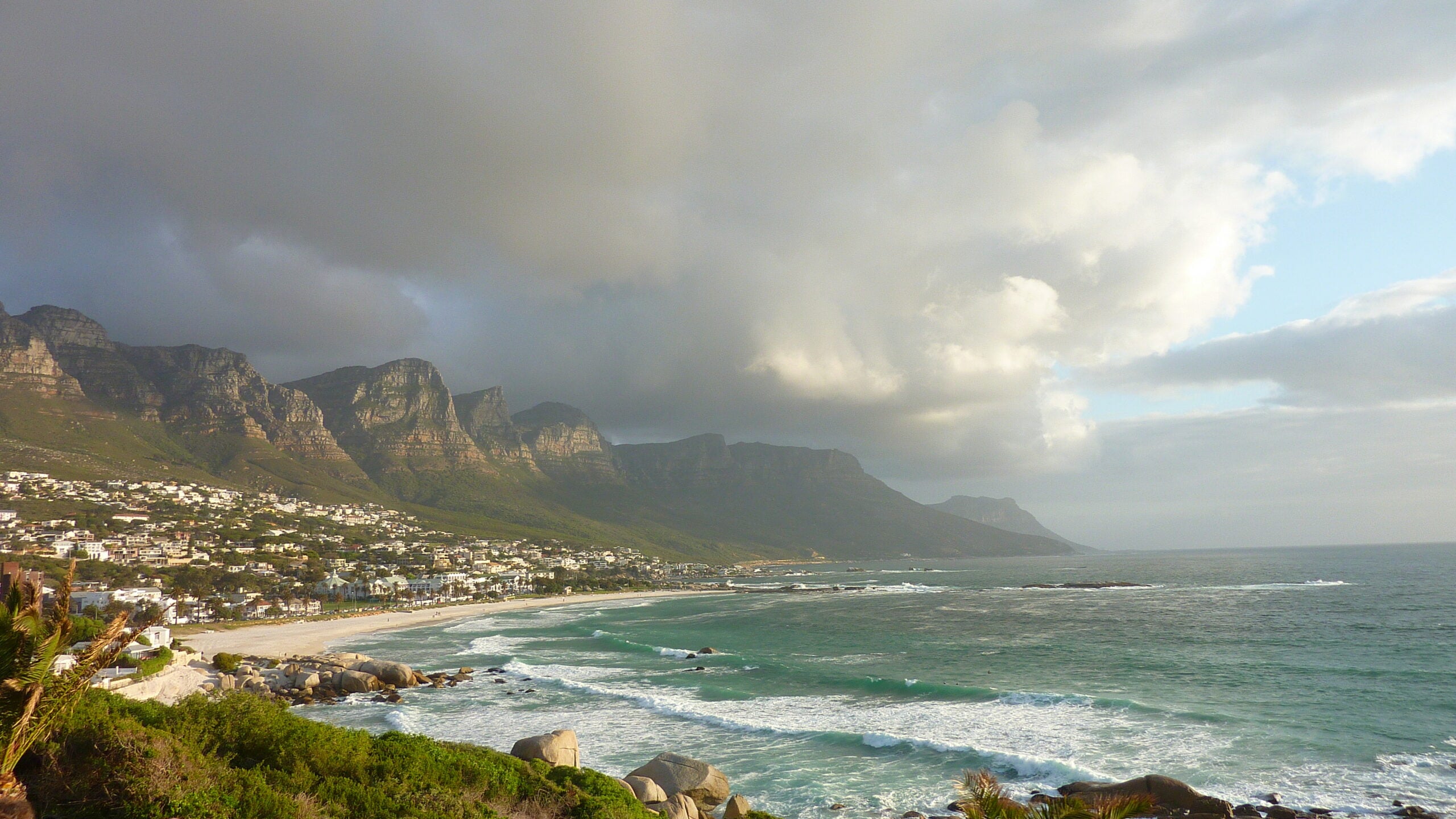
South Africa is shaped by powerful contrasts. Vibrant cities, diverse cultures, and dramatic natural landscapes reflect a country still navigating its post-apartheid transformation. From the coastlines of Cape Town to the energy of Johannesburg, South Africa offers a dynamic setting to explore history, identity, and change.
Design a program hereAbout South Africa
History and social transformation sit at the center of learning in South Africa. Programs explore the legacy of apartheid alongside contemporary challenges such as inequality, development, and community-led change. English, Afrikaans, isiXhosa, isiZulu, and other official languages reflect the country’s cultural diversity and complexity, shaping communication, identity, and everyday experience.
Major urban centers like Cape Town and Johannesburg offer insight into international business, urban growth, and cultural innovation. Students examine how economic opportunity and social contrasts shape everyday life across rapidly evolving cities.
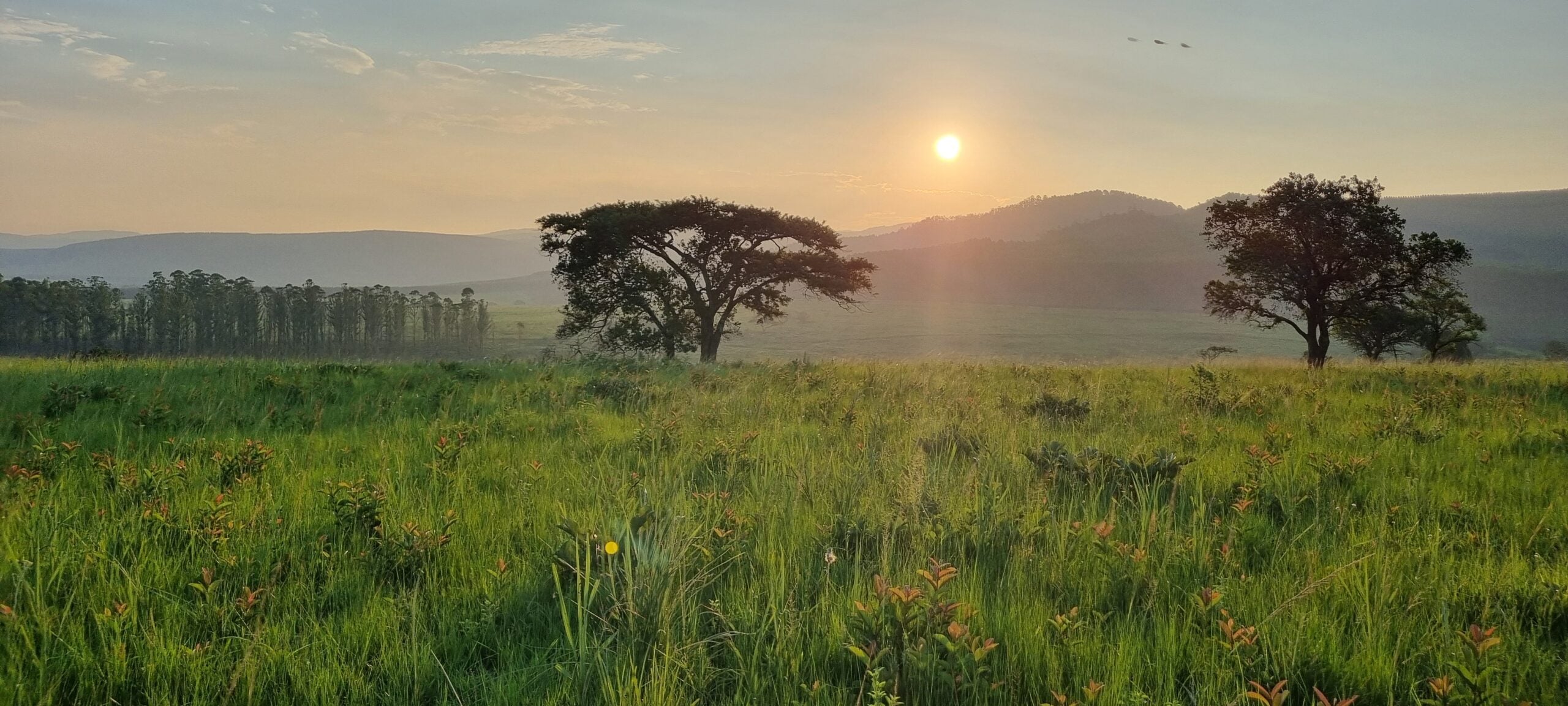
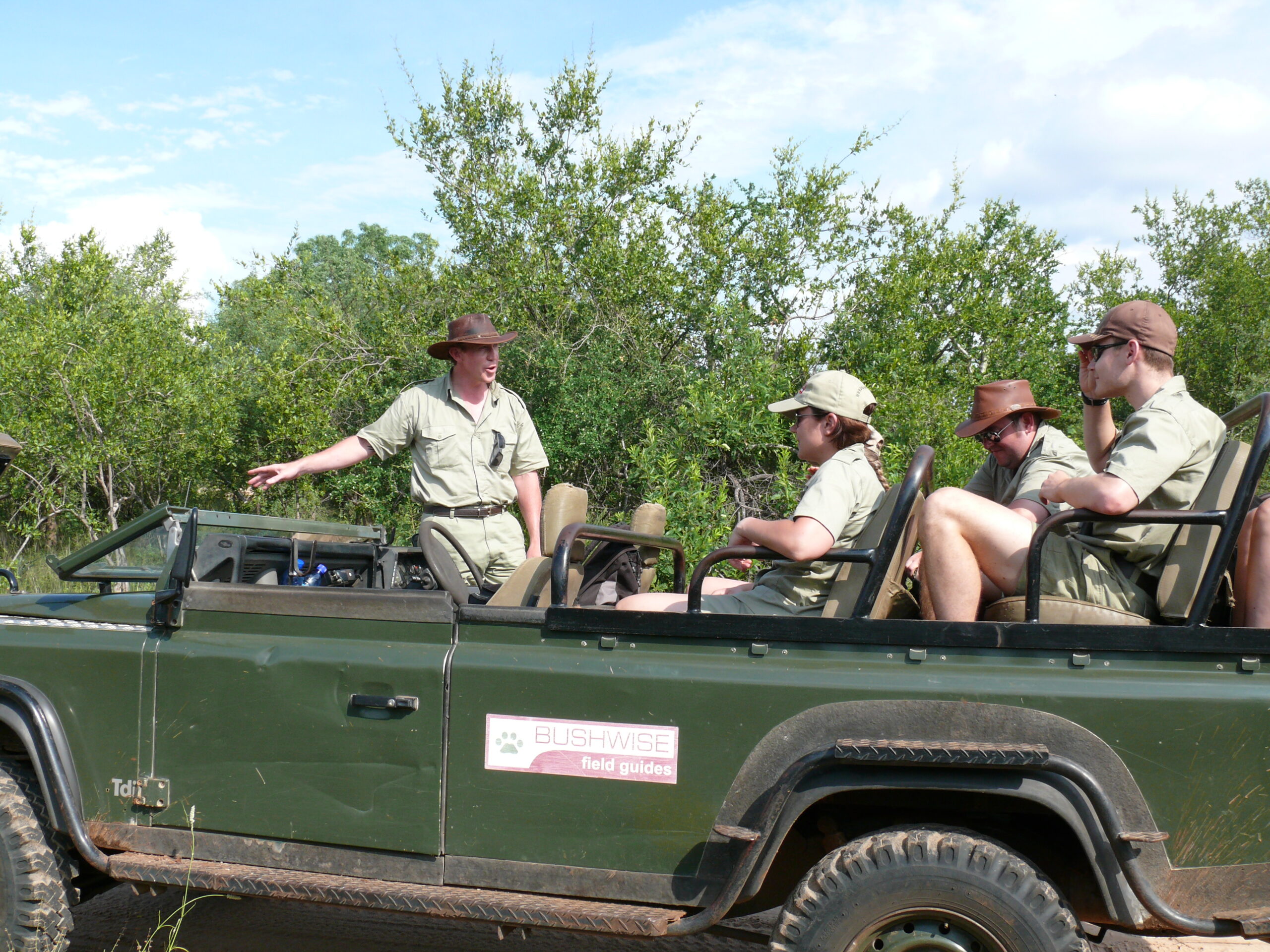
Beyond the urban landscape, South Africa’s national parks and biodiversity hotspots provide opportunities to explore conservation in action. Wildlife areas such as Kruger National Park highlight the balance between tourism, environmental protection, and local livelihoods.
Community initiatives and township-based projects offer a grounded perspective on social development. Programs engage with local organizations to understand education, public health, and grassroots approaches to change.
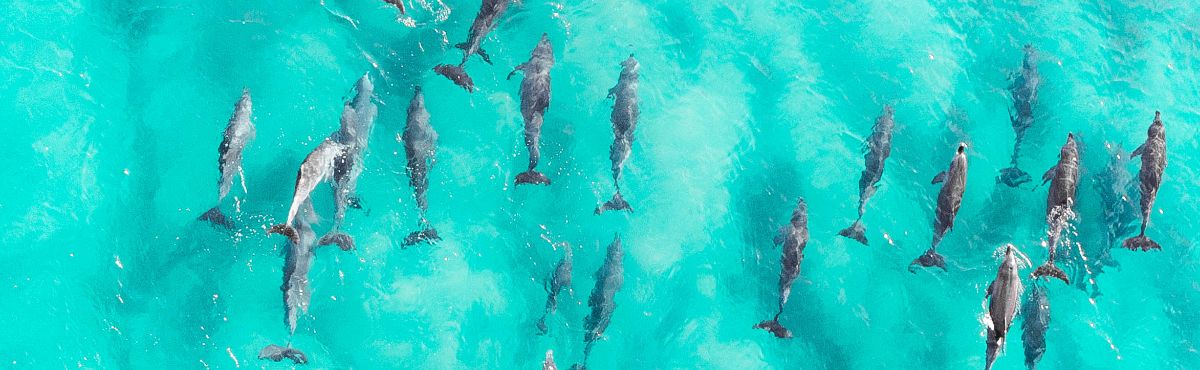
Coastal environments and marine ecosystems add another layer to learning, from ocean conservation to sustainable tourism along the country’s diverse shoreline.
In South Africa, programs often move between city, coast, and conservation landscapes. Kaya works closely with faculty and local partners to create experiences that reflect the country’s complexity, resilience, and global connections.
Program Themes
Discover some of the different topics and themes you can focus your program on in South Africa. If you don’t see your topic area, or you already have a ready-made itinerary, connect with the Kaya team to start a discussion!
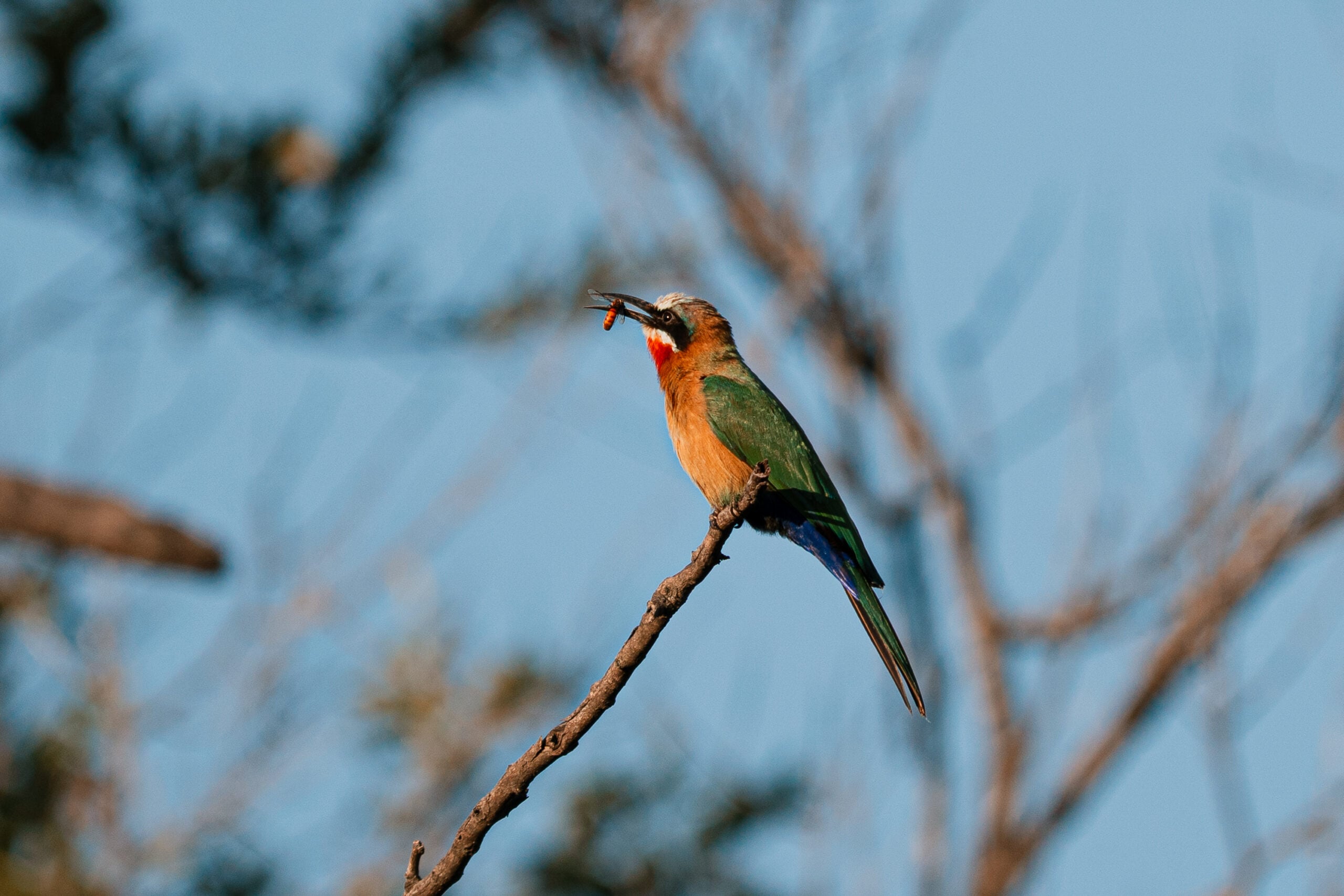
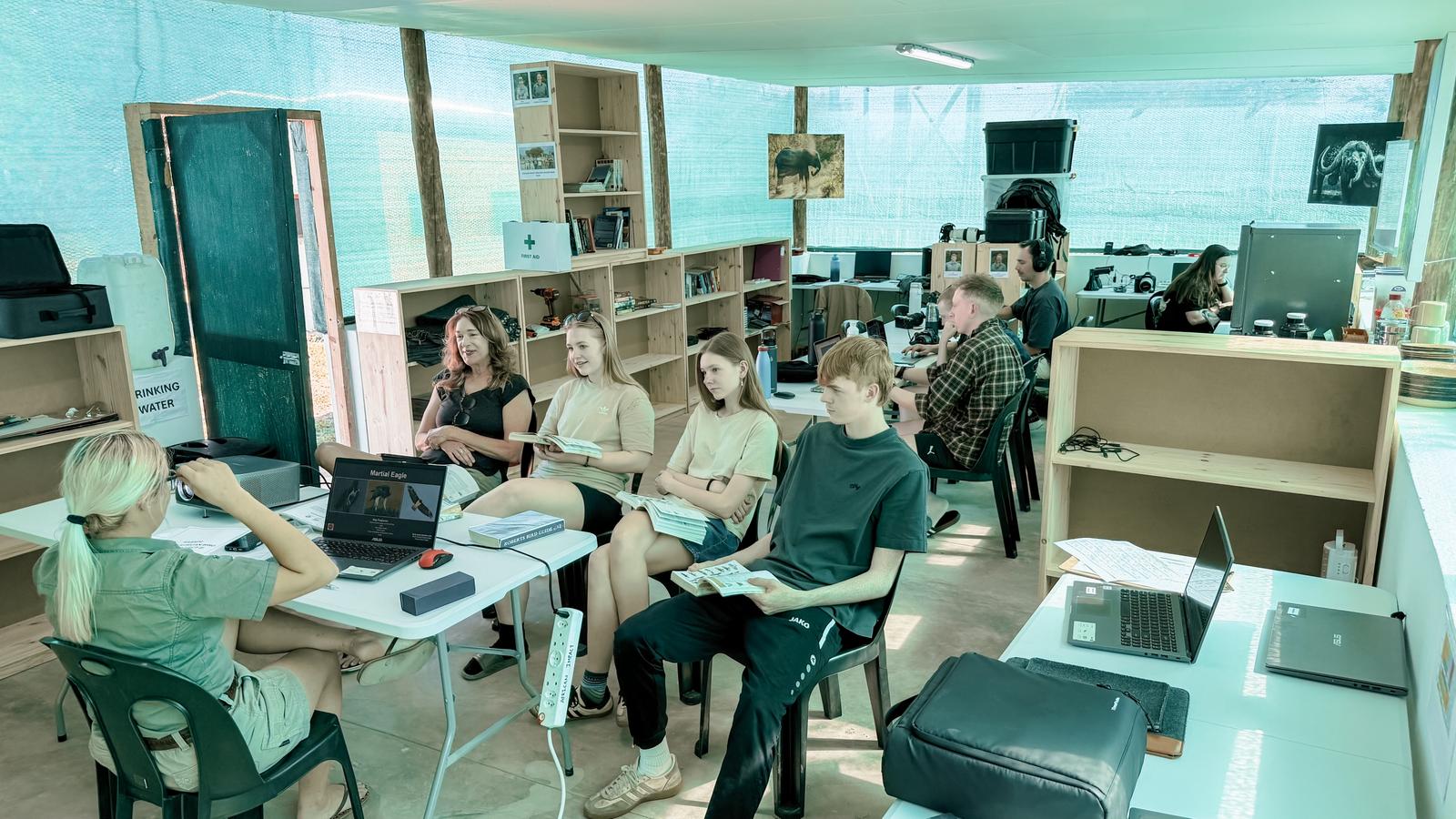
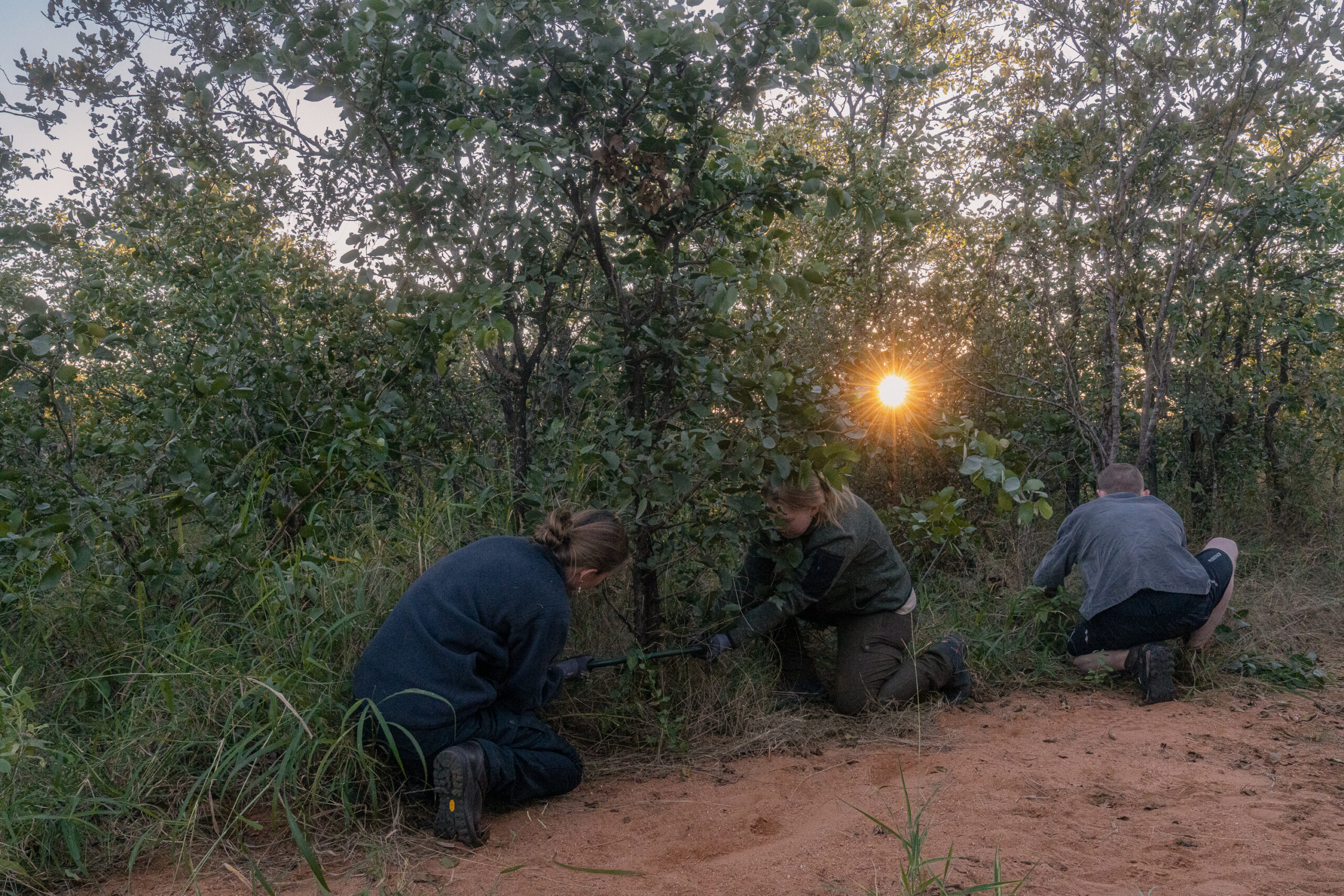
Field-based programs in South Africa turn biodiversity science into practical conservation learning. Groups investigate ecosystems, wildlife populations, and changing landscapes through observation, data collection, mapping, restoration, and discussions with practitioners. This connects ecological research to protected-area management, sustainable land use, and community-led environmental stewardship.
develop your own program similar to this
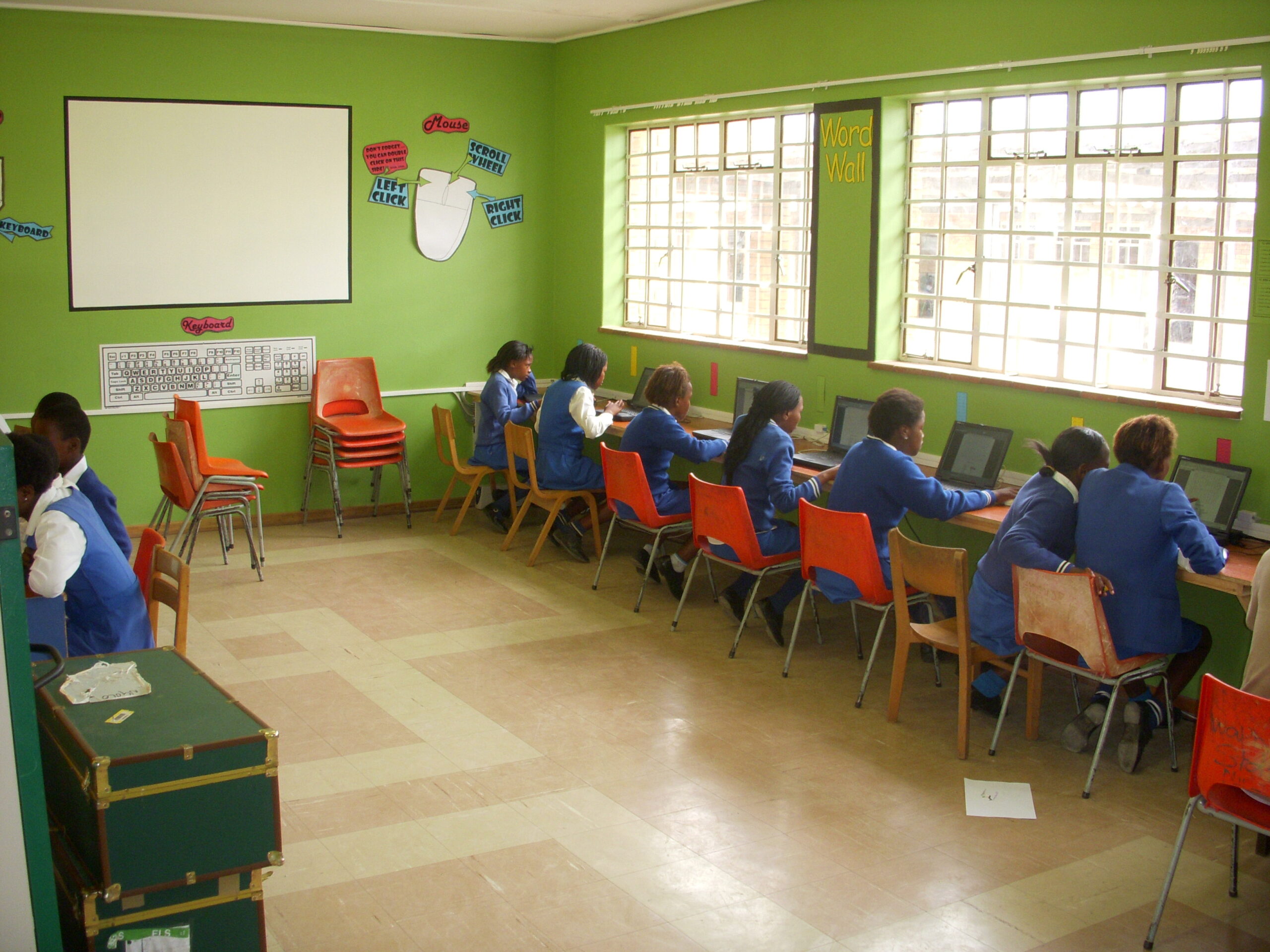
Learning in South Africa extends beyond the classroom, where literacy, numeracy, wellbeing, culture, and community history intersect. Custom group programs create hands-on, field-based experiential learning opportunities in local schools, supporting ethical engagement while exploring educational access, teaching practice, and cross-cultural immersion.
develop your own program similar to this
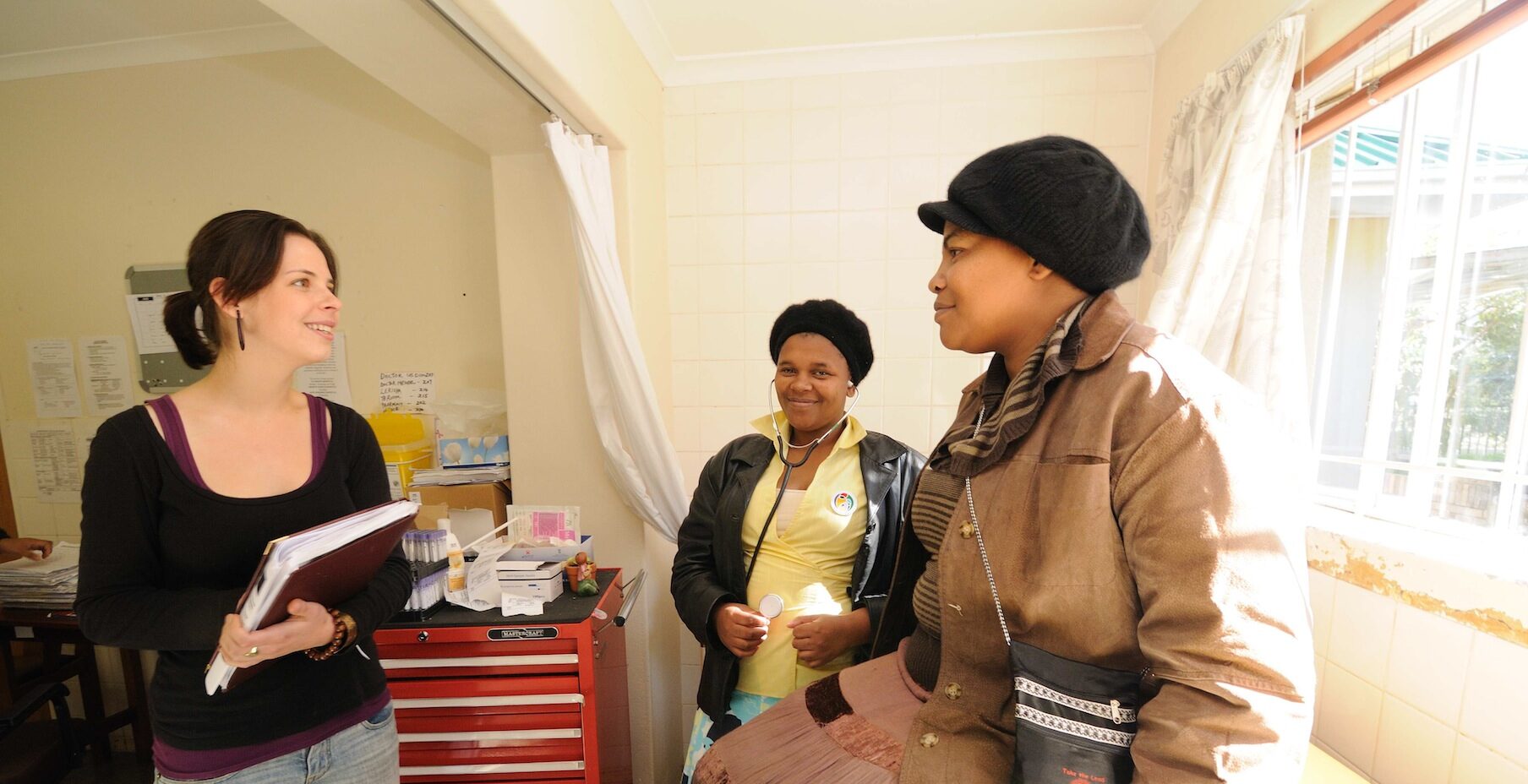
South Africa offers an important setting for examining primary care, public-health inequality, and community-based prevention. Custom group programs can provide field-based experiential learning through clinic observation, health education, and cross-cultural immersion with professionals addressing chronic illness, infectious disease, mental health, and barriers to care.
develop your own program similar to this
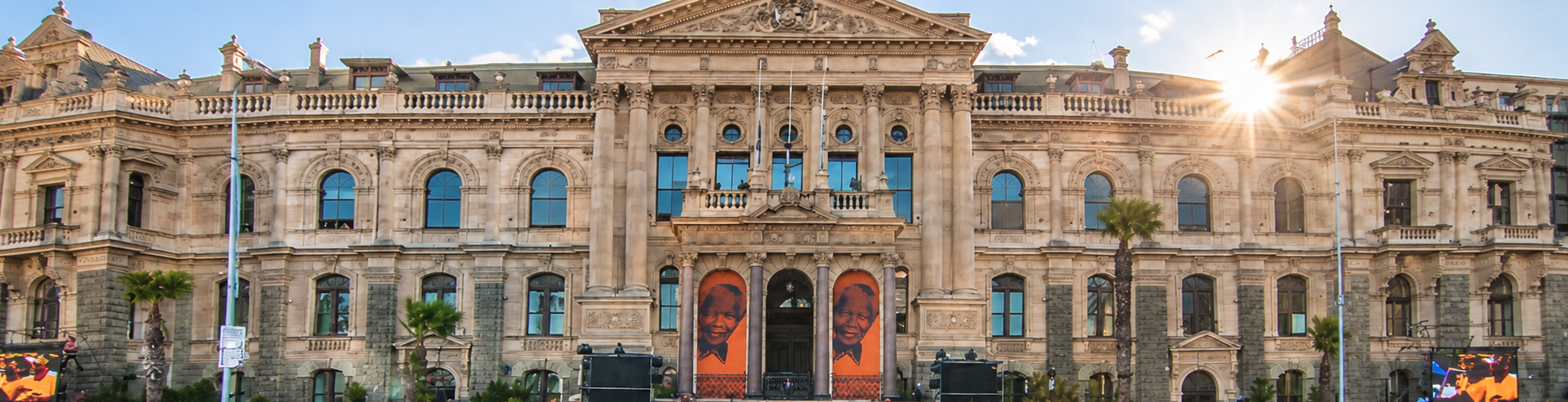
South Africa offers a powerful setting for understanding how apartheid-era displacement, unequal urban planning, and community-led action continue to influence daily life. Custom group programs combine field-based experiential learning, local dialogue, and responsible cross-cultural immersion to examine rights, resilience, and pathways toward a more equitable society.
develop your own program similar to this
Program ideas
Browse example itineraries and program ideas inspired by topics Kaya groups have explored over the years.
 1
Together we’ll discuss your program goals and needs.
 2
With your input, we develop and fine-tune the perfect itinerary.
 3
We support institutional approvals and recruitment processes to ensure a successful launch!
 4
From pre-departure planning until your return, we’re with you every step of the way!
FAQS
Kaya can build a program around environmental sustainability, education, social justice, business or health, either as a focused subject or through connected themes. Faculty can identify the questions that matter most to their course, helping keep the itinerary purposeful rather than trying to cover every area.
Students can compare course material with perspectives encountered during the program, considering how context shapes different experiences and priorities. Guided discussion and reflection can help them examine assumptions, distinguish observation from interpretation and recognize that a short visit provides only a partial understanding of complex issues.
A shared program can give students opportunities to examine a common theme from different academic perspectives. Kaya can work with faculty to connect selected subject areas through a shared learning goal, while allowing discussions and assignments to reflect the interests and requirements of each discipline.
Faculty can link Kaya program experiences to reflective journals, comparative essays, presentations or a shared research question. Kaya can help align the itinerary with intended learning outcomes, while the home institution determines assessment requirements and academic credit. This keeps academic purpose central before, during and after travel.
Testimonials
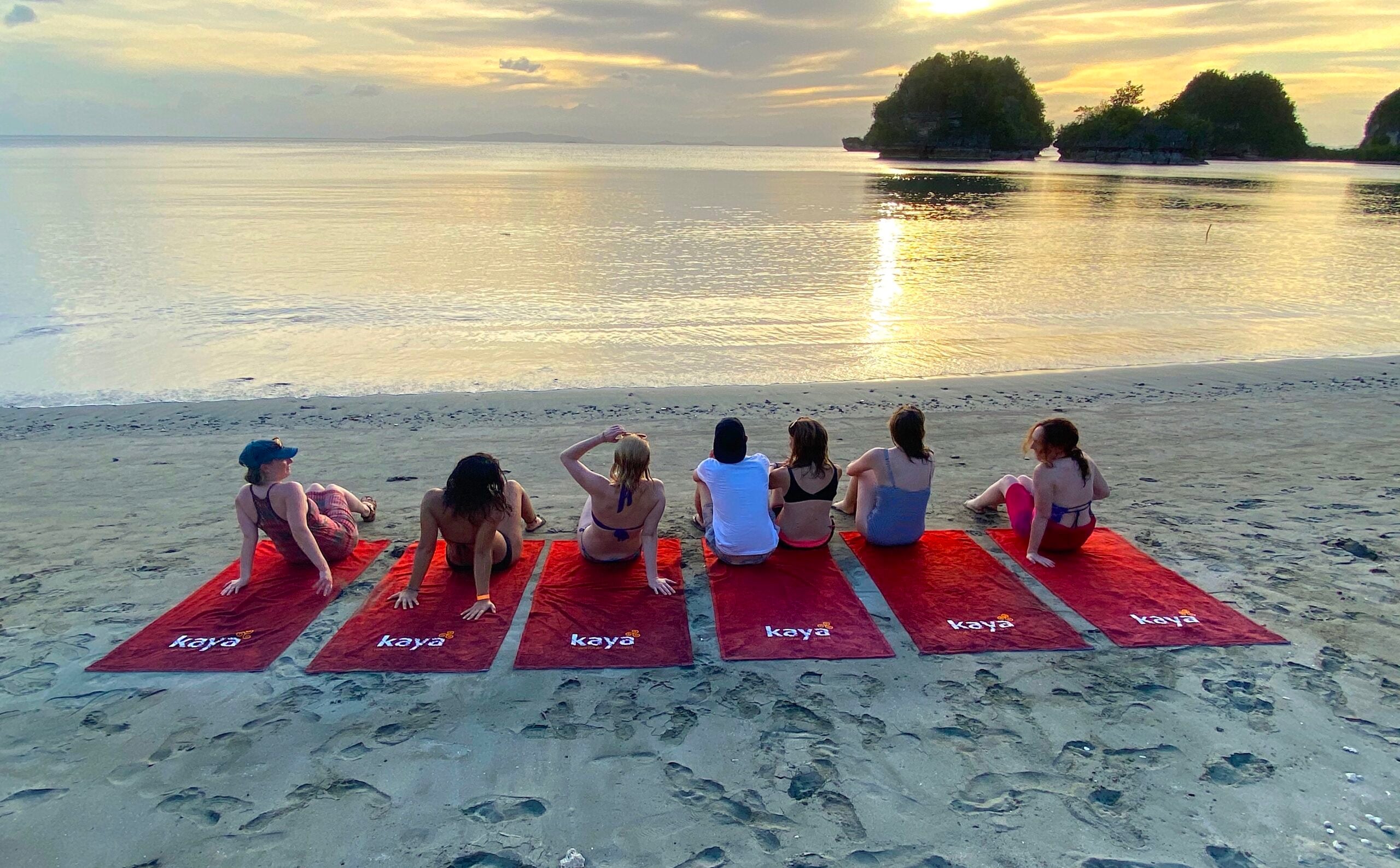
With a focus on experiential education and the UN Sustainable Development Goals, your group can immerse and engage with international communities and environments across the globe.