







 1
Connect
Together we’ll discuss your program goals and needs.
Ghana blends coastal landscapes, vibrant cities, and strong cultural traditions along the Atlantic edge of West Africa. Fishing communities, historic forts, and growing urban centers reflect a country shaped by history and forward-looking change. English, Akan, Ewe, and other local languages highlight Ghana’s cultural diversity and community life.
Design a program hereAbout Ghana
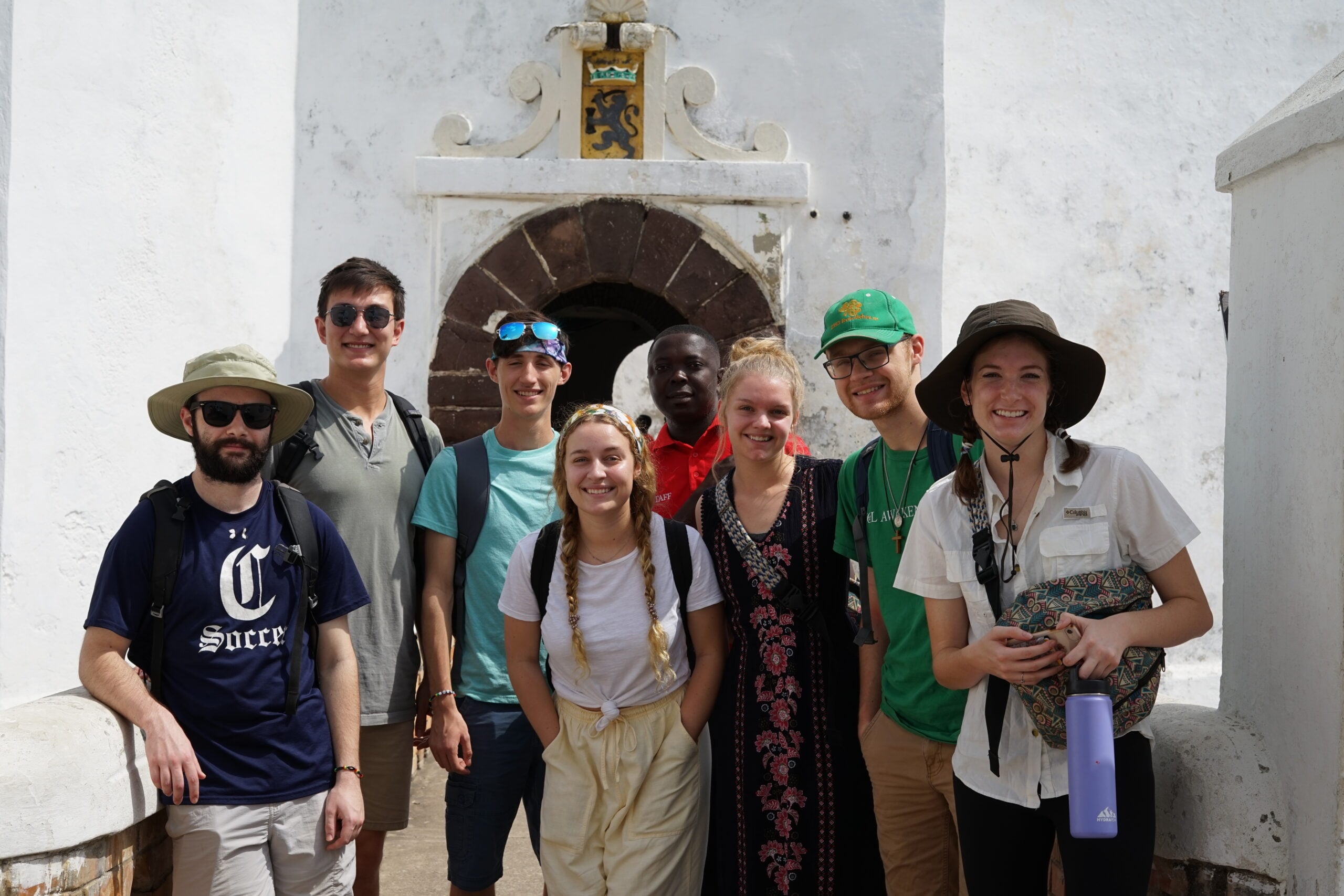
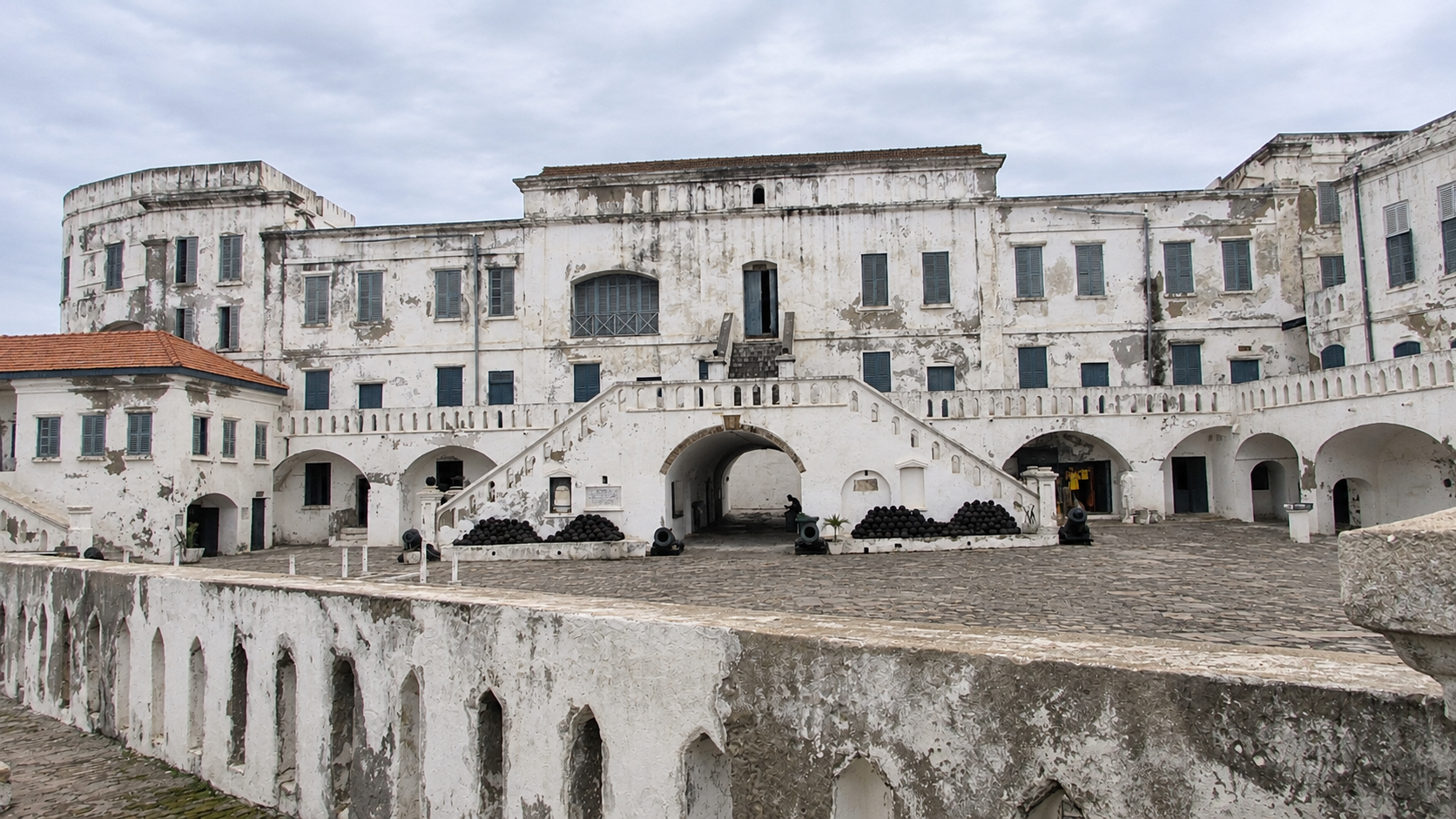
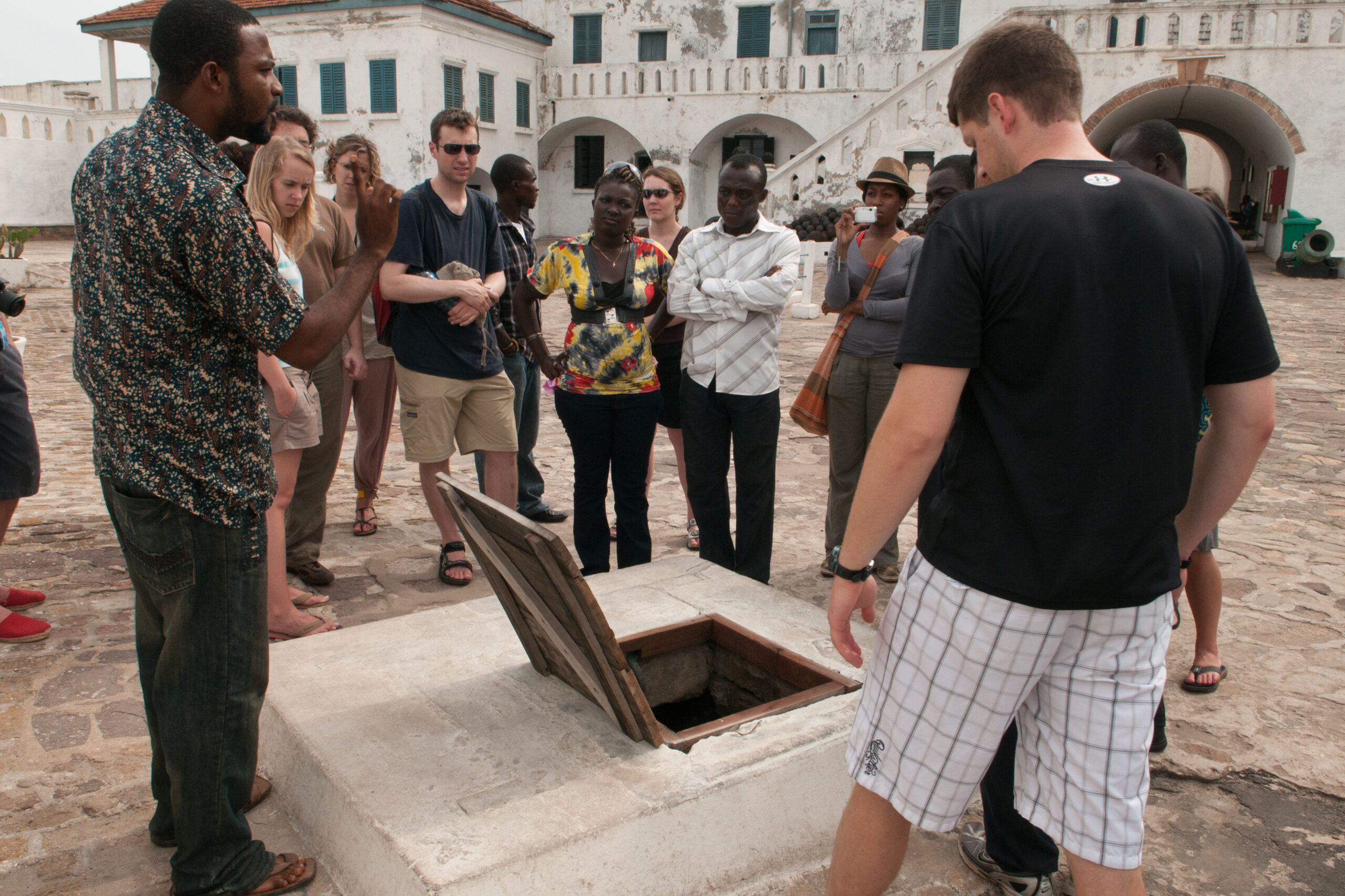
History and memory shape learning across Ghana. Programs explore the legacy of the transatlantic slave trade alongside British colonial influence and the country’s journey toward postcolonial democracy and political stability.
Accra offers a window into a rapidly growing urban center. Students examine entrepreneurship, creative industries, and the contrasts between urban development and rural livelihoods across the region.
Along the coastline, fishing communities and historic sites provide space to explore cultural heritage and local economies. Programs consider how coastal environments, tourism, and community initiatives connect with sustainable development.
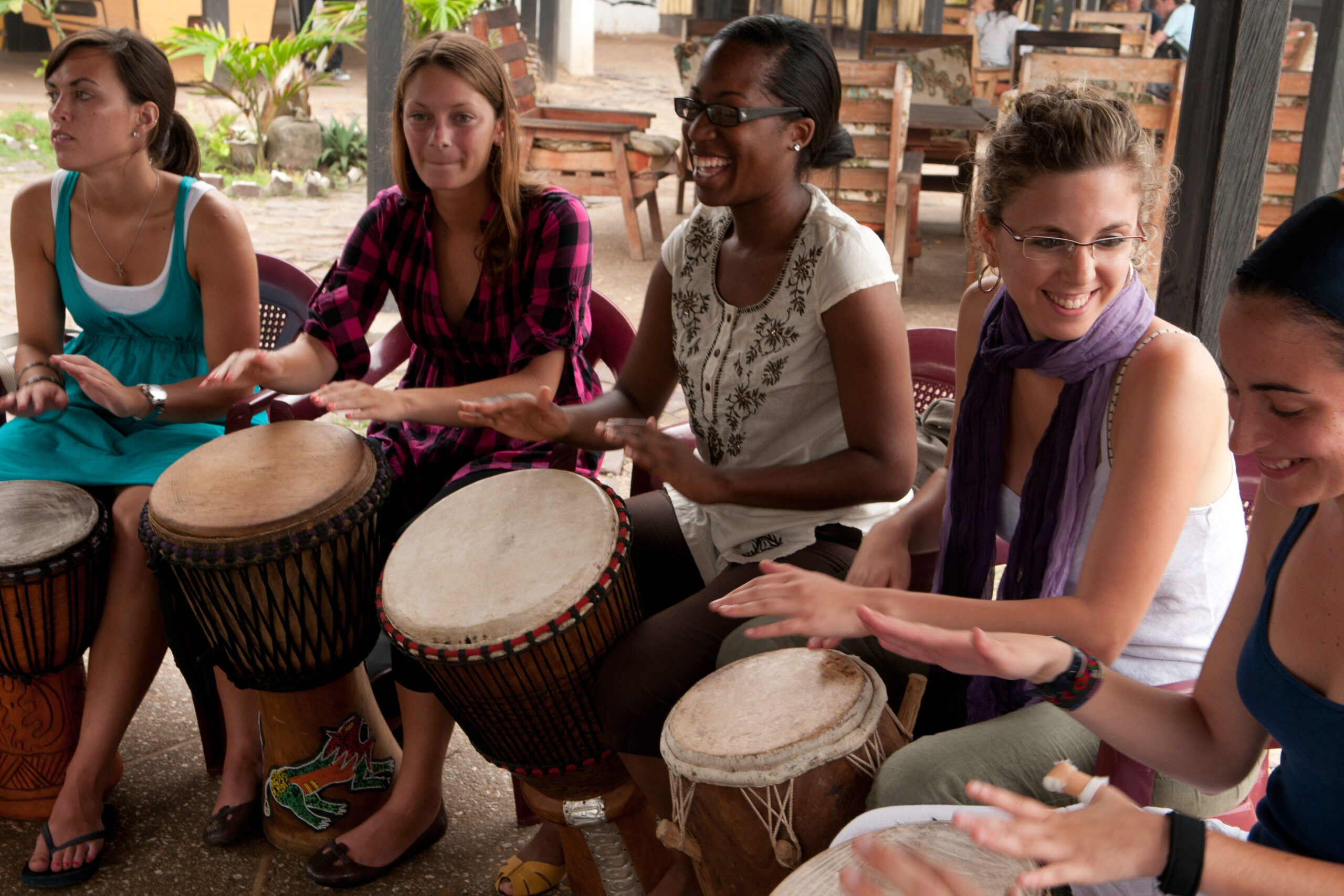
Music, festivals, and everyday cultural expression play a central role in Ghanaian identity. From drumming traditions to contemporary arts scenes, students experience how culture shapes social life and collective memory.
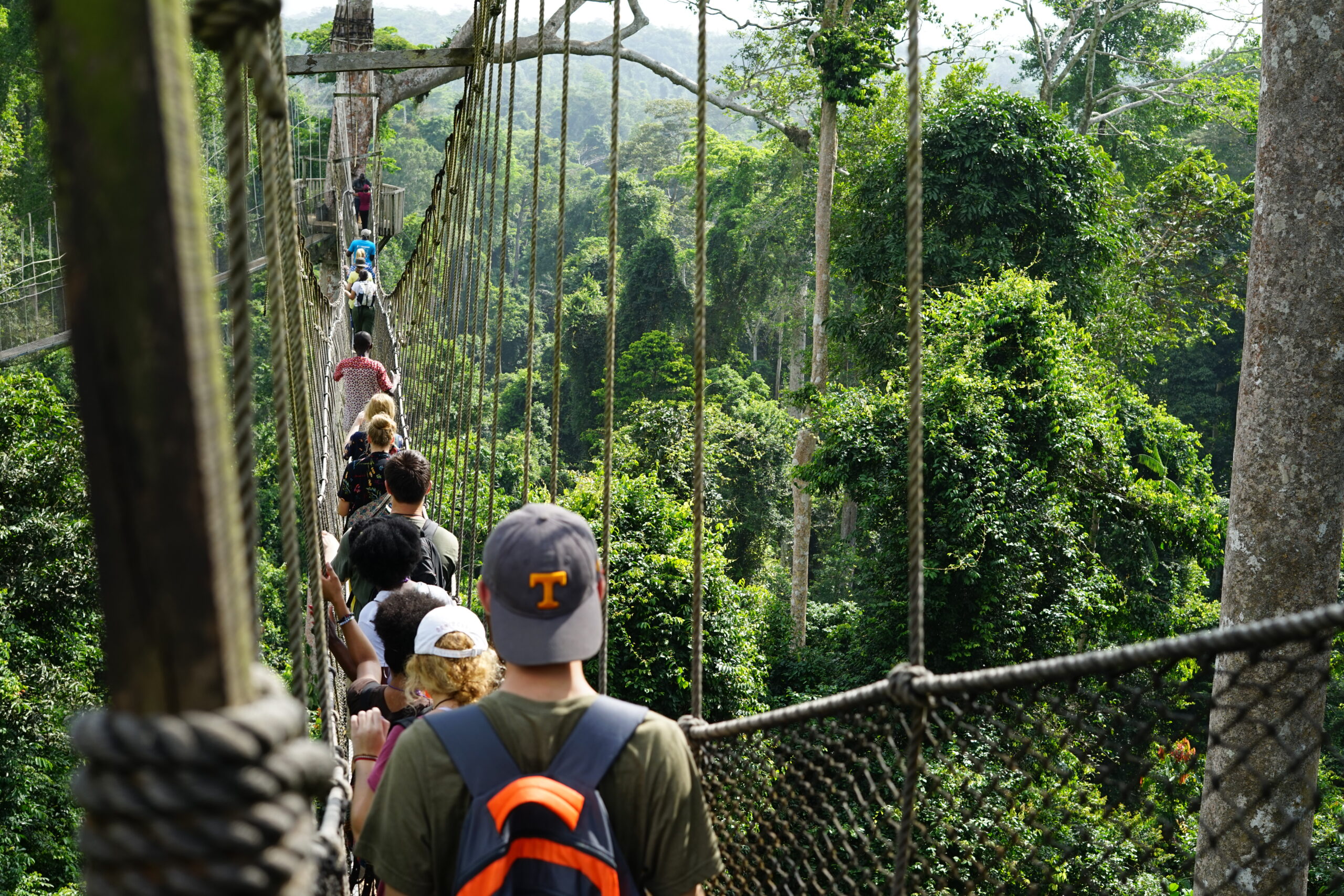
In Ghana, learning often moves between city streets, coastal landscapes, and community spaces. Kaya works alongside faculty and local partners to create programs grounded in cultural understanding, history, and real-world development perspectives.
Program Themes
Discover some of the different topics and themes you can focus your program on in Ghana. If you don’t see your topic area, or you already have a ready-made itinerary, connect with the Kaya team to start a discussion!
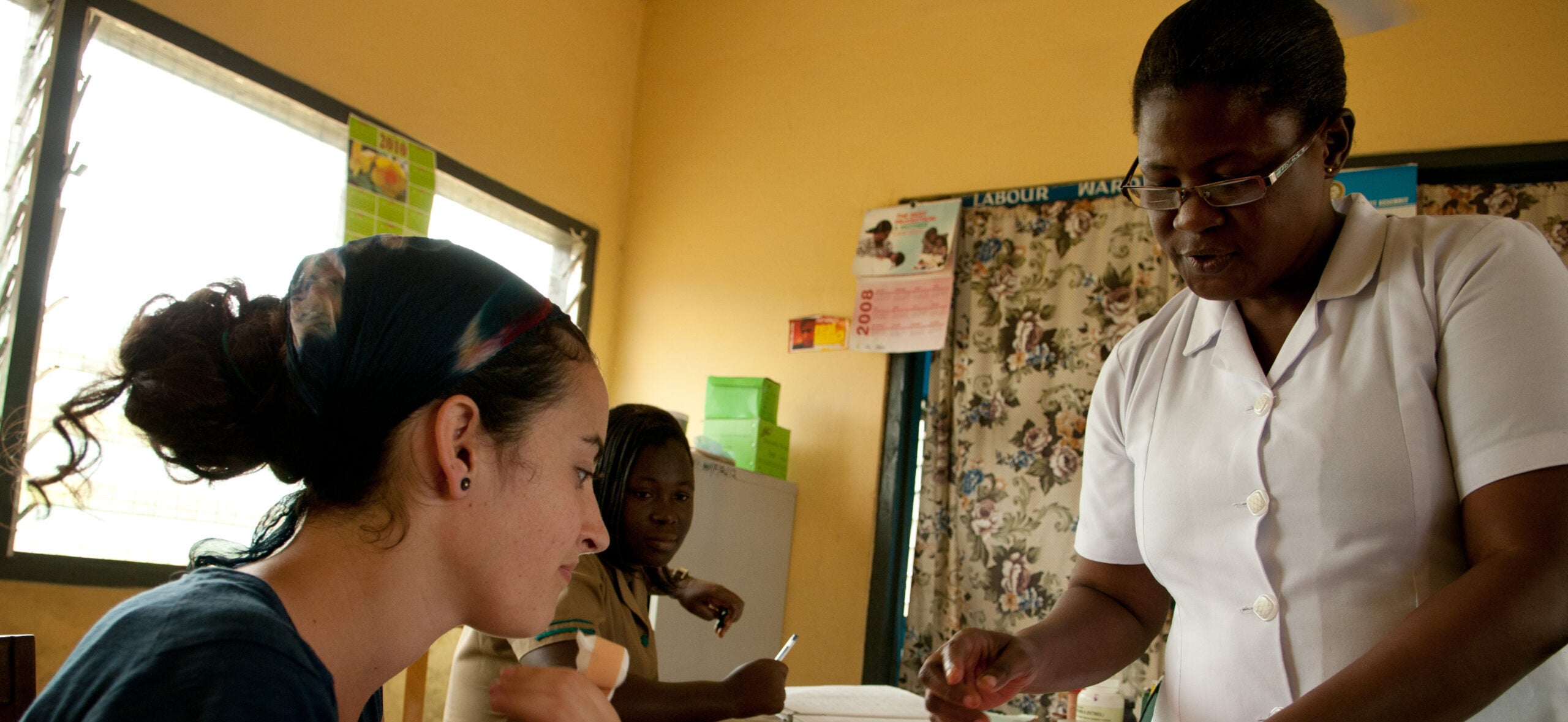
Ghana provides a field-based setting to explore universal health coverage, infectious-disease surveillance, maternal care, and traditional healing practices. Custom group programs can combine clinical observation, public-health workshops, and cross-cultural immersion to examine how national policy and community knowledge shape health access.
develop your own program similar to this
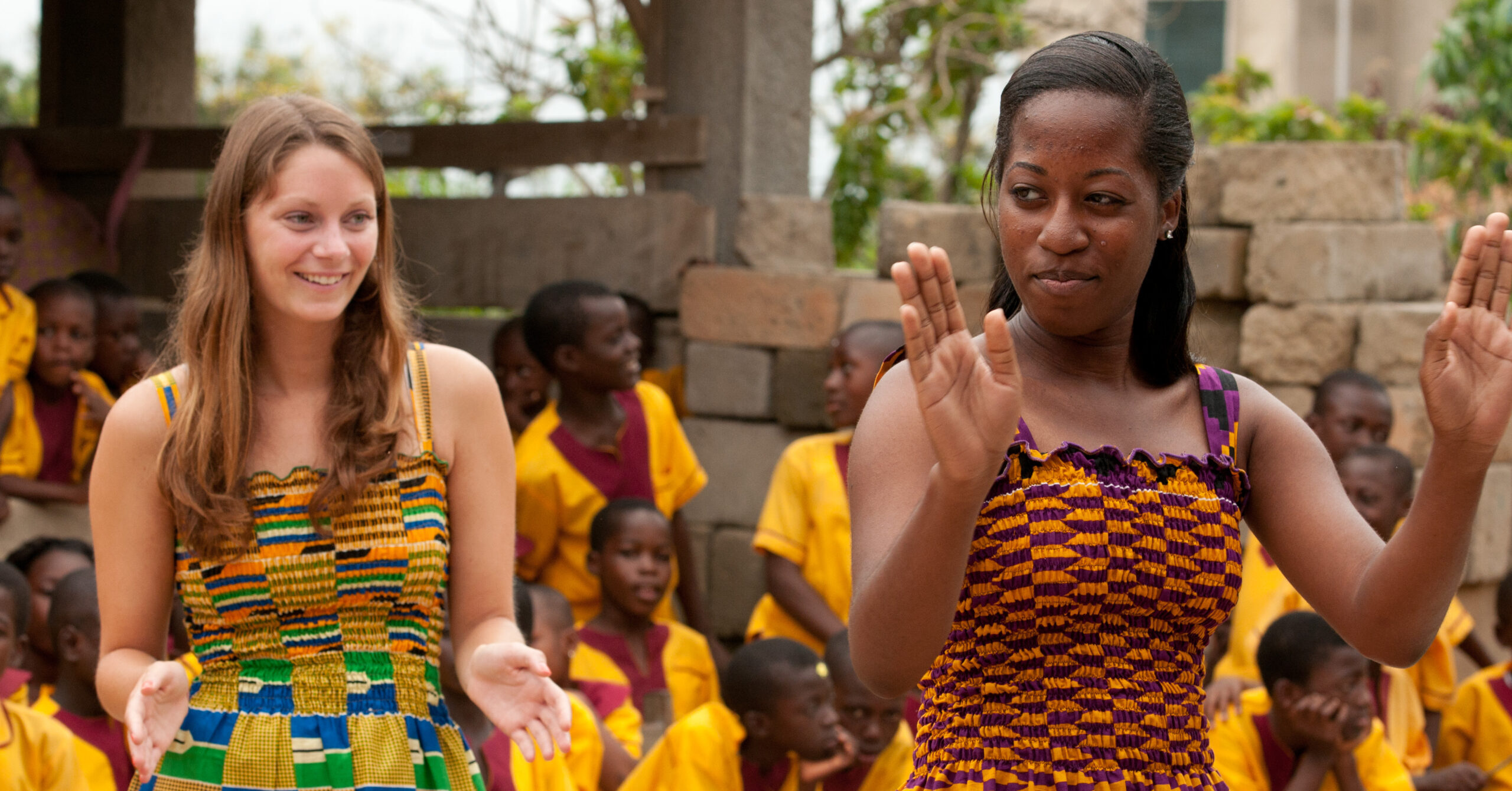
Ghana’s history, art, and culture are woven through royal traditions, textiles, coastal memory, urban creativity, and enduring cultural practices. Field-based group programs can support experiential learning through Asante political heritage, transatlantic slave history, Adinkra philosophy, Kente weaving, Ga-Adangbe traditions, and Accra’s contemporary arts landscape.
develop your own program similar to this
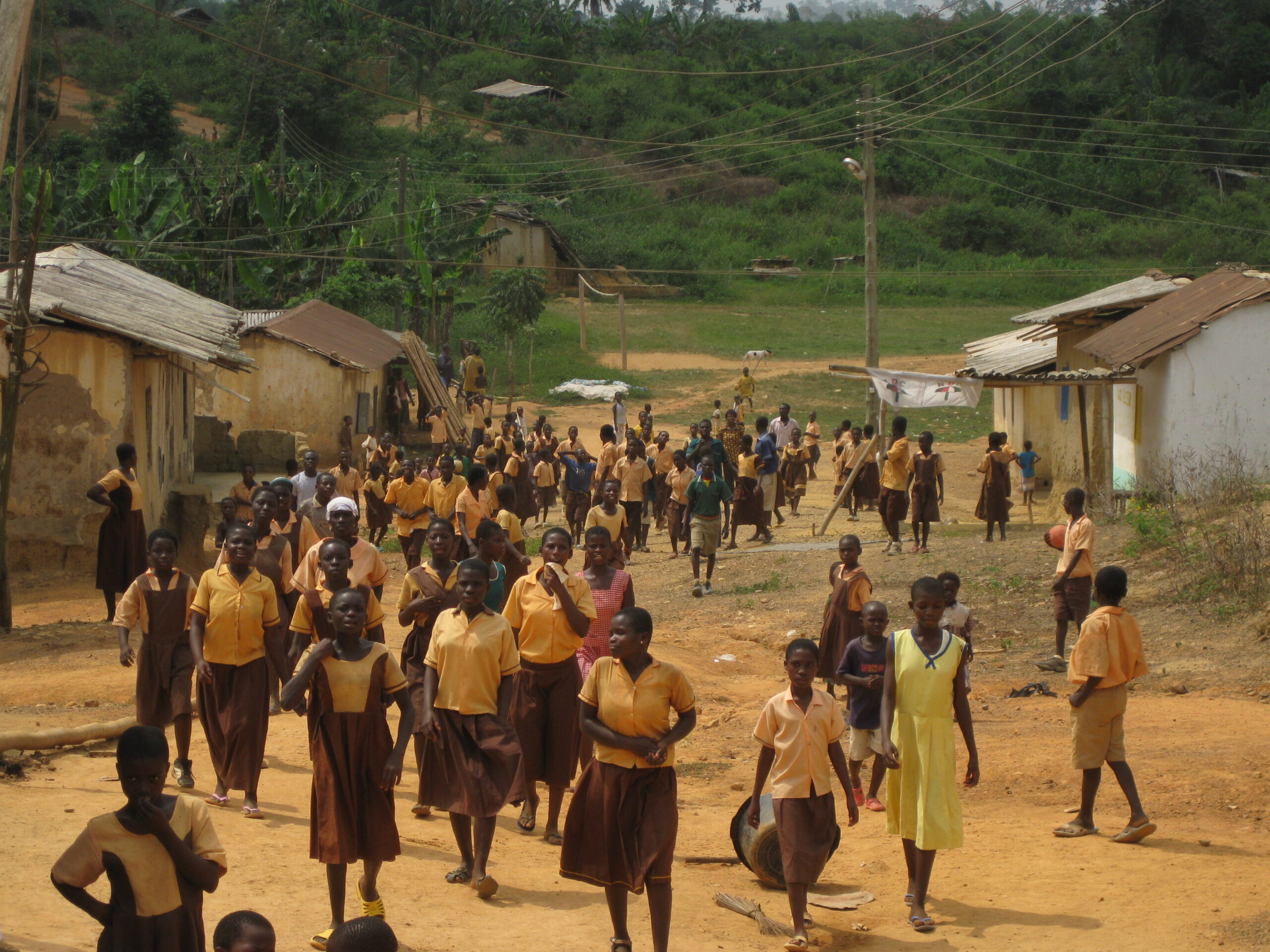
Social justice in Ghana can be examined through the legal, health, and community systems that shape children’s rights, reproductive care, family life, and protection for marginalized groups. Educational group programs offer experiential learning around the implementation of national law, customary authority, grassroots advocacy, and local accountability.
develop your own program similar to this
1
Together we’ll discuss your program goals and needs.
 2
With your input, we develop and fine-tune the perfect itinerary.
 3
We support institutional approvals and recruitment processes to ensure a successful launch!
 4
From pre-departure planning until your return, we’re with you every step of the way!
FAQS
A program in Ghana can use historical and cultural learning as a starting point for examining contemporary questions about identity, inequality and wellbeing. Kaya can work with faculty to connect these themes through a focused itinerary, giving students opportunities to consider how different perspectives inform their understanding of Ghana.
Local perspectives can help students question assumptions and recognize the limits of learning about a country solely through coursework. Kaya works with local partners to identify appropriate opportunities for dialogue and cultural learning, emphasizing respectful engagement rather than treating communities as subjects of study.
Health and social justice can provide connected lenses for exploring access, opportunity and wellbeing. A Ghana program with Kaya can bring these questions into shared discussions and reflection, with activities suited to students’ backgrounds.
Faculty should consider students’ learning goals, the program’s length and how field experiences will support coursework. Kaya can help shape a Ghana itinerary that balances academic activities, cultural learning and reflection, while discussing accessibility, supervision and other practical needs with group leaders.
Testimonials
With a focus on experiential education and the UN Sustainable Development Goals, your group can immerse and engage with international communities and environments across the globe.