








 1
Connect
Together we’ll discuss your program goals and needs.
Mozambique’s long Indian Ocean coastline shapes much of its identity, from fishing villages and coral reefs to migrating whales, whale sharks, and manta rays. Inland, a history shaped by Bantu migration, Swahili and Arab trade, Portuguese colonial rule, and independence adds cultural and political depth to a country closely tied to the sea.
Design a program hereAbout Mozambique
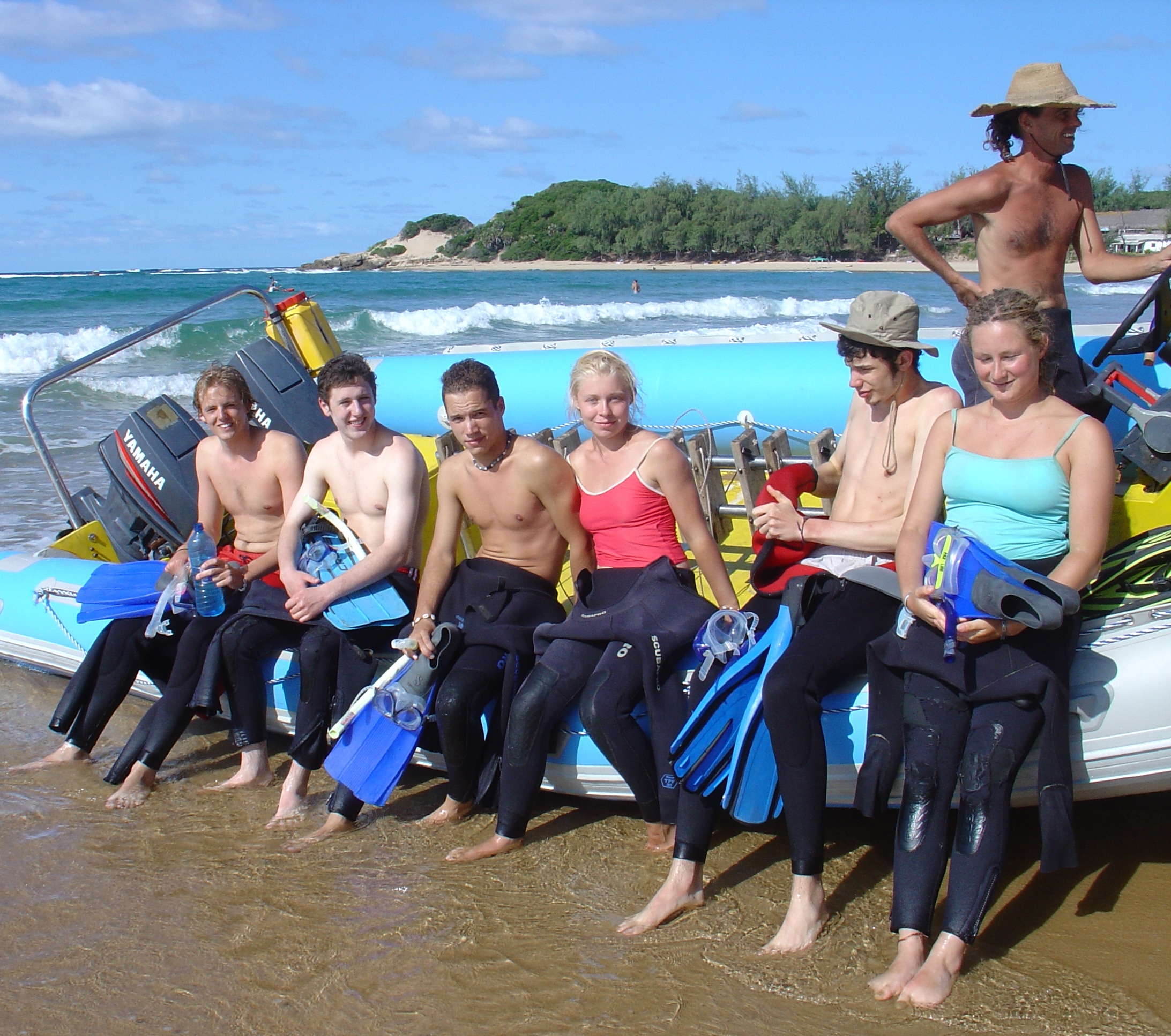
Group programs in Mozambique can bring together marine research, cultural learning, and questions of development in one setting. The country’s coastline, rural communities, and evolving cities offer different but connected perspectives on life in southeastern Africa.
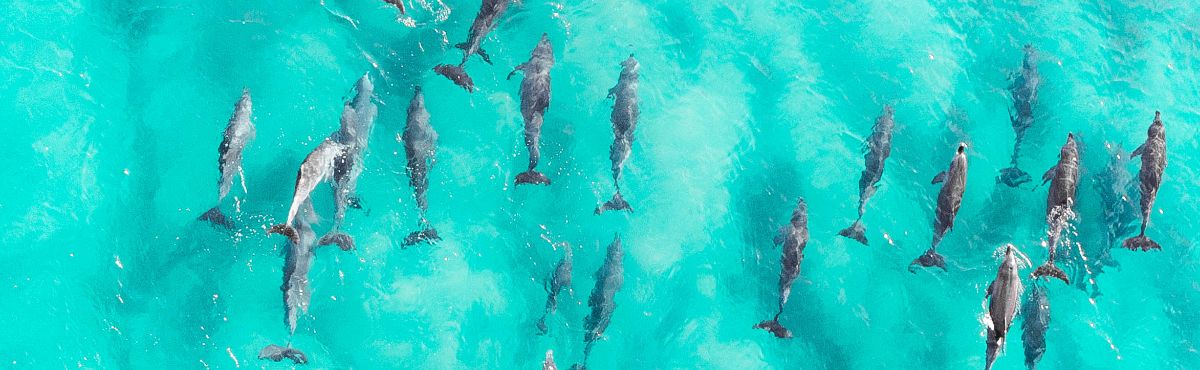
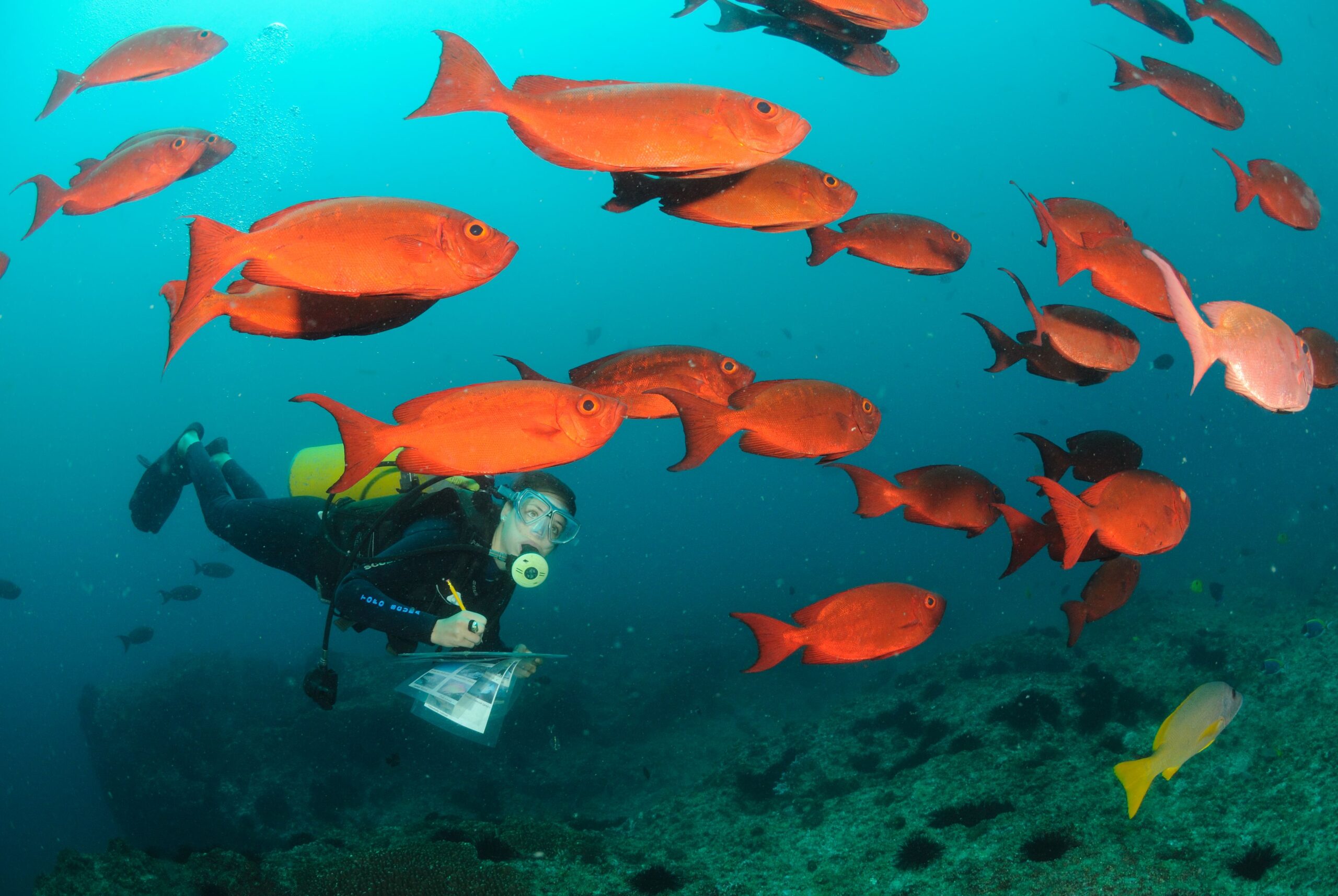
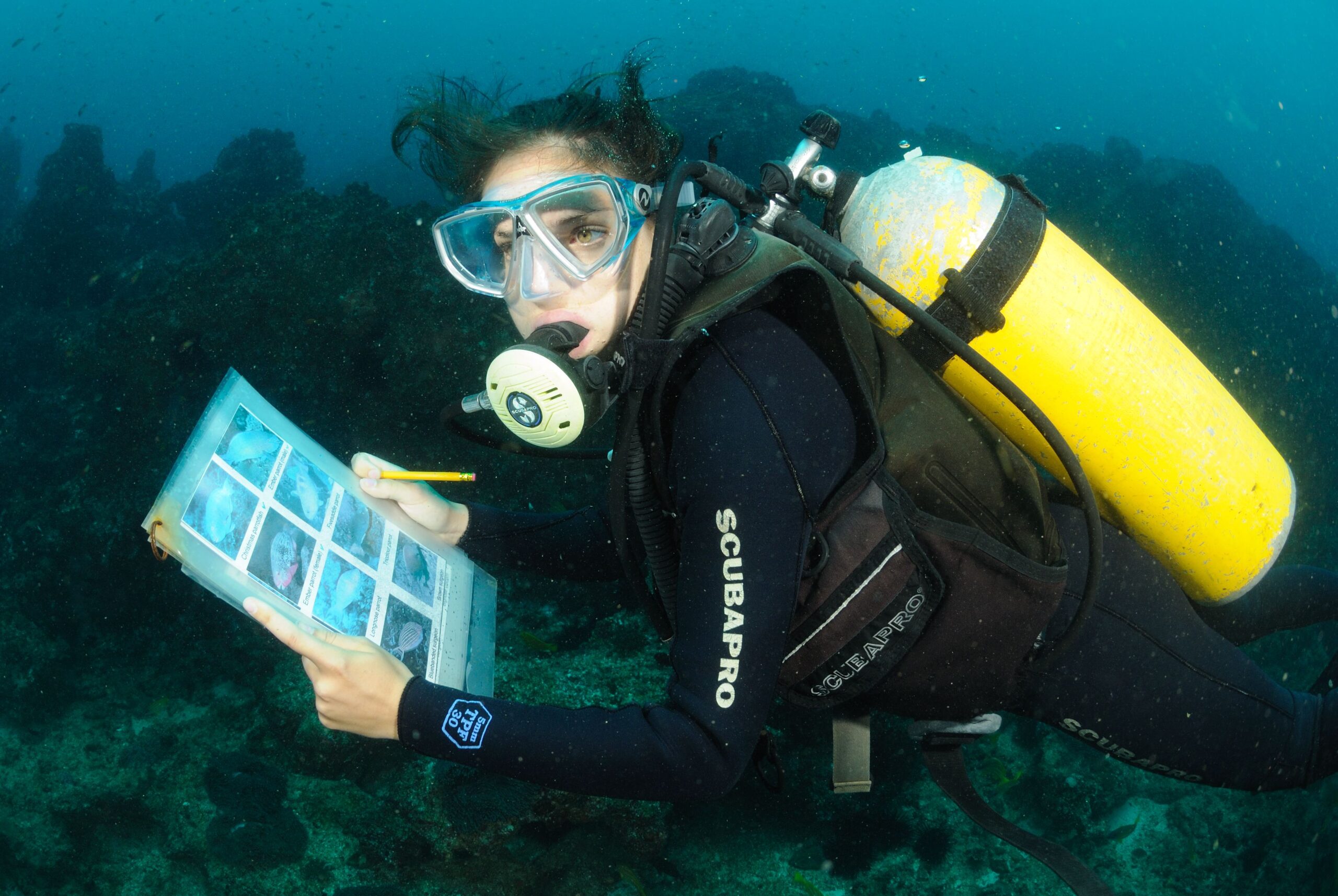
Mozambique’s Indian Ocean waters are home to whale sharks, manta rays, dolphins, and other threatened marine species. Field-based learning can introduce students to species monitoring, photo identification, citizen science, and the practical work of marine conservation.
Coastal communities are central to that work. Fisheries, tourism, plastic pollution, and changing ocean conditions all affect local livelihoods, making Mozambique a strong setting for examining conservation alongside community needs.
Working with Kaya, faculty can design programs that combine hands-on field experience with meaningful engagement in the communities and environments where Mozambique’s most pressing marine conservation questions are being worked through.
Program Themes
Discover just some of the different topics and themes you can focus your program on in Mozambique. If you don’t see your topic area, or you already have a ready-made itinerary, connect with the Kaya team to start a discussion!
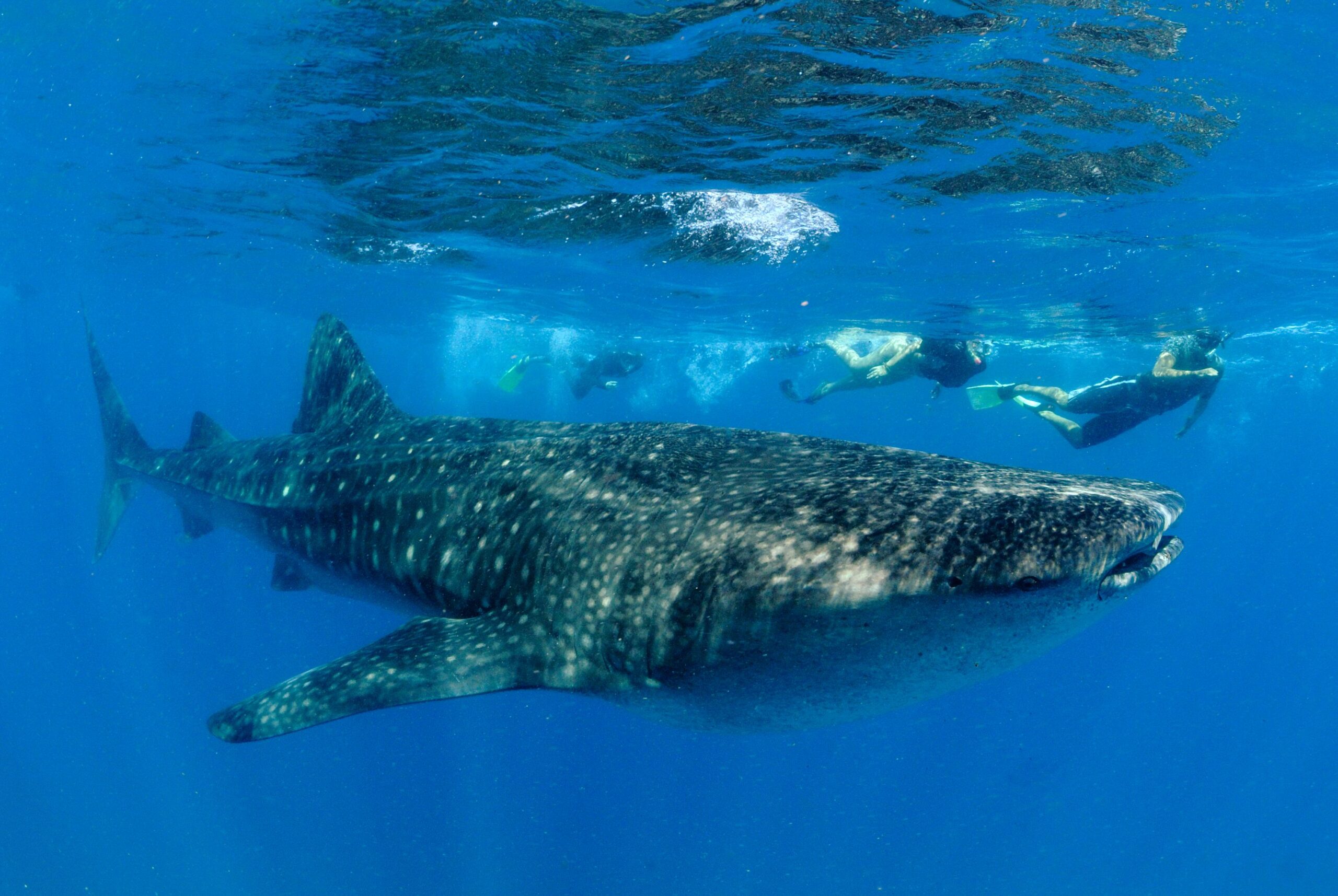
Tofo Bay offers a rare Indian Ocean setting where marine megafauna, estuary ecology, and coastal pollution research intersect. Experiential learning and hands-on field research can connect whale sharks, humpback whales, manta rays, dolphins, seahorses, and microplastics with photo identification, species monitoring, citizen-science databases, and marine conservation practice.
develop your own program similar to this
1
Together we’ll discuss your program goals and needs.
 2
With your input, we develop and fine-tune the perfect itinerary.
 3
We support institutional approvals and recruitment processes to ensure a successful launch!
 4
From pre-departure planning until your return, we’re with you every step of the way!
FAQS
Students can explore how marine ecosystems function, the pressures they face and the relationships between conservation and coastal livelihoods. Kaya can work with faculty to connect these themes with course objectives, using field-based learning and reflection to move beyond identifying species toward understanding wider environmental questions.
Depending on the location and conditions, participants may observe sea turtles, dolphins, reef fish and other marine life. Learning can consider both micro and macro marine life and their roles within ecosystems. Activities emphasize responsible observation, with no guarantee of particular sightings or direct wildlife encounters.
Kaya can help shape a Mozambique program around students’ existing knowledge, course requirements and intended learning outcomes. The itinerary can introduce marine conservation concepts or explore more focused environmental questions, with activities matched to participant preparation, local expertise and appropriate supervision rather than assuming specialist research experience.
Reef ecosystems can provide a starting point for examining how biodiversity, human activity and coastal livelihoods interact. A Mozambique program with Kaya can connect these questions through selected learning experiences, discussion and coursework, helping students consider conservation within a wider social and environmental context rather than studying habitats in isolation.
Testimonials
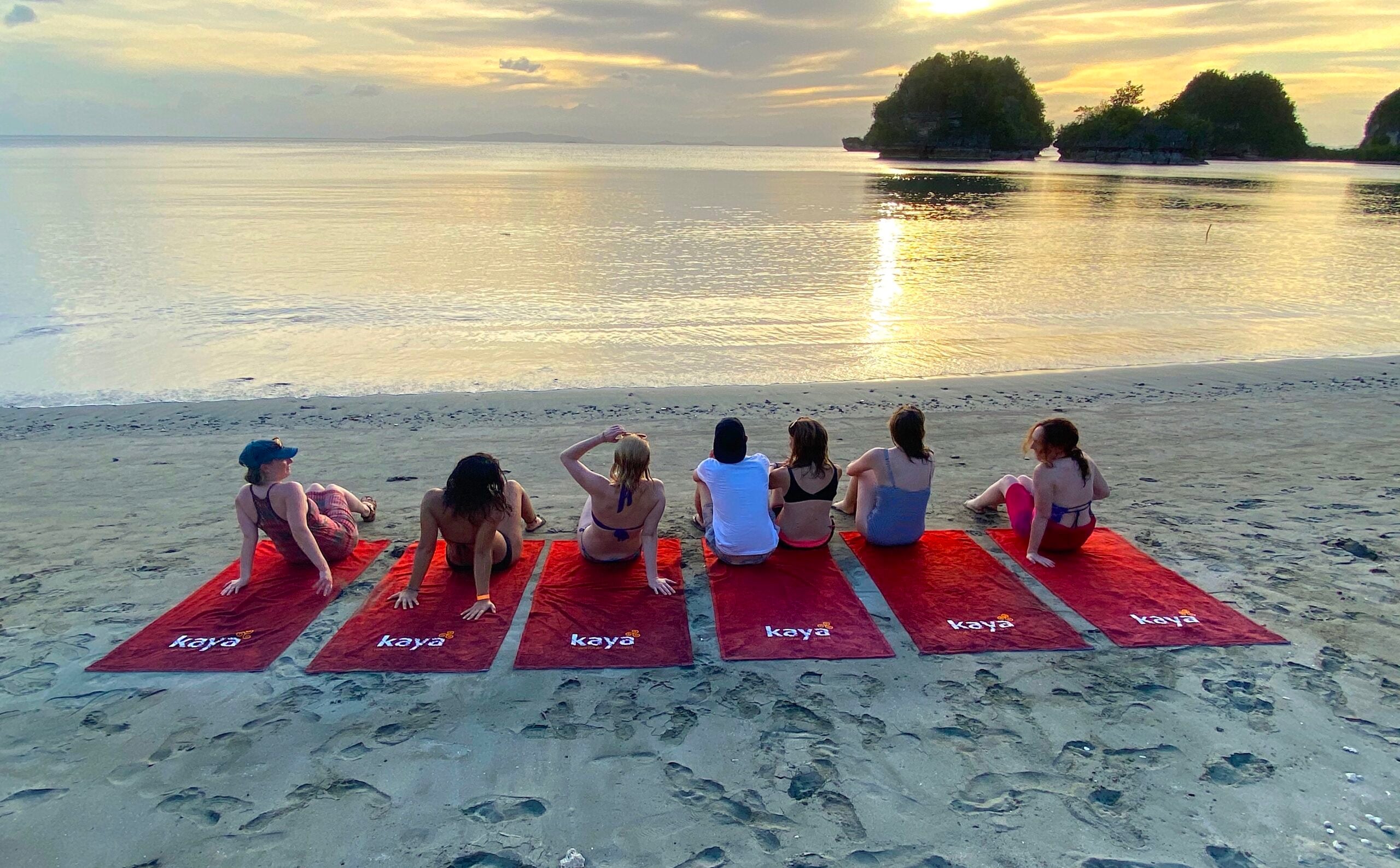
With a focus on experiential education and the UN Sustainable Development Goals, your group can immerse and engage with international communities and environments across the globe.