









 1
Connect
Together we’ll discuss your program goals and needs.
Jamaica’s influence reaches well beyond its size. Shaped by African resistance, emancipation, migration, and independence, the island has produced a global cultural voice through reggae, Rastafari, visual art, food, and sport, while continuing to navigate questions of equity, identity, and development.
Design a program hereAbout Jamaica
Jamaica gives faculty a setting where culture, community, environment, and social change are closely intertwined. Its history and creative traditions provide a strong foundation for programs that want to connect academic study with lived experience.
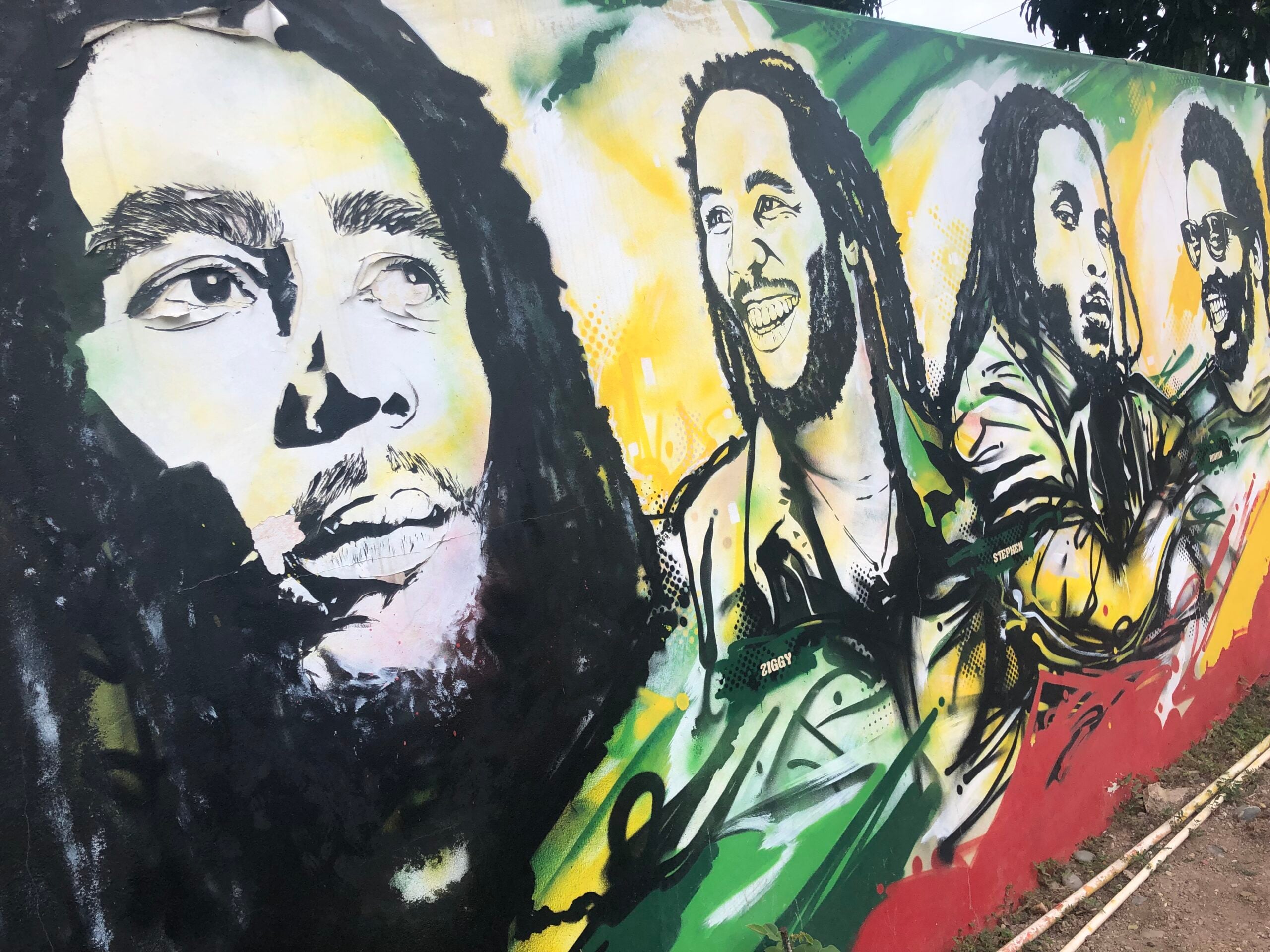
The island’s musical and cultural legacy offers more than background context. Reggae, Rastafari, visual arts, and community-based creative practice can be examined as forms of resistance, identity, and social commentary with global reach.
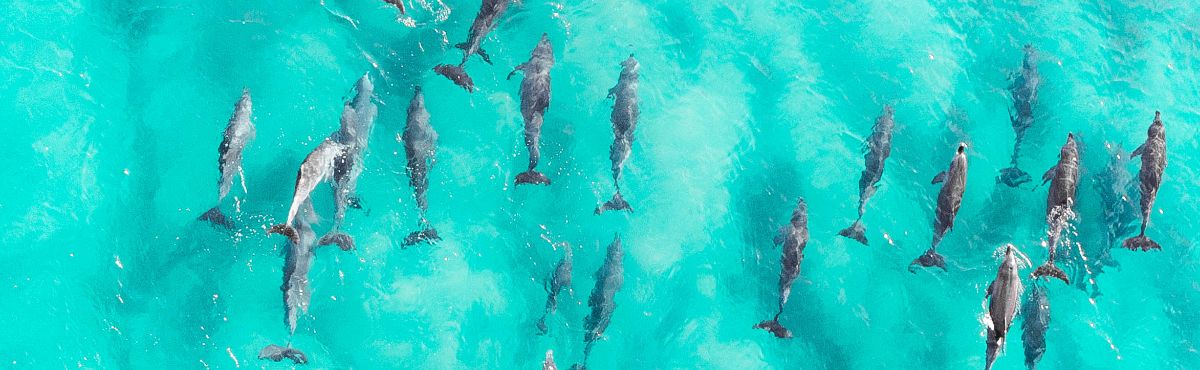
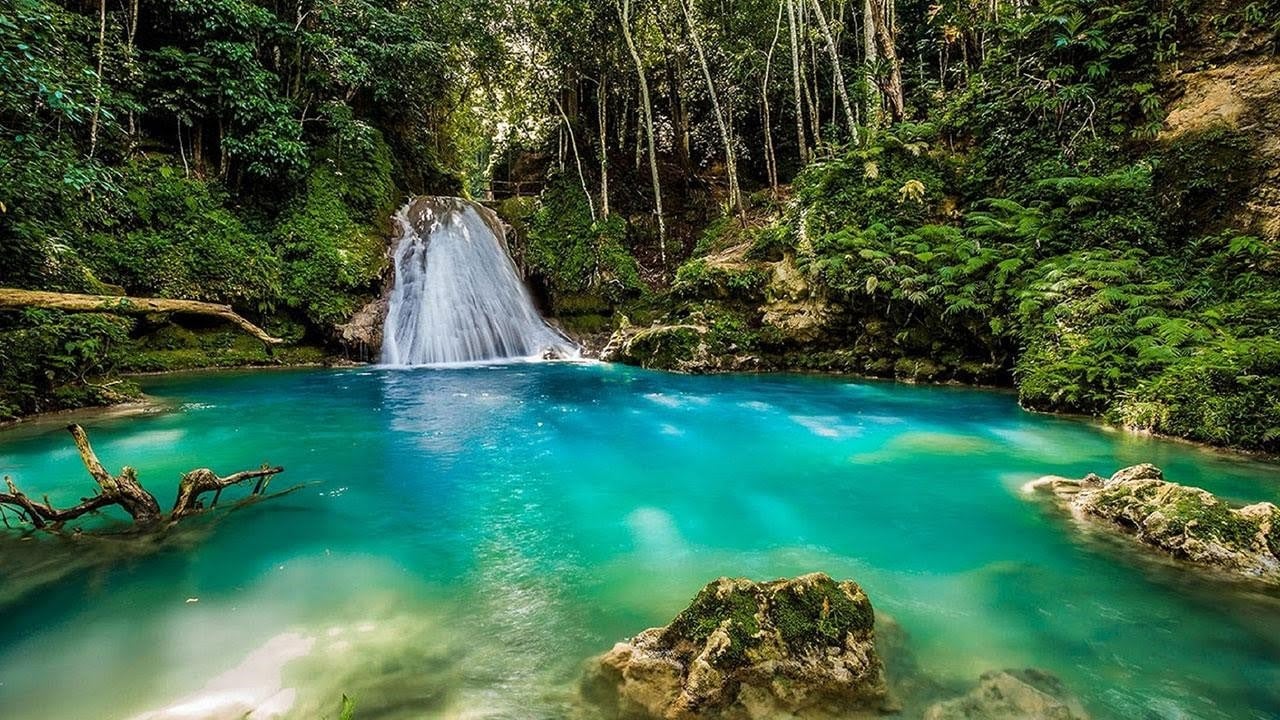
Jamaica’s reefs and coastal environments add an environmental dimension to learning. Coral ecosystems support fisheries, tourism, and shoreline protection, while facing pressures from warming seas, pollution, overfishing, and coastal development.
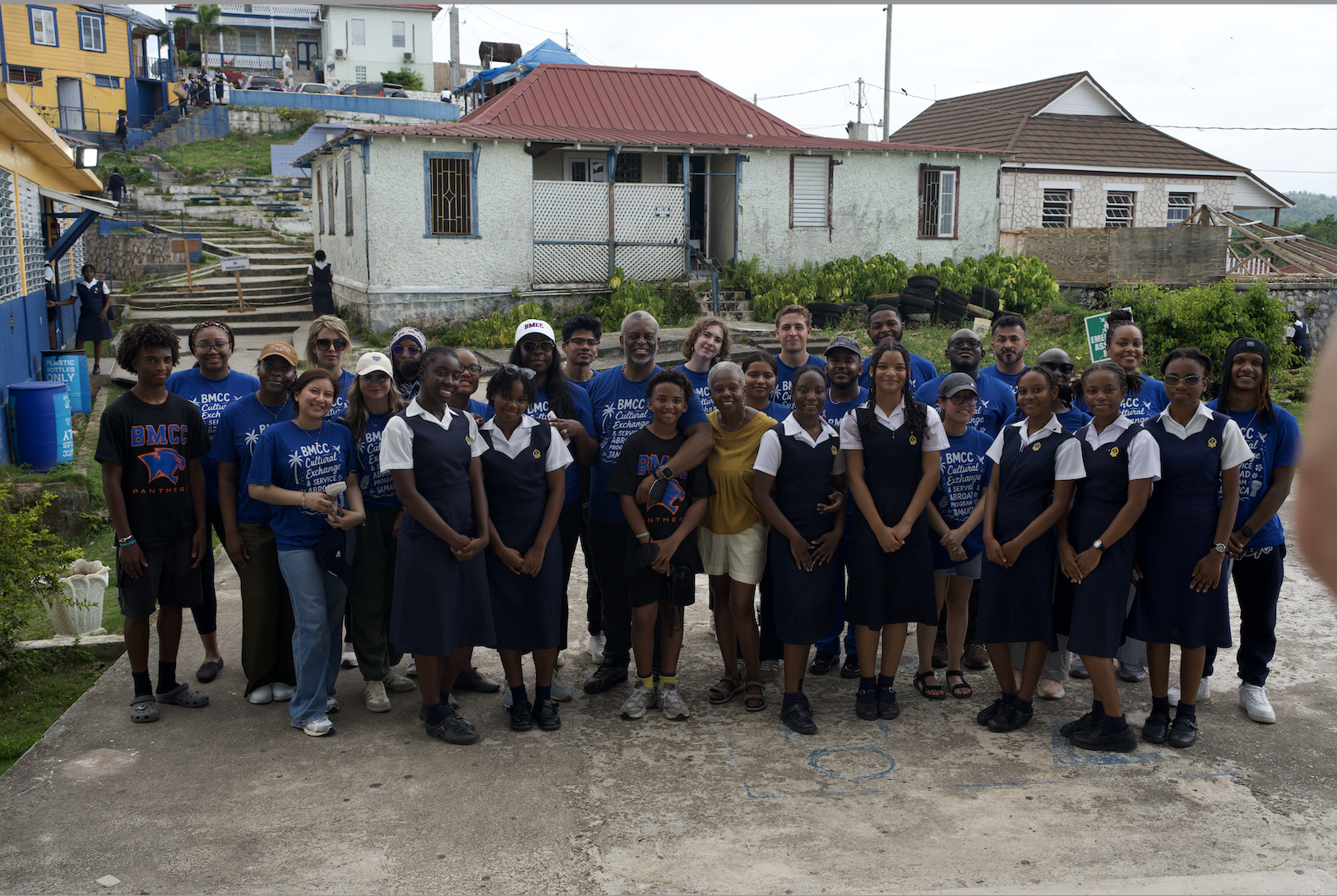
Community health and education offer further areas for engagement. Programs can consider access to care, youth leadership, food security, and the local organizations working to strengthen wellbeing across urban and rural communities.
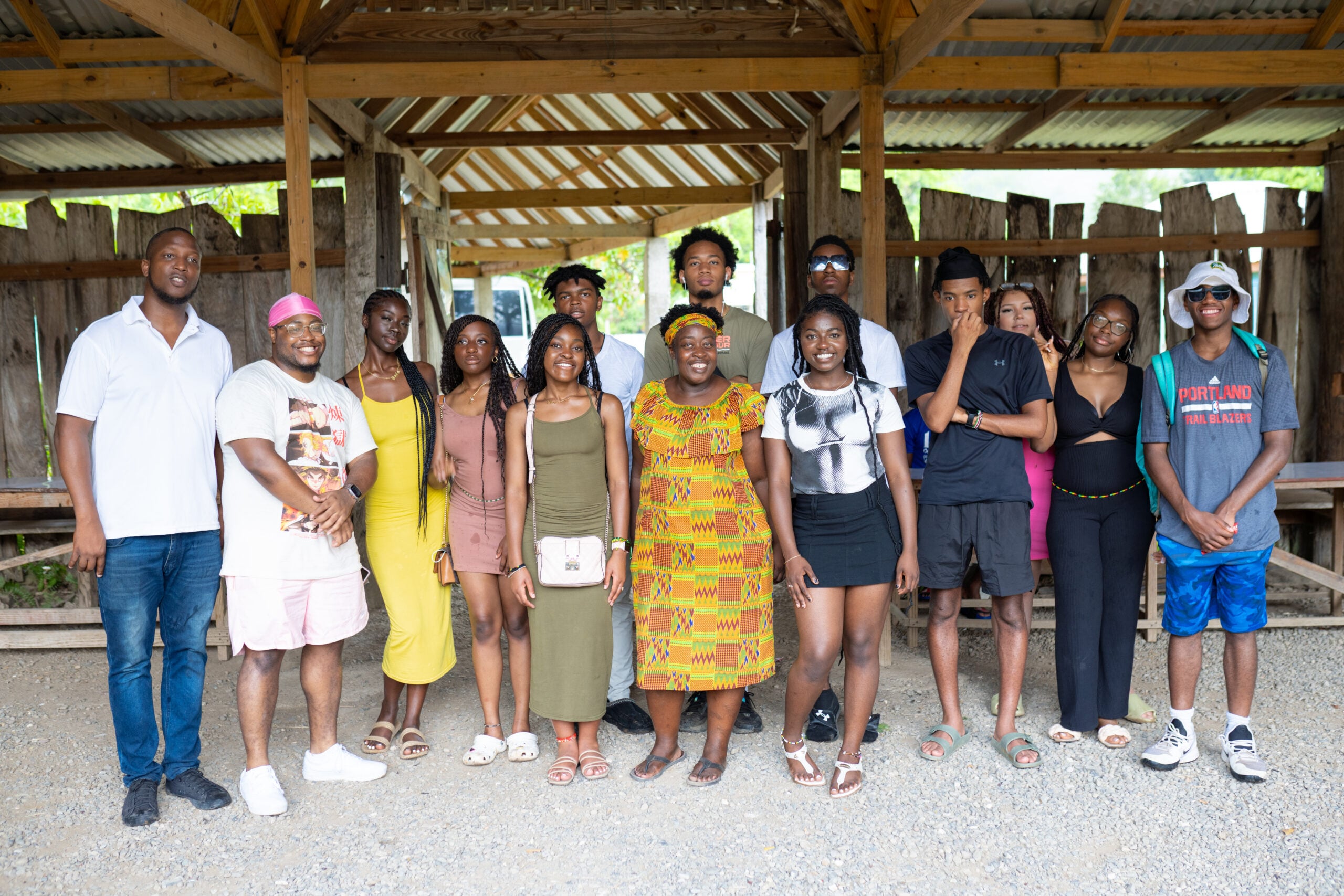
Tourism, agriculture, and locally owned enterprise also reveal how culture becomes economic value. Students can explore how creative industries, heritage, and community-led business shape livelihoods and Jamaica’s place in the Caribbean economy.
With Kaya, faculty can build programs that bring these themes together through ethical community engagement, field-based learning, and direct exchange with the people and organizations shaping contemporary Jamaica.
Program Themes
Discover some of the different topics and themes you can focus your program on in Jamaica. If you don’t see your topic area, or you already have a ready-made itinerary, connect with the Kaya team to start a discussion!
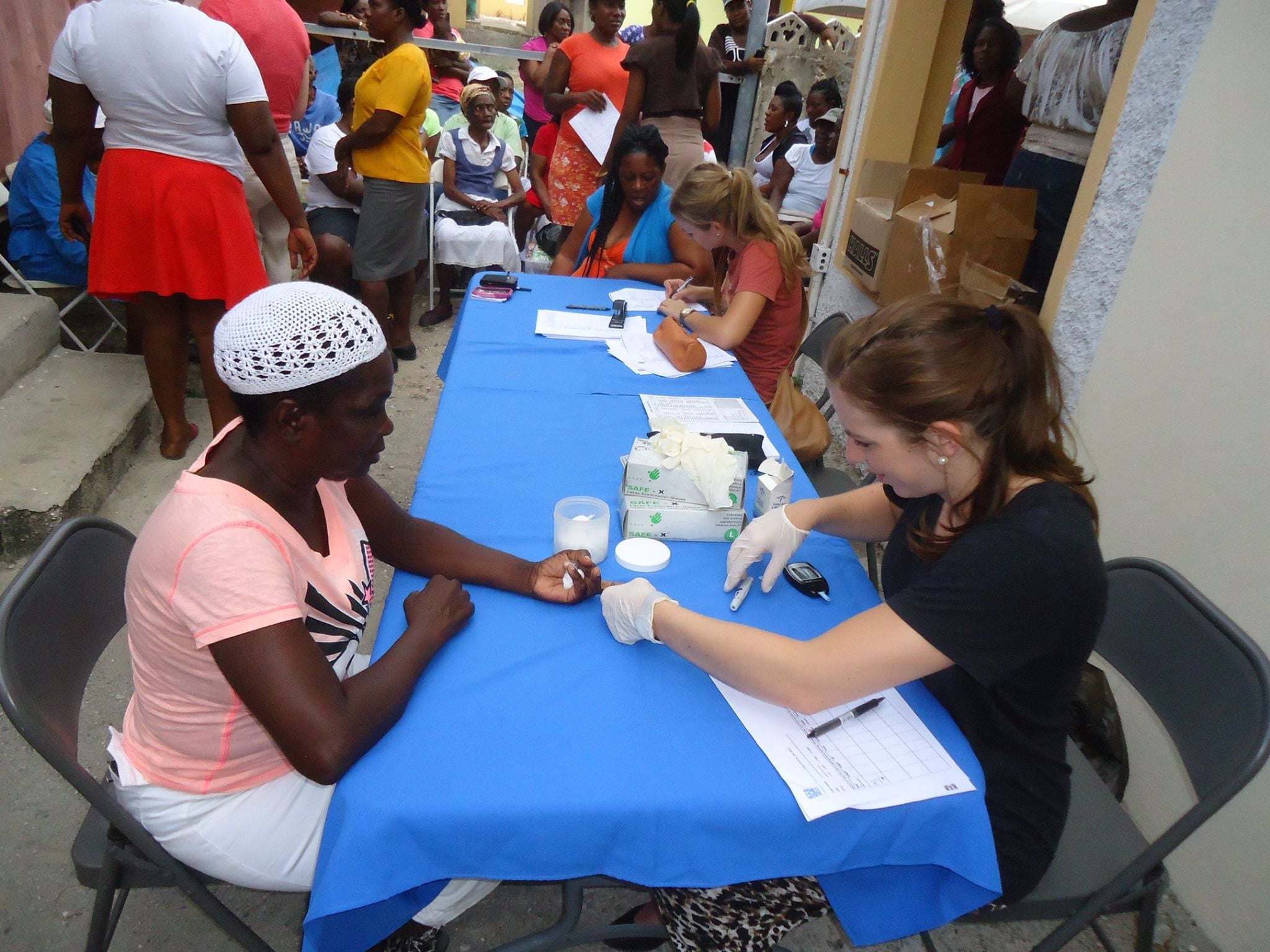
Jamaica offers a setting where community health, elder support, environmental stewardship, and civic life can be examined together. Custom group programs can incorporate field-based experiential learning through screenings, health education, conservation activities, and community dialogue led by local partners.
develop your own program similar to this
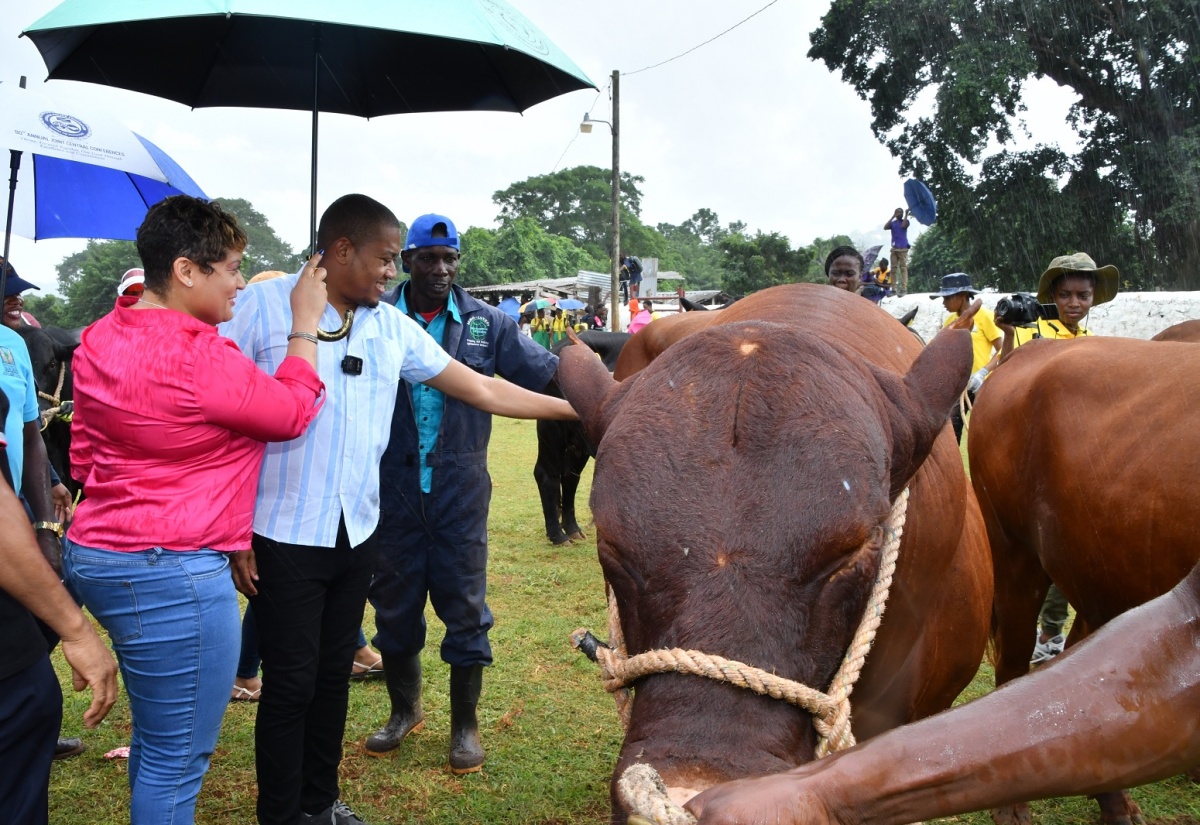
Jamaica provides a Caribbean perspective on animal health, from commercial poultry and cattle systems to equine care and wildlife recovery. Through custom group programs, participants examine how genetics, nutrition, biosecurity, veterinary practice, and habitat conditions influence animal welfare and environmental health.
develop your own program similar to this
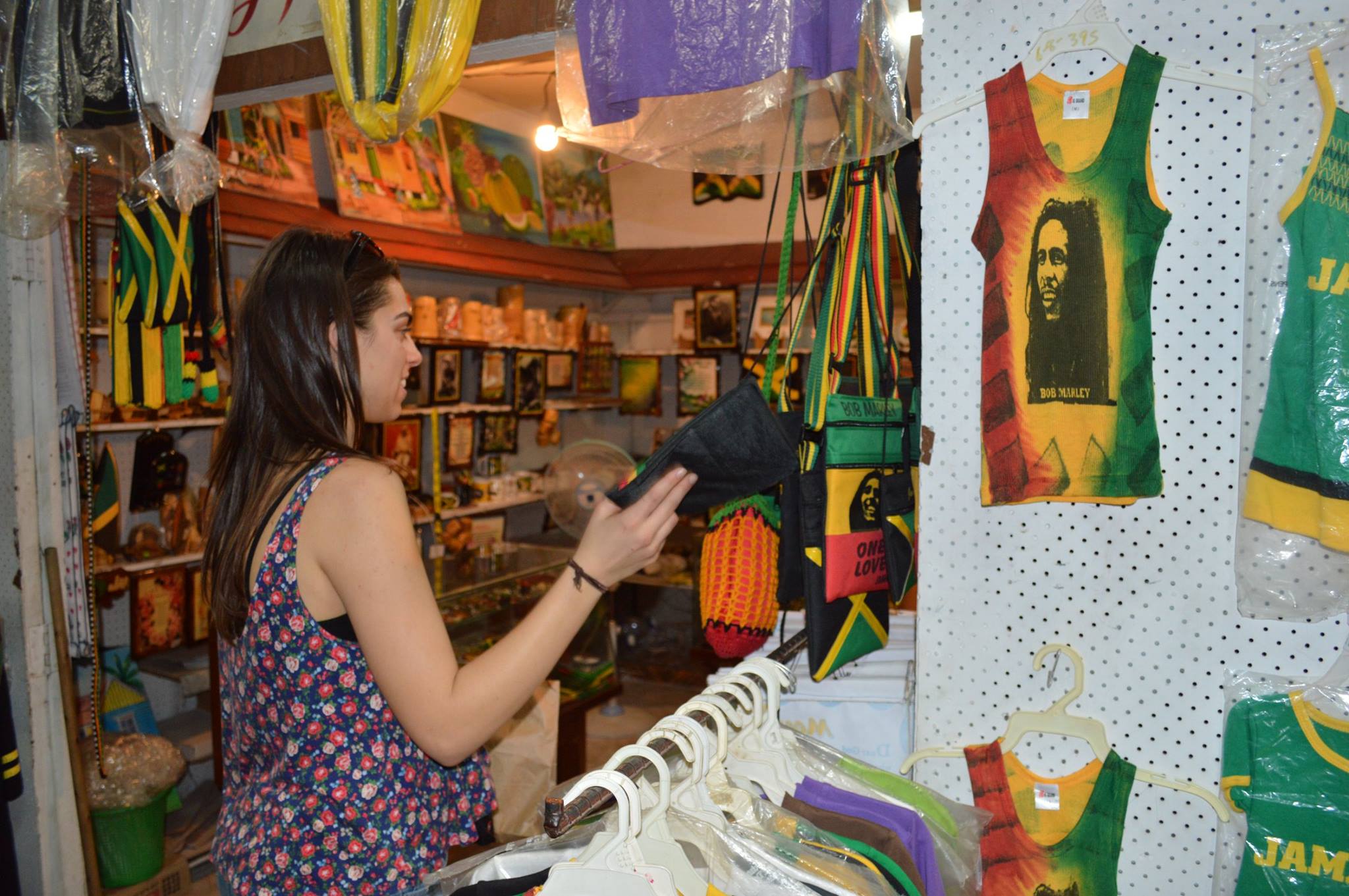
Jamaica demonstrates how cultural identity can become economic value through tourism, creative industries, agricultural products, and locally owned enterprise. Custom group programs provide field-based experiential learning that connects business concepts with local perspectives, market realities, and the wider Caribbean economy.
develop your own program similar to this
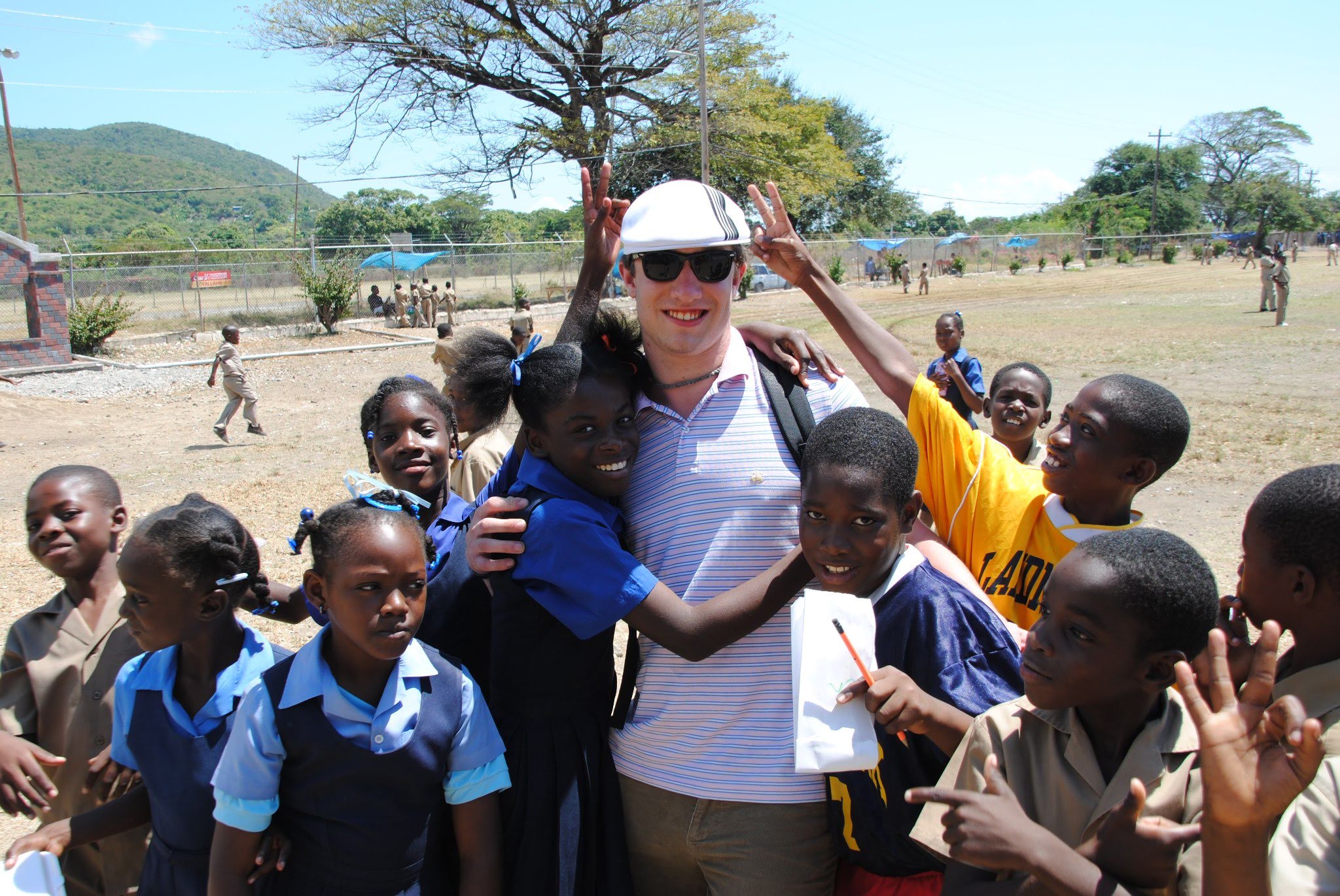
Jamaica offers meaningful opportunities to explore education as a pathway to inclusion, resilience, youth leadership, and community well-being. Programs can combine classroom support, service learning, food-security projects, rural livelihoods, and Deaf-culture immersion, connecting learning to local priorities and accessible participation.
develop your own program similar to this
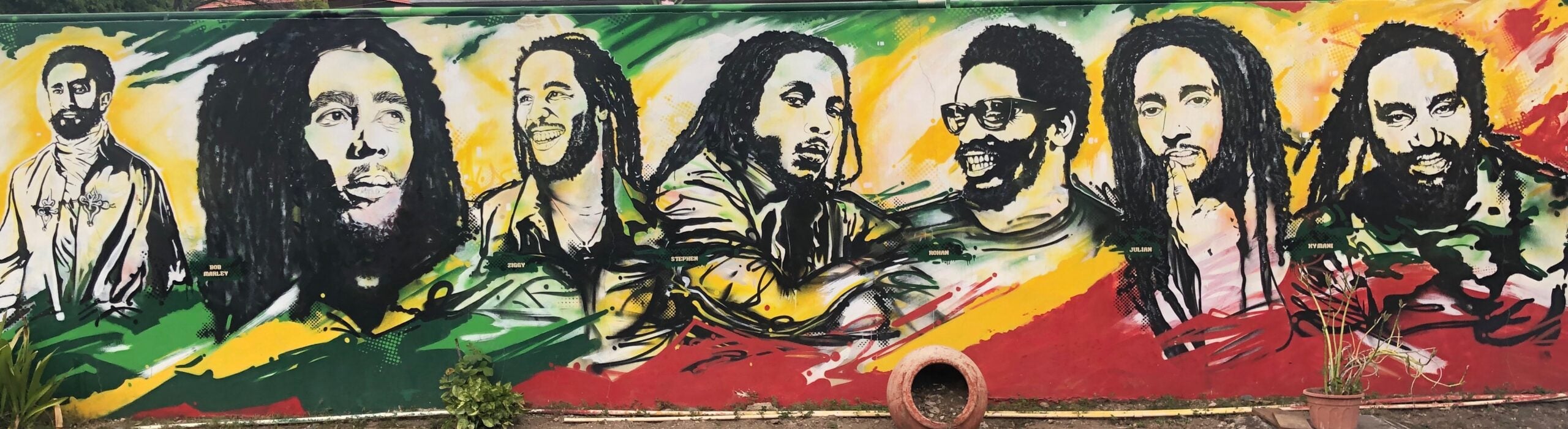
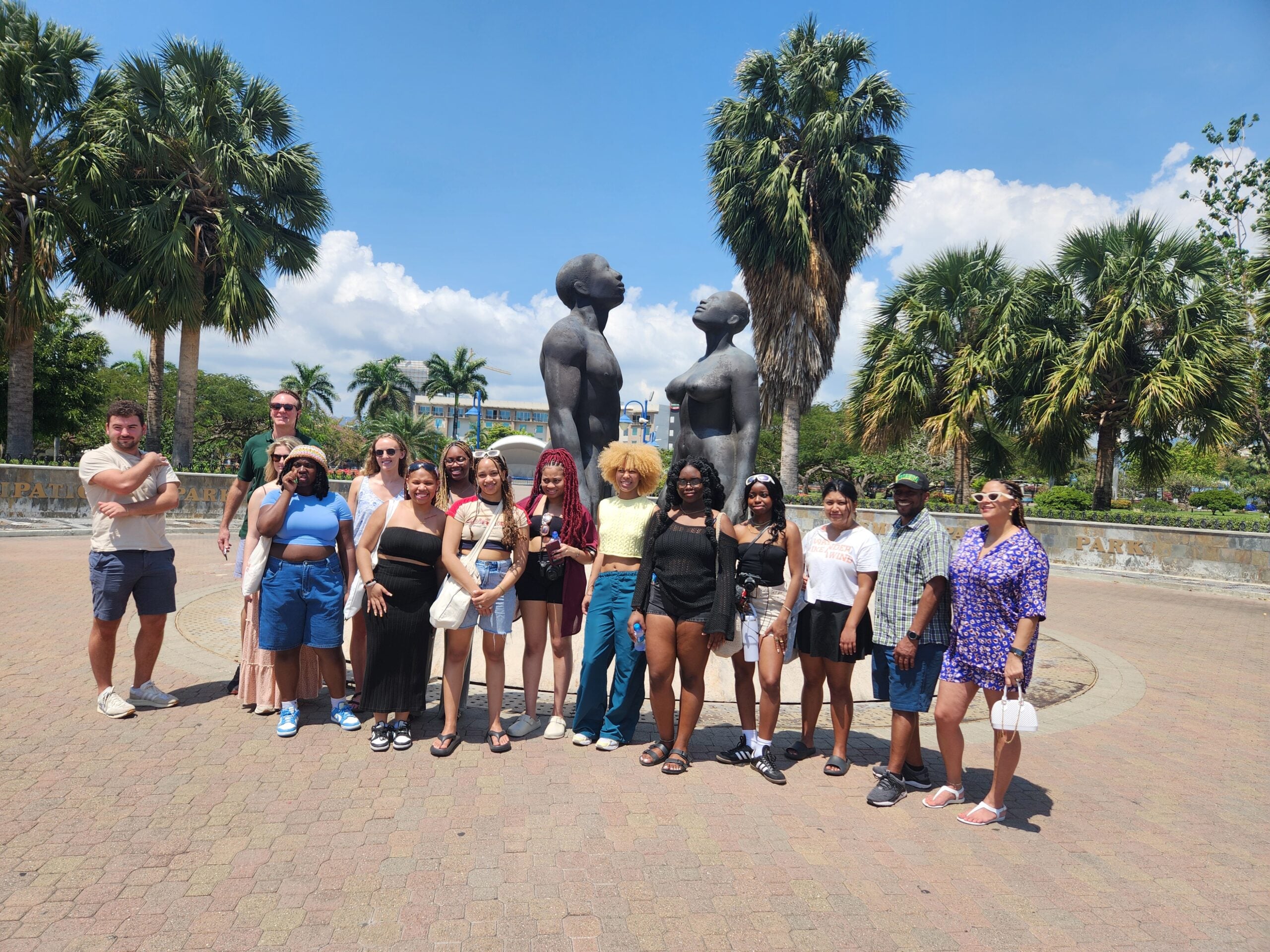
Jamaica’s history of African resistance, emancipation, migration, and creative expression continues to shape its voice in the Caribbean and around the world. Custom group programs invite hands-on experience with historical sites, artists, and cultural practitioners through field-based learning focused on identity, memory, music, and representation.
develop your own program similar to this
Jamaica’s justice landscape brings together courts, policing, community mediation, rehabilitation, and grassroots advocacy. Custom group programs can use field-based experiential learning to examine access to justice, human rights, restorative approaches, and the role of culture in movements for social change.
develop your own program similar to this
1
Together we’ll discuss your program goals and needs.
 2
With your input, we develop and fine-tune the perfect itinerary.
 3
We support institutional approvals and recruitment processes to ensure a successful launch!
 4
From pre-departure planning until your return, we’re with you every step of the way!
FAQS
Cultural learning can run throughout a Jamaica itinerary rather than sit apart from academic activities. Kaya can help faculty connect course questions with local perspectives on history, education, enterprise and social change, using discussion and reflection to deepen students’ understanding of the places they visit.
Kaya can work with group leaders to give an alternative break a defined educational focus, balancing appropriate partner-led activities with preparation and reflection. Any service component is shaped by local priorities, participants’ skills and available supervision; not an expectation that a short visit will solve complex challenges.
Roles depend on the activity, host requirements and students’ preparation. Kaya discusses expectations with faculty and local partners so participation respects professional responsibilities, safeguarding and animal welfare where relevant. The emphasis is on appropriate involvement, which may mean observation, dialogue or guided support rather than independent work.
Start with what students should learn, their academic background and the time available. Kaya can then discuss suitable experiences and practical requirements with group leaders and the on-site team, including participant needs, supervision, relevant health guidance, transport and emergency arrangements.
Testimonials
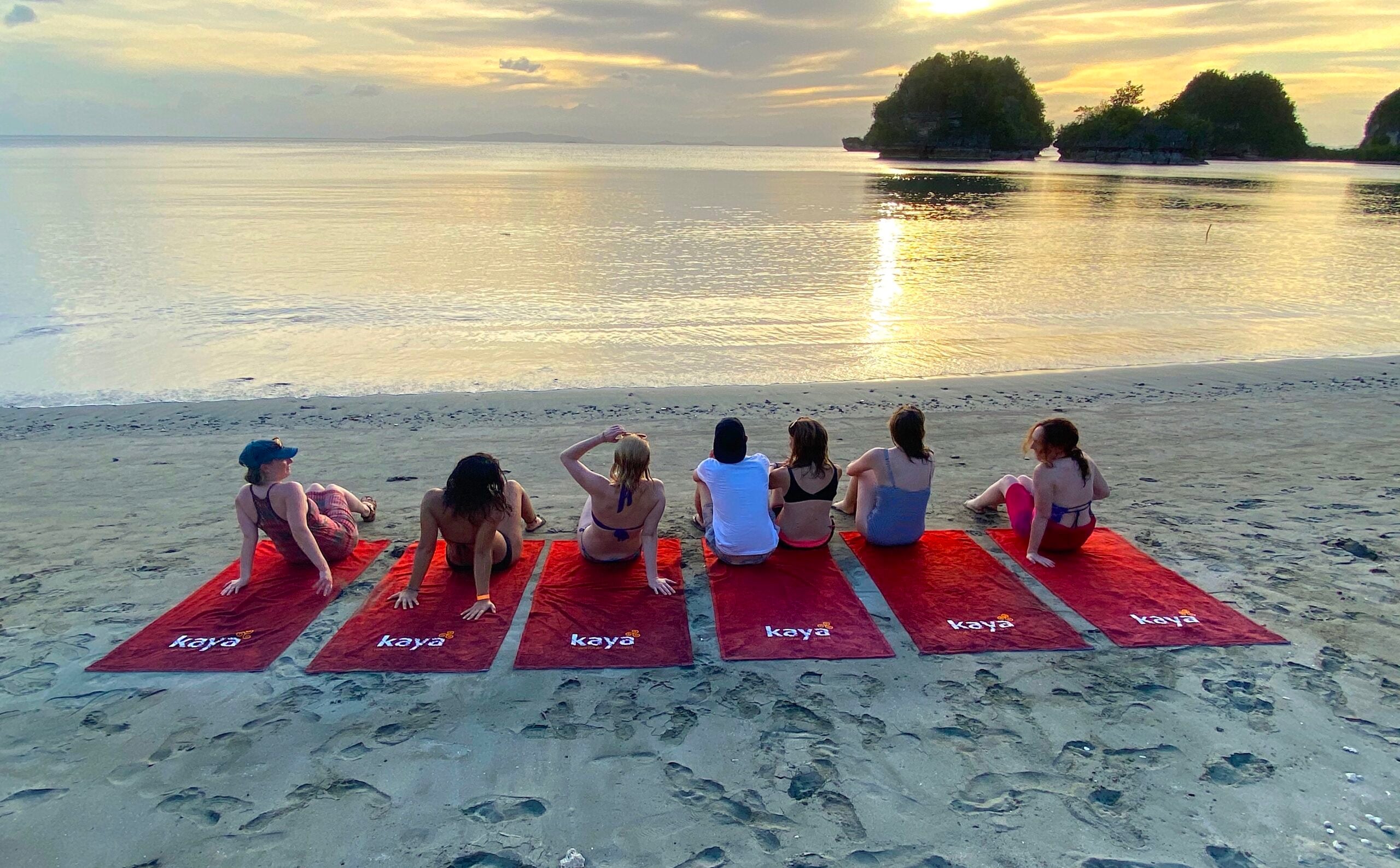
With a focus on experiential education and the UN Sustainable Development Goals, your group can immerse and engage with international communities and environments across the globe.