









History and Society in South Africa
- History, Art & Culture
- Social Justice & Behavioral Science
Social justice and behavioral science explore how societies address inequality and how people think, act, and relate to others.
Design a program hereAbout Social Justice & Behavioral Science
From migration and urban inequality to grassroots organizing and civic engagement, these fields examine how social structures and human behavior shape opportunity, wellbeing, and access to resources. They connect human rights, community development, and behavioral research.
Kaya’s social justice and behavioral science programs abroad connect academic learning with real-world contexts. Students engage with local organizations, gender equity initiatives, and community projects while examining social policy, identity, and behavior. Through community engagement and field-based learning, participants gain insight into the social, political, and psychological factors shaping equity, participation, and development.
 Academic themes

Program Themes
Discover how this academic area takes shape in each destination. If you don’t see your country, or you already have an itinerary, connect with the Kaya team to start a discussion.
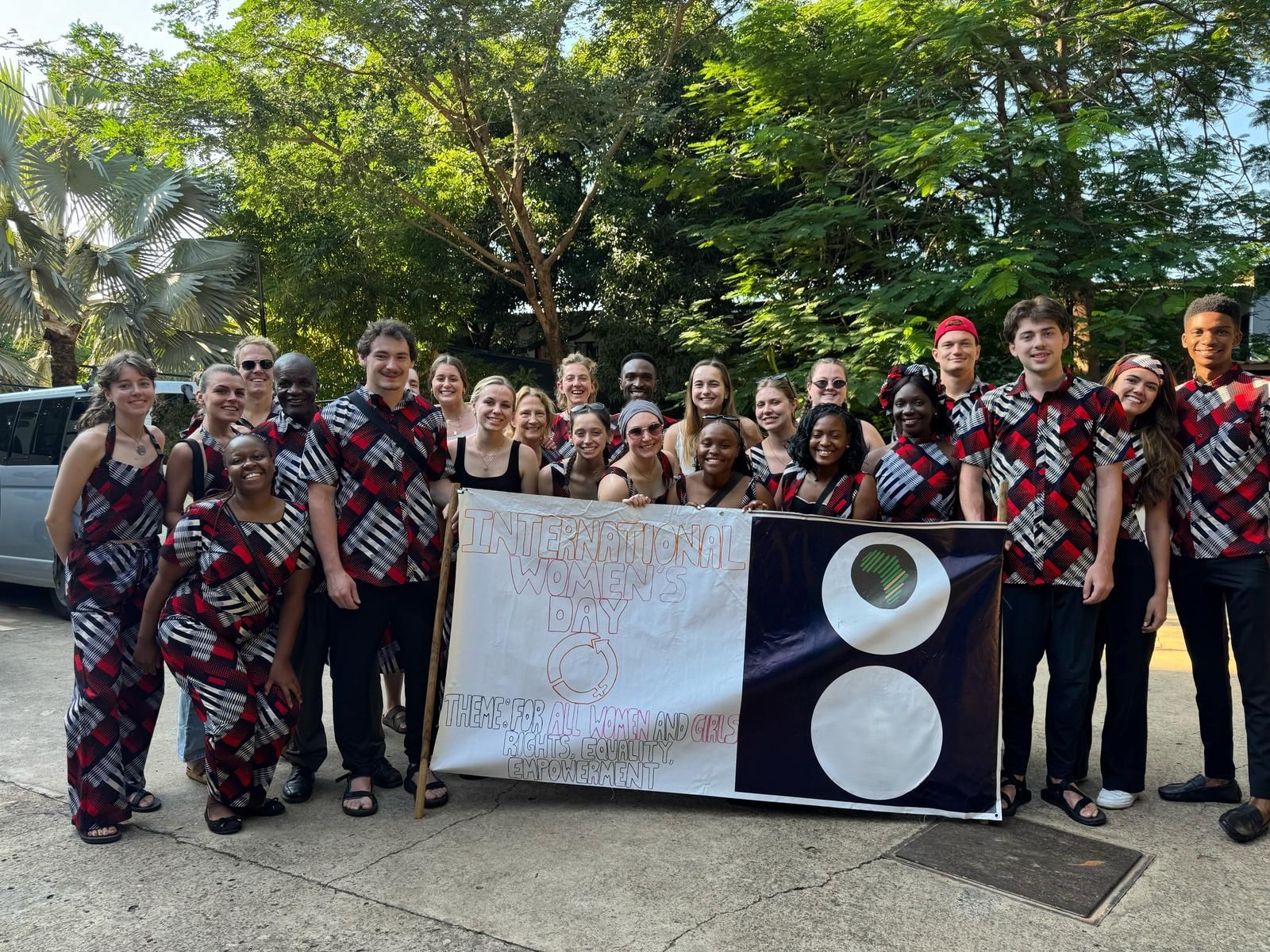
Gender equality takes shape through everyday efforts to strengthen women’s rights, leadership, and independence. Custom group programs offer experiential learning alongside local initiatives, connecting cross-cultural immersion with an exploration of advocacy, access to support, and women-led social change.
develop your own program similar to this
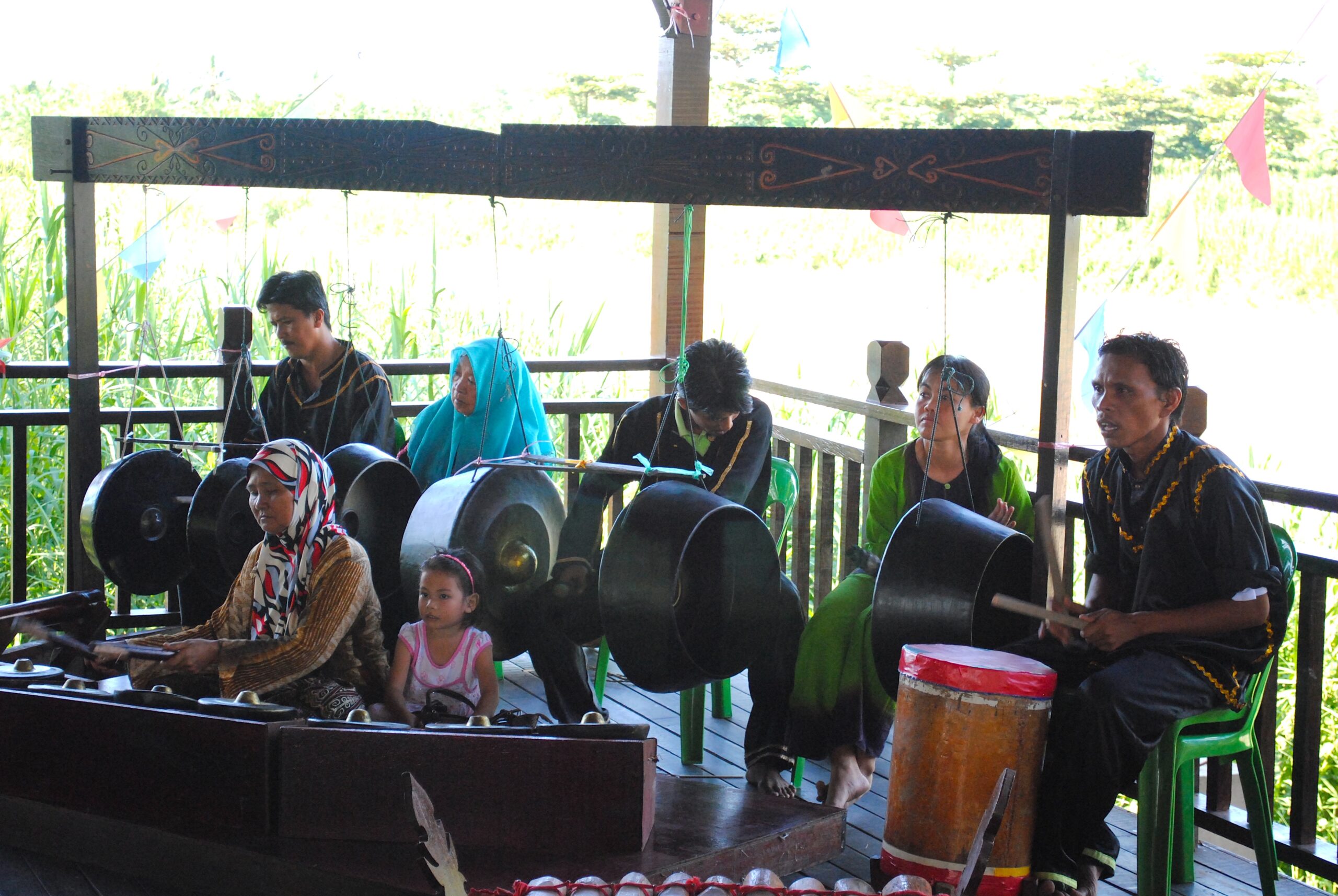
Social justice in Borneo comes into focus through the everyday choices rural communities make around opportunity, cultural continuity, education, health, and environmental change. Custom group programs offer field-based experiential learning and cross-cultural immersion with community voices, linking social equity to sustainable livelihoods, self-determination, and rural development in Sabah.
develop your own program similar to this
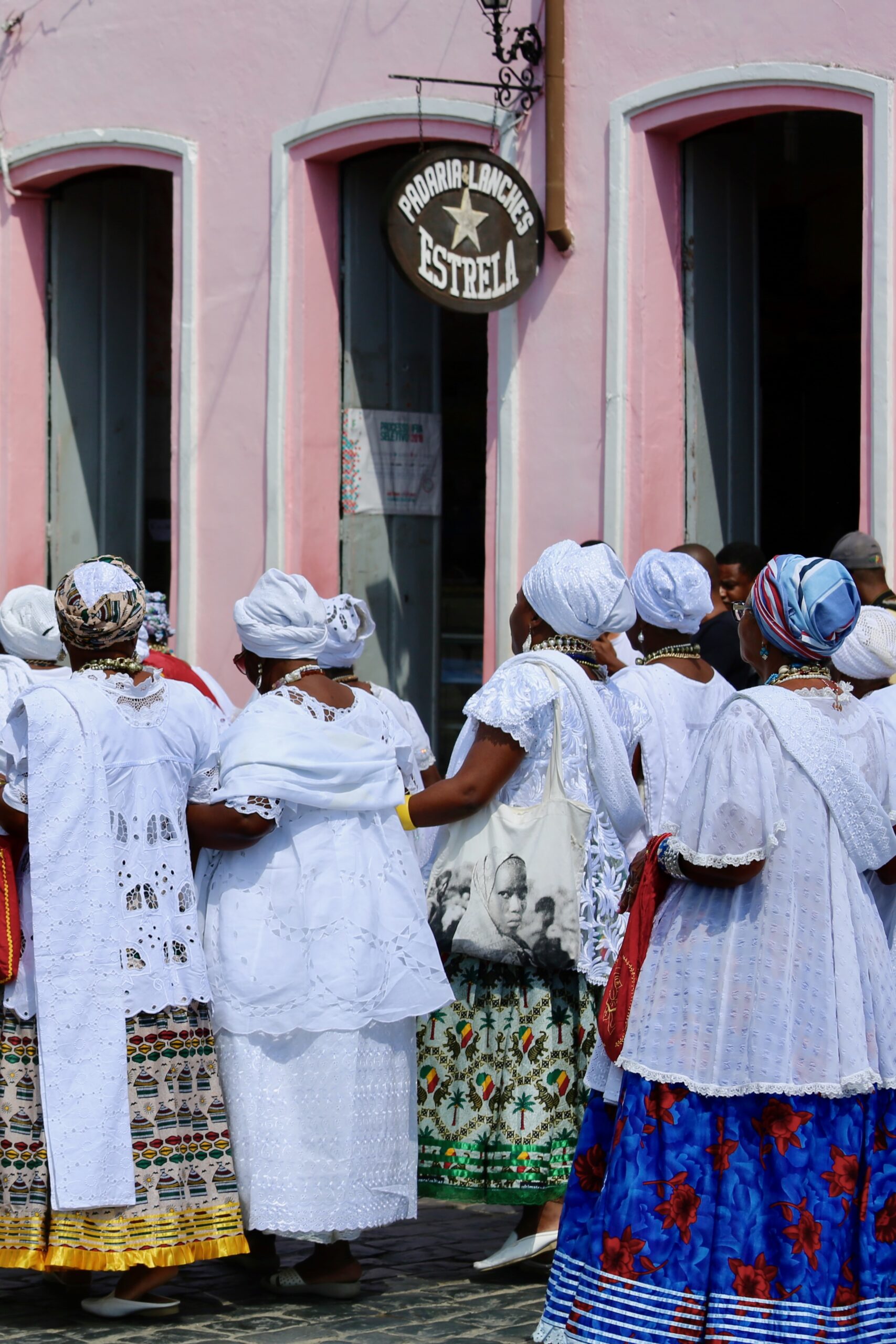
Social justice in Brazil can be examined through the lived effects of racial inequality, poverty, gender-based discrimination, and unequal access to public services. Custom group programs support field-based experiential learning with advocates, community organizers, and cultural practitioners working toward rights, accountability, and social change.
develop your own program similar to this
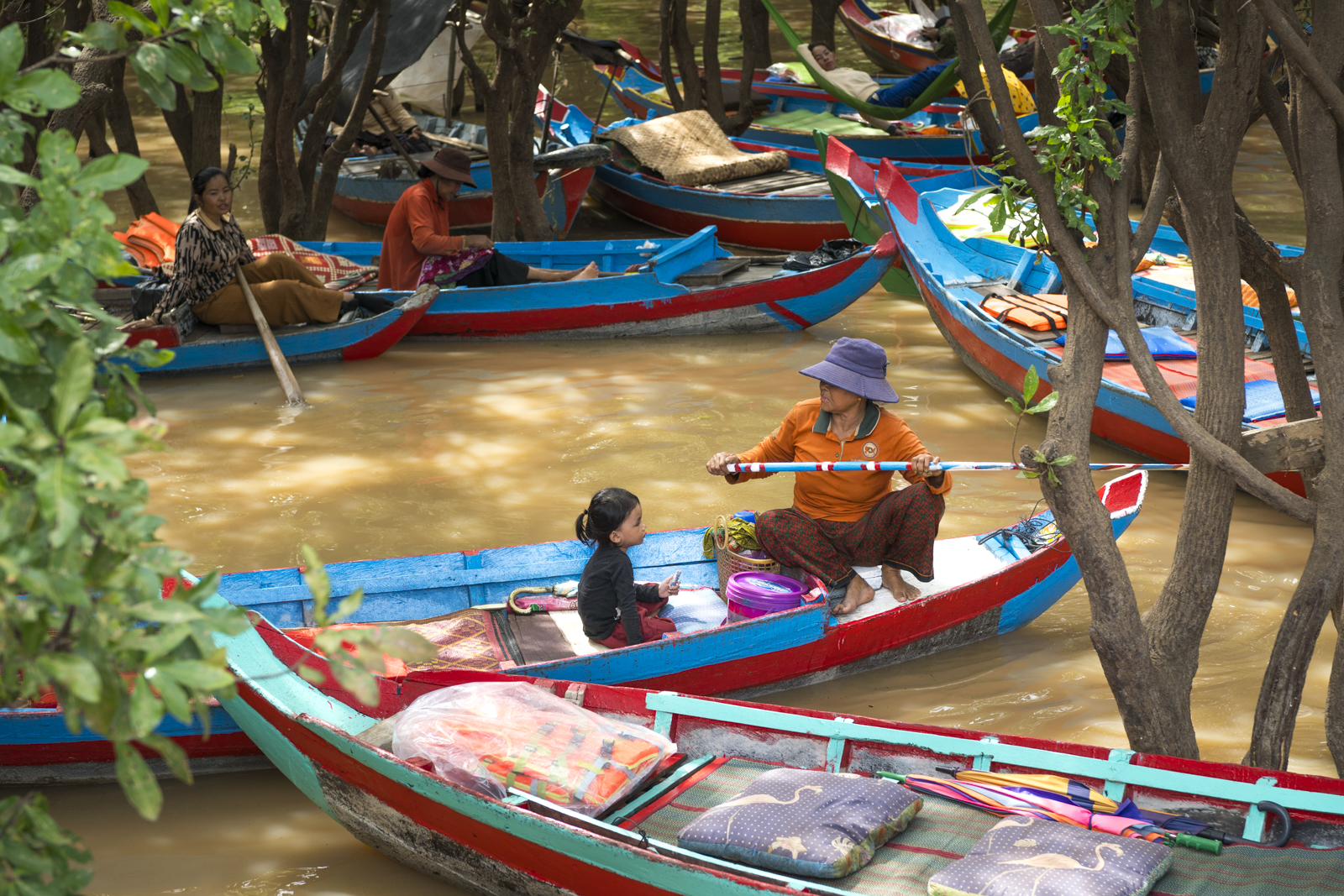
Cambodia provides a valuable context for exploring how poverty, housing, nutrition, disability, mental health, gender, and digital access can affect children’s participation in education and community life. Field-based experiential learning and cross-cultural immersion can support respectful observation, collaborative staff learning, and practical strategies for more inclusive school environments.
develop your own program similar to this
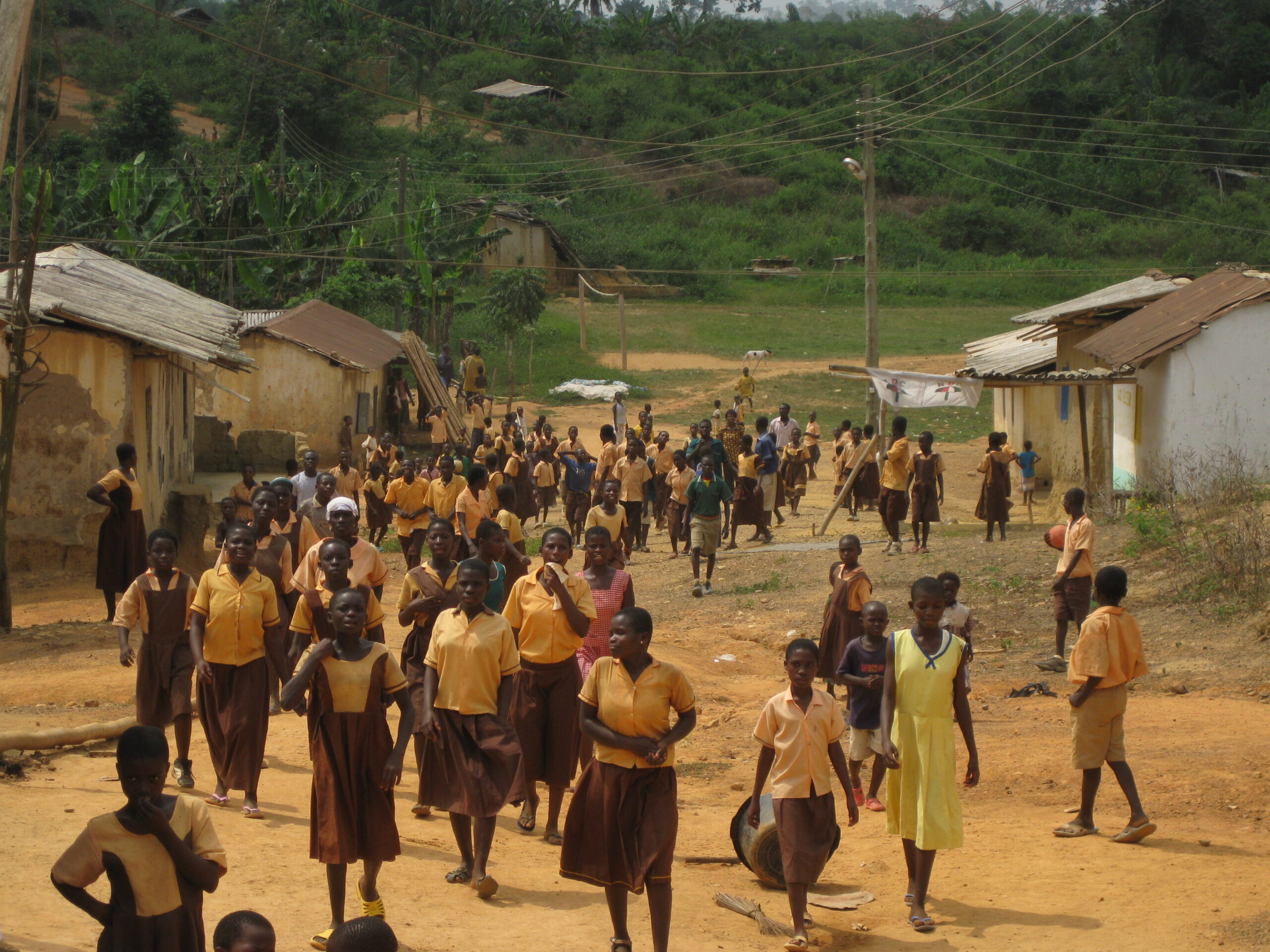
Social justice in Ghana can be examined through the legal, health, and community systems that shape children’s rights, reproductive care, family life, and protection for marginalized groups. Educational group programs offer experiential learning around the implementation of national law, customary authority, grassroots advocacy, and local accountability.
develop your own program similar to this
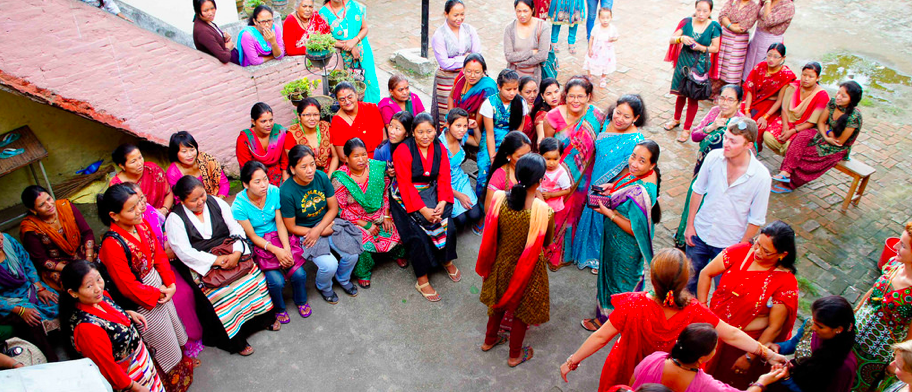
Social justice in India is shaped by the ways communities address unequal access to education, livelihoods, healthcare, safety, and social participation. Custom group programs can create field-based experiential learning and cross-cultural immersion around grassroots leadership, women’s empowerment, child wellbeing, and ethical community engagement.
develop your own program similar to this
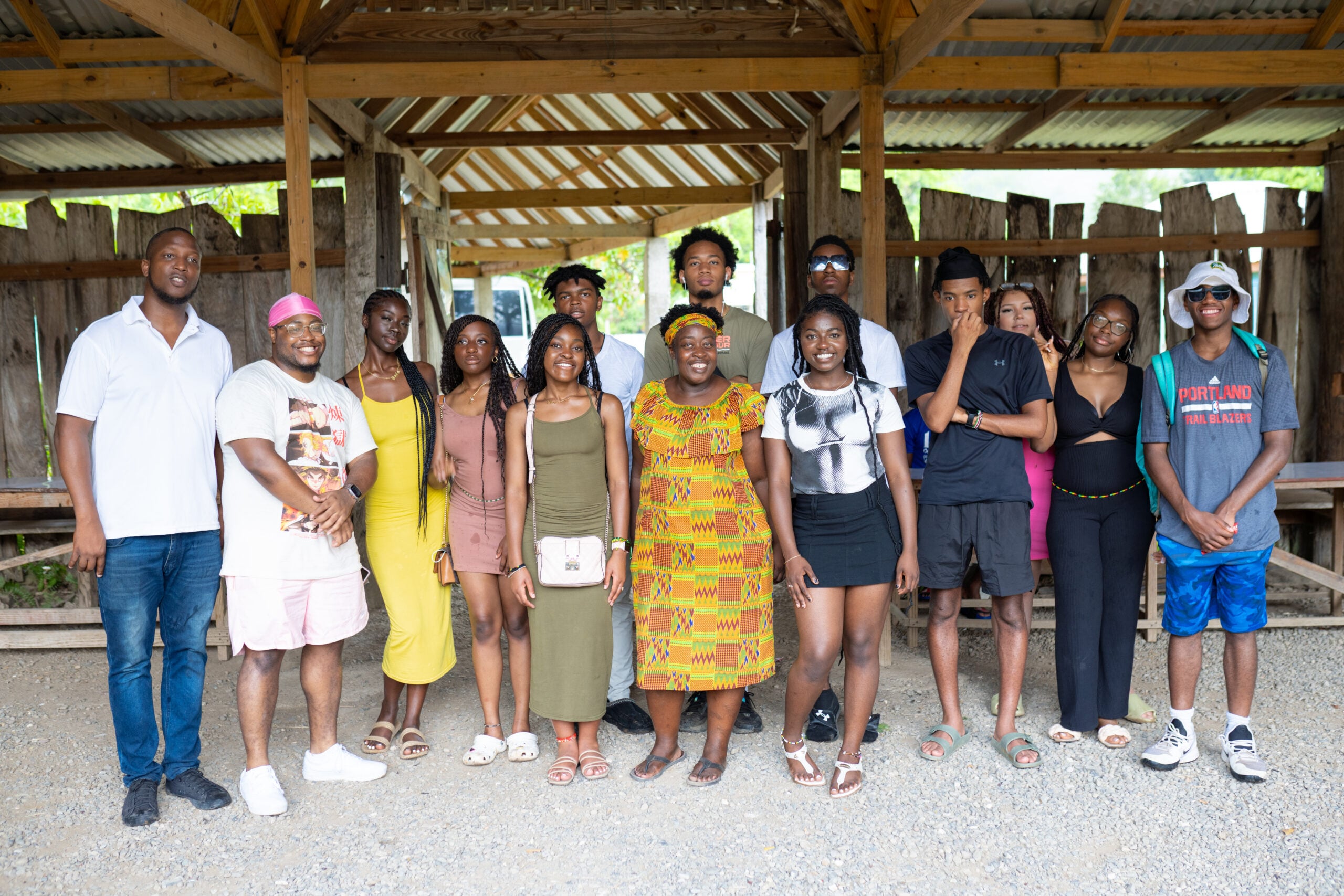
Jamaica’s justice landscape brings together courts, policing, community mediation, rehabilitation, and grassroots advocacy. Custom group programs can use field-based experiential learning to examine access to justice, human rights, restorative approaches, and the role of culture in movements for social change.
develop your own program similar to this
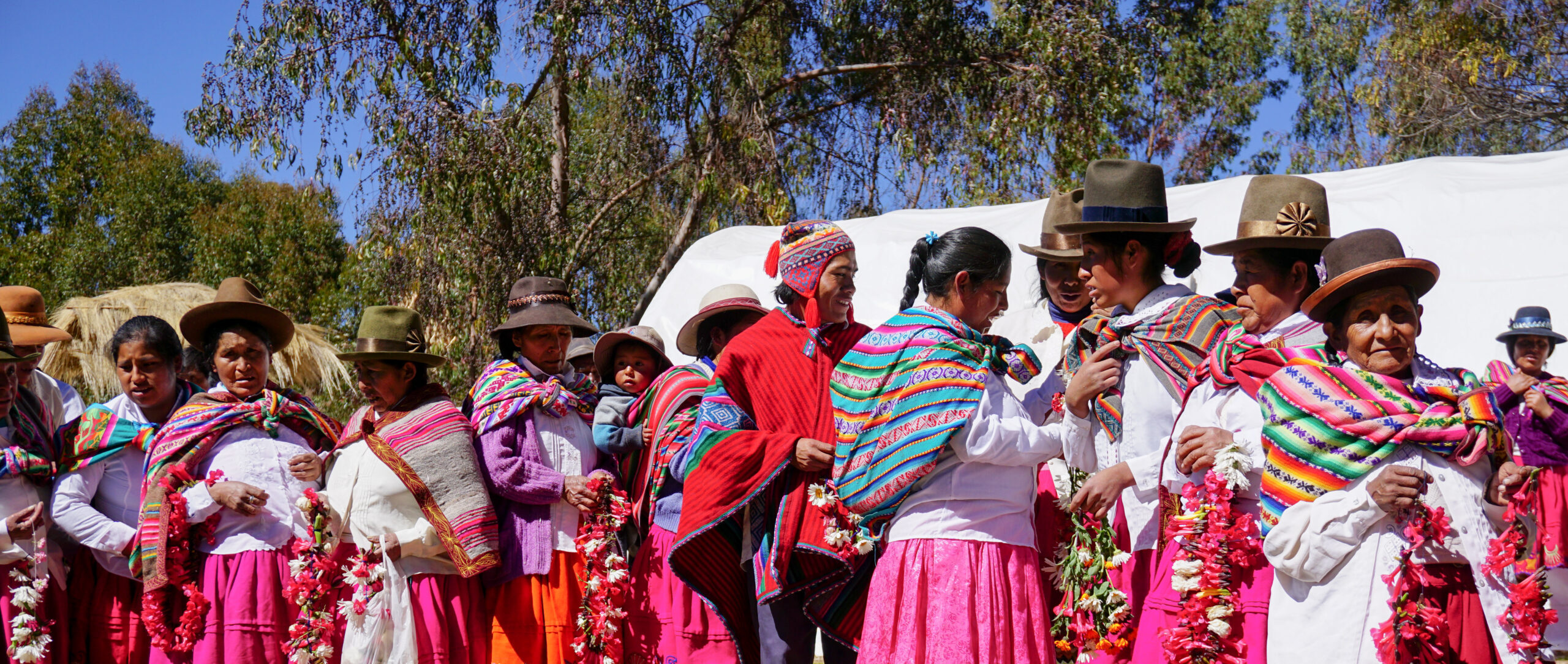
In Peru, social justice is closely tied to rural inclusion, Indigenous rights, environmental protection, and the unequal distribution of public services. Custom group programs support field-based experiential learning alongside community partners, offering hands-on experience with rights-based development, local advocacy, and cross-cultural exchange.
develop your own program similar to this
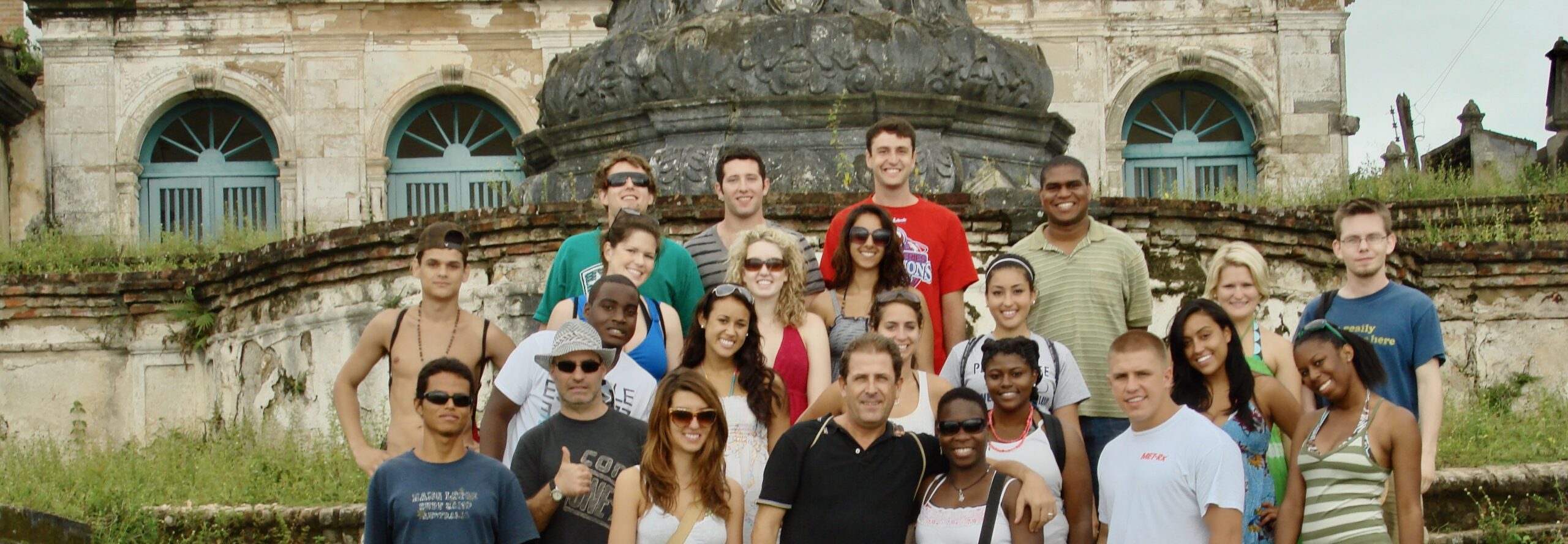
Portugal offers an important lens for studying social justice at the intersection of migration, race, gender, class, and public policy. Through engagement with Lisbon’s communities, institutions, and cultural spaces, participants can examine how historical legacies and contemporary demographic change shape equity, belonging, and collective action.
develop your own program similar to this
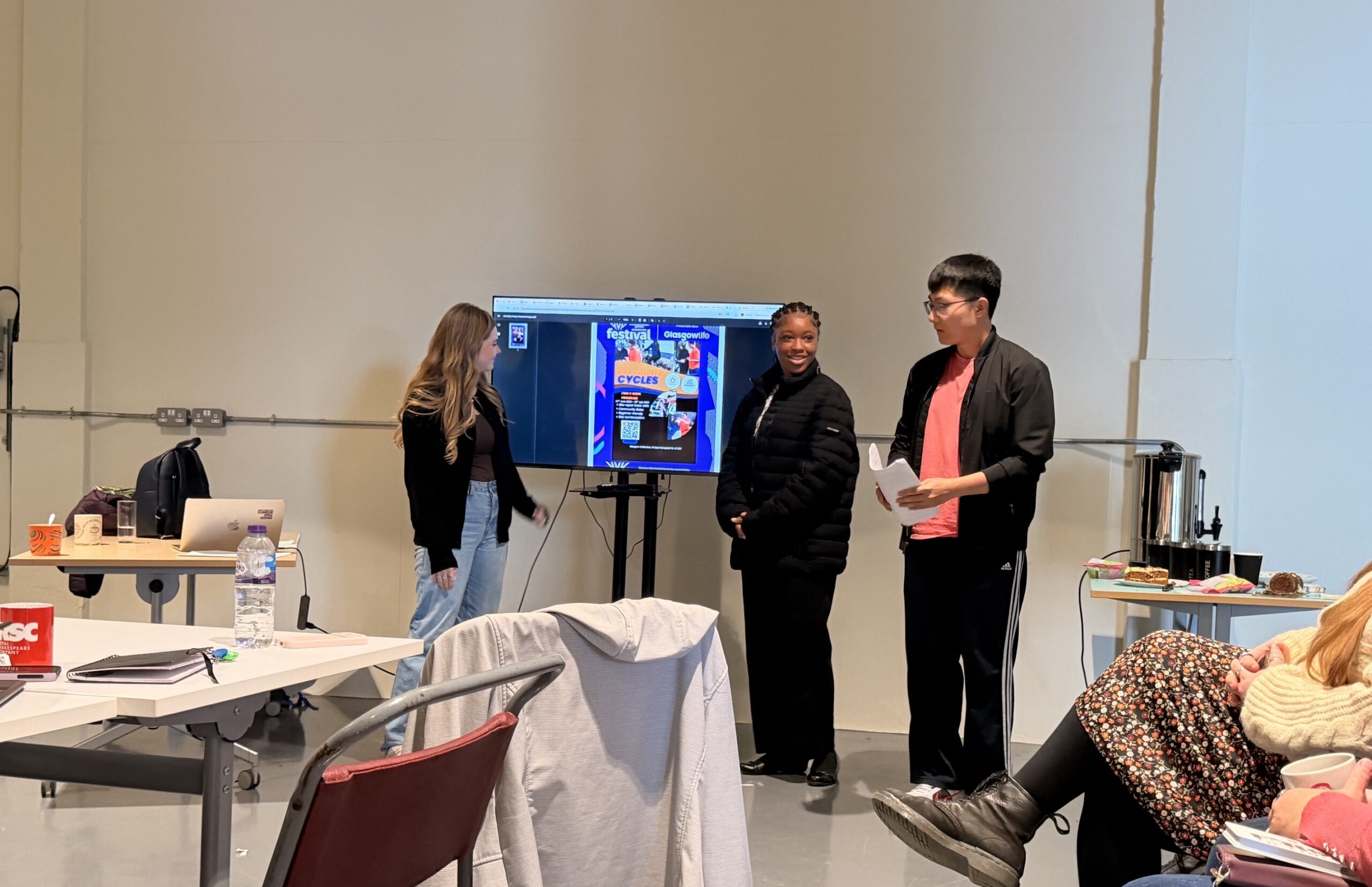
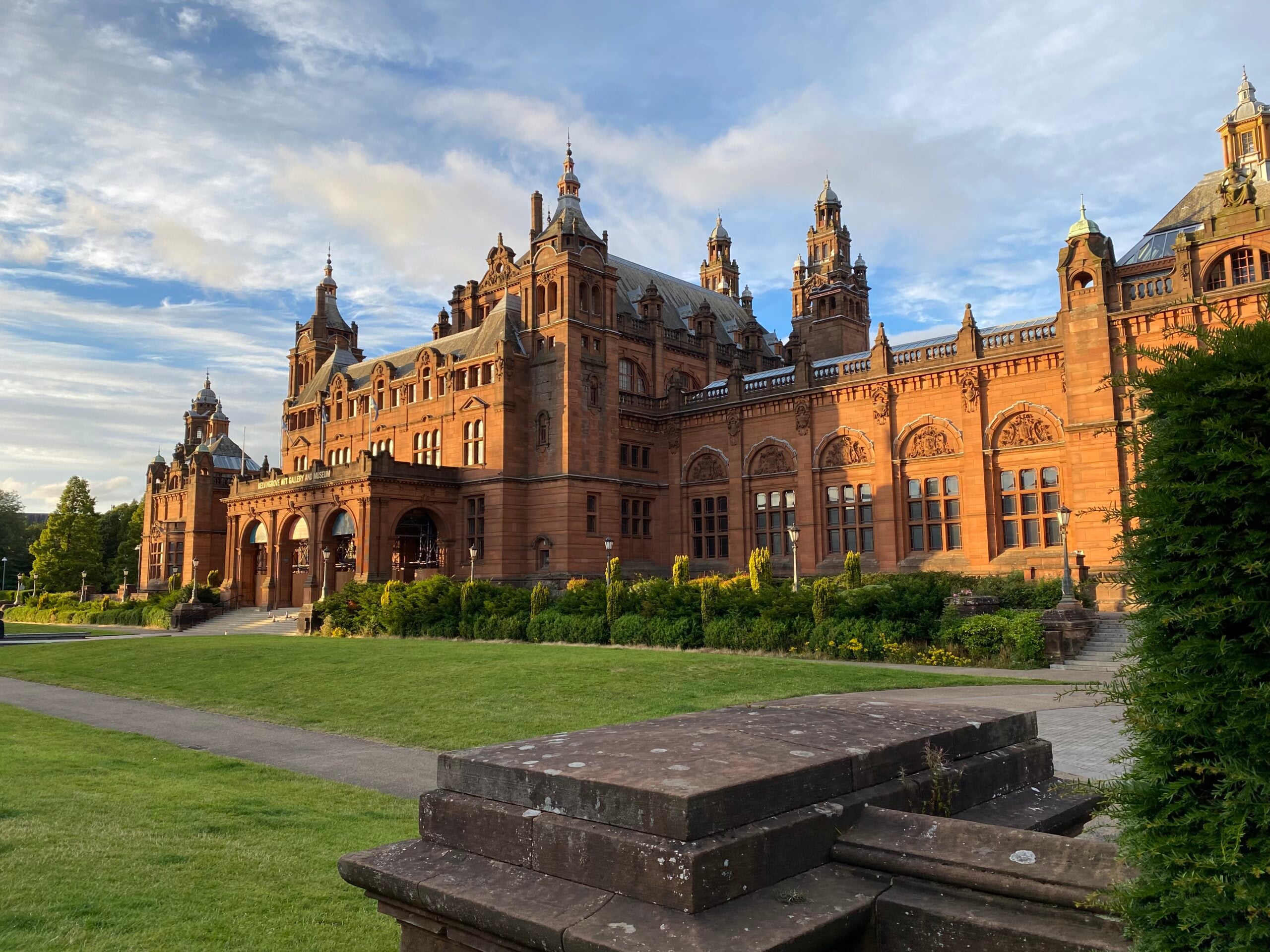
Social justice in Glasgow can be explored through community-led action, rights-based education, public-health initiatives, and services shaped by lived experience. The city provides opportunities to examine how local organizations, public institutions, schools, and residents respond to inequality, support integration, and build community assets.
develop your own program similar to this
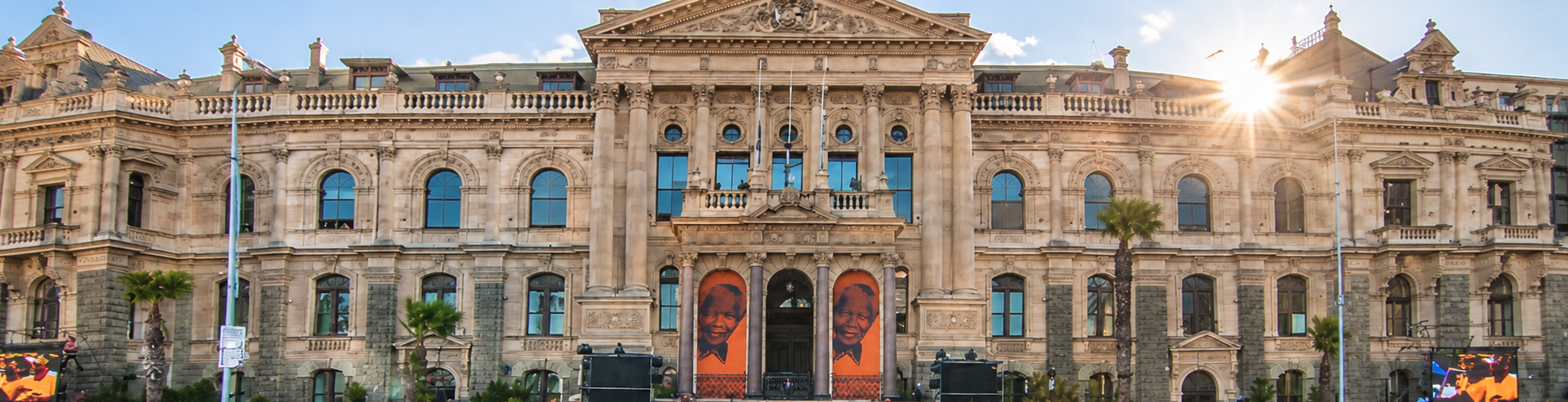
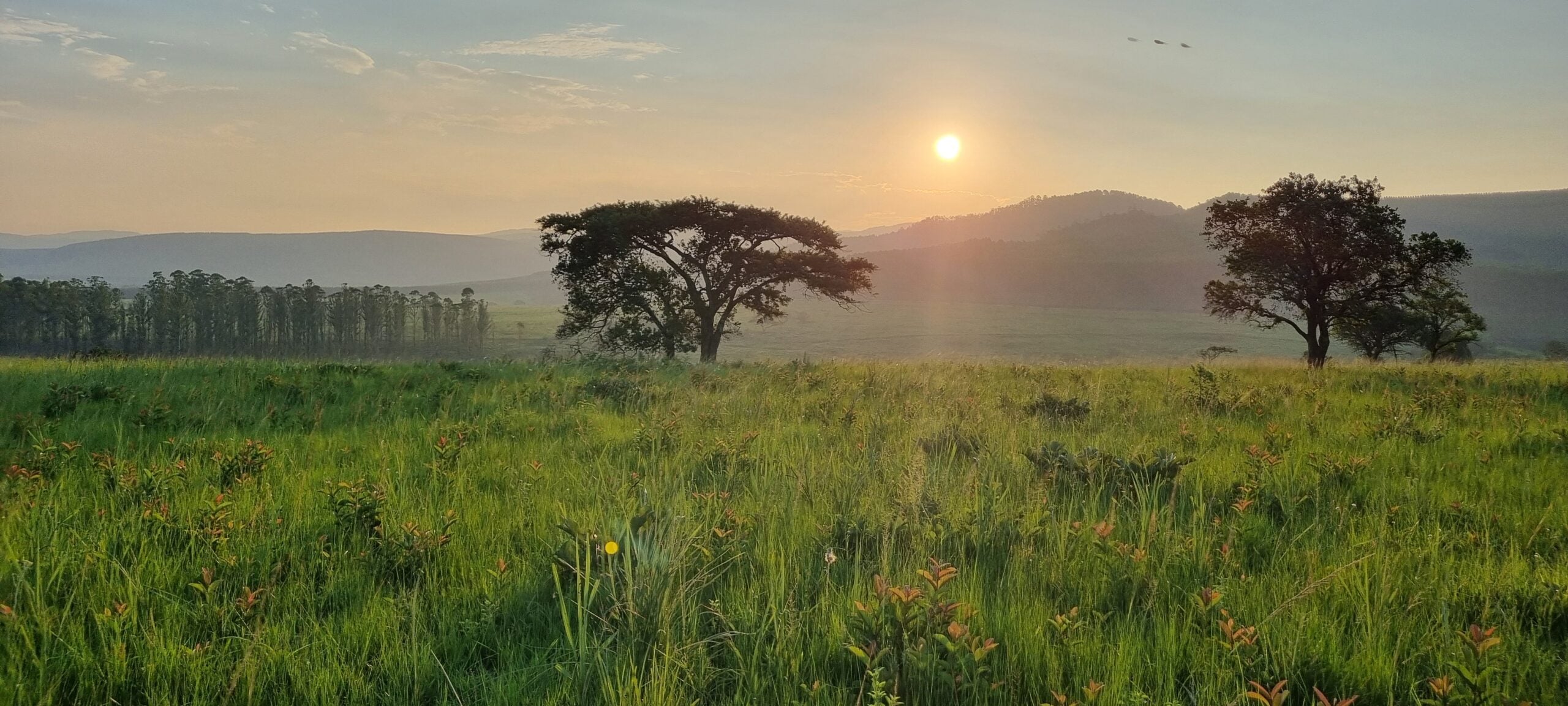
South Africa offers a powerful setting for understanding how apartheid-era displacement, unequal urban planning, and community-led action continue to influence daily life. Custom group programs combine field-based experiential learning, local dialogue, and responsible cross-cultural immersion to examine rights, resilience, and pathways toward a more equitable society.
develop your own program similar to this
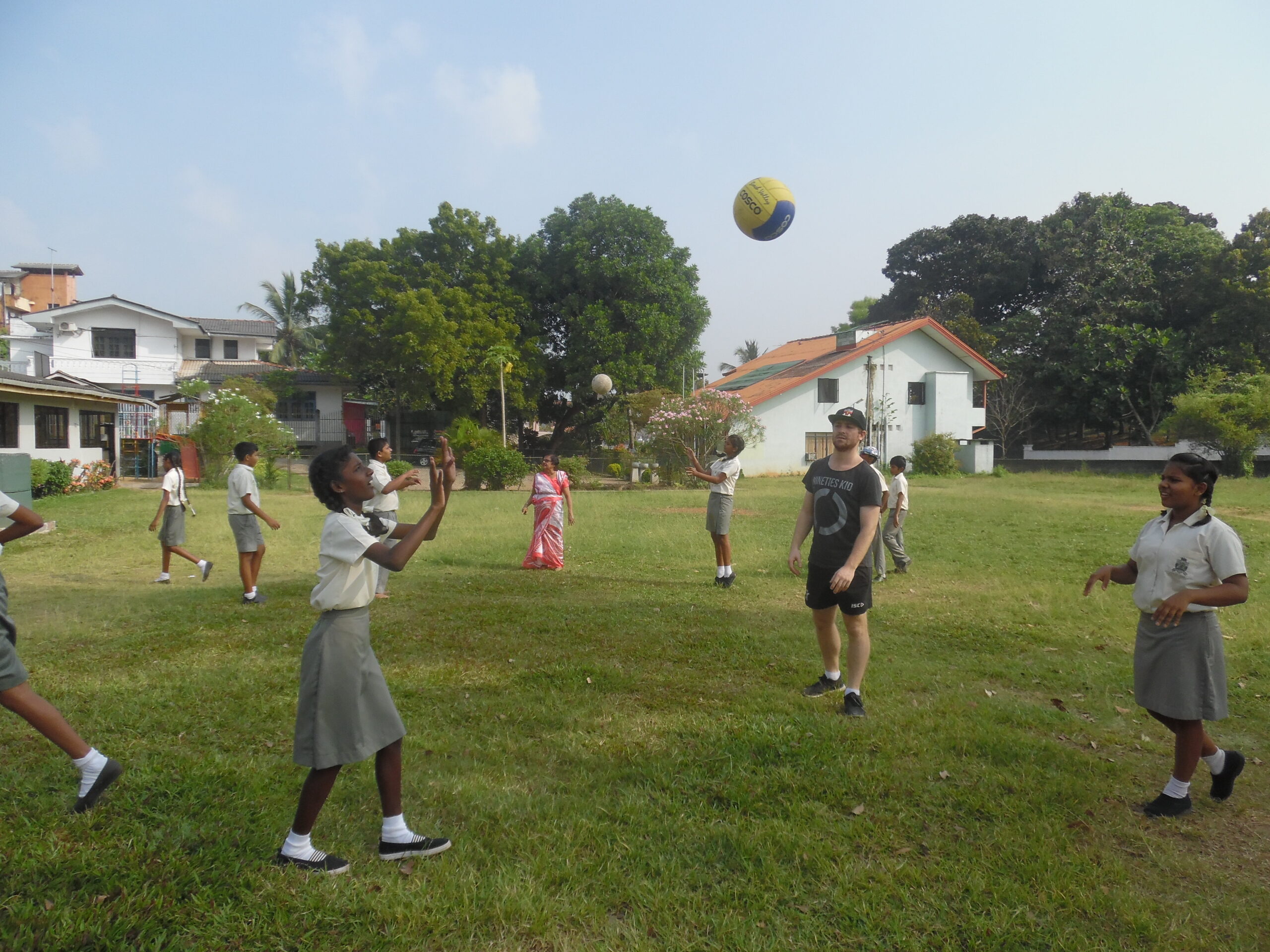
Across Sri Lanka, communities are developing locally grounded responses to unequal access to education, economic opportunity, care services, and leadership. A custom group program can provide hands-on experience through respectful community engagement, activity-based learning, and cross-cultural exchange centered on locally defined priorities and pathways toward greater equity.
develop your own program similar to this
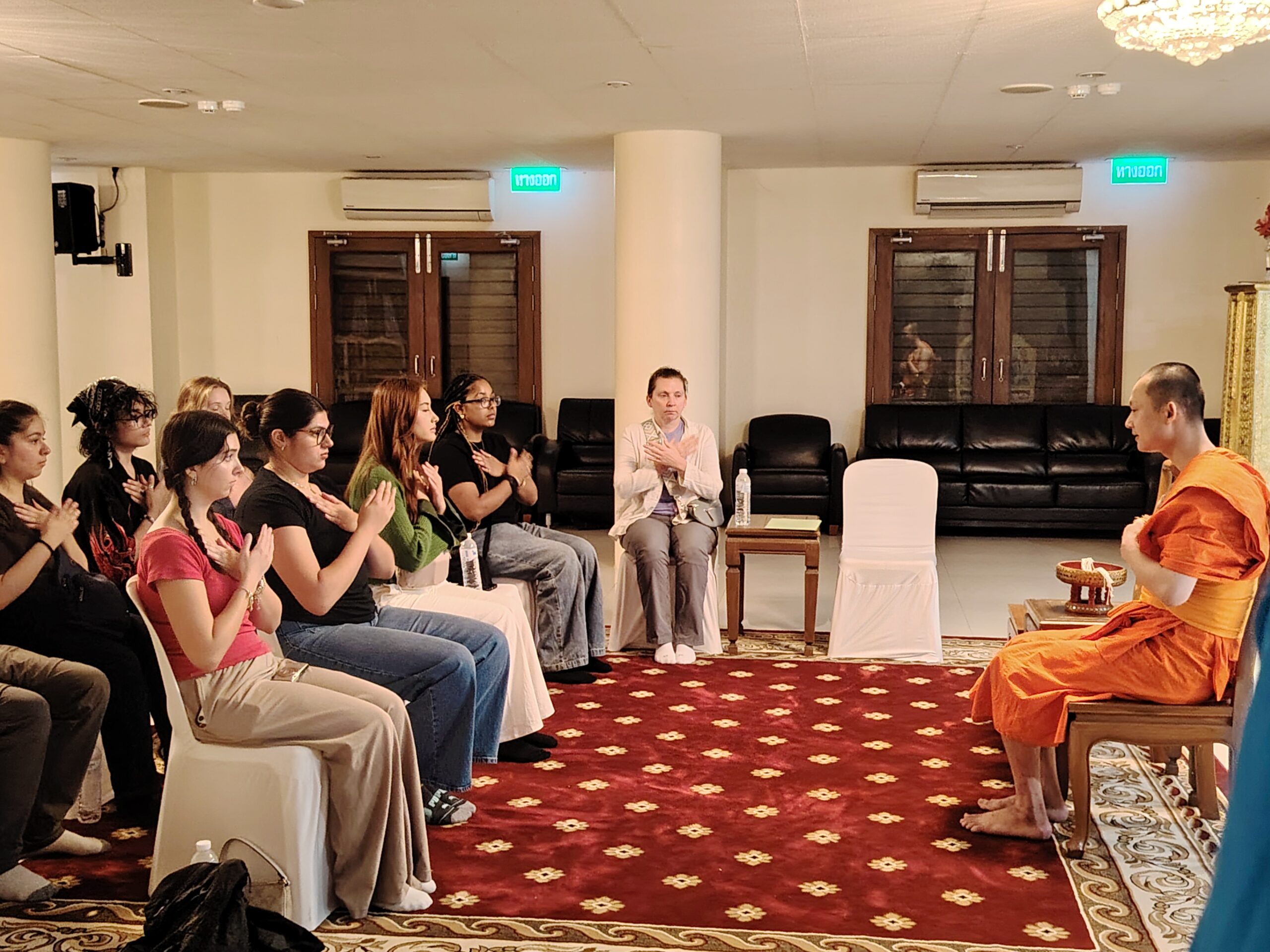
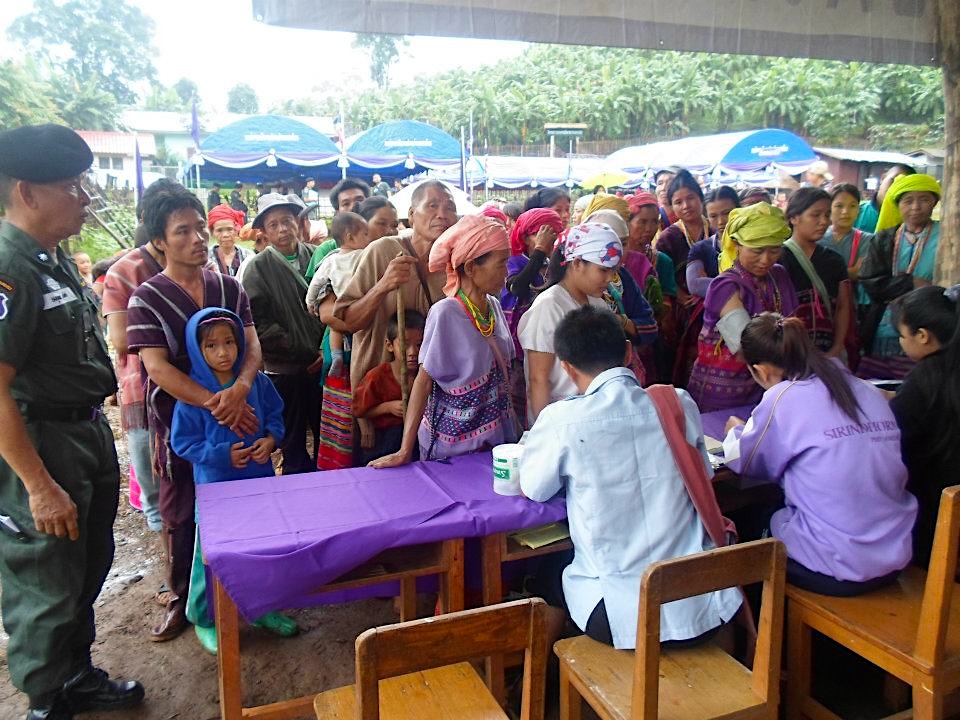
Thailand offers a complex regional lens on citizenship, migration, child protection, gender equity, disability inclusion, and the rights of ethnic-minority communities. Custom group programs can pair field-based experiential learning with cross-cultural immersion, exploring how civil society, community leadership, and rights-based practice respond to exclusion and inequality.
develop your own program similar to this
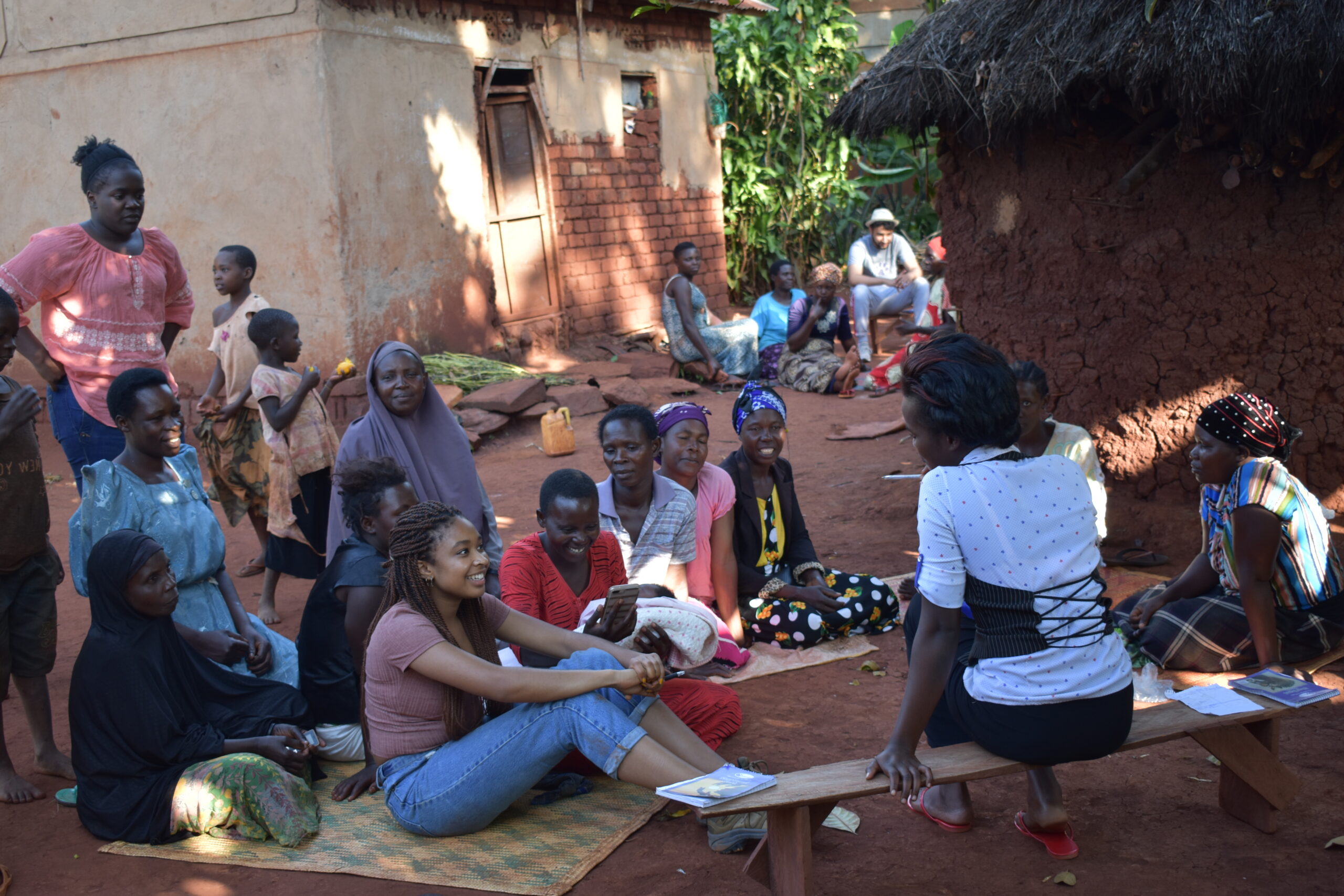
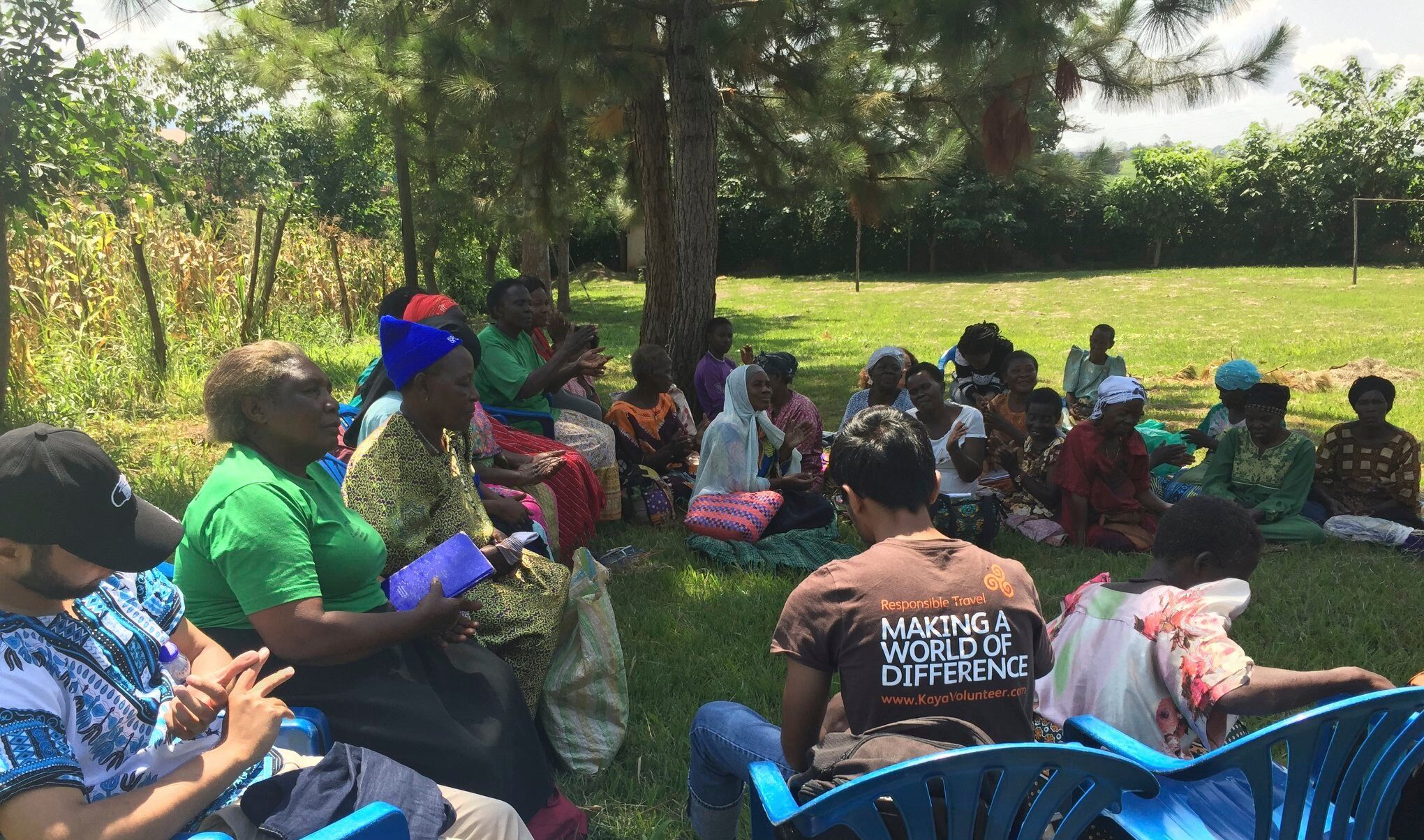
Questions of voice, access, and dignity are visible in everyday community life across Uganda. Custom group programs support experiential learning through field-based dialogue and hands-on engagement with local partners, building cross-cultural understanding around inclusion, participation, and ethically grounded development.
develop your own program similar to this
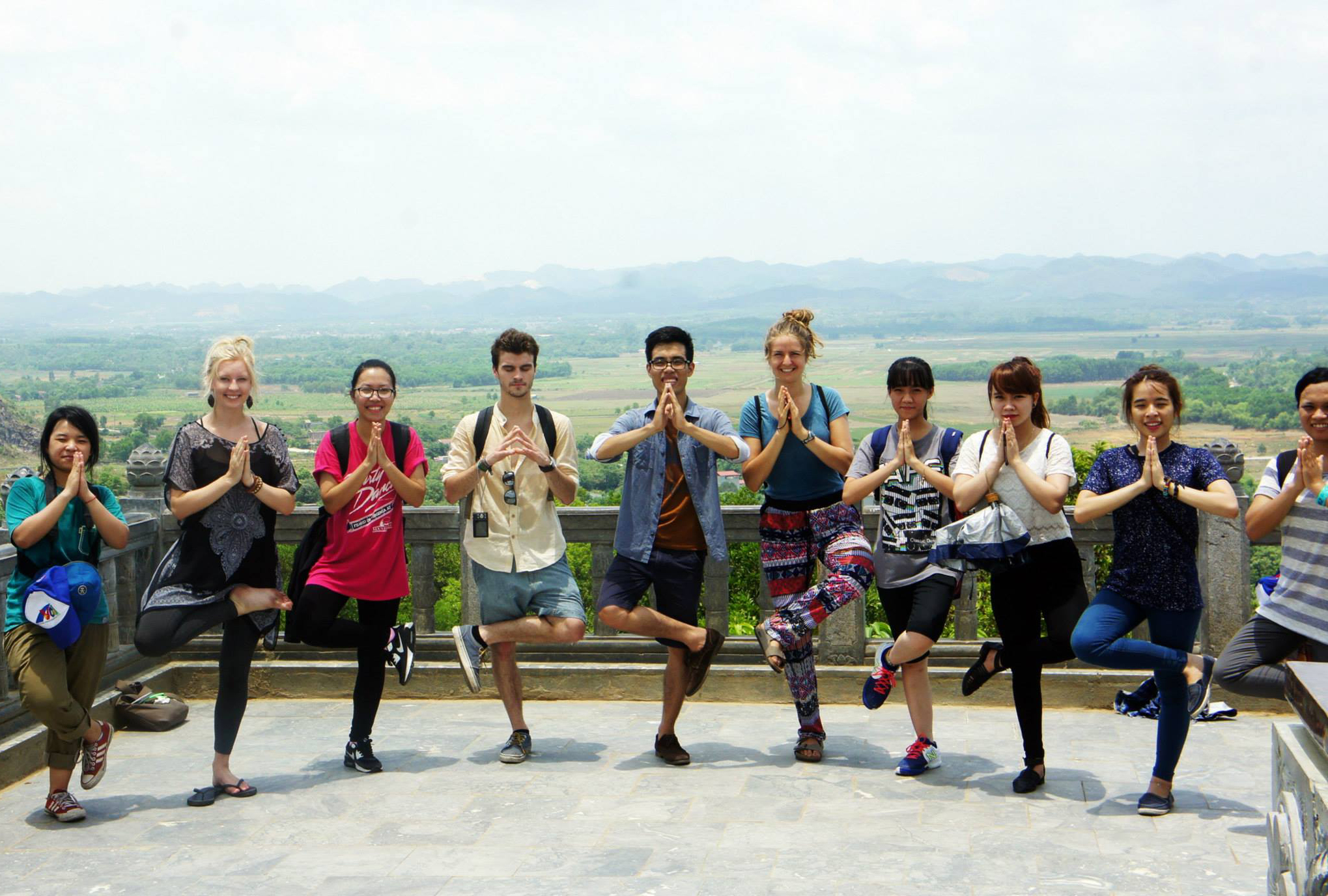
Community development, identity, wellbeing, and economic change create meaningful topics for social inquiry in Vietnam. Custom group programs can combine project-based experiential learning, community dialogue, and reflective practice to investigate social challenges and locally led responses.
develop your own program similar to this
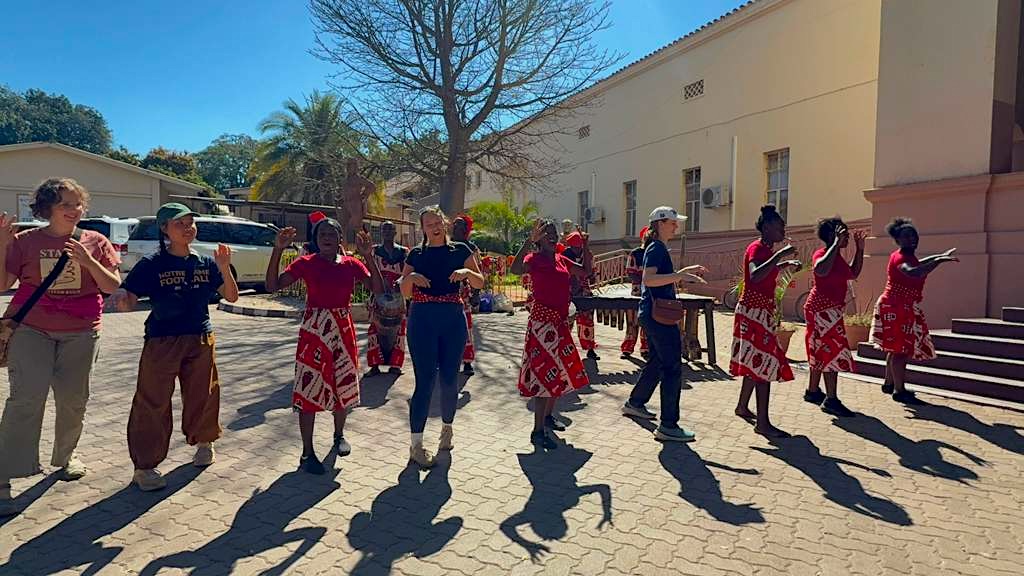
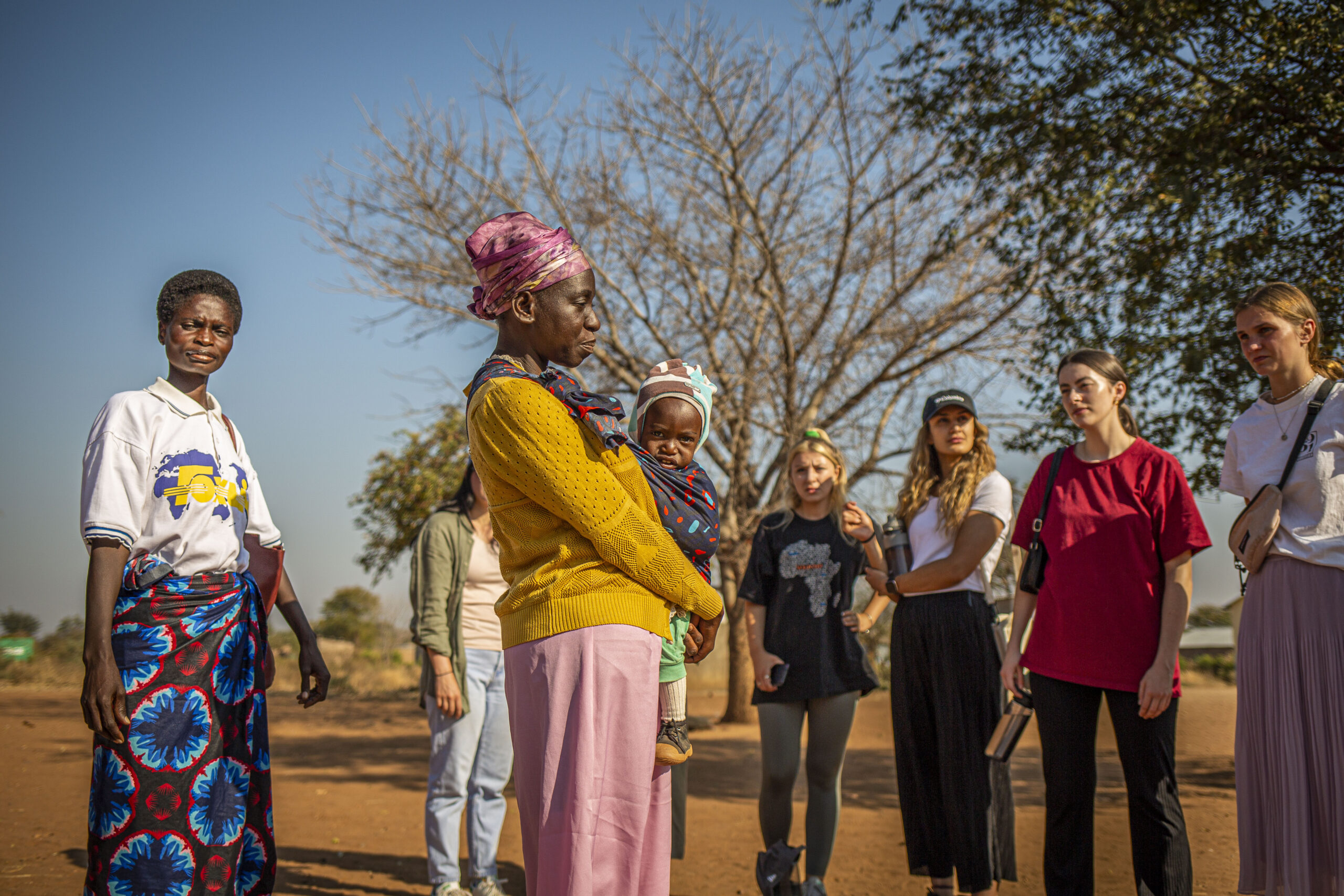
Through a gender-empowerment lens, Zambia offers an opportunity to examine how schools, families, and communities advance dignity, health, inclusion, and equal participation. Custom group programs can support field-based learning around gender-responsive education, menstrual health, nutrition, and youth leadership through carefully guided, hands-on experience and cross-cultural immersion.
develop your own program similar to this
Program ideas
Browse example itineraries and program ideas inspired by topics Kaya groups have explored over the years.
 1
Together we’ll discuss your program goals and needs.
 2
With your input, we develop and fine-tune the perfect itinerary.
 3
We support institutional approvals and recruitment processes to ensure a successful launch!
 4
From pre-departure planning until your return, we’re with you every step of the way!
FAQS
Students can examine how rights, inequality and access to resources shape everyday life. Kaya can connect course themes with local perspectives on gender equity, migration, community development and advocacy, helping students explore how social change is understood and pursued in different contexts.
A custom program can help students investigate how identity, social environments and relationships influence behavior. Through guided observation, local dialogue and reflection, participants can connect academic concepts with questions about wellbeing, participation and the ways people respond to everyday challenges.
Kaya works with local partners to shape activities around community priorities, knowledge and capacity. Students are encouraged to listen, question assumptions and recognize the limits of short-term participation, emphasizing reciprocity and learning alongside communities rather than treating them as subjects of study.
Yes. Kaya can work with faculty to develop a focused or interdisciplinary program around course objectives and students’ academic level. Activities and reflection can connect sociology, psychology, social policy and community development, with learning goals guiding the itinerary rather than a fixed set of experiences.
Testimonials
With a focus on experiential education and the UN Sustainable Development Goals, your group can immerse and engage with international communities and environments across the globe.