





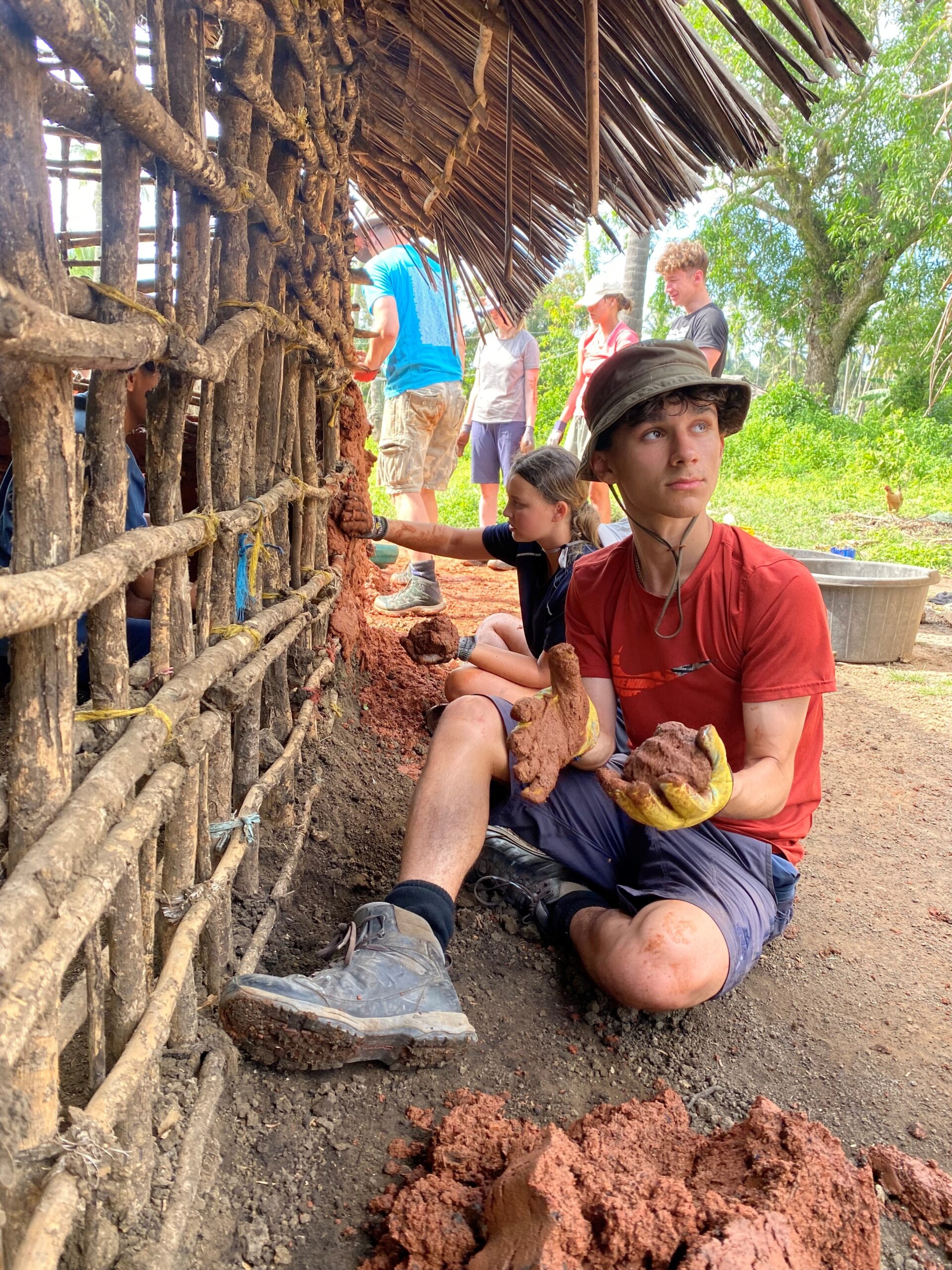



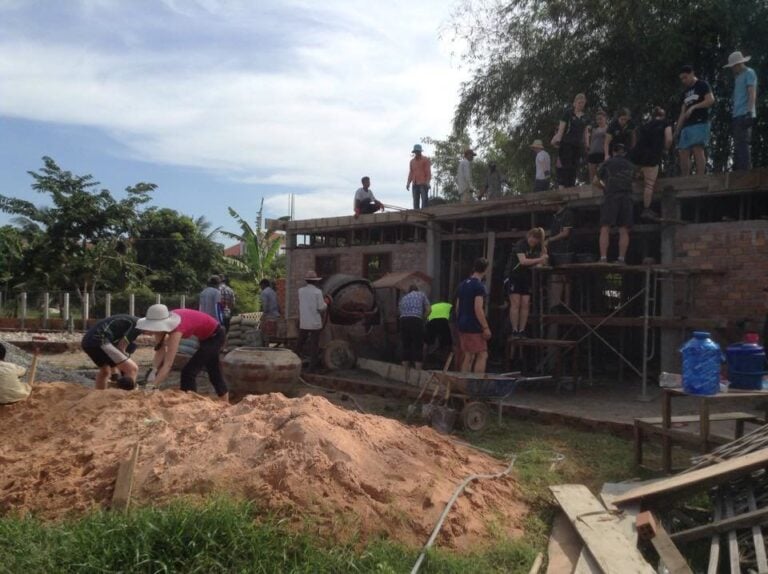
Engineering Sustainable Housing in Cambodia
- Engineering & Resource Management
Engineering and resource management focus on how infrastructure, technology, and natural resources support sustainable development.
Design a program hereAbout Engineering and Resource Management
From renewable energy projects and water resource management to transport systems and urban infrastructure, the field examines how societies design and manage critical systems. Engineering studies bring together sustainable engineering, infrastructure development, and resource management education across environmental and urban contexts.
Kaya’s engineering field programs abroad provide opportunities to examine water and energy systems programs and urban infrastructure study in practice. Students explore renewable energy projects, waste and recycling systems, and sustainable urban design while examining climate-resilient infrastructure and mobility systems. Through field observation and engagement with engineering initiatives, participants gain insight into the technological and environmental systems shaping modern infrastructure.
 Academic themes

Featured programs
Discover how this academic area takes shape in each destination. If you don’t see your country, or you already have an itinerary, connect with the Kaya team to start a discussion.
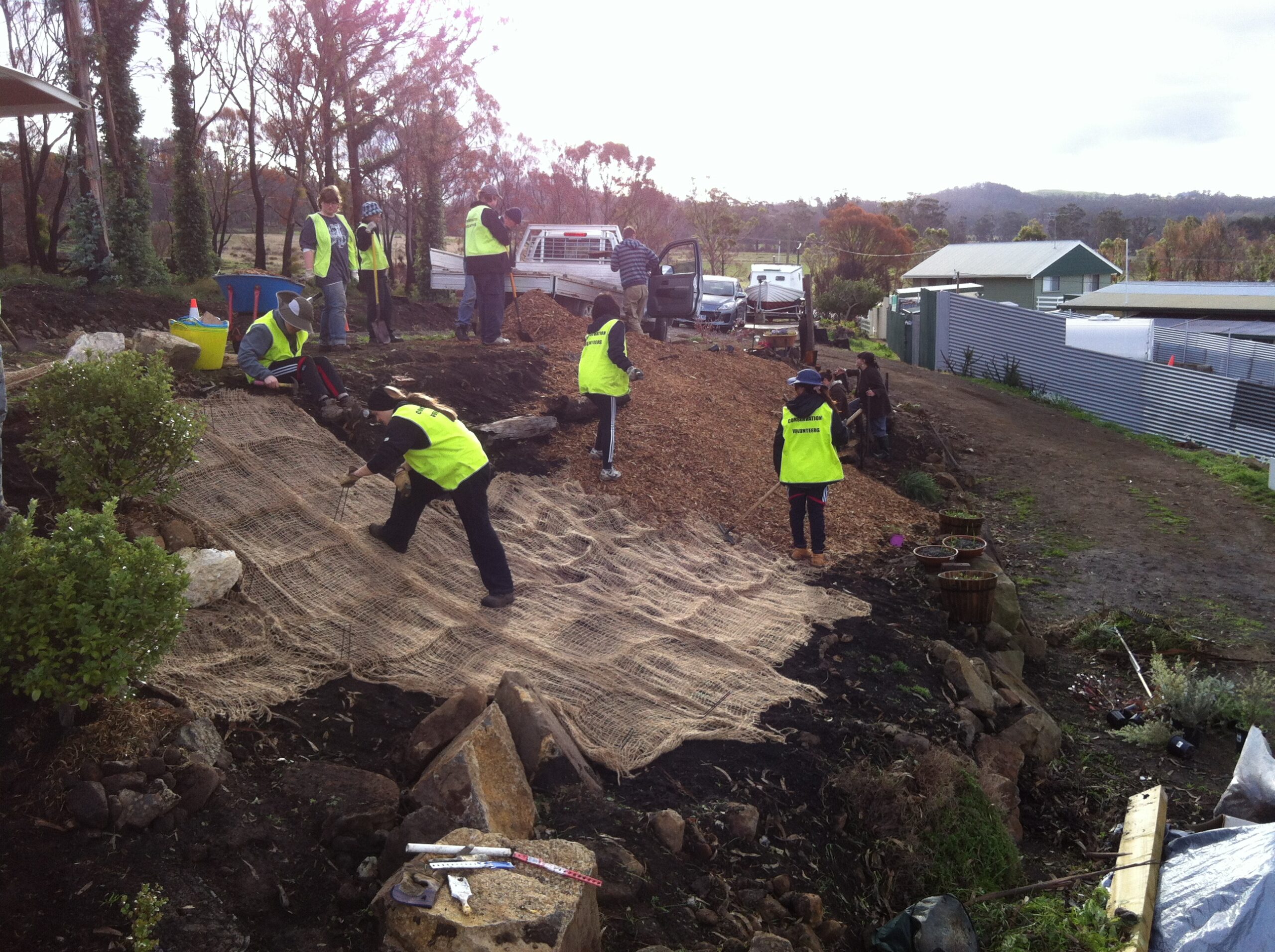
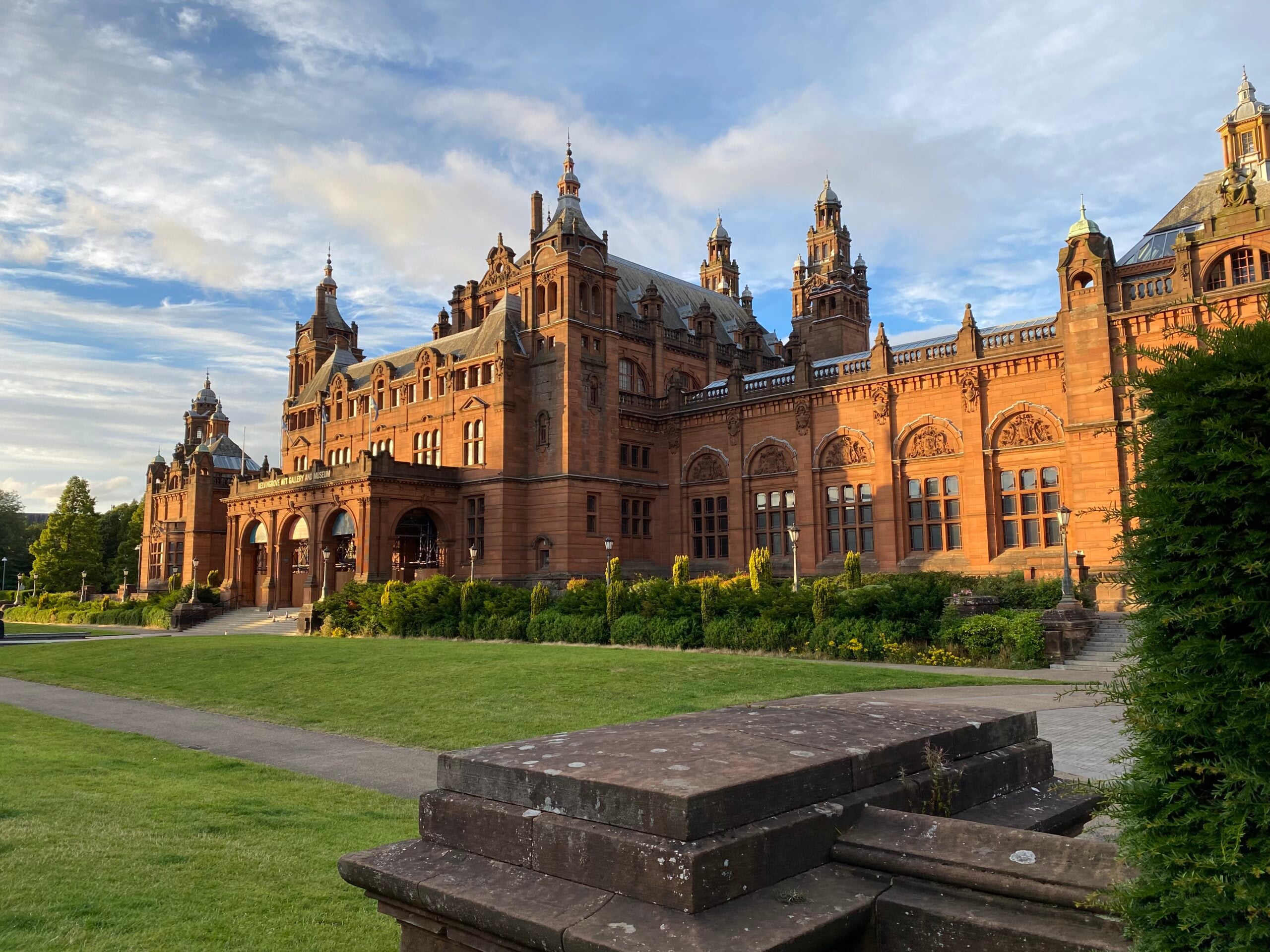
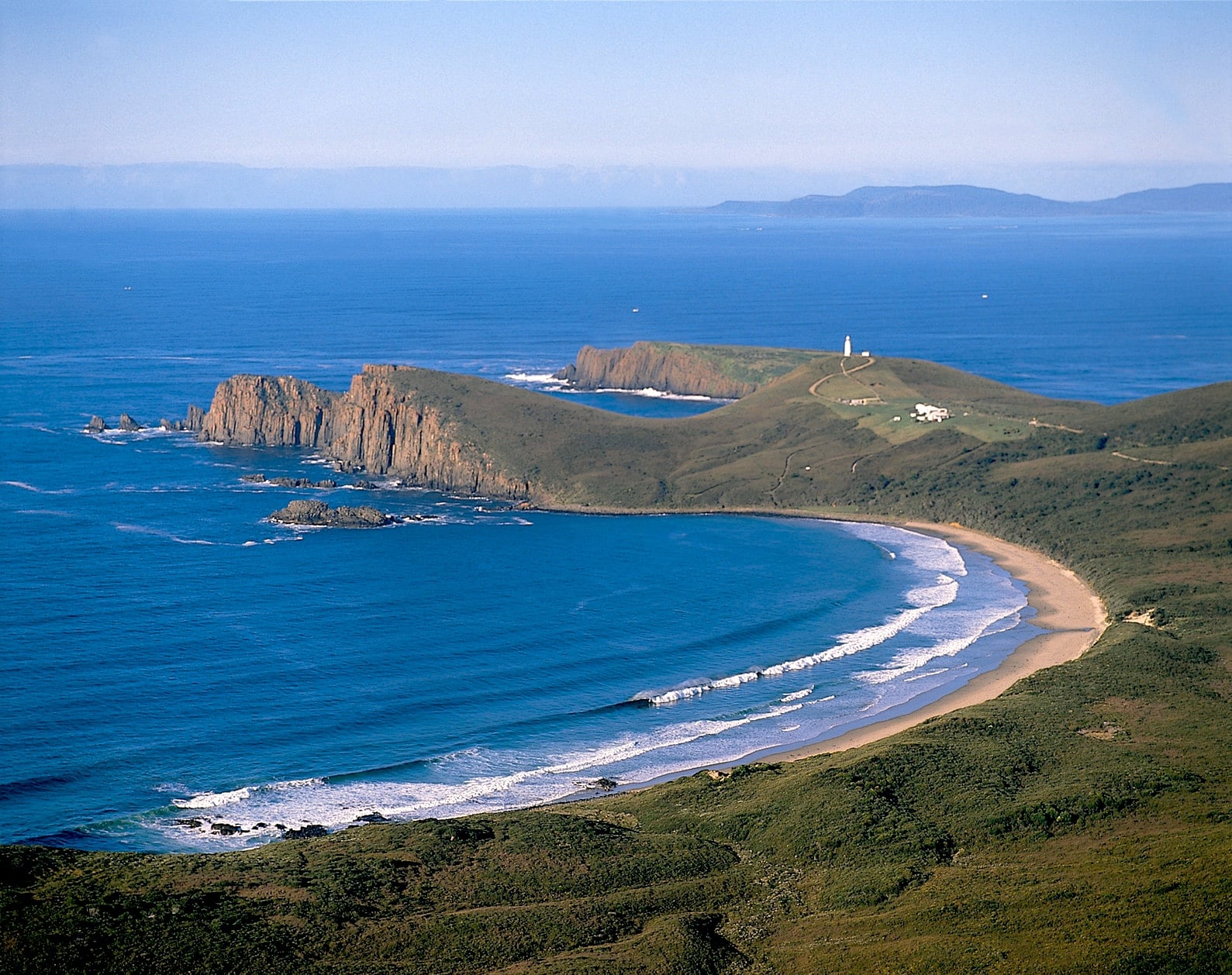
Australia makes the engineering choices behind decarbonization, cities, water, and resource extraction highly visible. Custom group programs offer field-based experiential learning with technical and community experts, pairing hands-on experience with cross-cultural immersion in infrastructure systems shaped by climate, geography, and First Nations perspectives.
develop your own program similar to this
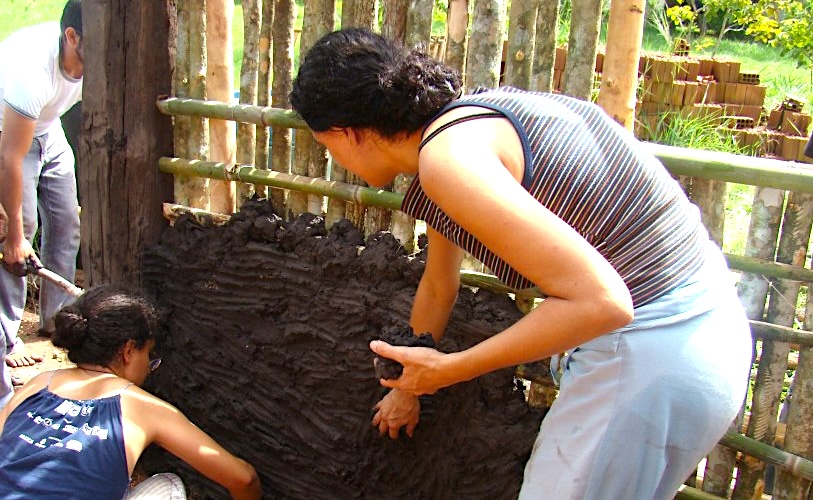
From transport corridors to wastewater networks, Brazil provides a real-world setting for investigating the systems that keep cities and communities functioning. Custom group programs combine field research, hands-on experience, and cross-cultural immersion to explore sustainable engineering solutions for energy, water, materials, and climate resilience.
develop your own program similar to this
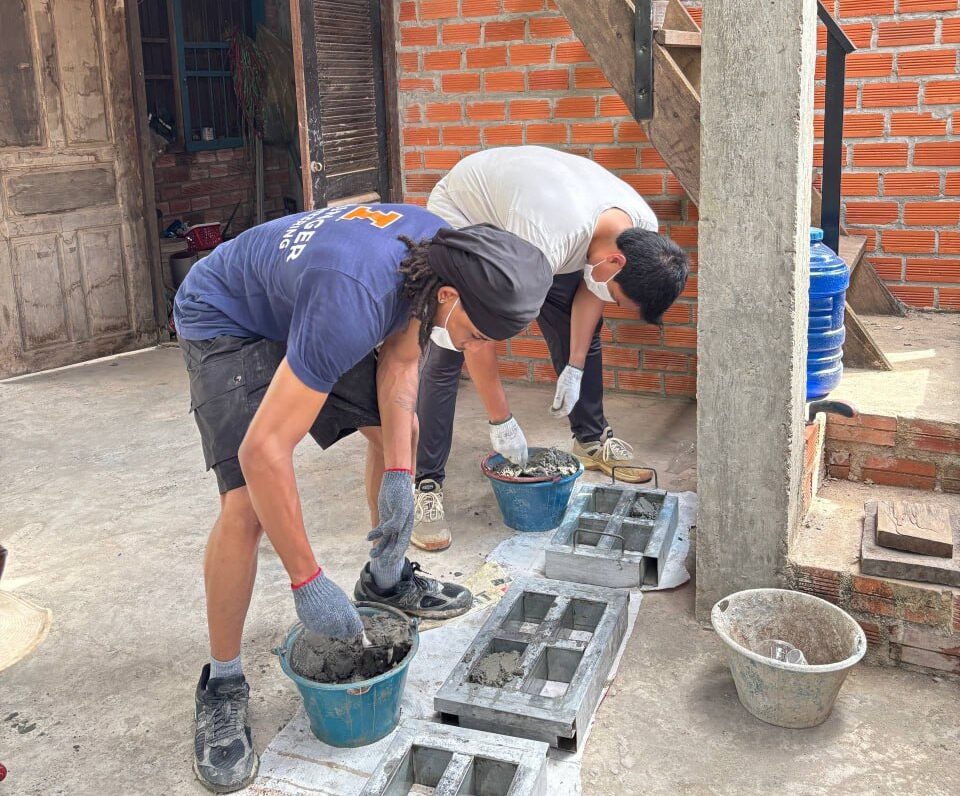
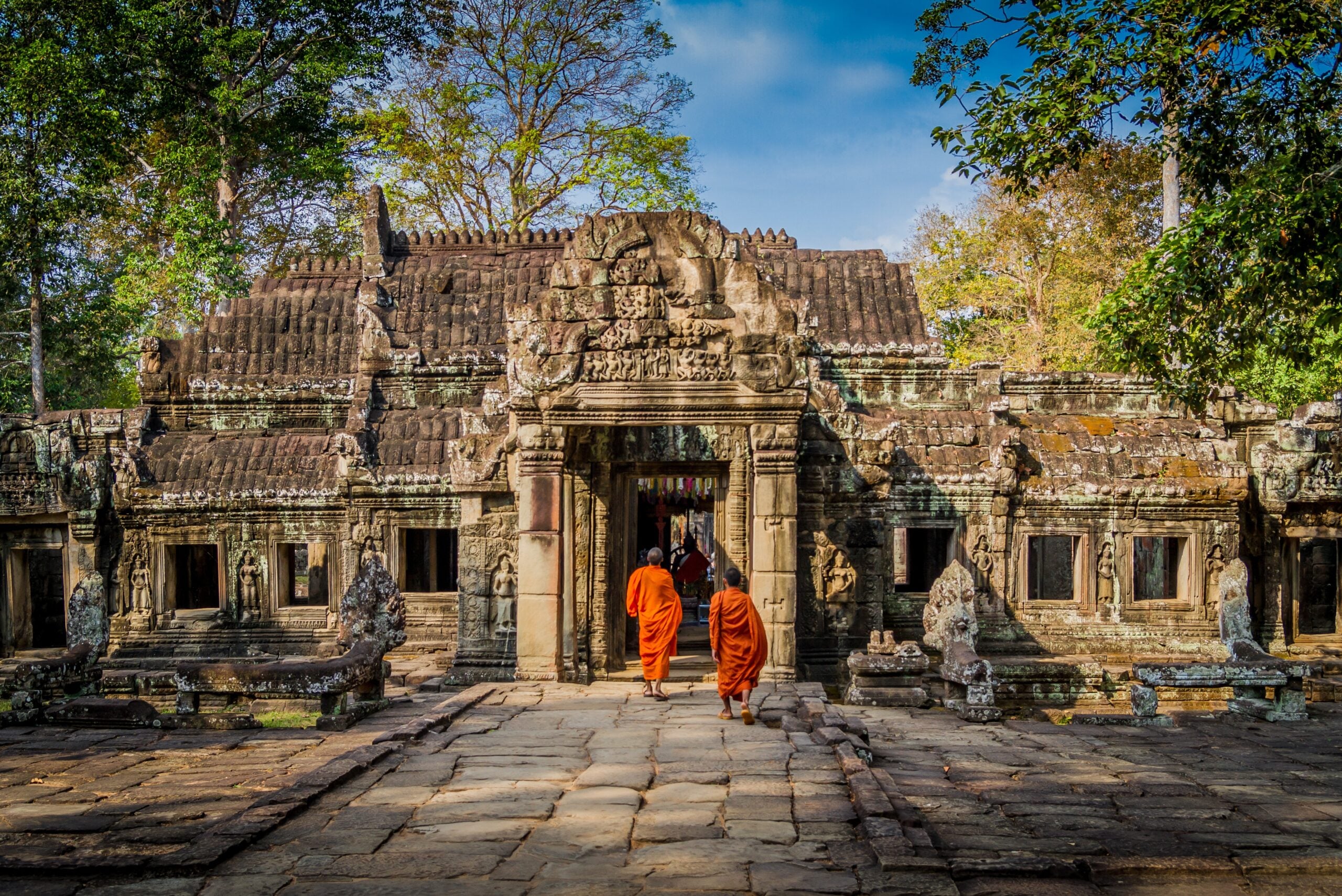
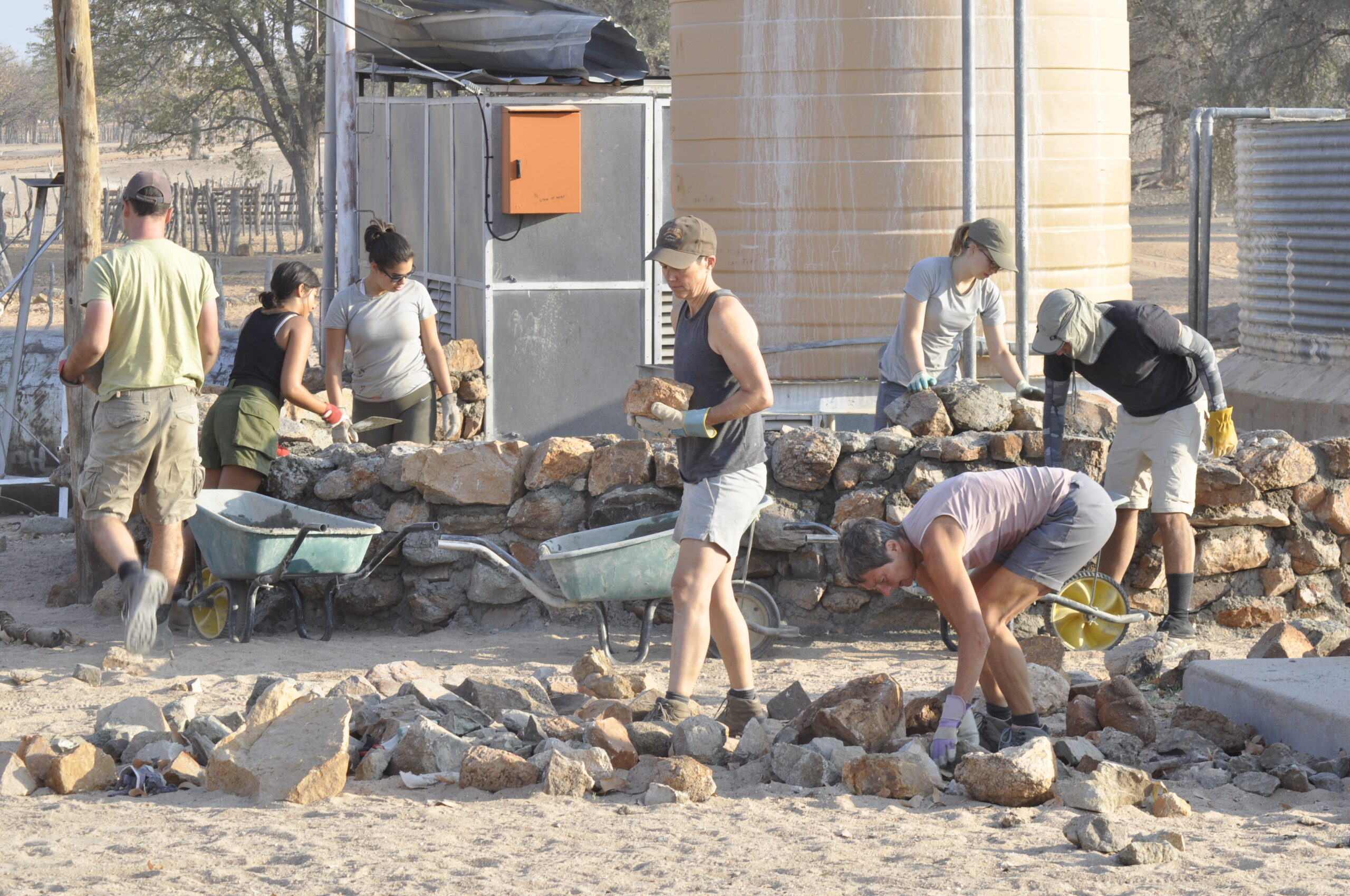
Rural Cambodia presents real-world engineering questions around safe water, sanitation, drainage, school facilities, and infrastructure that can withstand heat, floods, and dry seasons. Custom group programs enable field-based experiential learning and hands-on experience with appropriate technology, locally maintainable design, and community-led resource management.
develop your own program similar to this
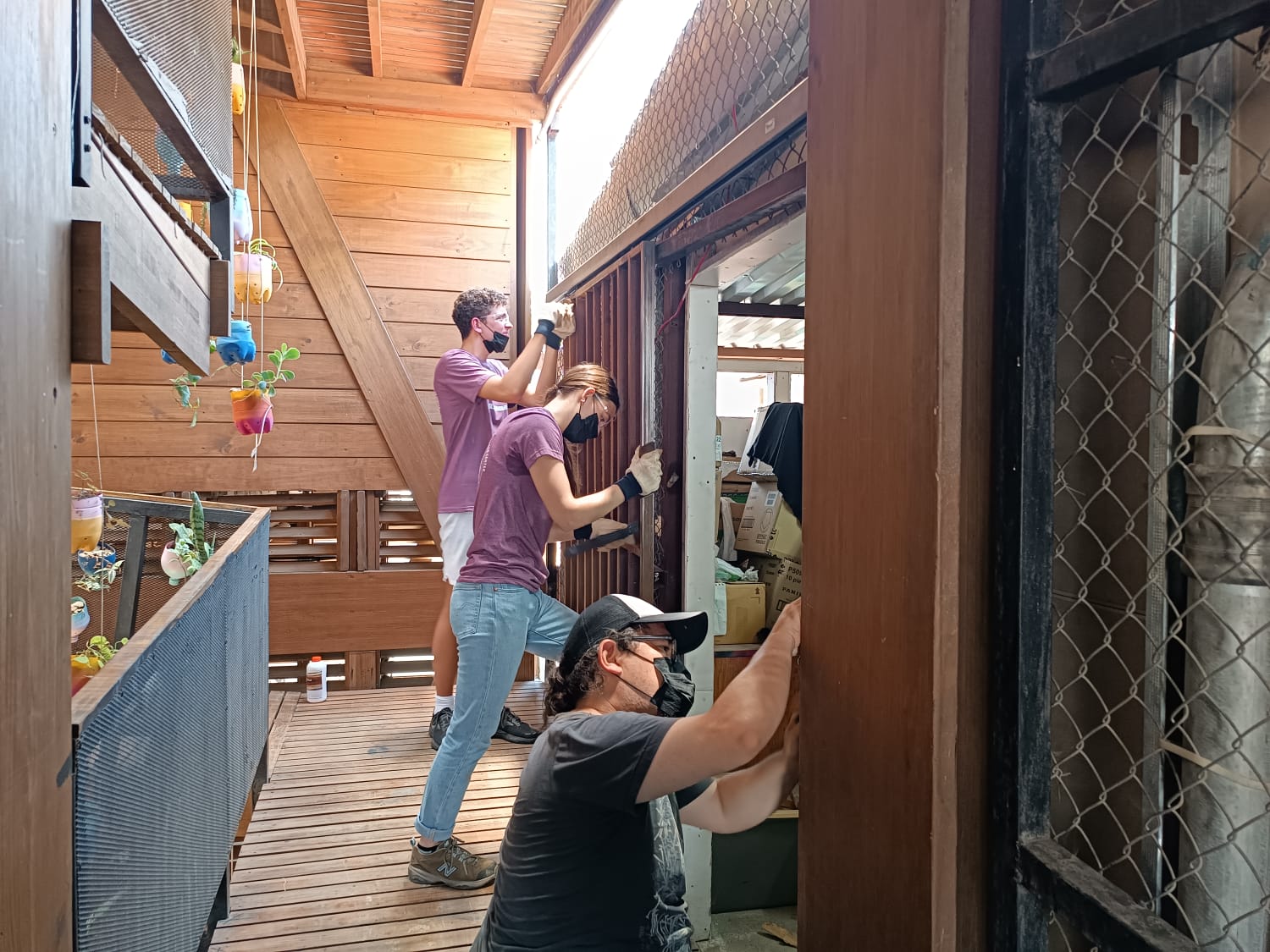
Costa Rica’s renewable energy transition brings engineering, innovation, and environmental responsibility into direct conversation. Custom group programs provide experiential learning and hands-on experience with clean power, resource management, resilient infrastructure, and cross-cultural collaboration.
develop your own program similar to this
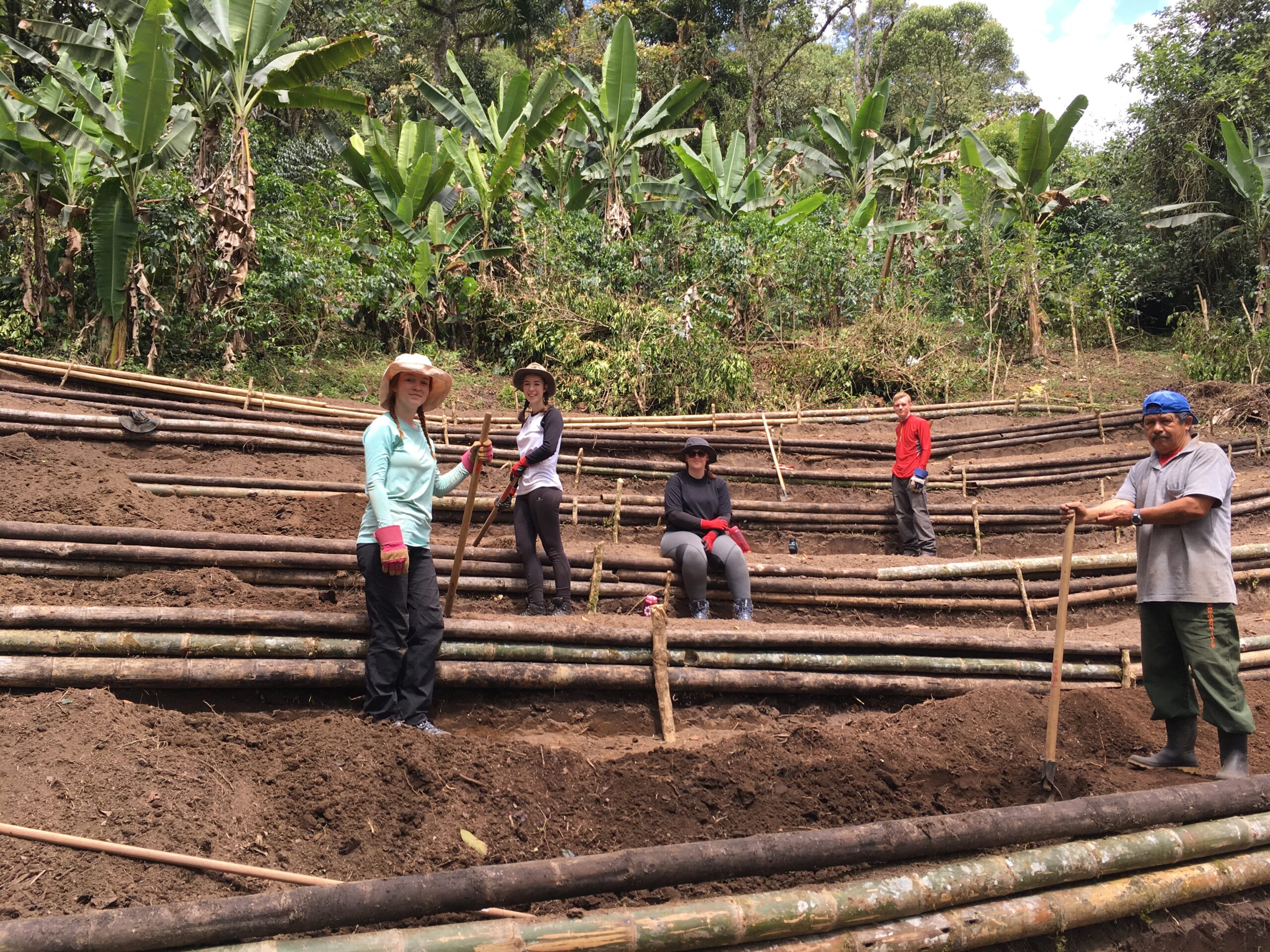
In Ecuador, the most useful technologies are often those designed for local conditions, maintainable over time, and responsive to environmental limits. Custom group programs can use field-based learning to examine water, energy, waste, infrastructure, and digital-access challenges through practical design and community dialogue.
develop your own program similar to this
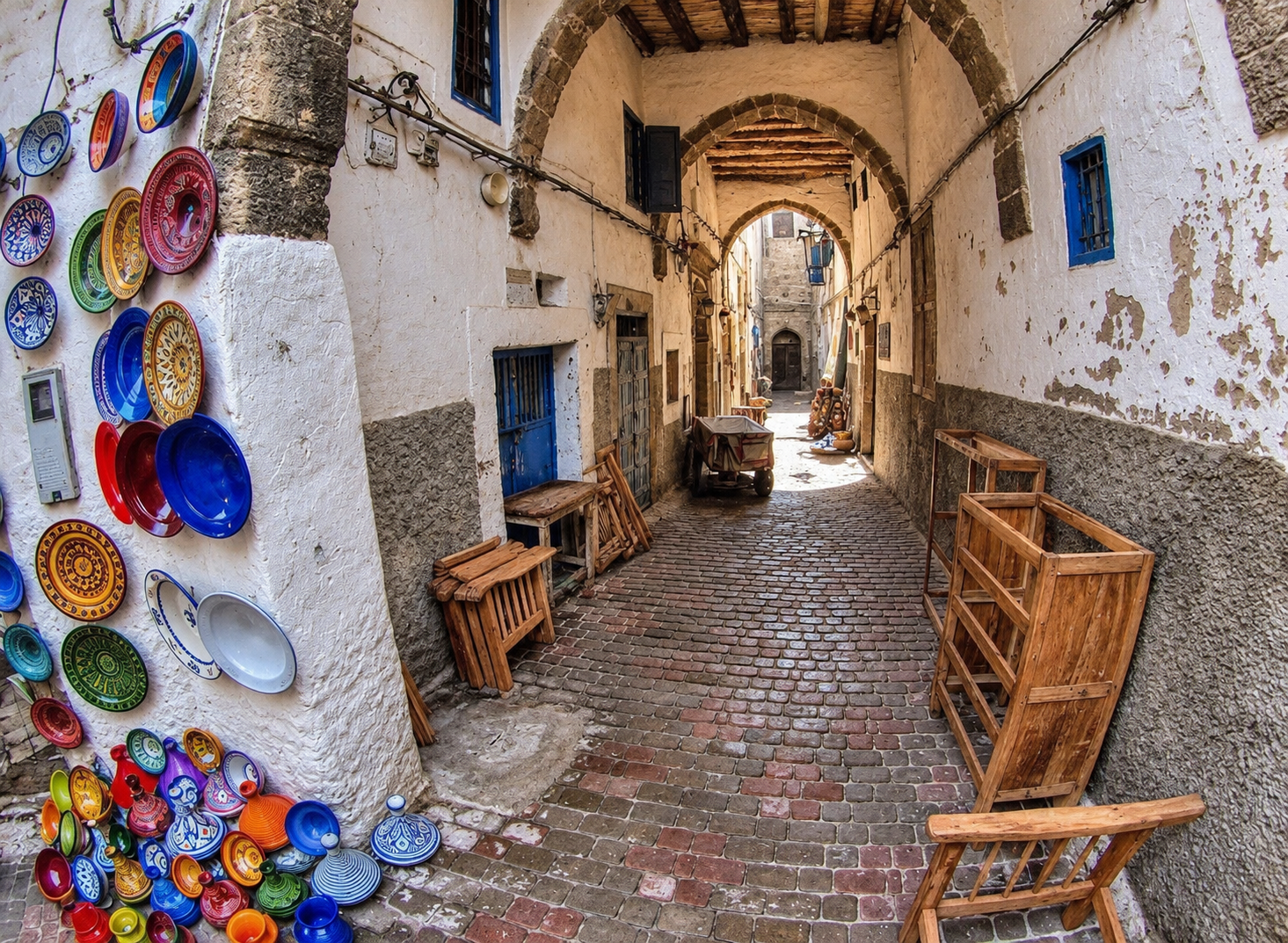
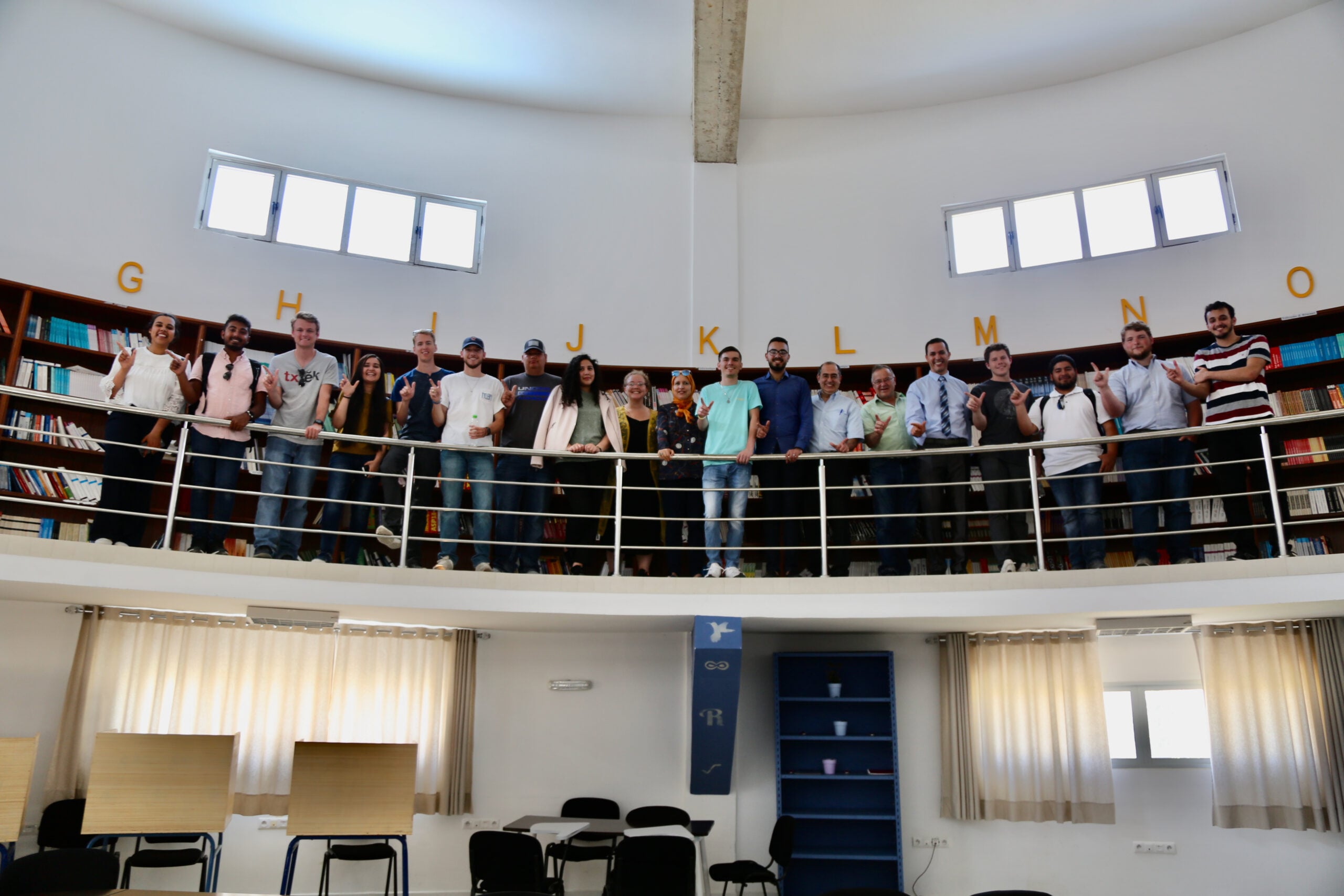
In Morocco, engineering decisions are closely tied to the realities of water scarcity, energy demand, and rapid development. Field-based custom group programs create opportunities for experiential learning and hands-on experience with resource-conscious infrastructure, including conservation systems, renewable energy, and environmentally responsive design.
develop your own program similar to this
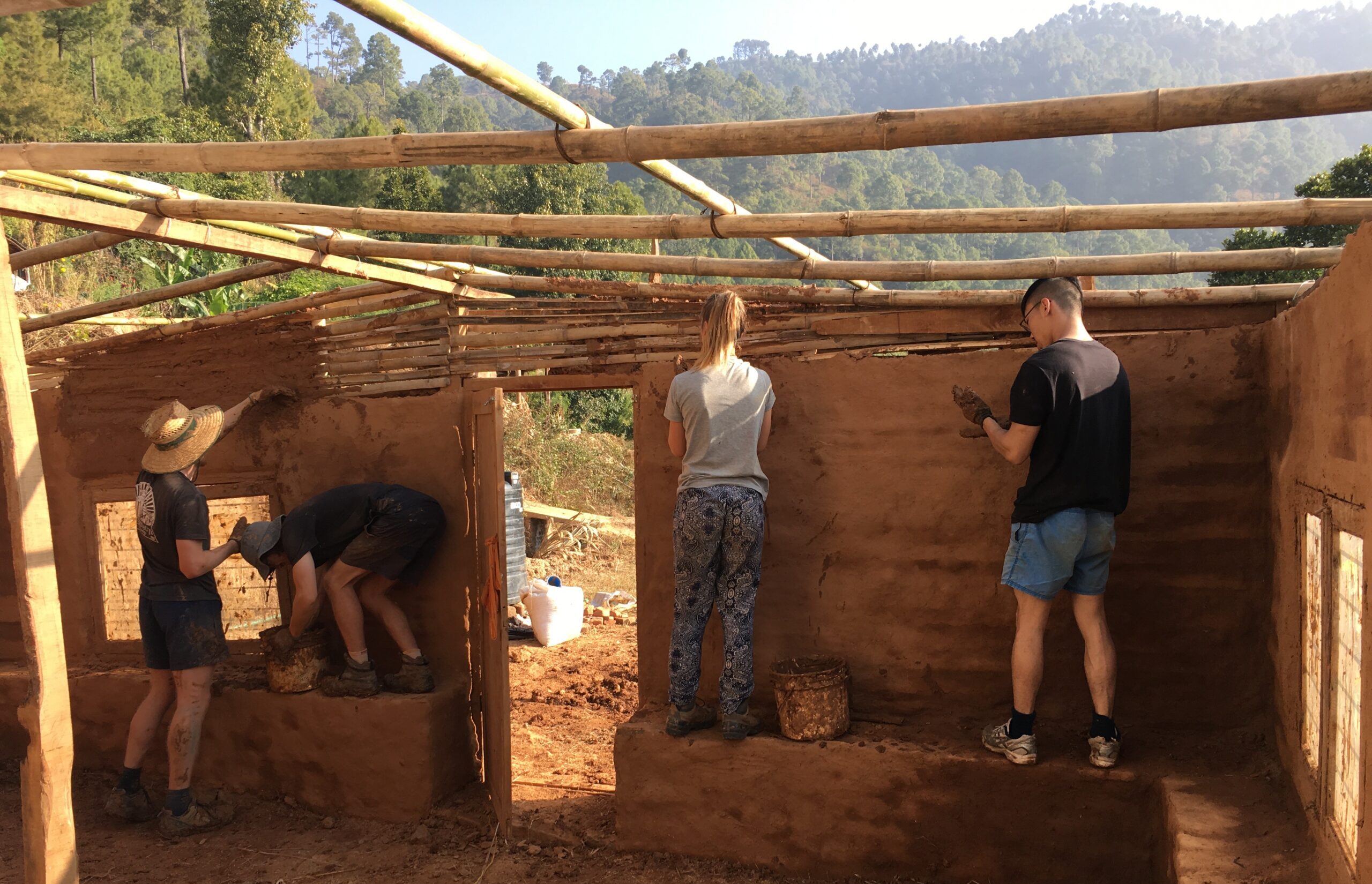
In Nepal’s mountain communities, a water tank, irrigation line, greenhouse, or slope-stabilization project can influence food production, energy use, and household resilience at the same time. Custom group programs offer field-based experiential learning around appropriate technology, resource-efficient design, and community-led solutions for complex environmental challenges.
develop your own program similar to this
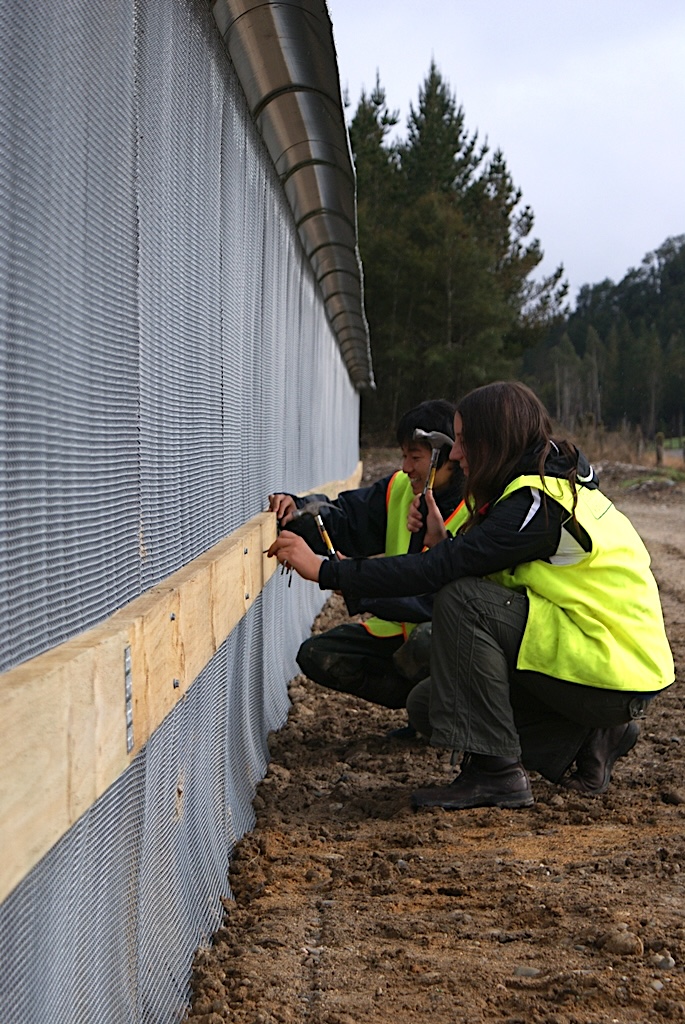
New Zealand is an applied setting for examining how engineering responds to seismic risk, renewable-energy needs, and changing landscapes. Custom group programs pair field-based experiential learning with hands-on experience alongside engineers, researchers, and Māori advisors, connecting technical design to resilient, community-informed development.
develop your own program similar to this
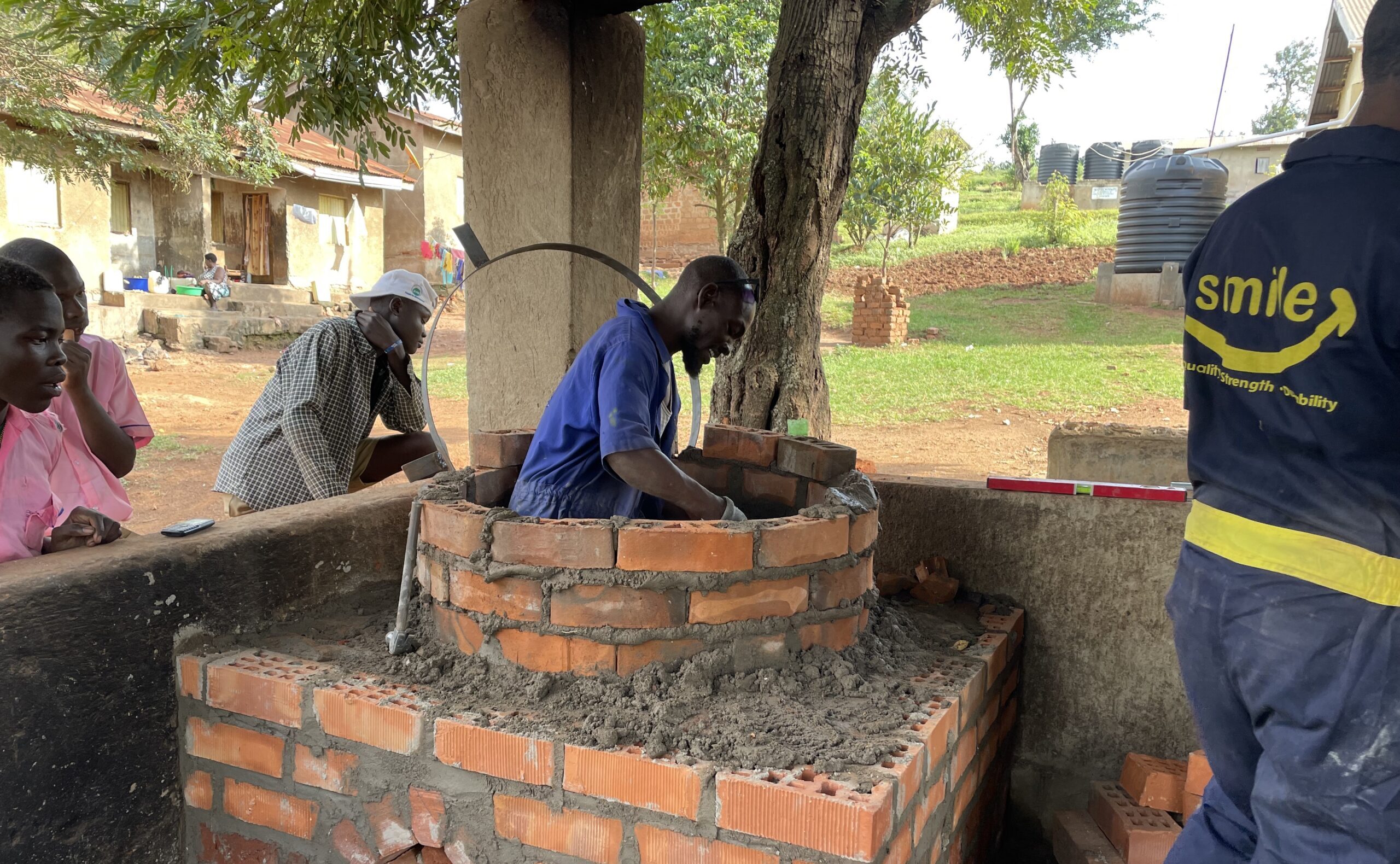
Water, energy, and land systems are central to everyday infrastructure decisions in rural Uganda. Custom group programs enable applied field research and hands-on experience with community-managed technologies, combining experiential learning with cross-cultural immersion around sustainable resource use and resilient development.
develop your own program similar to this
Vietnam combines fast-paced infrastructure development with pressing needs in energy, water, and resource governance. Field-based programs can link engineering concepts to hydropower, renewable systems, digital innovation, manufacturing, and the real-world trade-offs involved in sustainable development.
develop your own program similar to this
Program ideas
Browse example itineraries and program ideas inspired by topics Kaya groups have explored over the years.
 1
Together we’ll discuss your program goals and needs.
 2
With your input, we develop and fine-tune the perfect itinerary.
 3
We support institutional approvals and recruitment processes to ensure a successful launch!
 4
From pre-departure planning until your return, we’re with you every step of the way!
FAQS
A faculty-led engineering program can help students explore design, infrastructure, maintenance and the importance of local context in technical solutions through applied activities, local perspectives and structured reflection.
Kaya’s engineering group programs can explore how design, infrastructure and maintenance respond to real-world needs and constraints. Through field-based learning and local expertise, students can examine how cost, resources, environmental conditions and community priorities shape technical solutions, connecting classroom theory with questions of practicality and long-term use.
Kaya works with faculty and local partners to connect engineering learning with locally identified infrastructure needs. Students can explore how design choices, resource use and maintenance affect sustainability, with activities emphasizing local expertise, environmental responsibility and solutions that communities can manage over the long term.
Yes. Kaya can adapt a faculty-led engineering program to the students’ academic level, course outcomes and disciplinary interests.
Testimonials
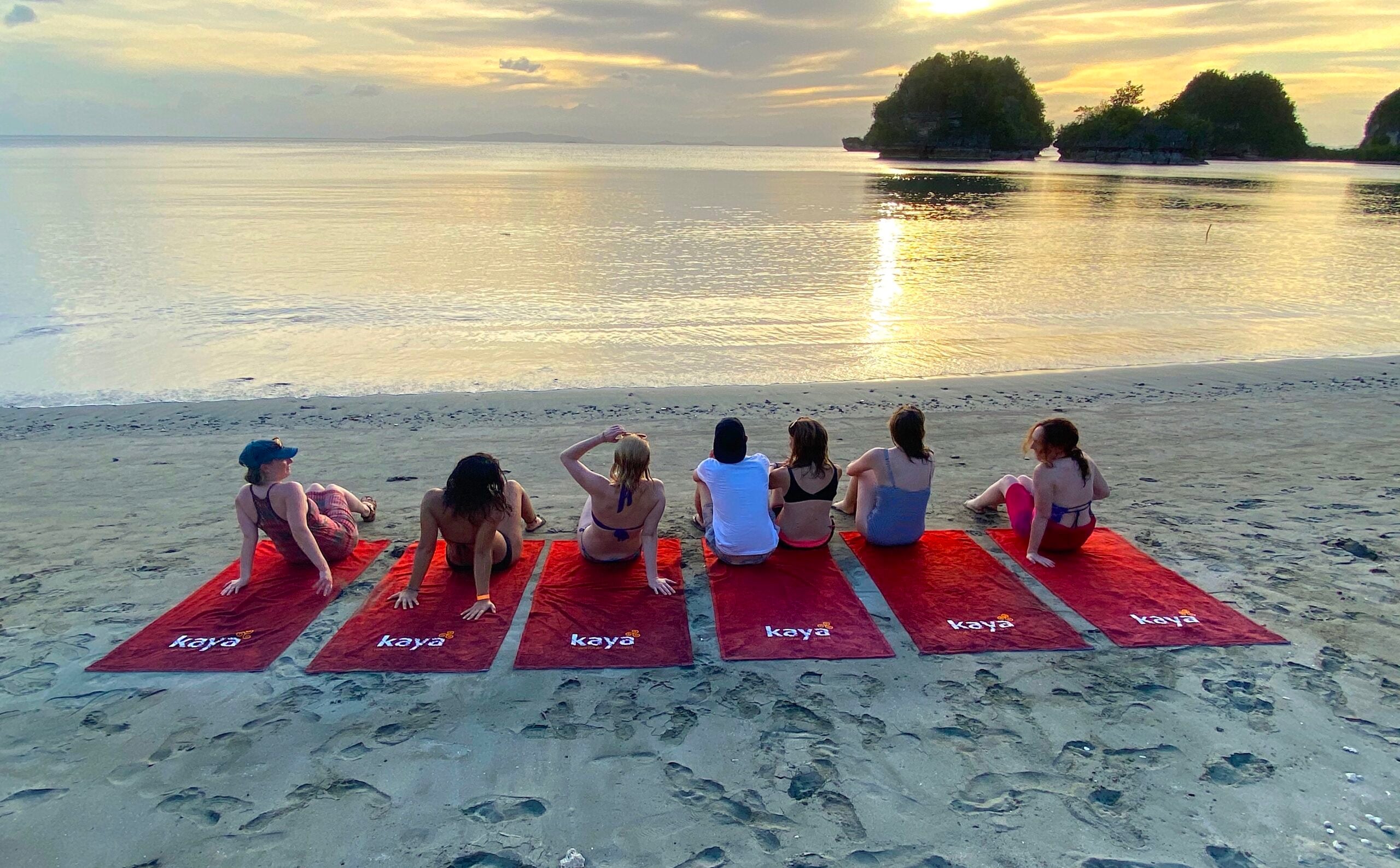
With a focus on experiential education and the UN Sustainable Development Goals, your group can immerse and engage with international communities and environments across the globe.