








 1
Connect
Together we’ll discuss your program goals and needs.
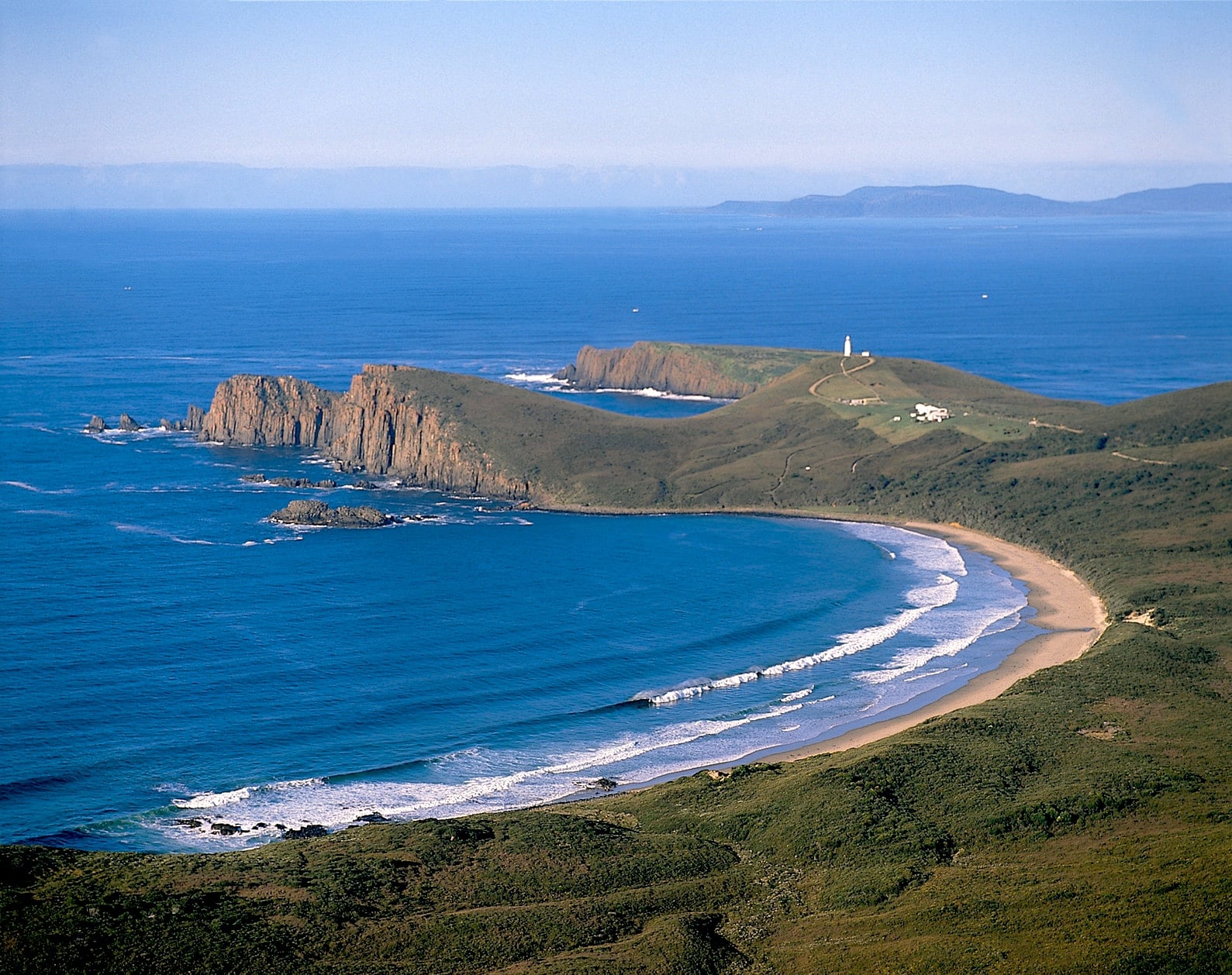
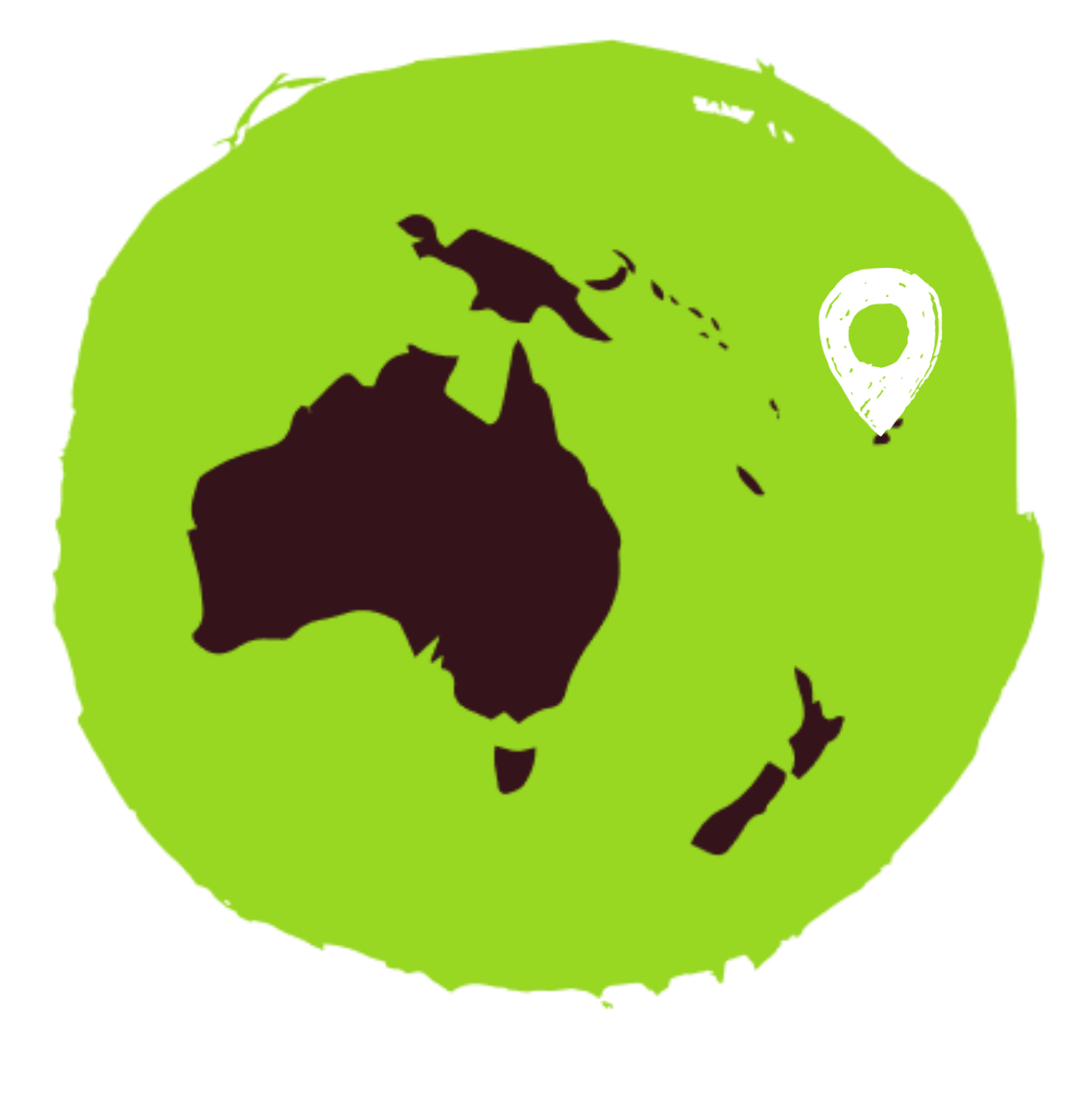
Turquoise lagoons, coral reefs and palm-lined villages shape everyday life across Fiji’s tropical islands. Strong Melanesian traditions, community-led governance and deep connections to the ocean create a powerful setting to explore culture, sustainability and environmental change in the Pacific. English, Fijian and Hindi reflect the country’s diverse identities and shared histories.
Design a program hereAbout Fiji
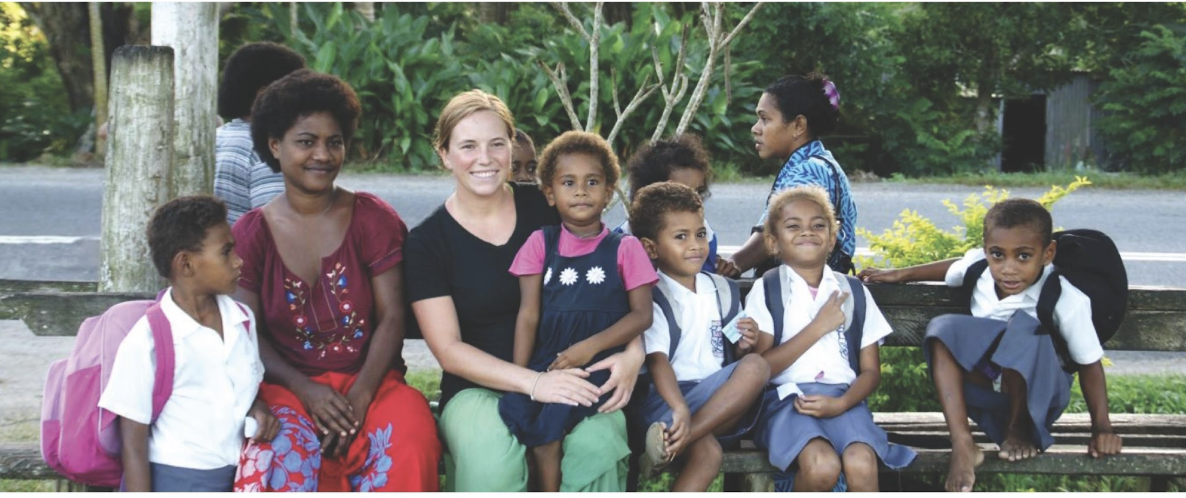
Community and village life sit at the heart of learning in Fiji. Programs explore Melanesian cultural traditions, kava ceremonies and local governance while examining how customary land ownership shapes identity and everyday decision-making.
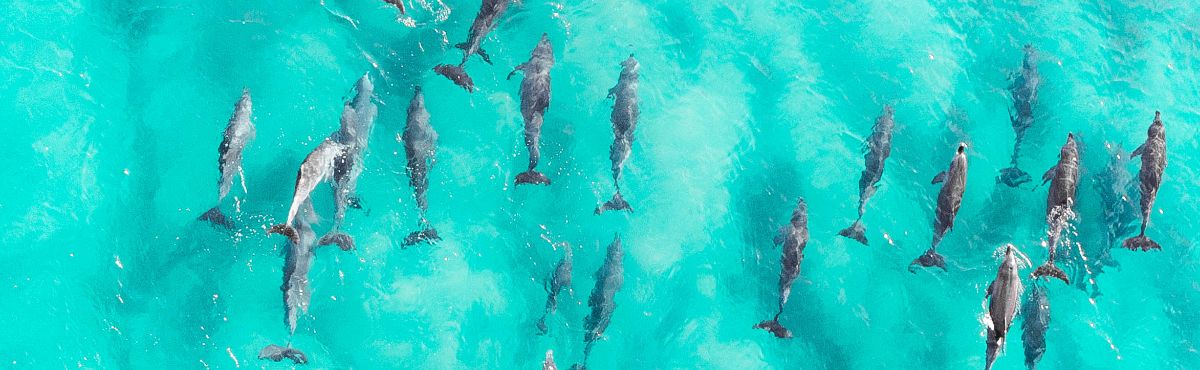
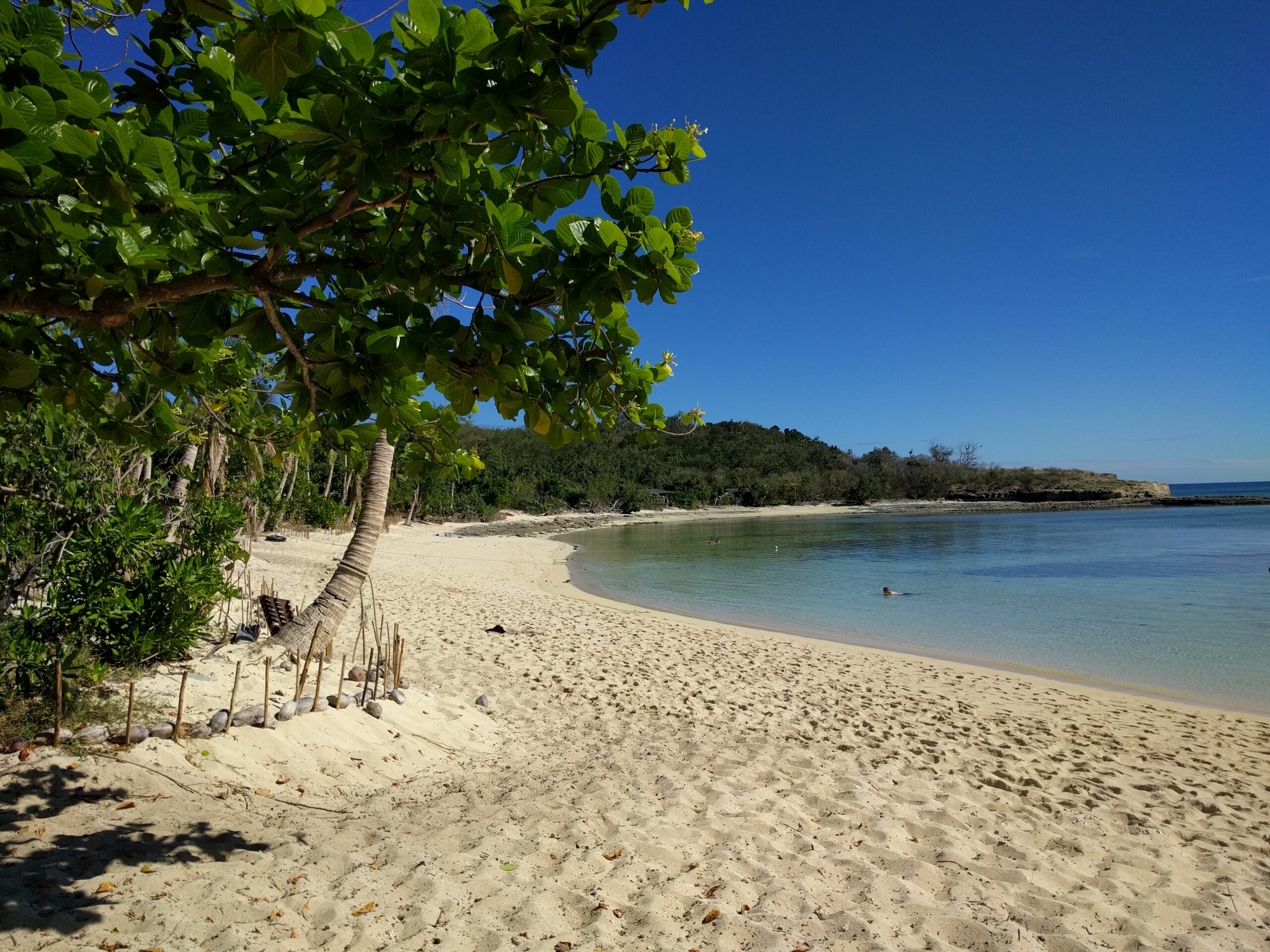
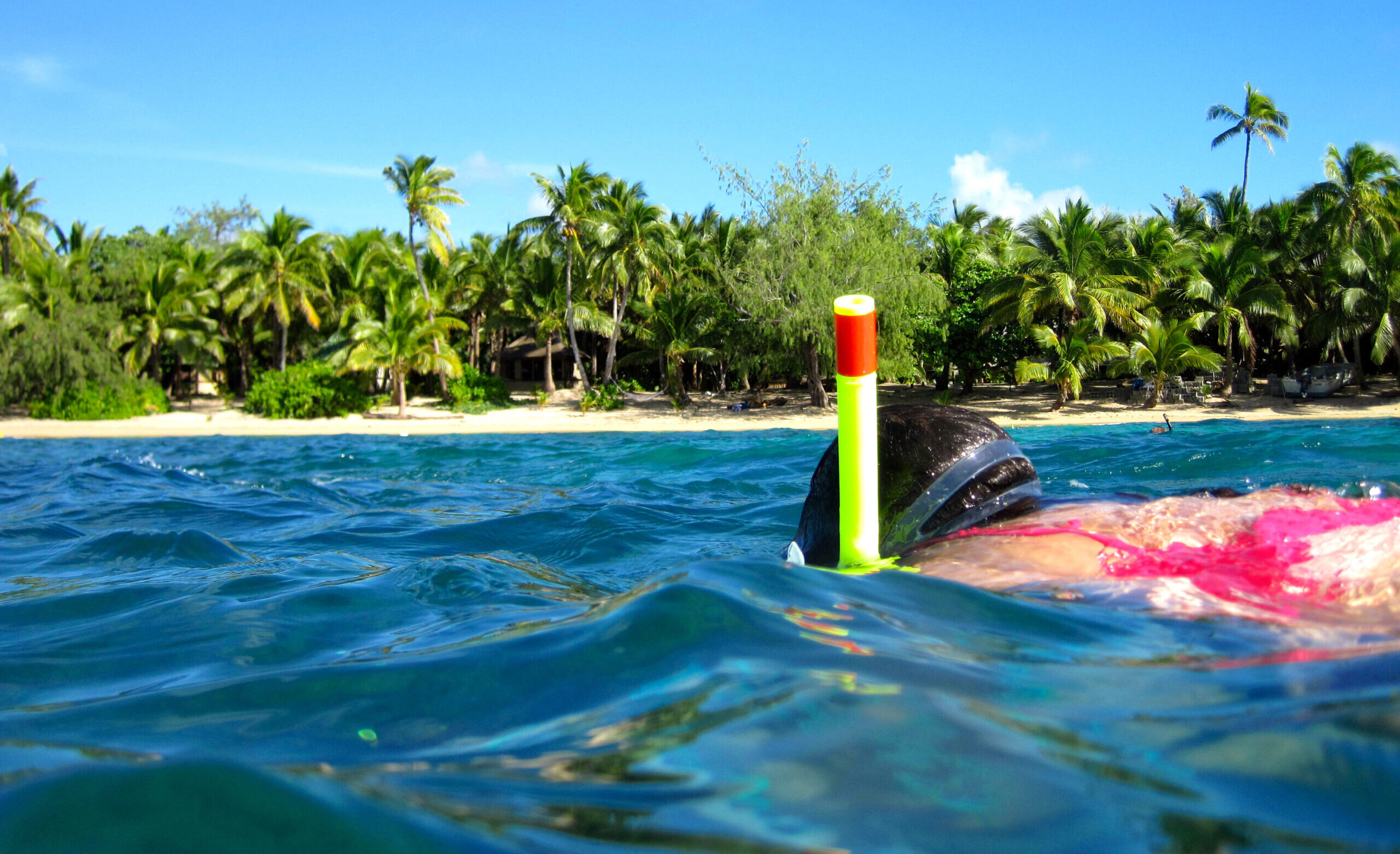
Surrounded by coral reefs and rich marine biodiversity, Fiji offers opportunities to explore coastal ecosystems and conservation in action. Field-based learning focuses on reef protection, sustainable fishing and the relationship between communities and the ocean.
Fiji also provides an important context for understanding climate vulnerability. Sea-level rise, changing weather patterns and environmental pressures highlight how Pacific Island nations respond to global climate challenges through local knowledge and resilience.
Sustainable tourism plays a growing role in Fiji’s economy. Students explore how tourism can support communities while balancing environmental protection and cultural respect across fragile island environments.
Kaya collaborates with faculty to shape programs that connect students with Fijian culture, coastal ecosystems and community-led approaches to sustainability across the Pacific Islands.
Program Themes
Discover some of the different topics and themes you can focus your program on in Fiji. If you don’t see your topic area, or you already have a ready-made itinerary, connect with the Kaya team to start a discussion!
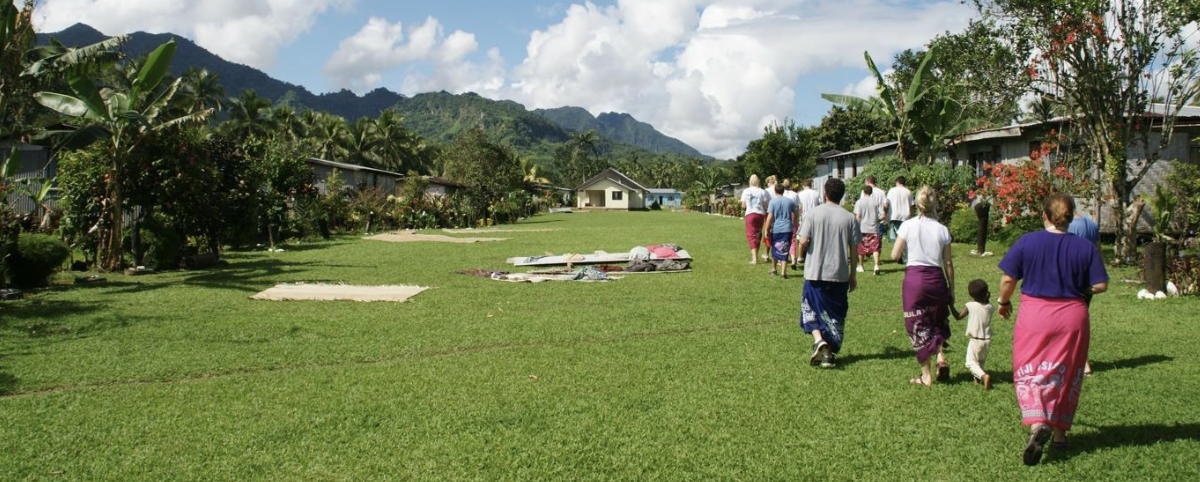
Fiji offers insight into healthcare delivery across island communities, where geography, environmental conditions, and social services can shape access to care and community wellbeing. Custom group programs can explore local health priorities alongside health professionals, educators, and island residents.
develop your own program similar to this
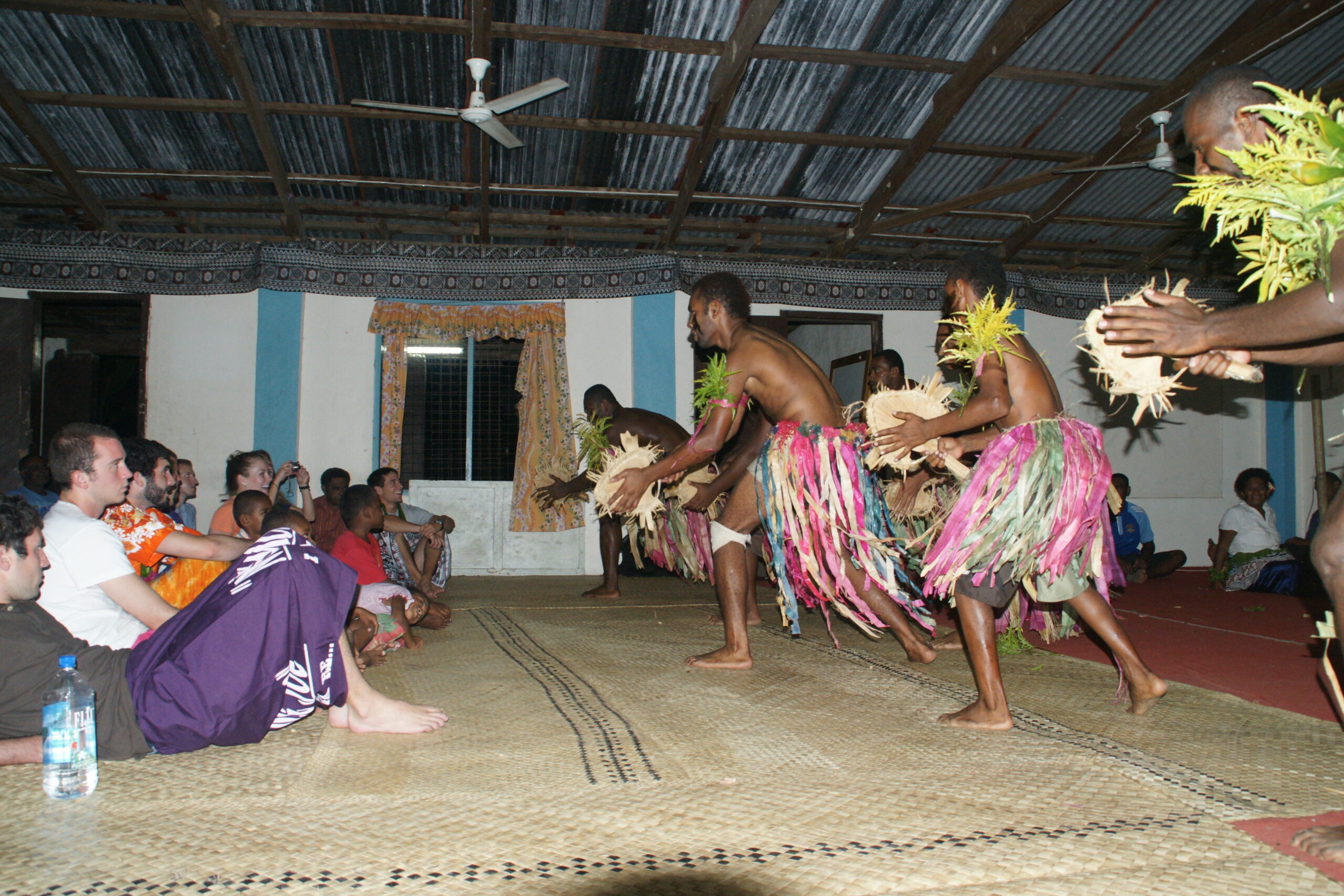
Fiji’s cultural traditions, island communities, and layered colonial history offer a rich context for exploring art, identity, and storytelling. Custom group programs create field-based experiential learning with village hosts, artists, and local guides, supporting hands-on experience and cross-cultural immersion across diverse Fijian communities.
develop your own program similar to this
In Fiji, the ocean is not only a study environment, it is central to food security, cultural practice, tourism, and decisions about the future of coastal communities. Through custom group programs, participants can undertake field research on reef systems and conservation while learning directly from the people shaping local responses to pollution, habitat loss, rising seas, and changing marine resources.
develop your own program similar to this
1
Together we’ll discuss your program goals and needs.
 2
With your input, we develop and fine-tune the perfect itinerary.
 3
We support institutional approvals and recruitment processes to ensure a successful launch!
 4
From pre-departure planning until your return, we’re with you every step of the way!
FAQS
A Fiji program can connect academic learning with questions about culture, wellbeing and the marine environment. Kaya works with faculty to shape an itinerary around course goals, bringing together local perspectives, relevant field experiences and reflection without requiring every group to cover the same themes.
Kaya can work with group leaders to match the program’s academic depth, activities and support to participants’ backgrounds. Whether students are exploring a subject for the first time or building on previous coursework, learning goals help guide the itinerary and expectations for participation.
Preparation emphasizes respectful participation, including cultural awareness, appropriate responsibilities and consideration for host partners’ time and capacity. Kaya also discusses participant needs, activities and supervision with group leaders, working with the on-site team on relevant health guidance, transport and emergency arrangements.
Faculty can use guided questions, reflective journals, group discussions and assignments to help students interpret their experiences. Kaya can support itinerary planning around these learning goals, creating connections between course concepts and local contexts rather than treating visits and activities as stand-alone experiences.
Testimonials
With a focus on experiential education and the UN Sustainable Development Goals, your group can immerse and engage with international communities and environments across the globe.