








 1
Connect
Together we’ll discuss your program goals and needs.
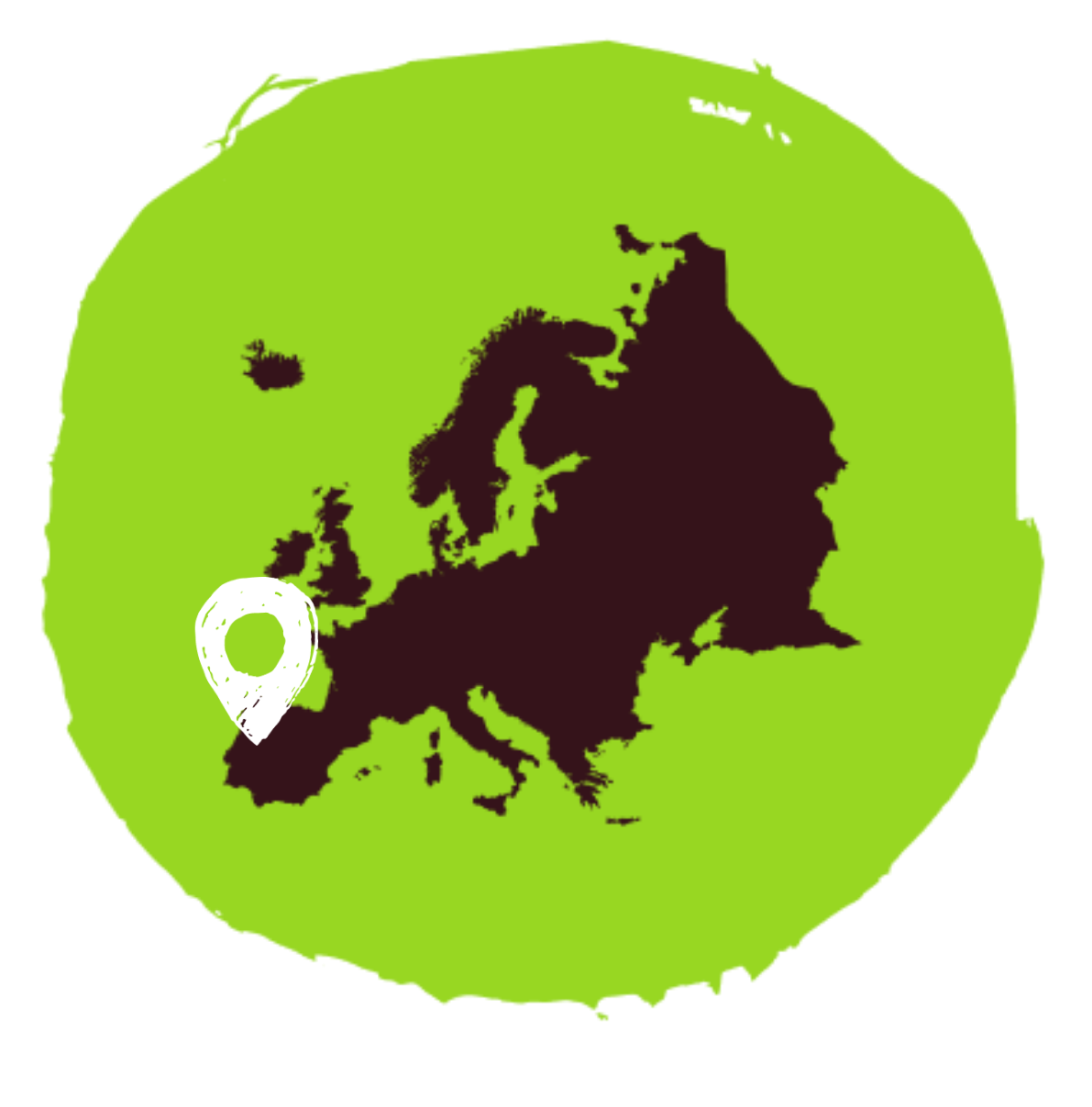
Portugal sits along the Atlantic edge of Southern Europe, shaped by maritime history, coastal cities, and global connections. Compact yet historically influential, it offers a focused setting where heritage, migration, and urban transformation intersect.
Design a program hereAbout Portugal
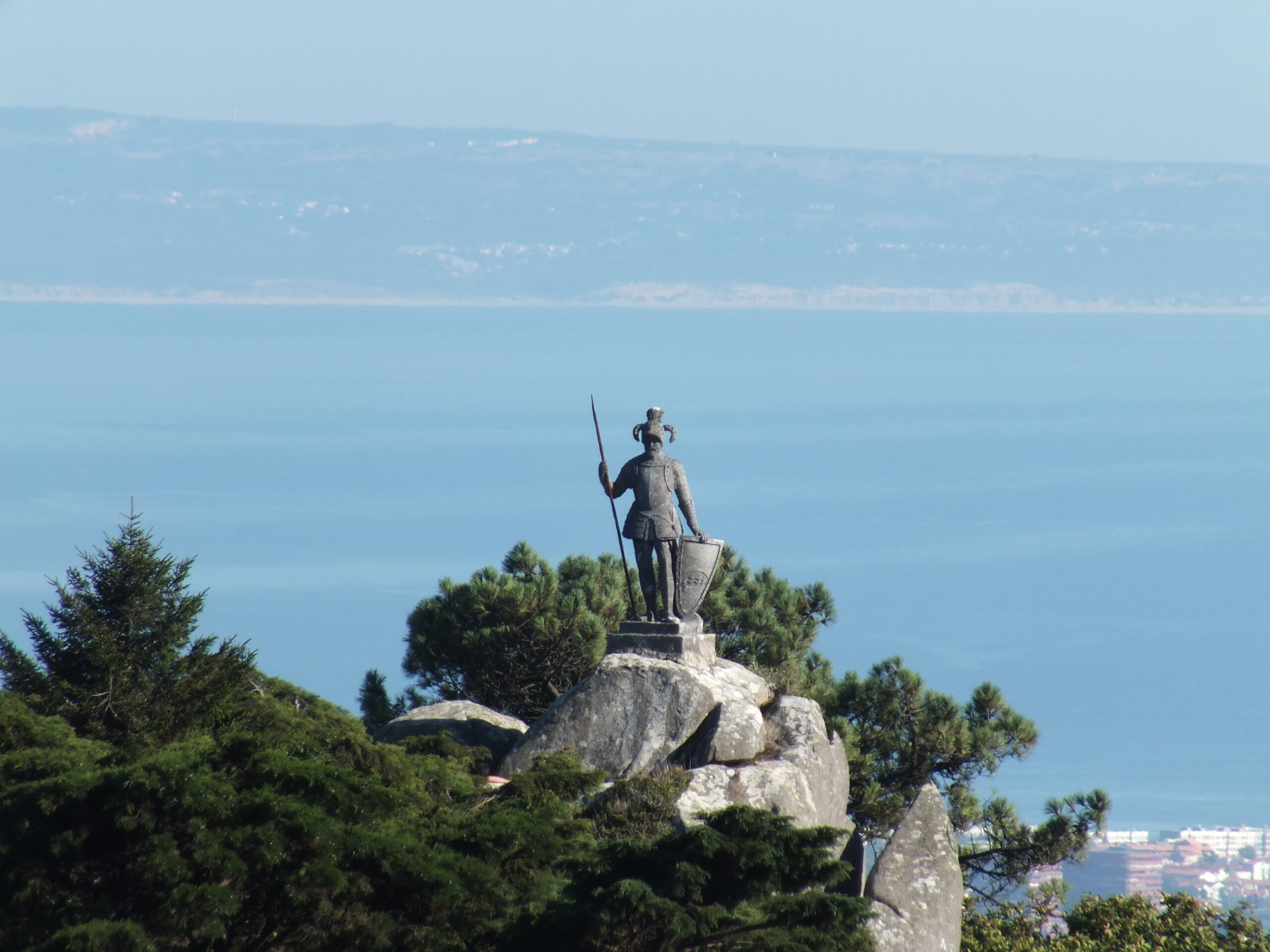
Portugal’s maritime exploration history continues to shape its global identity. Faculty can examine seafaring expansion, colonial legacies, and diaspora networks within contemporary political and cultural contexts.
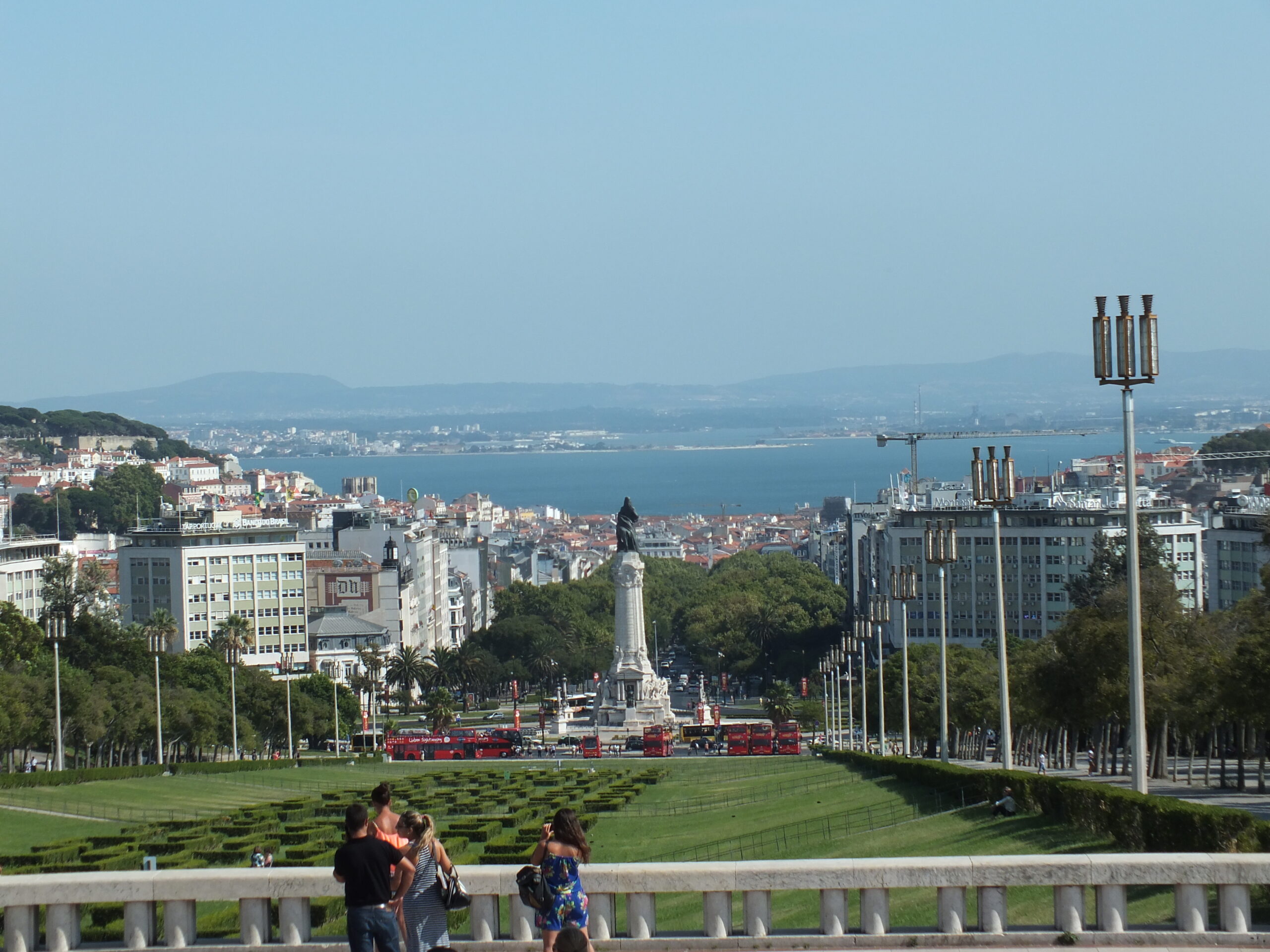
Lisbon provides a clear example of urban regeneration. Programs explore redevelopment, tourism growth, housing pressures, and the balance between preservation and modernization in historic districts.
Migration flows and diaspora connections remain central to national identity. Faculty can integrate discussions of multiculturalism, labor mobility, and European policy frameworks into structured learning outcomes.
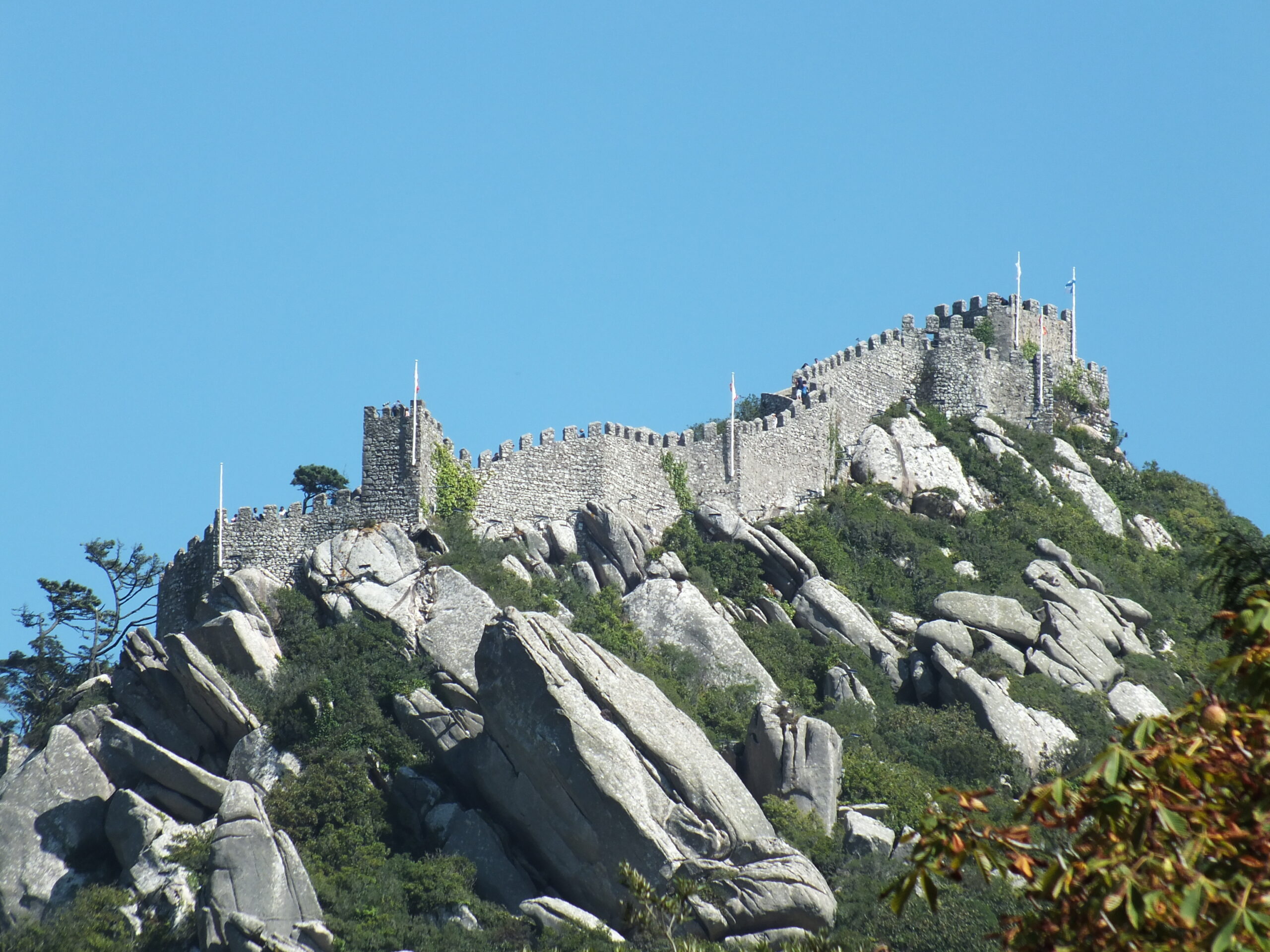
Portugal’s architectural heritage and cultural institutions offer insight into conservation strategy and national storytelling. Programs examine how heritage supports both cultural continuity and economic development.
Beyond the cities, wine regions and rural landscapes provide case studies in agriculture, regional branding, and sustainable tourism. Faculty can connect rural economies with environmental management and market positioning.
Portugal allows faculty to move efficiently between coastal cities, heritage districts, and rural regions within a manageable geographic area. Kaya supports faculty-led programs through established partnerships and structured coordination aligned with academic objectives.
Program Themes
Discover some of the different topics and themes you can focus your program on in Portugal. If you don’t see your topic area, or you already have a ready-made itinerary, connect with the Kaya team to start a discussion!
Portugal offers a valuable setting for studying business, technology, and entrepreneurship within a fast-evolving European economy. In Lisbon, it's possible to examine how digital transformation, data, online commerce, and startup activity shape organizational strategy while engaging with the city’s broader cultural and commercial context.
develop your own program similar to this
Portugal provides a rich setting for examining how history, artistic expression, and cultural life have been shaped by maritime expansion, empire, political change, and global exchange. In Lisbon and beyond, participants can connect heritage, architecture, music, visual art, and contemporary discussions of migration and identity.
develop your own program similar to this
Portugal offers an important lens for studying social justice at the intersection of migration, race, gender, class, and public policy. Through engagement with Lisbon’s communities, institutions, and cultural spaces, participants can examine how historical legacies and contemporary demographic change shape equity, belonging, and collective action.
develop your own program similar to this
1
Together we’ll discuss your program goals and needs.
 2
With your input, we develop and fine-tune the perfect itinerary.
 3
We support institutional approvals and recruitment processes to ensure a successful launch!
 4
From pre-departure planning until your return, we’re with you every step of the way!
FAQS
Kaya can work with faculty to combine academic visits, cultural learning, local dialogue and structured reflection around your course objectives. A Portugal itinerary can focus on one subject or connect business, history, art, culture, social justice and more through shared questions and experiences.
A program can connect historical and cultural study with questions about identity, opportunity and social change. Faculty can guide students in examining how interpretations of the past relate to contemporary perspectives, with activities shaped by course goals and the expertise of local partners.
Kaya works with local partners to identify appropriate opportunities for discussion, visits and shared learning. The emphasis is on reciprocity: respecting hosts’ knowledge, priorities and capacity while encouraging students to listen carefully, examine assumptions and reflect on perspectives that may differ from their own.
Kaya discusses learning goals, participant needs, planned activities and supervision with group leaders, then works with the on-site team on practical arrangements. Planning addresses relevant health guidance, transport, participant responsibilities and emergency procedures, with preparation tailored to the group and itinerary.
Testimonials
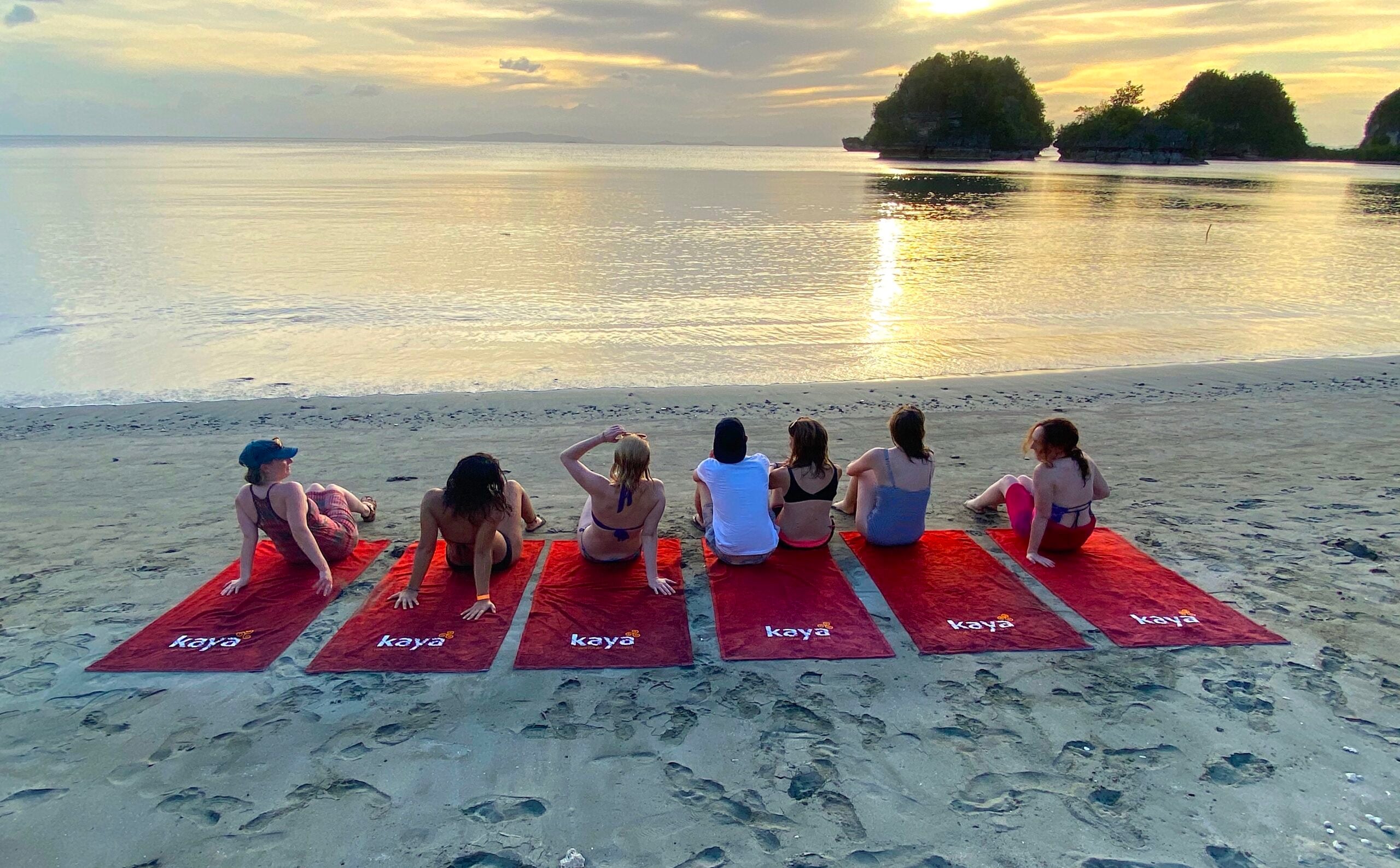
With a focus on experiential education and the UN Sustainable Development Goals, your group can immerse and engage with international communities and environments across the globe.