







 1
Connect
Together we’ll discuss your program goals and needs.
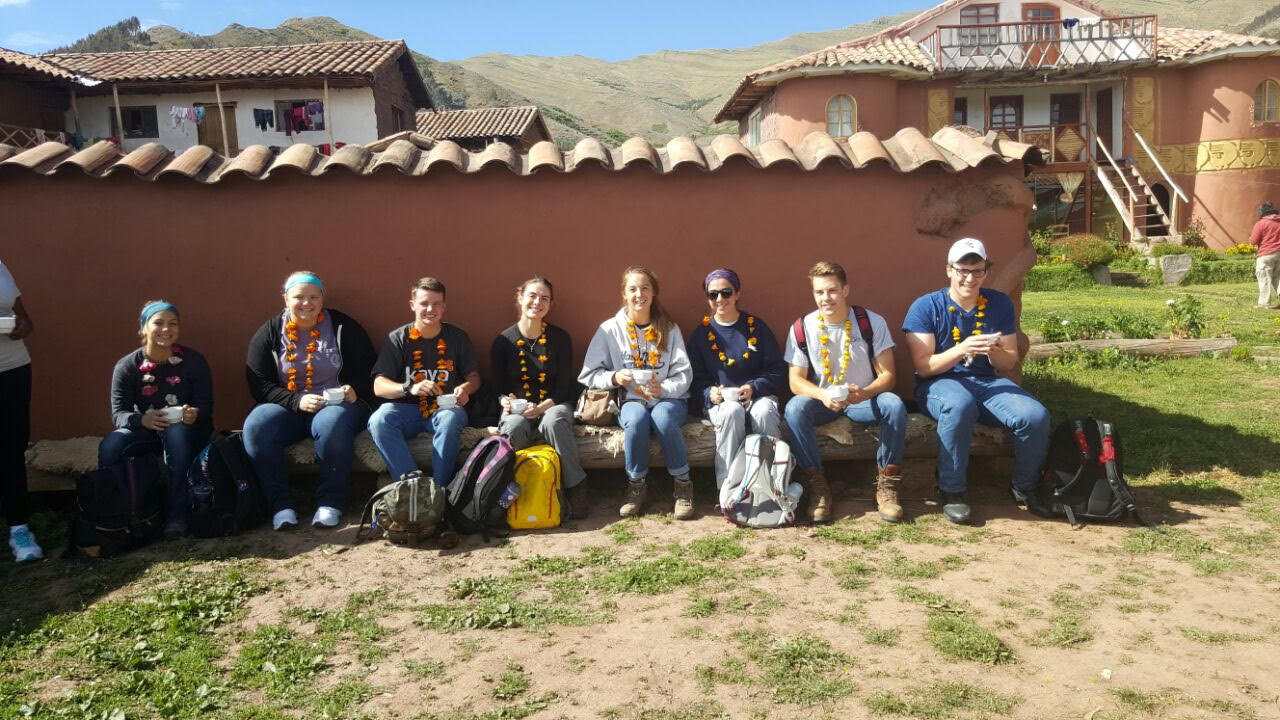
Peru brings together high-altitude Andean landscapes, Indigenous heritage, and globally significant biodiversity. From Cusco to the Amazon basin, it offers a layered setting shaped by history, environment, and living cultural traditions.
Design a program hereAbout Peru
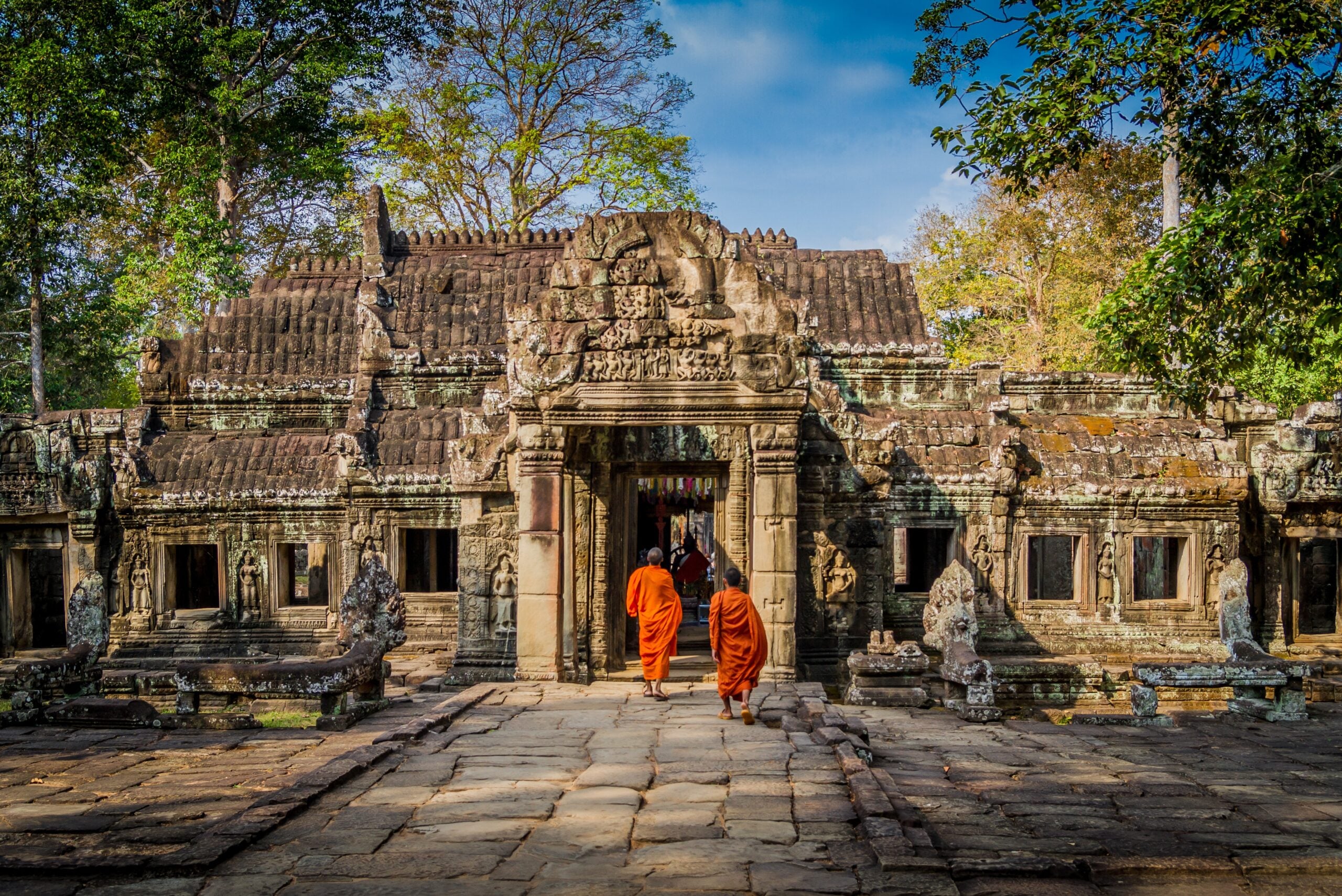
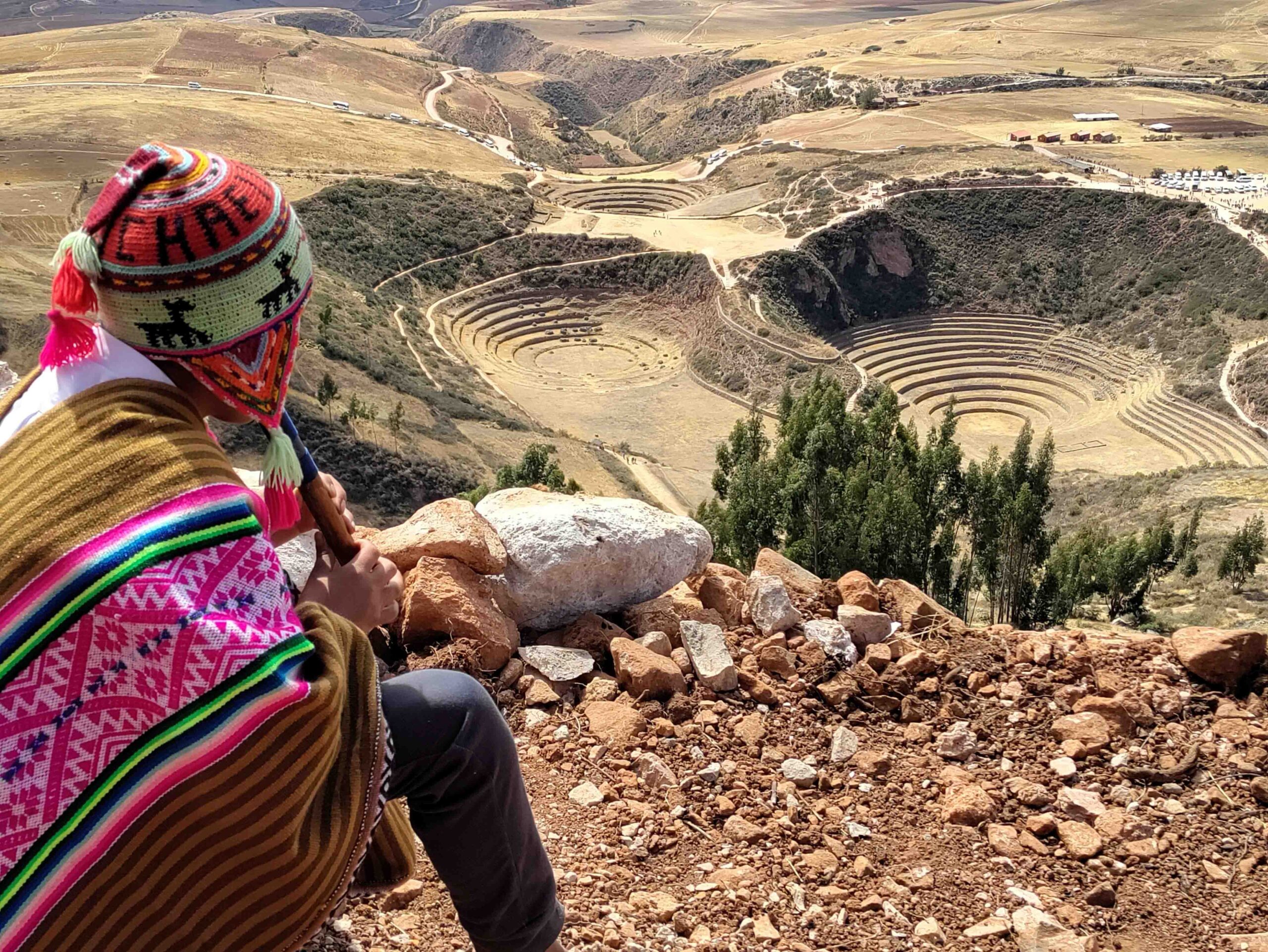
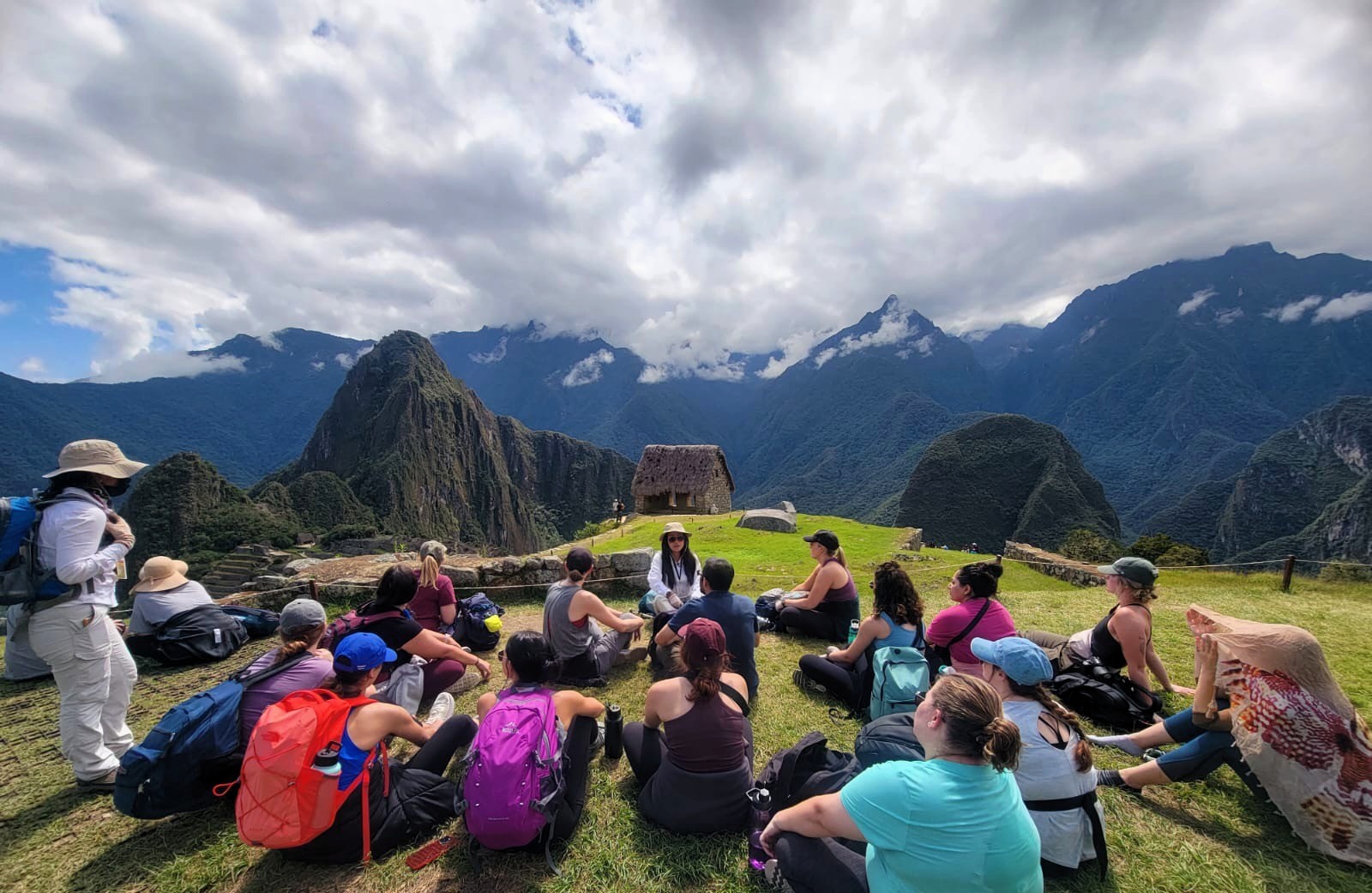
Inca heritage remains visible across the region. Faculty can integrate archaeological sites such as Machu Picchu and the Sacred Valley into programs examining land use, empire, and cultural continuity.
Indigenous knowledge systems continue to shape daily life. Programs explore traditional weaving, agricultural practices, and concepts such as Pachamama within contemporary development contexts.
Rural livelihoods and high-altitude agriculture offer insight into sustainability and food systems. Faculty can examine how communities adapt to environmental pressures while maintaining cultural identity.
Environmental learning extends into the Amazon basin. Programs address biodiversity, deforestation, and conservation strategy within globally significant ecosystems.
Peru allows faculty to connect heritage tourism, environmental management, and rural development within a single program structure. Kaya works with established local partners to support outcome-focused academic experiences across culture, conservation, and community engagement.
Program Themes
Discover some of the different topics and themes you can focus your program on in Peru. If you don’t see your topic area, or you already have a ready-made itinerary, connect with the Kaya team to start a discussion!
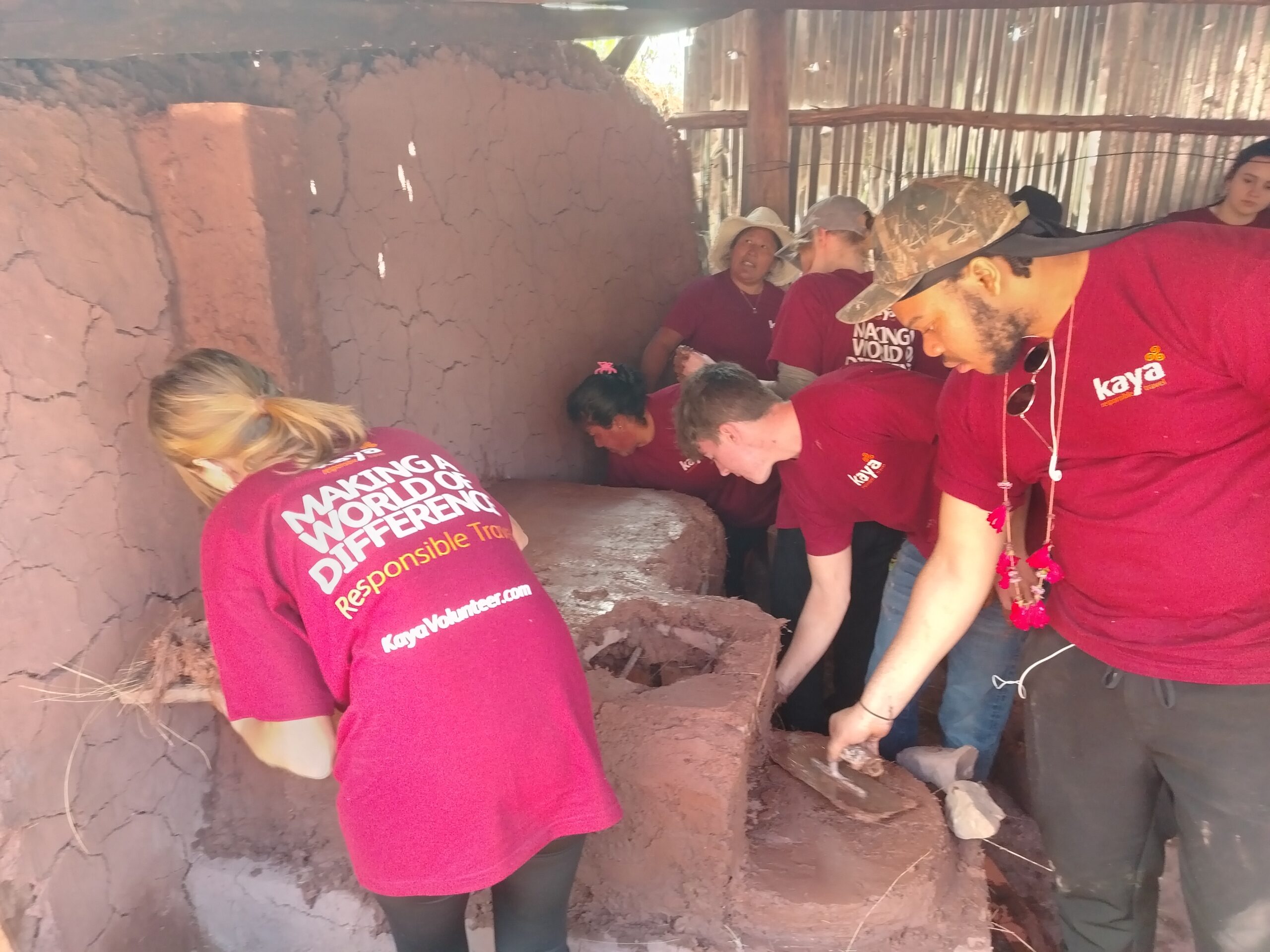
In rural Andean communities, water, sanitation, and food production are lived realities shaped by climate, culture, and local knowledge. Custom group programs create space for field-based experiential learning and cross-cultural immersion, with hands-on experience guided by local families, skilled technicians, and community partners.
develop your own program similar to this
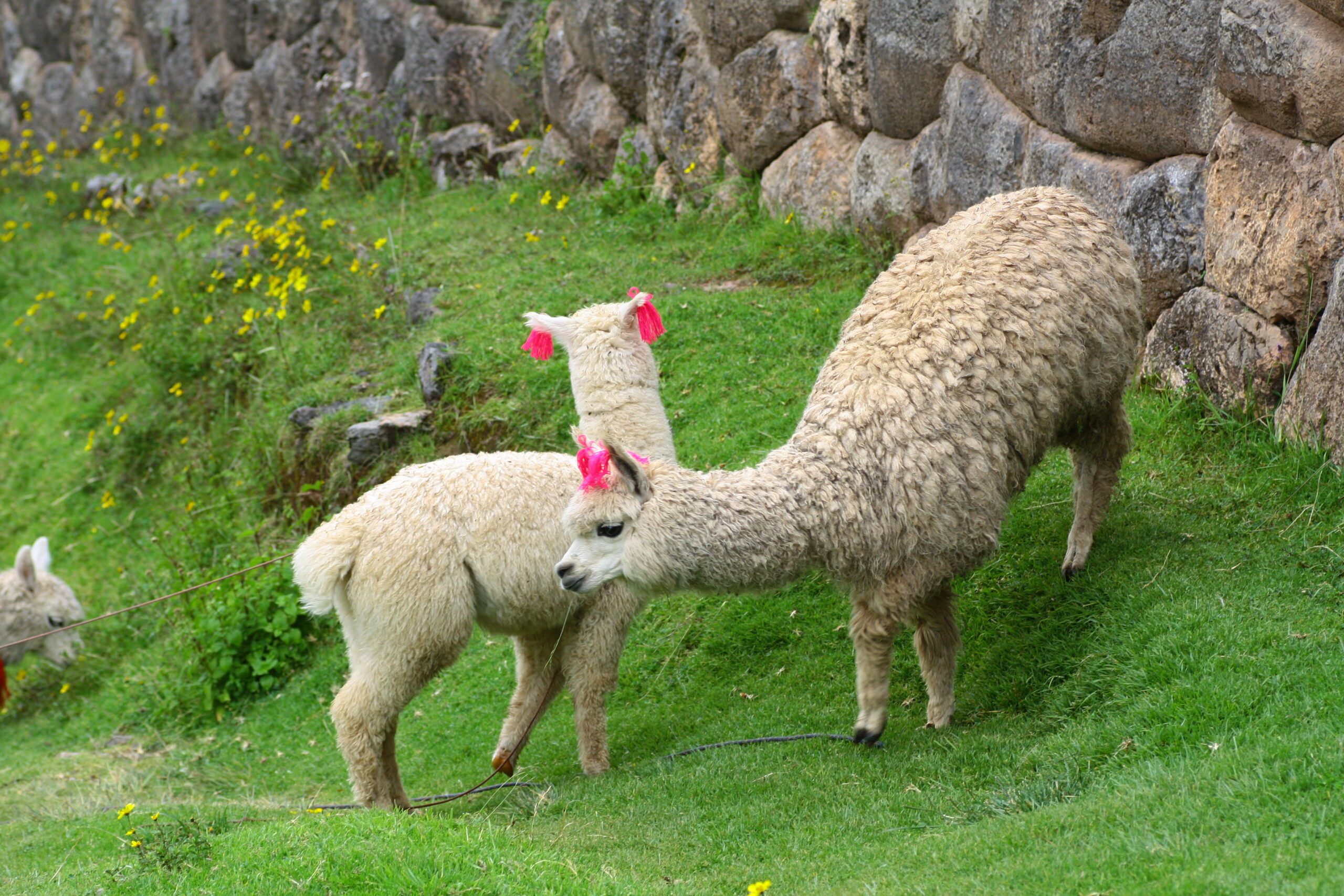
Ecological fieldwork in Peru provides a practical lens for exploring how biodiversity, land use, climate pressures, and community decision-making shape conservation outcomes. Custom group programs combine hands-on experience with field research, experiential learning, and cross-cultural immersion through species monitoring, habitat assessment, and sustainability-focused projects.
develop your own program similar to this
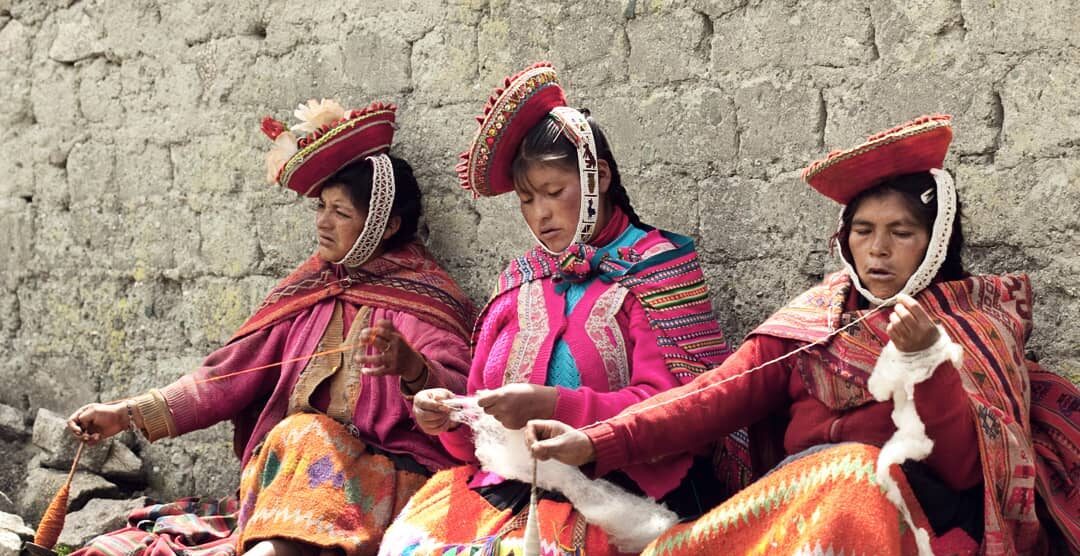
Business in Peru offers a lens into the relationships between enterprise, communication, and community development. Custom group programs encourage experiential learning through local engagement, practical business activities, and cross-cultural exchange.
develop your own program similar to this
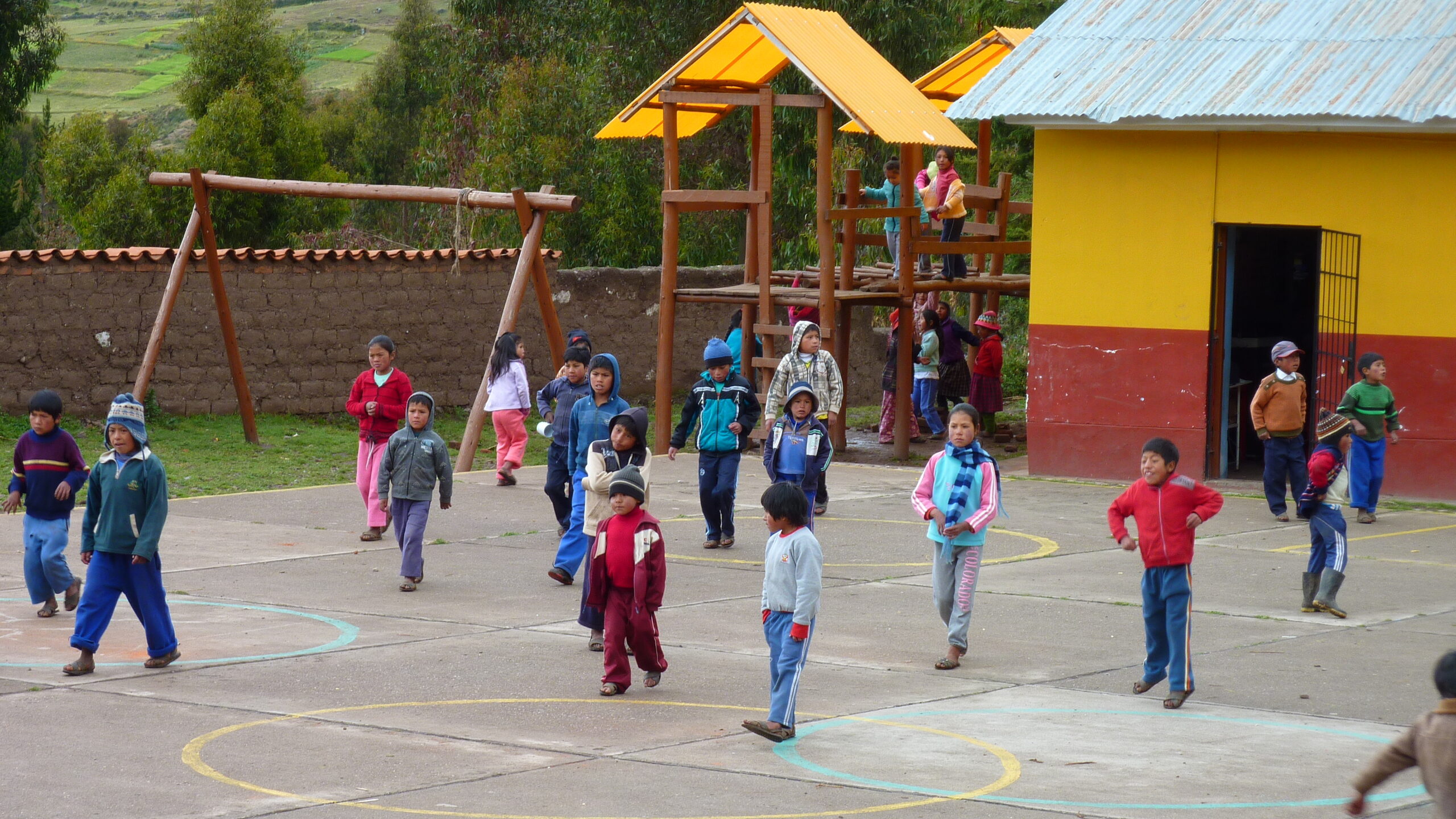
Peru’s public primary schools offer a meaningful setting for examining how creative instruction can support learning in communities with unequal access to resources. Custom group programs combine experiential learning, classroom collaboration, and cross-cultural immersion through arts, culture, and English-language activities designed alongside local educators.
develop your own program similar to this
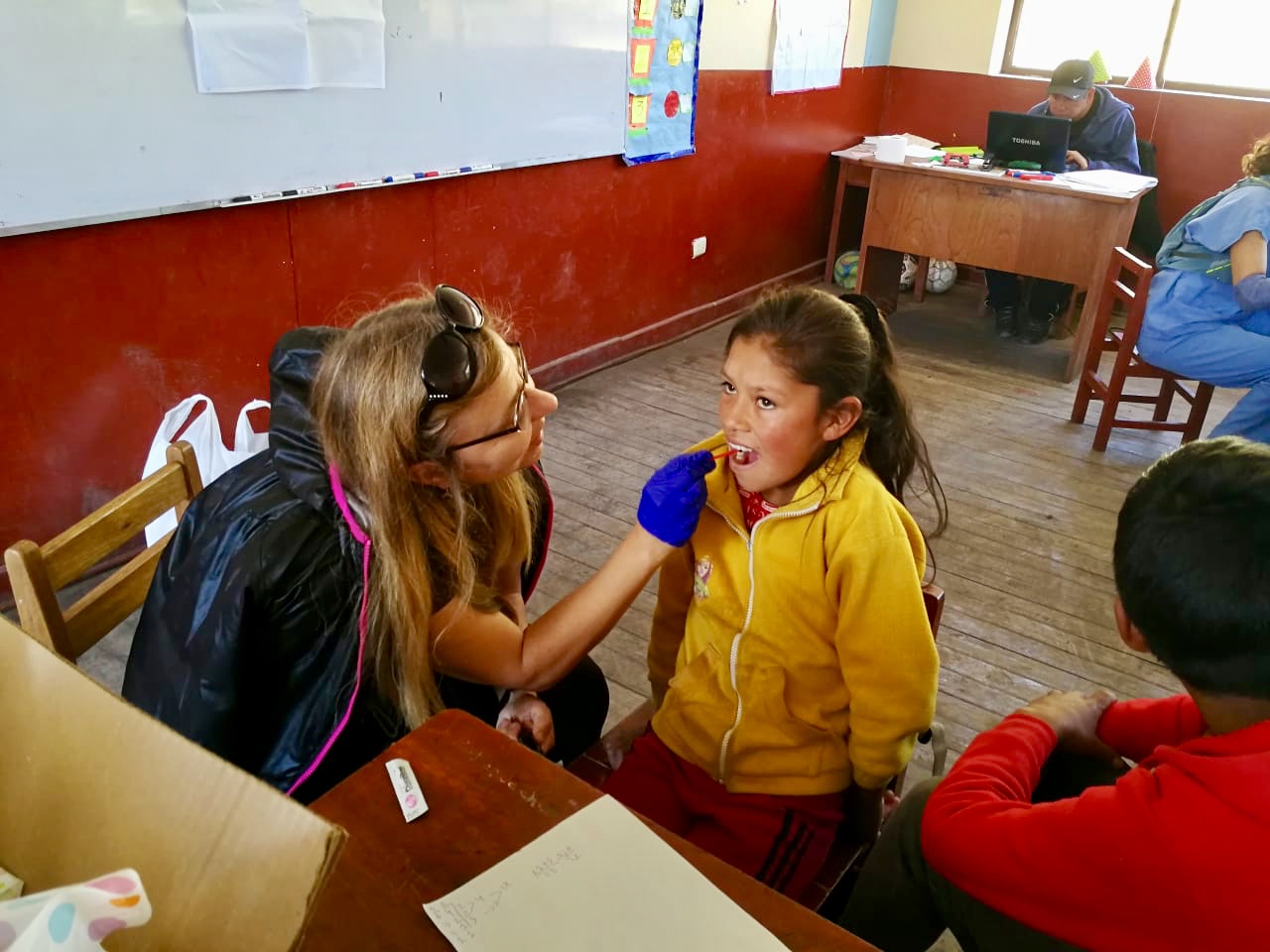
In Peru, participants can explore how primary care, prevention, and maternal health are delivered through local health centers and community outreach networks. Experiences may include supervised engagement with vaccination campaigns, school-based health initiatives, family visits, and prenatal care.
develop your own program similar to this
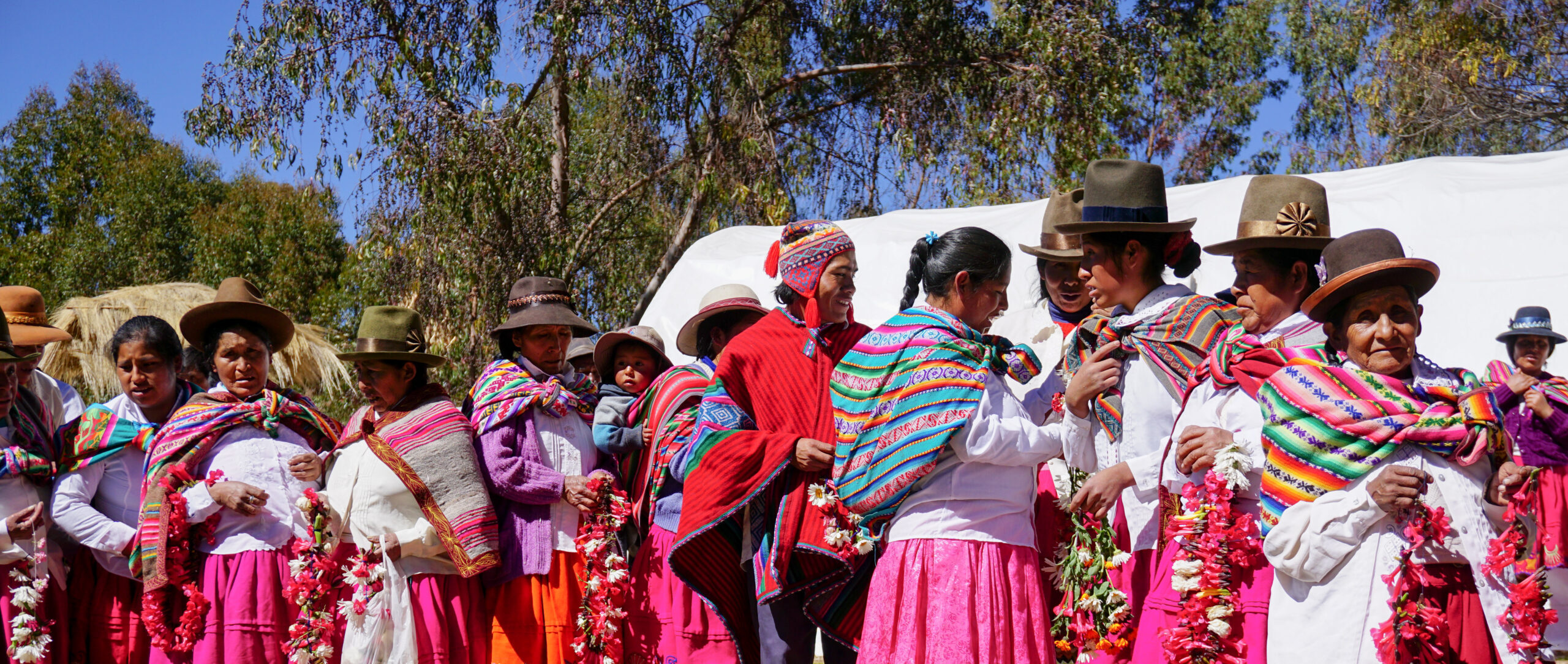
In Peru, social justice is closely tied to rural inclusion, Indigenous rights, environmental protection, and the unequal distribution of public services. Custom group programs support field-based experiential learning alongside community partners, offering hands-on experience with rights-based development, local advocacy, and cross-cultural exchange.
develop your own program similar to this
1
Together we’ll discuss your program goals and needs.
 2
With your input, we develop and fine-tune the perfect itinerary.
 3
We support institutional approvals and recruitment processes to ensure a successful launch!
 4
From pre-departure planning until your return, we’re with you every step of the way!
FAQS
Kaya can develop a Peru itinerary around the questions your course asks, rather than a standard sequence of activities. Faculty can choose a focused subject or connect themes such as education, sustainability and social justice, with experiences selected to suit students’ academic level and intended outcomes.
Field experiences give students material to question, interpret and connect with their coursework. Through local dialogue, guided visits and reflection, participants can examine how academic ideas relate to everyday priorities, while considering whose perspectives they hear and how their own assumptions influence what they learn.
Service learning connects participation with academic questions, preparation and structured reflection, rather than simply completing tasks. Kaya works with faculty and local partners to identify appropriate involvement, emphasizing reciprocity, host priorities and realistic expectations about what students can contribute during their stay.
Kaya reviews participant needs, proposed activities and supervision with group leaders, working with the on-site team to prioritize safety. Preparation is specific to the route and group, covering relevant health guidance, transport, emergency arrangements and clear participant responsibilities.
Testimonials
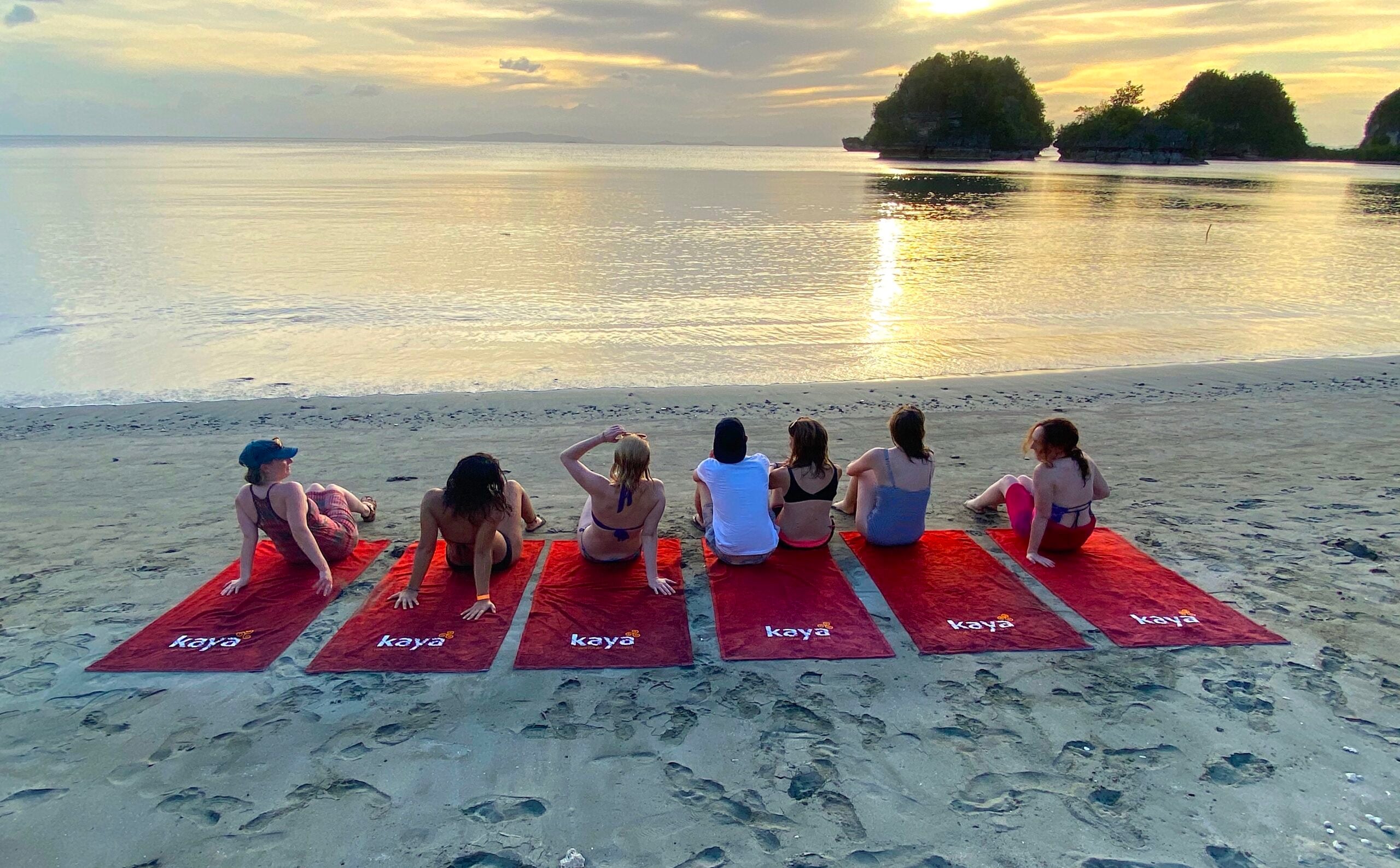
With a focus on experiential education and the UN Sustainable Development Goals, your group can immerse and engage with international communities and environments across the globe.