








 1
Connect
Together we’ll discuss your program goals and needs.
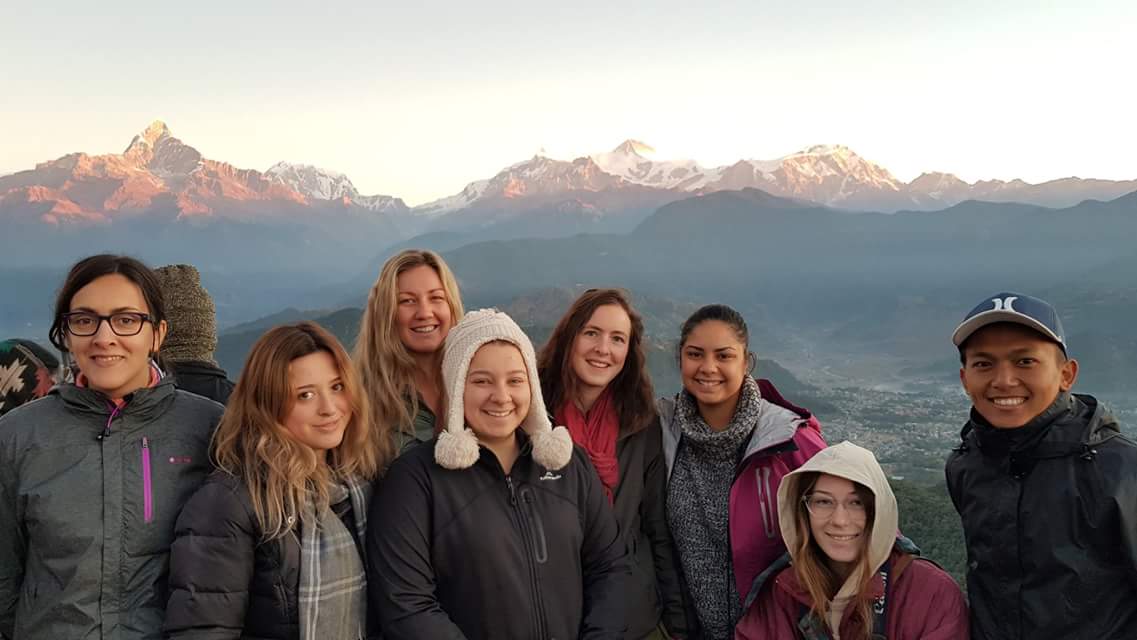
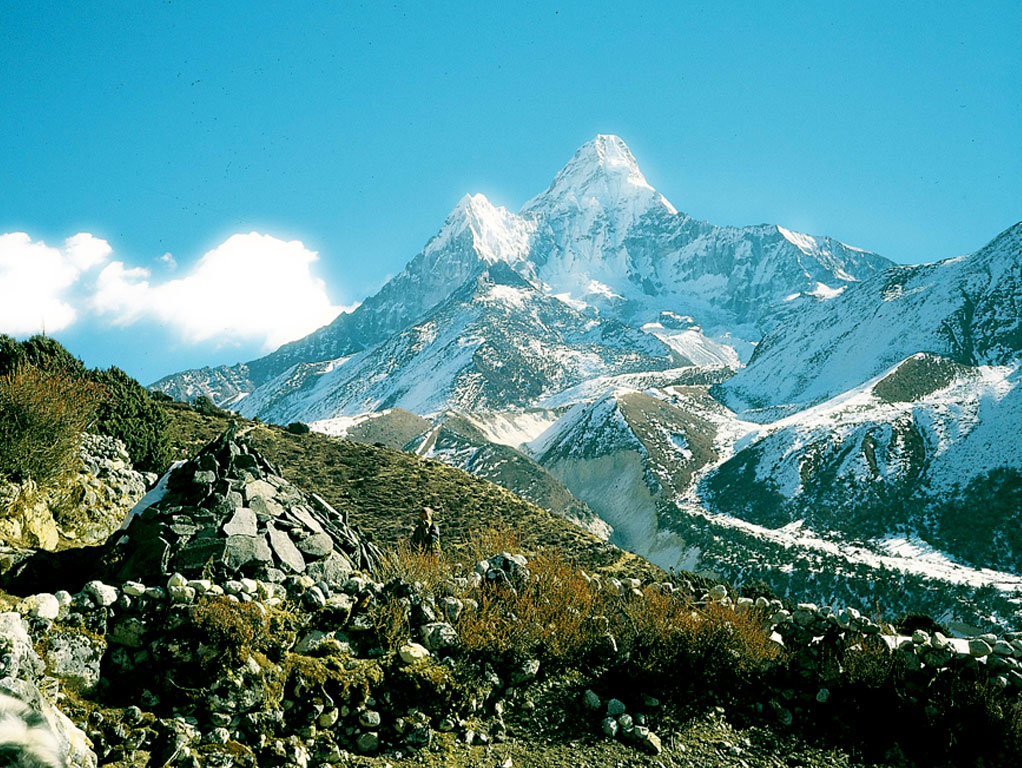
Set beneath the Himalayas, Nepal combines dramatic mountain landscapes with deep spiritual traditions. From the Kathmandu Valley to remote communities, it offers a powerful environment to explore culture, development and resilience.
Design a program hereAbout Nepal
Religion, resilience and sustainable development shape learning across Nepal. Faculty explore the intersection of Hinduism and Buddhism while examining the social and environmental impacts of earthquakes and rebuilding efforts.
Adventure tourism and mountain economies offer another lens into change. Programs explore how global travel influences local livelihoods, infrastructure and environmental management across Himalayan communities.
Beyond the trekking routes, Nepal’s agricultural landscapes reveal everyday life and development challenges. Farming practices, local languages such as Nepali and community responses to climate change highlight how resilience is lived on the ground.
Kaya works with faculty to design immersive, place-based programs that connect culture, environment and development within Nepal’s rapidly evolving social landscape.
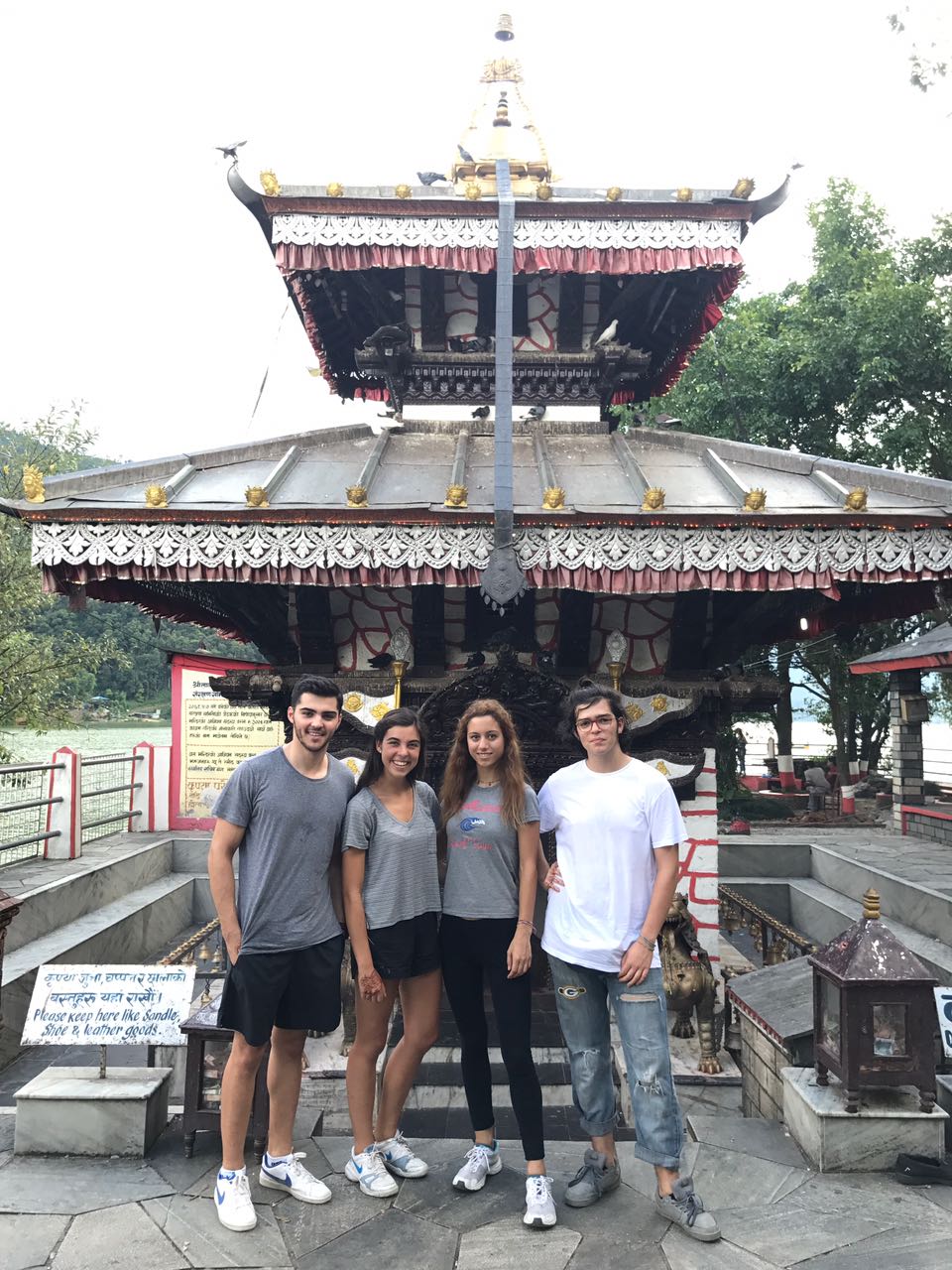
Program Themes
Discover some of the different topics and themes you can focus your program on in Nepal. If you don’t see your topic area, or you already have a ready-made itinerary, connect with the Kaya team to start a discussion!
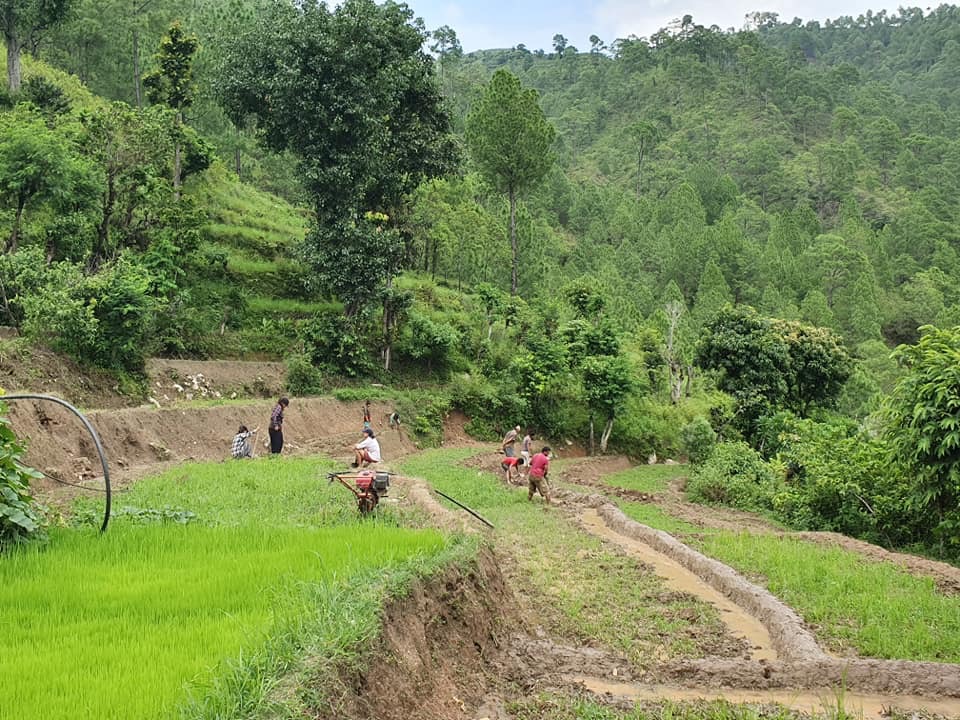
Rural Nepal demonstrates how food production depends on terraced landscapes, local knowledge, mixed farming, and collective resource management. Custom group programs create field-based learning through hands-on experience with soil care, irrigation, crop cycles, and community food systems in mountain communities.
develop your own program similar to this
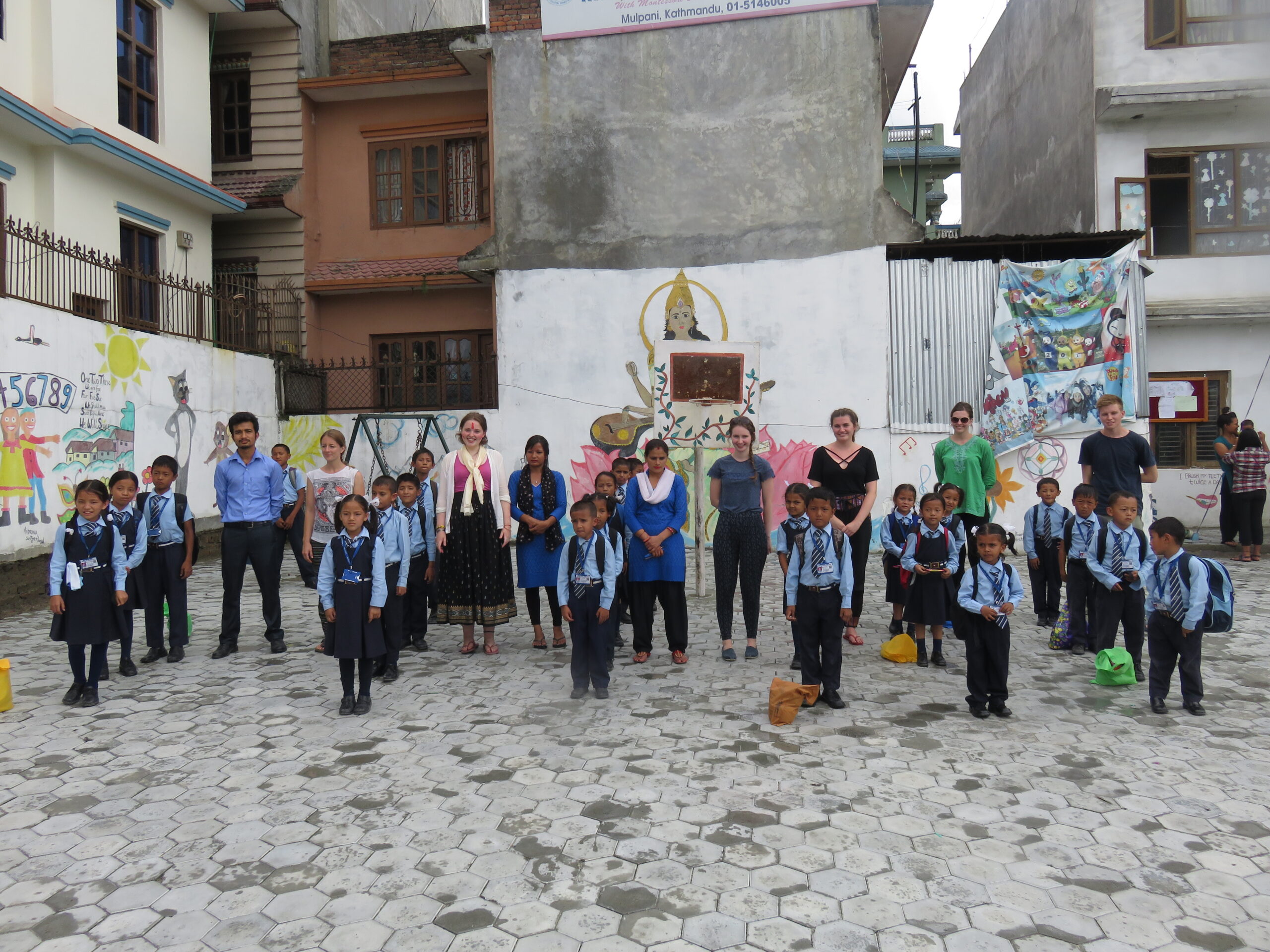
Kathmandu offers a close view of how schools, care settings, women’s groups, monasteries, and neighborhood initiatives contribute to community well-being. Custom group programs pair hands-on experience with reflection on ethical service, reciprocal partnerships, and cross-cultural immersion guided by local priorities.
develop your own program similar to this
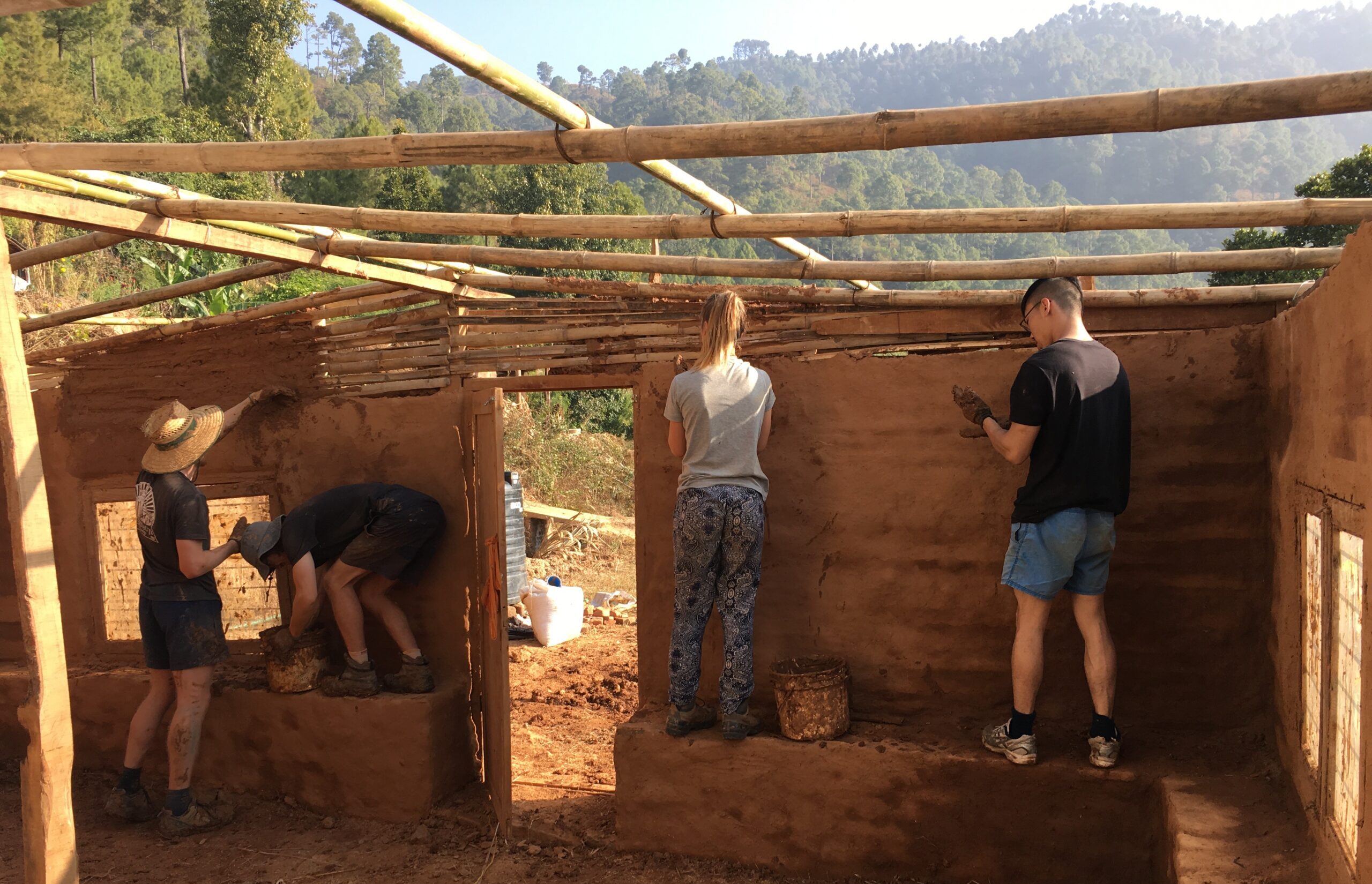
In Nepal’s mountain communities, a water tank, irrigation line, greenhouse, or slope-stabilization project can influence food production, energy use, and household resilience at the same time. Custom group programs offer field-based experiential learning around appropriate technology, resource-efficient design, and community-led solutions for complex environmental challenges.
develop your own program similar to this

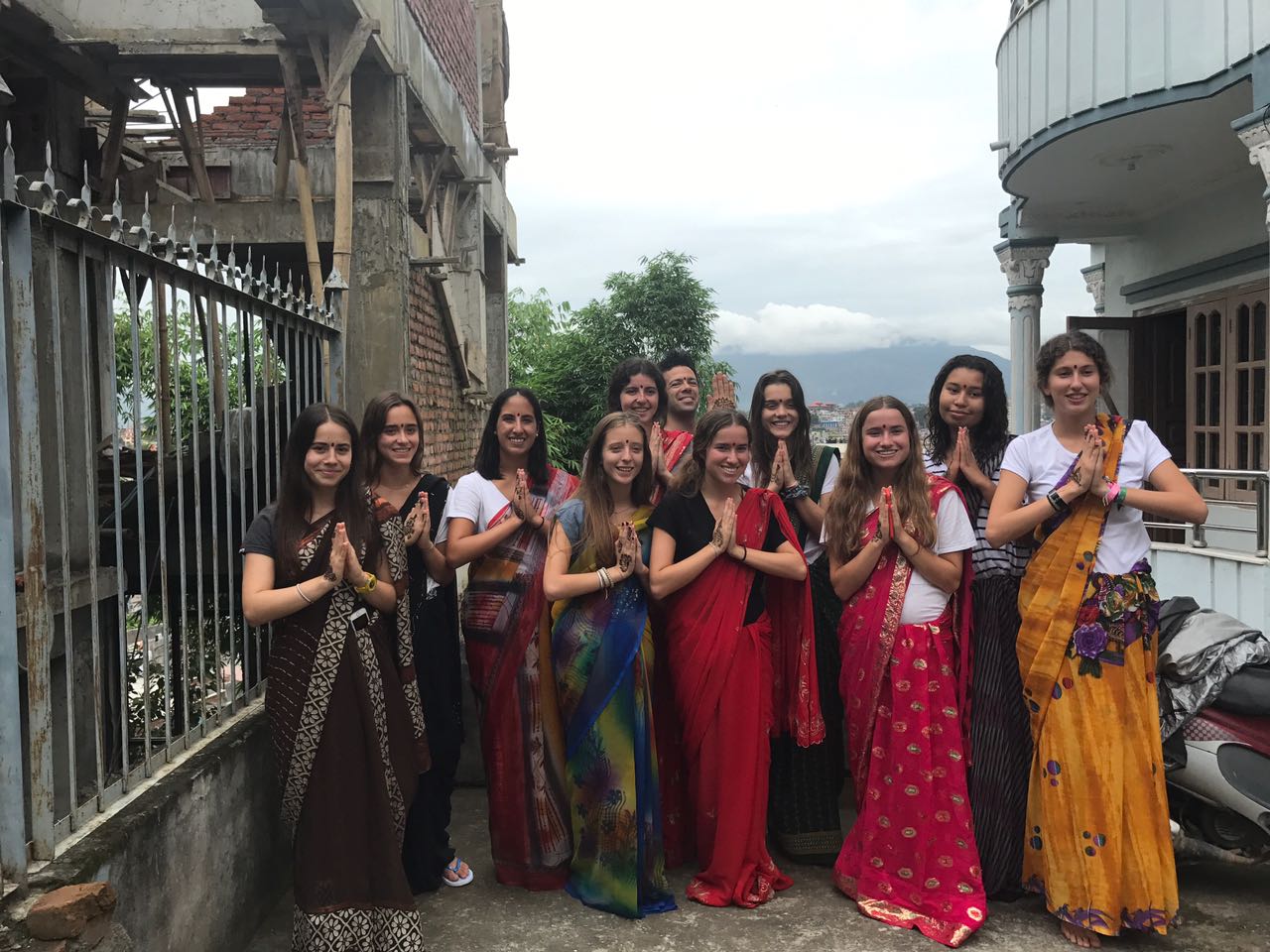
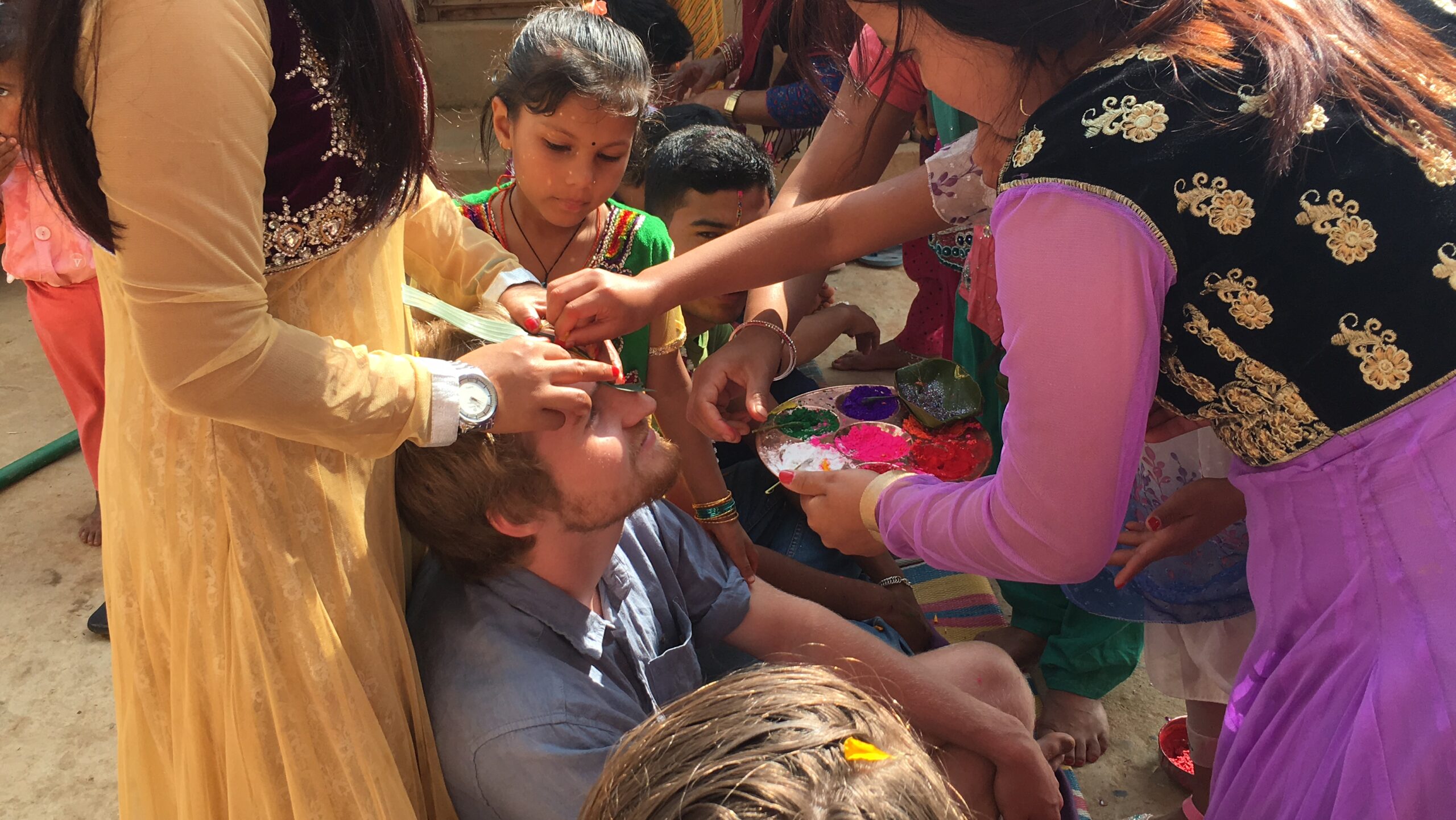
Temple courtyards, monastery rituals, artisan workshops, and festival traditions make Nepal a compelling place to study how heritage remains active in contemporary life. Field-based custom group programs can connect hands-on experience in Kathmandu, Pokhara, and Chitwan with questions of spirituality, artistic practice, cultural continuity, and preservation.
develop your own program similar to this
1
Together we’ll discuss your program goals and needs.
 2
With your input, we develop and fine-tune the perfect itinerary.
 3
We support institutional approvals and recruitment processes to ensure a successful launch!
 4
From pre-departure planning until your return, we’re with you every step of the way!
FAQS
A Nepal program can give students opportunities to revisit classroom ideas through experiences and perspectives beyond their home institution. Kaya can work with faculty to connect available activities with course objectives, using preparation, discussion and reflection to help students interpret what they learn rather than simply observe.
Students can approach questions about food systems or resource management by first learning how local priorities, expertise and constraints shape decisions. Faculty can use discussion and reflection to examine trade-offs, encouraging students to evaluate their assumptions rather than propose technical solutions without understanding their context or long-term implications.
Cultural learning can help students understand the context of any service-learning activities, rather than treating participation as an isolated task. Kaya works with faculty and local partners to identify appropriate involvement, linking preparation and reflection with reciprocity, host priorities and realistic expectations about a short visit.
Kaya discusses the proposed route, activities, participant needs and supervision with group leaders, working with the on-site team to prioritize safety. Planning considers transport, relevant health guidance, emergency arrangements and activity suitability, so practical decisions support the group’s learning goals and reflect the itinerary’s specific requirements.
Testimonials
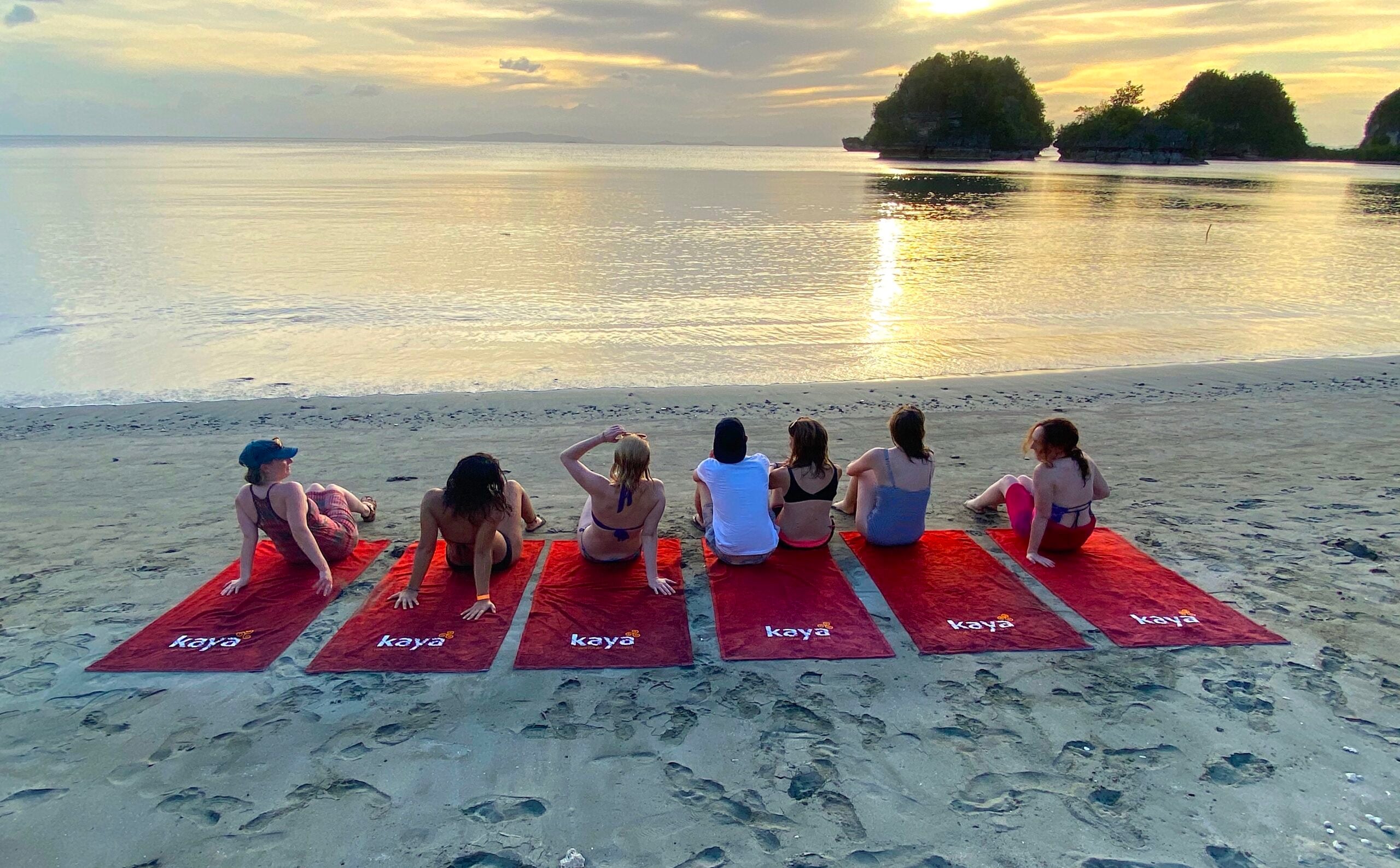
With a focus on experiential education and the UN Sustainable Development Goals, your group can immerse and engage with international communities and environments across the globe.