








 1
Connect
Together we’ll discuss your program goals and needs.
See how a Kaya Engineering program in Cambodia turned plastic waste into eco-bricks for a community-led sustainable housing project.
Design a program like this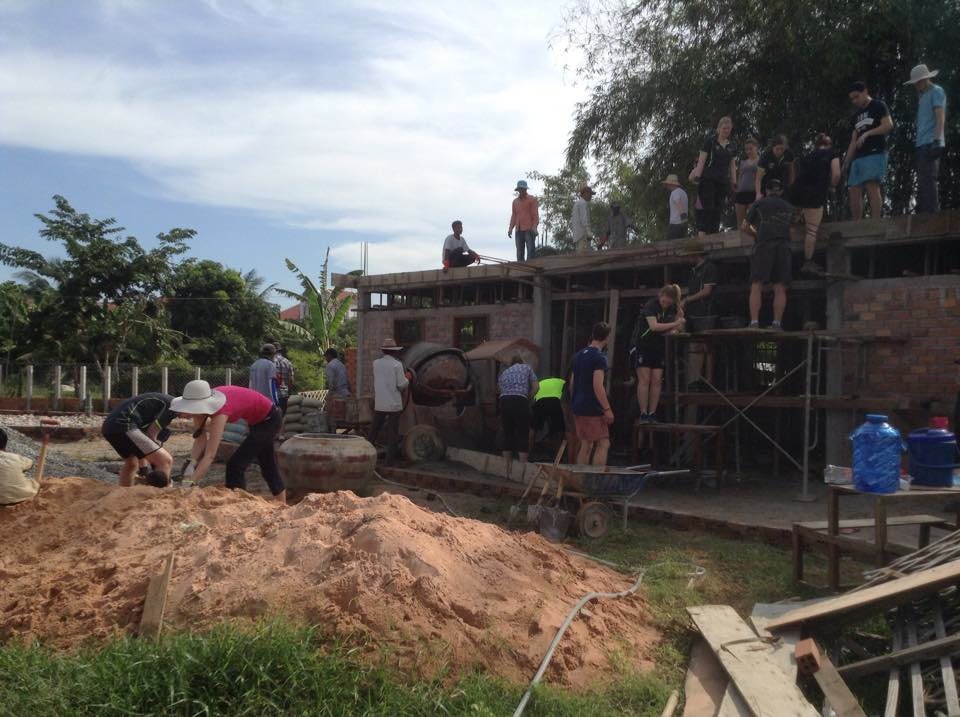
What can a group of engineering students do with plastic waste that would otherwise be discarded? In Cambodia, they helped turn it into a home.
This Engineering program with Kaya centered on a real community project: building a house using eco-bricks made from plastic waste mixed with concrete. Working alongside local builders, participants contributed to the construction while exploring how engineering, sustainability, and community-led development come together in practice.
The project went beyond a symbolic build. Local experts prepared the foundation, planned the work, and supervised activities throughout. Students contributed where their support was useful, while experienced local builders led the skilled and safety-sensitive tasks.
Before picking up any tools, the group took time to understand the place and people behind the project.
Orientation sessions introduced Cambodia’s recent history, cultural context, and responsible approaches to volunteering. A walking tour through the village and a conversation at the local pagoda gave participants further insight into the community and the environment surrounding the project.
The group also met the family who would receive the completed home. This meeting gave the work a personal connection and helped participants see the build as part of a longer community relationship rather than a short-term activity.
The project tackled a very practical challenge: plastic waste.
Across parts of Cambodia, limited waste collection leaves plastic bags and other hard-to-recycle materials in the environment. While recycling programs may collect plastic bottles and aluminum cans, other plastics often remain behind, creating environmental and public health concerns.
The eco-brick project addressed part of this challenge by incorporating plastic waste into a concrete mixture. Participants helped produce these bricks, contributing to a construction approach that transforms discarded materials into a useful building resource.
The process required care and attention. Participants learned how workers prepared, mixed, and used the materials, while seeing how an engineering solution could respond to both an environmental challenge and a housing need.
The group split into teams and rotated through different project activities.
One team produced eco-bricks, another designed and laid a section of playground mosaic using reclaimed materials, and a third supported construction work under the supervision of local builders.
Moving between these tasks gave participants a broader view of the project. They saw how material production, design, and construction work together, while gaining an appreciation for the technical knowledge and experience needed to manage a building project safely and effectively.
Local builders remained at the center of the work. Their expertise guided the project from preparation through completion, while the funding supported local employment. This approach helped keep the project rooted in the community and ensured that skilled local professionals led the construction.
Fieldwork formed just one part of the experience. Other visits and activities helped participants understand Cambodia beyond the construction site.
A visit to a health organization serving communities around Tonle Sap Lake introduced another perspective on local needs and community support. A workshop exploring locally made products showed how Cambodian materials and traditional skills contribute to local enterprise.
At a landmine museum, participants explored another important part of Cambodia’s recent history and learned how the country’s past continues to influence recovery and development.
Together, these experiences reinforced an important lesson: engineering solutions never exist in isolation. Housing, healthcare, infrastructure, and economic opportunity all intersect within the communities a project aims to serve.
Cultural activities gave participants time to explore Cambodia’s history, creativity, and everyday life.
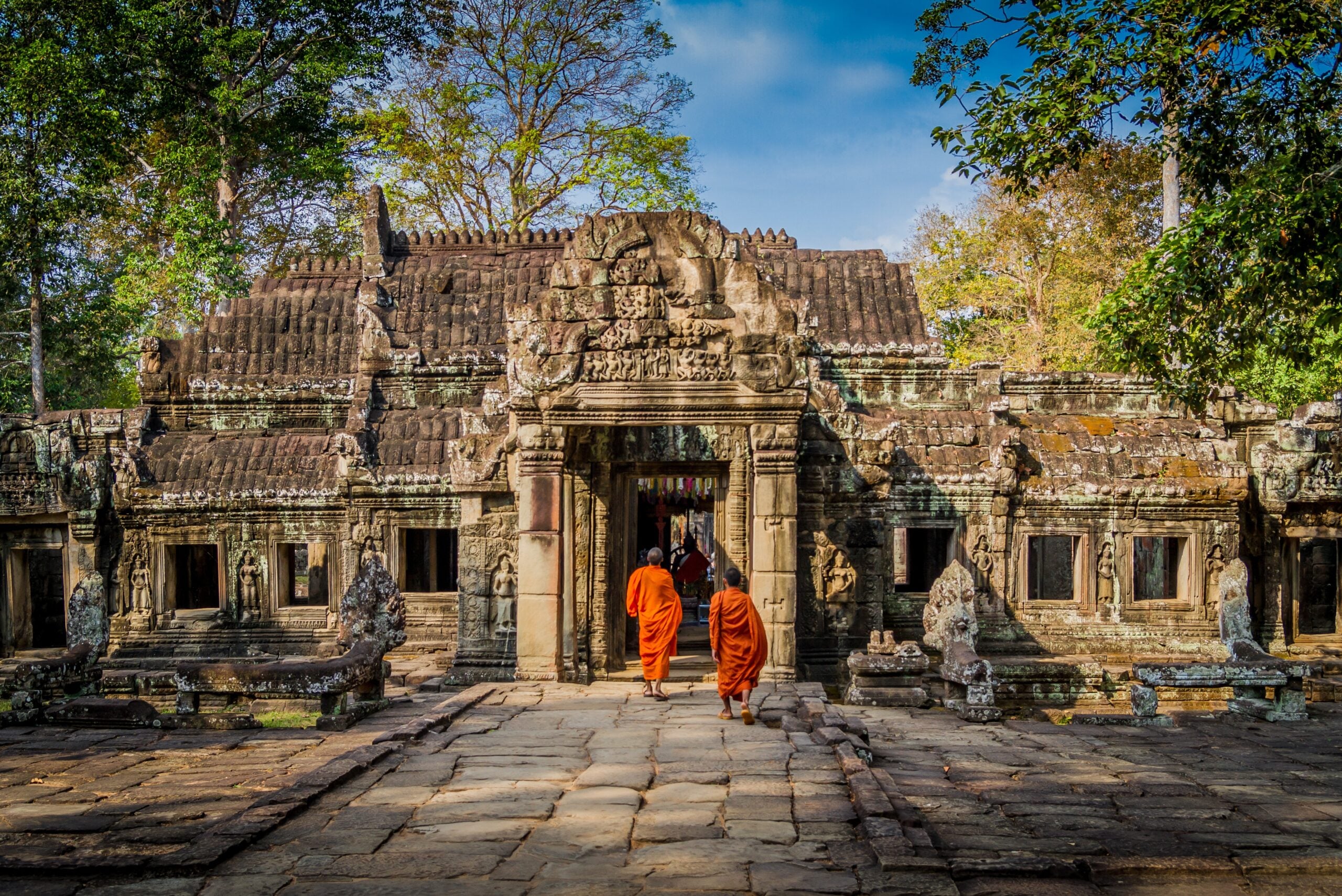
Visits to Angkor Wat and nearby temples introduced the group to the country’s extraordinary architectural heritage. A boat trip on Tonle Sap, Southeast Asia’s largest freshwater lake, brought participants into one of the region’s most productive ecosystems and offered a closer look at the communities that depend on it.
A pottery class provided a hands-on creative break, while an evening at a circus performance showcased another side of Cambodian artistic expression. Meals at local social enterprises added further opportunities to discover community-focused initiatives.
These experiences added depth to the academic program. They helped participants see Cambodia as a country with a rich history, living cultural traditions, and local innovation, reflecting Kaya’s immersive approach to exploring the many dimensions of a destination and its communities.
The project reached its conclusion with a house blessing ceremony and a celebration alongside the family.
Standing in the completed home gave participants a tangible result to connect with their work. More importantly, the occasion highlighted the collaboration that made it possible: local builders, community members, program staff, and visiting participants all contributed to the project.
Participants also spent time supporting library activities and early learners’ English classes, extending their engagement with the community beyond the construction site.
This Kaya program brought project-based Engineering learning into a real community setting, connecting academic concepts with a practical local need.
Participants did more than study sustainable development. They contributed to a hands-on construction project, learned alongside local experts, and explored how engineering decisions connect with environmental challenges, local employment, and community wellbeing.
The project resulted in a home, but the learning extended much further. Participants saw how collaboration, local expertise, and thoughtful engineering can help turn an environmental challenge into a practical community resource.
 1
Together we’ll discuss your program goals and needs.
 2
With your input, we develop and fine-tune the perfect itinerary.
 3
We support institutional approvals and recruitment processes to ensure a successful launch!
 4
From pre-departure planning until your return, we’re with you every step of the way!
With a focus on experiential education and the UN Sustainable Development Goals, your group can immerse and engage with international communities and environments across the globe.