









Sustainable Coffee Value Chains in Ecuador
- Agriculture & Food Security
- Business & Economy
Discover food economics in Thailand through market visits, cooking classes, and tea farming, connecting culture, rural livelihoods, and business.
Design a program like this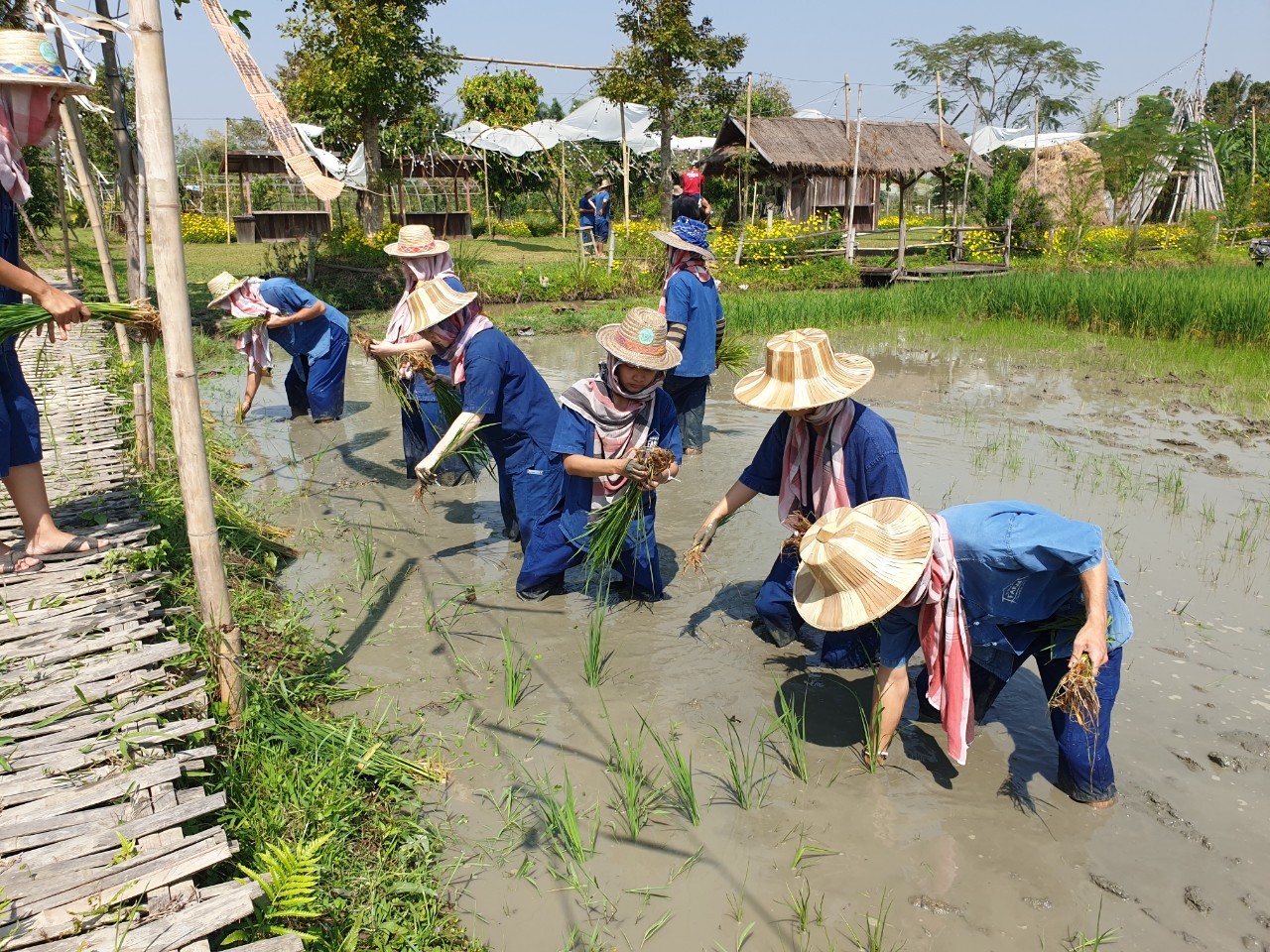
What better way to explore global economics than to follow food from the people who produce it to the people who buy it?
This program in Thailand brought economic concepts to life through experiences that connected directly with the subjects participants wanted to explore.
The group followed food through northern Thailand, from Chiang Mai’s bustling market stalls to the tea-growing communities of Doi Pu Muen, discovering the people, businesses, and decisions behind what ends up on the plate.
One day, students discussed supply chains with an economics professor. The next, they picked tea leaves alongside the families who grew them. Along the way, they explored tea products, branding, and market potential, connecting academic concepts with real business opportunities.
Through this Food Economics program with Kaya, participants tasted, observed, and investigated the subject firsthand. Traveling through Chiang Mai, Chiang Rai, and the northern highlands, they explored how food connects agricultural livelihoods, cultural identity, tourism, and commercial opportunity.
University-led presentations on Thailand’s economy, gastronomy diplomacy, and tourism supply chains gave students the academic foundation for the experience. These discussions introduced themes that continued throughout the program: how food creates value, how businesses work together, and how cuisine helps shape a destination’s identity.
A traditional Khantoke dinner brought those ideas to the table. Sitting on floor cushions and enjoying a Lanna cultural performance, students experienced the connections between food, hospitality, and cultural identity firsthand.
At a long-standing local market, a scavenger hunt focused on regional snacks and products turned observation into an interactive investigation. Students explored what vendors sold, how they presented their products, and how food supported local commerce. An evening at a night bazaar added another perspective on the relationship between food, shopping, and tourism.
A hands-on Thai cooking class took students beyond buying food and into the process of preparing it.
Working with fresh, regional ingredients, participants explored sourcing, preparation, and the skills that go into creating a finished dish. The experience combined cultural discovery with a closer look at the food and hospitality services that support Thailand’s visitor economy.
The learning continued beyond the kitchen. Temple visits, a forest walk, and a conversation with monks introduced further cultural and spiritual perspectives. A visit to a hill tribe village, complete with locally grown coffee and a regional lunch, offered another opportunity to explore how communities connect food with hospitality and everyday life.
Together, these encounters showed students that northern Thailand has many distinct food cultures and traditions. Kaya’s immersive approach brings these different perspectives into the academic experience, helping students explore an industry through the people and communities who shape it.
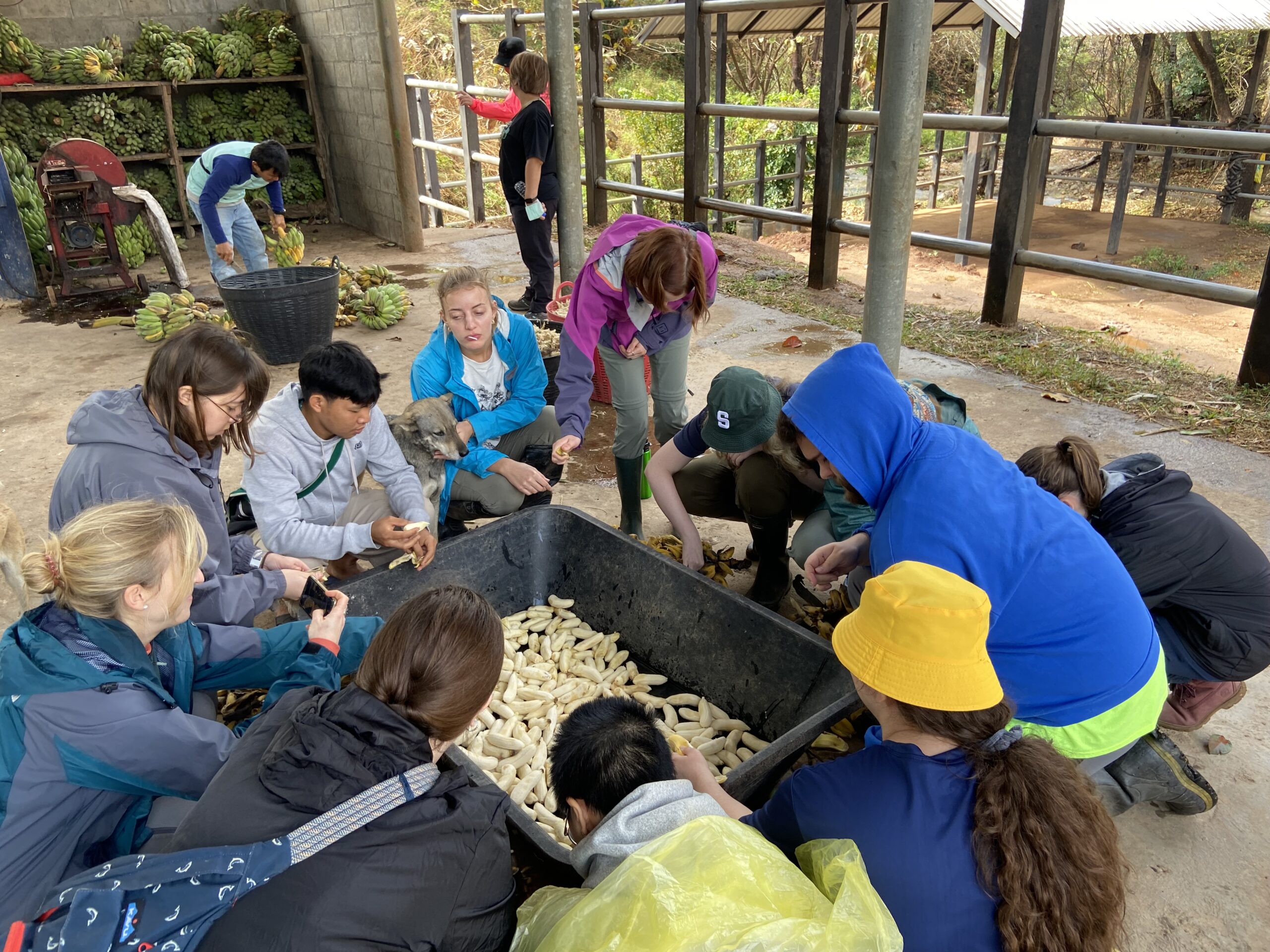
A guided trek through a national park and toward a hill tribe village connected forest ecology with traditional farming practices. The walk ended with locally grown coffee and a conversation about production, sustainable agriculture, and rural livelihoods.
This offered a very different perspective from ordering a cup of coffee in the city. Participants explored the environment where coffee grows and met people involved in producing it, connecting supply-chain concepts with the realities of agricultural work.
Lunch with a host family in a highland agricultural village added another perspective on how farming, village life, and community-based tourism intersect.
The journey through Chiang Rai placed rural livelihoods within a wider regional context.
At a museum exploring the region’s history, students examined the legacy of the drug trade and the changes that have shaped the area. A visit to a viewpoint overlooking the meeting point of Thailand, Laos, and Myanmar brought discussions about borders, trade, and economic opportunity into focus.
Visits to striking temples and an art museum gave the group time to explore the region’s cultural heritage. A visit to an elephant welfare project introduced another important economic relationship: the connections between tourism, animal welfare, and the livelihoods of mahout families.
These experiences broadened the academic focus without losing the central thread. Food businesses operate within communities shaped by history, tourism, culture, and changing markets.
In a Lahu mountain village, tea takes center stage as participants experience the community and its agricultural traditions.
A visit to a Lahu cultural center introduces the group’s learning through migration, history, and cultural preservation before they travel further up the mountain. There, students meet tea-growing families, share a traditional dinner, and learn through music, dance, and conversation.
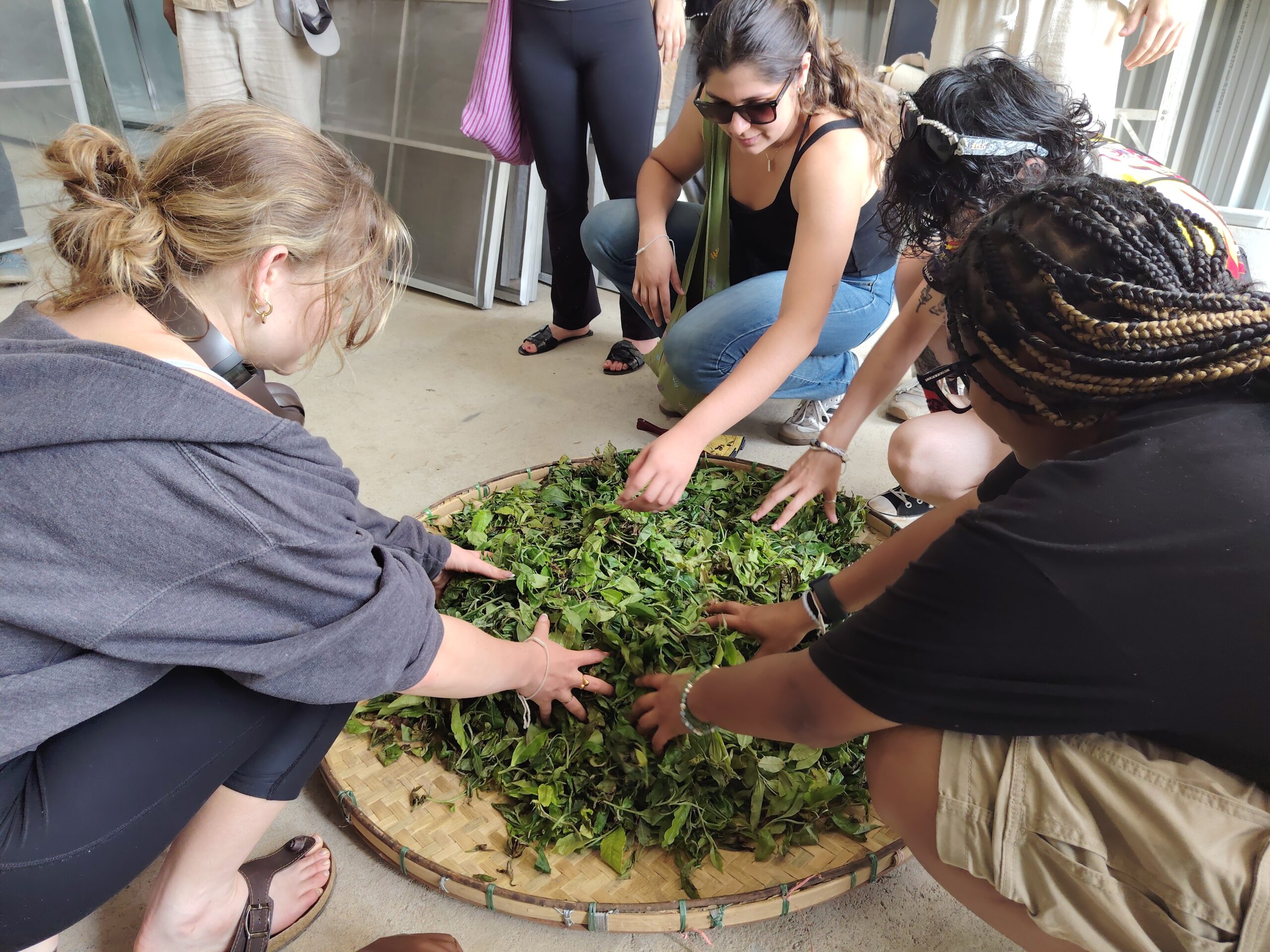
Hands-on tea making takes participants through the process from leaf picking to drying. A bamboo cooking session adds another opportunity to explore traditional highland food preparation.
Spending time in the community allows students to connect ideas that a classroom might otherwise separate. They discover how tea functions as a crop, a commercial product, a source of livelihood, and an important part of the experience shared with visitors.
A tea-blending workshop brings the academic learning together. Working with highland herbs and ingredients, participants create their own blends before forming small groups to analyze tea products, branding, and market potential.
Their ideas draw on everything they’ve encountered throughout the program: academic discussions, market observations, cooking experiences, farm visits, and conversations with producers.
Presenting their findings to the community creates an opportunity to exchange ideas and learn from people already working in the industry. Students put their economic knowledge into practice, analyzing a real business environment while recognizing the experience and expertise of the people who know it best.
On a Kaya group program in Thailand, markets become places of investigation, meals reveal the connections between culture and commerce, and time on farms turns economic concepts into practical business analysis.
Participants return with much more than an introduction to Thai cuisine. They’ve followed the relationships between production, hospitality, tourism, and rural livelihoods, gathering firsthand experiences they can carry into their coursework, future careers, and travels.
You may also be interested in
Every Kaya Customized Group Program is unique. Find inspiration below to start planning your group's journey!
 1
Together we’ll discuss your program goals and needs.
 2
With your input, we develop and fine-tune the perfect itinerary.
 3
We support institutional approvals and recruitment processes to ensure a successful launch!
 4
From pre-departure planning until your return, we’re with you every step of the way!
With a focus on experiential education and the UN Sustainable Development Goals, your group can immerse and engage with international communities and environments across the globe.