








Food Economics in Thailand
- Agriculture & Food Security
- Business & Economy
Explore Ecuador’s Andean Chocó through a coffee field program connecting cloud forest farming, biodiversity, rural livelihoods, and specialty markets.
Design a program like this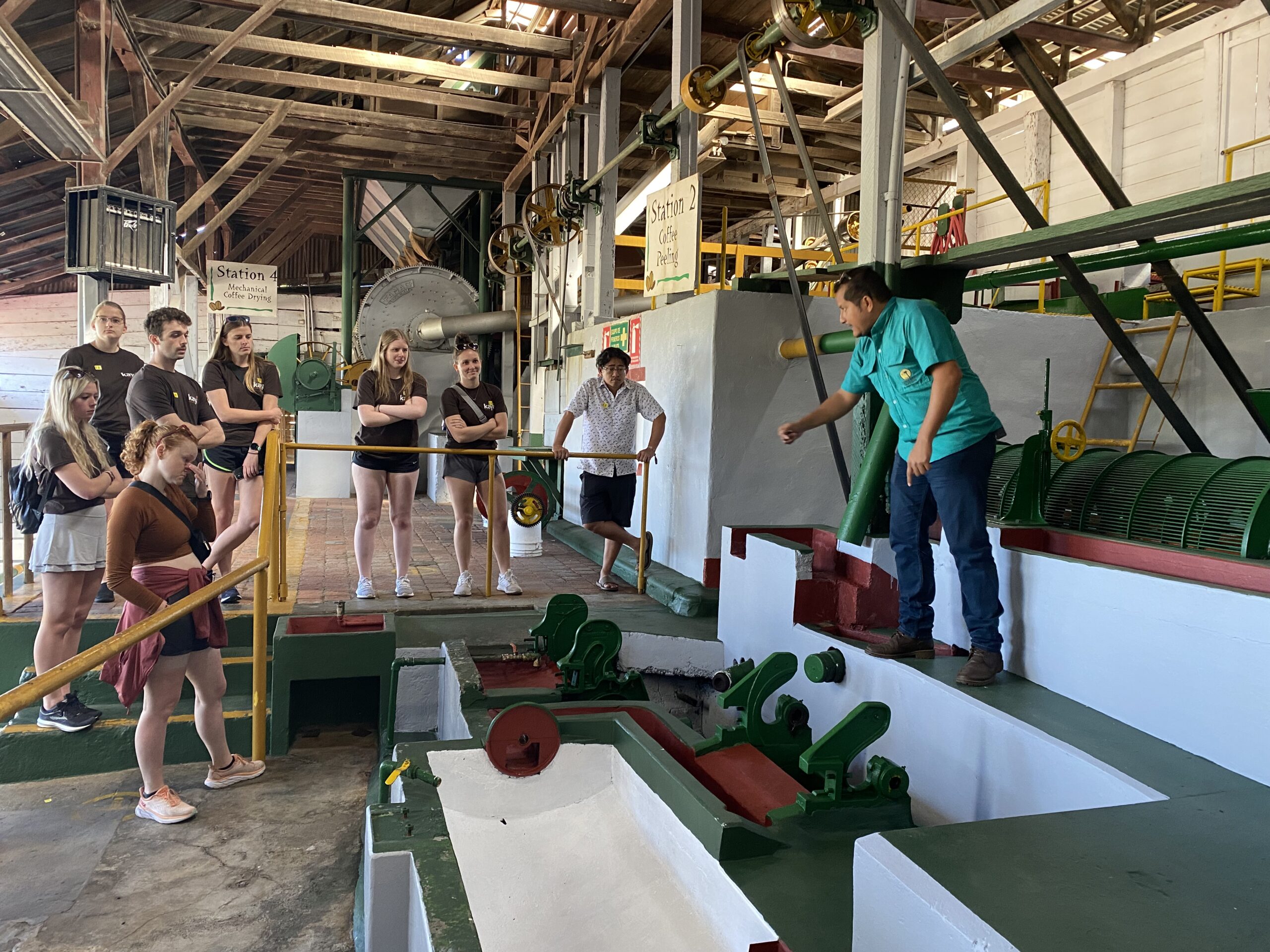
Follow coffee from cloud forest farms to the finished cup on an academic exploration of biodiversity, rural livelihoods, and the business of sustainable coffee.
You know your usual coffee order. But have you ever wondered what it takes to bring that coffee from the landscape where it began to your morning cup?
Picture yourself walking through a cloud forest farm, looking up at the canopy above the coffee plants. You stop to talk with a producer about shade, soil, and the decisions that shape each growing season. Later, a conversation about roasting or export connects that same farm to a much bigger picture: the journey from a rural landscape to someone’s morning coffee.
In Ecuador’s Andean Chocó forest region, coffee offers a window into conservation, community wellbeing, culture, and global markets. This interdisciplinary field experience invites students to explore those connections firsthand, learning directly from producers and local stakeholders rather than studying the value chain from a distance.
It’s an opportunity to get closer to a familiar product and discover just how much goes into every cup.
The Kaya experience begins in Quito, where a specialty coffee shop working with coffee from the Andean Chocó introduces students to the connection between urban cafés and rural farms.
Over lunch, the group explores the consumer side of the coffee industry, from roasting and branding to origin stories and the factors that influence customer choices. What does the café reveal about the producer? What does “quality” mean in this context? And which parts of coffee’s journey remain out of sight?
Exploring Quito’s historic center adds Ecuador’s history and culture to the experience before the group heads into the cloud forest. A guest discussion, tailored to the group’s interests, brings further perspectives on coffee production, smallholder livelihoods, and sustainability.
This is just the starting point. After visiting farms and following coffee through other stages of the value chain, students can return to those first questions with a much deeper understanding.
Once the group reaches the cloud forest, the learning moves outdoors.
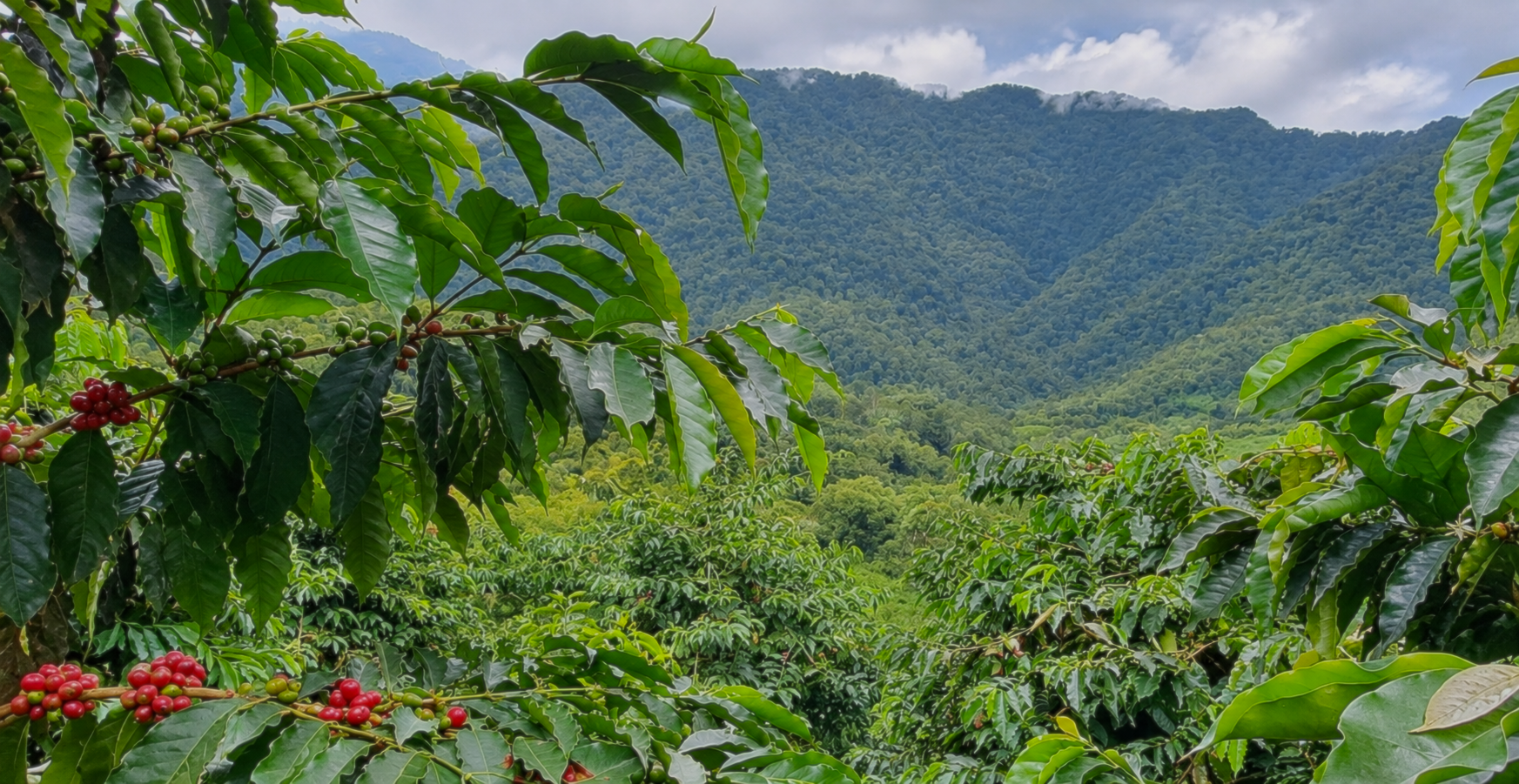
At a farm that practices analog forestry, participants explore a productive landscape designed to reflect the ecological functions of native forests. Coffee grows alongside cardamom and other plants, giving students an opportunity to examine how agriculture can work as part of a wider ecosystem.
A walk through the farm becomes an opportunity to investigate the landscape firsthand. Students examine the layers of vegetation, follow the movement of water, observe the shade surrounding coffee plants, and learn how producers care for the soil.
Working alongside producers, they explore how these relationships influence farm management, ecosystem health, and coffee production. Altitude, microclimates, soil conditions, and biodiversity become tangible subjects to observe and discuss in the field.
Depending on seasonal conditions and farm priorities, the group may also help establish or maintain a coffee plot through planting, mulching, shade planning, or soil-building activities.
Even a simple decision about where to plant a seedling opens up a wider conversation about sunlight, spacing, labor, and the farm’s future.
What does sustainability actually require from the person growing your coffee?
By exploring nursery care, pruning, crop renewal, shade regulation, and pest monitoring, students move beyond broad sustainability labels and examine the decisions farmers make every day.
A particular method might improve long-term soil health, but how much labor does it require? A producer may want to improve coffee quality, but which resources are available? How do changing seasonal conditions influence what farmers can achieve?
These conversations bring different academic interests together naturally. Environmental science students can investigate habitat and nutrient cycling. Business students can examine production costs and market opportunities. Those interested in public health or development can explore working conditions and rural wellbeing.
Whatever their academic focus area, Kaya connects each area of study to a different part of the coffee journey.
The journey continues beyond cultivation as students explore the decisions that shape coffee after it leaves the plant.
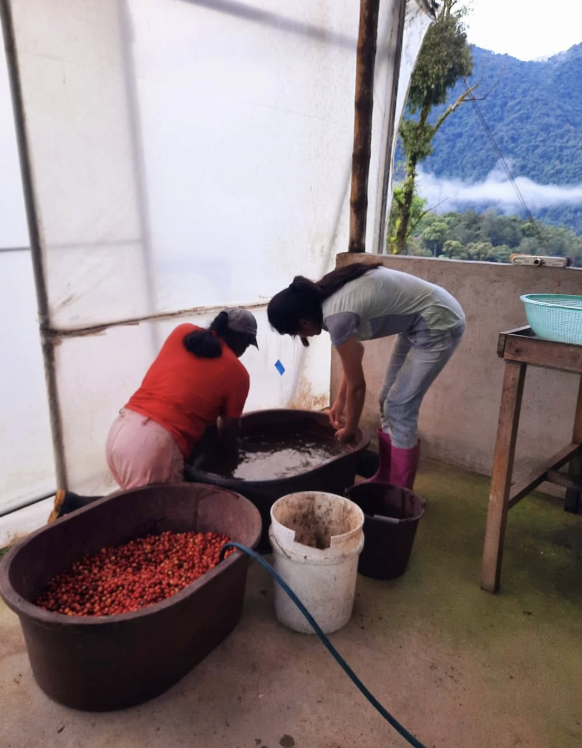
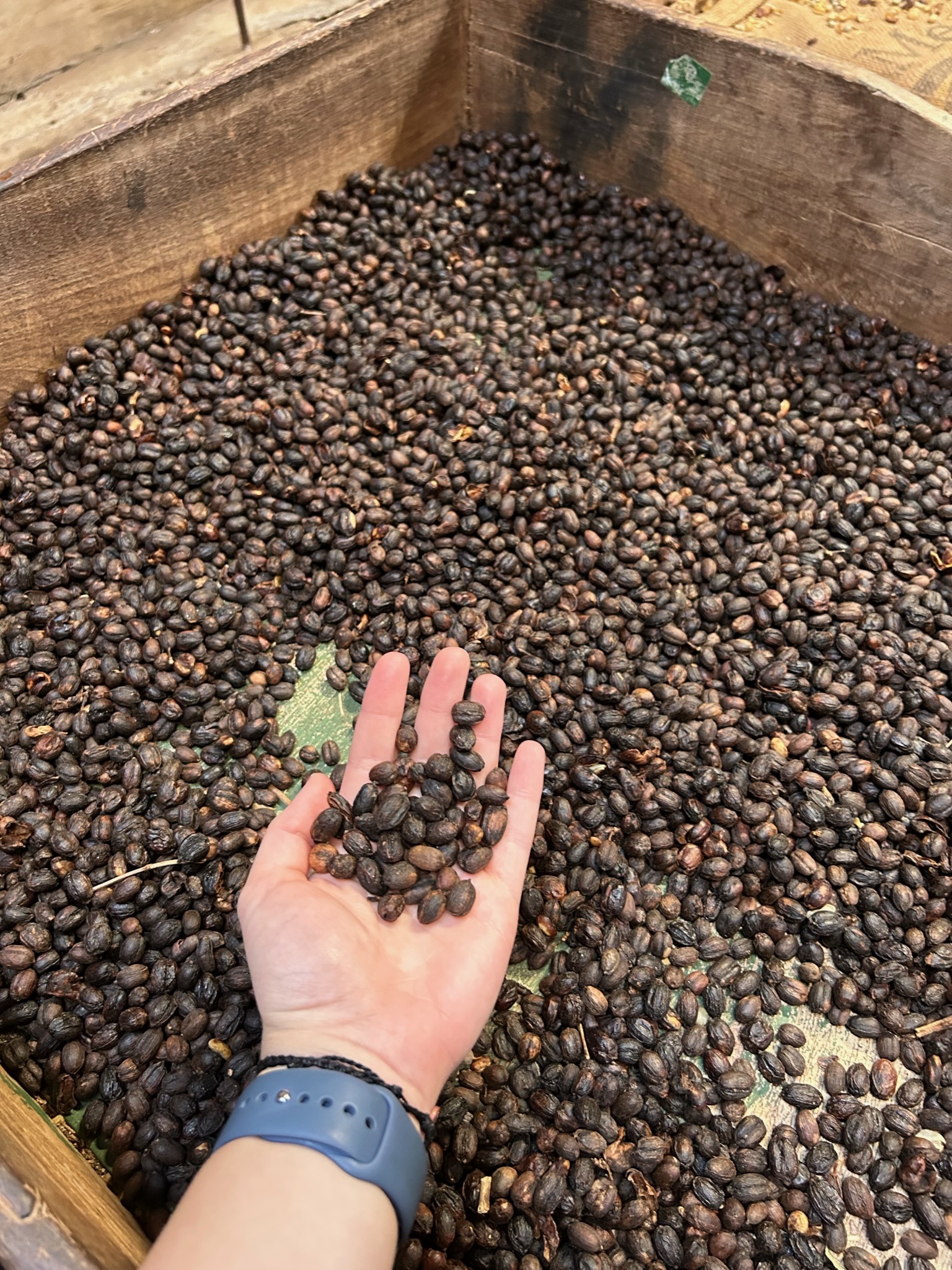
At a historic coffee property, participants examine how labor, technology, and changing production methods have influenced the industry. Discussions about processing, drying, and quality control reveal another layer of the value chain. Roasting demonstrations and sensory sessions then connect these earlier decisions with the finished cup.
Next, a visit to a smallholder farm that sells green coffee within Ecuador and is beginning to export brings the realities of market access into focus.
Students hear firsthand about the steps involved in reaching new buyers. What quality standards must the farm meet? Which financial barriers might stand in the way? What changes when a producer starts looking beyond domestic sales?
Discussions about exporting extend these questions to traceability, pricing, producer margins, and the relationships between farmers, exporters, and roasters.
Suddenly, the coffee on a café menu represents an entire network of decisions, relationships, and negotiations. Students can explore not only how the industry creates value, but also who benefits from it.
The program also takes students beyond coffee production to explore the wider rural economy.
Waterfall treks and a visit to a butterfly sanctuary bring biodiversity, water conservation, and nature-based tourism into the conversation. These experiences offer another way to examine how local livelihoods depend on the surrounding environment.
How can tourism complement agriculture? What responsibilities do local businesses and communities have when it comes to conservation? How might different industries work together to create a more resilient rural economy?
Food adds another dimension to the experience. A meal centered on organic cuisine and sustainable food practices connects agricultural production with regional identity and food sovereignty.
These experiences are more than cultural extras. They help students understand the wider environment in which coffee grows and reaches the market. Alongside questions about international trade come equally important discussions about local food needs, community priorities, and the future of rural livelihoods.
Back in Quito, a potential visit with an institution, association, or public-sector stakeholder introduces another perspective on producer support, policy, and rural development.
Faculty-led reflection brings the different experiences together. Students trace the connections between farm ecology, management, processing, roasting, retail, and export, while considering where climate risks, conservation, labor, and community wellbeing influence the process.
The goal isn’t to leave with a neat answer to every question. It’s to leave having walked the farms, listened to producers, explored the landscape, and seen how the different parts of the coffee industry connect.
Your next cup of coffee may look familiar. But behind it, you might now picture a shaded coffee plot, a producer weighing an important decision, or a conversation about reaching a new market.
That’s the opportunity this program offers: an academic experience students can step into, actively participate in, and carry back into the way they see everyday life.

You may also be interested in
Every Kaya Customized Group Program is unique. Find inspiration below to start planning your group's journey!
 1
Together we’ll discuss your program goals and needs.
 2
With your input, we develop and fine-tune the perfect itinerary.
 3
We support institutional approvals and recruitment processes to ensure a successful launch!
 4
From pre-departure planning until your return, we’re with you every step of the way!
With a focus on experiential education and the UN Sustainable Development Goals, your group can immerse and engage with international communities and environments across the globe.